Interest in methanol as an alternative fuel in shipping has grown markedly following Maersk’s order for a series of large container vessels powered by the fuel, says MAN SVP. Methanol supply could become a problem.
Carrier interest in ship engines powered by methanol is growing markedly, says MAN Energy Solutions SVP Bjarne Foldager.
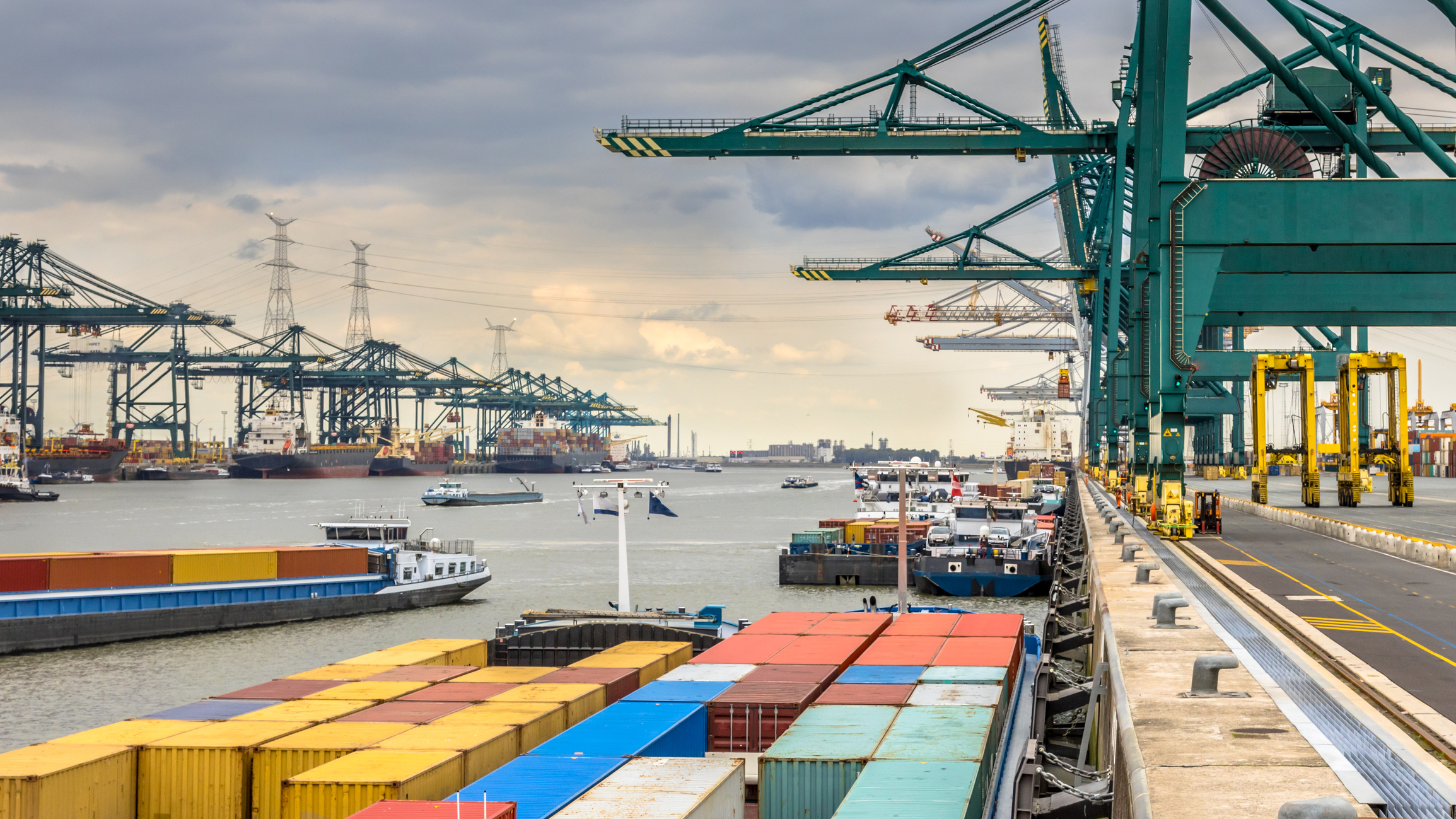
Demand for ship engines in large ships capable of sailing on the alternative fuel methanol is growing markedly at the moment – not least of all since Maersk last year ordered engines for eight large methanol container ships with an option to buy engines for an additional four vessels.
So says one of the world’s leading developers of ship engines, MAN Energy Solutions, which is seeing significant growth in shipping’s interest in alternative fuels such as methanol and ammonia.
”Things are happening in the market right now,” said Bjarne Foldager, senior vice president and head of MAN Energy Solutions’ two-stroke engine business, on Wednesday during the conference Decarbonizing Shipping II, arranged by WPO, Danish Shipping and Danish Maritime.
Quite a lot of orders are being placed at the moment
Bjarne Foldager, SVP, MAN Energy Solutions
MAN Energy Solutions has supplied methanol ship engines since 2016, and the company’s produced methanol engines now have a combined 120,000 operating hours on the books, but Maersk’s decision to bank on methanol as a fuel in the carrier’s first series of large container ships operating sustainably has caused a ketchup effect on the market, according to Foldager.
”Now, it’s not just Maersk [ordering methanol ships, -ed.]. Quite a lot of orders are being placed at the moment,” he says.
Since 2016, MAN has received orders for 55 methanol engines. Of these, 25 go to MR tankers and 30 to container ships – smaller feeder vessels, in particular. A total of 14 ships, all tankers, have become operational. The rest are under construction.
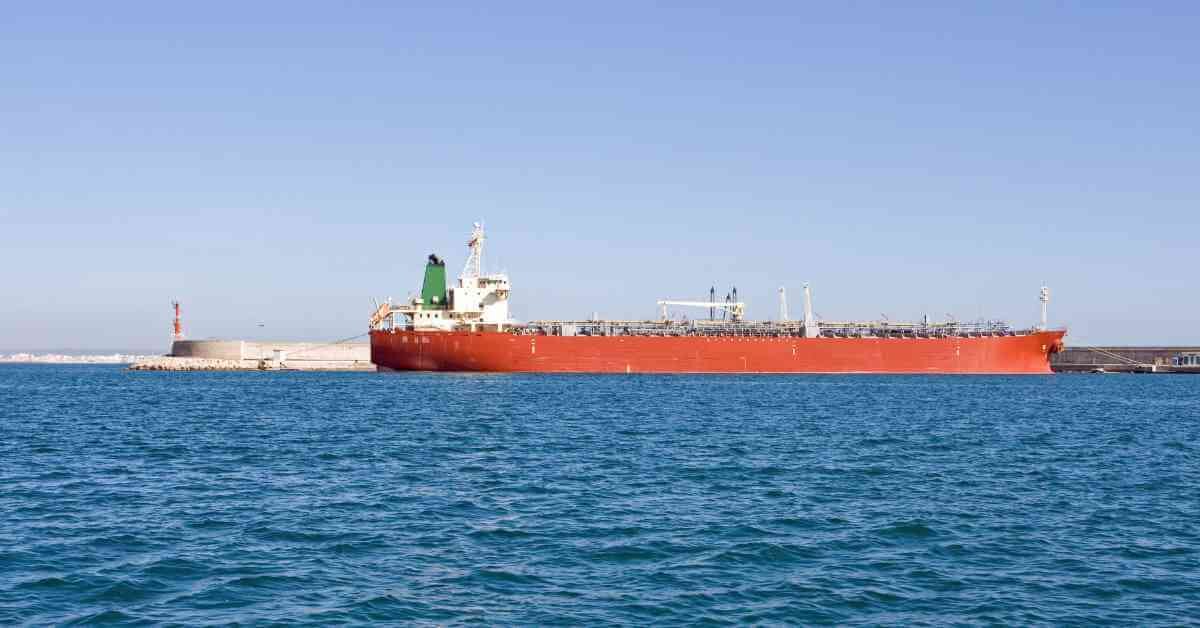
Among the remaining carriers which have ordered ships with engines capable of using methanol are Westfal-Larsen, Misui O.S.K. Lines and Marinvest, all of which have ordered tankers which are also to transport methanol.
Mitsui O.S.K. Lines and Marinvest have also ordered chemical tankers capable of sailing on methanol, and so have players including Iino Kaiun Kaisha, Stena Bulk and Proman Shipping.
Aside from Maersk, X-Press Feeders has ordered engines for a total of 12 feeder ships of each 1,170 teu.
Methanol to be second-biggest fuel
Maersk’s eight large container vessels of each 16,200 teu will be equipped with engines of the type G95ME-LGIM, the world’s largest methanol engine with a piston diameter of 95 centimeters. The first vessel is set for delivery in the first quarter of 2024.
MAN Energy Solutions expects methanol to become the second-most important alternative fuel in shipping after ammonia, which the company expects to really gain traction by the end of this decade.
The biggest problem, in fact, might be the supply chain
Bjarne Foldager, SVP, MAN Energy Solutions
Meanwhile, methanol stands to become another spearhead in the green transformation of shipping.
”It’s a tried and true technology, it’s reliable, and we know it works,” said Foldager.
Storaging methanol is relatively simple, and there is already a supply chain in place for fossil methanol.
Supply could become a problem
The major challenge to methanol use, and ammonia use, in shipping is the construction of bunker facilities and production of green methanol.
”The biggest problem, in fact, might be the supply chain [for green methanol, -ed.],” said Foldager, referring to the fact that green methanol must be produced via electrolysis using renewable energy from wind power, for example.
Today, this production is under establishment, but it is expected to take some years before green methanol will be available in the quantities that shipping needs for its green transformation.
In the slightly longer term, MAN expects green ammonia to become the most important alternative fuel in shipping. The technology for this isn’t quite ready yet, however. Among other things, engine suppliers are working on developing safety measures to prevent environmental incidents involving ammonia, which is highly toxic.