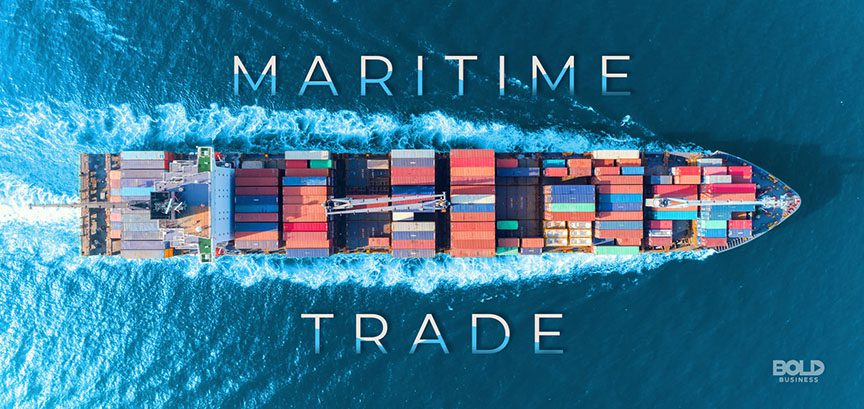

The association learned that in the past month, there have been four consecutive cases of cargo ships heading from Colombian ports in South America to Turkey, and drugs were found hidden in the cabin or outside the hull and were investigated by the authorities. It is understood that Colombia is the most important producer of the world’s most popular cocaine, and since 1985, Colombia has become the world’s largest drug production base. With the help of ports and sea transport, drug dealers targeted ships as carriers of drug transport, and even hid drugs on board without the crew’s knowledge.
1. Smuggling and transportation of drugs
According to incomplete statistics, there have been accidents in recent months in which ships have been hiding drugs:
| serial number | The incident occurred at the port | The previous port | Drug storage location |
| 1 | Port of Altamira, Mexico | Port of Barranquilla, Colombia | Mixed into the cargo hold ore cargo |
| 2 | Port of Bolivar, Colombia | Port of Guayaquil, Ecuador | In the container |
| 3 | Turkish ports | Port Drummond, Columbia | Box attached to the outside of the hull |
| 4 | Port of Lazaro Cardenas, Mexico | Port of Guayaquil, Ecuador | Mixed into container cables |
| 5 | Port of Manzanillo, Mexico | Port of Barranquilla, Colombia | In the container, two people take care of it |
| 6 | Port of Lazaro Cardenas, Mexico | Port of Barranquilla, Colombia | Mixed into the coal in the cargo hold |
| 7 | Port of Ningbo | A port in South America | Mixed into containers of scrap hardware |
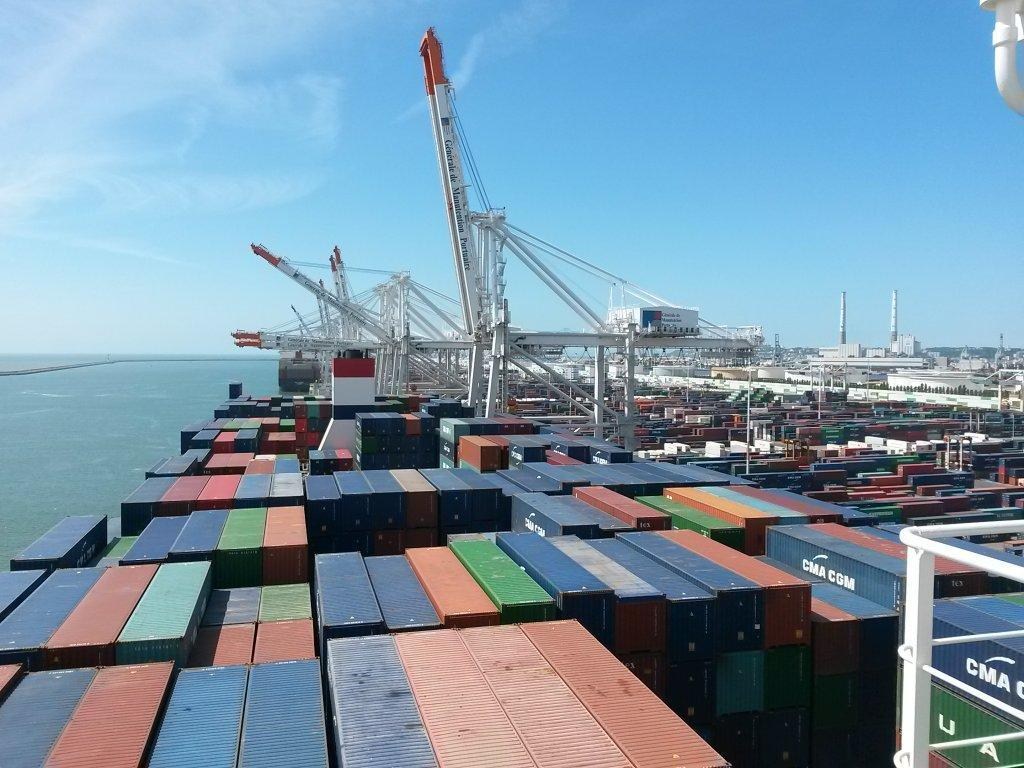
The producer of drugs is often not the ultimate consumer. The cocaine produced in Colombia will be sold to all parts of the world by drug lord syndicates, and the large volume of merchant ships and the lack of strict security measures compared to air transport have undoubtedly become an ideal tool for “carrying goods”. The small hidden space of the cabin, containers, mixed with cargo, etc. are the usual ways to hide drugs, and the servo outside the hull, the submarine door and other areas are also common drug hiding places. At present, the route with the highest risk of drug smuggling is undoubtedly from Barranquilla, Colombia to Altamira, Mexico, but there have also been a number of cases of drug smuggling using ships from the ports of Colombia and Ecuador to Turkey and Algeria recently, which requires sufficient vigilance.
2. The consequences faced by the ship
Once a ship is found to be concealing drugs, port state authorities immediately initiate an investigation process, regardless of whether the crew members are aware of it. Depending on the specific laws of each country, the discovery of drugs on board often results in delays, fines, and possible criminal charges and arrests for crew members. In such cases, the owner and crew often become innocent victims.
3. Suggestions for preventive measures
Based on the information feedback from the association’s local communication agency and other channels, the association suggests that the following precautions can be taken on board to reduce the risk of drug smuggling.
1. Measures that ships can take before calling at ports where drug smuggling occurs:
(1) Ships should consider the risk of drug smuggling at specific ports and obtain comprehensive updates from local agents or agents before the ship arrives.
(2) The onboard security personnel (SSO) shall actively cooperate with the shipping company security personnel (CSOs) and port facility security personnel (PFSOs) and develop detailed risk assessments to prevent any security incidents.
(3) In ports in areas with high risk of drug smuggling, members should also consider hiring additional security personnel from approved shore suppliers to enhance security during the vessel’s stay in port.
(4) The captain and onboard security personnel shall arrange crew training related to the International Ship and Port Facilities Security Code (ISPS Code), the Ship Security Plan (SSP), security obligations, port operations and overall awareness to reduce security threats and the use of ships for drug smuggling.
(5) Remind the captain and crew to be extra vigilant when docking at these ports, and inform the crew to avoid being alone when going ashore, and to be easily targeted by drug traffickers or coercion.
2. Measures that ships can take when calling at ports where drug smuggling is frequent:
(1) The list of ship visitors and the reason for the visit should be confirmed with the local agent in advance. Comprehensive boarding checks (ID photos, boarding documents, etc.) to strictly control the entry and exit of personnel. Unidentified and unrelated persons shall be refused boarding. At the same time, the disembarkation and disembarkation of crew members must also be strictly registered, and relevant security records should be properly kept.
(2) Regardless of berthing or anchoring, arrange personnel to regularly inspect, inspect the ship and its surrounding conditions and make records. If shore security personnel are employed, 24-hour patrols may be arranged. Good lighting should be maintained in all areas of the deck, especially at night.
(3) Areas unrelated to port operations, such as storage rooms, crew living areas and other internal areas, should be locked as much as possible, and personnel can be arranged to guard places that are inconvenient to lock.
(4) If any suspicious activity (divers or small vessels) is observed in the vicinity of the vessel, the captain shall immediately contact the captain, who shall report the situation to the competent authority accordingly. In this case, it is recommended to conduct an underwater inspection of the vessel before departure (some ports may mandate an official underwater inspection of drugs before the vessel sets sail).
(5) If it is really necessary for the ship to arrange local refueling, it is recommended that the captain contact the local agent or general agent to understand the background of the oil supplier to ensure that the oil supplier has a good reputation.
(6) In some cases, stevedores or shore personnel were found to have befriended the crew and induced them to assist in the smuggling of illegal drugs. Crew members should be aware of the potential risks of drug smuggling and report the situation to the captain or security personnel on board.
(7) Even though some ports do not currently have mandatory underwater inspection requirements before sailing, it is still recommended to arrange underwater drug inspections and make corresponding records. If the vessel does not sail for more than 1 hour after the underwater inspection is scheduled, the underwater inspection needs to be rescheduled.
3. Measures that can be taken when drugs are found on board:
(1) If suspicious illegal items are found on the ship, the crew should remain calm and follow the company’s guidance, and report it in a timely manner in accordance with the management regulations.
(2) Crew members should avoid contact with suspicious objects, and should immediately block off relevant areas, take photos for evidence and keep corresponding records.
(3) Immediately report to the competent authority through an agent, to the company’s officers and P&I associations/local agents and flag states.
(4) The crew should fully cooperate with the investigation and evidence collection of the port authorities, and the captain should make records of the corresponding investigation and written documents.
4. Conclusion
The discovery of drugs on board can be very stressful for the crew members involved and their families. While these measures may enhance security on board, some cases occur beyond the control of the crew. The responsibility for combating drug trafficking must be shared by all parties involved, including the Hong Kong side and the competent authorities. However, in any event, the Association recommends that members should still exercise due diligence and ensure that the above precautions are effectively implemented.