
As ocean carriers continue to search for ways to manage emissions while keeping costs down, a report from ship classification society Lloyd’s Register and clean energy consultancy LucidCatalyst asserts that nuclear-power could help achieve both those goals.
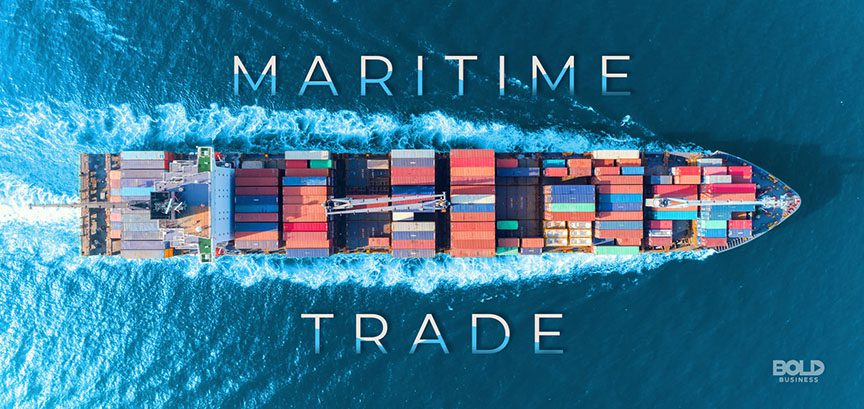
According to the report, a 15,000 twenty-foot-equivalent unit nuclear-powered container ship traveling at 25 knots could deliver as much as 38% more annual cargo capacity than a vessel fueled by bunker fuel. A nuclear-powered vessel would also be 39% faster than conventional cargo ships, allowing it to make 1.3 more round trip voyages per year on average, saving operators up to $50 million bunker fuel costs, and $18 million in carbon penalties.
“Nuclear propulsion offers not just a decarbonized solution, but a transformative economic opportunity for shipowners and charterers alike,” said Lloyd’s Register senior engineer Meg Dowling, in a November 26 release.
The vast majority of nuclear-powered ships in use today are military vessels such as submarines and aircraft carriers, or specialized vessels like icebreakers. Given that there are also no nuclear-powered cargo vessels in operation today, the report also acknowledged that there’s still a long way to go before nuclear shipping can become a commercially viable industry. Such an effort would require widespread coordination among shipbuilders, reactor manufacturers, and regulators, as well as shipping companies, who would need to commit to buying more than 1,000 small modular reactors over 10-15 years to keep manufacturing costs manageable.
In that scenario, modular reactors could be manufactured for an estimated $750-$1,000 per kilowatt — far below the cost of today’s conventional nuclear plants — and would be designed to fit within standard dry-dock maintenance cycles. Each unit would also be capable of operating for roughly five years between refueling, significantly reducing vessel downtime, and freeing carriers from the volatility of global bunker fuel markets.