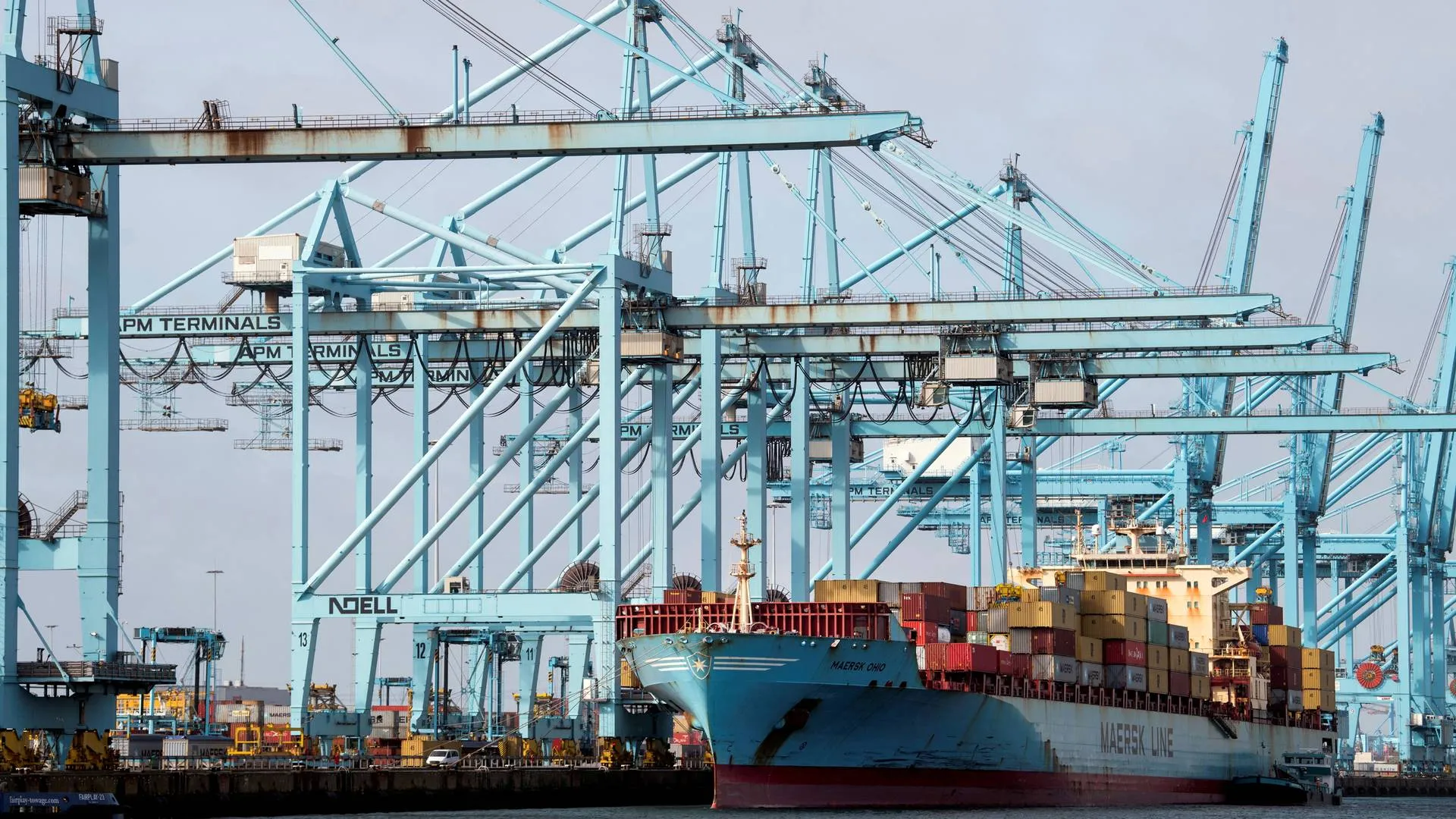

Greek shipowners appear unconcerned about a potential correction in the container vessel charter market should traffic through the Suez Canal normalise following the ’Gaza peace plan’
Danish liner giant Maersk said last month it “will take steps to resume navigation along the East-West corridor via the Suez Canal and the Red Sea and, over time, normalise transits on this route.”
Speaking during a Capital Link webinar, Danaos Corp chief financial officer Evangelos Chatzis said he expects Suez Canal traffic to return to normal in 2026.
Euroseas chief commercial officer Adamantios Catsambis warned, however, that the process remains slow and fragile, as it depends on a peace agreement “that has been violated by both parties.” He also noted what appears to be a “step back” from the US, which “is not as involved as it was in the summer.”
According to Mr Catsambis, it will take “quarters, not weeks or months” for traffic to normalise, adding that underwriters will ultimately determine when transits resume. “Until they feel it is safe, I do not think anyone will go ahead,” he said.
Guarded on potential market correction
Any return to routeing through the Suez Canal will reduce tonne-miles, Mr Chatzis said. Even if this softens the charter market, he noted that Danaos – as well as many of its peers – is largely shielded because a significant share of its fleet is fixed on long-term period contracts.
Global Ship Lease chief executive Thomas Lister pointed out rerouteing via the Cape of Good Hope has effectively absorbed around 10%-11% of global capacity. This mainly affects the largest vessels deployed on mainline Far East-Europe routes, which relied heavily on the Suez Canal before the Red Sea disruptions.
By contrast, mid-size and smaller vessels – where most Greek owners are active – rarely divert via the Cape.
Mr Catsambis agreed smaller ships would face far less impact when normal transit resumes. However, he cautioned that cascading could influence market dynamics, as charterers will try to adapt to any new situation.
Opportunities in a softer market
According to Mr Chatzis, the reopening of the canal could also bring positive supply-side effects, including slower operating speeds and the removal of older vessels that may be headed for demolition.
“Even if the market normalises, it will not materially affect earnings in the industry,” he said.
Market softening, Mr Chatzis added, could also create opportunities to “re-invest in the business.”
Mr Lister echoed this view. “If there were to be a correction, which would put downward pressure on charter rates and asset values, then we would all go shopping for ships,” he said. Conversely, if there is no correction, owners will continue fixing vessels in a firm market.
“So, it is a little bit heads we win, tails we win – at the moment at least,” he added.