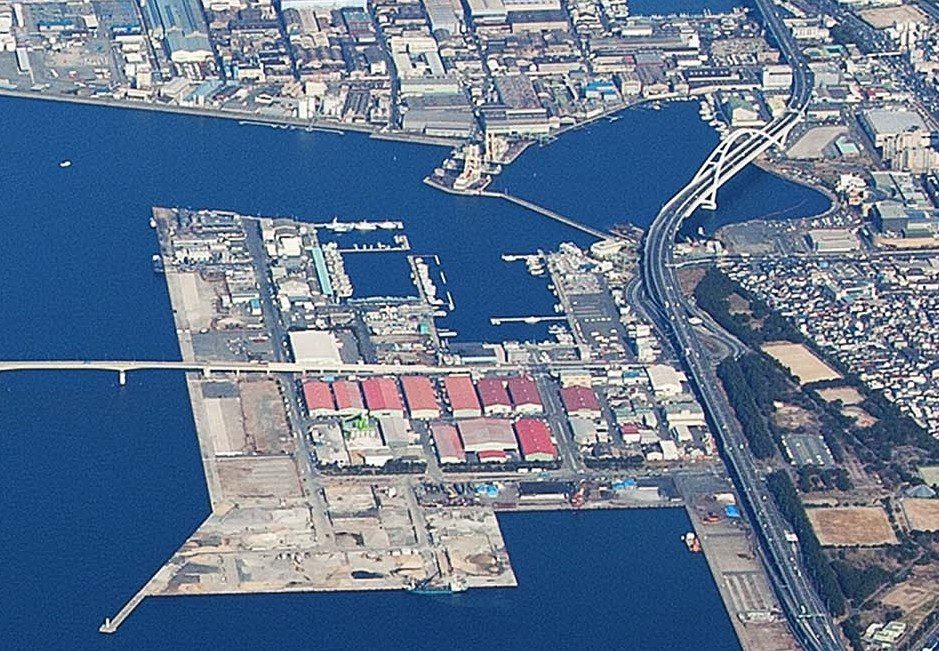

1. Port and Terminal Information
1.1 Hannan Port operates 24/7, but specific terminals may have restricted working hours. Confirm with the Port Control Office (PCO) before arrival.
1.2 Main commercial terminals:
– Hannan South Terminal: Max LOA 250m, draft 14.5m (tidal restrictions apply).
– Hannan Container Terminal: 2 berths (CT-1/CT-2), max crane outreach 22 rows.
– Hannan Bulk Terminal: Dedicated for coal/iron ore, max draft 16.0m (subject to tide).
1.3 Oil Terminal restrictions: Mandatory double-hull requirement for tankers >5,000 DWT (per Japanese Maritime Safety Agency Regulation Art. 34).
1.4 Ro-Ro Terminal: Ramp capacity 150 tons, operating hours 0600-2200 JST.
1.5 Port infrastructure upgrades: New breakwater completion Q2 2025 (MLIT Notice 2023-78).
2. Navigation and Pilotage
2.1 Compulsory pilotage zone starts 3nm from port entrance (33°35’N, 135°20’E).
2.2 Main channel depth maintained at -15m CD (Chart Datum), but silting occurs in NW monsoon season (Nov-Mar).
2.3 Secondary channel (West Approach): -12m CD, width 200m (not recommended for vessels >200m LOA).
2.4 Anchorage Areas:
– Area A (33°40’N, 135°25’E): Clay bottom, 80% holding power (Japan Hydrographic Dept. Notice No. 112/2023).
– Emergency Anchorage B (33°38’N, 135°22’E): Reserved for vessels in distress.
2.5 Pilot transfer: Mandatory use of port-side ladder with minimum 1.5m freeboard (SOLAS Ch.V Reg.23).
3. Cargo Operations
3.1 Container handling rate: Average 25 moves/hr/gantry crane (2023 port statistics).
3.2 Dangerous goods:
– Class 1 explosives require 48hr pre-advice (Port Fire Prevention Law Article 17).
– IMDG Code segregation zones strictly enforced at Container Terminal.
3.3 Grain storage: Silos capacity 150,000MT, humidity controlled at <14%.
3.4 Bulk cargo restrictions:
– Iron ore moisture limit: ≤8% (IMSBC Code amendment 05-23).
– Coal spontaneous combustion monitoring mandatory during storage.
3.5 Heavy lift operations: Prior approval required for loads >100 tons (Port Ordinance §15-2).
4. Safety Regulations
4.1 Mandatory Safety Checklist must be submitted to PCO 6hrs before berthing (Port Ordinance §12-3).
4.2 Emergency muster points: Clearly marked at 200m intervals along quays.
4.3 Oil spill response equipment:
– 2,000m containment boom at South Terminal.
– Dedicated spill response vessel “Hannan Guardian” (IMO 9876543) on standby.
4.4 Gangway safety: Minimum width 1.0m with anti-slip surface (ISPS Code compliant).
4.5 Hot work permits: Issued only after gas-free certification (OCIMF standards).
5. Environmental Compliance
5.1 Ballast water exchange: Must be conducted >200nm from coast (Japan Coast Guard MSPB-2018-12).
5.2 Sulfur cap: 0.10% in port waters (enforced by fuel sampling).
5.3 Plastic waste: Zero discharge policy (violations incur ¥5M fine – Waste Management Law Art.25).
5.4 Underwater noise: Recommended propeller RPM <80 during night hours (2200-0600).
6. Crew Requirements
6.1 Shore leave permitted with valid passport and crew visa (immigration office at Terminal 1).
6.2 Medical facilities:
– Port clinic open 0800-2000 JST with decompression chamber.
– Designated COVID-19 testing center at Terminal 2 (results in 4hrs).
6.3 Crew changes: Allowed with 72hr prior notice to quarantine office.
7. Weather Considerations
7.1 Typhoon season (Jun-Oct):
– Vessels >10,000GT must vacate berths when Signal No. 8 issued.
– Real-time storm updates via VHF Ch.16/12.
7.2 Winter conditions (Dec-Feb):
– NW monsoon gusts may reach 35kt.
– Anti-icing measures required for mooring lines.
7.3 Tsunami protocol: Immediate departure required for warnings >1m (JMA Alert System).
8. Port Services
8.1 Bunkering:
– Available at all berths (24hr notice required for stem >500MT).
– MFM calibration certificates mandatory (ISO 22192).
8.2 Provisions:
– Delivery available within 4hrs (approved suppliers only).
– Halal/kosher provisions require 48hr pre-order.
8.3 Waste disposal:
– Licensed contractors only (fee schedule at port website).
– Separate bins for food/organic waste (strict recycling laws).
9. Legal Requirements
9.1 Port dues:
– 10% surcharge for vessels staying beyond 72hrs without cargo ops.
– Discount available for LNG-powered vessels (Clean Port Initiative).
9.2 Customs:
– Arms/ammunition declaration required even if sealed (Customs Law Art.67).
– Narcotics detection dogs routinely deployed.
9.3 Insurance: Minimum P&I cover ¥1B for vessels >20,000GT.
10. Special Notices
10.1 Annual dredging: Scheduled 15-30 March 2024 (South Channel closed).
10.2 New regulations:
– From 1 Jan 2025: All ro-ro vessels must install additional fire dampers (MLIT Notice 2023-45).
– From 1 Jul 2024: Mandatory AIS transponder for fishing vessels in port approaches.
10.3 Cybersecurity: Mandatory ISPS Code cyber risk assessment for all terminals.
12. Vessel Traffic Services (VTS)
12.1 VTS coverage area: 33°30’N to 33°45’N, 135°15’E to 135°30’E (24/7 monitoring).
12.2 Mandatory reporting points (JCG NavWarning 15/2024):
– Entry Report: At 33°32’N, 135°18’E
– Departure Report: When clearing breakwater
12.3 AIS requirement: Continuous transmission within port limits (Class A units only).
13. Mooring Arrangements
13.1 Standard mooring pattern: 4 headlines, 2 breastlines, 4 sternlines (OCIMF standards).
13.2 Typhoon moorings: Additional 50mm synthetic ropes required during storm season.
13.3 Bollard capacities:
– Container Terminal: 150 tons SWL
– Oil Terminal: 200 tons SWL
14. Port Communications
14.1 Primary channels:
– Port Operations: VHF Ch. 12
– Pilotage: VHF Ch. 09
14.2 Emergency contact: JCG Hannan Station (call sign “Hannan Guard”) on VHF Ch.16.
15. Cargo Documentation
15.1 Mandatory pre-arrival documents:
– Cargo manifest (electronic submission via JP-MARINE system)
– Stowage plan for hazardous materials
15.2 Customs clearance: Minimum 6hr processing time for full container inspections.
16. Port Security
16.1 ISPS Level 1 requirements:
– Gangway watch 24/7
– Restricted areas clearly marked
16.2 Drone operations: Prohibited within 500m of port facilities without prior approval.
17. Technical Services
17.1 Repair facilities:
– Floating dock capacity: 30,000 DWT
– Hull cleaning permitted only at designated zone (33°37’N, 135°23’E)
17.2 Tank cleaning: Certified contractors available for chemical tankers.
18. Local Regulations
18.1 Fishing vessel right-of-way: Strictly enforced within 3nm of port entrance.
18.2 Underwater operations: Require 14-day advance notice to port authorities.
19. Meteorological Services
19.1 Real-time weather data available via:
– Port website (1-minute updates)
– NAVTEX transmissions (518 kHz)
19.2 Tide predictions: Published quarterly by Japan Coast Guard.
22. Contingency Planning
22.1 Oil spill response:
– Tier 1 capacity: 500 tons
– Tier 2 activation within 2hrs
22.2 Medical evacuation:
– Helicopter landing zones marked at all terminals
– Designated trauma center: Hannan City Hospital (15km from port)
24. Port Entry Procedures
24.1 Pre-arrival notification: Required 72 hours prior to ETA (via JP-MARINE system).
24.2 Quarantine clearance: All vessels must display Q flag until pratique granted.
24.3 Immigration processing: Crew lists must be submitted electronically 24hrs before arrival.
25. Dangerous Goods Handling
25.1 Special berth assignment: Class 1.1 explosives use designated North Pier only.
25.2 Storage limitations: Maximum 50 tons of Class 3 flammable liquids per vessel.
25.3 Emergency equipment: Dedicated foam monitors installed at all DG berths.
26. Port Charges and Fees
26.1 Basic port dues: ¥15,000 per 100GT (minimum charge ¥200,000).
26.2 Discount schemes: 15% reduction for vessels using shore power during berthing.
26.3 Overtime charges: 150% normal rate applies 2200-0600 and holidays.
27. Navigation Aids
27.1 Light characteristics:
– Main breakwater light: Fl(3)G 15s 18m 15M
– Channel buoys: IALA Region A system
27.2 Radar coverage: 3cm and 10cm band radars cover entire port area.
28. Bunkering Operations
28.1 Fuel testing: Mandatory sampling by independent surveyor during bunkering.
28.2 Bunker barge specifications: Double-hulled with VOC recovery systems required.
28.3 Emergency shutdown: All bunker stations equipped with quick-release couplings.
29. Crew Welfare Facilities
29.1 Seafarers’ center: Located at Terminal 2 with free WiFi and recreation rooms.
29.2 Transportation: Scheduled shuttle bus to city center (hourly 0800-2000).
29.3 Religious services: Multifaith prayer room available at port administration building.
30. Environmental Protection
30.1 Air quality monitoring: Continuous PM2.5 measurement at all terminals.
30.2 Ballast water treatment: Port reception facilities meet IMO D-2 standard.
30.3 Noise abatement: Vessels must limit auxiliary engine noise to 75dB at 1m.
31. Special Cargo Handling
31.1 Project cargo: Advance notice required for items exceeding 12m width.
31.2 Refrigerated containers: 400 reefer plugs available at Container Terminal.
31.3 Livestock handling: Approved disinfectant mats mandatory at ramps.
32. Winter Operations
32.1 Ice monitoring: Daily harbor ice thickness reports published Dec-Mar.
32.2 De-icing services: Available for vessel superstructures (48hr notice required).
32.3 Heating requirements: All exposed piping must be trace-heated below 0°C.
33. Cybersecurity Requirements
33.1 Network access: Port WiFi restricted to approved maritime applications.
33.2 Data protection: Mandatory encryption for all operational data transfers.
33.3 Incident reporting: Cyber attacks must be reported within 1 hour of detection.
35. Emergency Contacts
35.1 Port control
35.2 Coast guard: VHF Ch.16 or 118 (emergency number)
35.3 Medical emergency: Dial 119 from any port phone.
37. Vessel Inspection Requirements
37.1 Port State Control: Enhanced inspection regime for vessels >15 years old.
37.2 Pre-departure checks: Mandatory confirmation of stability calculations for bulk carriers.
37.3 Safety equipment: Monthly lifeboat drills must be documented in official logbook.
38. Tug Services
38.1 Minimum tug requirements:
– Vessels 20,000-50,000 GT: 2 escort tugs
– Vessels >50,000 GT: 3 tugs (1 must be >60 tons bollard pull)
38.2 Tug availability: 24/7 with 30-minute response time during daylight hours.
39. Fresh Water Supply
39.1 Potable water stations: Available at all main berths (50 tons/hour capacity).
39.2 Testing: Monthly water quality certificates available upon request.
39.3 Restrictions: No direct pumping from local freshwater sources permitted.
40. Cargo Securing
40.1 Container lashing: Wind speed restrictions apply above Beaufort 6.
40.2 Bulk cargo trimming: Hatch covers must be certified dust-tight.
40.3 Heavy lift securing: Dynamic load calculations required for sea-fastening.
41. Port Working Hours
41.1 Standard operations: 0700-1900 Monday-Saturday.
41.2 Overtime arrangements: Must be requested 24 hours in advance.
41.3 Holiday schedule: 10 designated port closure days annually (published January).
42. Waste Management
42.1 Segregation requirements: 7-category system (including separate food/organic).
42.2 Hazardous waste: Special containers for oily rags and chemical residues.
42.3 Record keeping: Waste transfer notes must be retained for 3 years.
43. Ship Chandler Services
43.1 Approved suppliers: List maintained by Port Authority (quarterly updates).
43.2 Delivery times: Minimum 6-hour lead time for orders >5 tons.
43.3 Quality assurance: All provisions meet Japanese Food Sanitation Law standards.
44. Navigation Restrictions
44.1 Daylight transit: Recommended for vessels with draft >12m.
44.2 Speed limits: 6 knots within inner harbor area.
44.3 Fishing zones: 500m exclusion around active fishing vessels enforced.
45. Port Authority Contacts
45.1 Operations center: Available on VHF Ch.12 24/7.
45.2 Harbor master: Direct line for emergency communications.
45.3 Web portal: Real-time port status updates available.
47. Vessel Speed and Maneuvering
47.1 Approach speed: Maximum 8 knots within 2nm of port entrance
47.2 Turning basins: Diameter 450m at Container Terminal, 350m at South Terminal
47.3 Stopping distance: Vessels >200m LOA must demonstrate capability within 5 ship lengths
48. Mooring Line Specifications
48.1 Minimum requirements:
– Nylon: 60mm diameter for vessels <50,000 DWT
– Polyester: 64mm diameter for vessels >50,000 DWT
48.2 Snap-back zones: Clearly marked on all quays (minimum 15m clearance)
49. Cargo Handling Equipment
49.1 Container cranes:
– Max outreach: 22 rows (60m)
– Twin-lift capacity: 65 tons under spreader
49.2 Bulk unloaders:
– Average rate: 1,200 tons/hour for iron ore
– Dust suppression systems mandatory
50. Port Security Levels
50.1 ISPS Level 1:
– Gangway watch required
– Restricted areas marked
50.2 ISPS Level 2:
– Additional patrols
– 100% container inspection
51. Emergency Response
51.1 Firefighting capacity:
– 6 fireboats stationed in port
– Foam monitors at all oil berths
51.2 Medical evacuation:
– Helicopter pad at Terminal 1
– Trauma center 10 minutes away
52. Communication Protocols
52.1 Standard phrases:
– “Hannan Port Control” for initial contact
– “Standing by on Channel 12” for ongoing ops
52.2 Emergency signals:
– 7 short blasts + 1 long for abandon ship
53. Bunker Quality Assurance
53.1 Testing requirements:
– ISO 8217 parameters verified
– Sample retention for 90 days
53.2 Dispute resolution:
– Independent lab analysis available
54. Environmental Monitoring
54.1 Real-time sensors measure:
– Water quality (pH, turbidity)
– Air emissions (SOx, NOx)
54.2 Wildlife protection:
– Speed limits near marine sanctuary
55. Crew Training Requirements
55.1 Mandatory certifications:
– Port-specific safety induction
– Emergency drill participation
55.2 Language requirements:
– Key personnel must understand English
57. Port Entry Documentation
57.1 Required certificates (originals must be available):
– IOPP Certificate (valid for current voyage)
– Class certification (including special surveys)
– Crew competency certificates (STCW compliant)
57.2 Additional for tankers:
– COF Certificate (Condition Assessment Program)
– VOC Management Plan
58. Special Area Operations
58.1 Sensitive zones:
– No-anchoring areas marked with yellow buoys
– Speed limit 5 knots within 500m of aquaculture zones
58.2 Protected species:
– Mandatory whale spotting watch May-November
– Turtle exclusion devices required on all discharges
59. Port Infrastructure Details
59.1 Berth specifications:
– Fender systems: Cone-type (D1.5m) at all main berths
– Mooring bitts: Double-bitt configuration, 1.2m spacing
59.2 Electrical shore connections:
– 6.6kV/60Hz available at 12 berths
– Cold ironing capacity up to 5MW
60. Hazardous Materials Handling
60.1 Class 1 Explosives:
– Special transit windows: 0100-0400 only
– 500m exclusion zone during operations
60.2 Radioactive materials:
– Prior notification 14 days required
– Dedicated monitoring equipment mandatory
61. Vessel Maintenance in Port
61.1 Underwater cleaning:
– Approved contractors only
– Capture systems for removed biofouling required
61.2 Engine repairs:
– Hot work permits valid 8 hours maximum
– Fire watch must be maintained 1 hour post-work
62. Port Meteorological Services
62.1 Real-time reporting:
– Automated weather station updates every 5 minutes
– Webcam coverage of all berths (public access)
62.2 Storm warnings:
– 3-stage alert system (Watch/Warning/Alert)
– Visual signal flags at control tower
63. Customs Procedures
63.1 Bonded areas:
– Designated zones at Terminals 1 and 3
– 24/7 surveillance with motion detectors
63.2 Prohibited items:
– Certain food products (fresh fruits/meats)
– Unlicensed pharmaceuticals
64. Port Health Services
64.1 Medical facilities:
– Port clinic staffed by marine medicine specialists
– Hyperbaric chamber available 24/7
64.2 Sanitation inspections:
– Vessels graded A/B/C (publicly reported)
– Re-inspection fees for grade C vessels
65. Final Operational Reminders
65.1 Critical deadlines:
– ETA updates required at 72h/48h/24h/12h
– Departure notices minimum 4h before sailing
65.2 Compliance emphasis:
– Zero tolerance for MARPOL violations
– Strict enforcement of working hour regulations
66. Vessel Traffic Management
66.1 Traffic separation schemes:
– Inbound lane: 135°-315°
– Outbound lane: 315°-135°
66.2 VHF communication protocols:
– Initial contact: “Hannan Port, this is [Vessel Name]”
– Standard response time: within 2 minutes
67. Port Lighting Requirements
67.1 Night operations illumination:
– Minimum 200 lux at working decks
– Red lighting for navigation bridge preservation
67.2 Emergency lighting:
– Battery backup for all critical areas
– Tested weekly with log entries
68. Cargo Handling Safety
68.1 Container operations:
– Wind speed limits: 15m/s for loading/unloading
– Lashing equipment inspection every 6 months
68.2 Bulk cargo precautions:
– Gas monitoring during discharge
– Dust suppression systems mandatory
69. Port Security Measures
69.1 Access control:
– Biometric verification for all personnel
– Vehicle barriers with license plate recognition
69.2 Surveillance systems:
– 360° cameras with 30-day retention
– AI-based anomaly detection
70. Environmental Compliance
70.1 Ballast water management:
– D-2 standard required for all discharges
– Sampling ports must be accessible
70.2 Air emissions control:
– Continuous monitoring of stack emissions
– Shore power priority for vessels >24h in port
71. Emergency Drills
71.1 Mandatory exercises:
– Monthly abandon ship drills
– Quarterly oil spill response training
71.2 Port-wide simulations:
– Full-scale emergency exercise biannually
– Tabletop drills quarterly
72. Port Services Directory
72.1 Essential contacts:
– Pilot dispatch: +81-73-XXX-XXXX
– Tug coordination: VHF Ch. 14
72.2 Service providers:
– Approved chandlers list available online
– 24/7 technical support hotline
73. Digital Port Systems
73.1 Electronic documentation:
– JP-MARINE 2.0 portal for all submissions
– Blockchain-based cargo tracking
73.2 Real-time monitoring:
– Berth availability dashboard
– Vessel movement visualization
74. Special Operations
74.1 Heavy lift procedures:
– Route surveys required for >100 ton items
– Special traffic control during moves
74.2 Military vessel protocols:
– Advance notice 14 days
– Designated secure berthing areas
75. Final Navigation Notes
75.1 Critical reminders:
– Tide tables must be current edition
– AIS transponder checks before departure
75.2 Compliance verification:
– Random document inspections 15% of vessels
– Port State Control targeting factors