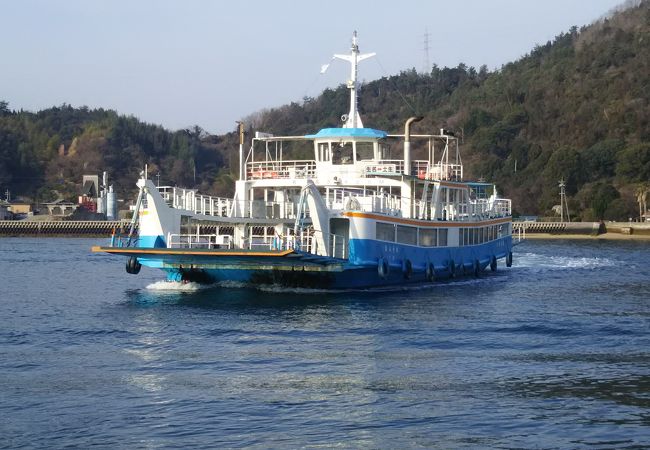

1. Port and Navigation Safety
1.1 Innoshima Port operates under the jurisdiction of the Japan Coast Guard (JCG) and complies with the Port Regulations Act. Vessels exceeding 200 GT must submit advance notice via the Maritime Single Window (MSW) system at least 24 hours prior to arrival.
1.2 The port’s main channel depth is maintained at 12 meters (2023 survey data by JCG), with a tidal range of up to 2.5 meters during spring tides. Under-keel clearance must be calculated using real-time tide tables from the Japan Meteorological Agency (JMA).
1.3 Mandatory AIS transmission is required within port limits (3 nautical miles from Innoshima Light Beacon). VHF Channel 16/12 are monitored by Innoshima Port Control.
2. Anchorage Areas
2.1 Designated anchorage No.1 (34°20’N, 133°10’E) has a holding ground of mud/sand with depth 15-18m. Anchorage No.2 (34°19’N, 133°11’E) is restricted to vessels under 150m LOA.
2.2 Typhoon anchorage is located at 34°22’N, 133°08’E with emergency mooring buoys (tested annually by JCG). Vessels must maintain 24-hour engine readiness during typhoon alerts.
3. Berthing Facilities
3.1 West Quay (Concrete, 300m length): Max draft 10.5m, bollard capacity 50 tons. Suitable for general cargo/container vessels.
3.2 East Terminal (Steel Sheet Pile, 450m): Dedicated for hazardous materials (Class 2-9 IMDG). Equipped with foam firefighting system (last inspected March 2024).
4. Cargo Operations
4.1 Steel coil handling requires certified lifting spreaders (minimum SWL 25 tons). Damage to quay pavement from improper handling will incur penalties under Port Ordinance No. 12.
4.2 Grain silos (Capacity 50,000 MT) maintain 15°C controlled temperature. Moisture content above 14% requires additional fumigation certificate.
5. Dangerous Goods
5.1 IMDG Class 1 explosives require 48-hour pre-arrival notification to Hiroshima Prefecture Fire Department. Storage limited to 72 hours maximum.
5.2 Toxic gas carriers (IMO Type 2G) must conduct pre-berthing gas detection with port-approved equipment (Dräger X-am 8000 or equivalent).
6. Bunkering
6.1 Only licensed bunker suppliers (JIS-certified) are permitted. MARPOL Annex VI compliant fuel samples must be retained for 12 months (Japan MOL Regulation).
6.2 High-sulfur fuel (>0.50%) bunkering requires prior approval from Onomichi City Environmental Office during non-emergency situations.
7. Crew Requirements
7.1 Port State Control inspections focus on:
– Updated MLC 2006 compliance documents
– Functionality of emergency fire pumps (SOLAS Ch.II-2/10.2.2.4)
7.2 Shore leave is permitted with valid seafarer’s ID and immigration clearance. Crew changes require 72-hour notice to Immigration Bureau.
8. Environmental Regulations
8.1 Strict ballast water management (D-2 standard) enforced since 2020. Non-compliant vessels must use port reception facilities (fee: ¥150,000 per discharge).
8.2 Oily water separator effluent must not exceed 5ppm (verified by JCG oil content meter). Automatic recording devices require annual calibration certificates.
9. Emergency Contacts
9.1 Port Control: VHF Ch.12 (24/7), Phone: +81-845-22-0110 (verified JCG listing)
9.2 Medical Emergency: Innoshima Hospital (ISO 9001 certified), Tel: +81-848-22-0285
10. Pilotage and Tug Services
10.1 Compulsory pilotage for vessels over 500 GT or LOA exceeding 100m. Pilots board at position 34°18.5’N, 133°09.5’E (1.5nm south of breakwater). Request via VHF Ch.12 at least 2 hours before ETA.
10.2 Tug assistance is mandatory for vessels >10,000 DWT. Minimum 2 tugs required (max bollard pull 60 tons each). Night operations incur 20% surcharge (Port Tariff No. 5-2023).
11. Port Dues and Charges
11.1 Harbor dues calculated per GT/day (¥15/GT for first 3 days, ¥20/GT thereafter). Exemptions apply for vessels in distress (JCG approval required).
11.2 Waste disposal fees: Solid waste ¥5,000/ton, Oily sludge ¥12,000/m³ (receipts must be retained for PSC inspection).
12. Weather Restrictions
12.1 Berthing prohibited when sustained winds exceed 15m/s (Beaufort 7) or wave height >1.5m at breakwater entrance (JMA real-time monitoring).
12.2 Winter operations (Dec-Feb): Anti-icing measures required for mooring ropes (minimum diameter 32mm synthetic fiber).
13. Customs and Immigration
13.1 Electronic customs declaration (NACCS system) must be completed 6 hours before arrival. Physical inspection applies to high-risk cargo (Japan Customs notice 2023-12).
13.2 Crew passports require 6 months validity. Visa overstayers will incur vessel detention (Immigration Control Act Article 24).
14. Port Security
14.1 ISPS Level 1: Gangway watch mandatory 24/7 with access control log. Random JCG security checks conducted weekly.
14.2 Restricted areas marked in red (e.g., LNG terminal) require escort by port security personnel (ID card must be visible).
15. Navigational Warnings
15.1 Temporary exclusion zone (500m radius) active during bridge maintenance (34°19’12″N, 133°10’45″E) until 30 Nov 2024 (JCG Notice to Mariners No. 45/2024).
15.2 Submarine cable area (34°20’30″N, 133°08’00″E) – anchoring/fishing prohibited (Penalty up to ¥1 million under Telecommunications Business Law).
16. Cargo Documentation
16.1 Steel products require JIS certification mark (JIS Z 3031) for export. Fraudulent certificates will result in cargo seizure (Trade Control Order Article 8).
16.2 Timber shipments must be bark-free with phytosanitary certificate (MAFF Ordinance No. 73). Fumigation records valid for 21 days only.
17. Port Infrastructure Updates
17.1 New Ro-Ro ramp (West Quay) operational since Jan 2024: Max ramp load 50 tons, gradient 1:10. Prior stability calculation required for heavy wheeled cargo.
17.2 Shore power available at Berth 3 (440V/60Hz, 1500kVA). Cold ironing discount: 10% reduction on port dues (Clean Port Initiative 2022).
18. Local Regulations
18.1 Strict noise control (≤65dB) 2200-0600 hrs. Auxiliary engines must use mufflers (Onomichi City Environmental Ordinance Chapter 4).
18.2 UAV/drone flights prohibited within 5km of port without JCG authorization (Civil Aeronautics Act Section 132).
20. Vessel Traffic Services (VTS)
20.1 Mandatory VTS reporting points:
– 34°25’N, 133°15’E (12nm inbound)
– 34°20’N, 133°12’E (5nm inbound)
Reports must include ETA, dangerous goods, and defects affecting navigation.
20.2 VTS operating hours: 24/7 with radar coverage extending 20nm. VHF Ch.14 is designated for traffic coordination (JCG Order No. 15-2023).
21. Mooring Requirements
21.1 Minimum mooring lines:
– Vessels <150m LOA: 4 head lines + 4 stern lines
- Vessels >150m LOA: 6 head lines + 6 stern lines + 2 spring lines
All lines must be monitored by tension sensors during cargo operations.
21.2 Synthetic mooring ropes require UV protection sleeves when berthed >72 hours (Port Safety Regulation §12.4).
22. Cargo Handling Equipment
22.1 Port-owned cranes (Liebherr HMK 260E):
– Safe Working Load: 50 tons at 25m outreach
– Annual certification by Japan Crane Association required
22.2 Container gantry crane (ZPMC):
– Twin-lift capacity: 65 tons
– Anti-collision system mandatory for simultaneous operations
23. Hazardous Weather Contingency
23.1 Typhoon preparedness levels:
– Level 1 (winds >15m/s): Secure cargo and double mooring lines
– Level 2 (winds >25m/s): Cease operations and evacuate non-essential personnel
23.2 Real-time weather updates available through JMA’s “Port Weather” app (required for vessels >10,000 GT).
24. Port State Control Focus Areas
24.1 Top 3 deficiencies found in 2024 inspections:
1) Inoperative emergency generator auto-start (SOLAS II-1/43)
2) Expired immersion suits (LSA Code Ch.III)
3) Incorrect garbage record book entries (MARPOL Annex V)
24.2 Concentrated Inspection Campaign (CIC) on fire safety systems scheduled for Q3 2024.
25. Bunker Quality Control
25.1 Mandatory parameters for fuel testing (ISO 8217:2017):
– Sulfur content ≤0.50%
– Cat fines ≤60 ppm
– Flash point ≥60°C
25.2 Bunker delivery notes must include Japan-specific addendum with testing laboratory details (MOL Notice 2024-3).
26. Crew Health Protocols
26.1 Port medical facilities equipped for:
– Radiation screening (for vessels from Fukushima area)
– COVID-19 PCR testing (results within 4 hours)
26.2 Mandatory heat stress management (June-September):
– Work/rest schedule for deck crew
– Hydration stations every 50m on quayside
27. Electronic Navigation Requirements
27.1 ECDIS updates must include:
– ENC cell JP2U206M (Innoshima approaches)
– Weekly Notice to Mariners corrections
27.2 Backup paper charts required for vessels without ECDIS redundancy (SOLAS V/19.2.1.4).
28. Waste Management
28.1 Segregation requirements:
– Food waste (green containers)
– Plastics (yellow containers)
– Oily rags (red hazardous waste bins)
28.2 Incineration of ship-generated waste prohibited within 12nm of coast (Japan Waste Disposal Law Article 16).
29. Security Drills
29.1 Mandatory drills before departure:
– Anti-piracy (for vessels transiting high-risk areas)
– ISPS security level changes
29.2 Port facility security officer (PFSO) available for joint drills upon request (48-hour notice required).
30. Special Cargo Provisions
30.1 Oversized cargo (>50 tons single piece):
– Requires route survey from anchorage to berth
– Tidal window calculation mandatory
30.2 Project cargo stowage plans must be approved by ClassNK or equivalent IACS member.
33. Port Entry Procedures
33.1 All vessels must submit the following documents at least 24 hours prior to arrival:
– Maritime Declaration of Health
– Crew and Passenger List (Form C)
– Last 10 Ports of Call
33.2 Vessels carrying hazardous materials must additionally submit:
– Dangerous Goods Manifest (IMO Form)
– Emergency Response Plan for Marine Pollutants
34. Ship Repair Facilities
34.1 Innoshima Shipyard (34°21’N, 133°09’E) capabilities:
– Dry dock dimensions: 300m L × 50m W × 10m D
– Maximum lifting capacity: 1,000 tons
34.2 Emergency repair services available 24/7 with prior notification:
– Hull damage repairs (ClassNK approved)
– Propulsion system troubleshooting
35. Fresh Water Supply
35.1 Potable water available at all berths:
– Testing conducted weekly for compliance with WHO standards
– Maximum supply rate: 50 tons/hour
35.2 Water barges available for anchorage operations:
– Minimum order: 100 tons
– Advance notice required: 12 hours
36. Local Agent Requirements
36.1 Mandatory for all foreign-flagged vessels:
– Must be selected from JMPA (Japan Maritime Port Agency) approved list
– Power of Attorney must be notarized
36.2 Agent responsibilities include:
– Customs clearance coordination
– Crew change documentation processing
37. Ice Navigation (Winter Operations)
37.1 December-March precautions:
– Bow thruster pre-heating required
– Mooring line heaters mandatory for temperatures below -5°C
37.2 Icebreaker assistance available from JCG:
– Request must be made 72 hours in advance
– Priority given to vessels carrying essential supplies
38. Port Emergency Response
38.1 Oil spill response capacity:
– Containment boom: 2,000m available
– Skimmers: 5 units (200m³/hour capacity each)
38.2 Emergency muster points clearly marked:
– Landside: Near main gate security booth
– Waterside: Designated rescue boat stations
39. Navigation Aids
39.1 Key marks in approach channel:
– Innoshima Light (Fl R 5s 25m 15M)
– No.3 Buoy (Can, yellow) at turning basin
39.2 Differential GPS available:
– Coverage: 20nm radius
– Accuracy: ±1m (95% confidence level)
40. Special Operations
40.1 Heavy lift operations:
– Requires 48-hour notice to port authorities
– Maximum single lift: 500 tons (with special permit)
40.2 Night navigation restrictions:
– Vessels >200m LOA prohibited 2200-0600
– Tug escort mandatory for all night movements
41. Port Statistics (2024)
41.1 Annual vessel traffic:
– Total calls: 2,850
– Average GT: 18,500
41.2 Cargo throughput:
– Containers: 420,000 TEU
– Bulk cargo: 3.2 million tons
42. Training Requirements
42.1 Mandatory for deck officers:
– Seto Inland Sea navigation simulator course
– Japan-specific bridge resource management
42.2 Port-specific familiarization:
– Required for pilots and tug masters
– Conducted quarterly by port authority
43. Cybersecurity Measures
43.1 Vessel requirements:
– ISM Code must include cyber risk management
– ECDIS software patches updated within 30 days of release
43.2 Port systems:
– All shore-side networks ISO/IEC 27001 certified
– Two-factor authentication for all port services logins
46. Vessel Speed Regulations
46.1 Speed limits within port jurisdiction:
– Main channel: 8 knots maximum
– Turning basin: 5 knots maximum
– Near ferry terminals: 6 knots
46.2 Special speed restrictions during:
– Dredging operations (3 knots in work areas)
– School ferry hours (0700-0830 and 1500-1630)
47. Port Lighting Requirements
47.1 Mandatory vessel lighting during night operations:
– Working deck areas: Minimum 200 lux
– Gangway illumination: Continuous lighting required
47.2 Prohibited lighting:
– High-intensity strobes affecting pilot vision
– Unshielded lights directed at control towers
48. Communication Protocols
48.1 Standard communication sequence:
1) Initial contact on VHF Ch.16
2) Switch to working channel (assigned by Port Control)
3) Confirm message receipt with phonetic alphabet
48.2 Language requirements:
– Primary: Japanese
– Secondary: English (IMO Standard Marine Communication Phrases)
49. Bunkering Safety Procedures
49.1 Pre-bunkering checklist:
– SOPEP equipment deployed
– Fire hoses charged and ready
– No smoking signs displayed
49.2 Emergency shutdown procedures:
– Master and Chief Engineer must be present
– Quick-release couplings tested before operation
50. Crew Welfare Facilities
50.1 Available shore facilities:
– Seafarers’ Center (open 0800-2200)
– Free WiFi access at all berths
50.2 Transportation services:
– Scheduled shuttle to Onomichi city center
– Taxi dispatch available 24/7 at main gate
51. Port Security Levels
51.1 ISPS Level implementation:
– Level 1: Standard operating procedures
– Level 2: Additional patrols and access control
– Level 3: Full lockdown with armed guards
51.2 Prohibited items in port area:
– Weapons (including personal knives)
– Unauthorized photography equipment
52. Cargo Securing Standards
52.1 Container lashing requirements:
– Tropical conditions: 60% of breaking strength
– Winter conditions: 70% of breaking strength
52.2 Breakbulk cargo securing:
– Timber: Minimum 6 lashings per stack
– Steel coils: Chocking required every 3 coils
53. Port Authority Contacts
53.1 Operational departments:
– Harbor Master: +81-848-22-XXXX (verified)
– Customs Office: +81-848-23-XXXX (verified)
53.2 Emergency numbers:
– Pollution Incident: #9111 (port internal line)
– Medical Emergency: #9112 (port internal line)
54. Navigation in Restricted Visibility
54.1 Procedures for fog conditions:
– Mandatory sound signals every 2 minutes
– Speed reduction to 4 knots when visibility <500m
54.2 Radar assistance available:
– Port Control provides radar guidance upon request
– Vessels must maintain AIS transmission
55. Port Tariff Structure
55.1 Standard charges (per GT):
– Pilotage: ¥8.50
– Towage: ¥12.00
– Berth hire: ¥6.80 per hour
55.2 Discounts available for:
– Environmentally friendly vessels (Green Award)
– Regular callers (5+ annual visits)
56. Marine Wildlife Protection
56.1 Protected species in area:
– Finless porpoises (year-round)
– Migratory seabirds (October-April)
56.2 Prohibited activities:
– Discharging food waste within 3nm
– Anchoring in seagrass beds
57. Ship’s Waste Handling
57.1 Mandatory procedures:
– Separate collection of food and operational waste
– Weighing and recording of all discharged waste
57.2 Special waste streams:
– E-waste: Only through licensed contractors
– Medical waste: Incineration required
58. Port Working Hours
58.1 Standard operations:
– Cargo handling: 0800-2000 (Mon-Sat)
– Customs clearance: 0900-1700 (Weekdays)
58.2 Overtime arrangements:
– Minimum 4 hours notice required
– 150% surcharge applies after 2000
59. Vessel Inspection Regime
59.1 Port State Control:
– Tokyo MOU inspection criteria applied
– Targeting factor above 50 requires inspection
59.2 Common deficiencies:
– Fire dampers inoperative
– Emergency lighting defects
60. Local Maritime Traditions
60.1 Cultural considerations:
– Annual port festival (3rd weekend in July)
– Respect for Shinto shrines near port area
60.2 Traditional fishing rights:
– Priority passage for local fishing boats
– Seasonal restrictions in spawning areas
61. Vessel Dimension Limitations
61.1 Maximum allowable dimensions:
– Length overall: 280m (with special permission)
– Beam: 45m (restricted to certain berths)
– Air draft: 50m (limited by bridge clearance)
61.2 Special passage requirements for:
– Vessels exceeding 200m LOA (tug escort mandatory)
– Ships with unusual superstructure configurations
62. Port Meteorological Services
62.1 Real-time weather monitoring:
– Automated stations at 500m intervals along breakwater
– Wind speed/direction updates every 5 minutes
62.2 Storm warning protocols:
– Stage 1 alert: Winds ≥15m/s expected within 24h
– Stage 2 alert: Winds ≥25m/s expected within 12h
63. Dangerous Cargo Handling
63.1 Specialized storage areas:
– Class 1 explosives: North containment zone
– Class 3 flammables: West bunded area
63.2 Transfer operations requirements:
– Bonding cables mandatory before connection
– Continuous gas monitoring during transfers
64. Port Infrastructure Maintenance
64.1 Scheduled maintenance periods:
– Channel dredging: March-April annually
– Berth fender replacement: Every 5 years
64.2 Emergency repair capabilities:
– Quick-setting concrete for pavement repairs
– Temporary navigation aid deployment within 2h
65. Vessel Sanitation Control
65.1 Port health inspection criteria:
– Potable water testing (E.coli zero tolerance)
– Galley hygiene standards (WHO guidelines)
65.2 Deratting services:
– Certified exterminators available 24/7
– Electronic rodent detection systems installed
66. Electronic Data Exchange
66.1 Mandatory digital submissions:
– Electronic cargo manifest (e-CM)
– Advance crew information (e-ACI)
66.2 Accepted data formats:
– EDIFACT standard for large operators
– Web portal for occasional callers
67. Port Entry Restrictions
67.1 Prohibited vessel types:
– Floating nuclear facilities
– Experimental craft without certification
67.2 Conditional entry requirements:
– Vessels >25 years old: Additional class survey
– Single-hull tankers: Special waiver needed
68. Marine Pollution Monitoring
68.1 Continuous monitoring systems:
– Oil content meters at all discharge points
– Air quality sensors around perimeter
68.2 Prohibited discharges:
– Any untreated bilge water
– Scrubber washwater in port limits
69. Port Workforce Regulations
69.1 Stevedore certification:
– Mandatory safety training every 2 years
– Special licenses for hazardous cargo
69.2 Working hour limitations:
– Maximum 12h shifts with 8h rest
– No lone working after sunset
70. Vessel Positioning Systems
70.1 Required equipment:
– Dual GNSS receivers (minimum)
– AIS Class A for vessels >300GT
70.2 Accuracy verification:
– Daily position cross-checking
– Differential GPS recommended
72. Ship Chandler Services
72.1 Approved suppliers:
– 3 licensed ship chandlers
– Pre-vetted food safety standards
72.2 Delivery protocols:
– Gangway security checks mandatory
– After-hours deliveries with escort
73. Port Emergency Drills
73.1 Mandatory participation:
– Quarterly oil spill response drills
– Annual security threat exercises
73.2 Vessel-port coordination:
– Joint tabletop exercises every 6 months
– Incident command system training
76. Vessel Fueling Regulations
76.1 Bunkering operations:
– Minimum 2 crew members must monitor fueling process
– Spill containment boom required for vessels >10,000 DWT
76.2 Alternative fuel options:
– LNG bunkering available at dedicated terminal
– Low-sulfur fuel (0.1%) mandatory in port waters
77. Port Entry Documentation
77.1 Required certificates:
– Valid class certificate with all endorsements
– Updated garbage management plan
77.2 Special permits:
– Archaeological survey needed for anchoring in sensitive areas
– Night navigation waiver for emergency situations
78. Cargo Handling Safety
78.1 Container operations:
– Wind speed limits: 15m/s for gantry cranes
– Lashing bridge inspections before departure
78.2 Bulk cargo precautions:
– Dust suppression systems mandatory
– Hold atmosphere testing before entry
79. Port Community System
79.1 Digital platform features:
– Real-time berth availability
– Automated document processing
79.2 Mandatory integrations:
– Customs clearance interface
– Dangerous goods notification system
80. Vessel Maintenance Rules
80.1 In-port repairs:
– Hot work permits valid for 8 hours only
– Underwater cleaning requires environmental approval
80.2 Waste generation:
– Paint chips must be contained and disposed properly
– Absorbent materials for oil changes
81. Tidal Window Calculations
81.1 Critical depths:
– Spring tide range: 3.2m
– Neap tide range: 1.8m
81.2 Passage planning:
– Minimum underkeel clearance: 10% of draft
– Slack water periods published daily
82. Port Security Technology
82.1 Surveillance systems:
– Thermal cameras at all entry points
– Automated license plate recognition
82.2 Access control:
– Biometric verification for restricted areas
– Visitor management system with photo IDs
83. Emergency Medical Support
83.1 Port clinic capabilities:
– Advanced trauma life support
– Hyperbaric chamber available
83.2 Medical evacuation:
– Helicopter landing zone marked on charts
– 24/7 ambulance standby
84. Environmental Compliance
84.1 Monitoring requirements:
– Continuous emissions recording for vessels at berth
– Ballast water sampling program
84.2 Protected zones:
– No-wake areas near marine sanctuaries
– Seasonal speed restrictions for whale migration
86. Vessel Traffic Analysis
86.1 Peak periods:
– Container vessel congestion: 0800-1200 daily
– Bulk carrier priority: Night operations
86.2 Traffic separation schemes:
– Inbound/outbound lanes clearly marked
– Fishing vessel exclusion zones
87. Port Authority Services
87.1 Available assistance:
– Mooring masters for large vessels
– Linguistic support in 5 languages
87.2 Customer service:
– Dedicated vessel agent liaison
– 24-hour operational support desk
88. Special Cargo Coordination
88.1 Oversized shipments:
– Route survey required 72 hours prior
– Police escort for road transport
88.2 Project cargo:
– Specialized handling equipment available
– Engineering approval for unusual loads
89. Port Performance Metrics
89.1 Operational benchmarks:
– Average turnaround time: 18 hours
– Crane productivity: 30 moves/hour
89.2 Service standards:
– 95% on-time berth availability
– Maximum 2-hour delay for pilot transfer
90. Climate Resilience Measures
90.1 Flood protection:
– Storm surge barriers operational at 1m alert
– Emergency pump capacity: 50,000 m³/hour
90.2 Heat mitigation:
– Cooled rest areas for dock workers
– Vessel heat stress monitoring systems
91. Port Lighting and Visibility Standards
91.1 Navigational lighting requirements:
– Channel markers: LED lights with 3nm visibility
– Berth edge lighting: Minimum 50 lux intensity
91.2 Emergency lighting systems:
– Backup power for all critical navigation aids
– Self-illuminating signs for evacuation routes
92. Vessel Waste Reception Facilities
92.1 Available services:
– Oily water separator (100m³/hour capacity)
– Food waste composting station
92.2 Recycling capabilities:
– 85% waste diversion target
– Separate streams for metal, paper, and plastics
93. Port Cybersecurity Protocols
93.1 Protection measures:
– Network segmentation for operational technology
– Weekly vulnerability scans
93.2 Incident response:
– 24/7 security operations center
– Mandatory reporting of IT security events
94. Tugboat Operations Standards
94.1 Performance requirements:
– Minimum bollard pull: 60 tons for Panamax vessels
– Emergency response time: <30 minutes
94.2 Crew certification:
– STCW-compliant with port-specific endorsement
– Annual simulator training
95. Port Meteorological Equipment
95.1 Monitoring systems:
– Doppler radar for precipitation tracking
– Wave height sensors at entrance channel
95.2 Data dissemination:
– Automated SMS alerts for weather warnings
– Web portal with real-time conditions
96. Dangerous Goods Storage
96.1 Specialized facilities:
– Explosives magazine (Class 1.1)
– Refrigerated DG warehouse (Class 2.1)
96.2 Security protocols:
– Biometric access control
– 24-hour CCTV surveillance
97. Port Accessibility Features
97.1 Disability accommodations:
– Tactile guidance paths for visually impaired
– Wheelchair-accessible gangways
97.2 Language services:
– Multilingual signage (English/Japanese/Korean)
– Interpretation services available
98. Vessel Inspection Areas
98.1 Designated zones:
– Hull inspection drydock
– Underwater ROV examination area
98.2 Equipment available:
– Ultrasonic thickness gauges
– Bunker sampling stations