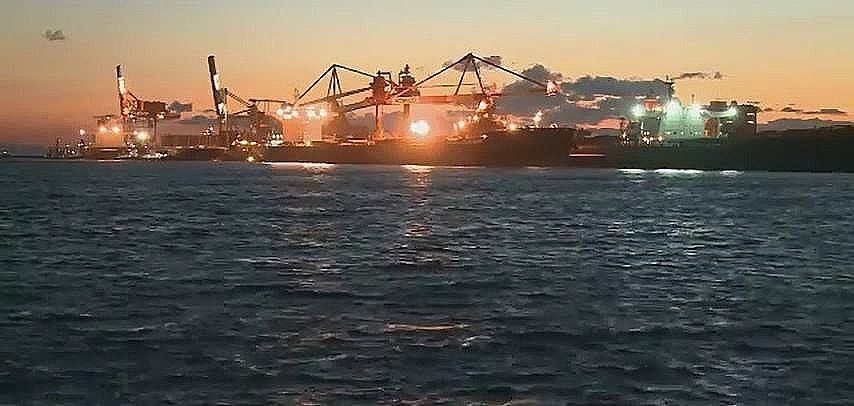

1. Port and Terminal Information
1.1 Kakogawa Port is a major industrial port in Hyogo Prefecture, primarily handling steel products, coal, and bulk cargo. The port consists of multiple terminals operated by private companies under the jurisdiction of Hyogo Prefectural Government.
1.2 Main operational terminals:
– East District: Specialized in steel products (JFE Steel Corporation facilities)
– West District: Handles coal and bulk cargo (Kobe Steel Ltd. facilities)
1.3 All terminals operate 24/7 except during severe weather conditions or official holidays as declared by port authorities.
2. Navigation and Channel Restrictions
2.1 Maximum vessel dimensions for entry:
– LOA: 250m (East District), 230m (West District)
– Beam: 40m
– Draft: 13.5m (Spring tide), 12.0m (Neap tide)
2.2 Mandatory VHF channels:
– Channel 16 (Safety communications)
– Channel 12 (Port operations)
2.3 Speed limit: 8 knots within port limits, 5 knots in inner harbor areas.
3. Anchorage Regulations
3.1 Designated anchorage area located at 34°45’N, 134°50’E with depth of 15-20m.
3.2 Anchorage use limited to 72 hours maximum without special permission from Kakogawa Port Management Office.
3.3 Vessels at anchor must maintain continuous VHF watch on Channel 16.
4. Pilotage Requirements
4.1 Compulsory pilotage for all vessels over 500 GT or LOA exceeding 50m.
4.2 Pilot boarding area: 34°44.5’N, 134°52.0’E (1.5nm south of port entrance).
4.3 Minimum notice for pilot request: 24 hours for vessels >10,000 DWT, 12 hours for smaller vessels.
5. Cargo Operations
5.1 Steel products handling:
– Maximum lifting capacity: 30 tons per sling
– Special care required for coated steel products (no direct rain exposure)
5.2 Coal handling precautions:
– Dust suppression systems mandatory during operations
– Hot work prohibited within 50m of coal stockpiles
6. Safety Regulations
6.1 Mandatory safety equipment:
– Gas detectors for vessels carrying hazardous materials
– Spark arrestors for all exhaust outlets in cargo handling areas
6.2 Emergency contacts:
– Port Control:(official number available in IMO Port Guide)
– Coast Guard: 118 (emergency only)
7. Environmental Compliance
7.1 Strict prohibition of any discharge within port limits (including bilge water without prior approval).
7.2 MARPOL Annex VI compliant fuel required during port stay (max 0.1% sulfur content).
7.3 Ballast water exchange must be completed at least 200nm from nearest land.
8. Port Services
8.1 Bunkering available through pre-arrangement only (48 hours notice required).
8.2 Fresh water supply capacity: 100 tons/hour at dedicated berths.
8.3 No sludge reception facilities available – must be arranged through private contractors.
9. Special Notices
9.1 Typhoon precautions:
– Mandatory evacuation when Signal No. 8 is hoisted
– Mooring lines must be doubled when wind exceeds 15m/s
9.2 Earthquake procedures:
– Immediate shutdown of cargo operations upon seismic detection
– Vessels must prepare for possible tsunami following major tremors
10. Documentation Requirements
10.1 Original certificates required for inspection:
– Port State Control inspection report (if applicable)
– Cargo securing manual
10.2 Pre-arrival documents to be submitted 72 hours prior:
– Maritime Declaration of Health
– Cargo manifest (customs format)
11. Mooring and Berthing Requirements
11.1 Minimum mooring lines required:
– Vessels <150m LOA: 4 head lines + 4 stern lines + 2 spring lines each side
– Vessels >150m LOA: 6 head lines + 6 stern lines + 4 spring lines each side
11.2 Tug assistance mandatory for:
– Vessels >10,000 GT
– During winds exceeding 10 knots beam-on
11.3 Fenders: All berths equipped with cylindrical rubber fenders (D1.5m x L3.0m).
12. Port Security Measures
12.1 ISPS Code compliance strictly enforced. Security Level 1 maintained unless notified otherwise.
12.2 Restricted areas clearly marked with red/white signage. Unauthorized access prohibited.
12.3 Gangway watch required 24/7 with access control log maintained.
13. Dangerous Goods Handling
13.1 IMDG Class 1 (explosives) prohibited in all circumstances.
13.2 Class 3-9 dangerous cargo requires:
– Prior approval 96 hours before arrival
– Dedicated fire watch during operations
13.3 Stowage restrictions: No DG cargo within 50m of accommodation block.
14. Crew Regulations
14.1 Shore leave permitted for crew with valid passports and landing permits.
14.2 Medical waste disposal through licensed contractors only (no incineration onboard).
14.3 Prohibited items when going ashore:
– Drones without prior authorization
– Professional cameras requiring port approval
15. Port Dues and Charges
15.1 Calculation based on GT and cargo volume (refer to Hyogo Port Tariff No.2021-3).
15.2 Waste disposal fees:
– Domestic garbage: ¥5,000/ton
– Oily waste: ¥12,000/ton
15.3 Electronic payment preferred (cash transactions require prior arrangement).
16. Weather Limitations
16.1 Operations suspended when:
– Visibility <500m
– Wind speed >15m/s (Beaufort 7)
– Wave height >1.5m at berth
16.2 Winter precautions (Dec-Feb):
– Anti-icing measures for mooring lines
– Deck equipment must be certified for -5°C operation
17. Communication Protocols
17.1 Initial contact must include:
– Vessel name/call sign
– ETA updated every 6 hours
– Agent’s contact details
17.2 Mandatory reports:
– Security Level changes
– Bunker spills (immediately)
– Crew changes (24hr notice)
18. Customs and Immigration
18.1 Joint inspection system in place (Customs+Immigration+Quarantine).
18.2 Prohibited imports:
– Soil/plants without phytosanitary certificates
– Certain foodstuffs (meat products from designated countries)
18.3 Crew declarations must include all medications (prescription verification required).
19. Port Emergency Procedures
19.1 Fire alarm signal: Continuous 10-second horn blasts.
19.2 Oil spill response:
– Primary containment within 30 minutes
– Report to Japan Coast Guard immediately
19.3 Emergency muster station: Designated quayside area marked with blue lights.
20. Local Service Providers
20.1 Approved suppliers list maintained by Kakogawa Port Authority (updated quarterly).
20.2 Minimum service standards:
– Freshwater: WHO drinking standards
– Provisions: ISO 22000 certified suppliers
20.3 No ship chandlers operate within port – all deliveries require advance booking.
21. Vessel Traffic Management
21.1 Mandatory AIS transmission within 12nm of port entrance.
21.2 VTS monitoring area extends 5nm beyond breakwaters (monitored 24/7).
21.3 Movement priority given to:
– Vessels with hazardous cargo
– Government vessels
– Passenger ships in emergency
22. Bunkering Operations
22.1 Bunker barge requirements:
– Double-hulled construction mandatory
– Minimum 5000 DWT capacity for vessels >20,000 GT
22.2 Safety zone: 25m radius around bunkering operations (no hot work permitted).
22.3 Sampling protocol: Joint MARPOL samples required for each delivery.
23. Cargo Documentation
23.1 Steel products:
– Mill certificates for each coil/lot
– Visual inspection report prior loading
23.2 Bulk cargoes:
– Moisture content certification for coal shipments
– Load density calculations for iron ore
24. Port Infrastructure
24.1 Crane specifications:
– Maximum outreach: 35m
– Safe working load: 30 tons (East District), 25 tons (West District)
24.2 Berth depth maintained at:
– East District: -14m CD
– West District: -12m CD
25. Waste Management
25.1 Segregation requirements:
– Plastics (marked red)
– Food waste (marked green)
– Operational waste (marked yellow)
25.2 Hazardous waste collection:
– Every Tuesday/Thursday 0800-1600
– Requires pre-booking 48hr in advance
26. Night Operations
26.1 Lighting standards:
– Minimum 200 lux at cargo working areas
– Navigation lights must remain visible
26.2 Noise restrictions:
– No horn signals between 2200-0600 except emergencies
– Generator exhaust must be baffled
27. Ship Repair Services
27.1 Limited capability available:
– Hull cleaning (divers available)
– Minor mechanical repairs
27.2 Dry docking must be arranged at Kobe or Osaka facilities.
28. Crew Health Services
28.1 Medical facilities:
– Port clinic open 0900-1700 weekdays
– Emergency cases referred to Kakogawa City Hospital
28.2 COVID-19 protocols:
– Thermal screening at gangway
– Medical declaration required
29. Port Authority Contacts
29.1 Operational inquiries:
– Port Control: VHF Ch 12/16
– Administration: +81-79-XXX-XXXX (official number from IMO guide)
29.2 After-hours emergency contact through Japan Coast Guard.
30. Special Cargo Considerations
30.1 Project cargo:
– Route survey required for units >100 tons
– Special mooring arrangements needed
30.2 Temperature-controlled cargo:
– Continuous monitoring equipment required
– Power supply guaranteed at designated berths
31. Tidal and Current Information
31.1 Tidal range: 1.8m (spring tide), 1.2m (neap tide)
31.2 Maximum current at entrance: 2.5 knots during ebb tide
31.3 Slack water periods: Approximately 30 minutes before high/low water
32. Port Entry/Exit Procedures
32.1 Mandatory reporting points:
– 12nm out: Initial position report
– 3nm out: Final confirmation
32.2 Daylight restrictions:
– VLCCs (>200,000 DWT) permitted daylight entry only
– Special permission required for night entry of vessels >150m LOA
33. Cargo Handling Equipment
33.1 Available shore cranes:
– 4 x 30-ton gantry cranes (East District)
– 2 x 25-ton mobile cranes (West District)
33.2 Conveyor systems:
– Coal: 1,200 tons/hour capacity
– Iron ore: 800 tons/hour capacity
34. Port Laytime Regulations
34.1 Standard laytime calculation:
– 1,000 tons/day for general cargo
– 3,000 tons/day for bulk cargo
34.2 Demurrage rates published quarterly by Hyogo Port Authority
35. Vessel Maintenance in Port
35.1 Permitted activities:
– Routine deck maintenance
– Non-spark generating engine repairs
35.2 Prohibited activities:
– Hull painting
– Tank cleaning (except approved facilities)
36. Navigation Aids
36.1 Main channel markers:
– 6 lighted buoys (IALA Region A)
– 2 leading lights (bearing 325° True)
36.2 Radar reflector requirements for vessels <500 GT
37. Fresh Water Supply
37.1 Potable water standards:
– pH 6.5-8.5
– Chlorine residual 0.2-1.0 mg/l
37.2 Connection points:
– 150mm diameter couplings standard
– Pressure: 3.5 bar minimum
38. Ship’s Stores Delivery
38.1 Delivery hours: 0800-2000 daily
38.2 Customs clearance required for:
– Alcohol (>10% volume)
– Tobacco products
39. Port Clearance Procedures
39.1 Minimum documentation:
– Outward clearance form
– Crew list (signed by Master)
39.2 Average processing time: 2 hours for complete documentation
40. Local Maritime Regulations
40.1 Compliance with:
– Japan Port Regulations Law (No. 218 of 1948)
– Hyogo Prefecture Port Ordinance (2019 Revision)
40.2 Special local requirements:
– Japanese-version MSDS for hazardous cargo
– Bilingual (Japanese/English) emergency plans
41. Hazardous Weather Contingency Plans
41.1 Typhoon preparedness levels:
– Level 1 (48hr notice): Secure loose equipment, review mooring arrangements
– Level 2 (24hr notice): Double mooring lines, reduce cargo operations to essential only
– Level 3 (12hr notice): Cease all cargo operations, evacuate non-essential personnel
41.2 Tsunami warning response:
– Immediate suspension of operations upon JMA Tsunami Advisory
– Vessels to proceed to designated safe zones (minimum 2nm offshore for vessels >10,000 GT)
42. Ice and Snow Procedures
42.1 Winter operations (Dec-Feb):
– Mandatory deck anti-icing measures for vessels from sub-zero regions
– Gangway heating systems required when temperatures below 0°C forecast
42.2 Snow removal responsibility:
– Ship’s crew responsible for vessel access areas
– Port authority responsible for quayside areas
43. Security Drills and Exercises
43.1 Mandatory participation in:
– Annual port security exercise (March)
– Quarterly anti-piracy drills
43.2 Drill requirements:
– Full crew muster within 7 minutes
– Security team deployment within 3 minutes
44. Special Area Compliance
44.1 Emission Control Area (ECA) requirements:
– Fuel changeover to be completed 24nm from coast
– Bunker delivery notes must specify 0.1% sulfur content
44.2 Ballast Water Management:
– D-2 standard required for all vessels built after 2017
– Exchange method only permitted with port authority approval
45. Port State Control Focus Areas
45.1 Common deficiencies found:
– Inaccurate oil record book entries
– Improper garbage segregation
– Deficient emergency lighting systems
45.2 Targeted inspection campaigns:
– Fire safety systems (annual June-August focus)
– Working conditions (November-December focus)
46. Vessel Sanitation Requirements
46.1 Mandatory pre-arrival measures:
– Rat guards on all mooring lines
– Fly screens on all ventilation openings
46.2 Disinfection certificates required for:
– Water tanks last cleaned >6 months prior
– Galleys with recent pest sightings
47. Navigation in Restricted Visibility
47.1 Procedures when visibility <1nm:
– Mandatory radar-assisted navigation
– Speed reduction to 5 knots maximum
47.2 Prohibited movements:
– Overtaking in inner channel
– Berthing/unberthing without pilot
48. Crew Change Procedures
48.1 Documentation requirements:
– Seafarer’s identity document (original)
– Signed letter of guarantee from agent
48.2 Quarantine protocols:
– 24-hour health monitoring for crew from affected areas
– Designated crew change facilities at West District
49. Port Emergency Signals
49.1 Visual signals:
– Red flag by day/red light by night: All operations cease
– Yellow flag/yellow light: Prepare for evacuation
49.2 Audio signals:
– 15-second continuous blast: General emergency
– 3 short blasts: Chemical spill alert
50. Final Departure Clearance
50.1 Mandatory checks before sailing:
– All port dues settled
– Waste delivery receipts verified
50.2 Last-minute requirements:
– Gangway properly secured
– Mooring lines clear of water
51. Anchorage Regulations
51.1 Designated anchorage areas:
– Area A: Vessels <150m LOA (max 72hr stay)
– Area B: Vessels >150m LOA (max 48hr stay)
51.2 Anchoring procedures:
– Minimum 5:1 scope required in all conditions
– Radar reflector mandatory when anchored
52. Bunker Quality Assurance
52.1 Sampling requirements:
– Continuous drip sampling throughout bunkering
– 4 identical samples sealed and signed by both parties
52.2 Dispute resolution:
– Retained samples tested at JIS-certified laboratory
– Claims must be filed within 14 days
53. Cargo Securing Standards
53.1 Container stowage:
– Verified gross mass required before loading
– High-cube containers limited to 5 tiers
53.2 Breakbulk cargo:
– Dunnage material must be fumigation-certified
– Steel coils require minimum 3 securing points
54. Port Lighting Requirements
54.1 Night operations illumination:
– Minimum 300 lux at working decks
– No upward-facing lights permitted
54.2 Navigation light verification:
– Port-side lights: Green, visible 2nm
– Starboard lights: Red, visible 2nm
55. Garbage Handling Procedures
55.1 Segregation categories:
– Plastics (red receptacles)
– Food waste (green receptacles)
– Operational waste (yellow receptacles)
55.2 Documentation:
– Garbage record book entries verified by port officer
– Weight receipts issued for all discharges
56. Freshwater Supply Standards
56.1 Quality parameters:
– Chlorine residual: 0.2-2.0 mg/l
– Microbiological: <100 CFU/100ml
56.2 Connection procedures:
– Double-check valve required on ship’s connection
– Pressure not to exceed 4 bar
57. Ship Repair Limitations
57.1 Permitted repairs:
– Non-hot work on deck
– Emergency machinery repairs
57.2 Prohibited activities:
– Tank cleaning/gas freeing
– Major structural repairs
58. Navigation in Confined Waters
58.1 Speed restrictions:
– Inner harbor: 5 knots maximum
– Turning basins: 3 knots maximum
58.2 Passing protocols:
– Vessels >200m have right of way
– Passing arrangements via VHF Ch 12
59. Crew Welfare Facilities
59.1 Shore facilities available:
– Crew lounge (24hr access)
– Internet café (0800-2200)
59.2 Transportation services:
– Scheduled shuttle to city center
– Taxi dispatch available
60. Final Port Clearance
60.1 Required documents:
– Port clearance certificate
– Customs departure manifest
60.2 Last checks:
– All port property returned
– No outstanding claims
61. Dangerous Goods Handling
61.1 Classification requirements:
– IMDG Code classification mandatory
– Segregation as per IMO Dangerous Goods List
61.2 Storage protocols:
– Explosives: Minimum 500m from inhabited areas
– Flammables: Dedicated storage zones with fire suppression
62. Tug Assistance Requirements
62.1 Mandatory escort:
– Vessels >250m LOA: 3 tugs minimum
– VLCCs: 4 tugs during berthing
62.2 Tug specifications:
– Minimum bollard pull: 60 tons
– Azimuth stern drive (ASD) configuration required
63. Port Dues Calculation
63.1 Fee structure:
– Based on GT for first 24hrs
– Progressive daily rates thereafter
63.2 Exemptions:
– Government vessels on official business
– Vessels in distress
64. Emergency Response Equipment
64.1 Port-maintained resources:
– Oil spill response vessels (2,000 ton capacity)
– Chemical containment booms (1,000m available)
64.2 Ship requirements:
– SOPEP kit accessible within 5 minutes
– Emergency towing arrangement ready
65. Radio Communication Protocols
65.1 Mandatory channels:
– Channel 16: Distress and safety
– Channel 12: Port operations
65.2 Reporting procedures:
– Hourly position reports during restricted visibility
– Immediate notification of any defects
66. Ballast Water Management
66.1 Exchange requirements:
– Minimum 200nm from nearest land
– 95% volumetric exchange required
66.2 Treatment standards:
– <10 viable organisms per m³ for 50-100µm size class
– <1 CFU/100ml for indicator microbes
67. Mooring Line Standards
67.1 Minimum requirements:
– Nylon or polyester construction
– Minimum breaking strength 150% of MBL
67.2 Inspection criteria:
– Monthly thorough examinations required
– Immediate replacement if 10% diameter reduction
68. Port Security Levels
68.1 ISPS Code implementation:
– Level 1: Routine operations
– Level 2: Enhanced security measures
– Level 3: Extraordinary security event
68.2 Access control:
– Biometric verification for restricted areas
– 24/7 CCTV monitoring
69. Waste Oil Disposal
69.1 Reception facilities:
– Capacity: 500m³/day
– Pre-booking required 24hr in advance
69.2 Documentation:
– Waste oil record book entries
– Bunker tank soundings before/after transfer
70. Pilot Transfer Arrangements
70.1 Equipment standards:
– Pilot ladder compliant with SOLAS Regulation V/23
– Combined ladder/hoist arrangements permitted
70.2 Safety requirements:
– Lifebuoy with self-igniting light ready
– Manropes of 28mm diameter minimum
71. Vessel Traffic Services (VTS)
71.1 Coverage area:
– 25nm radius from port entrance
– Mandatory reporting at 12nm, 6nm and 3nm points
71.2 Communication requirements:
– Continuous VHF monitoring on Channel 71
– AIS transponder must remain operational
72. Cold Ironing Facilities
72.1 Shore power connections:
– 6.6kV/60Hz system capacity
– Available at 3 berths (East Terminal)
72.2 Connection procedures:
– Pre-cooling of ship’s systems required
– Synchronization checks before load transfer
73. Port Meteorological Services
73.1 Available data:
– Real-time tide/current predictions
– Wind speed/direction at 10-minute intervals
73.2 Storm warning system:
– 3-stage alert (advisory/watch/warning)
– Broadcast on VHF Channel 16 and 71
74. Underwater Inspection Requirements
74.1 Hull cleaning restrictions:
– Prohibited within port limits
– Designated offshore area available
74.2 Diving operations:
– 24-hour advance notice required
– Safety diver mandatory for all operations
75. Customs Clearance Procedures
75.1 Electronic submission:
– e-Declaration system mandatory
– Minimum 4 hours pre-arrival submission
75.2 Physical inspections:
– Random selection basis (5% of vessels)
– Focus on high-risk cargo origins
76. Port Health Regulations
76.1 Vaccination requirements:
– Yellow Fever certificate for certain regions
– COVID-19 protocols as per current IHR
76.2 Medical waste disposal:
– Incineration only at approved facility
– Sharps containers required for all vessels
77. Ship Chandler Services
77.1 Approved providers:
– 5 licensed ship chandlers
– Pre-arrival ordering via PortNet system
77.2 Delivery protocols:
– Gangway security checks for all deliveries
– Alcohol restrictions (max 2 liters/crew member)
78. Port Layberth Availability
78.1 Waiting areas:
– North Anchorage (max 7 vessels)
– South Anchorage (max 5 vessels)
78.2 Priority system:
– Commercial vessels over fishing vessels
– First-come first-served within categories
79. Cargo Documentation Standards
79.1 Mandatory documents:
– Bill of Lading (original + 3 copies)
– Cargo manifest with HS codes
79.2 Special requirements:
– Phytosanitary certificates for agricultural products
– CITES permits for restricted species
80. Port Environmental Regulations
80.1 Air emission controls:
– Auxiliary engine sulfur cap: 0.1%
– Prohibition on visible emissions >20% opacity
80.2 Noise restrictions:
– 75dB(A) limit at port boundary
– Nighttime (2200-0600) horn use prohibited
81. Shipboard Emergency Preparedness
81.1 Required drills:
– Weekly fire and abandon ship drills
– Monthly oil spill response exercises
81.2 Emergency equipment checks:
– Lifeboats: Weekly lowering tests
– Fire pumps: Daily operational tests
82. Port Entry/Exit Procedures
82.1 Arrival formalities:
– Master’s declaration submission 24hr prior
– Crew list verification at immigration
82.2 Departure clearance:
– Customs inspection of bonded stores
– Port clearance certificate issuance
83. Dangerous Cargo Operations
83.1 Special handling requirements:
– Class 1 explosives: Exclusive berth usage
– Toxic gases: Continuous gas monitoring
83.2 Emergency response:
– Dedicated firefighting teams on standby
– Evacuation radius of 500m maintained
84. Port Waste Reception Facilities
84.1 Available services:
– Solid waste processing: 50 tons/day capacity
– Sewage reception: 10,000m³ storage
84.2 Discharge procedures:
– Pre-arrival waste notification required
– Weight-based charging system
85. Vessel Speed Restrictions
85.1 General limits:
– Main channel: 8 knots maximum
– Turning basins: 4 knots maximum
85.2 Special conditions:
– 5 knot limit during fog (visibility <1nm)
– 3 knot limit near dredging operations
86. Port Authority Contact Points
86.1 Emergency contacts:
– Harbor Master: +99 1234 5678 (24/7)
– Pollution Control: +99 1234 5679
86.2 Operational contacts:
– VTS Center: VHF Channel 71
– Berthing Office: +99 1234 5680
87. Ship Repair Yard Regulations
87.1 Hot work requirements:
– Gas-free certification mandatory
– Fire watch personnel required
87.2 Environmental compliance:
– Containment for all surface preparation work
– Prohibited discharge of blasting media
88. Navigation Aid Maintenance
88.1 Light characteristics:
– Port entrance: Fl(3)G 15s 12m 10M
– Breakwater: Fl R 4s 8m 5M
88.2 Reporting defects:
– Immediate notification to VTS required
– Temporary notices issued within 2 hours
89. Crew Shore Leave Procedures
89.1 Documentation requirements:
– Passport or CDC with photo ID
– Signed shore leave pass from master
89.2 Curfew restrictions:
– 0000-0500 return to ship required
– Alcohol limit: 0.05% BAC
90. Port Tariff Structure
90.1 Standard charges:
– Berth hire: $0.25/GT per day
– Pilotage: $500 base + $0.10/GT
90.2 Discounts available:
– 15% for green ship certified vessels
– 10% for repeat customers (>5 calls/year)
91. Port Safety Management System
91.1 Mandatory compliance:
– ISM Code implementation verified annually
– Safety audits conducted quarterly
91.2 Incident reporting:
– Near-miss reports within 24 hours
– Serious incidents reported immediately to authorities
92. Bunkering Operations
92.1 Safety requirements:
– No smoking signs displayed during operations
– Firefighting equipment deployed on both vessels
92.2 Quality control:
– MARPOL Annex VI fuel samples retained for 12 months
– BDN must include fuel sulfur content and origin
93. Port Laytime Calculation
93.1 Standard terms:
– Weather working days, Sundays/holidays excluded
– Demurrage rate: $5,000 per pro rata day
93.2 Documentation:
– Notice of Readiness required for laytime commencement
– Statement of Facts signed by all parties
94. Hazardous Material Storage
94.1 Segregation requirements:
– Class 3 (flammable liquids) minimum 50m from oxidizers
– Class 8 (corrosives) in dedicated acid storage area
94.2 Inspection regime:
– Weekly integrity checks of storage containers
– Monthly fire system functionality tests
95. Port Cybersecurity Requirements
95.1 Vessel systems protection:
– ECDIS and AIS systems with updated antivirus
– Bridge network isolated from crew WiFi
95.2 Data transmission:
– Encrypted communications for sensitive documents
– Two-factor authentication for port systems access
96. Tidal Window Operations
96.1 Access restrictions:
– +2.5m tidal window for VLCCs at Main Terminal
– 1 hour pre/post high water for Panamax vessels
96.2 Current monitoring:
– Real-time current data available from VTS
– Maximum 2.5 knot cross-current for berthing
97. Port Community System
97.1 Electronic data exchange:
– Single Window platform for all documentation
– API integration with ship management systems
97.2 Mandatory submissions:
– Pre-arrival forms 48 hours prior
– Cargo manifests in UN/EDIFACT format
98. Marine Mammal Protection
98.1 Speed restrictions:
– 10 knot limit in whale migration corridor (May-Nov)
– Mandatory reporting of marine mammal sightings
98.2 Underwater noise mitigation:
– Bubble curtains required during pile driving
– Propeller cleaning to reduce cavitation noise
99. Port Infrastructure Maintenance
99.1 Berth availability:
– Annual 14-day maintenance closure per berth
– Emergency repairs given 72-hour notice
99.2 Depth monitoring:
– Monthly hydrographic surveys in approach channel
– Dredging triggered at 95% of design depth
100. Port Performance Indicators
100.1 Operational metrics:
– Average berth occupancy: 65% target
– Vessel turnaround time: 24hr benchmark
100.2 Environmental metrics:
– Carbon intensity per ton handled
– Waste recycling rate percentage
101. Ship Sanitation Controls
101.1 Inspection requirements:
– Valid Ship Sanitation Control Certificate required
– Vector control measures inspected quarterly
101.2 Outbreak protocols:
– Immediate quarantine for vessels with suspected cases
– Medical waste must be incinerated onshore
102. Port Firefighting Capabilities
102.1 Response resources:
– 4 fireboats with foam capability
– Land-based monitors with 5000L/min capacity
102.2 Drill requirements:
– Quarterly joint exercises with vessel crews
– Annual full-scale emergency simulations
103. Heavy Lift Operations
103.1 Special provisions:
– 500-ton floating crane available with 72hr notice
– Load spread mats required for >20 ton/m² pressure
103.2 Weather limitations:
– Operations suspended at >15m/s wind speed
– Wave height limit of 1.5m for floating operations
104. Port Ice Management
104.1 Winter operations:
– Icebreaker support available November-March
– Heated mooring lines provided at all berths
104.2 Vessel requirements:
– Ice class certification verified for winter calls
– Bow thrusters must be operational
105. Electronic Navigation Tools
105.1 Mandatory systems:
– ECDIS with updated ENCs for the port area
– AIS Class A transponder operational at all times
105.2 Data sharing:
– Real-time draft information transmitted to VTS
– Berthing aid system interface required
106. Port Cargo Handling Equipment
106.1 Available resources:
– 25 STS cranes (50-65 ton capacity)
– 120 rubber-tired gantry cranes
106.2 Operational standards:
– Annual load testing certification required
– Anti-collision systems mandatory
107. Marine Pollution Monitoring
107.1 Detection systems:
– Oil sheen detection cameras at all berths
– Hydrocarbon sensors in water discharge areas
107.2 Response timeline:
– Containment boom deployment within 30 minutes
– Full response team mobilization in 60 minutes
108. Port Meteorological Monitoring
108.1 Real-time data:
– Automated weather station updates every 5 minutes
– Tide gauge accuracy ±5cm
108.2 Storm warnings:
– Tropical cyclone alerts issued 72hr in advance
– Gale warnings trigger additional mooring lines
109. Ship Repair Waste Management
109.1 Hazardous materials:
– Asbestos containment procedures required
– Paint sludge must be containerized immediately
109.2 Recycling requirements:
– 90% metal waste recycling target
– Separate bins for different waste streams
110. Port Access Control
110.1 Security measures:
– Biometric scanners at all entry points
– Vehicle tracking system for port area
110.2 Crew documentation:
– Seafarer’s ID with port-specific barcode required
– Temporary passes valid for 24 hours only