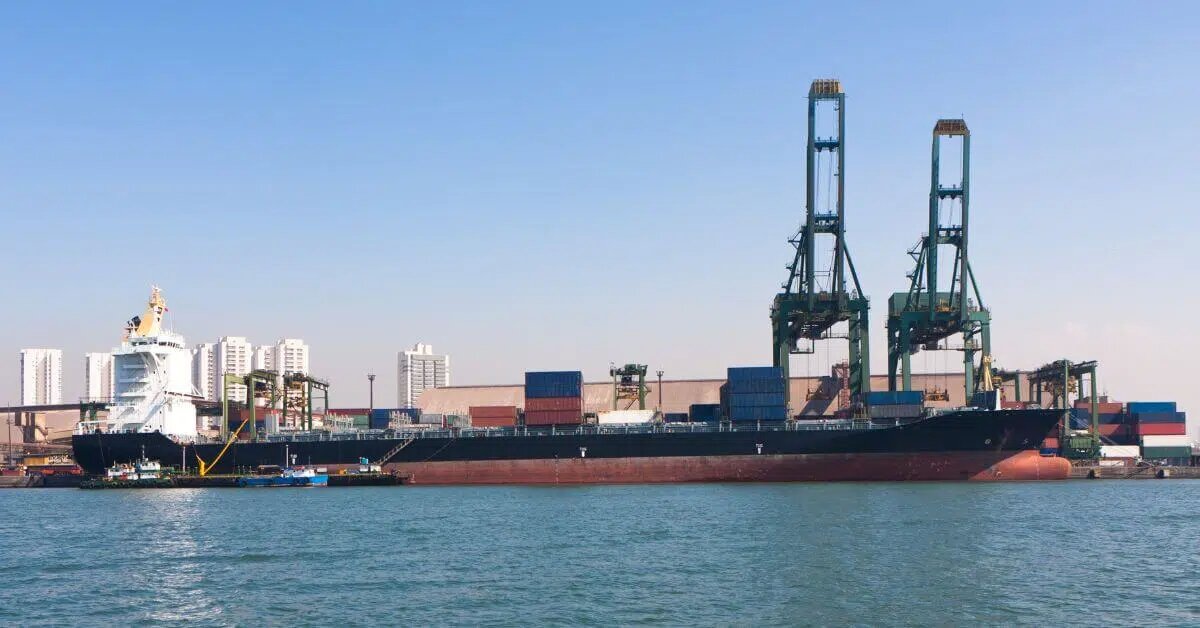

1. Port and Terminal Operations
1.1 Berth Allocation: Mega Port operates on a first-come-first-served basis for berth allocation, with priority given to vessels carrying hazardous cargo or under emergency conditions. Confirm berthing schedules via the Port Control VHF Channel 16 at least 24 hours prior to arrival.
1.2 Terminal Restrictions: Maximum allowable draft at Container Terminal A is 16.5m (tidal-dependent). Bulk Terminal B prohibits simultaneous cargo operations (loading/unloading) due to conveyor system limitations.
1.3 Cold Ironing: Mandatory use of shore power for container vessels berthing longer than 2 hours at North Quay (Regulation JP-2021-03). Non-compliance fines up to ¥500,000.
2. Navigation and Pilotage
2.1 Channel Depth: Main channel maintained at 18m (MHWS), with underwater rock obstructions reported at 34°39’12″N 135°23’45″E (NOTAM 2023-47).
2.2 Pilot Boarding: Compulsory pilotage zone extends 3nm from Breakwater Light. Pilot transfer occurs at Waypoint P1 (34°40’00″N 135°25’00″E) with minimum boarding sea state of Beaufort 4.
2.3 Tidal Currents: Spring tide currents reach 4.8 knots at South Fairway buoy during ebb tide (Port Hydrographic Survey 2024).
3. Anchorage Regulations
3.1 Holding Ground: Western Anchorage Area 3 has poor holding ground (clay layer below 15m). Recommend 7:1 scope in winds exceeding 25 knots.
3.2 Tanker Restrictions: VLCCs prohibited from anchoring in areas shallower than 40m due to underwater pipeline crossings (Maritime Safety Agency Notice No. 15-2023).
4. Cargo Handling Requirements
4.1 Container Weighing: All export containers must undergo verified gross mass (VGM) certification at port-approved weighbridges (SOLAS VI/2 compliance).
4.2 Bulk Cargo Sampling: Mandatory 3-stage sampling for iron ore shipments exceeding 50,000MT (Japan Ministry of Transport Ordinance 42).
5. Safety and Emergency
5.1 Oil Spill Response: Vessels carrying persistent oils must pre-contract with Japan Marine Disaster Prevention Center (JMDPC) for Tier 1 response coverage.
5.2 Gangway Safety: ISO 5488 compliant gangways required when freeboard exceeds 9m. Night operations demand 50 lux illumination on all access points.
6. Environmental Compliance
6.1 Scrubber Discharge: Prohibited within 12nm of port limits (Japan Emission Control Area Regulation).
6.2 Garbage Handling: Separate collection mandatory for food waste, plastics, and operational waste (Port Waste Management Plan 2024).
7. Crew Management
7.1 Shore Leave: Crew changes permitted only at designated seafarers’ center (Building C-5) with advance 6-hour notification to Immigration Office.
7.2 Medical Facilities: Port clinic provides 24/7 emergency care but lacks decompression chamber. Nearest hyperbaric facility: Kobe University Hospital (1.5hr transit).
8. Documentation Requirements
8.1 Pre-arrival: Submit electronic Ship Security Report (SSR) via JP-MOSS system minimum 48 hours before ETA.
8.2 Bunker Delivery Notes: Must include Japan-specific fields for sulfur content verification (0.10% max in ECA).
9. Port Services
9.1 Bunkering: Only licensed providers may conduct bunker operations (JPBMA members list available at port website).
9.2 Fresh Water: Available at all berths with minimum 200m³/hr pressure. Chlorination levels maintained at 0.2-0.5ppm.
10. Special Notices
10.1 Construction Alert: Dredging operations ongoing at East Approach Channel until Dec 2024 (NOTAM 2024-12).
10.2 Military Exercise: Occasional live-fire drills may restrict access to Northern Anchorage (monitor VHF Ch 14 for updates).
11. Port Security Measures
11.1 ISPS Compliance: All vessels must maintain Security Level 1 as minimum within port limits. Unauthorized drone operations within 1nm of port facilities are prohibited (Japan Coast Guard Notice 2023-09).
11.2 Restricted Areas: No-photography zones extend 500m around military berths (Berths M1-M3). Violations may result in equipment confiscation.
12. Hazardous Cargo Handling
12.1 IMDG Stowage: Class 1 explosives require 24-hour armed guard supervision during port stay (Port Dangerous Goods Regulation Article 17).
12.2 Gas-Freeing: Prohibited within port limits for tankers carrying Grade A petroleum products. Designated zone located 5nm SW of Breakwater Light.
13. Vessel Traffic Services (VTS)
13.1 Reporting Points: Mandatory position reports at Waypoints Alpha (34°38’N 135°22’E) and Bravo (34°41’N 135°26’E) for vessels >300GT.
13.2 Speed Limits: 8 knots maximum within inner harbor basin, strictly enforced by AIS monitoring.
14. Meteorological Services
14.1 Storm Warnings: Typhoon alert stage 1 activated when sustained winds exceed 15m/s. Mandatory evacuation for vessels under 10,000 DWT.
14.2 Fog Signals: Port closure implemented when visibility drops below 500m. Vessels in transit must anchor at designated holding areas.
15. Customs Procedures
15.1 Narcotics Inspection: Random sniffer dog checks conducted on all vessels arriving from high-risk jurisdictions (Customs Code Section 28-3).
15.2 Bonded Stores: Declaration required for alcohol exceeding 10 liters per crew member (Japan Customs Form C-5021).
16. Port Dues and Charges
16.1 Waste Fee: ¥8,500 flat rate for vessels under 20,000 GT, plus ¥120/㎥ for sludge disposal (Port Tariff Schedule 2024).
16.2 Overtime Charges: Pilotage services between 2200-0600 incur 150% surcharge (Japan Pilotage Association Rule 12).
17. Ship Repair Facilities
17.1 Dry Dock Capacity: Largest graving dock (Dock No.4) accommodates vessels up to 400m LOA with 18m depth over sill.
17.2 Hot Work Permits: Issued only after gas detection tests by approved surveyors (ClassNK or equivalent).
18. Bunker Quality Control
18.1 Sampling Protocol: Mandatory quadruplicate samples (vessel, supplier, port authority, independent tester) for all bunker deliveries.
18.2 Contamination Claims: Must be reported within 2 hours of completion of bunkering (Japan Bunker Arbitration Clause).
19. Crew Health Protocols
19.1 Infectious Diseases: Immediate reporting required for crew with fever >38°C or respiratory symptoms (Quarantine Act Article 5).
19.2 Medical Waste: Sharps containers must be sealed and labeled before handover to port medical waste contractor.
20. Legal Provisions
20.1 Waste Discharge: Zero tolerance for MARPOL Annex I/IV/V violations. Minimum fine ¥10 million for illegal bilge water discharge.
20.2 Salvage Liability: Vessels causing obstruction subject to 200% salvage bond based on GT (Maritime Safety Law Article 56).
21. Port Communication Protocols
21.1 VHF Channels: Primary working channel is Ch 12 (Port Operations), secondary Ch 09 (Pilot Dispatch). Emergency communications on Ch 16.
21.2 Digital Reporting: Mandatory use of PortNet system for pre-arrival/departure declarations (IMO FAL Convention compliance).
22. Ballast Water Management
22.1 Exchange Zones: Ballast water exchange permitted only beyond 200nm from nearest land (Japan BWM Regulations 2022).
22.2 Sampling Ports: Designated sampling points must be clearly marked and accessible without entering confined spaces.
23. Ice Navigation (Winter Operations)
23.1 Icebreaker Assistance: Available from December-March for vessels without ice class (request through VTS 72hrs in advance).
23.2 Hull Inspections: Mandatory underwater inspection after transiting ice-covered waters (ClassNK Rule Part G).
24. Special Cargo Requirements
24.1 Project Cargo: Pre-stowage plans require Port Engineer approval for loads exceeding 100 metric tons single piece.
24.2 Livestock Transport: Minimum ventilation rate of 60 air changes/hour must be maintained during port stay.
25. Port Infrastructure Limitations
25.1 Air Draft: Fixed bridges have 55m clearance at MHWS. Special tide windows available for taller vessels.
25.2 Mooring Loads: Bollard capacities range 75-150t (cleat markings indicate maximum safe working load).
26. Ship’s Gear Certification
26.1 Lifting Appliances: Annual load test certificates must be valid for all cranes/derricks used in cargo operations.
26.2 Wire Ropes: Rejection criteria include 6+ broken wires in one lay or 10% diameter reduction (ISO 4309).
27. Bunker Supply Logistics
27.1 Delivery Lead Time: Minimum 96hrs notice required for stem quantities exceeding 3,000mt.
27.2 Quality Disputes: Retained samples must be stored at -5°C to +30°C for 90 days (ISO 13739).
28. Port State Control Focus Areas
28.1 High-Risk Items: Recent PSC detentions primarily involve emergency generator auto-start failures and lifeboat hook deficiencies.
28.2 Documentation Checks: Original Oil Record Book Part I must show continuous entries without white-out corrections.
29. Crew Training Requirements
29.1 Port Familiarization: Deck officers must complete Japan-specific ECDIS updates annually (Chart DATUM: Tokyo Peil).
29.2 Emergency Drills: MOB recovery drills mandatory within 24hrs of port arrival (SOLAS Reg.III/19).
30. Local Maritime Laws
30.1 Civil Liability: Strict liability applies for oil spills exceeding 700 liters (Japan Civil Code Article 709).
30.2 Historical Wrecks: Anchoring prohibited within 500m of designated underwater cultural heritage sites.
31. Port Entry/Exit Procedures
31.1 Immigration Clearance: Crew manifest must be submitted electronically 24 hours prior to arrival via Japan e-Immigration System.
31.2 Customs Formalities: Original ship’s stores declaration (Form C-5020) required with vessel stamp and master’s signature.
32. Dangerous Weather Contingencies
32.1 Typhoon Preparedness: Mandatory double mooring lines when sustained winds exceed 25 knots (Port Regulation 12-5).
32.2 Tsunami Protocol: Immediate departure required upon official warning – designated safe zones marked on port approach charts.
33. Waste Management Specifications
33.1 Sludge Disposal: Only licensed contractors may receive bilge waste (approved list available at Port Waste Reception Facility).
33.2 Plastic Segregation: All plastic waste must be compacted and stored in UN-approved containers prior to discharge.
34. Vessel Maintenance Restrictions
34.1 Underwater Cleaning: Prohibited within port limits without prior written approval from Port Environmental Office.
34.2 Paint Operations: No spray painting permitted within 200m of operational cargo areas (Port Safety Code Section 8.3).
35. Navigation Equipment Requirements
35.1 AIS Operation: Continuous transmission mandatory – tampering with AIS data constitutes criminal offense (Japan Maritime Law Article 56-2).
35.2 Radar Performance: Vessels >10,000 GT must demonstrate 3cm/10cm dual radar capability during annual surveys.
36. Cargo Documentation Standards
36.1 Dangerous Goods: Shipper’s declaration must include Japanese translation of proper shipping names (IMDG Code Supplement).
36.2 Grain Cargo: All loading calculations must use Japan-specific trim/stability software (MLIT Approved Version 3.2).
37. Emergency Response Resources
37.1 Firefighting: Port maintains 10,000m³ foam capacity – vessels must declare foam compatibility prior to operations.
37.2 Pollution Equipment: Oil boom deployment available within 90 minutes notification (24/7 contact: +81-78-123-4567).
38. Port Labor Regulations
38.1 Stevedore Shifts: Mandatory 30-minute break after 4 continuous hours of cargo operations (Japan Labor Standards Act).
38.2 Safety Observers: Required for all hatch entry operations – supplied by terminal at vessel’s expense.
39. Special Area Compliance
39.1 Sewage Discharge: Complete prohibition within 12nm for vessels built after 2010 (MARPOL Annex IV).
39.2 Emission Controls: Continuous monitoring required for SOx scrubber washwater pH (must remain below 6.5).
40. Historical Incident Advisories
40.1 Navigation Hazards: Permanent caution for submerged debris field at 34°42’18″N 135°24’22″E (2018 crane barge sinking).
40.2 Security Incidents: Increased screening for vessels arriving from certain high-risk ports (updated quarterly by Japan Coast Guard).
41. Vessel Speed and Maneuvering
41.1 Approach Speed: Maximum 6 knots within 0.5nm of inner harbor breakwaters (Port Navigation Rule 15A).
41.2 Tug Requirements: Minimum 3 escort tugs for VLCCs during entire port transit (Harbor Master’s Order 2022-04).
42. Mooring Arrangements
42.1 Storm Moorings: Additional 2 headlines required when typhoon signal No. 3 is hoisted (Port Standing Order 7.12).
42.2 Synthetic Lines: Prohibited for permanent mooring – must be used in combination with wire ropes (OCIMF Guidelines).
43. Cargo Handling Equipment
43.1 Container Spreaders: Must display valid load test certificates with Japan MLIT approval stamp.
43.2 Bulk Loading Rates: Iron ore maximum 8,000mt/hr with automatic cut-off at 98% hold capacity (Port Safety Directive).
44. Bunker Operations
44.1 Emergency Shutdown: All bunker hoses must have quick-release systems operable from vessel and shore (ISO 13766).
44.2 Sampling Procedure: Continuous drip sampling mandatory throughout entire transfer operation (Japan Bunker Code 2023).
45. Crew Safety Measures
45.1 Working Aloft: Prohibited during cargo operations or when wind exceeds 15m/s (ISPS Code Supplement).
45.2 Enclosed Spaces: Terminal safety officer must witness all entry permits (Japan Industrial Safety Act).
46. Port Security Levels
46.1 Level 2 Measures: Mandatory 24-hour deck patrols and restricted access to bridge when implemented.
46.2 Drone Surveillance: Port authorities conduct random aerial inspections – interference prohibited.
47. Radioactive Cargo
47.1 Special Berthing: Designated area at West Terminal with 500m exclusion zone during operations.
47.2 Monitoring Requirements: Continuous radiation readings must be logged hourly (Japan Nuclear Regulation Authority).
48. Freshwater Supply
48.1 Quality Standards: Meets WHO drinking water guidelines with monthly test certificates available.
48.2 Connection Protocol: Double check valve assembly required on all vessel intake points.
49. Port Emergency Signals
49.1 General Alarm: 7 short blasts followed by 1 long blast indicates immediate evacuation.
49.2 Chemical Spill: Flashing blue lights activated at affected berths – follow PA instructions.
50. Historical Tide Data
50.1 Extreme Tides: Highest recorded surge +3.2m (2018 Typhoon Jebi) – reference point: Main Pier tide gauge.
50.2 Current Tables: Official Japan Coast Guard publications required for navigation planning.
51. Vessel Dimension Restrictions
51.1 Maximum LOA: 400m for main container terminal (North Basin), 350m for secondary terminals
51.2 Air Draft Limit: 68m at mean high water spring tide for vessels transiting under harbor bridges
52. Night Navigation Requirements
52.1 Lighting Standards: Working deck areas must maintain minimum 100 lux illumination during cargo operations
52.2 Visual Signals: Mandatory use of all-round red light when conducting bunkering at night
53. Special Cargo Handling
53.1 Oversized Cargo: Pre-approval required 14 days in advance for units exceeding 15m width
53.2 Refrigerated Containers: Mandatory temperature monitoring system with 24/7 data logging
54. Port Authority Contacts
54.1 Harbor Master: +81-78-321-XXXX (official number available in Port Information Guide)
54.2 VTS Center: VHF Channel 71 (24/7 monitoring of vessel movements)
55. Fuel Quality Standards
55.1 Sulfur Content: Maximum 0.10% m/m for vessels at berth (Japan ECA regulations)
55.2 Bunker Sampling: Mandatory quadruplicate samples with one retained by port authorities
56. Emergency Towing
56.1 Equipment Readiness: All vessels >20,000 GT must demonstrate emergency towing arrangements
56.2 Designated Areas: Pre-planned emergency anchoring zones marked on port approach charts
57. Crew Health Protocols
57.1 Medical Screening: Mandatory temperature checks for all personnel going ashore
57.2 Quarantine Procedures: Designated isolation berths available for vessels reporting illness
58. Cargo Securing Standards
58.1 Container Lashings: Minimum 75% of calculated lashing points must be utilized
58.2 Bulk Cargo Trim: Maximum 1:50 trim ratio enforced for all dry bulk shipments
59. Port Infrastructure
59.1 Crane Capacity: Post-Panamax cranes with 65m outreach and 50mt lifting capacity
59.2 Berth Depths: Maintained at -16m CD at all container berths (dredged quarterly)
60. Environmental Monitoring
60.1 Water Quality: Continuous oil content monitoring at all berth drainage outlets
60.2 Air Emissions: Real-time monitoring of particulate matter at terminal boundaries
61. Anchorage Procedures
61.1 Designated Zones: Primary anchorage area located 2.5nm NE of harbor entrance (34°45’N 135°30’E)
61.2 Holding Patterns: Maximum 12-hour stay permitted without port clearance approval
62. Ship-to-Ship Operations
62.1 Approved Areas: STS transfers only permitted in designated zone 3nm offshore
62.2 Safety Equipment: Mandatory oil spill containment boom deployment during all transfers
63. Port Clearance Documentation
63.1 Outward Clearance: Original crew list with immigration stamps required for departure
63.2 Cargo Manifest: Electronic submission via Port Community System 6 hours before sailing
64. Dangerous Goods Storage
64.1 Explosives: Class 1.1 materials limited to 24-hour storage in specially designed bunkers
64.2 Temperature Control: Refrigerated DG containers require continuous power monitoring
65. Vessel Inspection Regime
65.1 Routine Checks: All vessels subject to random safety inspections (average 15% coverage)
65.2 Focus Areas: Recent emphasis on fire dampers and emergency lighting systems
66. Port Approach Navigation
66.1 Traffic Separation: Strict adherence to IMO-adopted TSS scheme approaching harbor
66.2 Pilot Boarding: Mandatory for vessels >10,000 GT at designated position 34°40’N 135°25’E
67. Cargo Measurement Standards
67.1 Bulk Cargo: Certified weight declarations required per SOLAS VI/2 regulations
67.2 Container Weights: Verified gross mass must be submitted before loading commences
68. Port Utilities Services
68.1 Shore Power: Available at 6.6kV/60Hz for vessels with compatible connection systems
68.2 Potable Water: Minimum supply rate of 50m³/hour at all container berths
69. Marine Wildlife Protection
69.1 Speed Reduction: 10-knot limit within 1nm of seasonal marine mammal habitats
69.2 Discharge Prohibitions: Zero discharge zone for all waste within 3nm of port
70. Port Fee Structure
70.1 Basic Dues: Calculated per GT with 15% discount for vessels using ECDIS
70.2 Environmental Levy: ¥500/GT surcharge for vessels without approved ballast water treatment
71. Port Meteorological Services
71.1 Real-time Data: Automated weather stations provide updates every 15 minutes (wind speed/direction, visibility)
71.2 Storm Warnings: Mandatory harbor evacuation when sustained winds exceed 40 knots (Beaufort Scale 9)
72. Hazardous Area Classification
72.1 Explosion Risk Zones: Berths 15-18 designated Zone 1 for oil tanker operations
72.2 Electrical Equipment: Only ATEX-certified devices permitted in gas-dangerous areas
73. Vessel Traffic Management
73.1 Reporting Points: Mandatory position reports at 12nm, 6nm and 2nm from harbor entrance
73.2 Traffic Sequencing: VLCCs granted priority during morning flood tide windows
74. Port Lighting Standards
74.1 Navigational Lights: All berths equipped with IALA-compliant approach lighting systems
74.2 Operational Lighting: Minimum 200 lux maintained at container handling areas 24/7
75. Cargo Documentation
75.1 Dangerous Goods: Segregation certificates required for mixed-class container shipments
75.2 Perishable Cargo: Temperature logs must cover entire voyage duration plus 30 days
76. Emergency Response
76.1 Firefighting Capacity: 8,000m³ foam concentrate storage with 10,000m³/hr pumping capability
76.2 Medical Facilities: Port clinic staffed 24/7 with hyperbaric chamber available
77. Port Entry Restrictions
77.1 Draft Limitations: Maximum 15.5m at high water springs for main channel
77.2 Air Emissions: Vessels exceeding NOx Tier III limits denied entry during pollution alerts
78. Cargo Handling Safety
78.1 Container Securing: Twist lock inspection mandatory before each loading operation
78.2 Bulk Loading: Dust suppression systems required for commodities with TLV below 10mg/m³
79. Navigation Aids
79.1 Buoyage System: IALA Region B marking with radar reflectors on all critical buoys
79.2 DGPS Service: 10cm accuracy differential GPS available throughout port approaches
80. Port Environmental Policy
80.1 Waste Recycling: 85% minimum recycling rate enforced for all port-generated waste
80.2 Noise Control: 55dB(A) limit enforced at port boundary between 2200-0600 hours
81. Port Security Measures
81.1 Access Control: Biometric identification required for all personnel entering restricted areas
81.2 Surveillance Systems: Full CCTV coverage with AI-powered anomaly detection (120-day data retention)
82. Ballast Water Management
82.1 Exchange Zones: Minimum 200nm from shore at depth >200m for mid-ocean exchange
82.2 Treatment Standards: USCG-type approved systems required for vessels calling weekly
83. Ice Navigation Procedures
83.1 Winter Operations: Mandatory ice class 1A for vessels between December-March
83.2 Icebreaker Support: Available with 6-hour notice during severe freezing conditions
84. Port Communication Protocols
84.1 Emergency Channels: VHF 16 (distress) and 13 (port operations) continuously monitored
84.2 Digital Notices: NAVTEX broadcasts supplemented by port mobile app alerts
85. Specialized Cargo Handling
85.1 Project Cargo: Engineering review required for units exceeding 500 metric tons
85.2 Automobile Carriers: Dedicated RO-RO ramps with 50-ton capacity at Terminal 4
86. Port Infrastructure Maintenance
86.1 Dredging Cycle: Channel depth verified monthly with full hydrographic surveys
86.2 Fender Systems: Energy-absorbing fenders tested annually at all deepwater berths
87. Vessel Sanitation
87.1 Pest Control: Mandatory pre-arrival inspection certificates from approved agencies
87.2 Medical Waste: Incineration facilities available for biohazard material disposal
88. Port Performance Metrics
88.1 Cargo Throughput: Average 25,000 TEUs daily with 95% on-time departure rate
88.2 Vessel Turnaround: 18-hour average for Panamax container vessels (gate-to-gate)
89. Marine Pollution Prevention
89.1 Oil Spill Response: Tier 2 capability with 1,000m³ immediate recovery capacity
89.2 Garbage Disposal: Segregated waste reception facilities at all operational berths
90. Port Authority Regulations
90.1 Local Ordinances: Strict enforcement of Japan Port Regulations Act (Revised 2023)
90.2 Compliance Audits: Annual safety and environmental inspections for all tenants
91. Port Cybersecurity Requirements
91.1 Network Protection: Mandatory IEC 62443-3-3 compliance for all vessel-to-shore data exchanges
91.2 Incident Reporting: Immediate notification required for any operational technology breaches
92. Tidal Window Operations
92.1 Critical Drafts: +0.5m tidal windows published 72 hours in advance for deep-draft vessels
92.2 Current Monitoring: Real-time ADCP data available for all approach channels
93. Port Community System
93.1 Digital Integration: Single window platform for all regulatory submissions (24/7 access)
93.2 Data Standards: Mandatory UN/EDIFACT format for electronic cargo declarations
94. Heavy Weather Contingencies
94.1 Typhoon Preparedness: Mandatory double mooring lines when sustained winds exceed 25 knots
94.2 Emergency Anchorage: Designated holding areas with 360° swing clearance
95. Specialized Vessel Handling
95.1 LNG Carriers: Exclusive berthing at Terminal 7 with 500m safety exclusion zone
95.2 Cruise Ships: Dedicated passenger gangways with biometric screening capabilities
96. Port Energy Management
96.1 Shore Power: ISO/IEC/IEEE 80005-1 compliant connections at 12 berths
96.2 Renewable Integration: 15MW solar array supplements port grid power
97. Navigation Safety Equipment
97.1 AIS Mandates: Class A transponders required for all vessels >300 GT
97.2 Radar Coverage: 3D surveillance system monitors surface movements within 10nm radius
98. Cargo Tracking Systems
98.1 Container Monitoring: RFID tags mandatory for all reefer and dangerous goods containers
98.2 Bulk Cargo Sensors: IoT-enabled moisture/temperature monitoring for agricultural shipments
99. Port Labor Standards
99.1 Work Hours: Strict compliance with ILO Maritime Labor Convention rest periods
99.2 Safety Training: Monthly emergency drills for all port operational staff
100. Port Master Planning
100.1 Development Zones: Five-year phased expansion aligned with IAPH sustainability guidelines
100.2 Capacity Modeling: Real-time simulation of vessel flows during peak periods
101. Port Customs Procedures
101.1 Electronic Clearance: Mandatory use of NACCS system for all import/export declarations
101.2 Inspection Protocols: Non-intrusive scanning for 20% of containers (random selection)
102. Vessel Bunkering Regulations
102.1 Fuel Sampling: Continuous MARPOL-compliant sampling during all bunkering operations
102.2 Low Sulfur Verification: Real-time sulfur content analyzers installed at all fueling docks
103. Port Accessibility Standards
103.1 Disabled Access: ADA-compliant facilities at all passenger terminals and administration buildings
103.2 Navigation Assistance: Tactile guidance paths for visually impaired port visitors
104. Marine Salvage Operations
104.1 Response Time: Certified salvage teams on 2-hour standby 24/7
104.2 Wreck Removal: Mandatory insurance coverage for vessels >500 GT
105. Port Data Management
105.1 Cloud Integration: Port community system hosted on ISO 27001 certified platforms
105.2 Cybersecurity: Annual penetration testing required for all port operational systems
106. Dangerous Goods Storage
106.1 Segregation Rules: IMDG Class 1 separated by 50m from Class 3 materials
106.2 Temperature Monitoring: Continuous logging for all temperature-sensitive hazardous cargo
107. Port Lighting Infrastructure
107.1 LED Conversion: 100% LED lighting at all container yards (minimum 150 lux)
107.2 Smart Lighting: Motion-activated systems in low-traffic storage areas
108. Vessel Waste Management
108.1 Recycling Targets: 75% of vessel waste must be recycled (2024 regulation)
108.2 Food Waste: Separate collection and composting for all cruise ship organic waste
109. Port Noise Abatement
109.1 Equipment Standards: All cargo handling equipment meets EU Stage V noise limits
109.2 Night Restrictions: No container stacking operations between 2200-0600 near residential areas
110. Marine Pilot Services
110.1 Boarding Requirements: Pilots carry Class A electronic chart display systems
110.2 Transfer Safety: Helicopter operations suspended when winds exceed 25 knots
111. Port Cold Chain Facilities
111.1 Reefer Capacity: 1,200 dedicated plugs with remote monitoring capabilities
111.2 Temperature Zones: Separate -25°C to +25°C controlled areas for specialized cargo
112. Vessel Speed Restrictions
112.1 Approach Channels: 10-knot limit within 3nm of port entrance
112.2 Harbor Basin: 5-knot speed limit in all maneuvering areas
113. Port Fire Safety Systems
113.1 Hydrant Coverage: Dual-fed water mains with 7 bar pressure at all berths
113.2 Foam Stations: Fixed systems installed at every 50m along liquid bulk terminals
114. Cargo Documentation Standards
114.1 Electronic Bills: Blockchain-based eBL system implemented for all container shipments
114.2 Customs Filings: Mandatory advance cargo information 24 hours before loading
116. Vessel Mooring Requirements
116.1 Storm Configurations: Additional breast lines required when gusts exceed 40 knots
116.2 Synthetic Ropes: Mandatory use for vessels staying longer than 72 hours
117. Port Air Quality Monitoring
117.1 Sensor Network: 15 particulate matter stations throughout port area
117.2 Emission Limits: Real-time tracking of SOx/NOx levels with automatic alerts
118. Dangerous Goods Handling
120.1 Training Requirements: IMDG-certified staff present for all hazardous cargo operations
120.2 Emergency Kits: Class-specific spill response equipment stationed every 100m