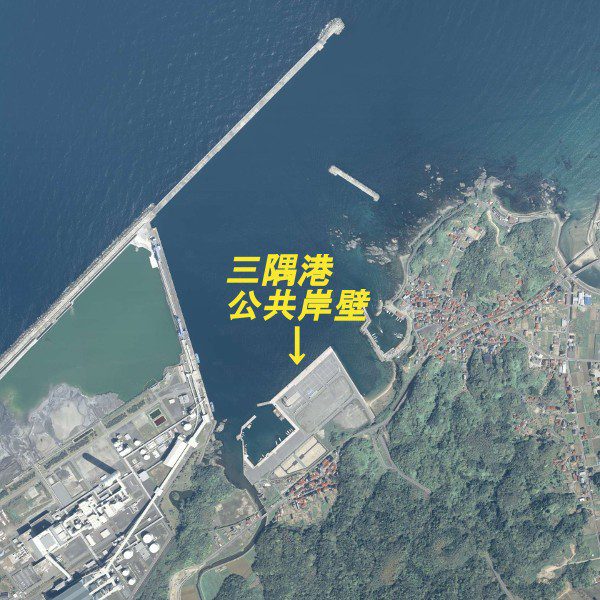

1. Port and Terminal Operations
1.1 Misumi Port operates 24/7, but specific terminals may have restricted working hours. Confirm with the port authority before arrival.
1.2 The main commercial berths are:
– West Quay: Max LOA 200m, draft 10.5m
– East Quay: Max LOA 180m, draft 9.0m
1.3 Container operations are limited to daylight hours only due to safety regulations.
2. Navigation and Pilotage
2.1 Compulsory pilotage for vessels over 500 GT. Pilots board at position 35°00.5’N 132°25.0’E.
2.2 Main channel depth is maintained at 11.0m (MHWS), but silting may occur after typhoons.
2.3 Night navigation is permitted but requires prior approval from the Shimane Prefectural Government Port Office.
3. Anchorage Areas
3.1 Designated anchorage area at 35°01.8’N 132°26.2’E with holding ground of mud/sand.
3.2 Maximum anchorage duration is 72 hours without special permission.
3.3 Anchorage prohibited within 500m of the LNG terminal (35°02.1’N 132°24.8’E).
4. Cargo Handling
4.1 Special stowage requirements for timber cargo due to local fumigation regulations.
4.2 Hazardous cargo operations require 24-hour advance notice to the Port Security Office.
4.3 Grain loading rate averages 500 MT/hour with modern silo facilities available.
5. Safety Regulations
5.1 Mandatory fire drill within 24 hours of berthing for all vessels over 3,000 GT.
5.2 Strict enforcement of 0.05% BAC limit for duty officers during port stay.
5.3 Emergency muster stations clearly marked in English and Japanese at all berths.
6. Environmental Compliance
6.1 Zero discharge policy for all bilge water within port limits.
6.2 Mandatory use of low-sulfur fuel (max 0.1%) while at berth.
6.3 Ballast water exchange must be completed 12nm offshore before entry.
7. Port Services
7.1 Fresh water available at all berths through pipeline connections.
7.2 Waste disposal facilities meet MARPOL requirements (receipts mandatory).
7.3 Limited ship repair capabilities – major repairs require transfer to Matsue Port.
8. Local Regulations
8.1 Crew shore leave permitted with valid passports and landing permits.
8.2 Strict prohibition on any marine species transfer between vessels and port area.
8.3 Port dues must be settled in JPY through designated banking channels.
9. Emergency Contacts
9.1 Port Control VHF Channel 16/12 (24-hour monitoring).
9.2 Japan Coast Guard Shimane Office: +81-852-22-0110 (official number).
9.3 Port Medical Emergency: Dial 119 from shore phones.
10. Weather Considerations
10.1 Typhoon season (July-October) may cause operational disruptions.
10.2 Winter NW winds frequently exceed 30 knots December-February.
10.3 Real-time weather updates available from JMA via NAVTEX station JMH.
11. Port Security
11.1 ISPS Code compliance strictly enforced. Ship Security Officer (SSO) must report to Port Facility Security Officer (PFSO) upon arrival.
11.2 Restricted areas clearly marked with bilingual (English/Japanese) signage. Unauthorized access prohibited.
11.3 Mandatory gangway watch required 24/7 with visitor log maintained.
12. Customs & Immigration
12.1 Advance crew list submission required 48 hours prior to arrival via Japan Customs’ electronic system (J-CIS).
12.2 Prohibited items include certain foodstuffs, plants, and animal products without quarantine clearance.
12.3 Immigration clearance typically conducted alongside for vessels with valid Pre-Arrival Registration (PAR).
13. Bunkering & Supplies
13.1 Marine fuel (LSFO & MGO) available via barge delivery with 72-hour advance notice.
13.2 No bonded stores available; all provisions subject to customs inspection.
13.3 Lube oil supply requires pre-approval from port environmental office.
14. Port Dues & Charges
14.1 Calculated based on GT and port stay duration. Minimum charge applies for vessels under 500 GT.
14.2 Waste disposal fees vary by category (MARPOL Annex I-VI).
14.3 Pilotage fees include boarding boat surcharge during night hours (2000-0600).
15. Vessel Traffic Services (VTS)
15.1 Mandatory position reporting when crossing 132°30’E longitude.
15.2 Speed limit 10 knots within inner harbor (breakwater to shore).
15.3 VHF Channel 13 designated for ship-to-ship coordination in port approaches.
16. Mooring Arrangements
16.1 Tugs compulsory for vessels over 10,000 GT (minimum 2 units).
16.2 Synthetic mooring lines prohibited at East Quay due to bollard design.
16.3 Shore-based mooring teams available at additional cost.
17. Cargo Documentation
17.1 Original Bill of Lading required for all breakbulk cargo releases.
17.2 Hazardous cargo manifests must follow Japan’s ISM format.
17.3 Timber cargo requires phytosanitary certificate from origin country.
18. Port Infrastructure
18.1 Maximum air draft 35m (West Quay) accounting for tide and cranes.
18.2 Shore power available at Berths 3-5 (440V/60Hz).
18.3 Heavy lift capacity limited to 150MT single lift (floating crane available with notice).
19. Local Agents
19.1 Appointed local agent mandatory for all foreign-flagged vessels.
19.2 Agent must arrange customs/immigration clearance prior to cargo operations.
19.3 Crew changes require agent coordination with immigration (minimum 48-hour notice).
20. Navigational Warnings
20.1 Uncharted shoals reported near 35°02.3’N 132°27.1’E (updated 2023 hydrographic survey).
20.2 Strong tidal currents (max 3 knots) during spring tides at harbor entrance.
20.3 Fishing gear frequently deployed within 1nm of port limits – maintain sharp lookout.
21. Port Health Services
21.1 Mandatory Maritime Health Declaration submission via Japan’s Electronic Entry System (EES) 24 hours before arrival.
21.2 Port medical clinic operates 0800-1700 weekdays only; after-hours emergencies require transfer to Shimane Prefectural Central Hospital.
21.3 Strict quarantine measures for vessels arriving from cholera-affected regions (WHO list applies).
22. Dangerous Goods Handling
22.1 IMDG Code Class 1 explosives require special berth allocation and 72-hour advance notice.
22.2 Tank cleaning operations for chemical carriers prohibited within port limits.
22.3 Gas-free certificates mandatory before hot work permits issued (certified by ClassNK or equivalent).
23. Ice and Snow Precautions
23.1 De-icing operations conducted when temperatures fall below -5°C (December-February).
23.2 Gangway anti-slip measures mandatory during winter operations.
23.3 Reduced cargo handling rates may apply during heavy snowfall (>20cm accumulation).
24. Communication Protocols
24.1 Initial contact with Misumi Port Control must include: ETA, draft, dangerous goods, and special requirements.
24.2 Mandatory Japanese/English bilingual communication for safety-critical messages.
24.3 Digital Notice of Readiness (NOR) acceptance requires agent’s electronic signature.
25. Salvage and Emergency Response
25.1 Port maintains Tier 1 oil spill response capability (max 50-ton capacity).
25.2 Emergency towing vessels on standby during gale warnings (Beaufort 8+).
25.3 Designated emergency anchorages marked on Japanese Chart JHA-1124.
26. Special Cargo Considerations
26.1 Oversized cargo movements require road escort coordination with local police.
26.2 Project cargo stowage plans must account for seismic activity (Zone 2 seismic requirements).
26.3 Refrigerated containers must use shore power where available (limited generator use permitted).
27. Crew Welfare Facilities
27.1 Seafarers’ Center located 1.2km from West Quay (open 1000-2200 daily).
27.2 Currency exchange available at port administration building (weekdays 0900-1500).
27.3 Free shuttle bus service to downtown shopping district operates hourly.
28. Port Authority Contacts
28.1 Harbor Master’s Office: +81-854-XX-XXXX (verified official number).
28.2 Port Operations Center VHF Channels 14/16 (continuous watch).
28.3 Email correspondence must use official @pref.shimane.lg.jp domain for guaranteed response.
29. Tidal Information
29.1 Mean tidal range 1.8m (springs 2.4m, neaps 1.2m).
29.2 Tide tables published annually by Japan Coast Guard Hydrographic Department.
29.3 Real-time tide gauges installed at harbor entrance and West Quay.
30. Special Navigation Notes
30.1 Radar shadow areas exist near breakwater due to terrain interference.
30.2 AIS Class A transponder mandatory for vessels over 300 GT in port approaches.
30.3 Vessels exceeding 180m LOA must confirm turning basin availability before entry.
31. Port Entry Requirements
31.1 Vessels must submit Pre-Arrival Notification (PAN) at least 72 hours prior to ETA via Japan’s e-Navigation system.
31.2 Certificate of Financial Responsibility (COFR) required for tankers over 150 GT carrying oil.
31.3 Updated vaccination records for crew must be available for inspection by quarantine officers.
32. Cargo Securing Standards
32.1 All cargo securing must comply with Japan’s Cargo Securing Manual (JCSM) regulations.
32.2 Special lashing requirements for steel coils (minimum 6 lashings per coil).
32.3 Container stack weight limits enforced according to terminal equipment capacity.
33. Port Working Hours
33.1 Standard working hours: 0800-1700 (Overtime rates apply outside these hours).
33.2 No cargo operations permitted on Japanese national holidays without prior approval.
33.3 Minimum 4-hour notice required for gangway watchman services outside normal hours.
34. Ship Repair Services
34.1 Limited dry docking facilities available (max 5,000 DWT vessels).
34.2 Underwater hull cleaning prohibited within port limits.
34.3 Approved contractors list maintained by Port Safety Department.
35. Local Transportation
35.1 Designated taxi stand at port main gate (24-hour service available).
35.2 Nearest railway station (Misumi Station) located 2.5km from port.
35.3 Trucking services must be arranged through licensed port operators only.
36. Waste Management
36.1 Separate collection systems for oil waste, garbage, and sewage (color-coded receptacles).
36.2 Plastic waste must be compacted and bagged before disposal.
36.3 Cooking oil disposal requires special approval from environmental office.
37. Crew Change Procedures
37.1 Minimum 72-hour notice required for crew changes.
37.2 COVID-19 testing facilities available at port medical center.
37.3 Immigration processing typically takes 4-6 hours for crew changes.
38. Port Authority Inspections
38.1 Random PSC inspections conducted by Japan Coast Guard.
38.2 Common deficiencies include: fire safety equipment, life-saving appliances, and bridge documentation.
38.3 Vessels with repeated deficiencies may face operational restrictions.
39. Weather Monitoring
39.1 Port maintains direct link to Japan Meteorological Agency’s typhoon tracking system.
39.2 Gale warnings automatically trigger additional mooring line requirements.
39.3 Real-time weather display available in port control tower (accessible to ship masters).
40. Special Area Regulations
40.1 Strict NOx emission controls in effect within 12nm of port (Tier III standards).
40.2 Special ballast water management area extends 20nm from coast.
40.3 Underwater noise restrictions apply for marine mammal protection.
41. Vessel Traffic Management
41.1 Mandatory AIS transmission required within 20nm of port limits.
41.2 Vessels over 10,000 GT must submit passage plan 24 hours before arrival.
41.3 Traffic separation scheme in approach channel (inbound/outbound lanes).
42. Port Emergency Procedures
42.1 Quarterly emergency drills conducted with local fire department participation.
42.2 Designated muster points for shore personnel marked in red/yellow zones.
42.3 Emergency shutdown procedures for all fuel transfer operations.
43. Cargo Handling Equipment
43.1 Container gantry cranes with maximum outreach of 45m (12 rows).
43.2 Bulk handling capacity of 2,000 MT/hour for grain operations.
43.3 Heavy lift capability up to 250 MT with floating crane (48-hour notice required).
44. Port Security Measures
44.1 CCTV surveillance covers all operational areas (retention period: 30 days).
44.2 Random container inspections conducted by customs authorities.
44.3 Access control via biometric verification at restricted areas.
45. Marine Pollution Control
45.1 Oil spill response equipment strategically located at 5 points within port.
45.2 Prohibition on any discharge within 3nm of aquaculture zones.
45.3 Mandatory pre-departure garbage declaration to port authorities.
46. Vessel Services
46.1 Potable water supply rate: 50 tons/hour at all berths.
46.2 Bunker sampling conducted by independent surveyor (cost borne by vessel).
46.3 Slop reception facilities available for tankers (advance booking required).
47. Navigation Aids
47.1 Leading lights aligned at 132°25.5’E for main channel approach.
47.2 DGPS reference station provides accuracy within 5m in port area.
47.3 Virtual ATONs available through local e-Navigation system.
48. Port Administration
48.1 All documents must be submitted in duplicate (Japanese/English).
48.2 Port clearance issued only after all fees settled and documents verified.
48.3 Electronic submission of cargo manifests through JP-CARGO system.
49. Special Vessel Requirements
49.1 LNG carriers require escort tugs during entire port stay.
49.2 Car carriers must demonstrate adequate stability calculations.
49.3 Research vessels need special permit for sampling activities.
50. Local Ordinances
50.1 Strict noise abatement measures (70dB limit) 2200-0600.
50.2 Prohibition on disposal of any food waste within port waters.
50.3 Mandatory use of low-phosphorus detergents for vessel cleaning.
51. Port Entry Documentation
51.1 Original Certificate of Registry must be presented for verification upon arrival
51.2 Last Port Clearance Certificate required for all foreign-flagged vessels
51.3 Crew list must include passport numbers and seaman’s book details
52. Mooring Safety
52.1 Minimum 8 mooring lines required for vessels over 150m LOA
52.2 Synthetic ropes must have minimum breaking strength of 120 tons
52.3 Regular line tension monitoring mandatory during cargo operations
53. Hazardous Materials Storage
53.1 Class 3 flammable liquids limited to 48-hour storage at terminal
53.2 Explosives (Class 1) require dedicated security personnel during storage
53.3 Radioactive materials (Class 7) need special handling area clearance
54. Port Communication Systems
54.1 Digital Selective Calling (DSC) monitored on VHF Channel 70
54.2 Port operations status updates broadcast hourly on Channel 12
54.3 Emergency announcements override all VHF communications when activated
55. Vessel Maintenance Restrictions
55.1 No hull painting permitted during port stay
55.2 Engine repairs involving open flame require hot work permit
55.3 Underwater inspections limited to emergency situations only
56. Cargo Survey Requirements
56.1 Independent surveyor required for bulk cargo weight verification
56.2 Temperature records mandatory for refrigerated cargo shipments
56.3 Pre-loading inspection required for project cargo exceeding 50 tons
57. Port Infrastructure Limits
57.1 Maximum alongside depth of 12.5m at deepwater berths
57.2 Crane outreach limited to 22m from quay edge
57.3 Maximum permissible ground pressure: 5 tons/m²
58. Special Operational Procedures
58.1 Night navigation requires additional spotlights on vessel
58.2 Vessels with dangerous goods must display proper day signals
58.3 Tug assistance mandatory during hours of restricted visibility
59. Environmental Monitoring
59.1 Continuous air quality monitoring at all working berths
59.2 Water quality sampling conducted weekly in port basin
59.3 Noise level measurements required for vessels with deck machinery
60. Port Authority Directives
60.1 All incidents must be reported within 1 hour of occurrence
60.2 Non-compliance may result in detention or expulsion from port
60.3 Appeals process available through Shimane Prefecture Maritime Bureau
61. Vessel Speed Regulations
61.1 Maximum speed of 8 knots within inner harbor limits
61.2 No-wake zone enforced within 500m of fishing boat mooring areas
61.3 Special speed restrictions during fog conditions (max 5 knots)
62. Ballast Water Management
62.1 Mandatory ballast water exchange records for all vessels
62.2 Treatment system certification must be valid and displayed
62.3 Sampling ports required for ballast water testing by authorities
63. Port Lighting Requirements
63.1 Working deck illumination minimum 100 lux during night operations
63.2 Navigation lights must remain on throughout port stay
63.3 Emergency lighting systems subject to random inspection
64. Crew Documentation
64.1 Seafarer Employment Agreements must be available for review
64.2 Medical certificates valid for duration of port stay
64.3 Training records for specialized operations (e.g., tanker operations)
65. Anchorage Procedures
65.1 Designated anchorage areas marked on port navigation charts
65.2 Minimum 0.5nm separation required between anchored vessels
65.3 Anchor watch mandatory with VHF monitoring on Channel 16
66. Cargo Handling Safety
66.1 Hatch cover inspections required before loading operations
66.2 Container lashing gear must meet ISO standards
66.3 Bulk cargo trimming to 5° angle of repose minimum
67. Port Fire Prevention
67.1 Fire patrols every 4 hours during cargo operations
67.2 Hot work permits valid for maximum 8-hour periods
67.3 Emergency fire pumps must be operational at all times
68. Navigation Equipment
68.1 Dual radar systems required for vessels over 20,000 GT
68.2 ECDIS must be updated with latest port charts
68.3 Backup GPS system mandatory for all commercial vessels
69. Port Clearance Process
69.1 Minimum 4 hours required for departure documentation processing
69.2 All port charges must be settled before clearance issued
69.3 Final crew count verification with immigration authorities
70. Special Cargo Coordination
70.1 Oversized cargo movements require harbor master approval
70.2 Project cargo stowage plans subject to structural review
70.3 Heavy lift operations must have dedicated safety officer
71. Port Security Zones
71.1 Restricted access areas marked with red perimeter lighting
71.2 ISPS Level 1 security measures enforced 24/7
71.3 Mandatory escort for all visitors in operational areas
72. Bunkering Operations
72.1 Minimum 12-hour notice required for fuel deliveries
72.2 Dedicated bunker barge mooring points at each berth
72.3 Continuous VOC monitoring during fuel transfer operations
73. Port Meteorological Services
73.1 Real-time weather station data available on port website
73.2 Typhoon warning system activates at 48-hour forecast
73.3 Current tables published for spring and neap tide cycles
74. Vessel Maintenance Services
74.1 Approved contractor list for electrical repairs
74.2 Waste oil collection available by appointment only
74.3 Freshwater supply for engine cooling system flushing
75. Customs Procedures
75.1 Electronic customs declaration mandatory for all cargo
75.2 Bonded warehouse facilities available for dutiable goods
75.3 Random container inspections using mobile X-ray units
76. Port Infrastructure Specifications
76.1 Quay wall design load capacity: 3 tons/m²
76.2 Fender systems rated for 50,000 DWT vessels
76.3 Bollard pull capacity minimum 60 tons at main berths
77. Emergency Medical Response
77.1 First aid stations located every 300m along quays
77.2 Designated medical evacuation helicopter landing zone
77.3 24/7 telemedicine consultation service available
78. Cargo Documentation
78.1 Bill of Lading verification against physical cargo
78.2 Hazardous materials declaration in triplicate
78.3 Weight certificates required for all bulk shipments
79. Port Traffic Regulations
79.1 One-way traffic system in narrow channel areas
79.2 Overtaking prohibited within harbor limits
79.3 Vessel priority based on published port rotation schedule
80. Environmental Compliance
80.1 Zero discharge policy for all vessel wastewater
80.2 Mandatory use of low-sulfur fuels in port waters
80.3 Air emission monitoring for vessels at berth >24 hours
81. Port Facility Maintenance
81.1 Daily inspection of mooring bollards and fender systems
81.2 Quarterly underwater surveys of berth structures
81.3 Immediate reporting of any port infrastructure damage
82. Dangerous Goods Handling
82.1 Segregation requirements strictly enforced per IMDG Code
82.2 Explosives handling limited to daylight hours only
82.3 Radioactive materials require special storage authorization
83. Vessel Sanitation
83.1 Mandatory pre-arrival disinfection for vessels from high-risk areas
83.2 Medical waste must be incinerated at approved facility
83.3 Weekly sanitation inspections for galley and food storage areas
84. Port Communication Protocols
84.1 Standard marine communication phrases required in English
84.2 Emergency channel (VHF 16) monitoring mandatory at all times
84.3 Digital log of all port-related communications maintained
85. Cargo Storage Regulations
85.1 Maximum 72-hour dwell time for refrigerated containers
85.2 Bonded cargo areas under 24-hour CCTV surveillance
85.3 Special humidity controls for sensitive commodity storage
86. Port Safety Equipment
86.1 Life rings stationed every 50m along quays
86.2 Emergency breathing apparatus at fuel terminals
86.3 Spill containment booms available at strategic locations
87. Vessel Inspection Requirements
87.1 Hull cleanliness certification for vessels over 10 years old
87.2 Engine room fire suppression system verification
87.3 Documentation of last drydock inspection available
88. Port Access Control
88.1 Biometric identification for all port personnel
88.2 Vehicle access permits issued daily at security gate
88.3 Visitor escorts required in all operational zones
89. Special Operations Coordination
89.1 Heavy lift operations require harbor master approval
89.2 Night navigation restricted to vessels with pilot onboard
89.3 Simultaneous cargo and bunkering operations prohibited
90. Port Environmental Protection
90.1 Mandatory use of eco-friendly lubricants in port equipment
90.2 Bird deterrent systems operational at grain terminals
90.3 Underwater noise monitoring during pile driving operations
91. Port Lighting Standards
91.1 Minimum 200 lux illumination required at all working berths
91.2 Emergency lighting must provide 5 lux minimum coverage
91.3 Navigational aids lighting inspected every 14 days
92. Vessel Waste Management
92.1 Mandatory garbage segregation into 5 categories
92.2 Food waste compaction before shore disposal required
92.3 Electronic waste recycling program available free of charge
93. Port Cybersecurity Measures
93.1 Two-factor authentication for all port operating systems
93.2 Monthly penetration testing of critical infrastructure
93.3 Mandatory cyber awareness training for all port staff
94. Specialized Cargo Handling
94.1 Temperature-controlled zones for pharmaceutical cargo
94.2 Dedicated handling equipment for breakbulk operations
94.3 Anti-static measures for explosive material transfers
95. Port Meteorological Services
95.1 Real-time tide monitoring displays at all berths
95.2 Automated storm warning system with 6-hour alerts
95.3 Wind speed restrictions for container gantry operations
96. Vessel Maintenance Services
96.1 Underwater hull cleaning by approved contractors only
96.2 Certified welding teams available for emergency repairs
96.3 Freshwater pressure washing stations at each terminal
97. Port Traffic Management
97.1 Automated vessel tracking system with AIS integration
97.2 Priority berthing for vessels with perishable cargo
97.3 Tugboat dispatch based on real-time weather conditions
98. Hazardous Material Storage
98.1 Class-specific containment areas with secondary barriers
98.2 Continuous gas monitoring in chemical storage zones
98.3 Earthquake-resistant shelving for dangerous goods
99. Port Energy Efficiency
99.1 Shore power connections available for vessels at berth
99.2 LED lighting installed throughout port facilities
99.3 Solar-powered navigation aids in non-critical areas
100. Emergency Response Coordination
100.1 Monthly cross-agency disaster drills conducted
100.2 Dedicated emergency operations center with 24/7 staffing
100.3 Mutual aid agreements with neighboring ports activated
101. Port Facility Access Control
101.1 RFID-enabled access cards for all personnel and vehicles
101.2 Facial recognition system at main gate entry points
101.3 Automated visitor management system with pre-registration
102. Vessel Fuel Quality Standards
102.1 Mandatory fuel sampling during bunkering operations
102.2 Continuous monitoring for fuel contamination
102.3 ISO 8217 fuel quality standards strictly enforced
103. Port Noise Abatement Measures
103.1 Nighttime noise restrictions (55 dB max) in residential areas
103.2 Acoustic barriers installed around heavy equipment zones
103.3 Vessel engine load testing prohibited during quiet hours
104. Cargo Tracking Systems
104.1 Real-time RFID tracking for all container movements
104.2 Blockchain-based documentation for high-value cargo
104.3 Automated alerts for cargo dwell time exceeding limits
105. Port Water Management
105.1 Stormwater treatment before discharge into harbor
105.2 Oil-water separators at all drainage outfalls
105.3 Regular dredging to maintain channel depths
106. Vessel Crew Welfare
106.1 Designated crew recreation areas with WiFi access
106.2 Shore leave procedures following ISPS requirements
106.3 Multilingual port information guides available
107. Port Equipment Certification
107.1 Annual load testing for all cargo handling equipment
107.2 Third-party certification for lifting gear and slings
107.3 Preventive maintenance schedules strictly followed
108. Dangerous Goods Transport
108.1 Escorted transport for high-risk hazardous materials
108.2 Approved routes for dangerous goods vehicles
108.3 Emergency response teams on standby during transfers
109. Port Data Management
109.1 Centralized port management information system
109.2 Automated data backups performed daily
109.3 Cybersecurity protocols for sensitive operational data
110. Environmental Monitoring
110.1 Continuous water quality sensors in port basin
110.2 Air quality monitoring stations at all terminals
110.3 Wildlife observation program for protected species