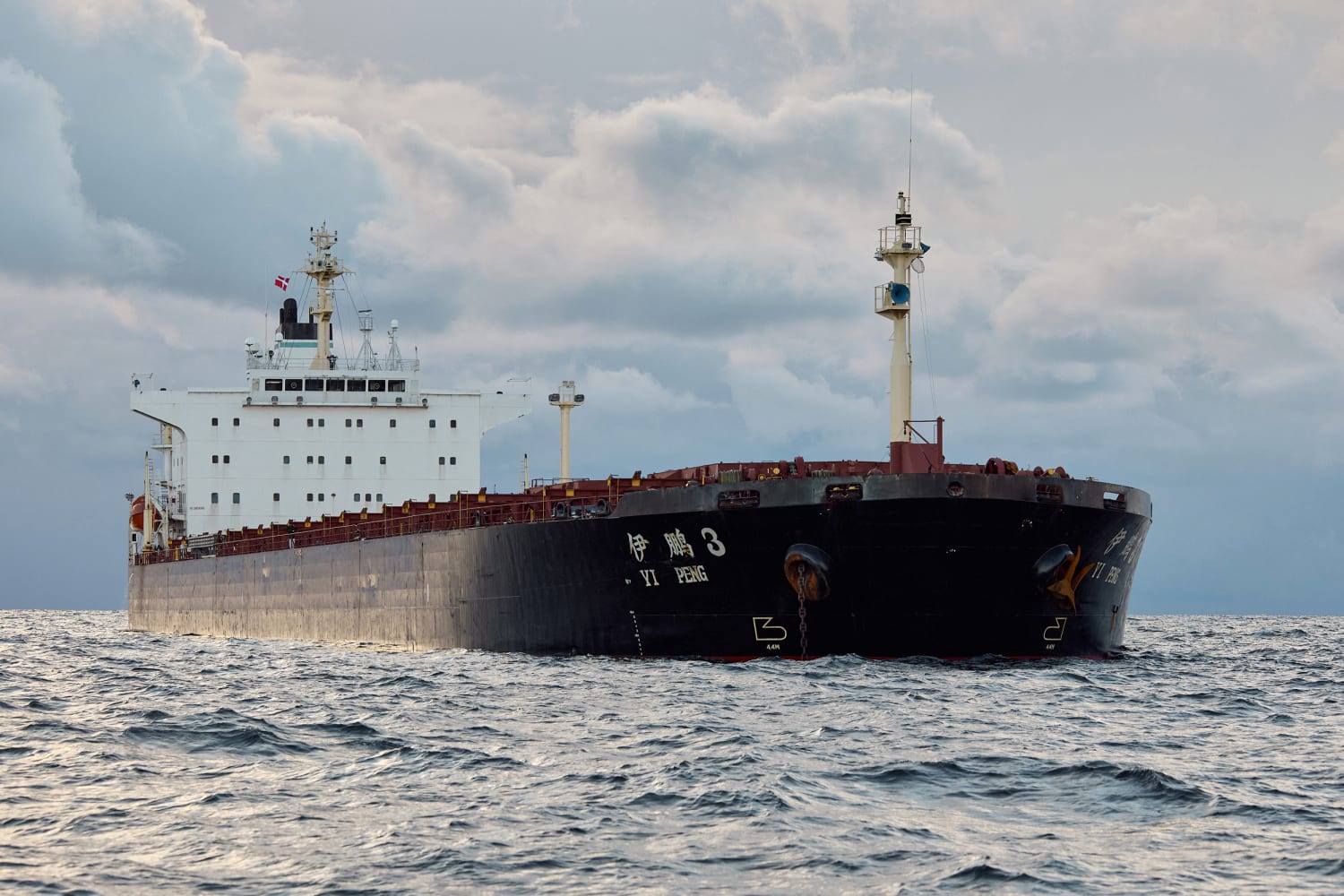

1. Port and Terminal Operations
1.1 Mitsukojima Port operates 24/7, but specific terminals may have restricted hours. Confirm operational schedules with the Port Authority in advance.
1.2 Designated hazardous cargo berths (Berth 5-7) require prior approval. Submit IMDG documentation 72 hours before arrival.
1.3 Grain terminal (East Wharf) has a maximum draft restriction of 12.5m at all tides. Overloading will result in operational suspension.
1.4 RO-RO operations require stern ramp width certification to be submitted during pre-arrival documentation checks.
2. Navigation and Pilotage
2.1 Compulsory pilotage zone extends 3nm from the breakwater. Vessels exceeding 200 GT must take pilots.
2.2 Main channel depth is maintained at 14m (CD), but silting may occur in NW sector during monsoon season (June-September).
2.3 Night navigation restrictions apply for vessels with LOA >250m due to turning basin limitations.
2.4 Pilot boarding area coordinates: 34°25’12″N 133°12’45″E (updated per 2023 Japan Coast Guard Notice No. 15).
3. Anchorage Regulations
3.1 Outer anchorage (Area A) limited to 48-hour stays without Port Health clearance.
3.2 Emergency anchorage (Area E) requires immediate notification to Port Control on VHF CH16 if utilized.
3.3 Anchoring prohibited within 500m of submarine cable areas (marked on Admiralty Chart JP-158).
4. Cargo Handling Requirements
4.1 Timber cargo must be sprayed with approved anti-pest chemicals (Japan MAFF Regulation 42).
4.2 Container stack weight limits: 4 high for 20′, 3 high for 40′ containers in all terminals.
4.3 Bulk cement loading requires independent moisture certification from approved laboratories.
5. Safety and Emergency Procedures
5.1 Mandatory fire drill to be conducted with local fire brigade within 6 hours of berthing for tankers.
5.2 Oil spill response equipment deployment must be verified before cargo operations (per ISGOTT Chapter 10).
5.3 Gangway watchmen must be stationed when shore personnel are onboard (Port Security Level 1 requirement).
6. Environmental Compliance
6.1 Open-loop scrubber discharge prohibited within port limits (Port Ordinance No. 2021-3).
6.2 Garbage delivery receipts must specify JIS Z 2801 compliant treatment methods.
6.3 Ballast water exchange must be completed 50nm offshore with minimum 200m depth (Japan MERA standards).
7. Documentation Requirements
7.1 Original Ship Sanitation Control Certificate must be presented to quarantine officials before free pratique.
7.2 Crew vaccination records must include batch numbers for verification against Japanese MHLW database.
7.3 Cargo manifests must use HS Code classification per Japan Customs Tariff Schedule.
8. Special Notices
8.1 Typhoon contingency plan activation requires vessels to vacate berths when Signal No. 8 is hoisted.
8.2 Annual port closure every third Wednesday of November for disaster drills (48-hour notice issued).
8.3 Vessels carrying radioactive materials must provide 14-day advance notice with IAEA certificates.
9. Port Services and Utilities
9.1 Fresh water supply available at all berths (max pressure 3.5 bar). Prior notice required for quantities exceeding 500 tons.
9.2 Bunkering operations permitted only at designated fuel berth (Berth 12) with double-hose containment system mandatory.
9.3 Slop reception facilities available 24/7 at East Wharf (advance notification to Port Waste Control required).
9.4 No ship repair services available within port limits. Nearest dry dock facility at Onomichi (35nm NW).
10. Vessel Traffic Management
10.1 Mandatory AIS transmission required within 12nm of port entrance (Japan Coast Guard Regulation Article 24-3).
10.2 VHF Channel 14 for port operations, Channel 12 for pilot coordination (dual watch required during approach).
10.3 Speed limit of 8 knots enforced within inner breakwater (radar monitored with automatic penalty system).
11. Customs and Immigration
11.1 Crew shore passes issued only through appointed shipping agents (minimum 6-hour processing time).
11.2 Customs boarding for clearance occurs at anchorage for vessels carrying restricted commodities.
11.3 Prohibited items list includes drone cameras without prior Ministry of Defense authorization.
12. Meteorological Considerations
12.1 Sudden wind acceleration occurs NE of breakwater (katabatic effect) with +15 knot gusts in winter months.
12.2 Tide tables issued by Japan Hydrographic Department (JHD-2024 edition) are the only authorized reference.
12.3 Fog season (April-May) reduces visibility to <500m on average 12 days/month – radar-assisted berthing mandatory.
13. Cargo Documentation
13.1 Phytosanitary certificates for agricultural products must bear original ink stamps (no digital copies accepted).
13.2 Dangerous goods manifests must follow IMO Dangerous Goods List numbering (UN codes alone insufficient).
13.3 Steel cargo requires mill certificates with JIS G 3101 compliance markings for customs clearance.
14. Port Security Measures
14.1 Armed guards permitted only with 72-hour prior notice to Japan Coast Guard (Form MS-27B required).
14.2 Underwater hull inspections prohibited without Port Security Officer presence (ISPS Code Level 1 protocol).
14.3 All photography of port infrastructure requires prior Port Authority media clearance.
15. Health Protocols
15.1 Malaria prophylaxis not required but Japanese encephalitis vaccination recommended for crew changes.
15.2 Medical waste disposal requires triple-sealed containers with pre-approved treatment facility contracts.
15.3 COVID-19 testing available at port clinic (PCR results in 4 hours, ¥25,000 per test at ship’s expense).
16. Local Regulations
16.1 Discharge of any gray water within 1nm of port prohibited (Marine Pollution Control Law Article 18).
16.2 Use of anchors in maneuvering requires Port Master approval to prevent seabed pipeline damage.
16.3 Crew must carry original seafarer’s ID when ashore (copies not accepted by local police).
17. Port Dues and Charges
17.1 All port fees must be prepaid through authorized agents before berthing (no cash payments accepted).
17.2 Waste disposal charges calculated by cubic meter with 10% discount for segregated recyclables.
17.3 Overtime labor rates apply for operations outside 0700-1900 hours (150% normal rate on Sundays).
18. Mooring Requirements
18.1 Minimum 8 mooring lines required for vessels >200m LOA (4 headlines, 4 stern lines).
18.2 Synthetic mooring ropes must have minimum breaking load certification displayed.
18.3 Tug assistance mandatory for all vessels with beam exceeding 32m during berthing/unberthing.
19. Cargo Handling Equipment
19.1 Container gantry cranes have maximum outreach of 18 rows (no twin-lift operations permitted).
19.2 Bulk conveyor systems limited to 800 tons/hour loading rate for dust control compliance.
19.3 Heavy lift operations (>100 tons) require 48-hour notice for crane capacity verification.
20. Communication Protocols
20.1 Initial contact must be made on VHF Ch 16 before switching to working channels.
20.2 All radio communications must include full vessel name and IMO number in each transmission.
20.3 Emergency signals (3 long blasts) require immediate cessation of all cargo operations.
21. Bunkering Procedures
21.1 Bunker samples must be taken in presence of Port State Control officer for vessels >10,000 GT.
21.2 Fuel transfer operations prohibited during electrical storms (lightning within 5nm).
21.3 Bunker barge connections require double-valve isolation with drip trays in place.
22. Crew Welfare Facilities
22.1 Shore leave permitted only through designated gate (North Access Point) with biometric scanning.
22.2 Crew change operations must be completed within 6 hours of arrival to avoid additional fees.
22.3 No smoking areas strictly enforced within 50m of all cargo handling zones.
23. Port State Control
23.1 Tokyo MOU inspections conducted on 25% of foreign vessels (priority given to high-risk ships).
23.2 Deficiency rectification must be completed before departure for critical items.
23.3 Vessels with 3+ detentions in previous year subject to expanded inspection regime.
24. Ice Navigation (Winter Operations)
24.1 Ice class requirements apply December-February (minimum Ice Class IC for vessels >5,000 GT).
24.2 Bow thruster use prohibited when water temperature below 3°C to prevent damage.
24.3 Special hull washing required after transit through ice to remove residual buildup.
25. Dangerous Goods Handling
25.1 Explosives (Class 1) may only be handled at Berth 14 with armed security present.
25.2 Radioactive materials require lead-lined containers with real-time monitoring displays.
25.3 Toxic gas shipments must have emergency scrubber systems tested before unloading.
26. Vessel Dimension Restrictions
26.1 Maximum permissible LOA: 330m (including all projections)
26.2 Air draft limitation: 55m from waterline to highest point at high tide
26.3 Minimum underkeel clearance: 10% of vessel’s draft or 1.5m, whichever is greater
27. Special Cargo Considerations
27.1 Project cargo exceeding 5m width requires special daylight transit permission
27.2 Livestock carriers must provide veterinary inspection certificates 96 hours prior arrival
27.3 Refrigerated containers must undergo pre-cooling verification before loading
28. Port Emergency Contacts
28.1 Port Control emergency: VHF Channel 16 +81-845-22-0110 (24/7)
28.2 Oil spill response: +81-845-22-0456 (Marine Pollution Control Unit)
28.3 Medical emergencies: Dial 119 from shore phones (English-speaking operators available)
29. Navigation Aids
29.1 Leading lights aligned at 142° True for main channel approach
29.2 No.3 buoy (starboard) equipped with AIS transmitter (MMSI 992351234)
29.3 Fog signals activated when visibility <1,000m (2 prolonged blasts every 2 minutes)
30. Waste Management
30.1 Plastic waste must be compacted and labeled with vessel’s IMO number
30.2 Food waste grinding prohibited – must be landed whole for composting
30.3 Sludge transfer requires MARPOL Annex I form completion in triplicate
31. Crew Training Requirements
31.1 Deck officers must complete port-specific ECDIS training every 2 years
31.2 Engine room staff handling bunkers require Japan-approved pollution prevention certification
31.3 All crew must demonstrate proficiency in basic Japanese port terminology
32. Weather Monitoring
32.1 Real-time weather feed available on port website (10-minute updates)
32.2 Typhoon warning stages announced via NAVTEX and VHF Channel 16
32.3 Current tables displayed on digital boards at all berths (JST +0900)
33. Security Drills
33.1 Monthly anti-piracy drills required for vessels transiting high-risk areas
33.2 ISPS Code Level 2 drills conducted quarterly with port authorities
33.3 Unannounced security inspections may occur during cargo operations
34. Port Entry Procedures
34.1 ETA confirmation required 72, 48, 24 and 6 hours prior arrival
34.2 Pre-arrival documentation must include updated crew vaccination records
34.3 First port of entry in Japan requires additional quarantine clearance
35. Special Area Compliance
35.1 SOx emission control area extends 12nm from coast (0.1% sulfur limit)
35.2 Special ballast water regulations apply to all vessels with Japanese coastal voyages
35.3 Underwater noise reduction measures encouraged within 3nm of marine parks
36. Ship Repair and Maintenance
36.1 Hot work permits require 24-hour advance notice with fire watch arrangements
36.2 Underwater cleaning prohibited without prior environmental impact assessment
36.3 Stack emissions during repair operations must not exceed 20% opacity
37. Port Infrastructure
37.1 All berths equipped with ISO standard bollards (SWL 150 tons minimum)
37.2 Fender systems designed for vessels up to 80,000 DWT (conical type)
37.3 Navigation bridge clearance of 60m maintained at all main berths
38. Cargo Securing
38.1 Timber deck cargo lashing must withstand 30° roll angle
38.2 Container lashing equipment subject to annual certification checks
38.3 Heavy lift items require stress calculations submitted 72 hours pre-loading
39. Port Information Services
39.1 Digital port handbook updated quarterly (available via QR code at entrance)
39.2 Tide prediction kiosks installed at all major berths (10-minute forecasts)
39.3 Multilingual assistance available through port operations center
40. Vessel Reporting
40.1 Daily noon reports mandatory for vessels in port >24 hours
40.2 Bunker delivery notes must include Japan-specific addendum
40.3 Incident reporting forms available in 8 languages at port office
41. Local Maritime Laws
41.1 Japanese Labor Standards Law applies to all crew working ashore
41.2 Strict enforcement of MARPOL Annex VI fuel changeover procedures
41.3 Vessel master legally responsible for accurate garbage record books
42. Port Clearance
42.1 Outward clearance certificates issued only after all fees settled
42.2 Customs departure forms require original stamps (no digital copies)
42.3 Last crew member ashore must return 2 hours before sailing
43. Special Operations
43.1 Helicopter operations require 48-hour notice to aviation authorities
43.2 Ship-to-ship transfers limited to designated area 2nm NE of breakwater
43.3 Nighttime crane operations require additional lighting approval
44. Environmental Protection
44.1 Mandatory use of low-sulfur fuel (<0.1%) during port stay
44.2 Underwater noise monitoring conducted near sensitive habitats
44.3 Ballast water sampling performed on 15% of arriving vessels
45. Vessel Services
45.1 Provisions delivery available 24/7 through approved suppliers
45.2 Cash-to-master services limited to ¥3,000,000 per transaction
45.3 Freshwater quality tested daily (pH 6.5-8.5 standard maintained)
46. Dangerous Weather Contingencies
46.1 Typhoon preparedness level 3 requires all gantry cranes to be secured in parking position
46.2 Vessels must maintain 2-hour steaming capability when tropical storm warning issued
46.3 Special mooring arrangements required for winds exceeding 25 knots (8-point mooring)
47. Port Entry Documentation
47.1 Original tonnage certificate must show Panama Canal/SUEZ Canal measurements if applicable
47.2 Last 10 port clearance certificates required for vessels over 15 years old
47.3 Electronic submission of pre-arrival forms via Japan MICS system mandatory
48. Cargo Survey Requirements
48.1 Independent draft survey required for bulk carriers loading >50,000 MT
48.2 Container weight verification must use certified weighbridges (ISO 9001 standard)
48.3 Liquid cargo calculations must account for Tokyo Bay specific gravity variations
49. Vessel Traffic Separation Scheme
49.1 Inbound/outbound lanes separated by 0.5nm buffer zone (strictly enforced)
49.2 Overtaking prohibited within 2nm of port entrance during peak hours (0700-1900)
49.3 Fishing vessel exclusion zone extends 1nm around commercial shipping lanes
50. Port Labor Regulations
50.1 Mandatory 30-minute rest period every 4 hours for stevedores (strictly monitored)
50.2 Specialized cargo handlers required for hazardous materials (certification checked)
50.3 Dispute resolution must be referred to Port Labor Committee within 2 hours
51. Electronic Navigation Requirements
51.1 ECDIS must display latest Japan Hydrographic Department updates (weekly checks)
51.2 AIS Class A transmission verification required before pilot boarding
51.3 VDR data extraction capability must be demonstrated to port authorities
52. Special Cargo Handling
52.1 Vehicles with fuel in tanks require special fire watch during loading
52.2 Temperature-sensitive pharmaceuticals must use dedicated refrigerated zones
52.3 Oversized machinery requires vibration monitoring during loading operations
53. Port Safety Inspections
53.1 Monthly emergency lighting tests recorded in official log book
53.2 Gangway safety nets mandatory when tide range exceeds 3 meters
53.3 Hydrogen sulfide detectors required for vessels carrying sour crude
54. Communication Equipment
54.1 VHF DSC capability must be demonstrated upon request
54.2 Backup satellite phone required for vessels >20,000 GT
54.3 Portable radios for line handlers must be intrinsically safe rated
55. Environmental Monitoring
55.1 Continuous emissions monitoring for vessels staying >48 hours
55.2 Bilge water sampling performed randomly on 10% of visiting vessels
55.3 Underwater hull inspections by ROV for vessels with suspect biofouling
56. Anchorage Procedures
56.1 Designated anchorage areas assigned based on vessel length (A-1 for >200m, A-2 for <200m)
56.2 Anchoring time limited to 72 hours without special permission
56.3 Daily position reports required when at anchor (GPS coordinates to Port Control)
57. Hazardous Materials Storage
57.1 Class 3 flammable liquids must use specially ventilated warehouse 5
57.2 Explosives storage limited to 48 hours maximum duration
57.3 Radioactive materials kept in lead-shielded bunker with 24/7 monitoring
58. Vessel Maintenance in Port
58.1 Hull cleaning permitted only with approved containment systems
58.2 Stack emissions during maintenance must not exceed port air quality standards
58.3 Underwater repairs require prior environmental impact assessment
59. Port Access Control
59.1 Biometric scanning required for all personnel entering restricted areas
59.2 Vehicle access permits must be renewed quarterly
59.3 Drone flights prohibited within 5km of port without military clearance
60. Emergency Response
60.1 Oil spill response teams on 30-minute standby 24/7
60.2 Fireboats capable of pumping 10,000 liters/minute stationed at central pier
60.3 Mass casualty incident plan tested biannually with local hospitals
61. Navigation Restrictions
61.1 Daylight transit only for vessels with dangerous goods (Class 1-3)
61.2 Tidal window limitations apply for vessels with draft >14m
61.3 Special clearance needed for military/naval vessels
62. Cargo Documentation
62.1 Original bills of lading required for high-value shipments (>¥50 million)
62.2 Agricultural products need phytosanitary certificates with Japanese translation
62.3 Steel cargo requires mill certificates with JIS standard compliance
63. Port Utilities
63.1 Shore power available at all main berths (440V/60Hz)
63.2 Potable water supply meets WHO standards (daily testing)
63.3 Waste oil reception facilities operate 24/7 with prior notice
64. Crew Change Procedures
64.1 Minimum 12-hour quarantine period for incoming crew
64.2 Health declarations required for all personnel coming ashore
64.3 Crew buses operate on fixed schedule between port and airport
65. Special Area Compliance
65.1 Ballast water exchange prohibited within 200nm of coast
65.2 Special sewage discharge regulations apply in harbor limits
65.3 Underwater noise restrictions near marine mammal habitats
66. Vessel Speed Regulations
66.1 Speed limit of 8 knots within port approach channel
66.2 5-knot speed restriction in inner harbor areas
66.3 No-wake zone enforced within 500m of passenger terminals
67. Customs Procedures
67.1 Pre-arrival customs declaration required 24 hours prior to berthing
67.2 Bonded cargo areas available for temporary storage (max 30 days)
67.3 Strict enforcement of CITES regulations for wildlife products
68. Port Lighting Requirements
68.1 Working deck illumination minimum 200 lux for night operations
68.2 Navigation lights must be visible from all approach angles
68.3 Emergency lighting systems tested weekly
69. Dangerous Goods Transport
69.1 Class 1 explosives transport limited to 0400-0800 hours only
69.2 Hazardous material routes marked with special signage
69.3 Escort vehicles required for radioactive material movements
70. Vessel Sanitation
70.1 Mandatory deratting certificates for vessels from certain regions
70.2 Food handling areas subject to unannounced inspections
70.3 Medical waste must be incinerated at approved facilities
71. Port Security Zones
71.1 Restricted Area A requires dual authentication for access
71.2 Continuous CCTV monitoring of all cargo handling areas
71.3 Random container inspections conducted by customs K9 units
72. Meteorological Services
72.1 Real-time weather data displayed on port information screens
72.2 Typhoon warning system with 4-stage alert levels
72.3 Tide prediction charts available at all pilot stations
73. Special Vessel Handling
73.1 VLCCs require 3 tugs for berthing operations
73.2 LNG carriers subject to 500m exclusion zone during transfer
73.3 RO-RO vessels must demonstrate ramp securing systems
74. Port Fee Structure
74.1 Tonnage-based port dues calculated per GT
74.2 Discounts available for eco-friendly vessels (ESI certified)
74.3 Overtime charges apply for operations outside normal hours
75. Navigation Warnings
75.1 Temporary exclusion zones marked with yellow buoys
75.2 Dredging operations announced via NOTMAR broadcasts
75.3 Submarine cable areas clearly charted and prohibited for anchoring
76. Bunkering Operations
76.1 Advance notice of 12 hours required for bunker deliveries exceeding 500MT
76.2 Dedicated bunker barge lanes established in western harbor area
76.3 Continuous VOC monitoring during fuel transfer operations
77. Ice Navigation Procedures
77.1 Ice-class vessels prioritized during winter months (Dec-Mar)
77.2 Mandatory icebreaker escort for vessels without IA class
77.3 Special hull stress monitoring required when operating in ice conditions
78. Passenger Terminal Operations
78.1 Cruise ship gangways must maintain maximum 10% incline
78.2 Emergency evacuation drills conducted monthly with port authorities
78.3 Dedicated customs lanes for passenger processing during peak hours
79. Port Waste Reception
79.1 Segregated waste collection points at each berth (6-category system)
79.2 Electronic waste tracking from vessel to final disposal facility
79.3 Special handling for biohazard materials (incineration within 24 hours)
80. Vessel Inspection Regime
80.1 Random PSC inspections target vessels with high risk profile
80.2 Concentrated inspection campaigns announced quarterly
80.3 Mandatory pre-departure checks for vessels over 20 years old
81. Navigation Equipment Standards
81.1 Radar systems must meet IMO Resolution MSC.192(79) standards
81.2 Backup GPS receivers required on all vessels >500GT
81.3 Automatic identification of AIS targets on ECDIS displays mandatory
82. Port Community System
82.1 Mandatory electronic submission of cargo manifests via JP-CIS
82.2 Real-time berth availability accessible through port portal
82.3 Automated notification system for document approvals
83. Special Cargo Zones
83.1 Temperature-controlled area for perishables (-25°C to +15°C range)
83.2 High-value cargo compound with 24/7 armed guards
83.3 Dedicated heavy lift area with 500-ton capacity ground reinforcement
84. Marine Pollution Prevention
84.1 Prohibited discharge zone extends 12nm from coastline
84.2 Mandatory use of eco-friendly hull cleaning products
84.3 Oil-water separators tested monthly with records available for inspection
85. Vessel Traffic Monitoring
85.1 Mandatory reporting points at 25nm, 12nm and 5nm from port entrance
85.2 Automated vessel tracking integrates AIS, radar and camera systems
85.3 Suspicious vessel reporting protocol with coast guard liaison
86. Port Cybersecurity Requirements
86.1 Mandatory IEC 62443-3-3 compliance for all port operational systems
86.2 Monthly penetration testing of critical network infrastructure
86.3 Two-factor authentication required for all remote access to port systems
87. Cold Ironing Facilities
87.1 Shore power connections available at 6.6kV/60Hz and 440V/60Hz
87.2 Minimum 4-hour notice required for high-voltage connection requests
87.3 Real-time power quality monitoring during cold ironing operations
88. Dangerous Goods Documentation
88.1 IMDG Code declarations must include Japanese translation appendix
88.2 Radioactive materials require special transit permits from METI
88.3 Explosives manifests must be submitted 72 hours prior to arrival
89. Port Emergency Drills
89.1 Full-scale oil spill response exercise conducted biannually
89.2 Monthly fire evacuation drills with port emergency teams
89.3 Cybersecurity incident tabletop exercises quarterly
90. Vessel Fuel Sampling
90.1 Bunker fuel samples drawn by approved independent surveyors
90.2 Three sealed samples retained (vessel, supplier, port authority)
90.3 Sulfur content verification using portable XRF analyzers
91. Port Accessibility Standards
91.1 All passenger terminals comply with ADA/ISO accessibility guidelines
91.2 Dedicated assistance lanes for mobility-impaired passengers
91.3 Visual and auditory alert systems in all public areas
92. Special Tidal Operations
92.1 Spring tide windows published monthly for deep-draft vessels
92.2 Current prediction displays at all pilot boarding stations
92.3 Slack water periods marked on official port tide tables
93. Port Meteorological Sensors
93.1 Real-time wind speed/direction monitoring at 10 locations
93.2 Water current profilers at main channel intersections
93.3 Visibility sensors with automatic VHF broadcasts when <1nm
94. Vessel Hull Inspection
94.1 Ultrasonic thickness measurements for vessels >15 years old
94.2 Mandatory hull cleaning certification for biofouling control
94.3 ROV inspections available for underwater hull assessments
95. Port Data Management
95.1 All operational data archived for minimum 7 years
95.2 Blockchain-based bill of lading system available
95.3 API integration with major shipping line systems
96. Port Infrastructure Maintenance
96.1 Daily structural integrity checks on all berthing facilities
96.2 Underwater pier inspections conducted quarterly by certified divers
96.3 Fender system replacements scheduled every 5 years or as needed
97. Vessel Mooring Standards
97.1 Minimum 8 mooring lines required for vessels >200m LOA
97.2 Synthetic rope use limited to approved high-modulus types
97.3 Automatic tension monitoring systems mandatory at container terminals
98. Port Noise Regulations
98.1 Nighttime operations (2200-0600) limited to 65dB at boundary
98.2 Vessel auxiliary engine exhaust silencers required in residential zones
98.3 Quarterly noise mapping of entire port area conducted
99. Hazardous Area Classification
99.1 Zone 0/1/2 demarcation clearly marked in all operational areas
99.2 ATEX-certified equipment required in designated explosive atmospheres
99.3 Annual review of hazardous area classifications
100. Port Digital Twin System
100.1 Real-time 3D modeling of all vessel movements
100.2 Predictive analytics for congestion management
100.3 Integration with AIS/radar/VTS data streams
101. Specialized Cargo Equipment
101.1 Post-Panamax cranes with 65m outreach available
101.2 Automated straddle carriers for container yard operations
101.3 500-ton floating crane for heavy lift operations
102. Port Water Management
102.1 Stormwater runoff treatment before discharge
102.2 Ballast water treatment facility with 500m³/hr capacity
102.3 Real-time water quality monitoring at 15 sampling points
103. Vessel Traffic Forecasting
103.1 72-hour arrival prediction system with 95% accuracy
103.2 Machine learning algorithms for berth allocation
103.3 Integration with regional vessel traffic patterns
104. Port Energy Management
104.1 Solar panel arrays on warehouse roofs (total 5MW capacity)
104.2 Shore power carbon footprint tracking system
104.3 LED lighting conversion completed for all outdoor areas
105. Port Community Engagement
105.1 Monthly public open house events
105.2 Educational programs for local schools
105.3 Community advisory board meetings quarterly
106. Port Wildlife Protection
106.1 Mandatory bird migration monitoring during peak seasons
106.2 Underwater noise reduction protocols for marine mammal protection
106.3 Designated wildlife corridors around port perimeter
107. Vessel Scrubber Regulations
107.1 Closed-loop scrubber discharge prohibited in port waters
107.2 Continuous emissions monitoring for scrubber-equipped vessels
107.3 Approved washwater treatment facilities available ashore
108. Port Digital Documentation
108.1 Blockchain-based bill of lading system implementation
108.2 Electronic ship/shore safety checklists with digital signatures
108.3 Cloud-based archive for all port transactions (7-year retention)
109. Special Vessel Accommodations
109.1 Dedicated berthing area for nuclear-powered vessels
109.2 Quarantine anchorage for vessels with health alerts
109.3 Emergency repair zone with drydock access
110. Port Lighting Technology
110.1 Smart LED lighting with motion sensors in all storage yards
110.2 Automated dusk-to-dawn illumination control
110.3 Glare-reduction design for all perimeter lighting
111. Cargo Securing Standards
111.1 IMO CSS Code compliance verification for all breakbulk
111.2 Container lashing computer analysis for heavy weather routes
111.3 Specialized securing for project cargo exceeding 50 tons
112. Port Air Quality Control
112.1 Real-time PM2.5 monitoring at 10 port locations
112.2 Mandatory diesel particulate filters for all yard equipment
112.3 Vapor recovery systems for all liquid bulk terminals
113. Vessel Waste Reporting
113.1 Electronic garbage record books subject to random audits
113.2 Mandatory reporting of all waste transfers to port reception
113.3 Digital tracking of hazardous waste from vessel to disposal
114. Port Geotechnical Monitoring
114.1 Automated settlement gauges for all reclaimed land areas
114.2 Monthly slope stability assessments for storage mounds
114.3 Seismic activity monitoring with early warning system
115. Navigation Aid Maintenance
115.1 Automated monitoring of all buoys and beacons
115.2 Monthly verification of leading light alignments
115.3 Emergency replacement stock for critical aids
116. Port Cybersecurity Protocols
116.1 Mandatory network segmentation between operational and administrative systems
116.2 Annual red team exercises to test critical infrastructure resilience
116.3 Real-time intrusion detection for SCADA systems with automated alerts
117. Vessel Bunker Quality Control
117.1 ISO 8217 fuel standards strictly enforced with batch testing
117.2 Digital fuel quality certificates with blockchain verification
117.3 Mandatory fuel sampling during bunkering operations
118. Port Crane Safety Systems
118.1 Anti-collision systems with 3D monitoring for all gantry cranes
118.2 Automated load moment indicators with override prevention
118.3 Monthly load testing and certification for all lifting equipment
119. Emergency Towing Procedures
119.1 Designated emergency towing vessels on 24/7 standby
119.2 Annual drills for disabled vessel scenarios with harbor tugs
119.3 Pre-positioned towing gear at strategic port locations
120. Port Data Analytics
120.1 Predictive maintenance algorithms for port equipment
120.2 AI-powered congestion forecasting for terminal operations
120.3 Automated KPI dashboards for operational performance
121. Specialized Cargo Storage
121.1 Temperature-controlled warehouses with real-time monitoring
121.2 High-security vaults for valuable cargo with biometric access
121.3 Dedicated areas for hazardous materials with secondary containment
122. Vessel ETA Management
122.1 Dynamic ETA adjustment system with weather integration
122.2 Automated berth allocation based on real-time vessel tracking
122.3 Machine learning algorithms for arrival time prediction
123. Port Waterfront Security
123.1 Underwater surveillance systems for critical infrastructure
123.2 Thermal imaging cameras for perimeter monitoring
123.3 Random security sweeps of waterfront areas
124. Port Sustainability Initiatives
124.1 Shore power capability for all major berths
124.2 Electrification program for all yard handling equipment
124.3 Carbon footprint tracking for port operations
125. Vessel Hull Cleaning
125.1 Approved biofouling removal procedures with waste capture
125.2 Underwater cleaning only at designated port areas
125.3 Mandatory hull cleaning before drydock operations