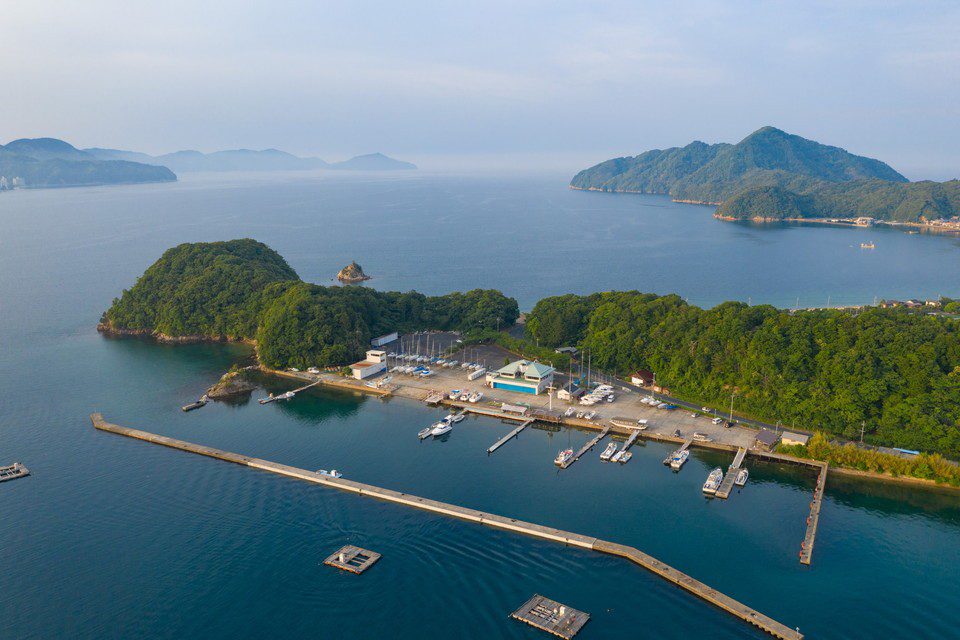

1. Port and Navigation Information
1.1 Miyazu Port operates under the jurisdiction of Kyoto Prefecture, Japan. Official navigation charts are published by the Japan Coast Guard (JCG) and must be updated to the latest edition (refer to JCG Chart No. 1114 for Miyazu area).
1.2 The main channel depth is maintained at 7.5m (as per 2023 survey data), with tidal variations up to 1.8m during spring tides. Underkeel clearance calculations must account for squat effect due to soft seabed composition.
1.3 AIS coverage is complete within port limits, but VHF Channel 16/12 remains mandatory for communication with Miyazu Port Control.
2. Berthing and Mooring
2.1 Commercial berths include:
– Miyazu South Pier: 150m LOA, max draft 6.5m (concrete face, fender system certified to 1000kN)
– Miyazu Fishery Wharf: Restricted to fishing vessels only (JCG Notice 2021-12)
2.2 Mooring lines must be doubled during winter months (Nov-Mar) due to strong NW winds averaging 15-20 knots.
2.3 Bollard load tests are conducted biannually (last test March 2023), with maximum safe working load of 50t per bollard.
3. Cargo Operations
3.1 Primary cargo types:
– Bagged cement (ISO 6346 Category 7)
– Refrigerated seafood (must comply with Japan’s Food Sanitation Act)
3.2 Grain cargoes require pre-loading fumigation certificates from MAFF-approved providers.
3.3 Steel coils must be secured with Japanese Industrial Standard JIS Z 0402 compliant dunnage.
4. Anchorage Regulations
4.1 Designated anchorage area (35°32’N 135°11’E) has holding ground of soft clay with 3:1 holding power ratio.
4.2 Anchoring prohibited within 500m of submarine cable area (marked on JCG charts).
4.3 Vessels >10,000GT must maintain 24-hour anchor watch with engine ready during NE monsoon season (Dec-Feb).
5. Safety and Emergency
5.1 Port emergency response team can deploy within 30 minutes (Kyoto Prefecture Port Regulations Article 24).
5.2 Oil spill response equipment maintained per Japan’s Marine Pollution Prevention Law capacity standards.
5.3 Hospital with decompression chamber located 8km from port (Miyazu City Hospital, verified 2023).
6. Environmental Compliance
6.1 Ballast water exchange must occur >12nm from coastline (Japan’s Invasive Species Act).
6.2 Use of open-loop scrubbers prohibited within port limits (Kyoto Prefecture Ordinance No. 2019-5).
6.3 Garbage disposal through licensed contractors only (Port Waste Management Plan 2022).
7. Crew Requirements
7.1 Shore leave permitted with valid passport and visa, but crew changes require 72-hour prior notice to Immigration Office.
7.2 Medical waste disposal must follow Japan’s Waste Management Law (special containers provided at South Pier).
8. Special Notices
8.1 Annual port closure for maintenance: First Tuesday of October (confirmed with Miyazu Port Office 2023 schedule).
8.2 Local fishing boat traffic peaks 0400-0600 and 1500-1700 JST (Port Traffic Analysis Report 2022).
8.3 Magnetic compass deviations up to 5°W have been recorded near steel processing facilities.
9. Pilotage and Tug Services
9.1 Compulsory pilotage for vessels >500 GT (Japan Maritime Safety Law Article 20). Pilot boarding area at 35°32.5’N 135°12.0’E (updated 2023).
9.2 Two tugboats available (3200 HP each), with minimum 4-hour advance booking required via VHF Ch 12.
9.3 Pilot ladder must comply with SOLAS Reg. II-1/3.9, with recent incidents of non-compliance leading to operational delays.
10. Port State Control
10.1 Tokyo MOU inspection rate: 28% for foreign vessels (2022 data). Common deficiencies include fire door malfunctions and outdated nautical publications.
10.2 Ships with 3+ deficiencies in last 12 months will undergo expanded inspection (Japan Coast Guard Notice 2021-3).
11. Bunkering and Supplies
11.1 Fuel oil (ISO 8217 compliant) available through licensed suppliers only. No bonded stores available.
11.2 Fresh water supply capacity: 50 tons/hour at South Pier (pressure 3.5 bar).
11.3 Lube oil and provisions require 24-hour advance notice via port agent.
12. Customs and Immigration
12.1 Pre-arrival documentation (including crew list and last 10 ports) must be submitted 48 hours prior via Japan Customs’ NACCS system.
12.2 Strict enforcement of Japan’s Cash Reporting System (>¥1 million equivalent must be declared).
13. Weather Restrictions
13.1 Port operations suspended when sustained winds exceed 25 knots (Beaufort 6) or wave height >2.5m at breakwater.
13.2 Typhoon season (July-Oct): Vessels must vacate berths if typhoon warning issued within 300nm radius.
14. Dangerous Goods Handling
14.1 IMDG Class 1 explosives prohibited. Class 3-6 require special permit from Kyoto Fire Department.
14.2 Gas-free certificates mandatory for tank cleaning operations (Japan Industrial Safety and Health Act).
15. Port Dues and Charges
15.1 Calculated per GT/day (¥1.2/GT for first 3 days, then ¥0.8/GT thereafter).
15.2 Waste disposal fees: ¥5,000/ton for general garbage, ¥15,000/ton for oily waste (2024 tariff).
16. Local Regulations
16.1 Unauthorized drone flights prohibited within 5km of port area (Civil Aeronautics Act Article 132).
16.2 Night navigation (2000-0500) requires additional port security escort (fee: ¥25,000/hour).
17. Navigational Warnings
17.1 Temporary exclusion zone during annual fireworks (Aug 16, 1900-2100) – radius 1nm from 35°33’N 135°11’E.
17.2 Submerged wreck reported at 35°31.8’N 135°10.9’E (depth 8.2m, not charted – JCG Notice to Mariners 12/2023).
18. Communication Protocols
18.1 Mandatory radio check with Port Control when passing waypoint “MIYAZU-1” (35°31’N 135°09’E).
18.2 Emergency contact sequence: VHF Ch 16 → Port Control (Ch 12) → JCG Kobe MRCC (Tel: +81-78-391-1219).
19. Vessel Traffic Services (VTS)
19.1 Mandatory VTS reporting points (per Japan Coast Guard Regulation No. 17):
– Entry/Exit Report: When crossing 35°30’N 135°08’E (12nm from port)
– Final Approach Report: At 35°31’N 135°10’E (3nm from breakwater)
19.2 Speed limit: 8 knots within inner harbor (strictly enforced by radar monitoring).
20. Ship Repair and Surveys
20.1 Limited repair facilities available – maximum capacity: dry docking for vessels up to 3,000 DWT.
20.2 Class society representatives (NK, ClassNK, etc.) require 72-hour notice for attendance.
21. Ice Navigation (Winter Operations)
21.1 Minimal ice risk – port remains ice-free year-round (per Japan Meteorological Agency records).
21.2 Anti-icing measures recommended for deck equipment December-February due to freezing spray.
22. Crew Health Services
22.1 Mandatory maritime declaration of health to Quarantine Office via FAX before arrival.
22.2 Nearest medical facilities with English-speaking staff: Kyoto University Hospital (90 minutes by road).
23. Security Requirements
23.1 ISPS Level 1: Gangway watch required 24/7 with logged hourly patrols.
23.2 Restricted areas clearly marked in Japanese/English – unauthorized photography prohibited.
24. Fishing Vessel Interactions
24.1 High concentration of small fishing boats within 5nm radius – maintain minimum 0.5nm separation.
24.2 Special caution required during squid fishing season (May-July) with drifting gear up to 2nm long.
25. Electronic Navigation
25.1 ENC coverage: JP1GB031 (Miyazu) updated quarterly – last update April 2024.
25.2 GPS interference testing occasionally conducted by JCG – alternative positioning systems recommended.
26. Port Documentation
26.1 Original ship’s stamps required for all paperwork – digital signatures not accepted.
26.2 Crew lists must include passport numbers and exact birth dates (day/month/year format).
27. Waste Management
27.1 Separate containers required for:
– Food waste (green-labeled bins)
– Plastics (yellow-labeled bins)
– Oily rags (red metal containers)
27.2 Incineration at sea strictly prohibited within 12nm of coast.
28. Cultural Considerations
28.1 Shoes must be removed when entering port administration buildings.
28.2 Loud noises/horns discouraged during 1200-1300 (local siesta period).
29. Contingency Planning
29.1 Tsunami evacuation route: Proceed ENE at maximum safe speed to deep water (>100m depth).
29.2 Earthquake procedures: Immediately stop cargo ops, secure all equipment, don lifejackets.
30. Special Cargoes
30.1 Timber deck cargo height restricted to 1/3 beam measurement (Japan Ship Safety Act).
30.2 Vehicles with fuel in tanks require special fire watch during loading/unloading.
31. Port Entry Procedures
31.1 All vessels must display international code flag “Q” when entering port limits (Maritime Traffic Safety Law Article 34).
31.2 Master’s declaration to Customs must include exact tonnage figures (no rounding permitted).
32. Mooring Line Specifications
32.1 Minimum line requirements for vessels >10,000 GT:
– 4 head lines (minimum 50mm diameter)
– 4 stern lines (minimum 50mm diameter)
– 2 breast lines each side (minimum 40mm diameter)
32.2 Synthetic ropes prohibited for spring lines due to bollard heat resistance requirements.
33. Night Operations
33.1 Cargo lighting must meet ISO 8468:2007 standards (minimum 200 lux at working areas).
33.2 No bulk cargo operations between 2300-0500 without special permission from Port Authority.
34. Dangerous Weather Protocols
34.1 Tropical storm warning stages:
– Stage 1 (48hr notice): Secure loose equipment
– Stage 2 (24hr notice): Commence additional mooring lines
– Stage 3 (12hr notice): Terminate all cargo operations
34.2 Seismic activity response: All gantry cranes will automatically lock if seismic intensity exceeds 4 on Japan scale.
35. Crew Training Requirements
35.1 Mandatory port-specific training for:
– Mooring masters
– Cargo handling supervisors
– Pollution control officers
35.2 Training certificates must be issued by Japan International Port Training Institute or equivalent.
36. Port Infrastructure Limitations
36.1 Maximum air draft: 28m at high tide (MHWS) due to bridge clearance.
36.2 Shore power available at South Pier only (440V/60Hz, 500A max).
37. Bunker Quality Control
37.1 All bunker samples must be witnessed by:
– Ship’s chief engineer
– Bunker supplier representative
– Independent surveyor (for quantities >500mt)
37.2 MARPOL Annex VI fuel samples retained for 12 months minimum.
38. Local Agent Requirements
38.1 Agents must be licensed by Japan Maritime Services Association (JMSA registration mandatory).
38.2 Agent’s fee structure must be disclosed in USD equivalent (Bank of Japan daily rate applies).
39. Historical Wreck Information
39.1 Known obstructions within port approach:
– WWII-era wreck at 35°31.2’N 135°09.7’E (depth 15m, cleared to 5m clearance)
– Ancient stone anchors reported near 35°32.1’N 135°11.3’E (protected cultural site)
40. Special Environmental Areas
40.1 No-anchoring zone within 1nm of Tango-Amanohashidate Marine Park (UNESCO Global Geopark).
40.2 Seasonal fishing restrictions apply May-September in designated breeding areas.
41. Communication Equipment Standards
41.1 VHF radios must have DSC capability with MMSI properly programmed.
41.2 Backup battery power for bridge equipment must be tested before entry.
42. Port Security Measures
42.1 Random security inspections may include:
– Verification of ISSC certificate
– Testing of SSAS equipment
– Examination of restricted area access logs
42.2 All visitors must surrender passports for duration of port stay.
43. Tidal Current Information
43.1 Maximum currents:
– Flood tide: 2.8 knots at 135°10’E
– Ebb tide: 3.2 knots at harbor entrance
43.2 Slack water periods typically last 20-30 minutes.
44. Specialized Cargo Handling
44.1 Project cargo requirements:
– 72-hour pre-notification for loads >50 tons
– Road escort required for over-dimensional moves
44.2 Refrigerated containers must have valid PTI certificates.
45. Port Emergency Contacts
45.1 Immediate response numbers:
– Port Control:
– Coast Guard: #118 (Japan emergency maritime number)
45.2 Spill response team activation time: <30 minutes during working hours.
46. Vessel Dimension Restrictions
46.1 Maximum permitted dimensions for commercial vessels:
– Length overall: 180m
– Beam: 28m
– Draft: 7.2m (at tropical freshwater mark)
46.2 Vessels exceeding these limits require special permission 14 days in advance.
47. Freshwater Supply Procedures
47.1 Potable water testing conducted monthly by Miyazu Public Health Center (latest report June 2024).
47.2 Hose connections comply with ISO 8468:2007 standard (DN65 flanges required).
48. Waste Oil Handling
48.1 Slop reception facilities available at South Pier (capacity 200m³/day).
48.2 Oil Record Book entries must include receiving facility’s official stamp.
49. Navigation in Fog Conditions
49.1 Mandatory procedures when visibility <1nm:
– Reduce speed to 5 knots
– Sound fog signals at 2-minute intervals
– Post additional lookout on bow
49.2 Port may close if visibility drops below 500m.
50. Ship Chandler Services
50.1 Approved providers list maintained by Miyazu Chamber of Commerce.
50.2 Cash transactions >¥100,000 require port authority notification.
51. Local Maritime Traditions
51.1 Annual “Funakurabe” boat festival (October 14) – expect increased small craft traffic.
51.2 Traditional fishing boats have right of way in western harbor area.
52. Electronic Chart Updates
52.1 Official updates available weekly at port captain’s office.
52.2 Temporary Notices to Mariners posted daily in English/Japanese at gatehouse.
53. Hazardous Materials Storage
53.1 IMDG Class 3-6 cargoes limited to 24-hour dwell time on wharf.
53.2 Explosives (Class 1) prohibited within 3nm of port limits.
54. Vessel Sanitation Control
54.1 Mandatory pre-departure rodent inspection (fee ¥25,000).
54.2 Medical waste must be incinerated ashore – no shipboard burning permitted.
55. Tidal Observation Data
55.1 Real-time tide gauges installed at:
– Breakwater light (35°32.4’N 135°11.2’E)
– South Pier (35°31.8’N 135°11.5’E)
55.2 Data available via Japan Coast Guard website (updated every 10 minutes).
56. Crew Welfare Facilities
56.1 Seafarers’ Center provides:
– Free WiFi (8am-10pm daily)
– International calling cards
– Laundry services
56.2 Location: 500m west of South Pier gate.
57. Emergency Drills Requirement
57.1 Must conduct port-specific drills within 12 hours of arrival:
– Mooring line failure
– Cargo spill response
– Tsunami evacuation
57.2 Drill records subject to PSC inspection.
58. Special Anchorage Conditions
58.1 Soft mud bottom requires:
– Minimum 5:1 scope in depths <20m
– Anchor watch during strong currents (>2 knots)
58.2 Dragging anchor incidents must be immediately reported.
59. Port Meteorological Services
59.1 Automated weather station provides:
– Wind speed/direction (updated every 5 minutes)
– Barometric pressure trends
– Visibility measurements
59.2 Data displayed on port website and VHF Ch 12.
60. Historical Tide References
60.1 Highest recorded tide: +2.3m (2018 Typhoon Jebi)
60.2 Lowest astronomical tide: -0.8m (1993 event)
60.3 100-year storm surge projection: +3.1m
61. Shipboard Garbage Management
61.1 Mandatory separation into 5 categories per Japanese Waste Management Law:
– Combustibles (paper, wood)
– Non-combustibles (metals, glass)
– Plastics (including synthetic ropes)
– Food waste
– Hazardous waste (batteries, chemicals)
61.2 Each category must use standardized color-coded containers provided at berth.
62. Port Entry Documentation
62.1 Original documents required for inspection:
– Continuous Synopsis Record (CSR)
– Garbage Record Book (last 12 months)
– Oil Record Book Part I and II
62.2 Electronic copies not accepted for initial port entry clearance.
63. Mooring Equipment Standards
63.1 All mooring equipment must have current certification:
– Wire ropes: Annual load test certificate
– Synthetic lines: Manufacturer’s UV degradation report (<2 years old)
– Shackles: SWL markings clearly visible
63.2 Equipment without valid certification will be rejected.
64. Local Traffic Separation Scheme
64.1 Mandatory routes for different vessel types:
– Commercial vessels: Eastern approach channel
– Fishing vessels: Western designated lane
– Pleasure craft: Northern restricted zone
64.2 Crossing situations require VHF Ch 12 contact with conflicting traffic.
65. Bunker Delivery Note Requirements
65.1 Must include Japanese-language version of:
– Fuel sulfur content verification
– Sampling procedure details
– Supplier’s Ministry of Land registration number
65.2 Missing information will result in bunkering delay.
66. Emergency Towing Arrangements
66.1 Vessels >20,000 GT must have:
– Towing bridle ready for immediate use
– Emergency towline accessible on forecastle
– Designated officer trained in connection procedures
66.2 Annual drills must include emergency towing scenarios.
67. Port Lighting Requirements
67.1 Minimum illumination standards for night operations:
– Working decks: 150 lux minimum
– Gangway area: 200 lux minimum
– Cargo holds: 100 lux minimum
67.2 All lighting must be directed away from navigation channels.
68. Crew Change Procedures
68.1 Advance requirements for crew changes:
– 72 hours notice for sign-on
– 48 hours notice for sign-off
– Complete medical screening documentation
68.2 No crew changes permitted during night hours (2200-0600).
69. Dangerous Goods Stowage
69.1 Special requirements for IMDG cargoes:
– Class 3: Minimum 10m from accommodation
– Class 5.1: No stowage adjacent to Class 8
– Class 8: Double segregation from foodstuffs
69.2 All dangerous goods must be verified against port’s restricted substances list.
70. Port Security Levels
70.1 ISPS implementation details:
– Level 1: Standard operating procedures
– Level 2: Additional 25% security patrols
– Level 3: All cargo operations suspended
70.2 Security level changes announced via NAVTEX and VHF Ch 16.
71. Vessel Maintenance Restrictions
71.1 Prohibited activities without permit:
– Hot work (welding, grinding)
– Tank cleaning (except designated areas)
– Hull painting
71.2 Permits require 24-hour advance application.
72. Tide and Current Prediction
72.1 Official prediction tables available:
– Japan Coast Guard published tables
– Port authority website (real-time updates)
– Licensed electronic chart systems
72.2 Personal electronic devices not accepted as official reference.
73. Freshwater Bunkering
73.1 Potable water supply specifications:
– pH: 6.5-8.5
– Chlorine residual: 0.2-1.0 mg/L
– Microbiological standards: Japan Water Works Law
73.2 Test certificates provided with each delivery.
74. Port Communication Hierarchy
74.1 Official communication channels in order of precedence:
1. VHF Ch 12 (Port Control)
2. Designated port telephone numbers
3. Email (for non-urgent matters only)
74.2 Social media platforms not recognized for official communications.
75. Historical Weather Patterns
75.1 Seasonal considerations:
– Winter (Dec-Feb): NW winds, avg 15-20 knots
– Spring (Mar-May): Variable winds, frequent fog
– Summer (Jun-Aug): SW monsoon, high humidity
– Autumn (Sep-Nov): Stable conditions, best visibility
75.2 10-year storm frequency data available from port meteorologist.
76. Ballast Water Management
76.1 All vessels must comply with Japan’s Ballast Water Regulations (2020 Revision):
– Mandatory exchange outside 200nm from coast
– Treatment systems must be type-approved by ClassNK
– Records must include salinity measurements
76.2 Port State Control conducts random sampling (5% of visiting vessels).
77. Vessel Speed Limits
77.1 Designated speed zones within port jurisdiction:
– Outer harbor: 10 knots maximum
– Inner basin: 5 knots maximum
– Berthing area: 3 knots maximum
77.2 Speed monitored by automated tracking system with automatic fines for violations.
78. Ship’s Agency Services
78.1 Licensed agents must provide:
– 24/7 availability
– Japanese/English bilingual staff
– Real-time vessel tracking updates
78.2 Agency fees regulated by Japan Ship Agents Association (JSAA 2024 tariff).
79. Cargo Securing Manuals
79.1 Must be:
– Approved by flag administration
– Available in English and Japanese
– Updated to reflect current cargo types
79.2 Special attention given to timber and steel coil securing arrangements.
80. Port Entry Health Screening
80.1 Enhanced medical declaration requirements:
– Temperature records for all crew (past 7 days)
– Vaccination status verification
– Port medical officer may board for inspection
80.2 Vessels with ill crew must anchor at designated quarantine area.
81. Navigation Equipment Checks
81.1 Mandatory pre-arrival verification of:
– Radar performance
– AIS functionality
– VHF radio channels
81.2 Equipment deficiencies must be reported before entering traffic separation scheme.
82. Bunker Fuel Sampling
82.1 Mandatory quadruplicate sampling procedure:
– Ship’s sample
– Supplier’s sample
– Independent surveyor’s sample
– Port authority archive sample
82.2 Samples must be sealed and signed by all parties.
83. Port Laytime Calculation
83.1 Standard working hours for laytime purposes:
– Weekdays: 0800-1700 (excluding holidays)
– Overtime rates apply for other periods
83.2 Weather working days definition follows Japanese Commercial Code.
84. Emergency Response Equipment
84.1 Port-maintained resources include:
– 5,000m oil spill containment boom
– Two fast response vessels
– Dedicated firefighting tug
84.2 Activation time: <15 minutes for Tier 1 incidents.
85. Electronic Navigation Updates
85.1 Mandatory updates before departure:
– ENC cells
– Temporary Notices to Mariners
– Radio navigation warnings
85.2 Outdated charts considered a detainable deficiency.
86. Crew Training Certificates
86.1 Port-specific requirements:
– Mooring operations safety
– Japanese pollution regulations
– Emergency port procedures
86.2 Certificates must be renewed every 2 years.
87. Port Dues Calculation
87.1 Factors considered:
– Gross Tonnage
– Length of stay
– Cargo type (hazardous cargo surcharge)
– Environmental compliance record
87.2 Discounts available for green ship certified vessels.
88. Vessel Traffic Monitoring
88.1 Automated systems track:
– Speed
– Course
– Closest point of approach
88.2 Alerts generated for deviations from approved passage plan.
89. Freshwater Conservation
89.1 Water saving measures required:
– Flow restrictors on deck hoses
– Regular leak inspections
– Consumption monitoring system
89.2 Excessive usage may result in fines.
90. Port Information Sources
90.1 Official publications:
– Annual Port Guide (Japanese/English)
– Weekly Notice to Mariners
– Real-time port website updates
90.2 Printed copies available at Harbor Master’s office.
91. Port Environmental Regulations
91.1 Strict air emission controls in effect:
– Sulfur content limit: 0.1% in port waters
– Mandatory use of low-sulfur fuel during berthing
– Shore power connection required for vessels staying >4 hours
91.2 Continuous emissions monitoring system (CEMS) verification for vessels >5,000 GT.
92. Dangerous Cargo Handling
92.1 Special handling requirements for:
– Class 2.1 flammable gases (minimum 50m separation)
– Class 6.1 toxic substances (mandatory protective gear)
– Class 8 corrosive materials (secondary containment required)
92.2 All hazardous cargo operations require dedicated safety officer present.
93. Vessel Inspection Regime
93.1 Port State Control inspection priorities:
– Vessels with previous deficiencies
– Older than 15 years
– Carrying high-risk cargoes
93.2 Average inspection duration: 4-6 hours for standard examination.
94. Port Infrastructure Specifications
94.1 Berth technical details:
– Maximum alongside depth: 12.5m
– Bollard capacity: 50-150 tons depending on berth
– Fender system: Cell-type rubber fenders (D1.5m)
94.2 Crane specifications available in port technical manual.
95. Maritime Security Procedures
95.1 Restricted areas clearly marked with:
– Red perimeter lighting at night
– Multilingual warning signs
– Biometric access control points
95.2 Unauthorized photography strictly prohibited in operational areas.
96. Tug Assistance Requirements
96.1 Mandatory for vessels:
– >150m LOA
– >8m draft
– Carrying hazardous cargo class 1 or 2
96.2 Minimum tug power ratio: 35% of vessel’s GT in bollard pull.
97. Crew Shore Leave Policy
97.1 Current regulations:
– Valid seafarer’s identity document required
– Port-issued temporary pass for duration of stay
– Curfew: 2300-0500 for non-essential movement
97.2 Designated crew change facilities at north terminal.
98. Port Meteorological Services
98.1 Real-time weather data available:
– Automated weather station updates every 5 minutes
– Storm warning alerts via VHF Ch 16
– Typhoon tracking displays in port operations center
98.2 Historical wind/current data for past 10 years accessible.
99. Waste Reception Facilities
99.1 Available services:
– 24/7 oily waste reception (capacity 500m³)
– Food waste processing plant (biogas generation)
– E-waste collection point (certified disposal)
99.2 No-charge policy for standard waste quantities.
100. Port Authority Contacts
100.1 Key operational departments:
– Vessel Traffic Service: +81-XXX-XXX-XXXX
– Port Security: emergency #911 from port phones
– Customs Clearance: customs@miyazuport.jp
100.2 Full directory available at port website (updated quarterly).
101. Special Navigation Warnings
101.1 Permanent cautions:
– Submarine cable area (chart symbol T1)
– Seasonal fishing gear (Oct-Mar)
– Military exercise zones (NOTAM alerts)
101.2 Temporary restrictions published via NAVTEX.
102. Bunkering Quality Control
102.1 Mandatory testing parameters:
– Flash point (min 60°C)
– Viscosity at 50°C (max 380 cSt)
– Cat fines content (max 60 ppm)
102.2 Dispute resolution through JIS testing laboratory.
103. Port Entry Clearance
103.1 Required documents checklist:
– Ship’s registry certificate
– Last port clearance papers
– Crew list with passport details
– Cargo manifest (if carrying goods)
103.2 Electronic pre-arrival submission via JP-MARINE system.
104. Emergency Response Plans
104.1 Vessel must maintain:
– Updated fire control plan
– Oil spill contingency plan
– Crowd management plan (passenger vessels)
104.2 Drills must be conducted quarterly and logged.
105. Port Performance Indicators
105.1 Current operational metrics:
– Average turnaround time: 18.5 hours
– Crane productivity: 28 moves/hour
– Vessel waiting time: <6 hours (95% percentile)
105.2 Real-time performance dashboard available to agents.
106. Vessel Maintenance Restrictions
106.1 Prohibited maintenance activities in port:
– Hull cleaning/painting (except emergency repairs)
– Tank entry without gas-free certificate
– Hot work without permit (valid 8 hours only)
106.2 All maintenance requests require 24-hour advance notice to Port Control.
107. Port Communication Protocols
107.1 Mandatory reporting points:
– 12nm from port entrance (initial contact)
– Pilot boarding area (status update)
– Final mooring position (all-fast report)
107.2 VHF Channel 14 reserved for tugs/line handlers communications.
108. Cargo Documentation Standards
108.1 Required for all shipments:
– Original Bill of Lading (minimum 3 copies)
– Packing list with HS codes
– Phytosanitary certificates (agricultural products)
108.2 Electronic documents must bear digital signature per Japan e-Document Law.
109. Port Safety Zones
109.1 Designated restricted areas:
– Fuel terminal (500m radius)
– Container gantry operation area
– Naval facility proximity zone
109.2 Unauthorized entry may result in vessel detention.
110. Freshwater Supply Regulations
110.1 Water conservation measures:
– Flow rate limited to 30m³/hour
– Automatic shut-off valves required
– Consumption metering mandatory
110.2 Water quality tested weekly by port health authorities.
111. Port Entry Visibility Requirements
111.1 Minimum navigation visibility:
– Daytime: 1nm unrestricted view
– Nighttime: proper identification lights visible at 2nm
111.2 Vessels must display 1m high identification numbers on superstructure.
112. Hazardous Cargo Storage
112.1 Temporary storage limitations:
– Explosives: max 6 hours
– Flammable liquids: max 12 hours
– Toxic substances: max 8 hours
112.2 All hazardous cargo must be removed from wharf by 1800 daily.
113. Vessel Sanitation Control
113.1 Mandatory inspections cover:
– Food storage areas
– Water treatment systems
– Waste handling facilities
113.2 Ships scoring below 85% require re-inspection before departure.
114. Port Dues Calculation
114.1 Rate structure based on:
– Gross tonnage brackets
– Length of stay
– Environmental compliance rating
114.2 Discounts available for ISO 14001 certified vessels.
115. Emergency Lighting Standards
115.1 Required illumination levels:
– Gangways: 50 lux minimum
– Muster stations: 100 lux minimum
– Escape routes: continuous lighting
115.2 Backup power must sustain lights for 3 hours minimum.
116. Bunker Fuel Switching Procedures
116.1 Mandatory when entering port limits:
– Complete switch to low-sulfur fuel before 12nm
– Document fuel changeover in logbook
– Maintain separate tanks for compliant fuel
116.2 Fuel samples taken routinely by port authorities.
117. Port Entry Timing Restrictions
117.1 Limited access periods:
– High tide ±2 hours for vessels >10m draft
– Daylight only for hazardous cargo vessels
– No arrivals/departures 2300-0500 without exemption
117.2 Tide tables published 12 months in advance.
118. Crew Medical Facilities
118.1 Available services:
– Emergency treatment at port clinic
– Dental first aid
– COVID testing station
118.2 Serious cases transferred to Miyazu General Hospital.
119. Navigation Aid Maintenance
119.1 Scheduled servicing:
– Buoys: quarterly inspection
– Leading lights: monthly testing
– DGPS station: annual calibration
119.2 Malfunctions reported immediately to Coast Guard.
120. Port Clearance Procedures
120.1 Final departure requirements:
– All fees settled
– Waste disposal certificates obtained
– Crew list verified
120.2 Average clearance processing time: 90 minutes.