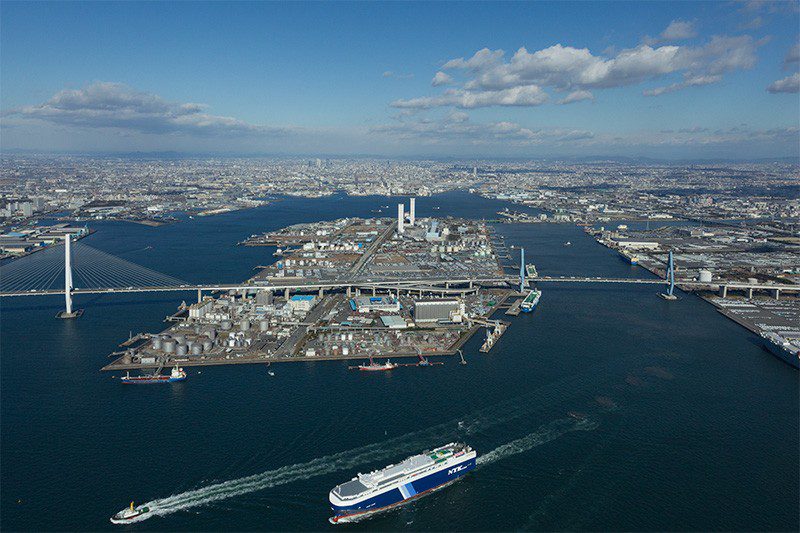

1. Port and Terminal Operations
1.1 Nagoya Port operates 24/7, but specific terminals may have restricted working hours. Confirm with the terminal operator in advance.
1.2 The port has 21 public berths and 144 private berths. Maximum LOA: 350m (container ships), 330m (bulk carriers).
1.3 Mandatory use of low-sulfur fuel (0.1% or less) within port limits as per Japan’s Emission Control Area regulations.
1.4 All vessels must submit the “Arrival Report” to Nagoya Port Authority at least 24 hours before ETA via authorized channels.
2. Navigation and Pilotage
2.1 Compulsory pilotage for vessels over 500 GT. Pilot boarding area: 34°57.0’N, 136°50.5’E (Ise Bay Fairway Buoy).
2.2 Main channel depth: 16m (Nagoya Port Main Channel), 14m (Tokoname Channel). Under-keel clearance must exceed 10% of draft.
2.3 Speed limit: 12 knots in inner harbor, 8 knots within 500m of piers. Violations may incur penalties under Port Regulations Article 18.
3. Anchorage Areas
3.1 Designated anchorage zones: A-1 (34°58’N, 136°47’E) for vessels <200m LOA, A-2 (34°56’N, 136°49’E) for VLCCs.
3.2 Anchoring prohibited within 0.5nm of the breakwater. Holding ground is clay/mud with good holding power.
3.3 Vessels at anchor must maintain VHF Ch16/14 watch and engine standby during typhoon season (July-October).
4. Cargo Handling
4.1 Container terminals: 6 gantry cranes with 65-ton capacity (Nagoya Container Terminal). Max stacking height: 5 containers.
4.2 Dangerous goods: Special berths at Mizushima Wharf. IMDG Class 1 explosives require 48-hour pre-advice.
4.3 Grain handling: 800-ton/hour unloaders at Kinjo Pier. Dust suppression systems mandatory during operations.
5. Safety Regulations
5.1 Firefighting equipment: All vessels must demonstrate operational fire pumps to port control before cargo operations.
5.2 Gangways: Must be equipped with safety nets and illuminated from sunset to sunrise.
5.3 Emergency contacts: Nagoya Coast Guard VHF Ch16, Port Control Ch12 (call sign “Nagoya Port Radio”).
6. Environmental Compliance
6.1 Zero discharge policy: Strict prohibition of oil, garbage, or sewage discharge within port limits.
6.2 Ballast water: Must comply with Japan’s BWM regulations. Non-compliant vessels require special permission.
6.3 Air quality: Continuous emissions monitoring required for vessels staying >2 hours at berth.
7. Special Notices
7.1 Typhoon preparedness: Mandatory double mooring lines when wind exceeds 15m/s (Beaufort 7).
7.2 Winter operations: Anti-icing measures required on decks/pipelines when temperature drops below 0°C.
7.3 Port dues: 10% discount for vessels using eco-friendly technologies (approved by ClassNK or equivalent).
8. Documentation Requirements
8.1 Original Ship Registry Certificate and P&I Insurance must be presented during Port State Control inspections.
8.2 Crew lists must include passport numbers and visa status for all personnel going ashore.
8.3 Cargo manifests require HS Code classification for all items (Japan Customs Form C-5020).
9. Port Services and Facilities
9.1 Bunkering: Available at designated berths (Chita and Tobishima piers). Prior notice required (min. 12 hours).
9.2 Freshwater supply: 200-ton/hour capacity at major berths. Advance request mandatory via port agent.
9.3 Waste disposal: Licensed contractors only (MARPOL-compliant). Sludge reception available at Showa Pier.
10. Customs and Immigration
10.1 Crew changes: Permitted with 24-hour notice to immigration. On-signers must present negative PCR test (72-hour validity).
10.2 Customs clearance: Electronic submission (NACCS system) required before berthing. Physical inspection applies to high-risk cargo.
10.3 Prohibited items: Strict enforcement on narcotics, firearms, and certain animal products (quarantine regulation No. 82).
11. Port Security
11.1 ISPS Level 1: Mandatory pre-arrival security declaration (Form MS-1) 48 hours prior to entry.
11.2 Restricted areas: Unauthorized access prohibited within 50m of oil terminals (Security Zone Ordinance Art. 5).
11.3 Drone operations: Absolute ban within port airspace without prior approval from Nagoya Civil Aviation Bureau.
12. Vessel Traffic Management
12.1 AIS: Continuous transmission required within port limits (30-minute failure triggers investigation).
12.2 Tug assistance: Compulsory for vessels >20,000 GT (min. 2 tugs in fair weather, 3 in winds >15 knots).
12.3 Mooring: Synthetic ropes prohibited for vessels >50,000 DWT (Port Ordinance Section 12-3).
13. Cargo Storage Regulations
13.1 Container freight stations: Maximum 7-day free storage, thereafter JPY 5,000/20ft/day (Nagoya Port Tariff No. 3-2).
13.2 Refrigerated cargo: Temperature logs must be submitted every 6 hours during storage (Cold Chain Rule 2021).
13.3 Hazardous materials: Segregation as per IMDG Code. Class 2.1 gases require 30m separation from ignition sources.
14. Weather Restrictions
14.1 Typhoon signals: Cargo ops suspended when Signal No. 8 issued by Japan Meteorological Agency.
14.2 Fog procedures: Vessels must sound fog signals (Rule 35 COLREGS) when visibility <1,000m in approach channels.
14.3 Tsunami alert: Immediate departure from berth required upon JMA Warning (Depth >15m areas only).
15. Local Regulations
15.1 Noise control: Engine tests prohibited between 2200-0600 hours within 1nm of residential areas.
15.2 Fishing zones: Avoid within 3nm of breakwaters (Aichi Prefecture Fishery Law Article 14).
15.3 Historical wrecks: Anchoring forbidden within 500m of designated marine archaeological sites (34°55’N, 136°48’E).
16. Emergency Procedures
16.1 Oil spills: Immediate report to MSA Nagoya (+81-52-661-1611) followed by SMPEP implementation.
16.2 Medical evacuation: Helicopter landing zones marked at Central Wharf (34°58’12″N, 136°52’30″E).
16.3 Abandon ship: Muster stations must be clearly signed in Japanese/English (SOLAS Ch.III Reg.9).
17. Vessel Maintenance and Repairs
17.1 Underwater cleaning/hull repairs: Permitted only at designated areas (Kinjo Repair Wharf) with prior approval from Port Authority.
17.2 Hot work permits: Required for all welding/gas cutting operations. Fire watch must be maintained for 2 hours post-work.
17.3 Paint disposal: Strictly prohibited. All paint residues must be removed by licensed waste handlers.
18. Crew Shore Leave
18.1 Shore passes: Issued by immigration upon vessel’s arrival. Curfew between 0100-0500 hours for all crew members.
18.2 Prohibited zones: Crew prohibited from entering industrial security areas without escort.
18.3 Vaccination requirements: Yellow fever vaccination certificate mandatory for crew from affected countries.
19. Port Dues and Charges
19.1 Calculation basis: Dues calculated per GT for first 24 hours, then pro-rated hourly (Nagoya Port Tariff No.5).
19.2 Exemptions: Vessels under 500 GT engaged in local trade may apply for reduced fees (Article 12-4).
19.3 Late payments: 1.5% monthly interest applied after 30 days. Persistent default may lead to vessel detention.
20. Communication Protocols
20.1 VHF channels: Primary working channel Ch14 (Port Operations), secondary Ch09 (Tug Coordination).
20.2 Linguistic requirements: All VHF communications must include English translations when using non-English languages.
20.3 Emergency broadcasts: Test transmissions every 6 hours during typhoon warnings (JMA Alert Level 3+).
21. Special Cargo Handling
21.1 Oversized cargo: Advance notice required (72 hours) for units exceeding 12m width or 5m height.
21.2 Radioactive materials: Exclusive use of Tokai Wharf. Security escort mandatory during transport.
21.3 Live animals: Veterinary inspection required before discharge (Ministry of Agriculture Form No.17).
22. Navigational Aids
22.1 Light characteristics: Main channel leading lights show green fixed (G.Fl) with 15° sector visibility.
22.2 Buoyage system: IALA Region B (red right returning) with radar reflectors on all cardinal marks.
22.3 Fog signals: South Breakwater light sounds 2 blasts every 30 seconds during reduced visibility.
23. Mooring Equipment
23.1 Bollard capacity: Standard 150-ton SWL at container berths, 250-ton at oil terminals.
23.2 Fender systems: Cone-type fenders (D=2.0m) installed at all deep-water berths.
23.3 Mooring lines: Minimum diameter 32mm for vessels <50,000 DWT, 40mm for larger vessels.
24. Port Health Measures
24.1 Medical declaration: Maritime Health Declaration must be submitted 12 hours before arrival.
24.2 Pest control: Mandatory deratting certificate OR inspection every 6 months (WHO International Health Regulations).
24.3 COVID-19 protocols: Thermal screening for all disembarking personnel. Quarantine berths available at Mizushima Pier.
25. Ice Navigation (Winter)
25.1 Ice reports: Daily ice thickness bulletins issued December-March (threshold: >5cm coverage).
25.2 Hull reinforcement: Ice-class vessels prioritized during freezing conditions (below -5°C for 72 hours).
25.3 Tug support: Increased to 4 tugs for VLCC movement when ice concentration exceeds 30%.
26. Ship Supply Services
26.1 Provisions delivery: Available 24/7 with prior arrangement through licensed suppliers only.
26.2 Lube oil supply: Must be coordinated with port authority to prevent spillage (minimum 6-hour notice required).
26.3 Cash-to-Master services: Limited to JPY 500,000 maximum per transaction at designated banks in port area.
27. Port Entry/Exit Procedures
27.1 Departure clearance: Must be obtained from customs, immigration and port authority separately.
27.2 Last minute crew changes: Requires special permission from immigration with valid reason.
27.3 Quick turnaround: Vessels completing port formalities within 6 hours qualify for express fee reduction.
28. Dangerous Weather Contingencies
28.1 Typhoon mooring: Special heavy-duty mooring patterns required when sustained winds exceed 25 knots.
28.2 Earthquake procedures: Immediate shutdown of cargo ops and securing of all equipment upon tremor detection.
28.3 Tsunami evacuation: Designated deep-water areas marked on port charts for emergency situations.
29. Waste Management
29.1 Garbage categories: Strict separation into 6 types as per Japan’s Waste Disposal Law.
29.2 Plastic waste: Special containers provided at all berths – mandatory use for all plastic disposal.
29.3 Food waste: Must be treated by macerator before discharge to port reception facilities.
30. Ship Chandler Services
30.1 Licensed providers: Only 5 approved companies permitted to operate within port limits.
30.2 Delivery hours: Restricted to 0800-2000 hours except for emergency supplies.
30.3 Quality control: All provisions must meet Japan Food Sanitation Law standards.
31. Vessel Inspection Requirements
31.1 Port State Control: Tokyo MOU inspection regime applies with 15% random selection rate.
31.2 Safety equipment: Monthly drills must be properly logged and available for inspection.
31.3 Documentation: Original certificates must be available, not copies, for PSC inspections.
32. Local Maritime Laws
32.1 Pollution fines: Up to JPY 50 million for oil spills depending on quantity and negligence.
32.2 Crew rights: Minimum 10 hours rest in 24-hour period strictly enforced.
32.3 Dispute resolution: All legal matters handled by Nagoya Maritime Court under Japanese law.
33. Electronic Reporting
33.1 E-NOE system: Mandatory electronic notice of entry submitted through Japan MSA portal.
33.2 Digital signatures: Accepted for all port documents except bills of lading.
33.3 Data requirements: AIS history for past 14 days must be available upon request.
34. Special Vessel Handling
34.1 Car carriers: Designated ro-ro berths at Toyota Wharf with special vehicle securing requirements.
34.2 LNG carriers: Exclusive use of Tobishima Pier with 500m exclusion zone during operations.
34.3 Cruise ships: Special passenger terminal procedures including health screening and baggage checks.
35. Night Navigation
35.1 Lighting requirements: Additional working lights required for all night operations.
35.2 Speed restrictions: Reduced to 6 knots in inner harbor after 2200 hours.
35.3 Noise limitations: No horn signals between 2300-0600 except emergency situations.
36. Bunker Quality Control
36.1 Fuel sampling: Mandatory ISO 13739 procedure for all bunker deliveries with 3-part sample retention.
36.2 Testing requirements: Sulfur content verification required before use (max 0.1% in ECA zones).
36.3 Dispute resolution: All fuel quality claims must be filed within 7 days with retained samples.
37. Ship Repair Services
37.1 Dry dock availability: 2 graving docks (350m LOA max) and 1 floating dock (280m LOA max).
37.2 Spare parts: Customs clearance required for all imported ship parts (48-hour processing time).
37.3 Work permits: Special certification required for technicians working on electrical systems.
38. Port Security Levels
38.1 ISPS Level 2: Implemented during major public events with additional screening measures.
38.2 Access control: Biometric identification required for all port workers since 2022.
38.3 Surveillance: 24/7 CCTV monitoring with 90-day data retention at all restricted areas.
39. Marine Insurance Requirements
39.1 Minimum coverage: JPY 1 billion P&I insurance mandatory for vessels >10,000 GT.
39.2 War risk: Additional premium applies for certain cargoes during heightened tensions.
39.3 Claims procedure: Original protest note must be filed within 24 hours of incident.
40. Tidal Information
40.1 Tide tables: Official Japan Coast Guard publications must be used for navigation.
40.2 Spring tides: Range up to 2.1m during equinox periods requiring special attention.
40.3 Currents: Maximum 3.5 knots observed in Nagoya Channel during ebb tide.
41. Ship’s Agency Services
41.1 Licensed agents: Must be selected from approved list published by Nagoya Port Authority.
41.2 Fee structure: Standard 0.15% of vessel’s gross tonnage with minimum JPY 500,000.
41.3 Responsibilities: Include handling all customs, immigration and port formalities.
42. Emergency Towing
42.1 Standby tugs: Two 60-ton bollard pull tugs available 24/7 for emergency response.
42.2 Response time: Guaranteed within 30 minutes for incidents within port limits.
42.3 Cost recovery: Vessel responsible for all emergency service charges regardless of fault.
43. Port Meteorological Services
43.1 Weather updates: Hourly broadcasts on VHF Channel 16 during severe weather.
43.2 Storm warnings: Visual signals displayed at port control tower (red flags/lights).
43.3 Visibility reports: Updated every 15 minutes during fog conditions (<1km visibility).
44. Special Cargo Documentation
44.1 Hazardous materials: Required MSDS sheets in Japanese and English translations.
44.2 Military cargo: Special Ministry of Defense clearance required 10 days prior.
44.3 Cultural artifacts: Must be accompanied by UNESCO certificate of origin.
45. Vessel Traffic Separation Scheme
45.1 Lane discipline: Strict enforcement of IMO-adopted traffic lanes in approach channels.
45.2 Crossing points: Designated areas marked on nautical charts for safe transit.
45.3 Reporting points: Mandatory position reports at 5 specified waypoints.
46. Ballast Water Management
46.1 Exchange requirements: Must be conducted at least 200nm from shore in waters >200m depth
46.2 Treatment systems: Only IMO-approved systems accepted (type approval certificates required)
46.3 Sampling ports: Mandatory installation for vessels built after 2019 per MEPC.300(72)
47. Port State Control Focus Areas
47.1 Top deficiencies: Fire doors, lifeboat equipment, and oil record book discrepancies
47.2 Concentrated inspection campaigns: Annual focus areas published each January
47.3 Detention criteria: Immediate detention for any SOLAS chapter II-1 structural deficiencies
48. Ship-to-Ship Operations
48.1 Designated area: 34°52’N 136°47’E (5nm southwest of port entrance)
48.2 Safety zone: 500m radius must be maintained around transferring vessels
48.3 Contingency plan: Pre-approved STS plan required with minimum 72-hour notice
49. Electronic Navigation Requirements
49.1 ECDIS: Mandatory for all vessels >3000GT (fully operational with updated charts)
49.2 AIS: Continuous transmission required including IMO number and draft information
49.3 VDR: Annual performance verification certificate must be available
50. Crew Training Requirements
50.1 Port-specific: All deck officers must complete Nagoya port familiarization module
50.2 Emergency drills: MOB and pollution response drills required within 24hrs of arrival
50.3 Language proficiency: Minimum STCW English level 3 for bridge team members
51. Dangerous Goods Storage
51.1 Segregation: IMDG Class 1 from Class 2.1 minimum 50m separation required
51.2 Monitoring: Continuous temperature checks for Class 4.1 materials
51.3 Security: Armed guards mandatory for Class 1 explosives >100kg net quantity
52. Vessel Dimension Limits
52.1 Air draft: Maximum 55m clearance under harbor bridges
52.2 Beam: Restricted to 48m in inner harbor turning basins
52.3 Draft: Tide-dependent with 0.5m underkeel clearance mandatory
53. Port Communication Systems
53.1 Digital: Mandatory NAVTEX receiver for MSI broadcasts
53.2 Backup: Satellite phone contact numbers must be provided
53.3 Emergency: Dedicated DSC channel monitored 24/7 by port control
54. Marine Environmental Protection
54.1 Anti-fouling: TBT-based paints strictly prohibited
54.2 Oily water: 15ppm alarm required for all separator systems
54.3 Garbage: Detailed record book with weekly summaries mandatory
55. Special Navigation Procedures
55.1 Fog: Mandatory radar-assisted pilotage when visibility <1km
55.2 Night: Additional lookout required during darkness transits
55.3 Tidal: Current prediction charts must be displayed on bridge
56. Port Entry Restrictions
56.1 Vessel age: Ships over 25 years require additional class survey before entry
56.2 Flag state: Non-IMO member state vessels subject to enhanced inspection
56.3 Prior violations: Vessels with 3+ PSC deficiencies in past year denied fast-track processing
57. Cargo Handling Equipment
57.1 Container cranes: Maximum 22-container outreach with 65-ton SWL
57.2 Bulk unloaders: 2,000 ton/hour capacity for grain, 1,500 ton/hour for coal
57.3 Heavy lift: Floating crane available (500-ton capacity) with 72-hour notice
58. Port Emergency Services
58.1 Firefighting: 3 fireboats with 10,000 liter/minute pumping capacity
58.2 Medical: ISO-certified port clinic with decompression chamber
58.3 Pollution: 2,000 meter containment boom stockpile for oil spills
59. Anchorage Regulations
59.1 Holding area: Designated anchorage A (34°55’N 136°50’E) for vessels awaiting berth
59.2 Dragging anchor: Must immediately notify port control if movement exceeds 0.2nm
59.3 Duration: Maximum 72-hour stay without special permission
60. Shipboard Documentation
60.1 Validity: Certificates must have minimum 3 months remaining validity
60.2 Language: Japanese translation required for crew contracts
60.3 Storage: Original documents must be kept in fireproof cabinet
61. Port Infrastructure
61.1 Berth depth: Ranges from 8m at general cargo piers to 16m at container terminals
61.2 Warehouse: 500,000m² total covered storage with humidity control
61.3 Rail connections: On-dock service to all major industrial zones
62. Vessel Speed Limits
62.1 Approach channel: 10 knots maximum within 5nm of port entrance
62.2 Harbor area: 6 knots within breakwaters (4 knots in fog)
62.3 Near terminals: 3 knots within 200m of any moored vessel
63. Marine Pilotage
63.1 Compulsory: All vessels over 100GT or 50m LOA
63.2 Boarding: Pilot transfer at position 34°53’N 136°51’E
63.3 Equipment: Pilot ladder must comply with SOLAS Regulation V/23
64. Port Clearance Procedures
64.1 Departure: All fees must be settled 2 hours before sailing
64.2 Documentation: 3 copies of cargo manifest required for customs
64.3 Crew list: Must include passport numbers and visa details
65. Special Area Regulations
65.1 Emission control: 0.1% sulfur limit within 12nm of coast
65.2 Discharge: Zero discharge policy for all waste in port waters
65.3 Wildlife: Seasonal speed restrictions during whale migration (Mar-Nov)