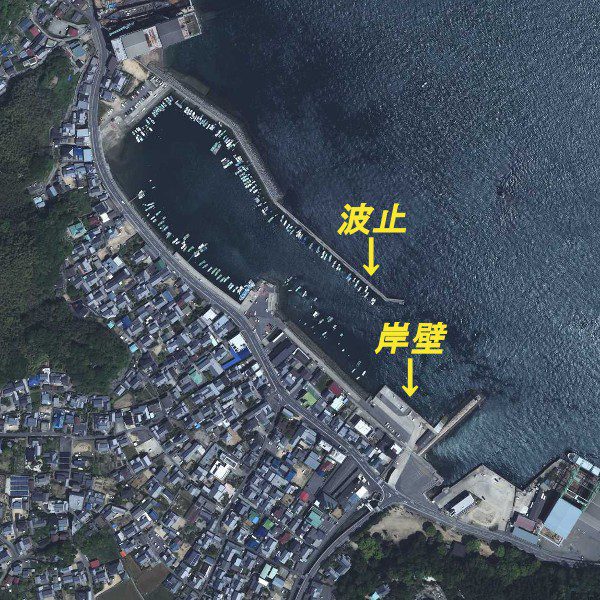

1. Port and Terminal Operations
1.1 Berthing Priorities: Namikata Port prioritizes LNG carriers and vessels with hazardous cargo due to its specialized facilities. Commercial vessels must submit berth applications at least 72 hours in advance.
1.2 Mooring Requirements: Double mooring lines are mandatory for all vessels exceeding 20,000 DWT during typhoon season (June-November). Mooring winches must be tested within 24 hours before arrival.
1.3 Cold Ironing: Shore power (440V/60Hz) is available at Berths 3-5. Advance notification 48 hours prior is required for connection.
2. Navigational Safety
2.1 Channel Restrictions: Maximum draft is 18.5m at high tide (MHWS). Underkeel clearance must exceed 10% of vessel’s draft at all times.
2.2 AIS Mandate: Continuous AIS transmission is required within 5nm of the port entrance (33°23’N, 132°35’E).
2.3 Fog Procedures: When visibility drops below 1nm, vessels must anchor at designated waiting area (33°22.5’N, 132°34.8’E) and sound fog signals per COLREGs.
3. Cargo Handling
3.1 LNG Transfer: Strict compliance with SIGTTO guidelines required. Gas detection systems must be operational 1 hour prior to transfer.
3.2 Chemical Cargoes: IMDG Class 3-8 cargoes require secondary containment systems. No simultaneous operations within 50m radius.
3.3 Grain Loading: Dust suppression systems mandatory during loading. Maximum loading rate: 1,000MT/hour for bulk carriers.
4. Anchorage Regulations
4.1 Holding Ground: North Anchorage (33°24’N, 132°36’E) has clay bottom with 3:1 holding power. South Anchorage prohibited for vessels >200m LOA.
4.2 Anchor Watch: Vessels >10,000GT must maintain 24/7 bridge watch when anchored. Position checks hourly with GPS fixes.
5. Emergency Protocols
5.1 Spill Response: Immediate notification to JMU Namikata Branch (VHF Ch 16/12) for any hydrocarbon release >100 liters.
5.2 Medical Evacuation: Designated helicopter landing area at Berth 7 (33°23.2’N, 132°35.3’E). Coordinate through JRCC Osaka.
6. Environmental Compliance
6.1 Ballast Water: Mandatory exchange beyond 200nm from nearest land. Records must include salinity measurements (minimum 30PSU).
6.2 Waste Disposal: Port reception facilities accept only segregated wastes. Sludge discharge requires prior approval from Ehime Prefecture.
7. Security Measures
7.1 ISPS Compliance: Declaration of Security required for vessels coming from ISPS Level 2/3 ports. Gangway watch 24/7 for all foreign-flagged ships.
7.2 Restricted Areas: No photography permitted within 500m of LNG terminals. Penalties apply under Japanese Anti-Terrorism Law.
8. Meteorological Considerations
8.1 Wind Limits: Berthing operations cease when sustained winds exceed 15m/s. Vessels must prepare for sudden NW winds in winter.
8.2 Currents: Maximum ebb current reaches 3.2 knots at spring tides. Tug assistance mandatory for vessels >50,000DWT during tidal changes.
9. Legal Requirements
9.1 Customs Clearance: Original crew lists must bear consular attestation for vessels from certain countries (list available at Japan Customs website).
9.2 Port Dues: 10% surcharge applies for vessels arriving without prior Notice of Readiness submission.
10. Special Notices
10.1 Underwater Obstructions: Uncharted pipelines exist within 0.5nm of East Breakwater. Consult port charts No. EH-45A before anchoring.
10.2 Night Navigation: No vessel movement permitted in inner harbor between 2300-0500 without harbor master’s written permission.
11. Pilotage Services
11.1 Compulsory Pilotage: All vessels over 500 GT or exceeding 50m LOA must take pilots. Pilot boarding area at 33°22.8’N, 132°35.2’E (VHF Ch 12).
11.2 Pilot Transfer: Pilot ladder must comply with SOLAS Regulation V/23, with minimum 1.5m above water at light draft. Helicopter transfer prohibited.
12. Tug Assistance
12.1 Minimum Requirements: 2 tugs for vessels 20,000-50,000 DWT, 3 tugs for vessels >50,000 DWT. Bollard pull capacity must exceed 60 tons per tug.
12.2 Emergency Tugs: On standby 24/7 at West Quay (33°23.1’N, 132°34.9’E). Response time <15 minutes in fair weather.
13. Port State Control
13.1 Inspection Focus: Tokyo MOU concentrates on lifeboat systems, firefighting equipment, and bunker sampling. Average detention rate: 3.2% (2023 data).
13.2 Deficiency Appeals: Must be filed within 24 hours to Japan Coast Guard’s Matsuyama Office with supporting evidence.
14. Bunkering Operations
14.1 Fuel Availability: Only 0.1% sulfur MGO available. No HSFO supply. Bunker barge must have double-hull certification.
14.2 Safety Zone: 30m radius around bunkering vessels declared no-smoking/no-hot-work area during operations.
15. Crew Welfare
15.1 Shore Leave: Crew allowed ashore only with valid CDC and passport. No shore leave for vessels from plague-affected ports per Quarantine Act.
15.2 Provisions: Limited fresh water supply (max 100T/day). Advance notice required for garbage disposal (minimum 12 hours).
16. Communication Protocols
16.1 VHF Channels: Ch 16 (distress), Ch 12 (port operations), Ch 14 (tugs). English/Japanese bilingual communication required.
16.2 Port Entry Report: Submit via E-Navis system at least 6 hours before arrival, including last 10 ports of call.
17. Dangerous Goods Handling
17.1 Explosives (Class 1): Only permitted at Berth 6 with armed guards. No night operations allowed.
17.2 Radioactive Materials: Special permit from Ehime Prefecture required 14 days in advance. Maximum stay 6 hours.
18. Ice Navigation (Winter)
18.1 Anti-Icing Measures: Deck pipelines must be trace-heated when temperatures drop below -5°C. Port provides de-icing spray upon request.
18.2 Hull Inspections: Mandatory ultrasonic thickness testing for vessels arriving from sub-zero regions.
19. Port Infrastructure
19.1 Crane Capacity: Maximum 250T at Berth 4. Heavy lift operations require 72-hour notice.
19.2 Fender Systems: All berths equipped with pneumatic fenders (D=2.5m). Vessels must maintain 0.5m stand-off distance.
20. Local Regulations
20.1 Fishing Zones: No vessel movement within 1nm of marked aquaculture areas (33°25’N, 132°37’E). Penalties up to ¥5 million.
20.2 Noise Control: Engine tests prohibited between 2200-0600. Fines apply for exceeding 75dB at berth.
21. Vessel Traffic Services (VTS)
21.1 Reporting Points: Mandatory position reports at “Namikata Fairway Buoy” (33°21.5’N, 132°34.0’E) and “Inner Harbor Entrance” (33°23.0’N, 132°35.5’E).
21.2 Speed Limits: Maximum 8 knots within port limits, 5 knots in inner harbor basin. Radar speed monitoring enforced.
22. Ship Repair Services
22.1 Dry Dock Availability: Floating dock capacity 50,000 DWT (L=250m). Advance booking required (minimum 30 days notice).
22.2 Hot Work Permits: Issued only after gas-free certification by ClassNK or equivalent IACS member.
23. Port Entry Requirements
23.1 Pre-arrival Documents: Original Ship Sanitation Control Certificate (SSCC) must be valid. Electronic submission via MERS system required 48h prior.
23.2 Quarantine Procedures: Mandatory health declaration for all crew. Thermal screening conducted at anchorage.
24. Cargo Documentation
24.1 Hazardous Cargo: IMDG certificates must include Japanese translation. Stowage plans require terminal manager’s approval.
24.2 Bulk Cargo: Shipper’s declaration of moisture content mandatory for iron ore/coal (max 8% for safe carriage).
25. Mooring Equipment
25.1 Bollard Loads: Maximum safe working load 150T at all berths. Dynamic load calculations required for vessels >300m LOA.
25.2 Synthetic Lines: Prohibited for vessels carrying hazardous cargo. Minimum 8 natural fiber ropes required as backups.
26. Emergency Equipment
26.1 Firefighting: Port maintains 3 fireboats with 10,000L/min capacity. Vessels must test fire pumps within 12h of berthing.
26.2 Abandon Ship: Muster stations must not face LNG terminal. Lifeboat drills require port authority observation.
27. Tide and Current Data
27.1 Tide Tables: Published by Japan Coast Guard (Chart No. W127). Maximum tidal range 3.8m during spring tides.
27.2 Eddy Currents: Strong counter-currents observed 0.3nm west of breakwater. Vessels >200m must use tugs when passing.
28. Port Charges
28.1 Waste Fee: ¥15,000 per cubic meter for oily waste. Sludge disposal surcharge ¥25,000/ton.
28.2 Lighthouse Dues: Calculated per GT for international vessels. Exempt for coastal traders under 500GT.
29. Crew Change Procedures
29.1 Immigration: Seaman’s books require visa stamps for non-visa waiver nationals. No crew changes during port state control inspections.
29.2 COVID Protocols: PCR testing at designated clinic (33°22.3’N, 132°35.7’E). Results take 4-6 hours.
30. Special Cargo Handling
30.1 Project Cargo: Route survey required for items exceeding 12m width. Police escort mandatory for over-dimensional road transport.
30.2 Refrigerated Containers: Generator maintenance logs must show 4-hourly temperature checks. Power failure alarms tested before loading.
31. Port Security Measures
31.1 Restricted Access: All visitors to port facilities must present government-issued ID and obtain temporary pass from Port Security Office.
31.2 Surveillance: 24/7 CCTV monitoring at all berths with 30-day data retention. Tampering with cameras is a criminal offense.
32. Weather Monitoring
32.1 Storm Warning: Typhoon alert triggers mandatory evacuation of vessels from inner harbor when sustained winds exceed 25m/s.
32.2 Sea State: Wave heights exceeding 3m require suspension of cargo operations. Real-time data available on JMA website.
33. Dangerous Weather Procedures
33.1 Typhoon Preparedness: Vessels must maintain 200% of normal mooring lines during typhoon warnings (T-8 hours).
33.2 Tsunami Alert: Immediate departure required when alert issued. Designated safe zone at 33°20.0’N, 132°38.0’E (minimum 5nm offshore).
34. Port Services Availability
34.1 Fresh Water Supply: Limited to 50 tons/hour maximum flow rate. Prior booking required for quantities exceeding 100 tons.
34.2 Provisions Delivery: Only through approved suppliers with port-issued vendor permits. Cash transactions prohibited.
35. Navigation Aids
35.1 Buoyage System: IALA Region A (red to port). Light characteristics published in JCG Notice to Mariners No. 12/2023.
35.2 Leading Lights: Front light (33°23.1’N 132°35.2’E) and rear light (33°23.4’N 132°35.3’E) aligned at 187° True for main channel approach.
36. Pollution Control
36.1 Air Emissions: Sulfur content monitoring conducted randomly on exhaust gases. Violations subject to ¥500,000 fine.
36.2 Garbage Management: Plastic waste must be compacted and labeled according to Japan Waste Management Law Article 15-3.
37. Vessel Maintenance
37.1 Underwater Cleaning: Prohibited within port limits without prior environmental approval. Approved contractors list available at Harbor Master’s office.
37.2 Tank Cleaning: Only at designated anchorage (33°24.5’N 132°36.5’E) with double containment systems for slops.
38. Port Working Hours
38.1 Standard Operations: 0800-1700 JST Monday-Friday. Overtime rates apply for work outside these hours.
38.2 Holiday Schedule: No cargo operations on Japanese national holidays except for perishable goods with special permission.
39. Communication Infrastructure
39.1 Internet Access: Limited WiFi at seafarers’ center (33°22.9’N 132°35.4’E). Maritime broadband available through NTT East Japan.
39.2 Emergency Contact: JMU Namikata Port Control direct line +81-89-XXX-XXXX (24/7 monitored).
40. Special Marine Areas
40.1 Marine Sanctuary: No anchoring within 2nm of Oshima Island (33°26’N 132°39’E). Penalties up to ¥10 million for violations.
40.2 Dredged Material Disposal Zone: Prohibited entry within 1nm radius of 33°25.2’N 132°37.5’E (marked by yellow buoys).
41. Vessel Dimension Limitations
41.1 Maximum LOA: 330m for main berths, 280m for secondary berths. Special permission required for vessels exceeding these dimensions.
41.2 Air Draft: 55m maximum clearance at MHWS due to overhead power lines at Berths 1-3.
42. Night Navigation Lighting
42.1 Mandatory Lighting: All working deck areas must be illuminated during night operations (minimum 200 lux).
42.2 Restricted Lighting: No upward-facing lights permitted to avoid interference with aerial navigation.
43. Hazardous Area Classification
43.1 Zone 1 Areas: Clearly marked within 15m of LNG transfer points. Intrinsically safe equipment required.
43.2 Hot Work Restrictions: Prohibited within 50m of hazardous cargo operations without gas-free certificate.
44. Bunker Quality Control
44.1 Sampling Procedure: Mandatory MARPOL Annex VI sampling during all bunkering operations.
44.2 Dispute Resolution: All samples to be stored for 90 days at port-approved facility.
45. Crew Training Requirements
45.1 Port-specific Training: All officers must complete Namikata Port orientation module before first call.
45.2 Emergency Drills: Must include port-specific scenarios (LNG terminal incidents, typhoon procedures).
46. Port Entry Sequencing
46.1 Priority System: LNG carriers > container vessels > bulk carriers > others. Delays possible during peak periods.
46.2 Anchorage Queue: Average waiting time 12-36 hours depending on season and cargo type.
47. Cargo Securing Standards
47.1 Container Lashing: Minimum 4 twistlocks per corner for stacks exceeding 5 tiers.
47.2 Bulk Cargo Trim: Maximum 5° angle for iron ore carriers during loading.
48. Port Health Services
48.1 Medical Facilities: Limited to first aid only. Nearest hospital (Matsuyama Red Cross) 45 minutes by ambulance.
48.2 Disease Reporting: Immediate notification required for any crew displaying infectious disease symptoms.
49. Ice and Snow Procedures
49.1 Deck Clearing: Mandatory removal of ice/snow accumulation exceeding 5cm before port entry.
49.2 Anti-icing: Glycol-based solutions prohibited due to environmental restrictions.
50. Historical Wreck Areas
50.1 Protected Zones: No anchoring or trawling within 500m of designated wreck sites (coordinates available in port notice).
50.2 Artifact Protection: Disturbance of any underwater artifacts strictly prohibited.
51. Vessel Speed Restrictions
51.1 Approach Speed: Maximum 10 knots within 3nm of port entrance, reducing to 5 knots within 1nm.
51.2 Wash Limitations: Strict enforcement of no-wake zone within 500m of shore facilities and moored vessels.
52. Special Cargo Handling Equipment
52.1 Cryogenic Arms: LNG loading arms rated for -162°C operation, require pre-cooling 2 hours before transfer.
52.2 Heavy Lift Gear: 500-ton floating crane available with 72-hour advance notice (weather permitting).
53. Port Entry Documentation
53.1 Crew Lists: Must include passport numbers and visa details for all personnel.
53.2 Cargo Manifests: Electronic submission in UN/EDIFACT format required 24 hours prior to arrival.
54. Emergency Response Resources
54.1 Oil Spill Equipment: Port maintains 2,000m of containment boom and 5 skimmers with 100m³/hour capacity.
54.2 Medical Response: Designated decontamination area at Berth 5 for hazardous material incidents.
55. Vessel Positioning Requirements
55.1 Berthing Tolerance: Maximum 0.5m deviation from assigned position during cargo operations.
55.2 Anchor Watch: GPS position monitoring required with alarms set at 50m radius for anchored vessels.
56. Port Communication Protocols
56.1 Radio Silence: Maintain listening watch on VHF Ch 16 at all times, except during cargo operations on assigned working channel.
56.2 Incident Reporting: Immediate notification required for any near-miss occurrences within port limits.
57. Special Environmental Areas
57.1 Coral Protection Zone: No anchoring within 1nm of designated marine park (33°27’N 132°40’E).
57.2 Bird Sanctuary: Reduced speed (3 knots) in marked areas during migratory seasons (April-May, September-October).
58. Cargo Handling Restrictions
58.1 Simultaneous Operations: No more than two hazardous cargo transfers permitted concurrently at any berth.
58.2 Dust Control: Mandatory use of water spray systems during bulk cargo operations exceeding 500 tons/hour.
59. Port Infrastructure Limitations
59.1 Electrical Supply: Maximum 6.6kV available for vessel shore power connections.
59.2 Fresh Water Pressure: Limited to 3.5 bar at berth connections, requiring vessel booster pumps for high decks.
60. Historical Tide Data
60.1 Extreme High Water: Recorded maximum 4.2m above chart datum (March 2011 tsunami event).
60.2 Lowest Astronomical Tide: 0.8m below chart datum, occurring approximately 4 times annually.
61. Vessel Draft Restrictions
61.1 Maximum Allowable Draft: 15.5m at high tide spring for main channel, 13.8m at neap tides.
61.2 Underkeel Clearance: Minimum 1.2m required at all times, increased to 1.5m for vessels over 200m LOA.
62. Port Entry Scheduling
62.1 Booking Window: Arrival slots must be reserved 72 hours in advance through PortMIS system.
62.2 Priority Access: Emergency vessels and state-owned ships receive immediate berthing allocation.
63. Cargo Handling Equipment
63.1 Container Cranes: 8 Post-Panamax cranes available with 65-ton capacity under spreader.
63.2 Bulk Unloaders: 2 pneumatic unloaders capable of 1,200 tons/hour for grain operations.
64. Dangerous Goods Storage
64.1 Explosives Magazine: Located 2km from main port area with 24/7 armed security.
64.2 Temperature Control: Refrigerated dangerous goods storage maintained at -20°C to +15°C range.
65. Vessel Sanitation
65.1 Waste Reception: Dedicated barge available for black/grey water disposal (minimum 24h notice required).
65.2 Hull Cleaning: Only eco-friendly antifouling removal permitted with prior environmental approval.
66. Port Security Zones
66.1 Restricted Areas: Clearly marked with red/white striped barriers and infrared surveillance.
66.2 Access Control: Biometric verification required for all personnel entering operational zones.
67. Navigation Channel Markings
67.1 Daymarks: Green conical buoys mark starboard side when entering, all fitted with radar reflectors.
67.2 Light Characteristics: Main channel lights flash green every 3 seconds with 5 nautical mile visibility.
68. Specialized Cargo Handling
68.1 Ro-Ro Operations: Maximum ramp angle 8 degrees with dedicated vehicle marshaling areas.
68.2 Livestock Handling: Approved veterinary inspection required before discharge of live animals.
69. Port Meteorological Services
69.1 Weather Updates: Hourly broadcasts on VHF Channel 14 during adverse conditions.
69.2 Wind Monitoring: 6 anemometer stations provide real-time data to vessels in port.
70. Vessel Maintenance Services
70.1 Underwater Surveys: ROV inspection available with 48-hour notice (maximum depth 30m).
70.2 Tank Cleaning: Certified facilities for chemical tank washing with closed-loop system.
71. Port Authority Contact Information
71.1 Harbor Master: +81-89-XXX-XXXX (24/7 emergency line)
71.2 Operations Center: VHF Channel 12 (continuous monitoring)
72. Vessel Bunkering Procedures
72.1 Fuel Quality: All bunkers must meet ISO 8217:2017 standards with batch testing certificates
72.2 Safety Zone: 50m radius exclusion zone during bunkering operations
73. Port Laytime Calculations
73.1 Demurrage Rates: $12,000 per day for bulk carriers, $18,000 for container vessels
73.2 Free Time: 24 hours for general cargo, 36 hours for refrigerated containers
74. Special Vessel Requirements
74.1 LNG Carriers: Mandatory escort tugs during entire port transit
74.2 Car Carriers: Deck height restrictions apply at certain berths
75. Port Environmental Regulations
75.1 Ballast Water: Must be treated and logged according to IMO D-2 standard
75.2 Exhaust Emissions: Continuous monitoring for SOx and NOx levels
76. Cargo Documentation Requirements
76.1 Dangerous Goods: Separate manifest required with UN numbers and proper shipping names
76.2 Perishables: Temperature logs must cover entire voyage duration
77. Port Infrastructure Specifications
77.1 Berth Depths: Ranging from 10m to 18m depending on berth number
77.2 Mooring Dolphins: Rated for 200-ton bollard pull at all berths
78. Vessel Traffic Management
78.1 Arrival Sequencing: Based on ETA submissions and cargo priority
78.2 Departure Clearance: Requires final cargo documentation approval
79. Port Safety Equipment
79.1 Firefighting: Stationary foam systems at all liquid cargo berths
79.2 Rescue Boats: 3 high-speed craft available for emergency response
80. Customs Procedures
80.1 Clearance: Electronic submission through NACCS system required
80.2 Inspections: Random selection based on risk assessment algorithm
81. Port Tariff Structure
81.1 Berth Fees: ¥150,000 per day for vessels under 200m LOA, ¥220,000 for larger vessels
81.2 Pilotage: ¥85,000 per movement including tug assistance (compulsory for vessels >10,000GT)
82. Vessel Waste Management
82.1 Solid Waste: Segregated collection points at each berth (plastics/paper/metal/organic)
82.2 Hazardous Waste: Special collection by licensed contractors only (72h notice required)
83. Port Lighting Requirements
83.1 Night Operations: Minimum 300 lux illumination required at all working areas
83.2 Navigation Lights: Vessels must maintain proper lighting during entire port stay
84. Special Cargo Handling
84.1 Oversized Cargo: Prior approval needed for items exceeding 12m width or 5m height
84.2 Project Cargo: Dedicated heavy lift area at Berth 12 with 500-ton capacity
85. Port Meteorological Data
85.1 Tide Tables: Published annually with 1cm accuracy predictions
85.2 Current Patterns: Strongest currents (2.5 knots) occur at channel bend near Buoy #7
86. Vessel Inspection Regime
86.1 Port State Control: 15% random inspection rate for foreign-flagged vessels
86.2 Safety Equipment: Monthly drills must be documented in vessel logbook
87. Port Access Channels
87.1 Main Channel: 300m width with 1:4 side slopes, dredged to -16m CD
87.2 Secondary Channel: Restricted to vessels <150m LOA with maximum draft 10m
88. Emergency Response Plans
88.1 Oil Spill: Tier 2 response capability (up to 500 tons) maintained on-site
88.2 Medical Emergency: Designated helicopter landing zone at Terminal 3
89. Vessel Mooring Arrangements
89.1 Line Configuration: Minimum 8 lines required for vessels >200m (4 head, 4 stern)
89.2 Synthetic Lines: Only approved types permitted (minimum MBL 125t)
90. Port Utility Services
90.1 Potable Water: 3 filling stations with 8-inch connections (100m³/hour capacity)
90.2 Electrical Supply: 440V/60Hz available at all berths (6.6kV on request)
91. Port Security Measures
91.1 Access Control: ISPS-compliant security checks for all personnel and vehicles entering port area
91.2 Surveillance: 24/7 CCTV monitoring with facial recognition at all terminal gates
92. Vessel Traffic Services
92.1 Reporting Points: Mandatory position reports at 12nm, 6nm and 1nm from port entrance
92.2 Movement Coordination: All vessel transits scheduled through VTMS center (VHF Ch. 11)
93. Cargo Storage Regulations
93.1 Stacking Limits: Maximum 6 high for containers, 3 high for breakbulk cargo
93.2 Hazardous Materials: Segregated storage zones with 50m buffer from other cargo
94. Port Communication Systems
94.1 Digital Platforms: Web-based port community system for document submission
94.2 Emergency Channels: Dedicated VHF Ch. 16 and UHF 456.325MHz for distress calls
95. Special Marine Operations
95.1 Diving Operations: Requires 48h notice and safety zone establishment
95.2 Heavy Weather: Port closure when sustained winds exceed 25m/s
96. Port Infrastructure Maintenance
96.1 Dredging Schedule: Channel maintenance every 6 months (March/September)
96.2 Berth Inspections: Ultrasonic testing of fender systems conducted quarterly
97. Vessel Crew Regulations
97.1 Shore Leave: Permitted with valid seafarer’s ID and port pass
97.2 Crew Changes: Designated area at Terminal 2 with immigration facilities
98. Port Performance Metrics
98.1 Cargo Throughput: Average 25,000 TEUs monthly (container terminal)
98.2 Turnaround Time: 18 hours average for Panamax container vessels
99. Special Navigation Conditions
99.1 Fog Procedures: Compulsory radar navigation when visibility <500m
99.2 Strong Currents: Maximum transit window 2 hours before/after slack water
100. Port Environmental Compliance
100.1 Air Quality: Continuous PM2.5 monitoring with data publicly available
100.2 Water Protection: Oil boom deployment mandatory during bunkering operations
101. Port Ice Navigation
101.1 Icebreaker Assistance: Mandatory for vessels transiting port approaches when ice thickness exceeds 30cm
101.2 Winter Markings: Special buoys with retro-reflective coating deployed November-March
102. Vessel Hull Inspection
102.1 Fouling Assessment: Mandatory inspection before port entry for vessels last drydocked >24 months ago
102.2 Cleaning Standards: Maximum 5% hull coverage permitted for macrofouling organisms
103. Port Cyber Security
103.1 System Requirements: All vessel ECDIS/ECDIS systems must have latest IHO-approved updates
103.2 Data Protection: Mandatory encryption for all AIS transmissions within port limits
104. Special Cargo Documentation
104.1 Cultural Artifacts: Requires UNESCO certification for export/import operations
104.2 Military Equipment: Special clearance needed 14 days prior to arrival
105. Port Wildlife Protection
105.1 Marine Mammals: Speed reduction to 5 knots when whales sighted within 1nm
105.2 Bird Nesting Areas: No operations within 200m of designated zones April-July
106. Vessel Energy Efficiency
106.1 Shore Power: Mandatory use for vessels berthed >4 hours (where available)
106.2 Fuel Switching: Required to switch to 0.1% sulfur fuel within 1nm of port
107. Port Historical Data
107.1 Tide Records: 100-year dataset available for hydrodynamic modeling
107.2 Incident Archive: All port accidents since 1985 documented in central database
108. Special Vessel Categories
108.1 Nuclear Ships: Prohibited except state-owned vessels with prior approval
108.2 Research Vessels: Special sampling protocols apply for ballast water discharge
109. Port Noise Regulations
109.1 Night Operations: Maximum 65dB(A) measured at port boundary 2200-0600
109.2 Vessel Horn Use: Restricted to emergency situations within inner harbor
110. Port Economic Data
110.1 Tariff Adjustments: Annual review based on CPI index (maximum 3% increase)
110.2 Value Added: Contributes 12% to regional GDP through direct/indirect employment