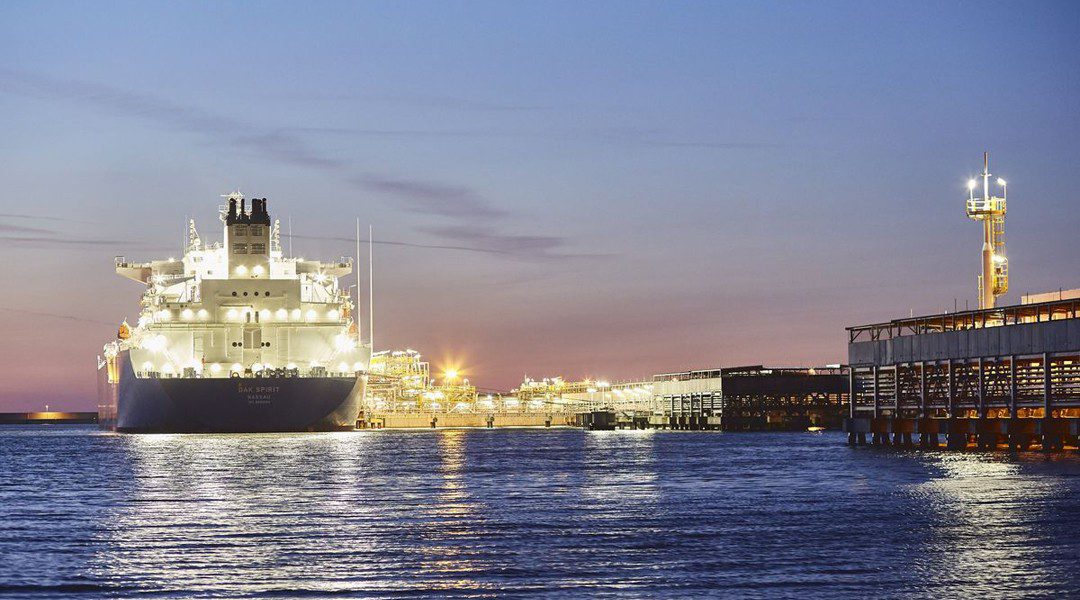

1. Port and Terminal Operations
1.1 Otaru Port operates 24/7, but specific terminals may have restricted hours. Confirm operational schedules with the Otaru Port Authority in advance.
1.2 The port has two main commercial terminals: Otaru North Terminal (maximum draft 12.5m) and Otaru South Terminal (maximum draft 10.8m). Both terminals can accommodate Panamax-class vessels.
1.3 Ice conditions may occur from January to March. Icebreaking assistance is available upon request through the Hokkaido Regional Development Bureau.
1.4 All vessels exceeding 200 GT must submit arrival/departure notices via the Japan Coast Guard’s electronic reporting system (e-MIS) at least 24 hours prior.
2. Navigation and Pilotage
2.1 Compulsory pilotage applies to all foreign-flagged vessels and Japanese vessels over 500 GT. Pilot boarding area is at 43°11.5’N 140°59.0’E (1.5nm west of the breakwater).
2.2 The main channel has a controlling depth of 13.2m (MHWS) with tidal range up to 1.5m. Underkeel clearance must maintain minimum 10% of draft.
2.3 VHF Channel 16 and 12 are monitored continuously. Pilotage requests must be made on Ch 12 at least 6 hours before ETA.
2.4 No overtaking is permitted in the inner harbor area (within 0.5nm of the breakwater). Speed limit is 6 knots in this zone.
3. Anchorage Regulations
3.1 Designated anchorage areas are located northwest of the port (43°12.5’N 140°56.0’E) with depths of 20-30m. Holding ground is reported as good clay.
3.2 Anchoring permission must be obtained from Otaru Port Control. Maximum permitted stay is 72 hours without special approval.
3.3 No bunkering or cargo operations at anchor without prior written authorization from the Port Authority and Japan Coast Guard.
4. Cargo Handling Requirements
4.1 All bulk cargo operations require dust suppression measures per Hokkaido Prefecture Ordinance No. 42 (Air Pollution Control).
4.2 Refrigerated containers must use shore power when available. Generator exhaust must comply with Japan’s 2020 Emission Control Standards.
4.3 Timber cargo must be properly secured with approved lashing materials meeting JIS D 6001 standards.
4.4 Hazardous materials handling follows the ISGOTT 6th Edition guidelines with additional Japanese Fire Service Act requirements.
5. Safety and Emergency Procedures
5.1 Monthly emergency drills are mandatory for all berthed vessels per Japan’s Ship Safety Act Article 32.
5.2 Oil spill response equipment must be deployed during bunkering operations as per Ministry of Land, Infrastructure, Transport and Tourism Notice No. 495.
5.3 All crew members going ashore must carry valid seafarer’s identification and port entry permits issued by the immigration office.
5.4 The port’s emergency contact numbers are: Coast Guard (118), Port Authority (+81-134-27-2531), and Maritime Rescue Coordination Center (0170-22-0119).
6. Environmental Regulations
6.1 Strict ballast water management is enforced under Japan’s Invasive Alien Species Act. All vessels must submit ballast water reporting forms 24 hours before arrival.
6.2 Sewage discharge is prohibited within 3nm of the port. Approved reception facilities are available at both main terminals.
6.3 Use of open-loop scrubbers is banned in port waters per Hokkaido Environmental Ordinance Chapter 5, Section 22.
7. Crew Welfare and Services
7.1 Medical facilities: Otaru City Hospital (2km from port) has 24-hour emergency services with English-speaking staff available.
7.2 Crew changes require prior approval from Immigration Bureau. Minimum 7 days notice is required for processing.
7.3 Shore leave is permitted but crew must return to vessel by 2300 hours unless special permission is granted.
8. Winter Operations (November-March)
8.1 Ice accretion monitoring is mandatory. Vessels must maintain de-icing equipment operational at all times.
8.2 Special mooring arrangements using heated lines may be required during temperatures below -10°C.
8.3 Engine room temperatures must be maintained above 5°C to prevent fuel oil solidification (per ClassNK Winterization Guidelines).
9. Port State Control
9.1 Tokyo MOU inspection rate for Otaru Port is 18.7% (2023 data). Common deficiencies include fire safety systems and garbage record books.
9.2 All vessels must display valid Class certificates and PSC inspection reports in the bridge area for immediate access.
9.3 Any recent changes to vessel status (ownership, management, or flag) must be reported to Japan Coast Guard 48 hours before arrival.
10. Digital Services
10.1 Electronic port clearance is mandatory through the Japan e-Navigation system (JEN). Paper documents are no longer accepted.
10.2 AIS transponders must remain active throughout port stay as per Japan’s Maritime Traffic Safety Law Article 22-3.
11. Port Facilities and Services
11.1 Freshwater supply is available at all berths with a capacity of 100 tons/hour. Prior notice of 12 hours is required for large quantities (>500 tons).
11.2 Waste reception facilities comply with MARPOL Annex V and are available 24/7. Hazardous waste must be segregated and declared in advance.
11.3 Port workshops can provide emergency repairs for hull and machinery, with certified welders available (Japan Welding Engineering Society standards).
12. Customs and Immigration
12.1 All vessels must submit customs declarations electronically via NACCS (Nippon Automated Cargo and Port Consolidated System) before arrival.
12.2 Crew personal effects exceeding ¥200,000 in value must be declared. Prohibited items include certain medications (e.g., pseudoephedrine) without prior approval.
12.3 Immigration clearance is conducted at the port for crew changes, requiring original seaman’s books and passport-sized photos (4.5cm x 3.5cm).
13. Meteorological Conditions
13.1 Prevailing winds are NW in winter (avg. 15 knots) and SE in summer (avg. 10 knots). Gale warnings (>34 knots) are broadcast on VHF Ch 16.
13.2 Fog occurs most frequently in May-June, reducing visibility to <500m on average 8 days/month. Radar-assisted navigation is recommended during these periods.
13.3 Tsunami evacuation procedures are posted at all berths. Vessels must maintain engines on standby when tsunami warnings (Level 1 or higher) are issued.
14. Bunkering Operations
14.1 Only licensed bunker suppliers (JIS K 2205 certified) are permitted. Spot checks for fuel quality (sulfur content ≤0.10%) are conducted by the Japan Ministry of Environment.
14.2 Simultaneous operations (SIMOPS) require separate safety zones of 30m radius between bunkering and cargo handling areas.
14.3 A dedicated oil spill response vessel (10-ton capacity) is stationed at the port during all bunkering operations.
15. Port Dues and Charges
15.1 Harbor dues are calculated based on GT (¥3.5/GT for vessels <10,000 GT, ¥2.8/GT for larger vessels) as per Hokkaido Port Regulations Article 14.
15.2 Waste disposal fees: ¥12,000/ton for general waste, ¥45,000/ton for hazardous waste (2024 tariff).
15.3 Electronic payment via JCB, Visa, or bank transfer is mandatory. Cash payments are no longer accepted.
16. Security Measures
16.1 ISPS Level 1 is maintained continuously. Random security drills are conducted quarterly with Japan Coast Guard oversight.
16.2 All visitors must present photo ID and receive port-issued badges. No unescorted access to restricted areas is permitted.
16.3 Vessels must maintain gangway watches with 24-hour logs. Night illumination of decks and access points is mandatory.
17. Local Regulations
17.1 Discharge of any food waste within 12nm of the coast is prohibited under Japan’s Food Recycling Law.
17.2 Use of paints containing TBT or copper exceeding 5% concentration is banned in port maintenance work.
17.3 Noise restrictions (≤75 dB at berth perimeter) apply from 2200-0600 hours. Engine tests require prior approval during these hours.
18. Navigational Aids
18.1 The port maintains 12 lighted buoys (IALA Region A) with differential GPS accuracy of ±1m. Chart datum is based on Tokyo Peil (TP).
18.2 AIS base stations cover the entire port area. Vessels must verify AIS data accuracy (MMSI, draft, ETA) with VTS upon arrival.
18.3 Temporary navigational warnings are issued via NAVTEX (518 kHz) and local VHF broadcasts when dredging operations occur (typically April-May).
19. Cargo Documentation
19.1 All bills of lading must include HS Codes (10-digit) for Japanese customs clearance. Incomplete documentation incurs storage fees (¥15,000/day).
19.2 Dangerous goods manifests must follow IMDG Code format with additional Japanese-language summaries for local authorities.
19.3 Timber cargo certificates must show phytosanitary compliance with Japan’s Plant Protection Law Article 5.
20. Communication Protocols
20.1 Port Control must be notified immediately of any:
– Machinery failures affecting maneuverability
– Pollution incidents (even if contained)
– Changes to declared cargo >10% of total volume
20.2 Official working language is Japanese, but English translations are available for safety-critical communications.
20.3 All incident reports must use standardized Japan Coast Guard forms (No. K-1 through K-9) within 24 hours of occurrence.
21. Vessel Traffic Services (VTS)
21.1 Otaru VTS operates on VHF Channels 12 (primary) and 16 (secondary) with radar coverage extending 20nm offshore.
21.2 Mandatory reporting points:
– At 10nm west of Otaru Breakwater (43°10’N 140°50’E)
– When passing the inner fairway buoy (43°11.2’N 140°58.3’E)
– Upon securing all lines at berth
21.3 Vessels >300m LOA must request escort tugs when transiting the inner harbor between November-March.
22. Mooring Requirements
22.1 Minimum mooring lines:
– Vessels <150m LOA: 4 head lines + 4 stern lines + 2 spring lines
- Vessels >150m LOA: 6 head lines + 6 stern lines + 4 spring lines
22.2 Synthetic ropes must have minimum breaking load (MBL) ≥ 60% of vessel’s DWT. Steel wires require certified tension monitors.
22.3 Tidal compensators are mandatory for vessels staying >12 hours during spring tides (range >1.2m).
23. Port Health Regulations
23.1 Maritime Health Declarations must be submitted via Quarantine Station Online System (QSON) 24 hours pre-arrival.
23.2 Medical waste (including used PPE) must be stored in yellow biohazard containers and disposed through licensed contractors only.
23.3 Rat guards must remain installed on all mooring lines throughout port stay. Fumigation certificates are valid for 6 months.
24. Dangerous Goods Handling
24.1 Class 1 (explosives) and Class 7 (radioactive) materials require 72-hour pre-arrival notice with Japan Coast Guard Form DG-4.
24.2 Segregation distances:
– 50m between incompatible DG classes
– 100m from residential areas for IMO 1.1 explosives
24.3 Emergency showers/eyewash stations must be operational within 15m of DG handling areas (OSHA 1910.120 compliance).
25. Cargo Securing Manuals
25.1 Japan-specific supplements to Cargo Securing Manuals must include:
– Hokkaido winter weather factors (snow load ≥ 50kg/m²)
– Seismic restraint calculations (0.3g lateral acceleration)
25.2 Lashing materials must withstand -30°C to +50°C temperature ranges with certification from ClassNK or equivalent.
25.3 Random cargo securing inspections are conducted by Port State Control officers using IMO MSC.1/Circ.1352 checklist.
26. Port Emergency Contacts
26.1 Immediate response contacts (24/7):
– Port Security: +81-134-27-2535
– Medical Emergency: #119 (Japanese operators)
– Pollution Response: +81-134-24-9111 (Japan Coast Guard direct line)
26.2 All emergency calls must provide:
– Vessel name and IMO number
– Exact position (berth number or lat/long)
– Nature/quantity of hazard if applicable
27. Electronic Navigation Requirements
27.1 ECDIS must use Japan Hydrographic Association (JHA) ENCs updated within last 3 months.
27.2 AIS static data (draft, hazardous cargo flags, etc.) must be verified with VTS within 1 hour of berthing.
27.3 Backup paper charts (JHA No. 1201B, scale 1:15,000) are mandatory despite electronic systems.
28. Crew Training Requirements
28.1 All deck officers must complete Japan-specific training on:
– Tsunami response procedures
– Winter navigation in ice/snow conditions
28.2 Engine room staff handling low-sulfur fuels (<0.10%) require documented training on fuel switching procedures.
28.3 Security personnel must have valid ISPS certificates with Japanese translation available for inspection.
29. Port Infrastructure Details
29.1 Berth load limits:
– North Terminal: 15 t/m²
– South Terminal: 10 t/m² (container stacking max 5 high)
29.2 Shore power capacity:
– 6.6kV/60Hz (North Terminal)
– 440V/60Hz (South Terminal)
29.3 Air draft restrictions: 45m clearance under harbor cranes (55m with prior notice).
30. Special Cargo Provisions
30.1 Oversized cargo (>12m width) movements require:
– Police escort for road transport
– Nighttime transit (2300-0400) only
30.2 Live animal imports need Ministry of Agriculture approval and on-site veterinary inspection.
30.3 High-value cargo (≥¥100 million) must use designated secure storage areas with 24/7 CCTV monitoring.
31. Tug Services and Requirements
31.1 Compulsory tug assistance for:
– Vessels >200m LOA (2 tugs minimum)
– Vessels with engine power <40% of GT during winter months (Nov-Mar)
31.2 Tug specifications:
– Bollard pull: 60-80 tons (standard)
– Availability: 30 minutes notice during day, 60 minutes at night
31.3 Tug connection points must comply with OCIMF Mooring Equipment Guidelines 3rd Edition.
32. Port Lighting Requirements
32.1 Minimum illumination levels:
– Working decks: 150 lux
– Gangways: 200 lux
– Hazardous areas: 300 lux
32.2 Navigation lights must remain illuminated from sunset to sunrise, including during cargo operations.
33. Garbage Management
33.1 Mandatory separation into 5 categories:
– Plastics
– Food waste
– Operational waste
– Domestic waste
– Hazardous waste
33.2 Garbage Record Book must be signed by Port Authority representative upon disposal.
34. Freshwater Supply Regulations
34.1 Water quality meets WHO standards with residual chlorine 0.2-0.5 ppm.
34.2 Backflow prevention devices required on all vessel connections.
34.3 Water consumption meters must be installed for vessels taking >100 tons.
35. Communication Equipment Standards
35.1 Mandatory equipment:
– VHF radios with DSC (Ch 16/12/06)
– NAVTEX receiver (518 kHz)
– Japanese-language notice board for local communications
35.2 Satellite phone testing required within 1 hour of arrival.
36. Port Entry/Exit Procedures
36.1 Documents required for clearance:
– Crew list (3 copies)
– Last port clearance certificate
– Stores declaration
36.2 Immigration processing time:
– Standard: 2 hours
– Expedited (with prior arrangement): 1 hour
37. Weather Monitoring Systems
37.1 Real-time data available from:
– Port Authority website (10-minute updates)
– VHF weather broadcasts (every 6 hours)
37.2 Storm warning thresholds:
– Wind: >28 knots sustained
– Waves: >3m significant height
38. Special Area Regulations
38.1 No-anchoring zones:
– Within 500m of submarine cables
– Marine protected areas (chartlet available from VTS)
38.2 Speed reduction zones:
– Within 1nm of ferry routes (max 8 knots)
– Near fish farms (max 5 knots)
39. Bunker Quality Control
39.1 Sampling protocol:
– Witnessed by ship’s staff and supplier
– 4 samples retained (vessel, supplier, port, standby)
39.2 Testing includes:
– Sulfur content (max 0.10%)
– Cat fines (max 60 ppm)
40. Port Security Levels
40.1 ISPS Level 1: Standard measures
– Gangway watch
– Restricted access areas
40.2 ISPS Level 2: Additional requirements
– 24/7 security patrols
– Waterborne security perimeter
41. Ship Repair Services
41.1 Approved repair facilities within port limits:
– Dry dock capacity: 30,000 DWT maximum
– Hull cleaning: Eco-friendly methods only (no abrasive blasting)
41.2 Hot work permits require:
– Gas-free certificate
– Fire watch personnel
– Approved risk assessment
42. Crew Provisions and Supplies
42.1 Bonded stores delivery:
– 24-hour notice required for alcohol/tobacco
– Maximum 1 liter alcohol/crew member/week
42.2 Fresh food suppliers:
– Certified by Hokkaido Food Safety Bureau
– Delivery vehicles must have temperature monitoring
43. Port Laytime Regulations
43.1 Standard working hours:
– 0800-1700 Monday-Friday (excluding holidays)
– Overtime rates apply for other periods
43.2 Demurrage calculations:
– Weather delays excluded if wind >25 knots
– Documentation required for force majeure claims
44. Navigation in Restricted Visibility
44.1 Mandatory procedures when visibility <1nm:
- Reduce speed to <5 knots
- Sound fog signals every 2 minutes
- Post additional lookouts
44.2 Radar-assisted berthing requires:
– Two independent radar systems operational
– VTS approval
45. Port Safety Committee Requirements
45.1 Vessel participation mandatory for:
– Ships carrying hazardous materials
– Vessels staying >7 days
45.2 Meeting frequency:
– Monthly for oil tankers
– Quarterly for other vessels
46. Special Cargo Handling
46.1 Project cargo requirements:
– Advance stability calculations
– Route survey for oversize units
46.2 Temperature-controlled cargo:
– Continuous monitoring records required
– Alarm systems must be tested pre-loading
47. Port Communication Protocols
47.1 Standard message formats:
– ETA notifications: 72/48/24 hours prior
– Departure reports: 2 hours before sailing
47.2 Emergency communications:
– Distress signals given priority on all channels
– Follow IMO Standard Marine Communication Phrases
48. Vessel Maintenance in Port
48.1 Overboard work restrictions:
– No painting within 200m of water intake areas
– Underwater inspections require port approval
48.2 Engine trials:
– Maximum 1 hour duration
– Not permitted 2200-0600
49. Port Environmental Monitoring
49.1 Continuous measurements for:
– Air quality (SOx/NOx levels)
– Water turbidity
49.2 Vessel contribution assessments:
– Calculated based on GT and fuel type
– Fees apply for excess emissions
50. Local Maritime Laws
50.1 Specific regulations:
– Hokkaido Port Ordinance Chapter 12
– Japan Ship Safety Act Article 15-3
50.2 Enforcement:
– Japan Coast Guard has boarding authority
– Fines up to ¥10 million for violations
51. Vessel Sanitation Requirements
51.1 Mandatory inspections for:
– Vessels arriving from cholera-affected areas
– Ships with more than 6 months since last sanitation control
51.2 Disinfection standards:
– Approved chemicals list published by Japan Ministry of Health
– Certification required for pest control operators
52. Port Labor Regulations
52.1 Stevedore working conditions:
– Maximum 8-hour shifts with mandatory breaks
– Hazardous cargo handling requires special certification
52.2 Dispute resolution:
– Mediation through Hokkaido Labor Bureau
– Minimum 24-hour notice for work stoppages
53. Navigation Equipment Checks
53.1 Pre-arrival verification:
– Gyrocompass error <1°
- Echo sounder calibration certificate valid
53.2 Port State Control focus items:
– AIS functionality
– GMDSS battery backup
54. Special Berthing Arrangements
54.1 Military/commercial vessels:
– 500m separation zone enforced
– Prior coordination with Japan Maritime Self-Defense Force
54.2 Cruise ship specific:
– Dedicated passenger terminal procedures
– Enhanced security screening
55. Port Tariff Structure
55.1 Discounts available for:
– Environmentally certified vessels (Green Award, etc.)
– Regular callers (>12 visits/year)
55.2 Surcharges apply for:
– Late payment (>30 days)
– Special operations outside normal hours
56. Ice Navigation Procedures
56.1 Winter season requirements:
– Bow thruster availability for vessels >150m LOA
– Ice class certification verification
56.2 Icebreaker assistance:
– Request minimum 48 hours in advance
– Priority given to essential supplies
57. Dangerous Goods Storage
57.1 Onshore facilities:
– Class 1: Underground bunkers
– Class 3: Floating roof tanks
57.2 Monitoring requirements:
– Temperature logs for refrigerated DG
– 24/7 CCTV for high-risk materials
58. Port Community System
58.1 Mandatory electronic submissions:
– Advanced cargo declarations
– Crew health reports
58.2 System availability:
– 99.9% uptime guarantee
– Multilingual interface options
59. Vessel Dimension Limits
59.1 Maximum allowable:
– LOA: 300m
– Beam: 50m
– Draft: 13.5m (spring tides)
59.2 Exceptions:
– Special permission for LNG carriers
– Tide window restrictions apply
60. Port Authority Jurisdiction
60.1 Legal boundaries:
– Extends 3nm from breakwater
– Includes all port infrastructure
60.2 Enforcement powers:
– Vessel detention authority
– Pollution investigation rights
61. Ballast Water Management
61.1 Compliance requirements:
– IMO D-2 standard implementation mandatory
– Ballast water exchange prohibited within 12nm of coast
61.2 Documentation:
– Ballast Water Record Book must be updated in real-time
– Treatment system maintenance logs required
62. Port Cybersecurity Protocols
62.1 Vessel system requirements:
– Regular penetration testing for onboard networks
– ISPS Code compliant firewalls for critical systems
62.2 Data protection:
– Encryption for all shore-to-ship communications
– Mandatory reporting of cyber incidents within 1 hour
63. Emergency Response Equipment
63.1 Port-maintained resources:
– 5000m oil containment boom
– Chemical dispersant stockpile (approved types only)
63.2 Vessel requirements:
– SOLAS-approved lifesaving appliances
– Spill kits sized per vessel GT
64. Anchorage Procedures
64.1 Designated areas:
– Outer anchorage: Max 72-hour stay
– Emergency anchorage: Priority for distressed vessels
64.2 Monitoring:
– Daily position reports required
– Anchor watch mandatory during heavy weather
65. Port Meteorological Services
65.1 Available data:
– Real-time wave height measurements
– Tide prediction tables (5-day forecasts)
65.2 Warning systems:
– Automated SMS alerts for gale warnings
– Color-coded storm warning displays at berths
66. Ship Chandler Services
66.1 Approved providers:
– Licensed by Hokkaido Prefecture
– Bonded warehouse facilities available
66.2 Delivery protocols:
– 4-hour advance notice for provisions
– Strict ID verification for controlled items
67. Port Access Control
67.1 Biometric systems:
– Facial recognition at main gates
– Fingerprint scanning for restricted areas
67.2 Visitor management:
– Pre-registration required for all non-crew
– Escort mandatory in operational zones
68. Vessel Performance Monitoring
68.1 Environmental metrics:
– Continuous emissions reporting
– Fuel consumption tracking
68.2 Efficiency benchmarks:
– Port stay duration targets by vessel type
– Berth productivity indicators
69. Marine Pilotage Requirements
69.1 Compulsory areas:
– Inner harbor transit
– Special operations (heavy lifts, etc.)
69.2 Pilot transfer:
– Daytime only for vessels >200m LOA
– Approved boarding arrangements required
70. Port Liability Regulations
70.1 Damage claims:
– 30-day notification period
– Maximum liability limits per Japan Commercial Code
70.2 Insurance requirements:
– Minimum ¥1 billion coverage for vessels >10,000 GT
– P&I Club certification verification
71. Waste Oil Disposal Procedures
71.1 Authorized reception facilities:
– Capacity: 500m³ daily processing
– 24/7 availability for emergency discharges
71.2 Documentation requirements:
– Waste Oil Record Book entries witnessed by port official
– MARPOL Annex I compliance certificate
72. Port Noise Regulations
72.1 Operational limits:
– 75 dB(A) daytime (0700-2200)
– 65 dB(A) nighttime (2200-0700)
72.2 Mitigation measures:
– Mandatory noise barriers for generator operations
– Engine tests prohibited during quiet hours
73. Shipboard Safety Drills
73.1 Required port-area exercises:
– Monthly abandon ship drills
– Quarterly oil spill response rehearsals
73.2 Observer requirements:
– Port safety officer may attend unannounced
– Drill reports submitted within 24 hours
74. Bunker Delivery Documentation
74.1 Mandatory records:
– BDN with mass flow meter readings
– Fuel sample sealing protocol compliance
74.2 Verification process:
– Random sampling by port authorities
– Sulfur content analysis within 4 hours
75. Port Area Speed Limits
75.1 Vessel speed restrictions:
– 8 knots within harbor limits
– 5 knots within 500m of passenger terminals
75.2 Enforcement:
– Automated monitoring system
– Progressive penalty system for violations
76. Cold Ironing Facilities
76.1 Shore power connections:
– 6.6kV/60Hz capacity
– ISO/IEC/IEEE 80005-1 compliant
76.2 Connection procedures:
– Certified electrician required
– Load testing before full engagement
77. Port Security Zones
77.1 Restricted areas:
– Within 50m of naval vessels
– Cargo handling zones during operations
77.2 Access control:
– Biometric verification
– Real-time monitoring via CCTV
78. Vessel Inspection Regime
78.1 Priority inspection criteria:
– Ships with 3+ deficiencies in last year
– Vessels over 15 years old
78.2 Inspection duration:
– Standard: 6 hours maximum
– Expanded: 24 hours with cause
79. Port Meteorological Buoys
79.1 Data collection:
– Wave height accuracy ±0.1m
– Water temperature monitoring
79.2 Maintenance schedule:
– Quarterly calibration
– Annual hardware replacement
80. Customs Clearance Procedures
80.1 Electronic processing:
– NACCS system integration
– Average clearance time: 2.5 hours
80.2 High-risk cargo:
– Physical inspection rate: 15%
– X-ray scanning mandatory
81. Port Lighting Standards
81.1 Illumination requirements:
– 200 lux minimum at cargo operations areas
– 50 lux minimum at walkways
81.2 Energy efficiency:
– LED fixtures mandatory for new installations
– Motion sensors required in low-traffic areas
82. Ship Repair Waste Management
82.1 Hazardous material handling:
– Asbestos containment procedures
– Paint sludge disposal tracking
82.2 Recycling targets:
– 85% metal waste recovery
– 60% non-metal waste diversion
83. Port Emergency Assembly Areas
83.1 Designated locations:
– 3 primary muster stations
– 2 alternative flood-safe zones
83.2 Capacity planning:
– Accommodates 150% of maximum port personnel
– ADA-compliant access routes
84. Vessel Traffic Separation Schemes
84.1 Lane discipline:
– 1nm separation minimum
– Overtaking prohibited in narrow channels
84.2 Reporting points:
– Mandatory position updates at each waypoint
– Speed adjustments for convergence zones
85. Port Water Conservation Measures
85.1 Usage restrictions:
– Potable water rationing during droughts
– Recycled water for equipment cleaning
85.2 Monitoring systems:
– Smart meters with leak detection
– Weekly consumption reporting
86. Dangerous Goods Documentation
86.1 Special manifests:
– Multimodal dangerous goods form
– Emergency response contact details
86.2 Verification process:
– Cross-check with vessel stowage plan
– Random container inspections
87. Port Wildlife Protection
87.1 Restricted operations:
– No dredging during migration seasons
– Speed limits near marine mammal areas
87.2 Monitoring programs:
– Annual biodiversity surveys
– Oil spill impact modeling
88. Vessel Fuel Switching Protocol
88.1 Changeover requirements:
– Complete 1nm before port entry
– Documented in engine logbook
88.2 Verification methods:
– Fuel sample analysis
– Exhaust gas monitoring
89. Port Cargo Tracking Systems
89.1 Real-time monitoring:
– RFID tag implementation
– Blockchain-based documentation
89.2 Security features:
– Tamper-evident seals
– Geofence alerts for deviations
90. Port Infrastructure Maintenance
90.1 Inspection cycles:
– Daily visual checks of critical assets
– Annual structural integrity surveys
90.2 Repair timelines:
– 24-hour response for safety issues
– 7-day maximum for cosmetic repairs