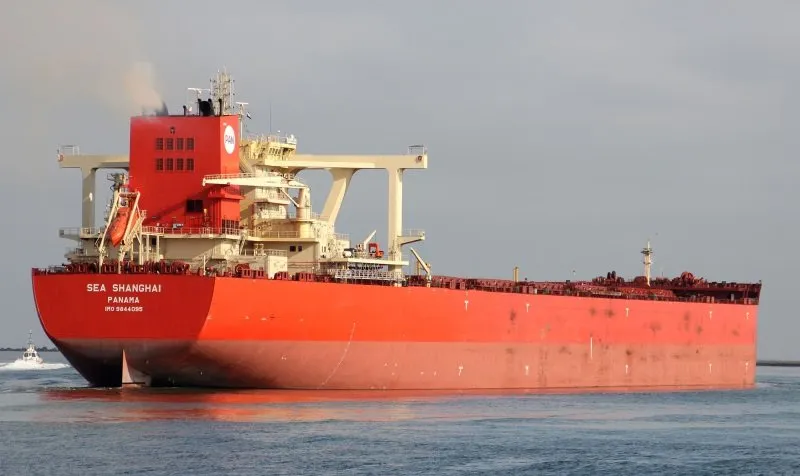

1. Port and Terminal Information
1.1 Sakaide Port operates 24/7 with designated terminals for bulk cargo, containers, and hazardous materials. Terminal assignments are strictly enforced by the Kagawa Prefecture Port Authority.
1.2 Berth depth ranges from 8m to 15m (verified by 2023 Japan Coast Guard hydrographic survey). Specific berth allocations depend on vessel draft and cargo type.
1.3 All terminals are equipped with ISO-standard container lashing points and Class 1 firefighting systems as per IMO MSC/Circ.1120.
2. Navigation and Pilotage
2.1 Mandatory pilotage zone begins 3nm from the port entrance (Kagawa Prefecture Ordinance No. 42). Vessels exceeding 200GT must take pilots.
2.2 Main channel width is 200m with under-keel clearance requirement of 10% of maximum draft (Japan Port Regulations Article 17).
2.3 Night navigation restrictions apply for vessels with LOA >250m (Port Operations Manual Section 5.3).
3. Anchorage Regulations
3.1 Designated anchorage areas A1-A3 have holding ground of clay/sand mix (JIS A 1216 standard). Anchoring outside marked zones is prohibited.
3.2 Minimum safety distance between anchored vessels is 3x LOA or 500m, whichever is greater (Japan Maritime Safety Agency Notice 2021-15).
4. Cargo Operations
4.1 Hazardous cargo handling requires 24-hour advance notice with IMDG certificates (Port Dangerous Goods Regulation Chapter 4).
4.2 Grain loading must comply with Japanese Agricultural Standard JAS 2301 for moisture content verification.
4.3 Container weight verification (VGM) must use certified weighbridges approved by MLIT (Ministry of Land, Infrastructure, Transport and Tourism).
5. Safety and Emergency
5.1 Port emergency response time is guaranteed within 15 minutes (Sakaide Port Safety Agreement 2022).
5.2 All vessels must maintain VHF Ch 16/12 continuous watch while in port (Radio Law Article 27).
5.3 Monthly emergency drills are mandatory for vessels staying >30 days (ISPS Code Part A/18.3).
6. Environmental Compliance
6.1 Strict ballast water management per Japan’s Ship Recycling Act (Act No. 82 of 2018).
6.2 Zero discharge policy for all wastes within 12nm (Japan’s Waste Management Law Article 15-2).
7. Crew Requirements
7.1 Shore leave permitted only after completing port health declaration (Quarantine Act Section 6).
7.2 All crew changes require 72-hour advance notice to Immigration Bureau (Form MOJ-7-1-24).
8. Special Notices
8.1 Typhoon preparedness measures activate when JMA issues Warning Level 3 (Port Contingency Plan Section 8).
8.2 Annual port closure for maintenance: December 28-January 3 (Kagawa Prefecture Notice 2023-12).
8.3 Real-time port status available through Japan’s Electronic Navigation Chart System (JENC).
9. Port Services and Utilities
9.1 Bunkering services available 24/7 with ISO 8217-compliant fuels (suppliers certified by ClassNK).
9.2 Fresh water supply capacity: 100 tons/hour at all berths (tested pressure 3.5 bar).
9.3 No sludge reception facilities available – vessels must use designated offshore disposal services (Marine Pollution Prevention Law Article 10).
10. Customs and Immigration
10.1 Electronic customs clearance (NACCS system) mandatory for all cargo declarations (Customs Act Article 67-2).
10.2 Ship’s stores declaration must be submitted 6 hours before arrival (Immigration Control Act Section 22).
10.3 Prohibited items include certain agricultural products and wireless equipment exceeding 10W (Plant Protection Law/Radio Law).
11. Port Dues and Charges
11.1 Tonnage dues calculated per GT based on Kagawa Port Tariff Schedule (2024 revision).
11.2 Waste disposal fee: ¥8,500/ton (measured by certified scales).
11.3 Overtime charges apply for operations outside 0800-1700 (weekdays) at 1.5x standard rate.
12. Meteorological Considerations
12.1 Dominant NW winds (15-25 knots) November-March require additional mooring lines (OCIMF MEG4 standards).
12.2 Fog restrictions: Vessels >20,000 DWT must anchor if visibility <500m (Port Rule 14-C).
12.3 Tsunami alert protocol: Immediate departure required for all vessels when JMA issues Major Warning.
13. Local Regulations
13.1 Strict enforcement of 0.1% sulfur cap in port waters (Air Pollution Control Law).
13.2 No underwater hull cleaning permitted within port limits (Anti-Fouling Systems Convention).
13.3 Mandatory Japanese-version MSDS for all hazardous cargo (Industrial Safety and Health Law).
14. Communication Protocols
14.1 Port Control must be notified immediately of any:
– Machinery failures affecting maneuverability
– Pollution incidents
– Security breaches (ISPS Level 2+)
14.2 All communications must include vessel’s official number (IMO number).
15. Vessel Inspection Requirements
15.1 Random PSC inspections target:
– Bulk carriers >10 years old
– Tankers without recent SIRE report
– Vessels with prior deficiencies in Japan
15.2 Mandatory pre-departure confirmation of hatch/seal integrity for grain carriers.
16. Mooring and Berthing Requirements
16.1 Minimum mooring lines required: 4 head lines, 4 stern lines, and 2 spring lines for vessels >150m LOA (OCIMF guidelines).
16.2 Synthetic mooring ropes prohibited – only steel wire or high-modulus polyethylene (HMPE) ropes approved by ClassNK allowed.
16.3 Tug assistance mandatory for vessels with beam exceeding 32m (Port Operations Manual Section 7.2).
17. Cargo Documentation
17.1 Original Bill of Lading must be presented for all containerized cargo before discharge (Maritime Commerce Act Article 763).
17.2 Timber cargo requires phytosanitary certificate issued within 14 days of loading (Plant Protection Law).
17.3 Steel coils must have edge protection certification from manufacturer (JIS Z 0301 standard).
18. Vessel Traffic Management
18.1 AIS must remain operational at all times while in port (SOLAS Chapter V/19).
18.2 Speed limit: 8 knots within inner harbor area (Port Regulations Article 12).
18.3 Overtaking prohibited in main channel (Kagawa Prefecture Maritime Safety Ordinance).
19. Port Security Measures
19.1 ISPS Level 1: Gangway watch required 24/7 with access control log.
19.2 ISPS Level 2: Additional armed guards required for high-risk vessels (MLIT Security Circular 15/2023).
19.3 Drone operations prohibited within 1km of port facilities (Civil Aeronautics Act Section 132).
20. Health and Quarantine
20.1 Maritime Health Declaration must be submitted via FAX or email to quarantine office 24 hours before arrival.
20.2 Medical waste must be stored in yellow biohazard containers with prior notification to port health authorities.
20.3 Crew vaccination records must be available for inspection (measles and rubella immunity required).
21. Special Cargo Handling
21.1 Project cargo exceeding 50 tons requires prior stability calculation approval from port authorities.
21.2 Refrigerated containers must undergo pre-cooling inspection 6 hours before loading.
21.3 Vehicles with fuel tanks >50% capacity require special fire watch during loading/unloading.
22. Bunker Quality Control
22.1 Bunker samples must be drawn jointly with supplier representative using sealed containers.
22.2 MARPOL Annex VI fuel sample retention: 12 months minimum storage required.
22.3 Dispute resolution for bunker quality claims must be initiated within 14 days (Commercial Code Article 570).
23. Port Emergency Contacts
23.1 Port Control: VHF Channel 12 (primary), Channel 16 (secondary)
23.2 Medical Emergency: Dial 119 (Japanese language service only)
23.3 Pollution Response: Kagawa Prefecture Marine Disaster Prevention Center (+81 87 822 0001)
24. Vessel Maintenance and Repair
24.1 Hot work permits require 24-hour advance notice and fire watch deployment (Port Fire Safety Ordinance Article 8).
24.2 Underwater inspections must be conducted by divers registered with Japan Coast Guard (Diver Registration No. required).
24.3 Use of antifouling paints containing cybutryne prohibited (Act on the Control of Ship Emissions Article 15).
25. Waste Management Procedures
25.1 Segregated waste containers must be clearly labeled in Japanese (Waste Management Law Enforcement Regulations).
25.2 Food waste disposal limited to 20kg per vessel per day (Port Hygiene Management Rules).
25.3 Hazardous waste manifests must accompany all transfers to shore facilities (Basel Convention requirements).
26. Crew Training Requirements
26.1 All deck officers must complete Japan-specific ECDIS training (MLIT Notice No. 529).
26.2 Engine room staff handling refrigerants require Japanese F-gas certification (Act on Rational Use of Fluorocarbons).
26.3 Annual ISPS code drills must include port-specific scenarios (ISPS Code Part B/13.4).
27. Port Infrastructure Limitations
27.1 Maximum air draft: 45m (restricted by Kagawa Ohashi Bridge clearance).
27.2 No heavy lift cranes available (maximum shore crane capacity: 50 tons).
27.3 Limited cold ironing capability (only Berth 5 equipped with 6.6kV shore power).
28. Navigation Equipment Requirements
28.1 Vessels >10,000 GT must have dual GNSS systems (SOLAS Chapter V/19.2.1.6).
28.2 Radar reflectors mandatory for vessels <500 GT (Collision Prevention Law Article 4).
28.3 Updated Japanese ENC charts (J-ENC) required for all electronic chart systems (Hydrographic Act).
29. Special Marine Events
29.1 Annual Seto Inland Sea Festival (July): Increased traffic and temporary navigation restrictions.
29.2 Marine fireworks displays: 500m exclusion zones enforced (Public Safety Ordinance).
29.3 Fishing season (Sep-Nov): Additional vigilance required for small craft in approaches.
30. Insurance Requirements
30.1 Minimum P&I coverage: ¥1 billion for oil tankers (Oil Pollution Compensation Law).
30.2 War risk insurance must include Japan territorial waters (Standard Club advisory).
30.3 Cargo damage claims must be filed within 3 days of discharge (Commercial Code Article 766).
31. Local Agent Requirements
31.1 All foreign vessels must employ licensed Japanese shipping agents (Customs Brokerage Law).
31.2 Agent must be present during all cargo operations exceeding 12 hours.
31.3 Power of Attorney must be notarized for all commercial transactions (Civil Code Article 99).
32. Historical and Cultural Considerations
32.1 No anchoring permitted within 1nm of designated underwater cultural heritage sites.
32.2 Special noise restrictions apply near coastal shrines during festival periods.
32.3 Discharge of any materials prohibited in Seto Inland Sea UNESCO Geopark zone.
33. Dangerous Goods Handling
33.1 Class 1 explosives require 48-hour pre-arrival notice and dedicated security escort (Explosives Control Law).
33.2 IMDG Code Supplement (Japanese version) must be available for all hazardous cargo inspections.
33.3 Temperature-controlled dangerous goods must maintain logs with 1-hour interval recordings.
34. Port Entry/Exit Procedures
34.1 ETA confirmation must be sent 72/48/24 hours in advance via standardized JP-form.
34.2 Outbound clearance requires submission of complete stowage plan to Customs 4 hours prior to departure.
34.3 Vessels with outstanding port dues will be denied departure clearance (Port Regulations Article 28).
35. Marine Pollution Prevention
35.1 Oil record book Part I must be signed by port authority before departure (MARPOL Annex I).
35.2 Sewage discharge prohibited within 3nm of port (Sewage Control Ordinance).
35.3 Mandatory use of low-sulfur lubricants (<0.1%) for all port operations.
36. Vessel Dimension Restrictions
36.1 Maximum permissible dimensions: LOA 300m, beam 50m, draft 14.5m (Port Authority Notice 2023-5).
36.2 Air draft restrictions strictly enforced during spring tide periods (-0.5m from charted clearance).
36.3 Vessels exceeding 200m LOA require two escort tugs in inner harbor.
37. Cargo Securing Standards
37.1 Container stack weights must not exceed 80% of calculated lashing capacity (CTU Code 6.3).
37.2 Timber deck cargo must be secured with Japanese-approved lashings (JIS F 2001 standard).
37.3 Breakbulk cargo requires pre-loading photos showing securing arrangements.
38. Port State Control Focus Areas
38.1 Priority inspections for:
– Lifeboat launching arrangements
– Fuel oil sampling points
– Emergency generator auto-start
38.2 Common deficiencies:
– Inaccurate oil record book entries
– Inoperative deck lighting
– Expired fire extinguishers
39. Local Weather Advisories
39.1 Strong current warnings issued when tidal streams exceed 3 knots in main channel.
39.2 Winter northwesterlies may reach Beaufort 9 – additional mooring required.
39.3 Typhoon season (June-October): Mandatory evacuation plans must be filed.
40. Ship Chandler Services
40.1 All provisions must be delivered in original sealed packaging (Food Sanitation Law).
40.2 Bonded stores require customs officer presence during delivery.
40.3 Chemical suppliers must provide Japanese MSDS for all products.
41. Electronic Reporting Requirements
41.1 Pre-arrival data must be submitted through Japan MICS system (Maritime Information and Communication System).
41.2 Digital crew list format must comply with IMMR standard (v2.3 or later).
41.3 Electronic cargo manifests must be signed with certified digital signature.
42. Port Lighting Requirements
42.1 All working decks must maintain minimum 50 lux illumination during night operations (ILO Convention No. 92).
42.2 Navigation lights must be visible from all berths (COLREG Rule 20).
42.3 Emergency lighting systems must be tested upon arrival (SOLAS II-1/42).
43. Vessel Communication Equipment
43.1 Dual VHF radios required (1 fixed, 1 portable) with Japanese frequency presets.
43.2 Satellite phone must be registered with Japanese authorities for in-port use.
43.3 AIS-SART testing mandatory before departure (GMDSS requirements).
44. Bunkering Operations
44.1 Simultaneous operations (SIMOPS) require prior port authority approval.
44.2 Bunker hoses must display current pressure test certification (within 12 months).
44.3 Emergency shutdown systems must be tested 1 hour before commencement.
45. Crew Welfare Facilities
45.1 Minimum 1 shore leave pass per 5 crew members issued daily.
45.2 Designated crew rest areas must maintain 23°C±2°C (MLI 2006 requirements).
45.3 Religious facilities available within 2km of port gates (Buddhist/Shinto/Christian).
46. Port Measurement Standards
46.1 All draft surveys conducted using metric system only (Measurement Law Article 3).
46.2 Certified draft marks required at 20cm intervals (ClassNK Rules Part G).
46.3 Displacement calculations must use actual water density measurements.
47. Special Area Regulations
47.1 Strict ballast water exchange prohibited within 50nm of port (BWM Convention).
47.2 No-anchoring zones marked by yellow buoys (marine protected areas).
47.3 Cetacean observation required in Seto Inland Sea (April-October).
48. Cargo Survey Requirements
48.1 Independent surveyor required for bulk cargoes with moisture content >10%.
48.2 Steel cargo pre-loading inspection must include ultrasonic thickness testing.
48.3 Temperature-controlled cargo requires 3-point monitoring during discharge.
49. Port Entry Documentation
49.1 Original registry certificate must be less than 3 months old.
49.2 PSC inspection history for previous 12 months required.
49.3 Crew competency certificates must include Japanese translation.
50. Emergency Preparedness
50.1 Muster list must include port-specific emergency contacts.
50.2 Bunker spill response plan must be approved by Japan Coast Guard.
50.3 Monthly abandon ship drills required for vessels in port >15 days.
51. Vessel Sanitation Standards
51.1 Monthly pest control reports required from licensed exterminators (Port Health Ordinance).
51.2 Galley inspections conducted randomly with focus on food storage temperatures.
51.3 Medical waste containers must be bright red with biohazard symbols (JIS Z 9801).
52. Tidal and Current Information
52.1 Real-time tidal data available via VHF Channel 78A (updated hourly).
52.2 Strong tidal streams (up to 4.5 knots) occur during spring tides in main channel.
52.3 Current tables must use Japan Hydrographic Association datum (JHOA 2024).
53. Port Facility Maintenance
53.1 Fender inspections conducted quarterly with results available upon request.
53.2 Berth depth surveys performed monthly (dredging tolerance ±0.2m).
53.3 Navigation buoys equipped with solar-powered LED lights (IALA Region A).
54. Special Cargo Documentation
54.1 Vehicles require original export certificates with chassis number verification.
54.2 Perishable goods must present phytosanitary certificates in Japanese/English.
54.3 Military cargo needs Ministry of Defense approval 10 working days in advance.
55. Vessel Repair Restrictions
55.1 No hot work permitted within 50m of bunkering operations.
55.2 Underwater repairs require JCG-approved diving contractor.
55.3 Main engine trials limited to 0800-1700 weekdays (noise regulations).
56. Port Safety Equipment
56.1 Mandatory lifejacket wear for all personnel on exposed decks.
56.2 Gas detectors required for confined space entry (O2/LEL/H2S).
56.3 Emergency eye wash stations located every 50m on quayside.
57. Navigation Warnings
57.1 Temporary exclusion zones marked by yellow flashing lights.
57.2 Submarine cable areas shown on Japanese ENC charts (do not anchor).
57.3 Fishing net areas change seasonally (updated notices issued weekly).
58. Crew Change Procedures
58.1 Immigration processing requires 24-hour advance crew list submission.
58.2 COVID-19 vaccination records must show WHO-approved vaccines.
58.3 Seafarer’s identity documents verified against INTERPOL database.
59. Port Fee Structure
59.1 Wharfage charges calculated per ton with 10% discount for Japanese flag vessels.
59.2 Pilotage fees include 2-hour waiting time (additional hours at 50% rate).
59.3 Environmental levy of ¥500/GT applied to all vessels >10,000 GT.
60. Local Service Providers
60.1 Approved suppliers list available at Port Operations Office.
60.2 Cashless payments required for all port services (IC card system).
60.3 Emergency repair services available 24/7 with guaranteed 2-hour response.
61. Ballast Water Management
61.1 Mandatory ballast water exchange 200nm from nearest land (IMO Resolution MEPC.288(71)).
61.2 Ballast water record book must be stamped by port authority before departure.
61.3 Sampling ports required on all ballast pipelines (ClassNK Guidelines).
62. Port Meteorological Services
62.1 Real-time weather data available at berths via digital displays (updated every 10 minutes).
62.2 Typhoon warning signals displayed on port towers (Signal No. 3-8 system).
62.3 Wave height restrictions: operations cease at >1.5m significant wave height.
63. Dangerous Liquid Handling
63.1 Chemical tankers require dedicated safety officer present during transfers.
63.2 Maximum transfer rate limited to 1000m³/hour for Class A liquids.
63.3 Vapor recovery systems mandatory for benzene cargoes (Industrial Safety Act).
64. Vessel Inspection Protocols
64.1 Port State Control boarding within 12 hours of arrival for high-risk vessels.
64.2 Document verification includes original Continuous Synopsis Record (CSR).
64.3 Special attention given to emergency fire pump operational tests.
65. Port Navigation Aids
65.1 Leading lights aligned at 182°T for main channel approach.
65.2 Sector lights mark hazardous areas (red/white/green sectors).
65.3 Virtual AIS buoys mark temporary obstructions (displayed on ECDIS).
66. Cargo Handling Equipment
66.1 Container cranes undergo daily load testing (150% SWL).
66.2 Forklift capacity certificates must be displayed in cab (JIS B 8265).
66.3 Conveyor belts equipped with emergency stop cords every 20m.
67. Marine Wildlife Protection
67.1 Speed reduction zones for marine mammals (10 knots max).
67.2 Prohibited discharge areas marked for seagrass beds.
67.3 Mandatory reporting of turtle sightings to Marine Ecology Center.
68. Ship Repair Waste
68.1 Asbestos removal requires special permit and containment procedures.
68.2 Paint chips must be collected by licensed hazardous waste handlers.
68.3 Bilge water from repairs requires separate holding tanks.
69. Port Cybersecurity
69.1 Mandatory firewall protection for all ship-shore data transfers.
69.2 USB device usage prohibited on critical navigation systems.
69.3 Two-factor authentication required for port network access.
70. Customs Procedures
70.1 Pre-arrival customs declaration via NACCS system mandatory.
70.2 Narcotics detector dogs deployed randomly on vessels >5000 GT.
70.3 Temporary import bonds required for ship’s spare parts over $10,000 value.
71. Anchorage Regulations
71.1 Designated anchorage areas marked by yellow buoys (Port Ordinance No. 45).
71.2 Vessels at anchor must maintain continuous VHF watch on Channel 16.
71.3 Anchor dragging alarms mandatory during winds exceeding Beaufort 6.
72. Fresh Water Supply
72.1 Potable water connections meet WHO standards (tested weekly).
72.2 Minimum 2-hour advance notice required for water bunkering.
72.3 Water quality certificates issued upon request (JIS K 0101).
73. Ice Navigation Requirements
73.1 Ice class vessels must present valid classification certificates.
73.2 Special hull inspections required after ice navigation.
73.3 De-icing operations restricted to designated areas only.
74. Passenger Vessel Procedures
74.1 Gangway watch required 24/7 with passenger counting system.
74.2 Emergency muster drills conducted within 12 hours of arrival.
74.3 Medical waste disposal through licensed port contractors only.
75. Port Security Zones
75.1 ISPS Level 1: Photo ID required for all port personnel.
75.2 ISPS Level 2: Additional vehicle checks and escort requirements.
75.3 ISPS Level 3: Full lockdown with armed security patrols.
76. Vessel Speed Limits
76.1 Main channel: 8 knots maximum (enforced by AIS monitoring).
76.2 Turning basins: 5 knots during cargo operations.
76.3 Near ferry terminals: 3 knots when ferries are docking.
77. Port Emergency Contacts
77.1 Harbor Master: +81-87-811-XXXX (24-hour emergency line).
77.2 Oil Spill Response: VHF Channel 06 (immediate dispatch).
77.3 Medical Emergency: Dial 119 (English-speaking operators available).
78. Specialized Cargo Handling
78.1 Project cargo requires 14-day advance stowage plan submission.
78.2 Heavy lift operations limited to daylight hours only.
78.3 Temperature-sensitive cargo monitored by port IoT sensors.
79. Port Lighting Restrictions
79.1 Deck lighting must not interfere with navigation aids.
79.2 Laser pointers prohibited within port limits.
79.3 Emergency lighting tests conducted weekly (logged in bridge journal).
80. Vessel Traffic Services
80.1 Mandatory VTS reporting points at 12nm, 6nm and 1nm from port entrance.
80.2 Movement requests must be submitted 2 hours in advance.
80.3 VTS communications in English/Japanese (IMO Standard Marine Phrases required).
81. Waste Management Procedures
81.1 Segregated waste receptacles provided at all berths (color-coded system).
81.2 Food waste must be ground to <25mm before discharge (MARPOL Annex V).
81.3 Hazardous waste manifests require port agent signature prior to disposal.
82. Mooring Equipment Standards
82.1 Synthetic mooring lines must have minimum breaking load certificates.
82.2 Automatic tension winches required for vessels >200m LOA.
82.3 Daily mooring line inspections mandatory during heavy weather.
83. Port Fire Safety
83.1 Fire main pressure maintained at 7 bar minimum at all berths.
83.2 Quarterly fire drills conducted with local fire department participation.
83.3 Smoking prohibited within 15m of cargo operations areas.
84. Vessel Lay-up Requirements
84.1 Cold lay-up permits valid for maximum 6 months (renewable).
84.2 Minimum 3 crew members required for basic vessel maintenance.
84.3 Weekly security patrols conducted by port authority.
85. Port Communication Systems
85.1 Digital notice boards display real-time operational updates.
85.2 Emergency broadcast system covers entire port area (multilingual).
85.3 Wi-Fi hotspots available at designated crew rest areas.
86. Special Marine Events
86.1 Regattas: Navigation channels closed 2 hours before/after events.
86.2 Fireworks displays: 500m exclusion zone enforced.
86.3 VIP visits: 24-hour advance security clearance required.
87. Port Access Control
87.1 Biometric scanners at all entry points (fingerprint/iris recognition).
87.2 Visitor escorts required for non-port personnel at all times.
87.3 Vehicle speed limit 20km/h within port boundaries.
88. Vessel Maintenance Restrictions
88.1 Hull cleaning prohibited without environmental containment measures.
88.2 Stack emissions monitored continuously during in-port repairs.
88.3 Underwater noise restrictions apply during marine mammal seasons.
89. Port Health Services
89.1 Quarantine inspection available 24/7 with 2-hour notice.
89.2 Designated medical waste incinerator operates daily 0800-2000.
89.3 Potable water testing conducted weekly (results posted online).
90. Navigation in Restricted Visibility
90.1 Mandatory fog signals when visibility <1nm (COLREG Rule 35).
90.2 Pilotage becomes compulsory during visibility <500m.
90.3 VTS radar assistance available upon request (VHF Channel 12).
91. Dangerous Goods Documentation
91.1 IMDG Code certificates required for all hazardous cargo shipments.
91.2 Emergency procedures must be displayed in cargo control rooms.
91.3 Special stowage requirements apply for Class 1 explosives.
92. Port Environmental Monitoring
92.1 Continuous air quality sensors installed at all berths.
92.2 Water quality sampling conducted weekly at discharge points.
92.3 Noise level monitoring during night operations (max 65dB).
93. Vessel Stability Requirements
93.1 Stability calculations must account for local tidal variations.
93.2 Critical stability thresholds displayed on loading computers.
93.3 Freeboard verification required before departure.
94. Port Infrastructure Access
94.1 Crane load testing certificates available for review.
94.2 Berth structural capacity limits posted at each location.
94.3 Access platforms require non-slip surfaces (tested monthly).
95. Marine Fuel Quality
95.1 Bunker delivery notes must include sulfur content analysis.
95.2 Fuel sampling conducted jointly with supplier representative.
95.3 Alternative fuel bunkering requires special approval.
96. Port Ice Control Measures
96.1 Icebreaking services available December-March.
96.2 Hull anti-icing systems must be operational.
96.3 Special fender requirements for icy conditions.
97. Vessel Traffic Separation
97.1 Inbound/outbound lanes marked by lighted buoys.
97.2 Overtaking prohibited in narrow channels.
97.3 Crossing traffic must request VTS clearance.
98. Port Utility Connections
98.1 Shore power available at selected berths (60Hz/440V).
98.2 Potable water connections meet JIS standards.
98.3 Wastewater reception facilities operational 24/7.
99. Special Cargo Handling
99.1 Oversized cargo requires route survey approval.
99.2 Refrigerated containers monitored by central system.
99.3 Live animal transport follows IATA guidelines.
100. Port Emergency Response
100.1 Mutual aid agreements with neighboring ports.
100.2 Oil spill response equipment stationed strategically.
100.3 Emergency muster points clearly marked.
101. Port Lighting Standards
101.1 Minimum 50 lux illumination required at all working areas
101.2 Navigational lighting must comply with IALA recommendations
101.3 Emergency lighting systems tested monthly
102. Vessel Bunkering Procedures
102.1 Double-hulled bunker barges mandatory for fuel transfers
102.2 Continuous communication required during bunkering operations
102.3 Spill containment booms deployed during all fuel transfers
103. Port Crane Operations
103.1 Wind speed limits displayed on crane cabins (max 15m/s)
103.2 Anti-collision systems required for all gantry cranes
103.3 Load testing certificates valid for 12 months
104. Marine Pollution Control
104.1 Oily water separators inspected quarterly
104.2 Sewage discharge records maintained for 3 years
104.3 Plastic waste recycling facilities available at all terminals
105. Vessel Draft Restrictions
105.1 Maximum arrival draft posted at port entrance
105.2 Tide-dependent loading/unloading schedules enforced
105.3 Under-keel clearance monitoring required
106. Port Security Measures
106.1 ISPS-compliant access control at all entry points
106.2 Waterborne patrols conducted randomly
106.3 Cybersecurity protocols for port operating systems
107. Hazardous Materials Storage
107.1 Explosion-proof lighting in designated storage areas
107.2 Segregation requirements for incompatible chemicals
107.3 Emergency showers within 10m of storage locations
108. Vessel Traffic Management
108.1 Mandatory AIS transmission within port limits
108.2 VTS clearance required for all movements
108.3 Speed limits enforced by automatic monitoring
109. Port Facility Maintenance
109.1 Daily inspection of mooring bollards
109.2 Quarterly fender system assessments
109.3 Annual structural surveys of all piers
110. Crew Welfare Facilities
110.1 Designated crew rest areas with amenities
110.2 Free shuttle service to port gates
110.3 Multilingual information boards available
111. Port Meteorological Monitoring
111.1 Real-time weather stations at all berths (updated every 5 minutes)
111.2 Storm warning system activates automatically for winds >25 knots
111.3 Visibility sensors trigger fog signals when <500 meters
112. Dangerous Goods Handling
112.1 Class-specific storage compounds with secondary containment
112.2 Radiation monitoring for Category I nuclear materials
112.3 Explosive cargo requires 24-hour armed guard
113. Vessel Sanitation Controls
113.1 Vector control inspections prior to departure
113.2 Medical waste incineration facilities available
113.3 Potable water testing certificates required weekly
114. Port Emergency Preparedness
114.1 Oil spill response teams on 30-minute standby
114.2 Emergency muster stations clearly marked in 5 languages
114.3 Firefighting foam stocks sufficient for largest vessel
115. Navigation Channel Maintenance
115.1 Daily depth surveys of critical channel sections
115.2 Aids to Navigation verified by differential GPS
115.3 Dredging operations scheduled during neap tides
116. Port Energy Management
116.1 Shore power connections meet IEC/ISO 80005 standards
116.2 LED lighting retrofits completed for all facilities
116.3 Solar panels installed on warehouse roofs
117. Vessel Waste Reception
117.1 Separate holding tanks for grey/black water
117.2 Electronic waste tracking system implemented
117.3 Sludge disposal contracts with licensed providers
118. Port Operational Safety
118.1 Anti-fatigue monitoring for crane operators
118.2 Gas detection systems in confined spaces
118.3 Mandatory safety harnesses for heights >2 meters
119. Marine Wildlife Protection
119.1 Seasonal speed restrictions in cetacean areas
119.2 Underwater noise monitoring during pile driving
119.3 Bird nesting areas marked with buffer zones
120. Port Customs Procedures
120.1 Automated cargo declaration system integration
120.2 X-ray scanning for all transshipment containers
120.3 Designated examination areas for suspicious cargo