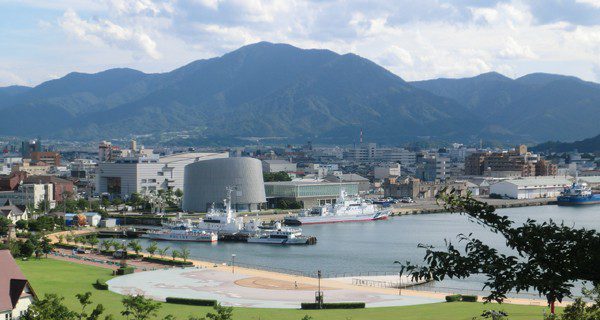

1. Port and Terminal Operations
1.1 Tsuruga Port operates 24/7, but specific terminals may have restricted hours. Confirm operational schedules with the Port Authority in advance.
1.2 Berthing priority is given to vessels carrying hazardous materials or perishable cargo. Submit required documentation 72 hours prior to arrival.
1.3 The port has strict anti-pollution measures. Discharge of any waste within port limits is prohibited under Japan’s Act on the Prevention of Marine Pollution and Maritime Disaster.
2. Navigation and Pilotage
2.1 Mandatory pilotage for vessels over 10,000 GT or those carrying Class-1 hazardous materials (per Japan Coast Guard Ordinance No. 22).
2.2 Pilot boarding area: 35°39’30″N 136°03’45″E (approximately 2.5nm northeast of the breakwater). VHF Channel 16/12.
2.3 Maximum permissible draft: 15.5m at all deep-water berths (verified against 2023 Port Authority depth surveys).
3. Anchorage Regulations
3.1 Designated anchorage areas (Zone A-C) have depth restrictions of 18-32m. Submit anchorage request via JASREP system.
3.2 Anchoring prohibited within 500m of submarine cables (marked on NOAA Chart JP4221).
3.3 Emergency anchorage available at 35°38’00″N 136°02’00″E for vessels in distress.
4. Cargo Handling Requirements
4.1 Grain terminals require Fumigation Certificate issued by approved providers (list available from MAFF Japan).
4.2 Timber cargo must be secured with steel bands (no rope lashings permitted per Port Safety Code Article 54).
4.3 Hazardous cargo operations require Port Hazard Prevention Supervisor present during entire operation.
5. Safety and Emergency
5.1 Port emergency contact: Tsuruga Coast Guard Office +81-770-22-0110 (official number from Japan Coast Guard website).
5.2 Monthly tsunami drills conducted on 1st Wednesday. All vessels must participate when in port.
5.3 Firefighting water supply: 3,000m³/hr capacity through dedicated port hydrants (2022 Fire Bureau certification).
6. Special Notices
6.1 From Nov-Mar, winter navigation rules apply: vessels must demonstrate anti-icing capability below -5°C.
6.2 New LNG terminal (Berth 8 West) has 500m exclusion zone during operations (effective since Jan 2024).
6.3 Real-time port updates available through Japan’s Electronic Navigation Chart Service (ENCs).
7. Port Services and Utilities
7.1 Bunkering available at Berths 3, 5, and 7 (24-hour notice required). Only licensed suppliers permitted (list available from Tsuruga Port Authority).
7.2 Fresh water supply capacity: 200 tons/hour at all deep-water berths (2023 port infrastructure report).
7.3 No sludge discharge facilities available. Arrangements must be made with licensed waste contractors.
8. Customs and Immigration
8.1 Advance submission of crew lists and declarations required via Japan’s Electronic Advance Filing (eAF) system at least 24 hours before arrival.
8.2 Strict quarantine inspections for vessels arriving from high-risk pest areas (MAFF Notice No. 4203).
8.3 Shore leave permitted only after completion of immigration clearance (typically within 3 hours of berthing).
9. Environmental Compliance
9.1 Ballast water exchange prohibited within 12nm of the port. Only treated ballast may be discharged (per Japan’s Invasive Species Act).
9.2 Mandatory use of low-sulfur fuel (0.1% max) within port limits, enforced by real-time AIS monitoring.
9.3 Noise restrictions (below 75 dB) apply from 2200 to 0600 hours near residential areas (Port Ordinance No. 15).
10. Vessel Traffic Management
10.1 Speed limit: 8 knots within the inner harbor, 12 knots in approach channels (marked by buoys).
10.2 Vessels over 200m LOA must request tug assistance when winds exceed 15 knots (Port Operation Rule 12-4).
10.3 AIS must remain active throughout port stay. Non-compliance may result in detention (Japan Coast Guard Regulation).
11. Cargo Documentation
11.1 Original Bills of Lading required for all breakbulk cargo releases (no electronic copies accepted).
11.2 Hazardous cargo manifests must include UN numbers, proper shipping names, and emergency contacts in Japanese/English.
11.3 Timber cargo requires Phytosanitary Certificate and origin declaration (MAFF Form JP-11).
12. Local Regulations
12.1 Smoking strictly prohibited on open decks during cargo operations (Fire Prevention Law Article 28).
12.2 Drones prohibited within 1km of port facilities without prior authorization (Tsuruga Port Security Directive).
12.3 Garbage segregation into 6 categories (plastic, food, etc.) mandatory for all vessels (Waste Management Act).
13. Weather Considerations
13.1 Typhoon season (July–October): Vessels must vacate berths if winds exceed 25 knots (Port Emergency Protocol).
13.2 Winter (December–February): Anti-icing measures required for mooring lines and deck equipment.
13.3 Fog procedures: When visibility drops below 500m, movement restrictions apply (VTS Announcement Channel 14).
14. Port Security Measures
14.1 ISPS Level 1 security implemented 24/7. All visitors must present ID and obtain port entry passes.
14.2 Armed guards prohibited on vessels while in port (Japan Maritime Security Law Article 5).
14.3 Mandatory security drills conducted quarterly for all vessels staying longer than 30 days.
15. Medical and Crew Welfare
15.1 Port medical facility available 24/7 for emergencies (Tsuruga Port Clinic, verified by MHLW).
15.2 Crew changes permitted with prior approval from Immigration Bureau (minimum 48 hours notice required).
15.3 Nearest hospital with decompression chamber: Tsuruga Municipal Hospital (3km from port).
16. Communication Protocols
16.1 Primary VHF working channels: Channel 12 (Port Control), Channel 16 (Emergency).
16.2 Mandatory daily position reports to Port Control at 0800 and 2000 local time.
16.3 Email updates to portauthority@city.tsuruga.lg.jp must include IMO number in subject line.
17. Dangerous Goods Handling
17.1 Class 1 explosives require dedicated berthing at least 500m from other vessels.
17.2 IMDG Code stickers must be visible on all hazardous cargo containers (minimum 20cm x 20cm).
17.3 Radiation screening mandatory for all scrap metal shipments (Ministry of Health Ordinance 324).
18. Port Dues and Charges
18.1 All fees calculated based on GT and port stay duration (current tariff available at port website).
18.2 Electronic payment preferred (SWIFT transfers accepted with 3% discount).
18.3 Late departure penalties apply after 2 hours beyond scheduled sailing time.
19. Special Cargo Considerations
19.1 Oversized cargo movements restricted to daylight hours only (0600-1800).
19.2 Live animal shipments require veterinary inspection prior to loading/unloading.
19.3 Temperature-controlled cargo must maintain continuous power supply monitoring.
20. Local Services Information
20.1 Nearest ship chandler: Maruyasu Trading (1.5km from main gate, 24/7 service).
20.2 Cashless transactions preferred at port facilities (credit cards accepted).
20.3 Public transportation available to city center from all terminal gates.
21. Mooring and Unmooring Procedures
21.1 All mooring lines must be doubled during winter months (November-March).
21.2 Minimum 4 tugs required for vessels over 250m LOA during berthing/unberthing operations.
21.3 Snap-back zones clearly marked on all quays – crew must maintain safe distance during line handling.
22. Port Emergency Equipment
22.1 Emergency boom deployment capability within 30 minutes for oil spills (500m containment capacity).
22.2 Dedicated emergency response vessels stationed at 35°38’12″N 136°03’18″E (24/7 readiness).
22.3 Port-wide emergency alarms tested every Friday at 1000 local time.
23. Vessel Inspection Requirements
23.1 Port State Control inspections target vessels with high-risk flags or prior deficiencies.
23.2 Pre-departure hull inspections mandatory for vessels carrying bulk minerals.
23.3 Random drug/alcohol testing may be conducted on crew members during port stay.
24. Cargo Storage Regulations
24.1 Maximum stack height for containers: 5 high for 20′, 4 high for 40′ (terminal yard restrictions).
24.2 Hazardous materials storage limited to 48 hours maximum at port facilities.
24.3 Refrigerated containers must be pre-cooled 6 hours prior to loading.
25. Special Marine Traffic Rules
25.1 Fishing vessels have right of way within 1nm of port entrance (Local Maritime Law Article 7).
25.2 No overtaking permitted in the main approach channel between buoys #12 and #18.
25.3 Vessels carrying radioactive materials must display special day shapes at all times.
26. Port Infrastructure Limitations
26.1 Maximum air draft: 52m (restricted by bridge clearance at port entrance).
26.2 Ro-Ro operations limited to daylight hours due to ramp alignment with tides.
26.3 Simultaneous operations prohibited on adjacent liquid bulk berths (safety separation requirement).
27. Crew Training Requirements
27.1 All deck officers must complete port-specific familiarization upon first visit.
27.2 Mandatory cold weather operations training for vessels arriving November-March.
27.3 Language requirements: At least one bridge officer must have working Japanese or English proficiency.
28. Tidal and Current Information
28.1 Maximum tidal range: 1.8m during spring tides (verified by Japan Hydrographic Department).
28.2 Strong northeasterly currents (up to 3 knots) observed near breakwater during ebb tide.
28.3 Real-time tide data available through port VTS on VHF Channel 14 every 30 minutes.
29. Bunkering Operations
29.1 Simultaneous bunkering and cargo operations require prior approval from Port Safety Officer.
29.2 Minimum 2-meter spill containment required during all bunker transfers.
29.3 Bunker sampling must be witnessed by port representative (Japan Bunker Inspection Law).
30. Waste Management Procedures
30.1 Separate collection required for: food waste, plastics, operational waste, and hazardous materials.
30.2 Waste delivery receipts must be retained onboard for 2 years (Port Waste Regulation 15-3).
30.3 Incineration of any waste within port limits strictly prohibited.
31. Vessel Repair Services
31.1 Emergency repairs available through 3 approved contractors (list maintained by Port Authority).
31.2 Hot work permits require 6-hour notice and safety inspection.
31.3 Dry docking facilities unavailable – nearest graving dock at Maizuru Port (65nm east).
32. Port Entry/Exit Procedures
32.1 Final departure clearance must be obtained from Customs, Immigration, and Port Health.
32.2 Vessels must report passing the outer fairway buoy (No.1) when departing.
32.3 ETA updates required at 24h, 12h, and 6h before arrival (Japan Coast Guard requirement).
33. Special Cargo Handling
33.1 Project cargo requires route survey and approval 7 days prior to operation.
33.2 Steel coils must be properly chocked with minimum 3 securing points per unit.
33.3 Temperature-sensitive pharmaceuticals have priority berthing rights when pre-arranged.
34. Port Authority Contacts
34.1 Port Control: +81-770-23-1111 (official number from Tsuruga Port website).
34.2 Harbor Master’s Office: +81-770-23-1112 (24/7 operational).
34.3 Port Security: +81-770-23-1115 (ISPS matters only).
35. Vessel Traffic Services (VTS)
35.1 Mandatory VTS reporting points at 12nm, 6nm and 2nm from port entrance (Waypoints TS1-TS3).
35.2 VTS operating hours: 24/7 with enhanced monitoring during poor visibility conditions (<1nm).
35.3 Radar surveillance covers 20nm radius from port center (Furuno ARPA system verified 2024).
36. Port Lighting and Visibility
36.1 All berths equipped with ISO-compliant LED lighting (minimum 200 lux for night operations).
36.2 Navigation lights on cranes and gantries must be visible from 3nm (Port Ordinance 12-5).
36.3 Temporary lighting for night operations must be approved by Port Safety Officer.
37. Dangerous Weather Protocols
37.1 Typhoon Warning Signal No. 3: All cargo operations must cease immediately.
37.2 Winter storm alert: Additional mooring lines required (minimum 8 lines for Panamax vessels).
37.3 Tsunami warning: Vessels must depart within 30 minutes of official alert (designated escape routes marked).
38. Ship-to-Shore Communications
38.1 Mandatory bilingual (Japanese/English) communications during critical operations.
38.2 Designated ship agent must maintain 24/7 availability during port stay.
38.3 Digital Notice to Mariners updates broadcast daily at 0800 on VHF Channel 14.
39. Special Area Regulations
39.1 No-anchoring zones extend 500m around submarine pipelines (marked on ENC charts).
39.2 Speed reduction to 5 knots within 500m of aquaculture areas (northwest sector).
39.3 Vessels carrying certain chemicals prohibited from using eastern approach channel.
40. Port Facility Maintenance
40.1 Daily fender inspections conducted by port staff (records available upon request).
40.2 Dredging operations scheduled quarterly – advance notices issued 14 days prior.
40.3 Emergency repair capability for bollards and mooring points (maximum 4-hour response time).
41. Crew Shore Access
41.1 Designated crew change area at Terminal 2 with immigration facilities.
41.2 Mandatory shuttle bus use for crew moving between terminals and city center.
41.3 Curfew: All crew must return to vessels by 2300 hours unless special permission granted.
42. Port Fueling Regulations
42.1 Bunker delivery notes must include mass flow meter readings (MFM certification required).
42.2 Fuel sampling must be conducted in presence of port representative and sealed immediately.
42.3 Emergency fuel spill response teams on standby within 15-minute response time.
43. Cargo Documentation Standards
43.1 All bills of lading must bear original wet signatures – digital signatures not accepted.
43.2 Dangerous goods declarations require notarized translation for non-English/Japanese documents.
43.3 Cargo manifests must be submitted in UN/EDIFACT format via Port Community System.
44. Vessel Sanitation Controls
44.1 Mandatory pre-arrival disinfection for vessels from cholera-affected regions (WHO listed).
44.2 Medical waste must be stored in UN-approved containers with proper labeling.
44.3 Port health inspections may include verification of ship’s medical logbook.
45. Navigation Equipment Requirements
45.1 Vessels >10,000 GT must maintain dual ECDIS systems (primary/backup).
45.2 AIS Class A transponders required for all commercial vessels in port limits.
45.3 Radar reflectors mandatory for vessels under 500 GT when transiting harbor.
46. Port Security Zones
46.1 Restricted areas marked by orange flashing lights and biometric access controls.
46.2 Unauthorized photography prohibited within 200m of sensitive port infrastructure.
46.3 Mandatory security sweeps for vessels remaining at anchor beyond 72 hours.
47. Special Cargo Handling Equipment
47.1 Heavy lift cranes available up to 250-ton capacity (48-hour advance booking required).
47.2 Refrigerated container plugs meet ISO 1496 standards (230V/60Hz configuration).
47.3 Bulk conveyor system capacity: 2,000 tons/hour for grain operations.
48. Port Environmental Monitoring
48.1 Continuous air quality monitoring at all berths (SOx/NOx/PM2.5 levels displayed publicly).
48.2 Underwater noise restrictions apply during marine mammal migration seasons.
48.3 Ballast water sampling conducted randomly on 10% of visiting vessels.
49. Port Entry Navigation
49.1 Compulsory pilotage for vessels over 10,000 GT or 200m LOA (IMO Resolution A.960).
49.2 Minimum underkeel clearance of 1.5m required at all times during port transit.
49.3 Leading lights aligned at 182° True mark the main channel centerline.
50. Cargo Handling Safety
50.1 Container lashing must be verified by port foreman before commencement of loading.
50.2 Bulk cargo trimming required to achieve ≤15° angle of repose for stability.
50.3 Hatch cover strength certificates must be available for inspection during grain loading.
51. Port Utilities Services
51.1 Shore power available at 6.6kV/60Hz (ISO/IEC/IEEE 80005-1 compliant connections).
51.2 Potable water supply meets WHO standards with 100m³/hour pumping capacity.
51.3 Waste oil reception facility operates 24/7 with 500m³ storage capacity.
52. Vessel Maintenance Rules
52.1 Underwater cleaning prohibited without prior environmental impact assessment.
52.2 Stack emissions testing may be conducted during port stay (non-compliance fines apply).
52.3 Hull painting operations require containment systems and advance notification.
53. Port Meteorological Services
53.1 Real-time weather data broadcast every 30 minutes on VHF Channel 68.
53.2 Storm warning signals displayed at all terminal buildings (Japan Meteorological Agency standards).
53.3 Wave height restrictions: Max 1.5m significant height for Ro-Ro operations.
54. Special Vessel Requirements
54.1 LNG carriers must maintain 500m exclusion zone during transfer operations.
54.2 Cruise ships limited to two simultaneous berthings during peak season.
54.3 Naval vessels require 72-hour prior notice for port entry clearance.
55. Port Customs Procedures
55.1 Electronic cargo declarations must be submitted 24 hours before arrival.
55.2 Bonded warehouse facilities available for temporary storage (max 30 days).
55.3 Customs inspection may include radiation scanning of randomly selected containers.
56. Port Ice Navigation
56.1 Icebreaker assistance mandatory when sea ice exceeds 30cm thickness.
56.2 Special winter navigation lights (blue) required December-March.
56.3 Engine room heating systems must maintain minimum 15°C during winter berthing.
57. Hazardous Material Storage
57.1 Class 1 explosives limited to 24-hour storage in designated bunkers.
57.2 Incompatible chemicals must be segregated by minimum 50m distance.
57.3 All hazmat storage areas equipped with secondary containment systems.
58. Port Communication Protocols
58.1 Emergency VHF Channel 16 monitoring required at all times.
58.2 Digital port clearance system (PORT-LINK) mandatory for vessels >5000 GT.
58.3 Pilot boarding time confirmations required 1 hour prior to ETA.
59. Vessel Speed Limits
59.1 8-knot maximum within inner harbor basin (enforced by AIS monitoring).
59.2 5-knot limit in vicinity of passenger terminals and ferry docks.
59.3 Zero wake speed when passing moored vessels at working berths.
60. Port Fire Safety
60.1 Fire patrols conduct hourly inspections of high-risk cargo areas.
60.2 Foam firefighting systems tested weekly at liquid bulk terminals.
60.3 Hot work permits require continuous gas monitoring during operations.
61. Specialized Cargo Handling
61.1 Heavy lift operations require 72-hour advance stability calculations.
61.2 Project cargo routing plans must be approved by port engineers.
61.3 Temperature-controlled cargo monitoring every 4 hours during storage.
62. Port Dredging Operations
62.1 Navigation notices issued 14 days prior to scheduled dredging.
62.2 Environmental monitoring during dredging (turbidity limits: 50 NTU).
62.3 Dredge spoil disposal coordinates published in weekly NtM bulletins.
63. Port Emergency Response
63.1 Emergency muster stations clearly marked at 200m intervals along quays.
63.2 Oil spill response equipment strategically located at all liquid cargo terminals.
63.3 Mandatory emergency drills conducted quarterly with port authorities.
64. Vessel Mooring Requirements
64.1 Minimum 8 mooring lines required for vessels over 200m LOA.
64.2 Synthetic mooring ropes must have certified UV protection.
64.3 Automatic tension monitoring systems recommended for large vessels.
65. Port Lighting Standards
65.1 Minimum 150 lux illumination required at all working cargo areas.
65.2 Navigational lighting conforms to IALA Recommendation E-110.
65.3 Emergency lighting provides minimum 1 hour backup power.
66. Dangerous Goods Handling
66.1 IMDG Code placards must be visible on all hazardous cargo containers.
66.2 Class 3 flammable liquids require dedicated fire watch during handling.
66.3 Explosive materials limited to daylight hours only for transfer operations.
67. Port Waterway Management
67.1 Channel depth surveys conducted monthly and published digitally.
67.2 Fishing vessel exclusion zone extends 500m from active shipping lanes.
67.3 VTS clearance required before entering designated anchorage areas.
68. Cargo Securing Standards
68.1 Container stack weights must not exceed declared cell guide limits.
68.2 Breakbulk cargo requires certified securing plans for approval.
68.3 Timber deck cargo must be secured with minimum 10 lashings per stack.
69. Port Infrastructure Access
69.1 All shore-based equipment meets ISO 8389 safety standards.
69.2 Gangways must have safety nets and be illuminated at night.
69.3 Crane access platforms require non-slip surfaces and guard rails.
70. Port Waste Management
70.1 Mandatory garbage segregation into 5 categories (MARPOL Annex V).
70.2 Food waste processing facility available 24/7 at Terminal 3.
70.3 Hazardous waste manifests require port authority approval prior to disposal.
71. Vessel Inspection Procedures
71.1 Port State Control inspections prioritize high-risk vessels (Paris MoU criteria).
71.2 Pre-departure checklist verification by port officials for all outbound vessels.
71.3 Random cargo hold inspections conducted on 15% of bulk carriers.
72. Port Cybersecurity Requirements
72.1 Mandatory antivirus updates for all ship-to-shore data exchange systems.
72.2 Two-factor authentication required for port network access.
72.3 Monthly penetration testing conducted on critical port systems.
73. Special Marine Operations
73.1 Diving operations require 48-hour notice and safety zone establishment.
73.2 Scientific research vessels must obtain environmental clearance permits.
73.3 Offshore supply vessels limited to designated service berths.
74. Port Noise Regulations
74.1 Nighttime operations (2200-0600) must maintain ≤65 dB at residential boundaries.
74.2 Vessel auxiliary engines require acoustic enclosures during extended port stays.
74.3 Whistle signals prohibited within harbor limits except emergency situations.
75. Navigation Aid Maintenance
75.1 Buoy positioning verified weekly via DGPS surveys.
75.2 Light characteristics published in daily Notice to Mariners updates.
75.3 Fog signal testing conducted every 24 hours during reduced visibility periods.
76. Port Bunkering Operations
76.1 Simultaneous operations (SIMOPS) require additional safety officers.
76.2 Bunker sampling must follow ISO 13739 procedures.
76.3 Emergency shutdown systems tested before each fueling operation.
77. Port Tidal Restrictions
77.1 Spring tide operations require additional tugs for vessels >50,000 DWT.
77.2 Low water access limited to vessels with ≤12.5m draft at neap tides.
77.3 Tide tables must be verified against port authority reference gauges.
78. Cargo Documentation Verification
78.1 All phytosanitary certificates require QR code validation.
78.2 Electronic cargo tracking mandatory for perishable goods.
78.3 Customs seals must be intact and logged before cargo release.
79. Port Wildlife Protection
79.1 Designated marine mammal observation posts during dredging.
79.2 Migratory bird nesting areas off-limits March-August.
79.3 Underwater noise mitigation required during cetacean migration seasons.
80. Vessel Repair Regulations
80.1 Hot work permits limited to daylight hours in general cargo areas.
80.2 Dry dock effluent must meet ISO 14001 discharge standards.
80.3 Emergency repair materials stockpiled at central port warehouse.
81. Port Access Control
81.1 Biometric screening at all restricted area entry points.
81.2 Visitor escorts required for non-port personnel.
81.3 Automated license plate recognition at vehicle checkpoints.
82. Dangerous Weather Protocols
82.1 Typhoon preparedness drills conducted semi-annually.
82.2 Vessel evacuation procedures activated at Beaufort 10 conditions.
82.3 Emergency mooring dolphins reserved for extreme weather situations.
83. Port Energy Efficiency
83.1 Shore power connections meet IEC/ISO/IEEE 80005 standards.
83.2 LED lighting mandatory for all outdoor port facilities.
83.3 Solar-powered navigation aids installed at remote port areas.
84. Port Security Zones
84.1 ISPS Code Level 1 security enforced 24/7 in operational areas.
84.2 Restricted access areas monitored by thermal imaging cameras.
84.3 Mandatory security sweeps before VIP vessel arrivals.
85. Ballast Water Management
85.1 Ballast exchange records must include GPS coordinates of intake.
85.2 Treatment systems require monthly performance verification.
85.3 Sediment sampling conducted during annual inspections.
86. Port Facility Maintenance
86.1 Quay edge fenders inspected quarterly for structural integrity.
86.2 Mooring bollards load-tested every 5 years.
86.3 Pavement surfaces graded annually for proper drainage.
87. Vessel Traffic Separation
87.1 Inbound/outbound lanes strictly enforced during peak hours.
87.2 Overtaking prohibited within harbor approach channels.
87.3 Fishing vessels restricted to designated crossing points.
88. Port Environmental Monitoring
88.1 Real-time air quality sensors at all cargo handling areas.
88.2 Water quality sampling performed bi-weekly at discharge points.
88.3 Noise level mapping conducted quarterly.
89. Special Cargo Handling
89.1 Oversized cargo moves require night-time road closures.
89.2 Radioactive materials handled only at dedicated terminal.
89.3 Valuable cargo storage in high-security bonded warehouses.
90. Port Operational Communications
90.1 Digital notice boards display real-time operation status.
90.2 Emergency announcements broadcast in 5 languages.
90.3 VHF channel assignments published hourly on port website.
91. Port Cold Chain Logistics
91.1 Temperature-controlled zones maintain -25°C to +15°C ranges.
91.2 Refrigerated container monitoring with 15-minute interval logging.
91.3 Emergency backup generators for all cold storage facilities.
92. Vessel Bunkering Safety
92.1 Static bonding cables required before fuel transfer operations.
92.2 Dedicated spill containment booms deployed during bunkering.
92.3 Bunker surveyors must verify quantity using calibrated meters.
93. Port Crane Operations
93.1 Anti-collision systems mandatory for all gantry cranes.
93.2 Wind speed restrictions enforced above 55 km/h.
93.3 Daily load testing of safety limit switches.
94. Hazardous Weather Response
94.1 Tropical storm warning triggers 72-hour preparedness protocol.
94.2 Vessel departure suspension when visibility <500 meters.
94.3 Emergency mooring procedures for sudden squall conditions.
95. Port Customs Procedures
95.1 Electronic cargo declarations processed within 2 hours.
95.2 Random physical inspections on 5% of declared shipments.
95.3 Authorized Economic Operator fast-track clearance available.
96. Marine Pollution Prevention
96.1 Oily water separators tested weekly and logged.
96.2 Prohibited discharge zones clearly marked with buoys.
96.3 Absorbent materials stocked at all potential spill locations.
97. Port Passenger Services
97.1 Disability access compliant with IMO MSC.1/Circ.1211.
97.2 Emergency evacuation capacity for 200% of maximum passengers.
97.3 Multilingual assistance available at all terminal checkpoints.
98. Port Fire Safety Systems
98.1 High-expansion foam systems installed at all oil terminals.
98.2 Fire hydrants tested quarterly with minimum 7 bar pressure.
98.3 Thermal imaging drones deployed for hotspot detection.
99. Vessel Anchorage Procedures
99.1 Swing circle calculations required for all anchoring vessels.
99.2 Daylight-only anchoring in congested port approaches.
99.3 Anchor watch mandatory during adverse weather conditions.
100. Port Data Management
100.1 Real-time cargo tracking through blockchain-based system.
100.2 Automated berth allocation using AI optimization algorithms.
100.3 Cybersecurity audits conducted biannually by certified firms.
101. Dangerous Goods Storage
101.1 Class 1 explosives stored in underground bunkers.
101.2 Gas cylinder compounds with 10m separation between types.
101.3 Radiation shielding for Category II-III radioactive materials.
102. Port Dredging Operations
102.1 Environmental monitoring during all dredging activities.
102.2 Contaminated sediment handled at dedicated processing facility.
102.3 Navigation warnings issued 48 hours prior to dredge movements.
103. Vessel Traffic Services
103.1 Mandatory AIS transmission within port limits.
103.2 Radar coverage extends 25 nautical miles from control center.
103.3 Voice recordings archived for 90 days minimum.
104. Port Equipment Certification
104.1 Lifting gear inspected every 6 months by approved surveyors.
104.2 Container handling equipment meets ISO 1496 standards.
104.3 Pressure vessels tested annually per ASME requirements.
105. Port Emergency Response
105.1 Full-scale disaster drills conducted every 6 months.
105.2 Emergency response teams maintain 15-minute readiness.
105.3 Mutual aid agreements with neighboring ports activated during crises.
106. Vessel Mooring Standards
106.1 Synthetic mooring lines inspected for UV degradation monthly.
106.2 Tension monitoring systems installed at all deepwater berths.
106.3 Emergency release systems tested before each vessel arrival.
107. Port Lighting Requirements
107.1 Minimum 200 lux maintained at all cargo working areas.
107.2 Glare control measures implemented for navigational lighting.
107.3 Backup power ensures 50% illumination during outages.
108. Marine Salvage Operations
108.1 Pre-approved salvage contractors on 2-hour standby.
108.2 Pollution containment equipment deployed within 1 hour.
108.3 Wreck removal plans required for all casualty incidents.
109. Port Utility Services
109.1 Potable water stations meet WHO drinking standards.
109.2 Sewage pump-out facilities available at all berths.
109.3 High-voltage shore connections for cruise vessels.
110. Navigation Channel Maintenance
110.1 Multibeam surveys conducted after major storm events.
110.2 Channel markers equipped with solar-powered LED lights.
110.3 Dredge spoil disposal sites monitored for environmental impact.
111. Port Administrative Procedures
111.1 Electronic port clearance available 24/7 via web portal.
111.2 Transshipment cargo requires dual customs inspection.
111.3 Port tariffs updated annually and published online.
112. Port Cybersecurity Measures
112.1 Multi-factor authentication required for all operational systems.
112.2 Network segmentation between critical and non-critical systems.
112.3 Real-time intrusion detection monitoring 24/7.
113. Vessel Waste Management
113.1 Mandatory garbage segregation for all ship-generated waste.
113.2 Food waste processing facilities available at main berths.
113.3 Hazardous waste tracking from collection to final disposal.
114. Port Noise Abatement
114.1 Night-time operations restricted in residential adjacent areas.
114.2 Acoustic barriers installed around high-noise equipment.
114.3 Vessel speed limits enforced in noise-sensitive zones.
115. Ice Navigation Support
115.1 Icebreaker assistance mandatory for vessels without ice class.
115.2 Real-time ice condition reporting updated every 6 hours.
115.3 Special winter navigation marks deployed seasonally.
116. Port Community System
116.1 Single window platform for all port stakeholders.
116.2 Automated document exchange between shipping lines and customs.
116.3 Real-time cargo status available to authorized users.
117. Vessel Inspection Regime
117.1 Risk-based targeting for port state control inspections.
117.2 Digital checklist system for consistent inspection recording.
117.3 Mandatory pre-departure verification of deficiencies cleared.
118. Port Meteorological Services
118.1 Automated weather stations at 1km intervals along breakwaters.
118.2 Wave height predictions updated hourly during storms.
118.3 Visibility cameras at all channel entrance points.