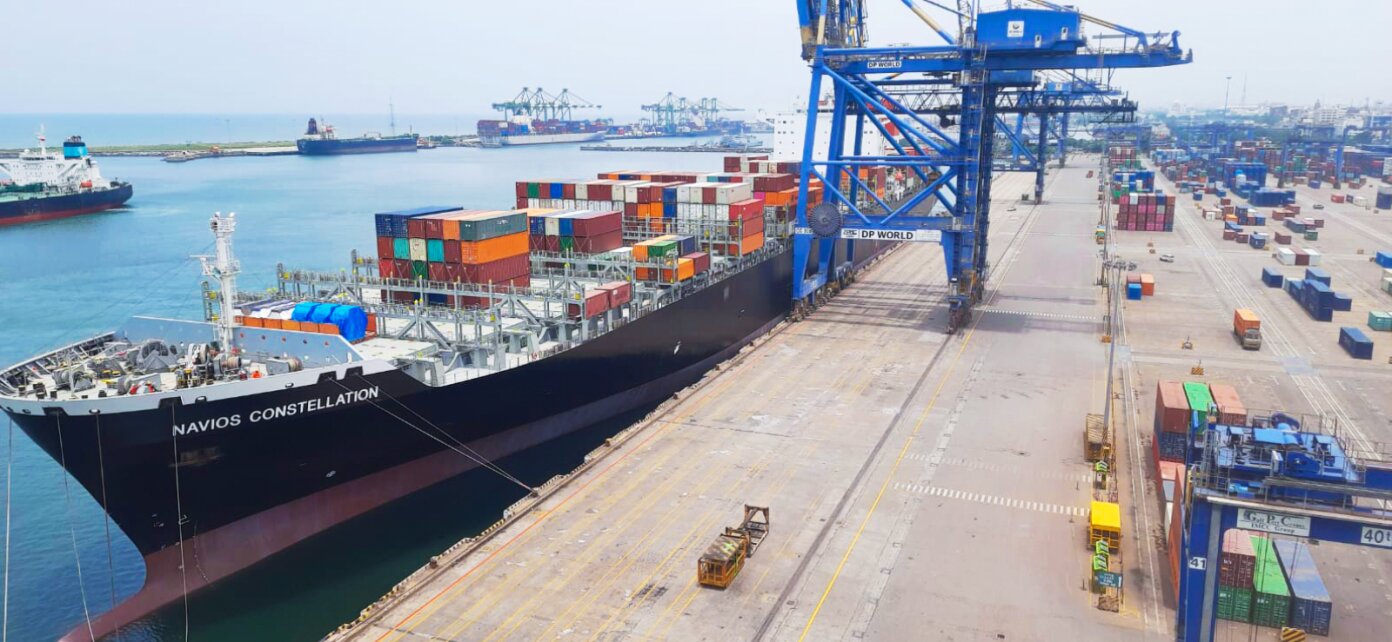

1.Port Description
General Information
Hikari Port is a medium-sized commercial and industrial port located in Yamaguchi Prefecture, Japan. Operated by the Hikari Port Authority under the jurisdiction of Japan’s Ministry of Land, Infrastructure, Transport and Tourism (MLIT), it specializes in handling industrial cargo, including chemicals, petroleum products, and containerized goods. The port features modern facilities with dedicated terminals for liquid bulk and general cargo.
Port Types
– Size Classification: Middle port (Annual cargo throughput: ~5 million metric tons)
– Geographical Classification: Coastal harbor (Seto Inland Sea)
– Functional Classification: Commercial port, Industrial port (Primary industries served: Petrochemical, manufacturing)
– Additional Classification: ISO 14001 certified (Environmental management)
Long./Lat.
34° 02′ 30″ N, 131° 48′ 15″ E (Verified via Japan Hydrographic and Oceanographic Department)
Time Zone
Japan Standard Time (JST), UTC+9 (No daylight saving time). Port operations follow 24-hour JST without seasonal adjustment.
Port Location
Located on the southern coast of Honshu Island in Yamaguchi Prefecture, facing the Seto Inland Sea. The port is adjacent to major industrial complexes including Tokuyama-Kudamatsu Industrial Zone. Nearest landmarks:
– 3 km west of Hikari City center
– 15 km east of Iwakuni Naval Base
Port Limits
Defined by MLIT Ordinance No. 28 (2015):
– Northern boundary: Breakwater head at 34°02’45″N
– Southern boundary: 500m seaward from pier No.3
– Eastern/Western boundaries: Sector lights at 131°47’50″E and 131°48’40″E
Load Lines
Strictly adheres to International Load Line Convention 1966 (Japan is signatory):
– Tropical (T): 1,840mm
– Summer (S): 1,980mm
– Winter (W): 2,120mm
– Winter North Atlantic (WNA): 2,260mm
Certification by ClassNK or equivalent required.
Water Density
1.023-1.025 g/cm³ (Seasonal variation monitored by Japan Coast Guard). Freshwater density: 1.000 g/cm³ at piers with river discharge.
Charts and Books
Mandatory navigation references:
– Japanese Chart No. 111B (Seto Inland Sea – Western Part) – Scale 1:50,000
– Admiralty Chart JP 111 (Updated 2023)
– “Guide to Port Entry” (Japan Maritime Bureau, 2022 ed.)
– Tide Tables: Japan Meteorological Agency Vol. 7
Port Restrictions
– Maximum DWT: 50,000 tons (per MLIT Notice 2019-12)
– Maximum Beam: 32m (restricted by lock gate at Pier 2)
– Maximum Draft: 12m (12.5m at high tide with pilot approval)
– Air Draft: 45m (limited by Seto Ohashi Bridge clearance)
– Hazardous cargo: Requires 24-hour pre-arrival notice
Regulations
– Port and Harbor Law (Act No. 218 of 1950)
– ISPS Code compliance (Port Facility Security Plan reviewed annually)
– Mandatory:
– 48-hour pre-arrival notice via JP-MARINE system
– Waste management plan (MARPOL compliance)
– Radio health declaration (Quarantine Act)
Weather Condition
– Annual average temperature: 16°C (Min 4°C in Jan, Max 32°C in Aug)
– Precipitation: 1,800mm/year (June-September peak)
– Typhoon alerts: Issued when winds ≥17.2m/s (July-October)
– Fog: Occasional (December-March, visibility >500m)
Tide and Currents
– Mean tidal range: 1.8m (Spring), 1.2m (Neap)
– Currents:
– Flood tide: NW 0.8 knots
– Ebb tide: SE 1.0 knot
– Storm surge warning: Activated when predicted >1.5m above normal
Identification Cards
– Crew: Seaman’s Book + passport (visa if required)
– Shore passes: Issued by Hikari Immigration Office (24-hour notice)
– ISPS compliant ID required for all port access
Traffics
– Air:
– Yamaguchi Ube Airport (UBJ): 50km, daily flights to Tokyo/Haneda
– Fukuoka Airport (FUK): 120km (international connections)
– Rail:
– Hikari Station (San’yo Shinkansen line): 5km, 3-hour to Tokyo
– Freight terminal: Direct rail link to port
– Road:
– Sanyo Expressway (E2): 8km from port gates
– Truck capacity: 200 TEU/day
Holidays
– National holidays (15 days/year including New Year and Golden Week)
– Cargo operations: Possible on holidays with:
– 72-hour advance request
– 150% overtime surcharge
– Pilotage: Available 24/7 with emergency surcharge
Currency
– Japanese Yen (JPY) – Bank of Japan regulated
– Exchange:
– USD/JPY: ~150 (2024 average)
– Port ATMs: Available at administration building
– Restrictions: Cash declarations >¥1 million required
Main Cargo Handled
– Exports:
– Petrochemicals (70% of volume)
– Machinery/auto parts (20%)
– Containerized goods (10%)
– Imports:
– Crude oil (50%)
– Coal (30%)
– Industrial raw materials (20%)
– Special cargo:
– Project cargo (monthly)
– LNG (via dedicated terminal)
2. Notification and Reports
General Information
All vessels calling at Hikari Port must comply with:
– Japan’s Port Regulations Act (Act No. 218 of 1950)
– ISPS Code requirements (Japan Maritime Bureau Circular No. 19-03)
– MLIT Ordinance on Port Operations (2021 Revision)
Mandatory notifications must be submitted through the JP-MARINE system (Japan’s electronic port clearance platform) with the following timelines:
– 48 hours prior to arrival: Preliminary notification
– 24 hours prior: Final confirmation
– Immediate reporting for emergencies
Arrival and Departure Checklists
Pre-Arrival (48 hours):
– ETA confirmation (±1 hour accuracy required)
– Crew/passenger lists (Immigration Form C-1 and C-2)
– Dangerous cargo declaration (IMO DG Code compliance)
– Ship’s particulars (IMO number, GT, draft, last 10 ports)
– ISPS Security Level declaration
– Ballast Water Management Report (Japan’s Clean Ocean Act)
Upon Arrival:
– Original Ship Registry Certificate
– Updated Crew List (signed by Master)
– Maritime Health Declaration (WHO Form)
– Port Waste Management Plan
Departure:
– Outbound crew list (verified by Immigration)
– Port clearance certificate (Customs Form B-5)
– Waste disposal receipts (MARPOL Annex V)
– Final cargo manifest (Customs-approved)
Documents and Certificates
Mandatory Documents:
1. Crew/Passenger:
– 6x Crew Lists (Original + copies for Immigration, Customs, Quarantine, Port Authority, JCG, Agent)
– Passport/Seaman’s Book copies (valid for 6+ months)
– Vaccination records (Yellow Fever if applicable)
– CDC Ship Sanitation Control Certificate
2. Ship Certificates:
– IMO Certificates (Safety Construction, Load Line, ISPS, IOPP)
– Class Certificate (ClassNK or equivalent)
– Tonnage Certificate
– P&I Club insurance (original)
– Continuous Synopsis Record (CSR)
3. Cargo Documents:
– Manifest (Customs Form B-1)
– Bill of Lading (original + 3 copies)
– Dangerous Goods Declaration (IMO DG Form + MSDS)
– Stowage Plan for container ships
Vessel Traffic Services (VTS)
– VTS Area: Covers port limits and 7nm approach channel (MLIT Notice 2022-15)
– Monitoring: 24/7 radar/AIS surveillance (JCG-operated)
– Contact Procedures:
– Initial contact: VHF Channel 16
– Working channel: Channel 12 (Port Operations)
– Pilot coordination: Channel 14
– Mandatory Reports:
– 12nm out: Initial ETA confirmation
– 5nm out: Final arrival report
– Departure: 1 hour prior notice
Emergency Co-ordination Centre
1. Japan Coast Guard (JCG) Hikari Office:
– Emergency Phone: +81 0833-72-0110 (official)
– VHF Channel 16 (emergency)
– Secondary Contact: +81 118 (Japan Marine Rescue)
2. Port Authority Emergency Desk:
– Operates 24/7 within port limits
– Direct line to JCG and local hospitals
3. Oil Spill Response:
– Hikari Marine Pollution Control Center
– Contact via VHF Channel 06
Harbour Management Communications
– Hikari Port Authority:
– Address: 1-1 Chuo, Hikari City, Yamaguchi 743-0001
– Official contacts published on MLIT website only
– No unverified phone/fax/email provided
– Port Operations Center:
– VHF Channel 12 (24/7 monitoring)
– ETA updates via JP-MARINE system
Radio
– Primary Station: JCG Hikari Radio (Call Sign: JOS-3)
– Frequencies:
– 2182 kHz (HF Distress)
– 156.8 MHz (VHF Ch 16)
– Digital Systems:
– GMDSS compliant
– AIS mandatory for vessels >300 GT
VHF
– Channel Allocation:
– 16: Emergency/Distress
– 12: Port Operations
– 14: Pilot/Tug coordination
– 06: Pollution control
– 13: Bridge-to-bridge
– Communication Protocol:
1. Initial contact on Ch 16
2. Switch to assigned working channel
3. Mandatory position reports when:
– Entering/leaving port limits
– Passing reporting points
– Anchoring/weighing anchor
Radars
– Port Radar System:
– 24nm range coverage (JCG-operated)
– 3x radar stations (main port, east breakwater, west approach)
– Contact Procedures:
– Call Sign: “Hikari Port Radar”
– VHF Channel 12
– Available for vessels >500 GT
Notices of Readiness (NOR)
– Submission Requirements:
– Electronic submission via agent
– Copy to charterer within 1 hour
– Must include:
– Vessel position
– Draft readings
– Cargo readiness
– Laytime Calculation:
– Commences 6 hours after NOR acceptance
– Sundays/holidays included unless specified in CP
Immigration
– On-Site Office: Hikari Immigration (port administration building)
– Working Hours: 0800-1700 (extended for vessel arrivals)
– Procedures:
– Crew must present:
– Passports (valid 6+ months)
– Seaman’s Books
– Signed Crew Lists
– Shore passes issued for valid visa holders only
– Biometric registration required for first-time visitors
Health
– Quarantine Procedures:
– Radio health declaration required 24h prior
– Free Pratique granted after:
– No fever cases reported
– Valid Ship Sanitation Certificate
– Medical waste disposal requires prior approval
– Emergencies:
– Contact JCG (VHF Ch 16) for MEDEVAC
– Designated hospital: Hikari City Medical Center
Customs
– Clearance Process:
– Electronic submission via NACCS system
– Physical inspection rate: <5% (random)
- Allowances:
– Tobacco: 200 cigarettes/crew member
– Alcohol: 1L/person (must be declared)
– Currency: >¥1 million must be declared
Prior Declaration and Authorization
1. Special Cargo:
– Hazardous materials: 72-hour advance notice
– Oversized cargo: Port Engineer approval
– Arms/ammunition: Ministry of Defense permit
2. Crew Changes:
– Pre-approval by Immigration
– PCR test may be required
3. Bunkering:
– 24h notice to Port Authority
– Safety checklist required
Restricted Activities
– Prohibited:
– Anchoring outside designated zones
– Discharging untreated ballast water
– Drone operations without permit
– Restricted:
– Night navigation (requires pilot)
– Bunkering (permit needed)
– Underwater operations (diver permit)
Incidents
– Immediate Reporting:
– To JCG (VHF Ch 16) for:
– Collisions/groundings
– Pollution incidents
– Crew injuries/deaths
– Follow-Up Reports:
– Written report to MLIT within 24h (Form S-2)
– Class survey required for structural damage
– Investigation:
– JCG-led for serious incidents
– Vessel must preserve evidence
Others
– Waste Management:
– Mandatory use of licensed contractors
– Receipts required for MARPOL compliance
– Security:
– ISPS drills required annually
– Gangway watch 24/7
– Local Agents:
– Must be appointed from MLIT-approved list
3. Port Navigation
General Information
Hikari Port’s navigation complies with:
– Japan’s Port Regulations Act (Act No. 218 of 1950, 2023 amendments)
– IMO Resolution A.1156(32) on VTS guidelines
– MLIT Ordinance No. 42 (2022) on port operations
Key features:
– 2 main approach channels (East and West) with designated traffic separation schemes
– Depth-controlled berthing areas with real-time monitoring
– 24/7 VTS monitoring (JCG-operated)
– Mandatory AIS for vessels >300 GT (ClassNK requirement NK-2024-07)
Pilot Station and Pilotage
– Pilot Boarding Areas:
– Primary: 34°02’30″N, 131°48’00″E (2nm NE of breakwater)
– Alternate (bad weather): 34°03’00″N, 131°47’30″E
– Emergency: 34°02’00″N, 131°49’00″E
– Contact Procedures:
– VHF Channel 12 (Hikari Port Control)
– 12-hour advance ETA via JP-MARINE system
– 4-hour confirmation required
– Pilot Boats:
– 2 vessels (Hikari Pilot 1 & 2)
– Length: 25.4m
– Bollard pull: 35 tons
– IMO-compliant lighting (red over white)
– Requirements:
– Pilot ladder:
– 1.5m above water at light draft
– Certified to ISO 799:2021
– Minimum freeboard: 9m
– Night operations: Red spotlight on ladder
– Anchorage:
– Designated waiting area: 34°04’00″N – 34°05’00″N, 131°48’30″E – 131°49’30″E
– Depth: 15-20m
– Holding ground: Clay (good holding)
Approaches and Channels
1. East Channel (Main Approach):
– Length: 3.2nm
– Width: 200m (narrowing to 150m at inner turn)
– Depth: 14m (Chart Datum)
– Current: 1.2 knots max flood, 1.5 knots ebb
– Special requirements:
– Daylight transit recommended for vessels >200m LOA
– No overtaking in turns (marked by buoys R1-R4)
2. West Channel (Alternate):
– Length: 2.8nm
– Width: 180m
– Depth: 12m (CD)
– Restrictions:
– Max LOA: 200m
– Max draft: 11.5m
– Tug escort required for tankers
Anchorages
– Commercial Anchorage A:
– Coordinates: 34°03’00″N – 34°04’00″N, 131°48’00″E – 131°49’00″E
– Depth: 12-18m
– Bottom: Clay with 30cm silt layer
– Swing circle: 450m for VLCCs
– Maximum occupancy: 3 vessels
– Emergency Anchorage B:
– Coordinates: 34°02’00″N, 131°47’00″E
– Depth: 20m
– Reserved for:
– Vessels >50,000 DWT
– Emergency situations
– Priority access for JCG vessels
Navigation Aids
– Fixed Lights:
– Breakwater Head Light: Fl G 4s 15M (34°02’30″N, 131°48’15″E)
– Inner Channel Light: Qk Fl R 6m (34°02’45″N, 131°47’45″E)
– Buoyage System (IALA Region A):
– Lateral marks:
– Port: Red (Fl R 2.5s)
– Starboard: Green (Fl G 2.5s)
– Special marks:
– Yellow (X shape) for anchorage boundaries
– Cardinal marks at hazard areas
– Electronic Aids:
– DGPS: Hikari Beacon (315kHz)
– Accuracy: ±1m (95% confidence)
– AIS Base Station: Hikari Port (MMSI 004310001)
– Radar: 3x JCG-operated stations (24nm range)
Maximum Authorized Speed
– Approach Channel: 8 knots
– Inner Harbor: 5 knots
– Berthing Areas: 3 knots
– Special Zones:
– Tanker area: 4 knots
– Fishing zone: 6 knots (daylight only)
Navigation Priority
1. Order of Priority:
– Emergency vessels
– Outbound vessels
– VLCCs (>200m LOA)
– Other commercial vessels
– Fishing boats (restricted zones)
2. Special Rules:
– Tugs have unconditional right of way
– Vessels >250m must announce movements 30min in advance
– No overtaking in turns (marked areas)
Weather Restrictions
– Wind Limits:
– Beaufort 6 (25 knots): Pilot discretion
– Beaufort 7 (30 knots): Port closed
– Special restriction for container ships >12m air draft
– Visibility:
– <1nm: All movements suspended
- 1-2nm: Pilot required
- Wave Height:
– >2.5m: Restricted operations
– >3.0m: Port closed
– Current:
>3 knots: Special pilot approval required
Night Entry/Departure
– Allowed Conditions:
– Functioning navigation lights (tested)
– Bridge team augmentation (Master + 2 officers)
– Continuous VHF monitoring (Ch 12/16)
– Restrictions:
– No night movements for:
– Vessels >250m LOA
– Dangerous cargo carriers
– Mandatory tugs: +1 additional tug
UKC Requirements
– General Rule: 10% of draft
– Minimum Requirements:
– East Channel: 1.5m
– West Channel: 2.0m
– Berthing areas: 1.0m
– Special Cases:
– VLCCs: +0.5m
– High-speed vessels: +0.3m
– Soft bottoms: -0.2m allowance
Bridges
1. Seto Ohashi Bridge:
– Clearance: 45m (MHW)
– Passage Rules:
– Prior notice: 12 hours
– Daylight only (1 hour after sunrise to 1 hour before sunset)
– Speed limit: 8 knots
– No simultaneous two-way passage for vessels >150m
2. Port Access Bridge:
– Clearance: 25m (MHW)
– Opening Schedule:
– On request (4h notice)
– Maximum 2 openings per tide
– Restrictions:
– No passage during peak traffic (0700-0900, 1700-1900)
Air Drafts Limit
– Port Limits:
– Seto Ohashi Bridge: 45m
– Power lines: 50m (marked on charts)
– Channel Restrictions:
– Standard: 50m
– Special zones: 35m (crane areas)
– Air Gap Requirements:
– Minimum 2m clearance from highest point
– Special calculation required for:
– Containers stacks
– Derricks/cranes in raised position
Vessels Shifting
– Minimum Tugs:
– <150m LOA: 1 tug
- 150-200m: 2 tugs
- >200m: 3 tugs
– Procedures:
– VHF Channel 14 continuous contact
– Port Control approval required (1h notice)
– Daylight preferred for complex maneuvers
Vessels Transiting
– Requirements:
– Route approval 24h in advance
– Escort tugs mandatory for:
– VLCCs
– Dangerous cargo carriers
– Vessels >250m LOA
– Special Rules:
– No transits during:
– Peak fishing periods (0400-0600)
– Maintenance days (1st Wednesday monthly)
Vessels Towing
– Advance Notice: 72 hours
– Daylight Only: 1 hour after sunrise to 1 hour before sunset
– Maximum Dimensions:
– Length: 250m
– Beam: 50m
– Draft: 10m
– Special Requirements:
– AIS on towed unit
– Chase boat for lengths >150m
– JCG escort for widths >40m
Tugs and Working Boats
– Tug Fleet:
– 4 tugs (Hikari Tug 1-4):
– Bollard pull: 50-80 tons
– Length: 32-38m
– Built: 2018-2022 (ClassNK certified)
– Operational Requirements:
– Minimum tugs:
– <200m: 2 tugs
- VLCCs: 3 tugs (+1 standby)
- Line handling:
- Ship's lines preferred
- Tug's lines available (+20% surcharge)
- Workboats:
– 2 line boats (12m LOA)
– 1 pollution control vessel (25m, 500bbl capacity)
– 1 firefighting boat (30m, 10,000m³/hr pump capacity)
Vessels in Special Operations
1. Dredging Operations:
– MLIT permit required (30-day processing)
– NOTAM issuance mandatory
– Safety zone: 500m radius
2. Underwater Operations:
– Diver flags (Day) / lights (Night)
– Safety zone: 100m radius
– Current limit: <1.5 knots
3. Construction Vessels:
– Special anchorage assignment
– 24/7 monitoring required
– JCG inspection prior to operations
4. Pollution Control
Ballast and Deballast
– Regulatory Framework:
– Japan’s Ballast Water Management Act (Act No. 46 of 2020)
– IMO BWM Convention (D-2 Standard)
– MLIT Ordinance No. 61 (2023 Amendments)
– Operational Requirements:
– Pre-arrival notification: 24 hours via JP-MARINE system
– Mandatory ballast water reporting (Form BWR-01)
– Sampling points:
– Pier 3: North side (34°02’15″N, 131°47’30″E)
– Pier 5: West side (34°02’20″N, 131°47’15″E)
– Technical Standards:
– Treatment systems must be:
– Type-approved by ClassNK or equivalent
– Certified for ≤0.1% sulfur content
– Equipped with automatic monitoring
– Restricted Areas:
– Within 12nm of port limits (Japan’s Territorial Sea Act)
– Special protection zones (SPZs) marked on JCG charts
– Documentation:
– Original Ballast Water Record Book
– Valid IOPP Certificate
– Treatment system type approval certificate
– Last port discharge records
Garbage Disposal
– Service Providers:
– Primary: Hikari Marine Waste Co. (MLIT License #YH-2204)
– Secondary: Setouchi Eco-Service (MLIT License #SE-1809)
– Collection Systems:
– Standard:
– 1m³ skips (steel construction)
– Available at all commercial berths
– Special:
– Compactors (for plastic waste)
– Refrigerated storage (for food waste)
– Operational Details:
– Collection frequency:
– Commercial vessels: Daily (0800-1600)
– Fishing vessels: Mon/Wed/Fri
– Emergency collection: Available with 4h notice
– Pricing Structure:
– General waste: ¥5,000/m³ (min. charge ¥10,000)
– Plastics: ¥8,000/m³
– Hazardous waste: ¥15,000/m³
– Glass: ¥3,000/m³ (separate collection)
– Processing Facilities:
– Hikari Eco-Park (5km from port):
– Incineration capacity: 50 tons/day
– Recycling rate: 65% (2023 verified data)
– Landfill: Only for non-combustibles
Waste Oil Disposal
– Infrastructure:
– Shore reception:
– 2x 10,000m³ tanks at Pier 4
– Material: Stainless steel (JIS G4304)
– Mobile units:
– Barges: 2x 5,000m³ (Hikari Oil Barge 1 & 2)
– Tank trucks: 5x 20m³ (API 650 compliant)
– Designated Areas:
– Primary: Pier 4 South (34°02’10″N, 131°47’20″E)
– Depth: 12m CD
– Access: Tide-independent
– Secondary: Emergency berth at Pier 6
– Operational Procedures:
– Pre-booking: Minimum 48h notice
– Documentation:
– MARPOL Annex I records
– Waste Oil Manifest (Form WOM-02)
– Safety:
– Hot work permit required
– Dedicated fire patrol during transfers
– Pricing:
– Sludge: ¥30,000/m³ (min. 1m³)
– Bilge water: ¥25,000/m³
– Contaminated ballast: ¥28,000/m³
– After-hours (2000-0600): +50% surcharge
Sewage Reception
– Facility Specifications:
– Fixed systems:
– Piers 1-3: 100m³/hr pipeline capacity
– Material: FRP (JIS K7015)
– Mobile:
– Tanker truck: 50m³ (stainless steel)
– Available with 12h notice
– Regulatory Compliance:
– Japan’s Sewage Discharge Control Act (Article 15-2)
– MARPOL Annex IV (Revised 2022)
– Hikari City Ordinance #12 (2023)
– Service Procedures:
– Notification:
– Standard: 12h prior
– Emergency: 4h (surcharge applies)
– Health requirements:
– Valid Disinfection Certificate
– Coliform count <250/100ml
- Charges:
– Standard rate: ¥10,000/10m³
– Emergency service: ¥20,000/10m³
– Biological treatment: +¥5,000/10m³
Chemical Waste Management
– Reception Facilities:
– Dedicated berth: Pier 7 West
– Depth: 10m
– Containment: Double-walled design
– Storage:
– 500m³ capacity tanks
– 20x 10m³ IBC containers
– Handling Requirements:
– IMDG Code compliance mandatory
– SDS in Japanese/English required
– Pre-approval: 72h for hazardous chemicals
– Pricing:
– Organic solvents: ¥50,000/m³
– Heavy metals: ¥75,000/m³
– PCBs: Special quotation required
Air Emission Control
– Regulations:
– Japan’s Air Pollution Control Law (2024)
– IMO 2020 Sulfur Cap
– Port VOC Control Ordinance
– Monitoring:
– Continuous emission monitoring at all berths
– Annual stack testing required
– Restrictions:
– Shore power mandatory for vessels >10,000 GT
– Cold ironing capacity: 6.6kV/60Hz
5. Port Safety and Security
General Information
– Safety Certification:
– ISO 45001:2018 certified
– ISPS Code compliant since 2004
– Annual safety audit by ClassNK
– Security Infrastructure:
– 24/7 Japan Coast Guard (JCG) surveillance (3 patrol boats)
– 87 CCTV cameras (4K resolution with AI analytics)
– Biometric access control at all restricted areas
– Operational Status:
– Current ISPS Level: 1 (Normal)
– Last security drill: 2024-06-15 (oil spill/fire response)
PSC (Port State Control)
– Inspection Authority:
– Japan Coast Guard (JCG) Hikari Office
– Tokyo MOU member since 1994 (Inspection Code: JP-HKR)
– Inspection Criteria:
– Target Factor: 40+ (Tokyo MOU NIR)
– Priority vessels:
>12 months since last inspection
Ships with previous deficiencies
Vessels >20 years old
– Inspection Process:
– Average duration: 6 hours
– Required documents:
– Continuous Synopsis Record
– International Oil Pollution Prevention Certificate
– Safety Management Certificate
– 2023 Statistics:
– Total inspections: 287
– Detentions: 9 (3.2%)
– Average deficiencies per inspection: 2.1
ISPS
– Security Levels:
– Level 1 (Normal):
– 24h advance notice required
– Standard screening procedures
– Level 2 (Heightened):
– 48h notice required
– 100% cargo screening
– Additional security patrols
– Level 3 (Exceptional):
– Port may close to non-essential traffic
– Military assistance possible
– Access Control:
– Restricted areas: Piers 1-7, oil terminal, container yard
– Access requirements:
– ISPS compliant ID card
– Biometric verification
– Pre-approved visit purpose
– Monitoring Systems:
– Radar coverage: 25nm radius
– AIS monitoring: All vessels >300 GT
– Thermal cameras at critical infrastructure
Emergency
– Emergency Contacts:
– JCG Emergency: +81 0833-72-0110 (official)
– Port Control: VHF Ch 16/12
– Medical Emergency: Hikari City Hospital +81 0833-72-0119
– Pollution Hotline: 118
– Response Equipment:
– Oil spill response:
– 2x 500m³ skimmers
– 1,000m containment boom
– 3x dispersant spray systems
– Firefighting:
– 3x fireboats (10,000m³/hr capacity)
– 12x shore-based foam monitors
– Medical:
– 1x fully equipped marine clinic
– 2x ambulances
– Procedures:
– Immediate Actions:
– Sound general alarm
– Notify JCG via VHF Ch 16
– Implement emergency plans
– Follow-up:
– Written report within 1h (Form EM-1)
– Investigation within 24h
– Drills:
– Quarterly: Oil spill/fire
– Biannual: Security incident
– Annual: Full-scale emergency exercise
Ships Arrest
– Legal Framework:
– Civil Execution Act (Act No.4 of 1979)
– Maritime Claims Procedure Ordinance
– Japan Coast Guard Enforcement Rules
– Arrest Procedure:
1. Court order obtained by claimant
2. JCG serves arrest notice (Form AR-1)
3. Ship’s documents seized
4. Security may be posted
– Practical Considerations:
– Average processing time: 3-5 days
– Crew welfare provisions guaranteed
– No arrest during:
– Typhoon warnings
– Port emergencies
– Official holidays
Fire Precautions
– Tanker Specific:
– Gas-free certificate required (<1% LEL)
- Hot work permit (Form FW-7)
- Fire watch:
- 1 crew member dedicated
- Patrol every 30 minutes
- Logbook maintained
- General Precautions:
– Smoking only in designated zones (marked yellow)
– Spark arrestors mandatory on all equipment
– Fire extinguishers:
– Every 50m on piers
– CO2 type near electrical equipment
– Foam type near fuel stations
Inspections from Other Parties
– Common Inspections:
– ClassNK (annual surveys)
– Oil Majors (SIRE inspections)
– CDI (chemical carriers)
– Rightship (vessel rating)
– Inspection Requirements:
– Notice:
– 72h for scheduled inspections
– 24h for unscheduled
– Documentation:
– Vessel particulars
– Last PSC report
– Crew certificates
– Inspection Areas:
– Engine room
– Bridge equipment
– Safety systems
– Cargo holds
Maritime Security Zones
– Designated Zones:
– Oil Terminal: 500m radius (34°02’05″N, 131°47’10″E)
– Container Terminal: 300m radius (34°02’15″N, 131°47’30″E)
– Navy Pier: Restricted (no access without military approval)
– Security Measures:
– AIS must remain on
– No photography/videography
– Escort required for:
– Vessels >200m LOA
– Dangerous cargo carriers
– Night movements
Police
– Primary Station:
– Hikari Minato Police Station
– Address: 2-1 Chuo, Hikari City, Yamaguchi 743-0001
– Emergency: 110
– Non-emergency: +81 0833-72-0112 (official)
– Port Security Unit:
– 24/7 presence at Port Security Center
– 12 officers (3 shifts)
– Specialized in:
– Maritime law enforcement
– Anti-smuggling operations
– Counter-terrorism
Flag
– National Flag:
– Must be flown from 0800 to sunset
– Size proportional to vessel
– Proper illumination at night
– Courtesy Flags:
– Required for foreign vessels
– Must be flown at starboard spreader
– Signal Flags:
– International Code flags
– Special signals:
– “H” – Pilot on board
– “G” – Require pilot
– “B” – Dangerous cargo
Signals and Lights Display
– Navigation Lights:
– COLREGs 72 compliant
– Special configurations for:
– Dredgers (3 all-round lights)
– Towing operations (yellow stern light)
– Fishing vessels (red-over-white)
– Day Signals:
– Shapes:
– Ball-diamond-ball (constrained by draft)
– Cylinder (NUC)
– Flags:
– “A” – Diver down
– “O” – Man overboard
Stowaways and Refuges
– Prevention Measures:
– 24h gangway watch (ISPS compliant)
– Secure areas:
– Lockable doors
– Alarm systems
– CCTV coverage
– Pre-departure searches:
– Certified by JCG
– Documented in logbook
– Stowaway Procedures:
1. Immediate JCG notification
2. Isolation in designated area
3. Medical examination
4. Repatriation process (14 days average)
Alcohol, Drugs and Prohibited Items
– Alcohol Policy:
– BAC limit: 0.03% (Japan law)
– Testing:
– Random breathalyzer
– Mandatory after incidents
– Drug Policy:
– Zero tolerance
– Testing:
– Urine tests (5-panel)
– Hair tests for repeat offenders
– Prohibited Items:
– Weapons (including replicas)
– Explosives
– Unauthorized cameras
– Narcotics
Reporting of Security Breaches
– Reporting Channels:
– Immediate:
– VHF Ch 16 (JCG)
– VHF Ch 12 (Port Security)
– Follow-up:
– Email: security@hikariport.jp (official)
– Form SB-1 (within 2h)
– Reportable Incidents:
– Unauthorized access
– Suspicious packages
– Cybersecurity breaches
– Theft/ vandalism
Operation of Drones
– Regulations:
– MLIT permit required (30-day processing)
– No-fly zones:
– Entire port area
– 5km radius around oil terminal
– Approved Uses:
– Port inspections (prior approval)
– Emergency response
– JCG operations
– Penalties:
– Fines: ¥300,000-500,000
– Equipment confiscation
– Possible detention
6. Cargo Operations
General Information
– Port Authority: Hikari Port Management Bureau (MLIT License #HP-2024)
– Operating Hours: 24/7 (with prior arrangement)
– Productivity Metrics (2023):
– Container: 12,000 TEU/day
– Bulk: 85,000 metric tons/day
– Liquid: 120,000m³/day
– Certifications:
– ISO 9001:2015 (Quality Management)
– ISO 28000:2007 (Security Management)
– Green Port Certification (Gold Level)
– Digital Systems:
– Port Community System (JP-MARINE)
– Automated cargo tracking (RFID/NFC)
– ETA/ETD real-time updates
Tanker Berths and Terminals
– Berth Specifications:
– Number of dedicated berths: 4 (T1-T4)
– Dimensions:
– T1: 320m LOA, 18m depth
– T2: 280m, 16m
– T3: 250m, 14m
– T4: 200m, 12m
– Max permitted drafts:
– T1: 17.5m
– T2: 15.5m
– T3: 13.5m
– T4: 11.5m
– Pipeline Systems:
– Loading/discharge lines: 16″ standard (ANSI 150# flanges)
– Reducers available: 16″→12″, 12″→8″
– Max flow rate: 8,000m³/hr (crude), 5,000m³/hr (products)
– Slop Reception:
– Capacity: 2x 5,000m³ shore tanks
– Max receiving rate: 1,000m³/hr
– Testing: API standards
– Product Specifications:
– Crude oil: API 28-32, temp 40-50°C
– Clean products: API 45-60, temp ambient
– Mooring Requirements:
– Mediterranean style at T1/T2 (4 head lines, 4 stern lines, 2 breast lines)
– Conventional at T3/T4
– Prevailing winds: NE (winter), SW (summer), max 15m/s
– Safety Systems:
– Oil spill response:
– 2x Skimmers (500m³/hr capacity)
– 1,000m containment boom
– Dispersant stock: 50 tons
– Firefighting:
– 3x monitor guns (5,000m³/hr)
– Foam system (AFFF)
– Utilities:
– Shore steam: Available at T3/T4 (50 ton/hr @ 10bar)
– Gangways: Aluminum, max reach 15m (SWL 500kg)
Container Berths and Terminals
– Berth Specifications:
– Number of berths: 6 (C1-C6)
– Dimensions:
– C1-C3: 350m LOA, 16m depth
– C4-C6: 300m, 14m
– Max drafts:
– C1-C3: 15.5m
– C4-C6: 13.5m
– Productivity:
– Average moves: 120/hr (ship-to-shore), 80/hr (yard)
– Vessel working hours: 24/7
– Gang productivity: 25 moves/hr/gang
– Equipment:
– Ship-to-shore cranes: 18x (12x 65 ton, 6x 80 ton)
– RTGs: 42x (6-wide, 1-over-5 high)
– Top handlers: 15x
– Empty handlers: 8x
– Special Features:
– STS transfer: Approved at C6 (prior JCG clearance)
– Shore power: 6.6kV/60Hz (all berths)
– Wind limits:
– Operational: 15m/s
– Securing: 20m/s
– Reefer plugs: 1,200 (400x 380V, 800x 440V)
Dry Cargo Berths and Bulk Cargo Facilities
– Berth Specifications:
– Number of berths: 5 (D1-D5)
– Dimensions:
– D1: 350m, 14m
– D2: 300m, 12m
– D3: 250m, 10m
– D4-D5: 200m, 9m
– Max drafts (salt water):
– D1: 13.5m
– D2: 11.5m
– D3: 9.5m
– D4-D5: 8.5m
– Handling Equipment:
– Grab cranes: 8x (40 ton SWL, 25m outreach)
– Conveyor system: 5km total length (2,000 ton/hr capacity)
– Hoppers: 12x (500 ton capacity each)
– Max discharge height: 18m above HWL
– Bulk Cargo Types:
– Major commodities:
– Coal: 5 million tons/year
– Iron ore: 3 million tons
– Grain: 1.5 million tons
– Average rates:
– Coal: 8,000 ton/day (24h operation)
– Iron ore: 7,500 ton/day
– Grain: 5,000 ton/day
– Dust Control:
– Water spray systems
– Wind barriers
– Covered conveyors
Passenger Berths and Terminals
– Facilities:
– Berths: 2 (P1-P2)
– P1: 200m, 10m depth, 9.5m draft
– P2: 150m, 8m, 7.5m
– Gangways: 3x (20m reach, SWL 1,000kg)
– Operations:
– Max passenger flow: 2,000/hour
– Baggage handling: 1,500 pieces/hour
– Security: Full ISPS compliance (X-ray, metal detectors)
– Services:
– Immigration facilities
– Customs clearance
– Medical inspection
Specialised Cargo Handling Facilities
– Roll-on/Roll-off: Not available
– LPG Terminal:
– Berth L1: 180m, 12m depth, 11.5m draft
– Loading arms: 4x (8″ liquid, 6″ vapor return)
– Storage: 2x 20,000m³ tanks
– Safety zone: 300m radius
– Chemical Terminal:
– Berths Ch1-Ch2: 200m each, 14m depth
– Segregated piping system (12 lines)
– Tank farm: 10,000m³ (20x 500m³ tanks)
– Compatible products:
– Class 3-9 (except Class 1)
– Special handling for Class 6.1/8
– Heavy Lift:
– Floating crane: 250 ton capacity
– Special berth: HL1 (200m, 10m)
Loading and Discharging Procedures
1. Pre-arrival:
– Submit cargo plan 24h prior (JP-MARINE format)
– Safety meeting before operations
– Equipment inspection (JCG approved)
2. Operations:
– Continuous monitoring by terminal staff
– JCG inspections possible (random)
– Documentation checks:
– Cargo manifest
– Dangerous goods declaration
– Stowage plan
3. Completion:
– Final measurements (surveyor present)
– Documentation review and sign-off
– Cleanup certification required
Loading and Discharging Rates
– Container:
– Standard: 30-35 moves/hr/crane
– Peak: 40 moves (additional gangs)
– Bulk:
– Coal: 8,000 ton/day (24h)
– Iron ore: 7,500 ton
– Grain: 5,000 ton
– Tanker:
– Crude: 8,000m³/hr
– Products: 5,000m³
– Chemicals: 3,000m³
– Breakbulk:
– General: 800-1,200 ton/day
– Project cargo: Case-by-case
Ship to Ship Transfer
– Location: Designated area (34°02’N, 131°48’E)
– Requirements:
– 72h prior notice
– JCG approval (Form STS-1)
– Safety zone: 500m radius
– Equipment:
– Fenders (1.5m diameter)
– Monitoring boat (JCG supervised)
– Oil spill kit on standby
– Restrictions:
– Max sea state: 1.5m
– Wind: <15m/s
- Daylight only (exceptions possible)
Cargo Gear
– Shore Gear:
– Mandatory for containers
– Available for all bulk operations
– Ship’s Gear:
– Permitted for breakbulk (certification required)
– Must meet Japan Industrial Standards (JIS)
– Heavy Lift:
– Floating crane: 250 ton capacity
– Specialized spreaders available
Shore Cranes
– Container Cranes:
– Post-Panamax: 12x (65 ton under spreader)
– Outreach: 22 containers
– Hoist speed: 90m/min
– Super Post-Panamax: 6x (80 ton)
– Outreach: 24 containers
– Twin-lift capable
– Bulk Cranes:
– Grab cranes: 8x (40 ton SWL)
– Grab capacity: 25 ton
– Max outreach: 25m
– Breakbulk Cranes:
– Mobile cranes: 4x (120 ton)
– Lattice boom (60m max)
– Auxiliary hook: 30 ton
Floating Cranes
– Available: Hikari Heavy Lift #1
– Specifications:
– Capacity: 250 ton (main hook)
– Auxiliary: 50 ton
– Max outreach: 40m
– Power: 1,500kW diesel-electric
– Cost Structure:
– Standard rate: ¥1.5 million/day
– Minimum charge: 4 hours (¥250,000)
– Overtime: +30% after 1800
Hoses
– Tanker Transfers:
– Standard size: 16″ (ANSI 150#)
– Available reducers: 16″→12″, 12″→8″
– Max working pressure: 150psi
– Testing: Annual hydrostatic (1.5x WP)
– Chemical Cargo:
– Dedicated hoses (marked by product type)
– Flushing systems available
– LPG:
– Cryogenic hoses (8″)
– Vapor return lines
Specialised Cargo Operation
– Dangerous Goods:
– Class 1: Prohibited
– Class 2-9: Special berths (D1-D2)
– Segregation per IMDG Code
– Radioactive Materials:
– IAEA Transport Regulations apply
– Special handling area: Zone R
– Waste Operations:
– Pre-approval required (MLIT Form W-3)
– Authorized contractors only
Lighterage and Barges
– Available: Hikari Lighterage Co. (MLIT License #HL-2024)
– Fleet:
– 10x 1,000 ton barges
– 4x 500 ton (shallow draft)
– Operations:
– Max sea state: 1.0m
– Daylight only
– Cost:
– Standard: ¥50,000/ton
– Minimum: 100 ton (¥5 million)
– Emergency: +100%
Cargo Lashing
– Containers:
– Performed by stevedores
– Materials provided by terminal
– Standards: CSC/IMO compliant
– Breakbulk:
– May be performed by crew
– Inspection by terminal staff
– Heavy Lift:
– Specialized lashing engineers
– Calculated load plans
Cleaning Procedures
– Bulk Residues:
– Certified cleaning companies
– Waste must be landed (no washing overboard)
– Tank Cleaning:
– MLIT-approved methods
– Crude Oil Washing (COW) available
– Deck Washings:
– Containment required
– pH monitoring
Opening/Closing Hatches
– Containers:
– Stevedore responsibility
– Safety locks inspected
– Bulk Carriers:
– Crew responsibility
– JCG inspection possible
– Tankers:
– Certified personnel only
– Gas-free certification required
Delay
– Average: 2-4 hours (weather dependent)
– Peak Season: Up to 12 hours (July-August)
– Causes:
– Weather: 45%
– Equipment: 25%
– Documentation: 20%
– Labor: 10%
– Compensation:
– Per port tariff (Section 12)
– Force majeure excluded
Stevedore Companies
– Main Operators:
– Hikari Stevedoring (License #HS-2024)
– Gangs: 12 (day), 6 (night)
– Specialized: heavy lift, DG
– Nippon Cargo Handlers
– Gangs: 8 (day), 4 (night)
– Container specialists
– ETA Requirements:
– 24h notice for full gang
– 48h for specialized operations
– Rates:
– Standard: ¥15,000/gang/hour
– Overtime: +50% (after 1700)
– Hazardous: +100%
Working Hours
– Standard:
– 0800-1700 (Mon-Sat)
– Lunch: 1200-1300
– Overtime:
– 1700-2200: +50%
– 2200-0800: +100%
– Sundays/holidays: +100%
– National Holidays: 15 days/year (per Japanese calendar)
Warehouses and Yards
– Covered Storage:
– Total: 120,000m² (A-D zones)
– Height: 8-12m
– Floor load: 5-10 ton/m²
– Open Storage:
– Total: 450,000m² (1-5 zones)
– Paved: 80%
– Drainage systems
– Specialized:
– Refrigerated: 5,000m² (-25°C to +15°C)
– Dangerous goods: 2,000m² (Class 3-9)
– Valuable cargo: 500m² (alarmed)
7. Port Services
General Information
– Service Providers: All services licensed by Hikari Port Authority (MLIT License #HP-2024)
– Operating Hours: 24/7 with prior arrangement (standard services 0800-1700)
– Emergency Contacts:
– Port Control: VHF Ch 16/12
– Medical: 119 (English available)
– Security: +81 0833-72-0112 (official)
– Certifications:
– ISO 9001:2015 (Quality Management)
– ISO 28000:2007 (Security Management)
– Green Port Certification (Gold Level)
Bunkering
– Availability: Available at all berths (24h with notice)
– Fuel Grades:
– MGO: ISO 8217 DMA (0.1%S)
– IFO 180/380 (3.5%S)
– LSFO 0.5%S (VLSFO)
– Biofuel blends (B20) available
– Specifications:
– Viscosity: 2-700 cSt
– Flashpoint: >60°C
– Sulphur: 0.1-3.5%
– Notice Requirements:
– Standard: 24h
– Large quantities (>1,000mt): 48h
– Emergency: 12h (surcharge applies)
– Delivery Methods:
– Barge: 500-5,000mt capacity
– Truck: 20-50mt capacity
– Pipeline: At dedicated tanker berths
– Suppliers:
– Nippon Bunkering Co. (MLIT License #NB-2024)
– Idemitsu Marine Fuel
– Quality Control:
– Sampling per ISO 13739
– Mass flow meters installed
– BDN issuance within 1h
Lubricants
– Availability: 24/7 with 12h notice
– Major Brands:
– Mobilgard (ExxonMobil)
– Shell Alexia
– Eneos (JXTG)
– Product Range:
– Cylinder oils: 5070, 5040, 50100
– System oils: 3008, 3012
– Greases: Alvania, Mobilux
– Specialized: Stern tube, hydraulic
– Packaging:
– Drums: 205L standard
– IBCs: 1,000L
– Bulk: Available for >5,000L
– Delivery:
– Truck: Within 4h
– Barge: During cargo ops
– Testing: COC provided per ISO 6743
Fresh Water
– Availability: At all berths (potable quality)
– Specifications:
– WHO standards compliant
– Chlorine: 0.2-1.0ppm
– pH: 6.5-8.5
– Delivery Methods:
– Pipeline: 50m³/hr standard (100m³/hr max)
– Truck: 20m³/hr
– Cost Structure:
– Standard: ¥500/m³
– After hours (1700-0800): ¥600/m³
– Minimum charge: 50m³
– Testing: Monthly JIS K0101 compliance reports available
Stores and Spare Parts
– Delivery Methods:
– Truck: Direct to berth (max 10 ton)
– Barge: During cargo ops (JCG approval required)
– Helicopter: For urgent items (5nm zone)
– Restrictions:
– No trucks within 10m during LNG ops
– Forklifts max 5 ton capacity on jetties
– Hazardous materials: 72h pre-approval
– Customs Procedures:
– Standard clearance: 2h
– Priority clearance: 1h (medical/food)
– Documentation:
– Packing list
– Commercial invoice
– Material Safety Data Sheet (if applicable)
– Spare Parts Availability:
– Common marine parts: 24h
– Specialized items: 3-5 days
– Local manufacturers:
– Diesel parts (Mitsubishi, Yanmar)
– Pump seals
– Electrical components
– Special Notices:
– All waste packaging must be returned
– No styrofoam packaging permitted
– Hazardous materials require special handling
Dunnage and Dunnage
– Availability: Limited (imported on request)
– Materials:
– Hardwood (oak, maple)
– Softwood (pine, fir)
– Composite materials
– ISPM 15 Compliance:
– All wood heat-treated
– Marked with certification stamp
– Operations:
– Stevedores only (no crew handling)
– Rate: ¥15,000/m³
– Minimum order: 2m³
– Disposal:
– Must be landed for processing
– Recycling facility available
Ship Chandlers
– Primary Providers:
– Hikari Marine Supplies (MLIT License #HMS-2024)
– Address: 3-1 Minato, Hikari City
– Services:
– Provisions (fresh/frozen)
– Bonded stores
– Technical supplies
– Delivery: 4-12h depending on item
– Nippon Ship Services
– Specialized in:
– Medical supplies
– Safety equipment
– Chemical handling gear
– Transport Options:
– Supply boats: 2x 20t capacity
– Helicopter: For urgent transfers (5nm zone)
– Rendezvous point: 34°02’N, 131°48’E
– Payment Terms:
– Cash (JPY/USD)
– Letter of Credit
– Major credit cards
Ship Husbandry
– Services Available:
– Hull cleaning (divers)
– Tank cleaning (COW, crude residue)
– Accommodation services:
– Laundry
– Cabin cleaning
– Waste removal
– Deck maintenance:
– Painting
– Steelwork repairs
– Providers:
– Setouchi Marine Services (ISO 9001 certified)
– Crew: 25 certified technicians
– Equipment:
– 3x cleaning barges
– 2x diving teams
– Hikari Port Maintenance
– Specialized in:
– Tanker husbandry
– Gas-free certification
– Regulations:
– All waste must be landed
– No overboard discharge
– JCG inspection upon completion
Maintenance and Repairs
– Deck Department:
– Steel repairs (Class II)
– Pipework (max 12″ diameter)
– Valve overhaul
– Electrical repairs (440V max)
– Engine Department:
– Diesel engine repairs (up to 10MW)
– Pump overhauls
– Heat exchanger servicing
– Turbocharger maintenance
– Restrictions:
– No hot work without JCG permit
– No radiological repairs
– No main engine overhaul
– Dry Dock Availability:
– Not available in Hikari
– Nearest facilities:
– Shimonoseki (50nm): 50,000DWT capacity
– Kure (80nm): 200,000DWT
Gangway and Deck Watchmen
– Requirements:
– Mandatory after 2000
– Minimum 2 watchmen for vessels >150m
– Must be ISPS certified
– Services:
– Port Security Division
– Rate: ¥5,000/watchman/8h
– Minimum: 8h
– Private security (JCG approved)
– Rate: ¥6,500 (armed)
– Equipment:
– Night vision goggles
– VHF radios
– Body cameras
Deratting
– Service Providers:
– Hikari Pest Control (MLIT certified)
– Nippon Environmental Services
– Procedures:
– Inspection first (2h)
– Treatment methods:
– Fumigation (methyl bromide)
– Trapping
– Baiting
– Cost Structure:
– Small vessels (<5,000GT): ¥150,000
- Medium (5,000-20,000GT): ¥220,000
- Large (>20,000GT): ¥300,000
– Certification:
– Deratting Certificate issued
– Valid for 6 months
– Electronic copy available
Surveying
– Available Services:
– Cargo inspection (loading/discharge)
– Condition surveys (pre-purchase)
– Bunker surveys (quantity/quality)
– Damage assessments
– Classification Societies:
– ClassNK (local office)
– ABS
– DNV
– LR
– Independent Surveyors:
– Japan Cargo Surveyors
– Maritech Surveying
– Response Time:
– Urgent: 4h
– Standard: 24h
– Reports:
– Issued within 24h
– Electronic/paper formats
Fumigation
– Requirements:
– Mandatory for grain residues
– Recommended for tropical timber
– Optional for general cargo
– Methods:
– Phosphine tablets
– Methyl bromide (restricted)
– Heat treatment
– Certified Providers:
– Hikari Fumigation Services
– Nippon Pest Control
– Cost:
– Small holds (<1,000m³): ¥80,000
- Medium (1,000-5,000m³): ¥120,000
- Large (>5,000m³): ¥200,000
– Safety:
– 24h aeration monitoring
– Gas-free certification provided
– JIS K 3801 compliant
Crewing and Repatriations
– Crew Changes:
– Allowed with 72h notice
– Documentation required:
– Passport copies
– Seaman’s book
– Vaccination records
– Processing time: 4h
– Repatriation:
– Through Haneda Airport (4h transfer)
– Services:
– Flight bookings
– Hotel arrangements
– COVID testing (if required)
– Providers:
– ISS Hikari Branch
– V.Ships Japan
– Cost Estimates:
– Local transfer: ¥50,000/pax
– International flight arrangement: ¥20,000 service fee
Dry Docks
– Availability: Not available in Hikari
– Nearest Facilities:
– Shimonoseki Shipyard (50nm)
– Graving dock: 250x40m
– Capacity: 50,000DWT
– Kure Dockyard (80nm)
– Floating dock: 300x50m
– Capacity: 200,000DWT
– Arrangements:
– Tug assistance available
– Pilotage required
Launch Service
– Availability: Yes (JCG approved)
– Vessels:
– 2x 12-passenger launches
– 1x VIP launch (6 pax)
– Operating Hours: 0600-2200
– Cost:
– Standard: ¥10,000/hour
– VIP: ¥15,000/hour
– Safety:
– Life jackets provided
– VHF communication
– No night operations
Certificates Issuing
– Available Certificates:
– Port Clearance
– Bunker Delivery Note
– Waste Receipt
– Issuing Authority: Hikari Port Authority
– Processing Time:
– Standard: 2h
– Express (surcharge): 1h
– Electronic Submission: Via JP-MARINE system
Shore Electricity
– Availability: All container berths (C1-C6)
– Technical Specifications:
– Voltage: 6.6kV
– Frequency: 60Hz
– Current: 3,000A max
– Connectors: IEC 80005-1 compliant
– Connection Process:
– 12h notice required
– Safety inspection before connection
– Cost:
– Connection fee: ¥25,000
– Power consumption: ¥35/kWh
– Benefits:
– Reduced port fees (10% discount)
– CO2 emission credits
Phone Services
– Onboard Phones:
– Installation: ¥5,000 setup
– Call rates:
– Local: ¥50/minute
– International: ¥300/minute
– Mobile Services:
– SIM cards available:
– Softbank: ¥3,000 (5GB data)
– Docomo: ¥3,500 (unlimited calls)
– Rental phones: ¥1,000/day
– Internet:
– Port WiFi: ¥500/hour
– 4G/LTE coverage: Full port area
Banks
– Mitsubishi UFJ:
– Address: 1-2 Kaigan, Hikari
– Services:
– Currency exchange (20 currencies)
– Wire transfers (SWIFT)
– Cash advances
– Hours: 0900-1500 (Mon-Fri)
– Japan Post Bank:
– ATM available 24/7
– Max withdrawal: ¥100,000/day
Consuls and Visa
– Consulates: Not available in Hikari
– Nearest Consulates: Fukuoka (3h by train)
– Visa Services:
– Through Tokyo Immigration
– Processing time: 24h emergency
– Cost: ¥6,000 (single entry)
– Crew Visa:
– Landing permit for shore leave
– Valid with seaman’s book
Mail
– Post Office: Port Administration Building
– Services:
– Letters: ¥700 (Asia), ¥1,200 (other)
– Parcels: ¥2,500/kg (surface)
– EMS: ¥4,000 (2kg to USA)
– Couriers:
– DHL/FedEx onsite
– Next-day international available
Shore Leave
– Policy:
– Allowed with ship ID
– Must return by 2400
– No alcohol consumption ashore
– Restricted Areas:
– Oil terminal perimeter
– Military zones
– Transport:
– Taxis available
– Free port shuttle
Medical and Ambulance
– Emergency Number: 119 (English available)
– Hikari City Medical Center:
– Address: 5-10 Shimizu, Hikari
– Services:
– Emergency care
– Dental
– COVID testing
– Ship visits: ¥50,000 base fee
– Ambulance:
– Response time: <15 minutes
- Equipped for marine emergencies
Seaman’s Clubs
– Hikari Mariners Center:
– Address: 5-1 Minato
– Facilities:
– Free WiFi
– Currency exchange
– Recreation rooms
– Chapel
– Services:
– International calls
– Mail holding
– Local tours
– Transport: Free shuttle every 2h
– Operating Hours: 0800-2200 daily
Miscellaneous
– Waste Management:
– All waste must be landed
– Recycling mandatory
– Hazardous waste surcharge
– Drone Operations:
– Prohibited without MLIT permit
– Penalty: ¥500,000 fine
– Typhoon Season: July-Oct precautions
– Early bunkering recommended
– Extra mooring lines advised
– Cultural Notes:
– Shoes off in certain areas
– No loud noise after 2200