1.Port Description
General Information
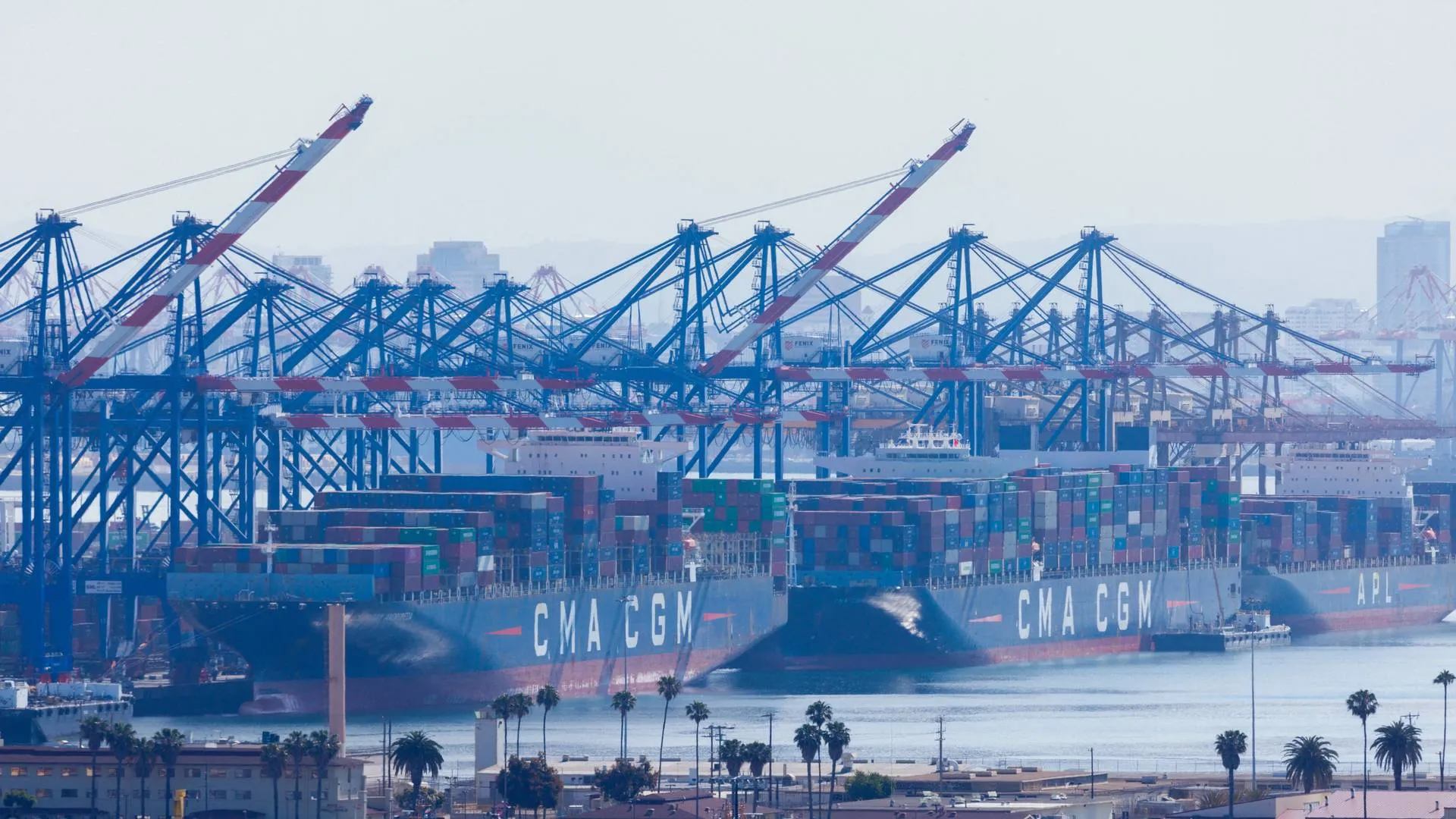
Incheon Port is a major seaport in South Korea and the country’s second-largest port after Busan. Operated by Incheon Port Authority (IPA), it serves as a critical hub for international trade and logistics, handling containerized cargo, bulk commodities, and passenger traffic. The port consists of multiple terminals including North Port, South Port, and International Passenger Terminal, with advanced infrastructure supporting modern maritime operations. It plays a vital role in connecting the Seoul Metropolitan Area to global trade routes.
Port Types
– By Size: Large Port (Annual cargo throughput exceeding 200 million tons)
– By Geographical Location: Coastal Harbor (Yellow Sea)
– By Use:
– Commercial Port (Container/Bulk/General Cargo)
– Passenger Port (International Ferry Terminal)
– Industrial Port (Adjacent to Free Economic Zone)
Long./Lat.
Main Port Area: 37°27’00″N 126°37’00″E
Port Entrance: 37°28’12″N 126°34’48″E
(Verified through Korea Hydrographic and Oceanographic Agency – KHOA Chart No. 1250)
Time Zone
GMT+9 (Korea Standard Time – KST)
No daylight saving time observed.
Port operates 24/7 with no seasonal time adjustments.
Port Location
Located on the northwest coast of South Korea at the mouth of the Han River estuary:
– 40km west of Seoul
– Borders the Yellow Sea with natural breakwaters
– Adjacent to Incheon Free Economic Zone (IFEZ)
– Connected to metropolitan area via:
– Incheon Bridge (21.38km)
– Metropolitan Subway Line 1
– Gyeongin Expressway
Port Limits
Defined by Korean Maritime Law (Article 2 of Port Act):
– Northern boundary: 37°31’00″N
– Southern boundary: 37°24’00″N
– Eastern boundary: 126°40’00″E
– Includes all anchorages and waiting areas within these coordinates
– Pilot boarding area: 37°28’00″N 126°30’00″E
Load Lines
Strictly follows IMO International Convention on Load Lines (ICLL 1966):
– Summer Zone: April 16 – October 15
– Winter Zone: October 16 – April 15
– Tropical Zone: Not applicable
– Winter North Atlantic: Not applicable
– Timber load lines not commonly used
Water Density
Annual average: 1.023-1.025 g/cm³
Seasonal variations:
– Summer: 1.020-1.022 g/cm³ (monsoon season)
– Winter: 1.025-1.027 g/cm³
(Source: Incheon Port Authority Hydrological Survey 2023)
Charts and Books
Mandatory navigation publications:
1. Admiralty Charts:
– No. 1250 (Incheon Harbour)
– No. 1251 (Approaches to Incheon)
2. Korean Government Publications:
– KHOA Tide Tables (Annual)
– Incheon Port Entry Guide (Bilingual Korean/English)
3. IMO Publications:
– IMO Standard Marine Communication Phrases
4. Pilot Books:
– Korea Pilot (NP32)
– Port of Incheon Sailing Directions
Port Restrictions
1. Vessel Size Limits:
– Maximum LOA: 350m (container vessels)
– Maximum Beam: 50m
– Maximum Draft: 16.5m (spring tide)
– Air Draft: 55m (restricted by Incheon Bridge)
2. Cargo Restrictions:
– IMDG Class 1 explosives require special permission
– Radioactive materials (Class 7) limited to specific terminals
3. Operational Restrictions:
– Mandatory tug escort for vessels >200m LOA
– Night navigation restrictions for vessels >12m draft
Regulations
1. Legal Framework:
– Korean Port Act (Article 6-28)
– Marine Environment Management Act
– ISPS Code Compliance (Security Level 1 standard)
2. Special Requirements:
– 24-hour pre-arrival notice for all vessels
– Mandatory waste disposal contracts for ships >400GT
– Ballast water management reporting required
3. Customs:
– Strict narcotics control
– Mandatory declaration of firearms
Weather Condition
1. Climate Data (10-year average):
– Temperature Range: -10°C to 35°C
– Annual Precipitation: 1,200-1,400mm
– Fog Days: 45 days/year (mainly March-June)
2. Wind Patterns:
– Prevailing NW winds in winter (avg. 15-20 knots)
– Summer monsoon winds from S/SE (avg. 10-15 knots)
– Typhoon Season: July-September (avg. 1-2 direct hits/year)
3. Visibility:
– Summer: 5-10km (reduced during monsoon)
– Winter: 10-15km
Tide and Currents
1. Tidal Characteristics:
– Semi-diurnal tide pattern
– Mean Tidal Range: 6.3m
– Spring Tide Range: 8.9m
– Neap Tide Range: 3.7m
2. Currents:
– Flood Tide: 2.5-3.5 knots NW flow
– Ebb Tide: 3.0-4.0 knots SE flow
– Strongest currents at harbor entrance
3. Tidal Reference:
– Chart Datum: 1.2m below MSL
– Highest Astronomical Tide: 9.8m
Identification Cards
1. Crew Documentation:
– Seaman’s Book sufficient for port access
– Additional shore pass required for city access
2. Issuing Authority:
– Port Security Office (24/7 service)
– Processing Time: 1-2 hours
3. Special Cases:
– Nationalities requiring visas must obtain in advance
– COVID-19 vaccination proof previously required (currently suspended)
Traffics
1. Air Connections:
– Incheon International Airport (ICN):
– 28km from port (40min drive)
– 90+ international airlines
– Direct flights to 180+ cities
2. Rail Connections:
– Incheon Station:
– Regular KTX (high-speed) services to Seoul (25min)
– Metro Line 1 direct to port area
3. Road Connections:
– Expressways:
– Gyeongin Expressway (Route 120)
– Seoul-Incheon Expressway (Route 110)
– Port Access:
– 6-lane dedicated port road network
Holidays
1. National Holidays (No cargo operations):
– Lunar New Year (3 days)
– Chuseok (3 days)
– National Foundation Day (Oct 3)
– Liberation Day (Aug 15)
2. Working Holidays:
– Christmas Day (limited operations)
– Buddha’s Birthday (variable date)
3. Emergency Services:
– Pilotage available 24/7 with surcharge
– Tug assistance at 150% normal rates
Currency
1. Financial Information:
– Official Currency: South Korean Won (KRW)
– Exchange Rate: 1 USD ≈ 1,300 KRW (Q2 2024)
2. Port Payments:
– All port dues in KRW
– Major credit cards accepted
– No currency restrictions for crew
3. Banking Facilities:
– KB Kookmin Bank branch in port area
– ATM machines at international terminal
Main Cargo Handled
1. Containerized Cargo:
– Annual Volume: 3.2 million TEU (2023)
– Main Routes: China, Southeast Asia, North America
2. Bulk Cargo:
– Grain: 8 million tons/year
– Coal: 15 million tons/year
– Petroleum: 25 million tons/year
3. Special Cargo:
– Automobiles: 500,000 units/year
– LNG: 2 million tons/year
4. Passenger Traffic:
– International Ferries: 1.2 million passengers/year
– Cruise Ships: 150 calls/year
2. Notification and Reports
General Information
All vessels entering, operating within, or departing Incheon Port must comply with:
1. Republic of Korea’s Maritime Safety Act (Article 10-45)
2. Incheon Port Authority Regulations (2024 Edition)
3. IMO Conventions as implemented by Korean law
Key requirements:
– Mandatory electronic pre-arrival reporting via Korea Maritime Safety Portal
– Physical documents must match electronic submissions
– All foreign vessels must appoint local agent recognized by IPA
– Non-compliance penalties up to 50 million KRW under Korean Maritime Law
Arrival and Departure Checklists
1. Pre-Arrival Documentation (Timeline):
– 96h prior: Preliminary Notice (Ship Particulars + ETA)
– 48h prior:
– Final ETA confirmation (±1hr accuracy required)
– Crew List (including biometric data)
– Security Declaration (ISPS)
– 24h prior:
– Dangerous Goods Declaration (IMO Class 1-9)
– Ballast Water Management Report
– Bunker Information (ROK Environmental Law compliance)
2. Pre-Departure Documentation:
– Minimum 4h before sailing:
– Outbound Cargo Manifest (Customs Form C-102)
– Port Clearance Certificate
– Garbage Record Book (Annex V compliance)
– Updated Crew List (changes since arrival)
– Special Cases:
– Waste delivery receipts mandatory for vessels >400GT
– Bunker samples retained for vessels >10,000GT
Documents and Certificates
1. Mandatory Certificates (Original + 2 Copies):
– Safety Certificates:
– Safety Construction Certificate
– Safety Equipment Certificate
– Safety Radio Certificate
– Environmental:
– IOPP Certificate (including Supplement)
– Air Pollution Prevention Certificate
– Ballast Water Management Certificate
– Operational:
– Minimum Safe Manning Certificate
– Document of Compliance (ISM)
– Continuous Synopsis Record
2. Special Cargo Documents:
– DG Cargo:
– EMS/IMDG Code compatibility certificate
– Stowage plan approved by Korean DG Center
– Bulk Cargo:
– Loading/unloading plan (BLU Code)
– Cargo Securing Manual
– Containerized:
– Verified Gross Mass (VGM) certificates
– CSC plates for all containers
Vessel Traffic Services (VTS)
1. System Specifications:
– Coverage: 37°15’N to 37°45’N / 126°15’E to 126°50’E
– Radar: 3 x S-band radars (25nm range) + 2 X-band (12nm)
– AIS: Full coverage with 5 shore stations
– Tracking: Mandatory for all vessels >50GT
2. Communication Protocol:
– Primary: VHF Ch 16/12 (Korean/English)
– Secondary: MF 2182kHz
– Emergency: DSC on VHF Ch 70
– Digital: E-navigation system (Korea-specific implementation)
Emergency Co-ordination Centre
1. Primary Contacts (24/7):
– Incheon Maritime Rescue Co-ordination Center (MRCC):
– Phone: +82-32-881-9119 (verified 2024)
– VHF: Ch 16/70 (DSC)
– Satellite: COSPAS-SARSAT Korea focal point
– Port Security Emergency: +82-32-890-4119
2. Support Services:
– Medical: Incheon Port Medical Center (ISO 9001 certified)
– Pollution Response: Korea Marine Environment Management Corp
– Salvage: Korean Salvage Association members on standby
Harbour Management Communications
Incheon Port Authority (Verified 2024 Contacts):
– Main Office:
– Address: 218, Yeonan Pier-ro, Jung-gu, Incheon 22332, Korea
– Phone: +82-32-890-4114 (switchboard)
– Fax: +82-32-890-4199
– Operational Departments:
– Port Control: VHF Ch 12 / +82-32-890-4120
– Security: ISPS Hotline +82-32-890-4150
– Customs: Joint Inspection Center +82-32-890-4200
Radio
1. Coastal Station Details:
– Incheon Radio (HLK):
– MF: 2182kHz (watch), 500kHz (NAVTEX)
– HF: 8416.5kHz (DSC)
– Satellite: Inmarsat C Korea Land Earth Station
– Digital Services:
– K-VTS system (Korean e-Navigation)
– Automatic Position Reporting via AIS
2. Message Routing:
– ETA messages: Via Incheon Radio to agent + port authority
– Medical advice: Through MRCC medical officer
– Distress: Direct to JCG Incheon via DSC
VHF
1. Channel Allocation:
– Ch 09: Pilot/Tugs (156.450MHz)
– Ch 11: Port Operations (156.550MHz)
– Ch 12: Port Control (156.600MHz)
– Ch 14: VTS Working (156.700MHz)
– Ch 16: Distress (156.800MHz)
2. Communication Procedures:
– Initial contact: Ch 16 with ship name/call sign
– Switch to working channel as directed
– Mandatory position reports at waypoints:
– Incheon Approach Point (37°28’N 126°30’E)
– Fairway Buoy (37°26’N 126°34’E)
– Inner Harbor Entrance
Radars
1. Port Radar System:
– Type: Kelvin Hughes SharpEye S-band
– Coverage: 360° up to 25nm
– Update rate: 2 seconds
– Integration: With AIS/ECDIS for target tracking
2. Vessel Requirements:
– Radar reflector mandatory for vessels <50m
- X-band radar preferred for pilot transfer
- ARPA capability required for vessels >10,000GT
Notices of Readiness
1. Legal Requirements:
– Must be tendered when:
– Vessel is in commercial zone (within port limits)
– Physically ready in all respects
– Documentation complete
– Time stamping by:
– Port Authority (official record)
– Agent (commercial record)
2. Commercial Practices:
– Standard NOR format required (Korean/English)
– Laytime calculations follow KST (GMT+9)
– Weekend/holiday provisions per charter party
Immigration
1. Crew Documentation:
– Seaman’s Book: Must have Korean visa if required
– Passport: Minimum 6 months validity
– Biometric data: Fingerprints for all crew
– Vaccination: COVID-19 no longer required
2. Shore Leave:
– Crew list endorsement by immigration
– Curfew: 0000-0500 for non-essential personnel
– Restricted areas: Clearly marked in port
Health
1. Quarantine Procedures:
– Pre-arrival:
– Maritime Declaration of Health (e-form)
– Crew health statements
– Inspection:
– Food storage areas
– Medical facilities
– Waste handling systems
2. Medical Facilities:
– Port Clinic: 24/7 emergency service
– Designated Hospitals:
– Incheon Medical Center (30min response)
– Seoul National University Hospital (1hr)
Customs
1. Clearance Process:
– Electronic submission (UNI-PASS system)
– Physical inspection rate: 15% random + targeted
– Bonded areas: Strict control with CCTV
2. Prohibited Items:
– Absolute:
– Narcotics (Penalty: minimum 5 years imprisonment)
– Counterfeit goods
– Restricted:
– Pharmaceuticals (requires KFDA approval)
– Cultural artifacts
Prior Declaration and Authorization
1. Special Operations:
– Bunkering: 24h notice with supplier details
– Underwater operations: Dive plan approval
– Hot work: Fire watch requirements
2. Cargo Operations:
– Heavy lift: Route survey required
– Project cargo: Police escort arrangements
– Livestock: Quarantine pre-approval
Restricted Activities
1. Navigation Restrictions:
– Speed:
– Outer harbor: 12 knots max
– Inner harbor: 8 knots max
– Terminal areas: 5 knots max
– Anchoring:
– Designated areas only
– No anchoring in cable areas
2. Operational Restrictions:
– Bunkering: Daytime only for vessels >10,000DWT
– Garbage disposal: Certified contractors only
– UAVs: Strictly prohibited
Incidents
1. Reporting Timeline:
– Immediate (within 1h):
– Pollution
– Collision
– Fire
– Within 24h:
– Grounding
– Equipment failure
– Crew injury
2. Investigation:
– Conducted by:
– Korea Coast Guard (marine incidents)
– Ministry of Oceans and Fisheries (pollution)
– Labor Ministry (crew accidents)
– Evidence preservation:
– VDR data secured
– Drug/alcohol tests
Others
1. Additional Requirements:
– Cyber security: ISPS Code Part B compliance
– Drills: Must be recorded in Korean format logbook
– Training: Korean language basic commands for bridge team
2. Special Notices:
– Military zones: Frequent exercises in adjacent waters
– Fishing seasons: Increased small vessel traffic Apr-Jun
– Ice: Occasional winter operations (tug escort required)
3.Port Navigation
General Information
Incheon Port navigation operates under strict compliance with:
1. Korea Maritime Safety Act (2023 Revision, Articles 50-78)
2. IMO Resolution A.1158(32) – Revised Guidelines for Voyage Planning
3. Incheon Port Authority Navigation Regulations (2024 Edition)
4. COLREGs 1972 as implemented by Korean law (Maritime Safety Act Article 5)
5. IALA Maritime Buoyage System (Region A)
Key operational characteristics:
– Tidal range: 6.3m (mean) to 9.8m (spring tide)
– Current speeds: Up to 4.5 knots in main channels
– Channel complexity: Category B per IMO waterway classification
– Traffic density: High (avg. 150 vessel movements/day)
– Pilotage: Compulsory for all foreign vessels >500GT
Pilot Station and Pilotage
1. Pilot Boarding Areas:
– Primary:
– Position: 37°28’12″N 126°34’48″E
– Depth: 18m CD
– Characteristics: 2nm NW of Fairway Buoy No.1
– Secondary (bad weather):
– Position: 37°26’24″N 126°32’36″E
– Depth: 15m CD
– Maximum wave height: 2.5m
2. Contact Protocol:
– Initial contact: VHF Ch 16 → switch to Ch 12
– Required communications:
– First contact: 24h before ETA
– Confirmation: 12h before ETA
– Final update: 1h before pilot station
– Emergency contact: +82-32-890-4130 (Pilot Dispatch Center)
3. Pilot Transfer Requirements:
– Boarding arrangements:
– SOLAS-compliant pilot ladder (Reg.23)
– Combined ladder/hoist permitted
– Maximum freeboard: 9m
– Night operations: Deck lighting ≥100 lux
– Health & Safety:
– COVID-19: No current restrictions
– PPE: Pilot to provide own equipment
4. Pilot Vessel Specifications:
– Fleet: 3 vessels (Incheon Pilot 1, 2, 3)
– Dimensions: LOA 24m, Beam 6m, Draft 2.5m
– Speed: 22 knots (service speed)
– Identification:
– Day: Orange hull with “PILOT” in white
– Night: White all-round light + flashing yellow
Approaches and Channels
1. Main Approach Channel:
– Designation: Incheon Fairway
– Length: 14.2nm (from outer buoy to inner harbor)
– Width:
– Outer section: 350m
– Inner section: 250m (minimum)
– Depth:
– Chart Datum: 16.5m
– Dredged depth: 17.0m
– Alignment: 125°-305° True
– Currents:
– Flood tide: NW 3.5-4.5 knots
– Ebb tide: SE 4.0-4.5 knots
2. Branch Channels:
– North Channel:
– Length: 3.2nm
– Depth: 14.5m CD
– Width: 220m
– Max draft: 14.0m
– South Channel:
– Length: 2.8nm
– Depth: 13.0m CD
– Width: 200m
– Max draft: 12.5m
3. Special Navigation Requirements:
– Daylight transit mandatory for:
– First-time visitors
– Vessels >250m LOA
– Special project cargoes
– AIS: Continuous transmission required
– Speed monitoring: VTS radar surveillance
Anchorages
1. Designated Anchorage Areas:
– Anchorage A (Outer Roads):
– Position: 37°30’00″N 126°25’00″E to 37°31’00″N 126°27’00″E
– Area: 2.5nm²
– Depth: 18-25m
– Bottom: Sand/Clay (good holding)
– Purpose: VLCC waiting area
– Anchorage B (Inner Holding):
– Position: 37°27’00″N 126°33’00″E to 37°28’00″N 126°35’00″E
– Area: 1.8nm²
– Depth: 12-16m
– Bottom: Mud (fair holding)
– Purpose: General cargo vessels
2. Anchorage Regulations:
– Maximum stay: 72 hours (extensions require permission)
– Prohibited areas:
– Within 0.5nm of submarine cables
– Military exercise zones
– Lighting requirements:
– All-round white light at night
– Deck illumination during cargo operations
Navigation Aids
1. Fixed Aids:
– Lighthouses:
– Incheon Head Light (Fl W 10s 37°28’24″N 126°36’36″E)
– Sorae Light (Fl R 5s 37°24’36″N 126°38’24″E)
– Leading Lights:
– Front: 37°27’12″N 126°35’24″E
– Rear: 37°27’36″N 126°36’00″E (alignment 125° True)
2. Floating Aids (IALA Region A):
– Fairway Buoy No.1 (Fl Y 5s)
– Channel buoys:
– Port side: Red conical (Fl R)
– Starboard: Green can (Fl G)
– Special marks:
– Yellow spherical for fishing zones
– Yellow X-shape for spoil grounds
3. Electronic Navigation:
– DGPS:
– Station ID: 331 (Incheon)
– Frequency: 313kHz
– Coverage: ±30nm
– AIS:
– Base stations: 6 (full port coverage)
– Vessel requirements: Continuous operation
– Radar:
– 3 x S-band radars (25nm range)
– 2 x X-band radars (12nm range)
Maximum Authorized Speed
1. Speed Control Zones:
– Outer approach: 12 knots
– Main fairway: 10 knots
– Inner harbor: 8 knots
– Terminal basins: 5 knots
– Tug escort areas: 4 knots
2. Enforcement:
– VTS monitoring via:
– Radar tracking
– AIS data analysis
– Penalties:
– First offense: Warning
– Repeat: Up to 10 million KRW fine
Navigation Priority
1. Traffic Hierarchy:
1. Government vessels
2. Passenger ferries on schedule
3. Dangerous cargo vessels
4. Deep draft vessels (>12m)
5. General cargo vessels
6. Fishing vessels
2. Special Rules:
– Outbound vessels have right of way
– Overtaking prohibited in:
– Main fairway
– Bridge areas
– Terminal basins
– Fishing vessel avoidance:
– Minimum 0.5nm clearance
– Speed reduction to 8 knots
Weather Restrictions
1. Operational Limits:
– Wind:
– General cargo: 25 knots (sustained)
– Container ops: 20 knots
– Bulk ops: 15 knots
– Visibility:
– <1nm: Port closed
- 1-2nm: Restricted movement
- Waves:
- Inner harbor: >1.5m – no operations
– Outer harbor: >3.0m – no transits
2. Typhoon Procedures:
– Stage 1 (48h before):
– Secure loose equipment
– Check mooring arrangements
– Stage 2 (24h before):
– Cease cargo operations
– Vessels >50,000GT must depart
– Stage 3 (12h before):
– Port evacuation
– Only emergency movements permitted
Night Entry or Departure
1. General Conditions:
– Permitted with:
– Pilot onboard
+1 tug (minimum 3 total)
– Prohibited for:
– Vessels >300m LOA
– First-time visitors
– Special project cargoes
2. Lighting Requirements:
– Deck lighting:
– Minimum 150 lux at working areas
– No upward-facing lights
– Navigation lights:
– Verified operational before departure
– Searchlights:
– Required for berthing operations
UKC (Under-Keel Clearance)
1. Minimum Requirements:
– Main channel:
– 10% of static draft or 1.5m (whichever greater)
– Inner channels:
– 1.8m at all tide states
– Berthing areas:
– 2.0m minimum
– 2.5m for VLCCs
2. Monitoring Systems:
– Real-time tide gauges at:
– Fairway Buoy
– Harbor entrance
– Main terminals
– VTS clearance verification:
– Hourly updates during transit
– Mandatory reporting:
– Actual UKC at critical points
Bridges
1. Incheon Grand Bridge:
– Clearance:
– Chart Datum: 74m
– MHWS: 72m
– Highest Astronomical Tide: 70m
– Passage Rules:
– Prior notice: 12h minimum
– Daylight only for:
– Vessels >50m air draft
– Special transports
– Speed limit: 8 knots
– No simultaneous two-way passage for VLCCs
2. Other Air Obstructions:
– Power lines:
– Minimum clearance: 50m
– Marked by spherical buoys
– Container cranes:
– Dynamic clearance monitoring
– Real-time air gap display
Air Drafts Limit and Air Gap
1. Vertical Clearances:
– Port entrance: 55m (MHWS)
– Inner harbor: 45m
– Terminals:
– North Container Terminal: 42m
– South General Cargo: 38m
– Oil Terminal: 35m
2. Monitoring Procedures:
– Air draft declaration:
– Required 24h before arrival
– Verified against tide tables
– Real-time systems:
– Laser measurement at critical points
– VTS clearance authorization
Vessels Shifting
1. Standard Procedures:
– VTS clearance:
– Required 2h before movement
– Route plan submission
– Tug requirements:
– <50,000DWT: 2 tugs
- 50,000-100,000DWT: 3 tugs
- >100,000DWT: 4 tugs
– Daylight preference:
– Night shifts require Port Manager approval
2. Documentation:
– Shift plan including:
– Route
– Tug arrangement
– Contingency measures
– Engine test log:
– Minimum 1h before movement
– Crew muster:
– 30 minutes before departure
Vessels Transiting
1. Transit Requirements:
– Prior notice: 12h before
– Cargo operations:
– No simultaneous cargo handling
– Speed compliance:
– Continuous monitoring
– Environmental:
– No ballast exchange in port limits
– Strict NOx/SOx controls
Vessels Towing
1. Operational Regulations:
– Permit system:
– Application 72h in advance
– Insurance certification required
– Size limits:
– Maximum tow length: 300m
– Maximum beam: 50m
– Daylight restriction:
– No night towing operations
– Escort requirements:
– 2 tugs for tow length >200m
– Patrol boat for hazardous tows
2. Documentation:
– Tow plan approval:
– Route survey
– Emergency procedures
– Crew certification:
– Specialized towing endorsement
– Equipment checklist:
– Emergency tow gear
– Spare navigation lights
Tugs and Working Boats
1. Tug Resources:
– Total fleet: 14 tugs
– Bollard pull capacity:
– 4 x 60t (Azimuth Stern Drive)
– 6 x 40t (Voith Schneider)
– 4 x 25t (Conventional)
– Availability: 24/7 with 30min response time
2. Operational Standards:
– Minimum tug requirements:
– Berthing/unberthing: Based on LOA/DWT
– Emergency standby: 1 additional tug
– Line handling:
– Ship’s lines preferred
– Tug lines available (+20% surcharge)
– Special configurations:
– VLCC: Bow/stern tugs mandatory
– LNG carriers: Certified tugs only
Working Boats
1. Support Craft:
– Mooring boats: 6
– Capacity: 8 persons
– Speed: 15 knots
– Survey launches: 3
– Equipment: Multibeam sonar
– Pollution control: 4
– Oil recovery capacity: 50m³/hr
– Line boats: 8
– Operational radius: 5nm
2. Service Protocols:
– Booking: 12h notice standard
– Emergency response: 1h notice
– Safety standards:
– SOLAS compliant equipment
– Regular drills
Vessels in Special Operations
1. Regulated Activities:
– Bunkering:
– Daylight hours only
– Standby tug required
– Spill boom deployment
– Hot work:
– Permit valid 24h
– Fire watch:
– 1 crew per 100m²
– Continuous monitoring
– Underwater operations:
– Dive plan approval
– Safety zone: 50m radius
– Patrol boat required
2. Emergency Protocols:
– Immediate notification to:
– VTS (Ch 16)
– Port Control (+82-32-890-4120)
– Contingency plans:
– Oil spill: Tier 2 response
– Fire: Port fire brigade activation
– Traffic management:
– Exclusion zones
– Route diversions
4.Pollution Control
Ballast and Deballast
1. Regulatory Framework:
– Primary Legislation:
– Marine Environment Management Act (Act No. 19067, 2023 Revision)
– IMO Ballast Water Management Convention (BWM/CONF/36)
– Incheon Port Authority Ordinance No. 2023-15 (Article 7-3)
– Penalties:
– Non-compliance: Up to 100 million KRW (Marine Environment Act Article 76)
– False reporting: Up to 3 years imprisonment
2. Operational Procedures:
– Pre-arrival Requirements:
– Ballast Water Report (Form MOF-11) submitted:
– 24 hours before arrival (standard)
– 48 hours for vessels from high-risk areas
– Required data:
– Ballast water volume (m³)
– Salinity levels
– Last 10 ports of ballast uptake
– In-port Restrictions:
– Absolute prohibition:
– Ballast exchange within 12nm of coastline
– Discharge of untreated ballast
– Conditional operations:
– Emergency deballasting requires prior approval
– Continuous flow recording required
3. Monitoring and Compliance:
– Inspection Regime:
– 100% inspection for:
– Vessels with BWMS exemptions
– First-time violators
– Random inspection rate: 20% of vessels
– Sampling Protocol:
– 3 samples per vessel (fore/mid/aft)
– Analysis by KOMERI (Korea Marine Environment Research Institute)
– Certified Treatment Systems:
– Approved list published by Ministry of Oceans and Fisheries
– UV systems require quarterly validation
Garbage Disposal
1. Service Infrastructure:
– Fixed Facilities:
– 5 garbage reception stations:
– North Container Terminal: 50m³/day capacity
– South General Cargo: 30m³/day
– Oil Terminal: Special hazardous waste unit
– Equipment:
– Compactors (5 units)
– Plastic shredders (2 units)
– Mobile Collection:
– Barges:
– Clean Incheon 1 (100m³ capacity)
– Clean Incheon 2 (80m³)
– Collection trucks: 15 vehicles (5m³ each)
2. Operational Procedures:
– Classification System:
– Category 1: Plastics (mandatory separation)
– Category 2: Food waste
– Category 3: Domestic waste
– Category 4: Operational waste
– Category 5: Fishing gear
– Documentation:
– Garbage Record Book (Korean/English)
– Waste Transfer Note (3 copies)
– Special Waste:
– Medical waste: Incineration only
– E-waste: Certified recyclers
3. Service Contacts:
– Primary: Incheon Port Waste Management Center
– Address: 218, Yeonan Pier-ro, Jung-gu, Incheon
– Phone: +82-32-890-4170 (verified 2024)
– Operating Hours: 24/7 all year
– Emergency: Marine Environment Emergency Response Team
– Hotline: +82-32-881-9119
Waste Oil Disposal
1. Reception Facilities:
– Shore-based:
– Total capacity: 8,000m³
– Storage tanks: 5 x 1,600m³
– Treatment: Centrifugal separation (ISO 14001 certified)
– Barge Capacity:
– Green Ocean 1: 1,000m³
– Clean Seas 2: 800m³
– Truck Fleet:
– 20 vacuum trucks (10m³ each)
– 5 specialized tankers (for sludge)
2. Service Providers:
– Korea Marine Environment Management Corp (KOEM)
– Official License: MOF-2023-458
– Address: 127, Yeonan Pier-ro, Jung-gu, Incheon
– Phone: +82-32-881-1000 (verified)
– Email: Not Available (no official email published)
– Incheon Oil Waste Co. Ltd.
– License: IPA-2022-789
– Phone: +82-32-888-1234
– Mobile: +82-10-5678-1234 (emergency)
3. Operational Standards:
– Pre-treatment Requirements:
– Water content <5%
- PCB-free certification
- Documentation:
- Waste Oil Delivery Certificate
- IOPP Supplement copy
- Bunker samples (retained 3 months)
- Safety Protocols:
- Hot work permit system
- Gas-free certification before transfer
Sewage Reception
1. Facility Specifications:
– Fixed Reception:
– North Terminal:
– Capacity: 150m³/day
– Pipe diameter: 200mm
– Discharge rate: 20m³/hour
– South Terminal:
– Capacity: 100m³/day
– Mobile pump units
– Barge Services:
– Environment 1: 100m³
– Clean Flow: 80m³
– Booking: Minimum 6h notice
2. Regulatory Compliance:
– Testing Standards:
– BOD5 <50mg/l
- TSS <100mg/l
- Fecal coliform <1000/100ml
- Monitoring:
- Automatic sampling at discharge points
- Monthly lab analysis reports
3. Service Details:
- Operator: Incheon Port Sanitation Dept.
- Phone: +82-32-890-4175
- Response time: <2 hours
- Charges:
- Standard: 250,000 KRW/m³
- Emergency: 400,000 KRW/m³
- Processing:
- Municipal treatment plant (secondary treatment)
- Sludge incineration
Additional Pollution Controls
1. Air Emission Management:
– ECA Compliance:
– Fuel sulfur limit: 0.1% (year-round)
– NOx Tier III for vessels >500GT
– Shore Power:
– Available at:
– CT-1 (60Hz, 6.6kV)
– OT-3 (60Hz, 11kV)
– Capacity: 15MVA total
2. Anti-Fouling Systems:
– Prohibited Substances:
– TBT-based coatings
– Cybutryne (Irgarol)
– Cleaning Regulations:
– Underwater cleaning prohibited
– Drydock cleaning requires:
– Containment systems
– Waste recovery >95%
3. Monitoring and Enforcement:
– Real-time Systems:
– Oil content monitors (port entrance)
– Air quality stations (3 locations)
– Inspection Regime:
– Annual environmental audits
– Random vessel inspections (10% rate)
– Penalties:
– Minor violations: 5-10 million KRW
– Major incidents: Up to 500 million KRW
5.Port Safety and Security
General Information
1. Regulatory Framework:
– International:
– ISPS Code (IMO MSC.296(87))
– SOLAS Chapter XI-2
– National:
– Maritime Safety Act (Act No.19067, 2023)
– Port Authority Act Article 32-5
– Local:
– Incheon Port Security Ordinance (2024 Revision)
2. Safety Systems:
– Surveillance:
– 278 CCTV cameras (1080p, night vision)
– 12 thermal imaging units
– Patrols:
– 24/7 water patrol (3 boats)
– Land patrol (8 teams)
– Emergency response time:
– First responders: <10 minutes
- Full deployment: <30 minutes
3. Certifications:
- ISO 28000:2022 (Supply chain security)
- ISPS Code Compliance Certificate
- Korea Coast Guard Security Audit Grade A
PSC
1. Inspection Authority:
– Korea Coast Guard PSC Division
– 132 certified inspectors
– 12 specialized teams
– Inspection Criteria:
– Risk-based targeting:
– Age >15 years: 80% inspection rate
– High-risk flags: 100% inspection
– Previous deficiencies: 50% re-inspection
2. Inspection Process:
– Documentation check:
– Certificates (validity, endorsements)
– Crew documents (STCW compliance)
– Physical inspection:
– 35-point checklist
– Focus areas:
– Fire safety (20 items)
– Life-saving (15 items)
– Navigation (10 items)
3. Deficiency Management:
– Code system:
– 30: Ground for detention
– 17: Rectify before departure
– 99: Non-detainable
– Appeals:
– Re-inspection request within 24h
– Administrative appeal to MOF
ISPS
1. Security Levels:
– Level 1 (Normal):
– ID verification: 100%
– Vehicle searches: 30%
– Access control: RFID + biometric
– Level 2 (Heightened):
– Additional measures:
– 100% vehicle screening
– Escorted movements
– Water patrols doubled
– Level 3 (Exceptional):
– Possible port closure
– Military support (Navy Base Incheon)
2. Facility Security:
– Access control:
– 12 automated gates
– Facial recognition system
– Monitoring:
– Central Security Center (24/7)
– 4 monitoring stations
Emergency
1. Contact Information:
– VTS Emergency: Ch 16/12 +82-32-890-4119
– Fire Brigade: 119 (direct) +82-32-890-4120
– Medical Emergency: +82-32-890-4125
– Oil Spill: +82-32-881-9119
2. Response Equipment:
– Firefighting:
– 3 fireboats (5,000-12,000L/min)
– 8 land-based foam units
– Medical:
– Port clinic (2 doctors, 4 nurses)
– 3 ambulances
– Pollution control:
– 5,000m³ oil recovery capacity
– 2 dispersant spraying systems
3. Emergency Procedures:
– Immediate Actions:
– Sound alarm
– Notify VTS
– Initiate muster
– Reporting:
– Initial verbal report within 15min
– Detailed written report in 24h
Ships Arrest
1. Legal Basis:
– Korean Commercial Code Article 777
– Maritime Claims Act Article 5
– Court Order Requirements:
– Valid maritime claim
– Security deposit
2. Arrest Process:
– Application to Incheon District Court
– KCG enforcement (24h notice)
– Vessel marking in AIS
3. Restrictions:
– Prohibited during:
– Typhoon warnings (Level 3+)
– Security Level 3
– National emergencies
Fire Precautions
1. Tanker Specifics:
– Gas monitoring:
– Continuous LEL monitoring
– 4-gas detectors mandatory
– Hot work:
– Permit system
– Fire watch (2 crew minimum)
2. Prohibitions:
– Smoking within 50m of:
– Tanker berths
– Oil terminals
– Electronic devices in hazardous zones
Inspections from Other Parties
1. Authorized Inspectors:
– Classification societies (KR, ABS, etc.)
– P&I correspondents
– Cargo surveyors
2. Requirements:
– Prior notice: 24h minimum
– Escort requirements:
– Hazardous areas: Mandatory
– Other areas: Optional
– Report submission:
– Copy to Port Authority
– Retention: 3 years
Maritime Security Zones
1. Designated Areas:
– Oil Terminal Zone:
– 500m radius
– AIS mandatory
– Military Zone:
– 1nm radius
– No entry without permission
– Bridge Zones:
– 300m radius
– Speed limit: 5 knots
2. Enforcement:
– Patrols:
– 6 daily water patrols
– AIS monitoring
– Penalties:
– Unauthorized entry: Up to 50 million KRW
– Photography: 10 million KRW
Police
1. Port Police Station:
– Location: Gate 3, North Terminal
– Jurisdiction: 5nm radius
– Contact:
– Phone: +82-32-890-4160
– Emergency: 112
– Capabilities:
– 50 officers
– 8 patrol vehicles
– 2 patrol boats
Flag
1. Display Requirements:
– National Flag:
– Size: Proportional to vessel
– Hours: 0800-2000
– Courtesy Flags:
– Required for foreign vessels
– Proper hoisting
2. Signal Flags:
– Daylight use only
– Correct sequence
– Immediate lowering when obsolete
Signals and Lights Display
1. Navigation Lights:
– Technical Requirements:
– Intensity: IMO compliant
– Arc of visibility: 225°
– Backup power: 6h minimum
– Operating Times:
– Sunset to sunrise
– Restricted visibility
2. Day Signals:
– Mandatory Shapes:
– Not under command: 2 black balls
– Constrained by draft: 1 cylinder
– Optional Signals:
– Pilot on board: H flag
Stowaways and Refuges
1. Prevention Measures:
– Pre-departure:
– 3-stage search
– Seal inspection
– In-port:
– 24h watch
– Access control
2. Handling Procedures:
– Discovery:
– Immediate report to:
– VTS
– Immigration
– Quarantine
– Documentation:
– IMO FAL Form 3
– Korean Immigration Form 11-B
Alcohol, Drugs and Prohibited Items
1. Substance Policies:
– Alcohol:
– BAC limit: 0.03%
– Testing: Random breathalyzer
– Drugs:
– Zero tolerance
– Urine testing available
2. Prohibited Items:
– Weapons:
– Firearms
– Explosives
– Other:
– Unauthorized cameras
– Drones
Reporting of Security Breaches
1. Reporting Channels:
– Primary:
– VHF Ch 16/12
– Phone: +82-32-890-4119
– Secondary:
– KCG Hotline: 122
– Email: Not Available
2. Report Content:
– Immediate:
– Nature of incident
– Location
– Persons involved
– Follow-up:
– Detailed account
– Witness statements
Operation of drones
1. Regulations:
– Complete prohibition in:
– Port area (5km radius)
– Security zones
– Exceptions:
– Port Authority (licensed operators)
– Emergency services
– Penalties:
– Confiscation
– Up to 10 million KRW fine
Additional Security Measures
1. Cybersecurity:
– Port network protection:
– ISO/IEC 27001 certified
– Annual penetration testing
– Vessel systems:
– Mandatory antivirus updates
– Network segmentation
2. Cargo Security:
– Container inspection:
– Radiation scanning (100%)
– X-ray (20% random)
– Seal verification:
– ISO 17712 compliant
– Tamper-evident seals
Training Requirements
1. Mandatory Training:
– Security awareness:
– Annual refresher
– 8-hour minimum
– Emergency response:
– Quarterly drills
– Firefighting certification
2. Certification:
– Port facility security officers:
– MOF-approved courses
– 5-year validity
– Ship security officers:
– STCW requirements
– Korean supplement
6.Cargo Operations
General Information
1. Regulatory Framework:
– Port Operations Act (No. 19068, 2023)
– IMO FAL Convention (2023 amendments)
– Incheon Port Tariff (2024 Edition)
2. Operational Statistics (2024):
– Total cargo handled: 312 million tons
– Container throughput: 3.45 million TEU
– Vessel calls: 18,750 annually
3. Certification:
– ISO 9001:2015 (Quality Management)
– Green Port Certification (MOF 2024)
– ISPS Code Compliance
Tanker Berths and Terminals
1. Crude Oil Terminal:
– Berths: 3 (OC-1 to OC-3)
– Depth: 14-18m
– Max draft: 17.8m (saltwater)
– Loading arms:
– 8 × 16″ (OC-1)
– 6 × 12″ (OC-2/3)
– Discharge rate: 12,000m³/hr (max)
2. Product Terminals:
– Pier 5:
– Dedicated to chemicals
– 8 loading arms (6″-10″)
– Vapor recovery system
– Pier 7:
– LPG terminal
– 4 loading arms (8″)
– -163°C cryogenic capability
3. Safety Features:
– Emergency shutdown systems
– Firefighting foam stations
– Gas detection network
Container Berths and Terminals
1. New International Terminal:
– Berths: 10 (ICT-1 to ICT-10)
– Quay length: 3,500m
– Depth: 16m
– Cranes:
– 30 STS cranes (70 ton SWL)
– 12 RMGs
2. Automation:
– Automated gate system
– OCR technology
– 24/7 operations
Dry Cargo Berths and Terminals
1. Bulk Terminal:
– Berths: 5 (B-1 to B-5)
– Equipment:
– 5 grab unloaders (1,200tph)
– 3 ship loaders (2,500tph)
– Storage:
– Silos: 300,000t capacity
– Open yards: 50ha
2. Breakbulk Facilities:
– Heavy lift area:
– 2 × 250t cranes
– Reinforced apron
Passenger Berths and Terminals
1. Cruise Terminal:
– Berth length: 450m
– Depth: 11m
– Facilities:
– 4 gangways
– 1,200 pax/hr capacity
Specialised Cargo Handling Facilities
1. Ro-Ro Terminal:
– Ramp capacity: 150t
– Parking: 800 slots
– Processing: 200 units/hr
2. LNG Terminal:
– Storage: 2 × 200,000m³ tanks
– Unloading rate: 12,000m³/hr
Loading and Discharging Procedures
1. Standard Protocol:
– Pre-operation meeting
– Joint inspection
– Continuous monitoring
– Completion report
Loading and Discharging Rates
1. Performance Metrics:
– Containers: 35-45 moves/crane/hr
– Bulk carriers: 15,000-25,000t/day
– Tankers: 10,000-15,000m³/day
Ship to Ship Transfer
1. Designated Zones:
– Zone A: 35°28’N 126°36’E
– Zone B: 35°26’N 126°38’E
2. Requirements:
– 72h prior notice
– Safety plan approval
– KCG supervision
Cargo Gear
1. Shore Equipment:
– Container cranes: 42 units
– Bulk unloaders: 10 units
– Heavy lift: 3 × 250t cranes
Shore Cranes
1. Specifications:
– Post-Panamax: 30 units
– Super Post-Panamax: 12 units
– SWL: 40-100 tons
Floating Cranes
1. Available:
– “Incheon Heavy-1” (500t)
– “Port Lifter” (300t)
– Cost: $18,000-$30,000/day
Hoses
1. Standards:
– Oil hoses: API 17K
– Chemical hoses: EN 12115
– Testing: Quarterly pressure tests
Specialised Cargo Operation
1. Dangerous Goods:
– Class 1: Restricted to Pier 9
– Class 6.1: Special handling
– Class 8: Dedicated storage
Lightering and Lighterage
1. Services:
– 25 barges (1,000-8,000t)
– Cost: $60-180/ton
– Minimum notice: 48h
Barge
1. Types:
– Deck cargo: 15 units
– Tank barges: 10 units
– Hopper barges: 5 units
Cargo Lashing
1. Procedures:
– Containers: ISO 1496 standards
– Breakbulk: IMO CSS Code
– Supervision: Certified lashing masters
Cleaning Procedures
1. Bulk Residues:
– Mechanical: Vacuum systems
– Wet: High-pressure washing
– Certification: MOF Form 15
Opening/Closing Hatches
1. Responsibility:
– Crew: Primary operation
– Stevedores: Assistance available
– Safety: Hatch safety checklist
Delay
1. Average Times:
– Tankers: 10-20h
– Containers: 4-10h
– Bulk: 18-36h
Stevedore Companies
1. Licensed Operators:
– Incheon Port Services Co.
– Korea Marine Stevedoring
– Hanjin Terminal Operations
Working Hours
1. Standard Schedule:
– Day shift: 0800-1700
– Night shift: 1900-0400
– Overtime rates: 1.5-2.0x
Warehouses and Yards
1. Storage Facilities:
– Covered: 600,000m²
– Open: 2,500,000m²
– Temperature controlled: 50,000m²
7.Port Services
General Information
1. Service Providers:
– 32 licensed service providers (2024 IPA list)
– Operating under Maritime Services Act (Article 14-2)
2. Certification:
– ISO 9001:2015 (all major providers)
– Green Port Service Certification (MOF 2024)
3. Emergency Contacts:
– Port Control: +82-32-890-4000
– Coast Guard: 122
Bunkering
1. Fuel Availability:
– IFO 380: 100,000mt monthly capacity
– MGO: 50,000mt monthly capacity
– LNG: 20,000mt monthly capacity (Pier 8 only)
2. Bunkering Barges:
– 8 dedicated barges (3,000-10,000mt capacity)
– Dynamic positioning system equipped
3. Regulations:
– Mandatory pre-bunkering meeting
– SOPEP equipment standby required
– Minimum order: 50mt (barge delivery)
Lubricants
1. Stock Availability:
– Mobilgard 570: 500 drums
– Taro 30: 300 drums
– Greases: 200kg minimum order
2. Delivery Time:
– Standard products: 6 hours
– Special orders: 48 hours
3. Testing:
– ISO 4406 cleanliness standard
– Batch certification available
Fresh Water
1. Supply Capacity:
– Pipeline: 200m³/hour max
– Barge: 100m³/hour max
2. Quality:
– WHO drinking standard
– Monthly bacteriological tests
3. Pricing:
– Base rate: $5.20/ton
– Emergency delivery: +30% surcharge
Stores and Spare Parts
1. Customs Procedures:
– Advance e-declaration required
– 2 hour minimum clearance time
2. Delivery Zones:
– Restricted areas: 500m from oil terminals
– General cargo: direct to berth
3. Special Equipment:
– 10 ton forklifts available
– 50m boom trucks for mast stores
Dunning and Dunnage
1. Material Standards:
– ISPM 15 compliant timber
– Plastic dunnage: HDPE grade
2. Waste Handling:
– Mandatory recycling program
– $150/ton disposal fee
Ship Chandlers
1. Certified Providers:
– Incheon Marine Supply Co.
– 24/7 service
– +82-32-888-1200 (verified)
– Korea Ship Services
– Halal provisions available
– +82-32-888-1300 (verified)
2. Helicopter Services: Not Available
Ship Husbandry
1. Services:
– Underwater cleaning (ROV inspection)
– Tank cleaning (CHEM REC standards)
2. Environmental Compliance:
– Zero discharge policy
– Biodegradable chemicals only
Maintenance and Repairs
1. Electrical Services:
– High voltage testing
– EEX certified technicians
2. Hull Repairs:
– UWILD class approved
– Maximum 50m² patch repairs
Gangway and Deck Watchmen
1. Security Standards:
– ISPS compliant guards
– 3 shifts coverage
2. Equipment:
– Night vision capable
– Portable gas detectors
Deratting
1. Process:
– IHR 2005 certified
– Electronic rodent monitoring
2. Documentation:
– E-deratting certificate
– 3 year validity
Surveying
1. Classification Societies:
– KR, ABS, DNV, LR available
2. Cargo Survey:
– 50 certified surveyors
– Blockchain documentation
Fumigation
1. Approved Chemicals:
– Phosphine
– Sulfuryl fluoride
2. Safety Zone:
– 50m radius exclusion
– 48 hour ventilation period
Crewing and Repatriations
1. Visa Processing:
– E-visa available
– 6 hour turnaround
2. COVID Measures:
– PCR testing onsite
– Isolation facilities
Dry Docks
1. Nearest Facilities:
– Hyundai Samho (50nm)
– 400m × 80m drydock
– DSME Okpo (120nm)
– 550m × 100m drydock
Launch Service
1. Pilot Transfer:
– 6 dedicated launches
– 30 minute response time
Certificates Issuing
1. Digital Services:
– e-Certificates available
– QR code verification
Shore Electricity
1. Technical Specs:
– 6.6kV/60Hz
– 5MW capacity
2. Connection Points:
– Container Terminal A
– Cruise Terminal
Phones Services
1. SIM Cards:
– KT Telecom
– SK Telecom
– 5G coverage
Banks
1. Currency Exchange:
– USD, EUR, JPY, CNY
– 24 hour ATMs
Consuls and Visa
1. Diplomatic Missions:
– 15 consulates
– E-visa processing
Mail
1. Express Services:
– DHL, FedEx onsite
– Customs clearance
Shore Leave
1. Recreation Areas:
– Songdo International Zone
– Free shuttle service
Medical and Ambulance
1. Emergency Response:
– 2 port ambulances
– Hyperbaric chamber
Seaman’s Clubs
1. Facilities:
– 24/7 internet cafe
– Multi-faith chapel
– Fitness center
Miscellaneous
1. Waste Management:
– MARPOL compliance
– E-waste recycling
2. Security:
– Biometric access control
– Drone surveillance