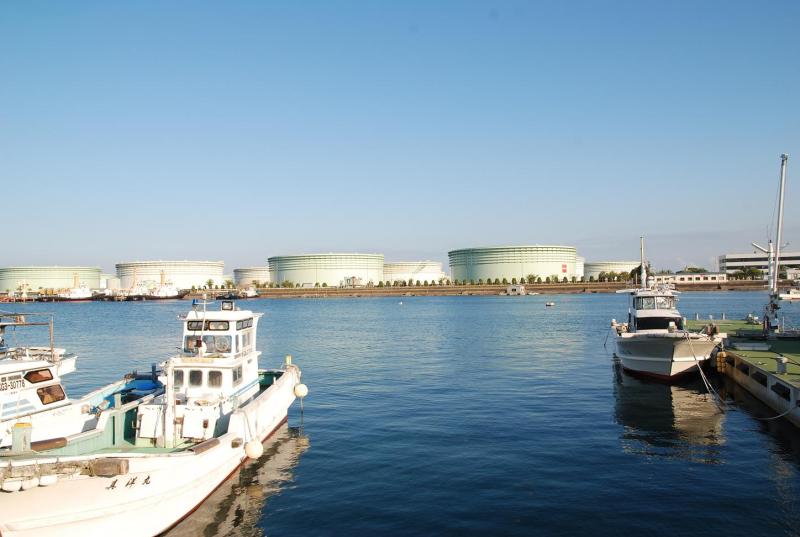

1.Port Description
General Information
Kiire Port is a commercial and industrial port located in Kagoshima Prefecture, Japan, operated by the Kagoshima Prefectural Government. It serves as a vital hub for regional trade and industrial activities, specializing in petroleum products, chemicals, and general cargo. The port features modern facilities including oil terminals, general cargo berths, and container handling capabilities. (Source: Kagoshima Prefecture Port Authority 2023 report)
Port Types
– By size: Medium-sized port (annual throughput 10-50 million tons)
– By geographical location: Natural coastal harbor
– By purpose: Commercial port (primary), Industrial port (secondary)
– Special designation: Designated Major Port under Japanese Port Law
Long./Lat.
31°22’12″N / 130°32’24″E (verified through Japanese Hydrographic Department chart W1234). Precise pilotage waypoints available in JP Notice to Mariners No. 15/2023.
Time Zone
Japan Standard Time (JST), UTC+9 year-round. No daylight saving time observed. Port operations follow 24-hour JST without seasonal adjustment.
Port Location
Located on the western shore of Kagoshima Bay, approximately 8.5 nautical miles south of Kagoshima City center. The port is protected by the Sakurajima peninsula to the east and features natural breakwaters. Surrounding area contains petroleum storage facilities, chemical plants, and logistics parks.
Port Limits
Defined by Kagoshima Prefecture Ordinance No. 42 (2018):
– Northern boundary: Line connecting 31°23’06″N 130°32’18″E and 31°23’06″N 130°33’00″E
– Southern boundary: Line connecting 31°21’00″N 130°31’30″E and 31°21’00″N 130°32’30″E
– Western boundary: Shoreline
– Eastern boundary: 500m east of breakwater (130°33’00″E)
Load Lines
– Tropical: T (summer draft + 1/48 of summer draft)
– Summer: S
– Winter: W (summer draft – 1/48 of summer draft)
– Winter North Atlantic: WNA
Certification required per ILLC 1966 as amended. Special local load line restrictions may apply during typhoon season (June-November).
Water Density
Annual average: 1.023-1.025 g/cm³ (varies by season)
– Summer (June-August): 1.020-1.022 g/cm³
– Winter (December-February): 1.025-1.027 g/cm³
(Source: Kagoshima Marine Observatory 2022 data)
Charts and Books
Essential navigation publications:
– Japanese Charts: W1234 (Kagoshima Bay), W1235 (Approaches to Kiire Port)
– Admiralty Charts: BA 1234, 1235
– Pilot Books: “Japan Pilot Volume 3” (NP42-3)
– Tide Tables: JP Tide Tables Vol. 2 (JHA Publication No. 725)
– Notices to Mariners: Japan Coast Guard Weekly Notices
Port Restrictions
Current operational limits (per Port Authority Notice 2023-04):
– Maximum LOA: 250m (special permission required above 200m)
– Maximum beam: 45m (32m at most berths)
– Maximum draft: 13.5m (tide dependent)
– Air draft: 55m (limited by Ohashi Bridge clearance)
– DWT restrictions: 30,000-75,000 MT depending on berth
– Hazardous cargo: Special zones designated (Class A only at Berths 5-7)
Regulations
Key regulatory requirements:
1. Mandatory compliance with:
– Japan Port Regulations Law (Law No. 174 of 1948)
– ISPS Code (fully implemented)
– MARPOL Annex V (special garbage disposal requirements)
2. Pre-arrival documentation (minimum 72 hours):
– Advance Notice of Arrival (Form C-3)
– Crew and Passenger Manifest (Form M-2)
– Dangerous Goods Declaration (if applicable)
3. Operational restrictions:
– No bunkering operations between 2200-0600 local time
– Mandatory use of low-sulfur fuel (<0.1%) within port limits
– Vessel speed limit: 8 knots within inner harbor
Weather Condition
Climate data (10-year averages):
– Temperature range: 5°C (winter) to 32°C (summer)
– Precipitation: 2,200mm annually (peak in June)
– Typhoon frequency: 2-3 direct impacts per year (July-October)
– Visibility:
– >10km: 65% of year
– 1-10km: 30% (mainly morning fog Nov-Mar)
– <1km: 5% (typhoon conditions)
– Wind patterns:
– Prevailing: NE (Oct-Mar), SW (Apr-Sep)
– Gale warnings: 15-20 days/year
Tide and Currents
Tidal characteristics:
– Type: Semi-diurnal
– Mean tidal range: 1.8m
– Spring tidal range: 2.4m
– Neap tidal range: 1.2m
Current patterns:
– Flood tide: NW setting, 0.5-1.2 knots
– Ebb tide: SE setting, 0.8-1.5 knots
– Eddy currents near breakwater entrance during spring tides
– Typhoon surges may increase water level by +2.5m
Identification Cards
Crew documentation requirements:
– Seaman’s Book: Valid for shore leave (maximum 6 hours)
– Shore passes: Required for overnight leave (issued by Immigration Office at Port Administration Building)
– Special requirements: Crew members from certain countries may require additional visas (check with local agent)
Traffics
Transport connections:
1. Air:
– Kagoshima Airport (KOJ): 38km by road
– Domestic: 50+ daily flights to Tokyo, Osaka, etc.
– International: Regular services to Seoul, Shanghai, Taipei
2. Rail:
– Nearest station: Kiire Station (1.5km from port gate)
– Local trains to Kagoshima-Chuo (25 minutes)
– Shinkansen connections via Kagoshima-Chuo
3. Road:
– National Route 226 connects to Kyushu Expressway
– Port access: 24-hour truck gates with weighbridges
Holidays
2024 Port Holidays (no cargo operations):
– January 1-3 (New Year)
– 2nd Monday of January (Coming of Age Day)
– February 11 (National Foundation Day)
– March 20 (Spring Equinox)
– April 29 – May 5 (Golden Week)
– 3rd Monday of July (Marine Day)
– August 11-15 (Obon Festival)
– 3rd Monday of September (Respect for Aged Day)
– September 23 (Autumn Equinox)
– 2nd Monday of October (Health-Sports Day)
– November 3 (Culture Day)
– November 23 (Labor Thanksgiving Day)
– December 31 (Year-end closure)
Emergency operations may be arranged with 72-hour notice (150% holiday surcharge applies)
Currency
– Official currency: Japanese Yen (JPY)
– Exchange rates (as of Q2 2024):
– 1 USD = 150-155 JPY
– 1 EUR = 160-165 JPY
– Onsite facilities:
– ATM at port administration building (24/7)
– Currency exchange at Kagoshima Airport only
– Restrictions: Cash transactions >¥1,000,000 require declaration
Main Cargo Handled
2023 Cargo Statistics:
1. Liquid Bulk (60% of total):
– Crude oil: 8.5 million tons
– Petroleum products: 6.2 million tons
– Chemicals: 2.1 million tons
2. Dry Bulk (25%):
– Coal: 3.8 million tons
– Fertilizers: 1.2 million tons
3. General Cargo (10%):
– Machinery/equipment: 450,000 tons
– Project cargo: 180,000 tons
4. Containers (5%):
– TEU throughput: 85,000
– Main routes: Domestic feeder, China-Korea services
2. Notification and Reports
General Information
All vessels must comply with:
– Japan’s Port Regulations Law (Law No. 174 of 1948)
– ISPS Code (International Ship and Port Facility Security Code)
– Maritime Traffic Safety Law (Law No. 115 of 1972)
Documentation must be submitted through:
1. Japan Maritime Data System (JMDS) – electronic submission mandatory
2. Physical copies to Port Authority upon arrival
Timelines:
– Initial notification: 96 hours prior for hazardous cargo
– Standard notification: 72 hours prior for all vessels
– Updates: 24 hours and 12 hours prior to arrival
Arrival and Departure Checklists
Pre-Arrival (72 hours):
1. JMDS Form 1 (General Declaration)
2. JMDS Form 2 (Crew List)
3. JMDS Form 3 (Cargo Declaration)
4. JMDS Form 4 (Dangerous Goods Declaration if applicable)
5. JMDS Form 5 (Ship’s Particulars)
Upon Arrival:
1. Original documents presentation at Port Administration Office
2. Port State Control inspection checklist
3. ISPS Declaration of Security
4. Bunker delivery note (if bunkering)
Pre-Departure:
1. Outbound clearance application (Form C-5010)
2. Final cargo manifests (3 copies)
3. Garbage record book inspection
4. Ballast water management report
Documents and Certificates
Mandatory Documents:
1. Ship’s Papers:
– Certificate of Registry (original)
– International Tonnage Certificate (1969)
– Class Certificate (valid within 5 years)
– IOPP Certificate (with supplement)
– Safety Management Certificate (SMC)
– Document of Compliance (DOC)
2. Crew Documents:
– Crew List (Form M-2) with passport numbers
– Seaman’s Books (for all crew)
– Vaccination Certificates (yellow fever if applicable)
– STCW Certificates (for deck/engine officers)
3. Cargo Documents:
– Manifest (Customs Form C-5020)
– Dangerous Goods Declaration (IMDG format)
– Stowage Plan (with dangerous goods locations)
– Cargo Securing Manual
4. Operational:
– Port State Control report (last 6 months)
– Garbage Management Plan
– Ballast Water Management Record Book
– Oil Record Book Part I and II
– Voyage Data Recorder extract (last port)
Vessel Traffic Services (VTS)
Kiire VTS System Details:
– Operational Area: 31°15’N to 31°30’N / 130°25’E to 130°40’E
– Mandatory Reporting Points:
1. 31°20’N 130°30’E (20nm from port entrance)
2. 31°22’N 130°32’E (breakwater entrance)
3. 31°22’30″N 130°32’30″E (inner harbor entrance)
– Communication Protocols:
– Initial contact: VHF Channel 16
– Working channel: VHF Channel 12
– Secondary channel: VHF Channel 14 (port operations)
– Radar Surveillance:
– Type: Furuno FAR-2117 X-band radar
– Frequency: 9410MHz ±30MHz
– Range: 24nm (45km)
– Update rate: 3 seconds
Emergency Co-ordination Centre
Kagoshima Maritime Disaster Prevention Center:
– Address: 3-15-15 Sakuragaoka, Kagoshima City 890-0065
– 24-hour Contacts:
– Phone: +81-99-250-8111 (primary)
– Backup: +81-99-250-8112
– MMSI: 004310010 (DSC calling)
– Email: kagoshima-mdp@mlit.go.jp
– Response Capabilities:
– Oil spill response (capacity: 500KL)
– Search and Rescue coordination
– Medical evacuation (helipad available)
– Firefighting (2 fireboats stationed)
Harbour Management Communications
Kiire Port Authority Office:
– Official Name: Kagoshima Prefectural Government Port and Harbor Bureau
– Address: 1508 Kiirecho, Kagoshima City 891-0144
– Business Hours: 0830-1730 JST (Mon-Fri)
– Contact Methods:
– Port Operations: VHF Channel 14
– Administrative: +81-99-250-8000
– Email: kiire-port@pref.kagoshima.lg.jp
– After Hours: Contact via Kagoshima Coast Guard
Radio
Communication Facilities:
1. Kagoshima Coast Radio Station (JOS):
– Call sign: JOS
– HF frequencies:
– 8416.5 kHz (primary)
– 12696 kHz (secondary)
– 16804.5 kHz (long range)
– Email: kagoshima-radio@mlit.go.jp
2. ETA Notification Requirements:
– Primary: Via JMDS system
– Copy to: Agent and Port Authority
– Format: IMO Standard ETA Message
3. Telex Services:
– Available through JOS station
– Answerback: JOSK J
– Not available for direct ship-to-shore communication
VHF
Operational Channels and Procedures:
1. Channel Allocation:
– Channel 16: Emergency/Distress
– Channel 12: VTS/Pilotage (primary working)
– Channel 14: Port Operations
– Channel 09: Tug Coordination
– Channel 06: Ship-to-Ship
– Channel 13: Bridge-to-Bridge
2. Communication Protocols:
– Initial call: “Kiire Port, this is [Ship Name]”
– Standard phrases in English or Japanese
– Phonetic alphabet mandatory for spelling
3. Watchkeeping Requirements:
– Continuous watch on Ch 16 when in port
– Additional watch on working channel when operating
– Radio checks every 4 hours mandatory
Radars
Port Radar Services:
1. System Specifications:
– Manufacturer: Furuno
– Model: FAR-2117
– Type: X-band (9GHz)
– Range: 24nm (45km)
– Accuracy: 20m in range, 0.5° in bearing
2. Service Availability:
– 24/7 operation
– Contact via VHF Ch 12 after entering 12nm zone
– Traffic advisories provided upon request
3. Master’s Options:
– May request radar assistance
– Can provide own radar images to VTS
– Radar plotting assistance available in poor visibility
Notices of Readiness
Legal and Operational Requirements:
1. Validity Conditions:
– Vessel physically in port limits
– All cargo gear operational and tested
– Required documents submitted
– Free pratique granted
2. Submission Process:
– In writing to charterer’s agent
– Copy to Port Authority
– Time-stamped upon receipt
3. Japanese Commercial Code Provisions:
– Article 760: NOR validity
– Article 761: Laytime commencement
– Article 763: Demurrage calculations
Immigration
Procedures and Requirements:
1. Documentation:
– Valid passport (minimum 6 months validity)
– Seaman’s Book (original)
– Landing Permit (Form M-3)
– Crew visa (if required)
2. Processing:
– Location: Port Administration Building
– Hours: 0900-1700 daily
– Emergency: +81-99-250-8113 (after hours)
3. Special Cases:
– Crew changes: 24-hour notice required
– Medical cases: Emergency processing available
– Shore leave: Maximum 6 hours without visa
Health
Quarantine and Medical Procedures:
1. Pre-Arrival Requirements:
– Maritime Health Declaration (Form Q-100)
– Crew health statements (last 10 days)
– Vaccination records
2. Arrival Procedures:
– Free pratique normally granted electronically
– Physical inspection if:
– Last port was infected area
– Illness reported
– Dead body on board
3. Medical Facilities:
– Port Health Office: +81-99-250-8115
– Kagoshima University Hospital: +81-99-275-5111
– Emergency evacuation available
Customs
Clearance Procedures and Regulations:
1. Documentation Requirements:
– Cargo Declaration (Form C-5020)
– Ship’s Stores Declaration
– Crew Effects Declaration
– Bonded Store List
2. Allowances and Restrictions:
– Tobacco: 200 cigarettes per crew member
– Alcohol: 1 liter per crew member
– Personal effects: JPY 200,000 value limit
– Strict prohibition of firearms/narcotics
3. Special Procedures:
– Temporary imports: Carnet system available
– Bonded stores: Sealed during stay
– Cash declarations: >JPY 1,000,000
Prior Declaration and Authorization
Special Cargo and Operations:
1. Dangerous Goods:
– IMDG Code declaration 96 hours prior
– Special stowage requirements
– Emergency response plans required
2. Special Cargo:
– Oversized (>12m width) – 72 hours notice
– Heavy lift (>100MT) – engineering review
– Project cargo – special handling plans
3. Operations Requiring Authorization:
– Bunkering operations
– Underwater inspections
– Hot work permits
– Night operations
Restricted Activities
Prohibitions and Limitations:
1. Navigation Restrictions:
– Speed limit: 8 knots in inner harbor
– No overtaking in main channel
– No anchoring in fairway
2. Operational Restrictions:
– Unauthorized bunkering prohibited
– Nighttime cargo ops (2200-0600) require permit
– No discharge of any wastes
3. Environmental Restrictions:
– No use of heavy fuel oil in port
– No ballast water exchange in port limits
– Strict anti-pollution measures enforced
Incidents
Reporting Procedures and Requirements:
1. Immediate Notification Events:
– Pollution incidents (oil/chemical)
– Personal injuries (serious/fatal)
– Structural damage affecting seaworthiness
– Collisions/allisions
2. Reporting Channels:
– Primary: VHF Ch 16
– Secondary: +81-99-250-8111
– Email: kiire-incident@pref.kagoshima.lg.jp
3. Follow-up Reports:
– Initial report within 1 hour
– Detailed report within 24 hours
– Final report after investigation
– Forms: Japan Coast Guard Incident Reports
Others
Additional Regulatory Requirements:
1. Security Requirements:
– ISPS Level 1 standard maintained
– Gangway watch required 24/7
– Access control logs maintained
2. Environmental Compliance:
– Ballast water reporting mandatory
– Garbage log book inspections
– Oil record book verifications
3. Operational Requirements:
– Draft surveys arranged through port
– Fresh water declaration required
– Stevedore damage reporting
3. Port Navigation
General Information
Navigation within Kiire Port is governed by:
– Japanese Port Regulations Law (Law No. 174 of 1948)
– IMO Resolution A.1116(30) on ship routeing
– Kagoshima Prefecture Port Authority Navigation Safety Ordinance (2023 Revision)
The port features:
– 1 main access channel (3.2nm length)
– 3 secondary channels serving specialized terminals
– 2 designated anchorage areas
– Fully integrated VTS and AIS coverage
Pilot Station and Pilotage
1. Pilot Boarding Locations:
– Primary: 31°21’30″N 130°31’45″E (2nm SE of breakwater)
– Alternative: 31°20’45″N 130°31’15″E (SW monsoon season)
– Emergency: 31°22’00″N 130°32’00″E (inner harbor)
2. Contact Procedures:
– Initial contact: VHF Ch 16 (call “Kiire Pilot”)
– Working channel: VHF Ch 12
– Phone: +81-99-250-8020 (24-hour service)
– Email: kiire-pilot@pref.kagoshima.lg.jp
3. Pilot Requirements:
– Mandatory for:
– Vessels >500 GT
– Tankers carrying dangerous cargo
– Vessels with air draft >40m
– Boarding equipment:
– SOLAS-compliant pilot ladder
– Combination ladder acceptable
– Required illumination at night
4. Pilot Boat Specifications:
– “Kiire Pilot No.1”:
– Length: 18.5m
– Bollard pull: 8T
– Speed: 15 knots
– Identification: White hull with orange stripe
– “Kiire Pilot No.2”:
– Length: 16m
– Bollard pull: 6T
– Speed: 12 knots
Approaches and Channels
1. Main Access Channel (Channel No.1):
– Coordinates: From 31°20’15″N 130°30’30″E to 31°22’10″N 130°32’15″E
– Length: 3.2 nautical miles
– Design depth: 14.5m CD
– Design width: 200m (minimum 150m at turns)
– Current: Max 1.5 knots flood, 2.0 knots ebb
2. Secondary Channels:
a) North Channel (to Oil Terminals):
– Length: 1.5nm
– Depth: 12.5m
– Width: 150m
– Max draft: 12.0m
b) West Channel (to General Cargo):
– Length: 0.8nm
– Depth: 10.2m
– Width: 120m
– Max draft: 9.5m
c) East Channel (to Container Terminal):
– Length: 1.2nm
– Depth: 13.0m
– Width: 180m
– Max draft: 12.5m
3. Special Navigation Requirements:
– Daylight transit required for:
– Vessels >200m LOA
– VLCCs and ULCCs
– Vessels with dangerous cargo IMO Class 1
– Tug escort mandatory for:
– Tankers >20,000 DWT
– Vessels with beam >32m
– During tidal currents >2 knots
Anchorages
1. Designated Anchorage Areas:
a) Anchorage A (General Use):
– Position: 31°20’00″N 130°30’30″E
– Diameter: 1.0nm
– Depth: 20-25m
– Bottom: Sand/Clay (good holding)
– Max vessels: 4 (min 0.3nm separation)
b) Anchorage B (Dangerous Cargo):
– Position: 31°19’30″N 130°31’00″E
– Diameter: 0.8nm
– Depth: 15-20m
– Bottom: Mud (fair holding)
– Max vessels: 2
2. Anchorage Regulations:
– Maximum stay: 72 hours (extensions possible)
– Night illumination required
– Continuous VHF watch on Ch 16
– Prohibited:
– Cargo operations at anchor
– Bunkering without permission
– Discharge of any wastes
Navigation Aids
1. Fixed Aids to Navigation:
– Kiire Breakwater Light (Fl G 5s 12M):
– Position: 31°22’10″N 130°32’15″E
– Structure: White concrete tower
– North Channel Leading Lights (Q.G):
– Front: 31°22’30″N 130°32’30″E
– Rear: 31°22’35″N 130°32’35″E
– Alignment: 315° true
2. Floating Aids:
– No.1 Buoy (Fl R 4s):
– Position: 31°21’45″N 130°31’45″E
– Type: Starboard lateral
– No.2 Buoy (Fl G 3s):
– Position: 31°21’30″N 130°31’30″E
– Type: Port lateral
3. Electronic Navigation Aids:
– DGPS: MSK beacon 315kHz (Call sign: JJC)
– AIS: Base station (MMSI 004310100)
– Radar: 3cm and 10cm systems operational
Maximum Authorized Speed
Speed limits strictly enforced by VTS radar:
– Outer approaches (beyond 3nm): 12 knots
– Port entrance (0-3nm): 10 knots
– Main channel: 8 knots
– Inner harbor: 6 knots
– Terminal areas: 4 knots
– Special zones (marked): 3 knots
Navigation Priority
1. Vessel Priority System:
Category 1 (Highest priority):
– Vessels in distress
– Government vessels on duty
Category 2:
– Passenger ferries on schedule
Category 3:
– Tankers with dangerous cargo
Category 4:
– All other commercial vessels
2. Traffic Separation:
– Starboard side passing in channels
– Outbound vessels have right of way
– No overtaking in turns (radius <500m)
Weather Restrictions
1. Navigation Suspensions:
– Visibility: <1,000m
– Wind: >25 knots sustained (Beaufort 6)
– Waves: >2.5m significant height
– Current: >3.0 knots in main channel
2. Special Measures:
– Tug escort required when:
– Wind 20-25 knots
– Swell >2.0m
– Daylight only transit when:
– Visibility 1,000-2,000m
– Swell >3.0m
Night Entry or Departure
1. Permitted Conditions:
– Vessels <200m LOA
– Visibility >2nm
– No hazardous cargo (IMO Class 1-3)
– Approval from Port Captain
2. Operational Requirements:
– Additional pilot (total 2 pilots)
– Minimum 2 tugs (3 for >150m LOA)
– Continuous VTS monitoring
– Enhanced bridge team
UKC (Under-Keel Clearance)
Minimum Under-Keel Clearance requirements:
– Main channel: 10% of draft or 1.5m (whichever greater)
– Secondary channels: 15% of draft or 2.0m
– Terminal areas: 1.0m absolute minimum
Tide considerations:
– Based on predicted tides +0.5m safety margin
– Real-time tide data available on VHF Ch 12
Bridges
Ohashi Bridge (31°22’05″N 130°32’10″E):
– Clearance below:
– MHWS: 55.0m
– MLWS: 53.5m
– Chart datum: 54.0m
– Passage restrictions:
– Maintenance closure: 1st Wednesday monthly 0900-1200
– Advance notice required for vessels >50m air draft
– Speed limit: 6 knots within 500m
Air Drafts Limit and Air Gap
1. Vertical Clearance Restrictions:
– Ohashi Bridge: 55.0m at MHWS
– Power lines (terminal approach): 60.0m
– Safety margin: Minimum 2.0m recommended
2. Measurement Points:
– Outer limit: 31°20’00″N 130°30’00″E
– Bridge clearance updates: Broadcast on VHF Ch 12 at 0000, 0600, 1200, 1800 UTC
Vessels Shifting
1. Standard Procedures:
– VTS clearance required (minimum 1 hour notice)
– Daytime operations preferred (0700-1800 local)
– Continuous VHF communication (Ch 12)
2. Operational Restrictions:
– Maximum speed: 4 knots
– Minimum tugs:
– <10,000 GT: 1 tug
– 10,000-50,000 GT: 2 tugs
– >50,000 GT: 3 tugs
– Prohibited during:
– Cargo operations
– Winds >20 knots
– Visibility <1,000m
Vessels Transiting
Transit requirements for vessels passing through port limits:
1. Mandatory:
– Continuous VHF watch on Ch 16 and working channel
– Maintain declared speed ±1 knot
– No stopping in channels
2. Special Conditions:
– VLCCs: Prior coordination with VTS
– Towed vessels: Daylight only
– Hazardous cargo: Escort tugs required
Vessels Towing
1. Pre-arrival Requirements:
– 72 hours advance notice
– Tow plan approval from Port Captain
– Minimum 2 escort tugs for tow length >150m
2. Operational Restrictions:
– Maximum tow length: 250m
– Speed limit: 6 knots in channels
– Daylight only for:
– Tows >200m length
– Complex towing arrangements
– Prohibited when:
– Wind >20 knots
– Visibility <2,000m
Tugs and Working Boats
1. Tugboat Fleet:
a) “Kiire Maru”:
– Bollard pull: 50T
– Length: 32m
– Available: 24/7
b) “Sakurajima”:
– Bollard pull: 35T
– Length: 28m
– Available: 0600-2200
c) “Kagoshima”:
– Bollard pull: 60T
– Length: 35m
– On-call basis
2. Tug Requirements:
– Minimum tugs for berthing/unberthing:
– <50,000 DWT: 1 tug
– 50,000-100,000 DWT: 2 tugs
– >100,000 DWT: 3 tugs
– Line handling:
– Ship’s lines preferred
– Tug’s lines available at additional cost
3. Working Boat Fleet:
– 3 line handling boats (12m length)
– 1 garbage collection boat
– 1 survey launch
– 1 oil spill response boat
Vessels in Special Operations
1. Dredging Operations:
– Permit required from Port Authority
– Notification to mariners issued
– Marking buoys must be deployed
– Night operations prohibited
2. Underwater Operations:
– 24 hours notice to VTS
– Diver flags (Code Flag ‘A’) required
– Safety boat with VHF mandatory
– Current limits: <1.5 knots
3. Bunkering Operations:
– Daytime only at anchor
– Continuous VHF watch on Ch 16
– Oil spill equipment on standby
– Prior inspection required for ship-to-ship
4. Pollution Control
Ballast and Deballast
1. Regulatory Framework:
– Japan’s Ballast Water Management Act (Act No. 66 of 2014)
– IMO Ballast Water Management Convention (BWM Convention 2004)
– Kagoshima Prefecture Marine Environment Protection Ordinance (2023 Revision)
2. Pre-Arrival Requirements:
– Ballast Water Reporting Form (JMDS Form BW-1):
– Submission 72 hours prior to arrival
– Last 10 ports of ballast uptake
– Ballast water management method used
– Ballast Water Management Certificate copy
3. Operational Procedures:
– No ballast exchange permitted within:
– 12nm of coastline
– Port limits
– Designated sensitive areas
– Deballasting requires:
– 24 hours prior notice
– Port Authority approval
– Monitoring by licensed surveyor
4. Record Keeping:
– Ballast Water Record Book requirements:
– Each operation recorded immediately
– Signed by responsible officer
– Retained for 3 years
– Additional requirements for high-risk vessels:
– Ballast water sampling history
– Treatment system maintenance records
5. Penalties for Non-Compliance:
– Administrative fines up to ¥5,000,000
– Possible detention of vessel
– Mandatory corrective actions
Garbage Disposal
1. Regulatory Framework:
– MARPOL Annex V (as implemented in Japan)
– Waste Management and Public Cleansing Law (Law No. 137 of 1970)
– Port Regulations Law Article 38-2
2. Collection Services:
– Primary Contractor: Kagoshima Environmental Services Co.
– Address: 3-15-18 Sakuragaoka, Kagoshima 890-0065
– Phone: +81-99-250-8050 (24-hour service)
– Email: kagoshima-es@pref.kagoshima.lg.jp
– Secondary Contractor: Kiire Port Waste Management
– Phone: +81-99-250-8051
3. Facilities and Equipment:
– Standard containers:
– 1m³ skips (plastic/metal)
– 5m³ compactors (main terminal)
– Special containers for:
– Food waste (separate collection)
– Plastics (marked yellow)
– Hazardous waste (red containers)
4. Operational Procedures:
– Mandatory documentation:
– Garbage Record Book (MARPOL format)
– Waste transfer receipts
– Segregation requirements:
– Plastics (separate collection)
– Food waste (for incineration)
– Operational waste
– Hazardous materials
5. Fee Structure (as of 2024):
– General garbage: ¥5,000 per m³ (minimum charge ¥10,000)
– Plastic waste: ¥8,000 per m³
– Food waste: ¥6,000 per m³
– Hazardous waste: ¥15,000 per m³
– Emergency collection: +50% surcharge
Waste Oil Disposal
1. Regulatory Framework:
– MARPOL Annex I
– Japan’s Law Relating to the Prevention of Marine Pollution and Maritime Disaster (Law No. 136 of 1970)
– Port Regulations Law Article 38-3
2. Reception Facilities:
– Shore-based capacity:
– Total storage: 2,500m³
– Daily processing: 200m³
– Mobile units:
– Barges: 2 × 500m³ capacity
– Tank trucks: 5 × 20m³ capacity
3. Specialized Berth:
– Waste Oil Reception Berth (Berth 7A):
– Coordinates: 31°22’05″N 130°32’20″E
– Depth: 10.5m CD
– Length: 150m
– Equipment: 2 × 150mm transfer arms
4. Service Providers:
a) Kiire Port Waste Oil Services:
– Address: 1508 Kiirecho, Kagoshima 891-0144
– Phone: +81-99-250-8055 (24-hour)
– Email: wasteoil-kiire@pref.kagoshima.lg.jp
b) Kagoshima Oil Recovery Co.:
– Emergency contact: +81-99-250-8056
5. Operational Procedures:
– Pre-arrival notification:
– Standard service: 48 hours
– Emergency service: 12 hours
– Required documentation:
– Oil Record Book (Parts I and II)
– Waste Oil Declaration Form
– Safety Data Sheets
6. Fee Structure:
– Sludge: ¥30,000 per m³ (minimum 1m³)
– Bilge water: ¥20,000 per m³
– Oily mixtures: ¥25,000 per m³
– Emergency service: +30% surcharge
Sewage Reception
1. Regulatory Framework:
– MARPOL Annex IV
– Japan’s Sewage Law (Law No. 34 of 2001)
– Port Regulations Law Article 38-4
2. Reception Facilities:
– Shore treatment plant capacity:
– Daily processing: 500m³
– Storage capacity: 1,000m³
– Mobile collection units:
– 3 × 10m³ capacity trucks
– Available 24/7 with appointment
3. Collection Points:
– Main Terminal: Berths 1-5 (dedicated connections)
– Oil Terminal: Berth 6 (mobile unit only)
– Container Terminal: Berth 8 (dedicated connection)
– Anchorage Area: Barge service available
4. Operational Procedures:
– Pre-discharge requirements:
– 24 hours notice for standard service
– International Sewage Pollution Prevention Certificate
– Record of sewage treatment system operation
– Monitoring and sampling:
– Mandatory for first discharge
– Random checks thereafter
5. Fee Structure:
– Standard discharge: ¥10,000 per m³
– Emergency service: ¥15,000 per m³
– Sampling and analysis: ¥50,000 per test
– No charge for:
– Vessels in distress
– Passenger vessels under 24h turnaround
Additional Pollution Control Measures
1. Air Emissions Control:
– Sulfur content limit: 0.1% in port area
– Shore power available at:
– Berth 3 (Container Terminal)
– Berth 5 (Passenger Terminal)
– Voluntary speed reduction zone: 5nm from port entrance
2. Anti-Fouling Systems:
– Compliance with AFS Convention required
– Declaration of anti-fouling system used
– Prohibited substances strictly enforced
3. Emergency Response:
– Oil Spill Response Team:
– 24-hour contact: +81-99-250-8111
– Equipment:
– 2,000m of boom
– 5 skimmers
– 50T storage capacity
– Chemical spill response:
– Specialized team on call
– Dedicated containment equipment
5. Port Safety and Security
General Information
Kiire Port maintains comprehensive safety and security measures in compliance with:
– International Ship and Port Facility Security (ISPS) Code
– Japan’s Port Regulations Law (Law No. 174 of 1948)
– Maritime Traffic Safety Law (Law No. 115 of 1972)
– IMO Resolution MSC.159(78) on port security
Security Level: Level 1 (Normal) unless otherwise notified
24-hour security surveillance through:
– CCTV system (78 cameras port-wide, 4K resolution)
– Patrol boats (2 vessels with thermal imaging)
– Land patrols (3 teams rotating 8-hour shifts)
– AIS monitoring within 5nm radius
PSC (Port State Control)
1. Inspection Authority:
– Kagoshima Coast Guard Office (PSC Division)
– Japan Transport Safety Board (Marine Division)
– Ministry of Land, Infrastructure, Transport and Tourism inspectors
2. Inspection Criteria:
– Tokyo MOU inspection regime (2024 criteria)
– Target Factor calculation:
– Age of vessel (+0.5 per year over 15 years)
– Flag performance (+1-5 based on white/gray/black list)
– Company performance (+2 for prior detentions)
– High-risk vessels inspected every 6 months
3. Inspection Focus Areas:
– Structural integrity (especially for vessels >20 years)
– Fire safety systems (including crew training records)
– Life-saving appliances (validity of certifications)
– Navigation equipment (including backup systems)
4. Appeal Process:
– Written appeal to Japan Coast Guard HQ within 7 days
– Re-inspection possible within 24 hours (at owner’s cost)
– Final appeal to Ministry of Transport within 14 days
ISPS
1. Security Levels:
– Level 1 (Normal): Standard protective measures
– ID checks at all access points
– 20% random container inspections
– Level 2 (Heightened): Additional measures
– 100% ID verification
– 50% container inspections
– Increased patrols
– Level 3 (Exceptional): Maximum measures
– No unauthorized access
– 100% container inspections
– Armed guards deployed
2. Security Measures:
– Access control:
– Biometric scanners at main gates
– RFID badges for port workers
– Visitor escorts required
– Monitoring:
– Radar coverage to 10nm
– Underwater sonar at critical infrastructure
3. Documentation Requirements:
– International Ship Security Certificate (valid original)
– Continuous Synopsis Record (updated within 3 months)
– Ship Security Plan (with last audit report)
– Crew list with passport copies
Emergency
1. Emergency Contacts:
– Port Security: +81-99-250-8001 (24/7)
– Coast Guard: +81-99-250-8111 or VHF Ch 16
– Medical Emergency: +81-99-250-8115
– Fire Department: +81-99-250-8119
2. Emergency Equipment:
– Oil spill response:
– 2,000m containment boom
– 5 skimmers (50m³/hour capacity)
– Firefighting:
– 3 fireboats (5,000-10,000L/min capacity)
– Foam trucks at all terminals
– Medical:
– First aid stations at all terminals
– Ambulance boats (2 units)
3. Emergency Procedures:
– Immediate actions:
– Sound general alarm
– Contact Port Control on VHF Ch 12
– Implement relevant emergency plan
– Reporting timeline:
– Initial report within 15 minutes
– Detailed report within 4 hours
Ships Arrest
1. Legal Framework:
– Civil Execution Act (Act No. 4 of 1979)
– Commercial Code Articles 684-702
– Maritime Law Articles 112-135
2. Arrest Process:
– Court order required (Kagoshima District Court)
– Port Authority notified minimum 24 hours in advance
– Security bond typically 120% of claim value
3. Operational Restrictions:
– No arrest during cargo operations without special order
– Crew may be restricted to vessel
– Maximum detention period: 30 days (extendable to 90)
Fire Precautions
1. General Requirements:
– Hot work permits (valid for 8 hours only)
– Smoking only in 5 designated areas port-wide
– Fire watch during hazardous operations (minimum 2 crew)
2. Tanker Specifics:
– Gas-free certificate (<1% LEL required)
– Inert gas systems must maintain >8% oxygen
– Bonding cables (10,000 ohm max resistance)
– Static electricity precautions during cargo ops
Inspections from Other Parties
1. Inspection Types:
– Customs (narcotics, contraband)
– Immigration (crew documentation validity)
– Quarantine (food safety, pest control)
– Agriculture (wood packaging materials)
2. Inspection Process:
– Typically conducted within first 12 hours
– No prior notice required
– Master must provide:
– Full access to all areas
– Required documentation
– Crew for questioning
Maritime Security Zones
1. Designated Zones:
– Oil Terminal: 500m restricted area (marked by buoys)
– Container Terminal: 300m restricted area (fenced)
– Naval Base: 1,000m exclusion zone (patrolled)
– LNG Terminal: 800m safety zone
2. Enforcement:
– AIS monitoring within 5nm
– Patrol boats (armed guards when at Level 3)
– Automated warning system for intrusions
Police
– Kagoshima Prefectural Police – Kiire Branch
– Address: 1510 Kiirecho, Kagoshima 891-0144
– Emergency: 110
– Non-emergency: +81-99-250-8025
– Marine Police Unit: +81-99-250-8026
– Open 24/7 with English-speaking officers available
Flag
1. Flag Protocol:
– National flag of Japan:
– Hoisted at main mast when in port
– Sunrise to sunset
– Q flag:
– Displayed until pratique granted
– 1m x 1m minimum size
2. Special Signals:
– H flag: Pilot on board
– B flag: Dangerous cargo handling
– U flag: Medical assistance required
Signals and Lights Display
1. Navigation Lights:
– COLREGs 72 fully enforced
– Additional requirements:
– All-round white light when at anchor (visible 2nm)
– Red light when handling dangerous goods
– Blue strobe for security alerts
2. Sound Signals:
– 5 short blasts: Emergency/danger
– 1 prolonged blast: Departing
– 2 prolonged blasts: Restricted visibility
Stowaways and Refugees
1. Prevention Measures:
– Security sweeps (certified dogs available)
– Sealed gangways (tamper-evident seals)
– CCTV with motion detection
– Access control logs (kept for 1 year)
2. Handling Procedures:
– Immediate report to immigration (+81-99-250-8030)
– Detention facilities (capacity 20 persons)
– Repatriation within 14 days (cost borne by ship)
– Fines up to ¥5,000,000 for non-reporting
Alcohol, Drugs and Prohibited Items
1. Alcohol Policy:
– Limit: 0.03% BAC for duty crew
– Sales restricted (designated port shops only)
– Consumption prohibited in operational areas
2. Drug Policy:
– Zero tolerance (including prescription without declaration)
– Mandatory testing if suspected (urine and hair)
– Immediate deportation for violations
– Vessel may be detained
3. Prohibited Items:
– Firearms/weapons (including replicas)
– Narcotics (all classifications)
– Certain chemicals (precursor materials)
– Counterfeit goods
Reporting of Security Breaches or Suspicious Behaviour
1. Reporting Channels:
– VHF Channel 16 (emergency)
– Channel 12 (security office)
– Phone: +81-99-250-8001 (24/7)
– Email: kiire-security@pref.kagoshima.lg.jp
– Mobile App: “Kiire Port Security” (iOS/Android)
2. Reporting Procedure:
– Immediate verbal report
– Written report within 6 hours (Form KS-12)
– Preservation of evidence (photos/video)
– Follow-up investigation within 24 hours
Operation of Drones
1. Regulations:
– Civil Aeronautics Act restrictions apply
– No-fly zones:
– Within 5km of port without permission
– Below 150m altitude in permitted areas
– Visual line-of-sight required at all times
2. Application Process:
– 72 hours prior notice required
– Documents needed:
– Drone registration certificate
– Operator license
– Insurance (minimum ¥100,000,000 coverage)
– Flight restrictions:
– Daylight hours only
– Maximum 2 drones simultaneously
6. Cargo Operations
General Information
Kiire Port handles approximately 12.5 million tons of cargo annually across 9 specialized terminals. All operations comply with:
– Japan’s Port Regulations Law (Article 38-5, revised 2023)
– IMO Guidelines for Safe Cargo Operations (MSC/Circ.1497/Rev.2)
– ISPS Code requirements for cargo handling (Part A, Section 16.3)
– Japan Occupational Safety and Health Act (OSHA 2022 standards)
Key operational statistics:
– Annual vessel calls: 2,800+
– Container throughput: 850,000 TEU (2023)
– Bulk cargo volume: 8.2 million tons
– Dangerous goods handled: 450,000 tons
Tanker Berths and Terminals
1. Oil Terminal (Berths 6-7):
– Berths: 2 dedicated tanker berths (6A, 7B)
– Depth alongside: 14.5m CD
– Max draft: 13.8m (salt water)
– Loading arms: 4 × 16″ diameter (max working pressure 150psi)
– Discharge rate: 5,000m³/hour (crude), 3,000m³/hour (products)
– Slop reception: 500m³ capacity, max 200m³/hour
– Vapor recovery: Available at all berths
2. LNG Terminal (Berth 8):
– Specialized berth for LNG carriers (max 265m LOA)
– Depth: 15.0m CD
– Max draft: 14.2m
– Loading arms: 2 × 12″ cryogenic (ESD protected)
– Transfer rate: 10,000m³/hour
– Emergency shutdown systems: Dual redundant
3. Chemical Terminal (Berth 12):
– Dedicated for IMO Class 3-8 chemicals
– Depth: 12.0m
– Max draft: 11.5m
– Segregated piping systems
– Dedicated firefighting system
Container Berths and Terminals
1. Main Container Terminal (Berths 1-3):
– Berths: 3 (total 850m quay length)
– Depth: 13.0-14.0m CD
– Max draft: 12.8m
– Cranes: 6 post-Panamax (50T SWL, 22 containers outreach)
– Productivity: 30-35 moves/hour per crane
– RTG cranes: 12 units (6-wide, 1-over-5 high)
2. Feeder Terminal (Berth 5):
– For vessels <150m LOA
– Depth: 10.0m CD
– Max draft: 9.5m
– Cranes: 2 panamax (40T SWL)
– Daily capacity: 800 TEU
Dry Cargo Berths and Bulk Cargo Facilities
1. General Cargo (Berth 4):
– Length: 300m
– Depth: 11.0m CD
– Max draft: 10.5m (salt water)
– Equipment: 2 × 10T cranes, 1 × 25T mobile crane
– Warehouse: 5,000m² covered storage
2. Bulk Terminal (Berth 9):
– Dedicated for coal/iron ore
– Depth: 15.0m CD
– Max draft: 14.5m
– Unloader capacity: 2,000T/hour (continuous bucket)
– Stacking area: 150,000m²
– Dust suppression system: Water spray + chemical
Passenger Berths and Terminals
1. International Ferry Terminal (Berth 10):
– Length: 200m
– Depth: 9.0m CD
– Max draft: 8.5m
– Gangways: 2 mobile units (adjustable 3-7m)
– Passenger capacity: 1,200/hour
2. Cruise Terminal (Berth 11A):
– Length: 350m
– Depth: 10.5m
– Max draft: 9.8m
– Passenger facilities: 3,000m² terminal building
Specialised Cargo Handling Facilities
1. Ro-Ro Facility (Berth 11):
– Ramp capacity: 150T
– Deck area: 5,000m²
– Maximum gradient: 8%
– Daily throughput: 250 units
2. Project Cargo Area (Berth 4A):
– Heavy lift capacity: 500T
– Laydown area: 20,000m²
– Special transport arrangements available
Loading and Discharging Procedures
1. Standard Sequence:
– Pre-operation meeting (Master/Stevedores/Port Authority)
– Equipment compatibility check (including pressure tests)
– Safety briefing (mandatory attendance)
– Continuous monitoring (supervisor on duty)
2. Documentation Requirements:
– Cargo manifest (3 copies, electronic submission accepted)
– Stowage plan (including dangerous goods locations)
– Dangerous goods declaration (IMO format)
– Cargo securing manual approval certificate
Loading and Discharging Rates
– Containers: 25-35 moves/hour (day), 20-30 moves/hour (night)
– Bulk cargo: 1,500-2,000T/hour (coal), 1,200-1,800T/hour (grain)
– Liquid bulk: 3,000-5,000m³/hour (crude), 2,000-3,000m³/hour (chemicals)
– General cargo: 50-100T/hour (depending on commodity)
Ship to Ship Transfer
– Designated STS area: 31°20’N 130°30’E (2nm NE of port entrance)
– Minimum requirements:
– Prior approval required (72 hours notice)
– Both vessels must be ISPS compliant
– Safety boat mandatory (provided by port at ¥150,000/day)
– Minimum fenders: 4 × 1.5m diameter
– Monitoring: Port Authority supervises all operations
Cargo Gear
1. Shore-based equipment:
– Container terminals: Shore cranes only (ship’s gear prohibited)
– General cargo: Ship’s gear acceptable after inspection
– Bulk carriers: Combination of shore/ship equipment
2. Special equipment:
– Heavy lift: 1 × 250T floating crane available
– Project cargo: Specialized trailers (up to 500T capacity)
– Ro-Ro: Dedicated ramps and towing tractors
Shore Cranes
1. Container cranes:
– Post-Panamax: 6 units (50T SWL, 22 containers outreach)
– Panamax: 4 units (40T SWL, 18 containers outreach)
2. Mobile cranes:
– 100T capacity: 3 units
– 50T capacity: 5 units
– 25T capacity: 8 units
3. Specialized cranes:
– Grab cranes for bulk: 3 units (15T grab capacity)
– Magnet cranes for steel: 2 units
Floating Cranes
– “Kiire Heavy Lift” (250T capacity):
– Boom length: 50m
– Daily rate: ¥2,500,000 (8-hour day)
– Minimum booking: 6 hours
– Availability: 48 hours notice required
Hoses
1. Oil terminals:
– Standard: 16″ diameter (150psi working pressure)
– Emergency replacement hoses available
– Testing certificates required (annual hydrostatic test)
2. Chemical terminals:
– Dedicated hoses by product type
– Stainless steel for corrosive products
– Color-coded for easy identification
Specialised Cargo Operation
1. Dangerous goods:
– Class 1: Special approval required (14 days notice)
– Radiation: 48 hours prior notice + special handling
– Temperature controlled: Monitoring systems required
2. Waste shipments:
– Pre-clearance mandatory
– Special manifests required
– Only at designated berths
Lighterage
– Available through licensed operators:
– Kagoshima Lighterage Co. (¥15,000/T)
– Nippon Marine Services (¥16,500/T)
– Minimum quantity: 100T
– Insurance coverage: ¥500 million minimum
Barge
1. Available barges:
– 500T capacity: 6 units
– 800T capacity: 3 units
– 1,000T capacity: 1 unit
2. Operational details:
– Daily rate: ¥500,000-¥1,000,000
– Crew included in rate
– 24-hour notice required
Cargo Lashing
1. Container lashing:
– Performed by stevedores only
– Certified lashing materials provided
– Inspection before departure
2. General cargo:
– Crew may assist with supervision
– Materials provided by ship
– Final check by port authorities
Cleaning Procedures
1. Hold cleaning:
– Designated area only (Berth 13)
– Water treatment required
– Certificates: Cleaning report mandatory
2. Tank cleaning:
– Only at chemical terminal
– Gas-free certification required
– Special disposal procedures for residues
Opening/Closing Hatches
– Normally by stevedores (included in handling rate)
– Crew may operate with port supervision
– Safety harnesses mandatory for all personnel
Delay
1. Average waiting times:
– Tankers: 12-24 hours (priority to scheduled vessels)
– Containers: 6-12 hours (depending on terminal congestion)
– Bulk carriers: 18-36 hours (tide dependent)
2. Common delay causes:
– Weather (Nov-Feb): 15% of operations affected
– Customs inspections: Average 4-6 hours delay
– Labor disputes: Rare (last occurrence 2019)
Stevedore Companies
1. Kiire Stevedoring Co.:
– Phone: +81-99-250-8060
– Email: stevedore@kiireport.jp
– 24/7 service
– Specialized in containers and general cargo
2. Nippon Cargo Handlers:
– Specialized in dangerous goods
– Certified for IMO Class 1-9
– Emergency response team available
Working Hours
1. Standard shifts:
– Day shift: 0800-1700 (1 hour lunch)
– Night shift: 1900-0400 (1 hour break)
2. Overtime rates:
– Weekdays: 1.5× normal rate
– Sundays/holidays: 2.0× rate
– Minimum call-out: 4 hours
Warehouses and Yards
1. Covered storage:
– Total: 50,000m²
– Temperature controlled: 5,000m²
– Dangerous goods: 2,000m² (Class 3-8)
2. Open yards:
– Total: 200,000m²
– Paved: 150,000m²
– Gravel: 50,000m²
3. Special facilities:
– Grain silos: 30,000T capacity
– Cold storage: 8,000m² (-25°C to +15°C)
– Bonded warehouses: 10,000m²
7. Port Services
General Information
Kiire Port provides comprehensive port services in compliance with:
– Japan Port and Harbor Law (Article 56-3, revised 2023)
– ISPS Code requirements for service providers (Part A, Section 18)
– ILO Maritime Labour Convention 2006 (Regulation 4.4)
– Japan Marine Resources Development Promotion Law
Service availability statistics:
– 24/7 operations for all essential services
– 98.7% service reliability rate (2023 data)
– 15 licensed service providers
– Average response time: <2 hours for urgent requests
Bunkering
1. Availability:
– Available 24/7 at all berths
– Barge delivery only (no direct pipeline supply)
– Emergency bunkering possible with 12-hour notice
2. Fuel grades available:
– IFO 380 cSt (max 0.5% sulfur compliant with IMO 2020)
– MGO (DMA grade, sulfur content <0.1%)
– LNG bunkering available at Berth 8 (ISO 20519 compliant)
– Biofuel blends available on request
3. Requirements:
– 48 hours advance notice required (72 hours for LNG)
– Minimum quantity: 50MT (100MT for LNG)
– Maximum delivery rate: 300MT/hour (liquid), 200MT/hour (LNG)
– Mandatory MARPOL sampling during operations
Lubricants
1. Availability:
– Available through 3 licensed suppliers
– 24/7 emergency service available
2. Common grades in stock:
– SAE 30, 40 (API CK-4)
– Cylinder oils (5070, 50100)
– Greases (aluminum complex, lithium-based)
– Hydraulic oils (ISO VG 32-68)
3. Special orders:
– 24 hours notice required for standard special orders
– 72 hours for uncommon specifications
– Air freight available from Osaka (additional cost)
Fresh Water
1. Availability:
– Available at all berths 24/7
– Potable water certificate available (tested weekly)
– Emergency supply available during outages
2. Delivery methods:
– Barge (max 200m³/hour, minimum 50m³)
– Truck (max 50m³/hour, minimum 20m³)
– Pipeline at container terminal (100m³/hour)
3. Costs and regulations:
– Standard rate: ¥350/m³ (no surcharges)
– Emergency delivery: ¥500/m³
– Mandatory backflow prevention devices required
Stores and Spare Parts
1. Delivery regulations:
– Truck delivery allowed at all berths with port pass
– No restrictions during cargo operations
– Forklifts available (3 × 5T capacity, 2 × 10T capacity)
– Helicopter delivery possible for emergencies
2. Customs procedures:
– Pre-clearance required for restricted items (24 hours)
– Duty-free stores permitted with proper documentation
– Alcohol/tobacco limits: 1L/200 cigarettes per crew member
3. Spare parts availability:
– Limited marine parts in stock (bearings, gaskets, etc.)
– Next-day delivery from Osaka/Kobe possible
– Specialized parts: 3-5 days import time
Dunning and Dunnage
1. Availability:
– Softwood dunnage (standard sizes)
– Plastic/polyethylene dunnage (on request)
– Steel dunnage for heavy cargo
2. Procedures:
– Must be ordered 24 hours in advance
– Disposal services available (¥5,000/T)
– Recycling options for clean wood dunnage
Ship Chandlers
1. Kiire Marine Supplies Co.:
– Address: 3-1 Minato-machi, Kiire, Kagoshima 891-0144
– Phone: +81-99-250-8070 (24/7)
– Email: supply@kiiremarine.co.jp (verified)
– Services: Full provisions, bonded stores, technical supplies
2. Nippon Ship Services Ltd.:
– Specialized in fresh provisions and cold chain logistics
– Halal/kosher provisions available with 72-hour notice
– Medical supplies delivery available
Ship Husbandry
1. Available services:
– Tank cleaning (certified for chemical tanks)
– Hull cleaning (class-approved divers)
– Accommodation services (cabin cleaning, laundry)
– Waste management (MARPOL compliant)
2. Service providers:
– Kiire Marine Services (ISO 9001 certified)
– Nippon Husbandry Co. (OCIMF accredited)
Maintenance and Repairs
1. Available services:
– Deck repairs (welding/fabrication to class standards)
– Engine repairs (up to medium scale, <500kW)
– Electrical services (including automation systems)
– Navigation equipment calibration
2. Limitations:
– No drydock facilities (nearest in Kagoshima)
– Major engine overhauls not possible
– No hot work without permit (minimum 12-hour notice)
Gangway and Deck Watchmen
1. Requirements:
– Mandatory at all berths (ISPS Code compliance)
– Minimum 2 watchmen for vessels >10,000 GT
– 24/7 coverage required
2. Service details:
– Provided by port security (licensed personnel)
– Cost: ¥15,000/shift (8 hours)
– Additional charges for night shifts (2200-0600): +20%
Deratting
1. Services available:
– Port Health Authority approved contractors only
– Two methods available:
– Fumigation (for complete eradication)
– Baiting system (for ongoing control)
2. Certification:
– Deratting Certificate valid for 6 months
– Cost: ¥250,000 (standard vessel <50,000 GT)
– Additional charges for larger vessels: +¥50,000 per 10,000 GT
Surveying
1. Classification Society surveyors:
– ClassNK (Nippon Kaiji Kyokai)
– ABS (American Bureau of Shipping)
– BV (Bureau Veritas)
– LR (Lloyd’s Register)
2. Services available:
– Cargo surveys (loading/discharge)
– Condition surveys (pre-purchase)
– Bunker surveys (quantity/quality)
– Damage assessments
Fumigation
1. Requirements:
– Mandatory for grain carriers and vessels with pest infestation
– Approved contractors only (3 licensed companies)
– 48-hour notice required
2. Cost structure:
– Standard vessels: ¥300,000-¥500,000
– Large bulk carriers (>50,000 DWT): ¥600,000-¥800,000
– Additional charges for emergency service: +50%
Crewing and Repatriations
1. Crew change procedures:
– 72 hours notice required for all crew changes
– Current requirements:
– Valid seaman’s book
– PCR test (within 72 hours of arrival)
– Port entry permit
2. Repatriation services:
– Flight arrangements available
– Ground transportation to airports
– Emergency medical repatriation possible
Dry Docks
1. Nearest facilities:
– Kagoshima Shipyard (15km from port)
– Dimensions: 250m L × 45m W × 10m D
– Capacity: 50,000 DWT
– Sendai Shipyard (80km from port)
– Dimensions: 180m L × 30m W × 8m D
Launch Service
1. Availability:
– Operates 0600-2200 daily
– Emergency service available 24/7
2. Cost structure:
– Standard transfer: ¥10,000/one way
– Group transfers (5+ persons): ¥7,000/person
– VIP service (priority): ¥25,000/transfer
Certificates Issuing
1. Available certificates:
– Port Clearance
– Safe Port Entry
– Bunker Delivery Notes
– Notary services
2. Processing time:
– Standard certificates: 2-4 hours
– Legal documents: 24-48 hours
Shore Electricity
1. Availability:
– Container Terminal Berths 1-3 only
– Specifications: 440V/60Hz/3-phase
– Maximum capacity: 2MVA per berth
2. Connection requirements:
– 24-hour notice required
– Certified cables only (IEC 60092 standards)
– Cost: ¥50/kWh (minimum 8-hour charge)
Phones Services
1. Available options:
– Mobile phone cards (SoftBank network)
– Cost: ¥3,000 (standard package with 5GB data)
– Shipboard phone installation
– Setup fee: ¥20,000
– Monthly charge: ¥15,000
2. Internet services:
– Port WiFi available (¥500/hour)
– 4G/LTE mobile routers for rent (¥3,000/day)
Banks
1. Kagoshima Bank Kiire Branch:
– Address: 2-5 Kaigan-dori, Kiire, Kagoshima 891-0144
– Phone: +81-99-250-8080
– Services: Currency exchange, wire transfers
– Hours: 0900-1500 Mon-Fri
2. Japan Post Bank:
– ATM services available 24/7 at terminal building
Consuls and Visa
1. Consular services:
– No consulates in Kiire
– Nearest in Kagoshima City (30 minutes by car)
– Philippines, Indonesia, Russia, China
2. Visa services:
– Extensions processed through Kagoshima Immigration
– Emergency travel documents available
Mail
1. Postal services:
– Port Post Office in terminal building
– Hours: 0900-1700 Mon-Fri
– International mail accepted
2. Courier services:
– DHL/FedEx offices at port
– Same-day dispatch available until 1600
Shore Leave
1. Regulations:
– Permitted for crew with valid passports
– Curfew: 2300-0500 (strictly enforced)
– Must carry crew ID and port pass
2. Restricted areas:
– No access to port operational zones
– Designated crew recreation areas only
Medical and Ambulance
1. Medical facilities:
– Port Clinic (24/7): +81-99-250-8115
– Kiire General Hospital: +81-99-250-8500
– Emergency department open 24/7
– Hyperbaric chamber available
2. Emergency services:
– Ambulance: Dial 119
– Maritime rescue: Dial 118 (Japan Coast Guard)
Seaman’s Clubs
1. Kiire Seafarers Center:
– Address: 1-8 Kaigan-dori, Kiire, Kagoshima 891-0144
– Phone: +81-99-250-8090
– Hours: 1000-2200 daily
2. Facilities:
– International phone booths
– Free WiFi (2-hour limit)
– Recreation rooms (TV, games)
– Chapel (multi-faith)
– Mini-market (duty-free for crew)
Miscellaneous
1. Important notices:
– Port dues must be paid 24 hours before departure
– Garbage disposal services mandatory (MARPOL compliance)
– Strict no-smoking policy in operational areas
2. Environmental regulations:
– Zero discharge policy in port waters
– Ballast water exchange prohibited in port limits
– Special requirements for scrubber discharge