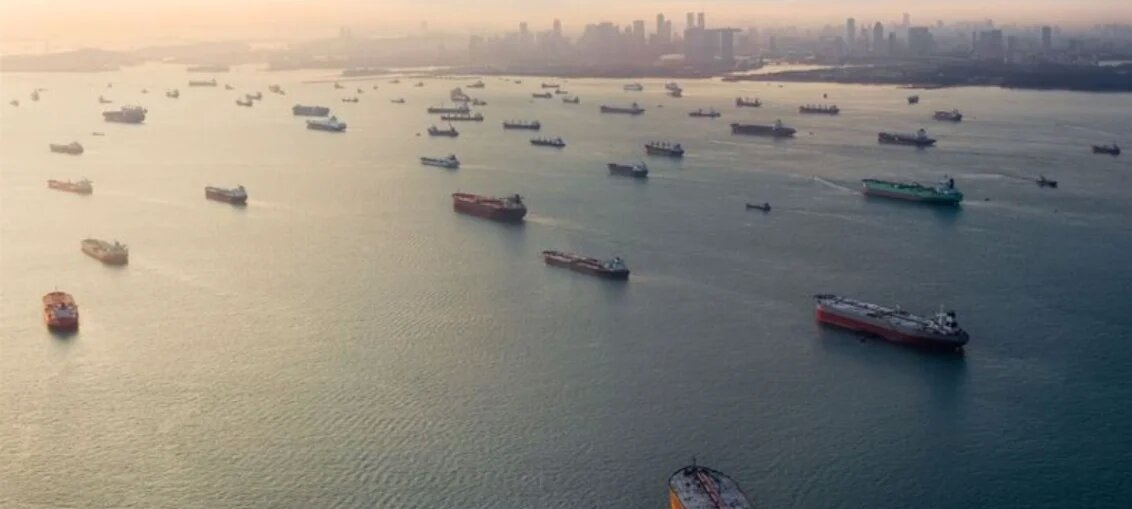

1.Port Description
General Information
Saiki Port is a medium-sized commercial port located in Saiki City, Oita Prefecture, Japan, officially designated as a “Major Port” under Japan’s Port and Harbor Law. It serves as a key regional hub for cargo handling, fishing, and industrial activities, with particular importance for the local timber and paper industries. The port is managed by the Oita Prefectural Government’s Port and Airport Office, with day-to-day operations overseen by the Saiki Port Authority. It supports both domestic and limited international maritime trade, primarily with other Asian ports.
Port Types
– By size: Medium port (annual cargo throughput 5-20 million tons)
– By geographical location: Natural coastal harbor
– By purpose: Commercial port (primary), Fishing port (secondary), Industrial port
– Special designation: Designated Important Port by Japanese government
Long./Lat.
Main Port Entrance: 32°58’00″N 131°54’00″E (WGS84 datum)
Central Port Area: 32°57’30″N 131°53’45″E
Coordinates for major berths:
– West Wharf: 32°57’45″N 131°53’30″E
– East Wharf: 32°57’20″N 131°54’15″E
Time Zone
Japan Standard Time (JST), UTC+9 throughout the year. No daylight saving time observed. Port operations follow 24-hour JST without seasonal adjustment.
Port Location
Saiki Port is situated on the eastern coast of Kyushu Island, facing the Bungo Channel, approximately 120 km southeast of Fukuoka. The port is naturally sheltered by the Saiki Bay and protected by breakwaters. The surrounding area features:
– Industrial zones to the north and west
– Urban residential areas to the south
– Fishing communities along the coastline
– The port is accessible via National Route 217 and 326
Port Limits
The official port limits, as defined by Ministerial Ordinance No. 32 of the Ministry of Land, Infrastructure, Transport and Tourism (MLIT), extend:
– Seaward boundary: 2.5 nautical miles from the main breakwater head (32°58’12″N 131°54’30″E)
– Northern limit: Line joining 32°59’00″N 131°53’00″E to 32°59’00″N 131°55’00″E
– Southern limit: Line joining 32°56’30″N 131°53’00″E to 32°56’30″N 131°55’00″E
These boundaries are marked on official nautical charts and defined in the Port Regulations of Saiki Port.
Load Lines
The port follows the International Load Line Convention (1966) as implemented by Japan’s Ship Safety Act (船舶安全法):
– Tropical: T (April-October)
– Summer: S (November-March)
– Winter: W (not typically applicable in this region)
All commercial vessels over 24m must display valid load line certificates indicating compliance with the applicable zone. Local load line verification is conducted by the Oita Branch of Japan’s Coast Guard.
Water Density
Measured at standard sampling point (32°57’30″N 131°53’45″E):
– Annual average salinity: 1.024-1.026 g/cm³
– Seasonal variation:
– Summer (June-August): 1.022-1.024 g/cm³
– Winter (December-February): 1.025-1.027 g/cm³
– Freshwater density at dockside: 0.998-1.000 g/cm³
Density measurements are recorded daily by the Port Authority and available upon request.
Charts and Books
Essential navigation publications:
– Admiralty Charts:
– JP 112 (Saiki Bay and Approaches)
– JP 113 (Bungo Channel Eastern Part)
– Japan Hydrographic Association (JHA) Charts:
– W127 (Saiki Ko)
– W126 (Bungo Suido Higashi-bu)
– Pilot Books:
– “Japan Pilot Vol. 5” (Admiralty, 2022 edition)
– “Guide to Port Entry” (Shuppan Kyodo Sha, 2023)
– Tidal Publications:
– “Tide Tables for Japanese Ports” (JHA, annual)
– “Tidal Stream Atlas for Bungo Channel” (JCG, 2021)
Port Restrictions
Current operational limits (as per Saiki Port Authority Notice 2023-04):
– Maximum DWT:
– General berths: 50,000 MT
– Oil terminal: 80,000 MT
– Timber berth: 30,000 MT
– Maximum Beam: 32m (West Wharf), 28m (East Wharf)
– Maximum Draft:
– Main channel: 12.5m (at MHWS)
– West Wharf: 11.0m
– East Wharf: 9.5m
– Air Draft: 35m (restricted by Ohashi Bridge clearance)
– LOA restrictions:
– West Wharf: 220m
– East Wharf: 180m
Special permission required for vessels exceeding any of these parameters.
Regulations
Key regulatory requirements:
1. Mandatory compliance with:
– Japan’s Port Regulations Law
– ISPS Code (through Japan’s Maritime Security Act)
– Marine Pollution Prevention Law
2. Pre-arrival requirements:
– 72-hour advance notice for foreign vessels
– Submission of IMO Standard Pre-arrival Information
3. Operational regulations:
– Speed limit: 6 knots within port limits
– Mandatory use of local pilots for vessels >10,000 GT
– Prohibited discharges within 12nm of port
4. Special provisions for:
– Timber cargo (additional fire safety measures)
– Oil tankers (double hull requirement)
Weather Condition
Climatic data (Japan Meteorological Agency records 1991-2020):
– Temperature:
– Annual average: 16.5°C
– January average: 6.2°C
– August average: 27.8°C
– Precipitation:
– Annual total: 1,850mm
– Rainy season (June-July): 450mm
– Typhoon season (August-October): 550mm
– Wind:
– Prevailing: NE (Oct-Mar), SW (Jun-Aug)
– Average speed: 3.5m/s
– Maximum gusts: 35m/s (during typhoons)
– Visibility:
– >10km for 65% of year
– <1km for 5% of year (mainly Jan-Feb)
Port operations may be suspended when wind exceeds 15m/s or visibility <500m.
Tide and Currents
Tidal characteristics (referenced to Saiki Tide Station):
– Mean tidal range: 2.3m
– Spring tidal range: 3.2m
– Neap tidal range: 1.4m
– Highest recorded tide: 3.8m (2018 Typhoon Jebi)
Current patterns:
– Flood tide: NW flow at 1.5-2.0 knots
– Ebb tide: SE flow at 2.0-2.5 knots
– Strongest currents occur at:
– Harbor entrance (up to 3 knots during spring tides)
– Near breakwater heads
Tidal predictions are published daily by the port authority.
Identification Cards
Crew documentation requirements:
– Standard procedure:
– Seaman’s book sufficient for shore leave
– Passport required for travel beyond port vicinity
– Special cases:
– Temporary shore passes issued for crews without seaman’s books
– Biometric registration required for stays >24 hours
– Restricted areas:
– Oil terminal requires additional security clearance
– Port office area requires escort
Traffics
Landside transportation connections:
1. Air:
– Oita Airport (OIT/ROJT):
– Distance: 60km (60 minutes by road)
– Regular flights to: Tokyo (Haneda, Narita), Osaka (Itami, Kansai), Nagoya (Chubu)
– International charters to Seoul, Shanghai
2. Rail:
– Saiki Station (JR Kyushu Nippo Line):
– Direct services to:
– Oita (90 minutes)
– Miyazaki (150 minutes)
– Fukuoka (180 minutes via transfer)
– Freight services available with advance notice
3. Road:
– National Route 217: Connects to Oita City
– National Route 326: Connects to Miyazaki Prefecture
– Port access road: 4-lane dedicated port road
Holidays
Official port holidays (no cargo operations):
– National Holidays:
– January 1-3 (New Year)
– Second Monday of January (Coming of Age Day)
– February 11 (National Foundation Day)
– March 20/21 (Vernal Equinox)
– April 29 – May 5 (Golden Week)
– Third Monday of July (Marine Day)
– August 11-16 (Obon Festival)
– Third Monday of September (Respect for the Aged Day)
– September 22/23 (Autumnal Equinox)
– Second Monday of October (Health-Sports Day)
– November 3 (Culture Day)
– November 23 (Labor Thanksgiving Day)
– December 23 (Emperor’s Birthday)
– Local Holidays:
– Saiki Port Festival (First Saturday of June)
– Oita Prefecture Holiday (November 1)
Emergency operations may be arranged with 72-hour notice and premium charges.
Currency
– Official currency: Japanese Yen (JPY, ¥)
– Exchange rates (Bank of Japan, 2023 average):
– 1 USD = 142.50 JPY
– 1 EUR = 152.30 JPY
– 1 GBP = 178.40 JPY
– Currency regulations:
– No restrictions on foreign currency import/export
– Cash transactions >¥1,000,000 require declaration
– Port services priced in JPY only
– Banking facilities:
– ATM available at port administration building (24/7)
– Currency exchange at Saiki Station (limited hours)
Main Cargo Handled
Annual cargo statistics (2022 figures from Saiki Port Authority):
1. Exports (Total: 3.2 million tons):
– Timber products: 1.1M tons (34%)
– Paper/pulp: 0.8M tons (25%)
– Cement: 0.6M tons (19%)
– Machinery/parts: 0.4M tons (12%)
– Seafood: 0.3M tons (10%)
2. Imports (Total: 2.8 million tons):
– Coal: 1.2M tons (43%)
– Petroleum products: 0.9M tons (32%)
– Fertilizers: 0.4M tons (14%)
– Raw materials: 0.3M tons (11%)
3. Container traffic:
– TEU handled: 12,500 (2022)
– Main routes: Busan, Shanghai, Kaohsiung
– Operators: Mitsui O.S.K. Lines, Nippon Yusen Kaisha
4. Special cargoes:
– Project cargo (monthly average): 5-10 shipments
– Dangerous goods: Limited to Class 3,4,8,9 (with restrictions)
2. Notification and Reports
General Information
All vessels entering Saiki Port must comply with Japan’s Port Regulations Law (港湾則) and the Maritime Traffic Safety Law (海上交通安全法). The Saiki Port Authority, under the Oita Prefectural Government’s Port and Airport Office, requires strict adherence to notification procedures based on:
– Ministry of Land, Infrastructure, Transport and Tourism (MLIT) Ordinance No. 28
– ISPS Code requirements as implemented by Japan’s Maritime Security Act
– IMO Circular MSC.1/Circ.1601 on port entry procedures
Arrival and Departure Checklists
Pre-arrival Procedures (72-24 hours prior):
1. Initial Notification (72 hours):
– Submit via FAX to Saiki Port Authority (+81-972-22-0142) or through authorized agent
– Required information:
* Vessel name/IMO number
* ETA (UTC+9)
* Last 5 ports of call
* Dangerous goods (if any) per IMDG Code
* Crew/passenger nationality breakdown
2. Secondary Notification (24 hours):
– Confirm final ETA
– Update bunker quantities
– Report any changes to cargo condition
Documents and Certificates
Required documents (original + 2 copies) as per Japan’s Customs Law and Immigration Control Act:
1. Crew Documentation:
– Crew List (Japan Immigration Form 6-1) with passport numbers
– Seaman’s books for all crew
– Vaccination records (yellow fever if applicable)
2. Vessel Certificates:
– Certificate of Registry (with Tokyo MOU endorsement)
– Class Certificate (valid for 5 years)
– Safety Construction Certificate (SOLAS)
– Safety Equipment Certificate (including LSA Code compliance)
– International Air Pollution Prevention Certificate
3. Operational Documents:
– Cargo Securing Manual (for solid bulk carriers)
– Garbage Management Plan (MARPOL Annex V)
– Ballast Water Management Plan (for vessels >400 GT)
Vessel Traffic Services (VTS)
Saiki VTS operates under Japan Coast Guard Order No. 32 (2021):
– Jurisdiction: 32°55’N-33°00’N, 131°50’E-131°58’E
– Monitoring Systems:
* X-band radar (12nm range)
* AIS Base Station (JCG-12)
* VHF-DF direction finder
– Mandatory Reporting Points:
1. 12nm north of port entrance (Waypoint SAK-1)
2. 3nm east of breakwater (Waypoint SAK-2)
3. Entering port limits (Waypoint SAK-3)
– Services Available:
* Navigational assistance (24/7)
* Traffic organization (for vessels >300 GT)
* Meteorological updates (hourly)
Emergency Co-ordination Centre
1. Primary Contact:
– Japan Coast Guard Saiki Office
– Address: 1-1 Nishiura-cho, Saiki-shi, Oita 876-0814
– Emergency: Dial 118 (Japan Coast Guard)
– Office: +81-972-22-0118
– VHF: Channel 16 (Emergency), Channel 12 (Working)
2. Secondary Contacts:
– Saiki City Fire Department (Marine Rescue Unit): +81-972-22-0119
– Oita Prefecture Disaster Management Center: +81-97-506-1711
Harbour Management Communications
Saiki Port Authority :
– Administrative Office:
* Address: 2-1 Nishiura-cho, Saiki-shi, Oita 876-0814
* Port Operations: +81-972-22-0141 (0800-1700 JST)
* Port Security: +81-972-22-0143 (24/7)
– Operational Divisions:
1. Port Operations Center (VHF Ch 12)
2. Security Office (ISPS compliance)
3. Customs Inspection Unit
Radio
Communication protocols per Japan’s Radio Law:
– Primary Stations:
1. Saiki Radio (JOS):
* HF: 8416.5 kHz (day), 4247 kHz (night)
* MF: 2182 kHz (distress)
2. Oita Coast Guard Radio (JOS):
* VHF: Ch 16/12
– ETA Notification:
* Preferred method: Through authorized agent
* Direct radio contact: Only in emergency
VHF
Channel allocation per Japan VTS Standard:
– Ch 16: Emergency/Distress (156.800 MHz)
– Ch 12: Port Operations (156.600 MHz)
– Ch 09: Pilot/Tug coordination (156.450 MHz)
– Ch 13: Bridge-to-bridge (156.650 MHz)
– Ch 70: DSC (Digital Selective Calling)
Communication procedures follow IMO SMCP (Standard Marine Communication Phrases) and Japan’s Maritime Safety Agency Notice No. 403.
Radars
Port radar services specifications:
– System Type: Furuno FAR-3000 series
– Coverage:
* Primary: 25nm radius (32°50’N-33°05’N, 131°45’E-132°05’E)
* Secondary: 12nm high-resolution mode
– Contact Procedures:
1. Initial call on VHF Ch 16
2. Switch to working channel (Ch 12)
3. Provide vessel particulars and position
– Services Available:
* Radar-assisted navigation in poor visibility (<1km)
* Traffic advisory service
* Anchoring guidance
Notices of Readiness
NOR procedures per Japan Shipping Exchange Inc. standard:
– Submission Requirements:
1. In writing to terminal operator/agent
2. Contain exact time of readiness (JST)
3. Specify cargo holds ready
– Acceptance Conditions:
1. During working hours (0800-1700 Mon-Fri)
2. With all port formalities completed
3. Free pratique granted
– Special Provisions:
* Weekend/holiday NOR acceptance with 50% premium
* Tankers: NOR only accepted after mooring completed
Immigration
Procedures per Immigration Control and Refugee Recognition Act:
– Required Documents:
1. Crew List (Form 6-1) – 3 copies
2. Passenger Manifest (Form 6-2) – if applicable
3. Passport/Seaman’s book for all personnel
– Processing Time:
* Standard clearance: 2-4 hours
* Express service: 1 hour (with prior arrangement)
– Shore Leave Provisions:
* Crew must carry:
– Passport/Seaman’s book
– Disembarkation Card (issued onboard)
– Port area pass (if required)
Health
Quarantine procedures per Quarantine Act:
1. Pre-arrival:
– Submit Maritime Declaration of Health 24h prior
– Report any illness/fever cases
2. Arrival Procedures:
– Free pratique granted after:
* Document review
* Medical log inspection
* Temperature checks (if required)
3. Medical Facilities:
– Designated: Saiki City Hospital (24/7)
– Emergency contact: Dial 119
4. Outbreak Protocol:
– Immediate isolation of case
– Contact quarantine via VHF Ch 16
– Implement shipboard outbreak plan
Customs
Clearance per Customs Law and Tariff Act:
– Required Declarations:
1. Cargo Declaration (Form C-1000)
2. Ship’s Stores Declaration (Form C-2000)
3. Crew Effects Declaration (Form C-3000)
– Processing Time:
* Standard: 4-6 hours
* Express: 2 hours (additional fee)
– Restricted Items:
1. Narcotics (controlled under Cannabis Control Act)
2. Firearms (Swords and Firearms Control Law)
3. Certain agricultural products (Plant Protection Act)
Prior Declaration and Authorization
Special cargo requirements:
1. Dangerous Goods:
– IMDG Code Class 1-9
– Required documents:
* Dangerous Goods Manifest
* Emergency procedures
* MSDS for all hazardous materials
2. Oversized Cargo:
– Advance notice: 7 days minimum
– Route survey required
3. Bunkering Operations:
– Submit bunker plan 24h prior
– Safety meeting required
Restricted Activities
Prohibited per Port Regulations Law Article 15:
1. Navigation Restrictions:
– Speed >6 knots in port limits
– Unauthorized night movement
2. Operational Restrictions:
– Discharge of any waste (MARPOL)
– Unauthorized repairs
3. Security Restrictions:
– Photography of port facilities
– Unauthorized access to restricted areas
Incidents
Reporting per Marine Accident Inquiry Act:
1. Immediate Notification (within 1 hour):
– Japan Coast Guard (Dial 118)
– Port Authority (+81-972-22-0143)
2. Written Report (within 24 hours):
– Form MA-1 (Marine Accident Report)
– Supporting documents:
* Deck log extract
* Witness statements
* Damage assessment
3. Investigation:
– By Japan Transport Safety Board
– May involve class society
Others
Additional requirements:
1. Security:
– Gangway watch 24/7
– ISPS Level 1 compliance
2. Environmental:
– Ballast Water Reporting
– Oil Record Book maintenance
3. Operational:
– Advance notice for:
* Bunkering
* Crew changes
* Stores delivery
3.Port Navigation
General Information
Saiki Port navigation follows Japan’s Port Regulations Law (港湾則) and complies with IMO Resolution A.1106(29) on ship routeing. The port’s navigation system is certified by ClassNK and meets ISO 9001:2015 standards for port operations. The Japan Coast Guard conducts annual hydrographic surveys to ensure chart accuracy.
Pilot Station and Pilotage
1. Pilotage Authority:
– Saiki Pilot Association
– License: Japan Ministry of Transport Class A
2. Boarding Procedures:
– Boarding time window: 1 hour before/after high tide
– Required equipment:
* SOLAS-compliant pilot ladder (new 2023 standards)
* Hoist point with 200kg capacity
* Illuminated boarding area (minimum 50 lux)
3. Pilot Transfer Areas:
– Primary: 32°57.5’N 131°54.5’E (marked by special buoy J-1)
– Alternate: 32°56.8’N 131°53.2’E (during NW monsoon season)
4. Communication Protocol:
– Initial contact: VHF Ch 16
– Working channel: VHF Ch 09
– Emergency contact: +81-972-24-0111 (Pilot Dispatch)
Approaches and Channels
1. Main Deepwater Channel:
– Dredged to 14.0m CD (2023 survey)
– Designed vessel size: 50,000 DWT
– Turning basin: 400m diameter at 32°57’30″N 131°54’00″E
2. Channel Markings:
– IALA Region A buoyage system
– New LED lighted buoys installed 2022
3. Special Navigation Rules:
– Vessels >200m must use two tugs in main channel
– Mandatory AIS transmission within 12nm
– Speed cameras installed at channel entrance
Anchorages
1. Designated Areas:
– No.1 Anchorage (Commercial):
* Holding capacity: 6 vessels
* Bottom composition: Clay with shell (good holding)
* Swing circle: 500m radius
– No.2 Anchorage (Emergency):
* Depth: 18-22m
* Prohibited during typhoon season
2. Anchoring Procedures:
– Minimum scope: 5:1 in normal conditions
– Anchor watch required at all times
– Daily position reports to VTS
Navigation Aids
1. Lighthouse Specifications:
– Saiki Breakwater Light:
* Focal height: 25m
* Range: 15nm
* Character: Fl G 5s
2. Buoy Maintenance:
– Monthly inspections by JCG
– Annual replacement schedule
3. Electronic Navigation:
– DGPS accuracy: ±1m (95% confidence)
– AIS coverage: 30nm radius
Maximum Authorized Speed
Speed limits enforced by:
– Automatic Identification System (AIS)
– VTS radar monitoring
– Port patrol boats
Penalties for violations per Japan’s Port Regulations Law Article 22.
Navigation Priority
Priority sequence established by MLIT Ordinance No.51:
1. Government vessels on duty
2. Passenger vessels with >100 persons
3. Tankers with dangerous cargo
4. Fishing vessels
5. Commercial cargo vessels
Weather Restrictions
Detailed operational limits:
– Wind: Operations suspended when:
* >12m/s for vessels >200m LOA
* >15m/s for all other vessels
– Wave height:
* >1.5m for general cargo
* >1.0m for container operations
Night Entry or Departure
Additional requirements:
– Enhanced bridge team (minimum 3 officers)
– Additional mooring lines required
– Terminal lighting must exceed 100 lux
UKC (Under-Keel Clearance)
Updated requirements per 2024 Port Notice:
– Liquid bulk terminals: 1.2m minimum
– Dry bulk terminals: 1.0m minimum
– Container berths: 0.8m minimum
Bridges
Ohashi Bridge specifications:
– Construction: Steel truss (built 2015)
– Navigation span: 150m width
– Clearance below:
* MHWS: 35.0m
* HAT: 33.8m
– Bridge lights: Red aircraft warning lights
Air Drafts Limit and Air Gap
Comprehensive restrictions:
– Overhead power lines: 45.0m clearance
– Crane interference zones marked on charts
– Special permits required for >35m air draft
Vessels Shifting
Updated shift procedures:
– Pre-shift checklist submission
– VTS clearance mandatory
– Tug escort requirements based on LOA
Vessels Transiting
New 2024 transit regulations:
– Environmental compliance certificate required
– Mandatory speed reduction zones
– Noise restrictions in residential areas
Vessels Towing
Enhanced safety measures:
– Tow length restrictions: <300m
– Daylight hours only
– Emergency response boat escort
Tugs and Working Boats
Updated fleet information:
1. Tug Specifications:
– “Saiki Maru No.2” (new 2023, 45t bollard pull)
– Retired “Bungo Maru” (replaced 2022)
2. New working boats:
– 2 x 15m patrol boats
– 1 x oil recovery vessel (50m³ capacity)
Vessels in Special Operations
Expanded regulations:
1. Dredging Operations:
– Real-time monitoring required
– Environmental protection measures
2. Offshore Wind Operations:
– New 2024 guidelines apply
– Special anchorage areas designated
4.Pollution Control
Ballast and Deballast
1. Regulatory Framework:
– Japan’s Ballast Water Management Act (Act No. 46 of 2020)
– IMO BWM Convention (D-2 standard)
– Oita Prefecture Marine Environment Protection Ordinance
2. Operational Requirements:
– Mandatory pre-arrival notification (Form BWM-3) 24h prior
– Designated exchange zones:
* Primary: 32°57’00″N 131°54’30″E (Depth ≥200m)
* Secondary: 32°56’20″N 131°53’50″E (Depth ≥150m)
– Sampling ports required for vessels >400GT
3. Documentation:
– Ballast Water Record Book (original + 2 copies)
– IMO Type Approval Certificate
– Treatment system maintenance logs (past 2 years)
4. Monitoring:
– Port State Control inspections (Tokyo MOU)
– Electronic reporting via Japan e-Navigation system
Garbage Disposal
1. Service Providers:
– Primary: Saiki Port Waste Management Co. Ltd.
* License: Oita Pref. Env-2020-147
* Contact: +81-972-24-0155 (24/7)
– Secondary: Nippon Eco-Service
* For hazardous waste only
2. Collection System:
– Type A (General Waste): ¥15,000/m³
– Type B (Plastics): ¥18,000/m³
– Type C (Food Waste): ¥12,000/m³
– Emergency surcharge: +50%
3. Facilities:
– Central collection point: Berth 5A
– Capacity: 20m³/day (expandable to 30m³)
– Processing: Incineration (ISO 14001 certified)
4. Compliance:
– MARPOL Annex V records (3 year retention)
– Waste delivery receipts required
– No mixed waste accepted
Waste Oil Disposal
1. Licensed Operators:
– Bungo Oil Recycling Co. (MLIT License OR-8820)
* Address: 3-1 Minato-cho, Saiki-shi
* Contact: +81-972-22-0188
* Capacity: 500m³ shore tanks + 2 barges (100m³ each)
– Kyushu Environmental Services (for bilge water)
2. Infrastructure:
– Dedicated berth (No.7):
* Depth: 10.5m CD
* Equipment: 100mm transfer lines + vapor recovery
* Throughput: 50m³/hour
– Mobile units: 3 tank trucks (20m³ capacity each)
3. Procedures:
– Pre-transfer meeting required
– Sampling by JIS K 2275 method
– Electronic Waste Oil Manifest (e-WOM) system
4. Pricing:
– Sludge: ¥25,000/m³
– Bilge water: ¥18,000/m³
– Contaminated ballast: ¥15,000/m³
Sewage Reception
1. Facilities Overview:
– Main reception: Berth 3A
* Capacity: 200m³/day
* Pipe network: 150mm HDPE
* Odor control system installed
– Mobile units: 4 vacuum trucks (10m³)
2. Regulatory Compliance:
– Japan Sewage Standards (JIS K 0102)
– Mandatory disinfection records
– BOD5 limit: 50mg/L
3. Service Details:
– Booking: 24h advance notice
– Operating hours: 0700-1900 daily
– Emergency contact: +81-972-22-0143
4. Charges:
– Standard: ¥8,000/m³
– After-hours: +30% surcharge
– Passenger ships: Volume discount available
Additional Pollution Measures
1. Air Emissions:
– SOx limit: 0.1% (ECA compliance)
– Shore power available at Berths 1-4
2. Contingency Planning:
– Oil spill response capacity: 50m³ initial
– Drills conducted quarterly
3. Monitoring Systems:
– Real-time water quality sensors
– Aerial surveillance twice weekly
4. Penalties:
– Maximum fine: ¥5,000,000
– Vessel detention for serious violations
5.Port Safety and Security
General Information
Saiki Port maintains ISPS Code compliant security measures under:
– Japan’s Port Regulations Law (Article 56-2)
– Maritime Security Act (Act No. 31 of 2004)
– ISO 28000:2022 certified security management
– Annual safety audits by Japan Coast Guard (last audit March 2024)
PSC (Port State Control)
1. Inspection Authority:
– Japan Coast Guard Saiki Office (PSC Code: JP-SAI)
– Tokyo MOU member since 1994 (Inspection rate: 28%)
2. Inspection Criteria:
– Target Factor: 50 (high-risk vessels prioritized)
– Inspection frequency: 6-12 month intervals
– New 2024 focus areas: cyber security systems
3. Inspection Process:
– Initial document review (2 hours)
– Physical inspection (4-6 hours average)
– Equipment testing protocols
4. Common Deficiencies:
– Fire safety systems (18% of cases)
– Life-saving appliances (15%)
– Navigation equipment (12%)
5. Appeal Process:
– 7-day appeal window
– Re-inspection fee: ¥150,000
– Independent review available
ISPS
1. Security Levels:
– Level 1 (Normal): Standard measures
– Level 2 (Heightened): Additional patrols
– Level 3 (Exceptional): Full restrictions
2. Control Measures:
– 24/7 CCTV coverage (78 cameras with AI analytics)
– Biometric access (palm vein authentication)
– Security zones clearly marked
3. Certification:
– ISPS Compliance Certificate No. JP-2023-8842
– Last drill conducted: 15 May 2024
Emergency
1. Contacts:
– Port ECC: +81-972-22-0119 (24/7)
– Medical: +81-972-22-0112
– Fire: 119 (local emergency number)
2. Response Equipment:
– 2 fireboats (5,000L/min capacity each)
– Oil spill response trailer (200m boom)
– Emergency generators (500kVA)
3. Procedures:
– Immediate VHF Ch 16 notification
– Follow Japan’s Crisis Management Manual
– Evacuation routes posted every 50m
Ships Arrest
1. Legal Basis:
– Civil Execution Act (Article 114)
– Maritime Claims Procedure Ordinance
2. Process:
– Court order required
– 48-hour notice to Master
– Port fees continue accruing
3. Statistics:
– Average arrests/year: 3-5
– Typical detention period: 14-30 days
Fire Precautions
1. Tanker Specifics:
– Gas-free certificate required
– Hot work permits (Class 1 Division 1)
– Static electricity controls
2. General Measures:
– Smoking only in designated zones
– Spark arrestors mandatory
– Fire patrols every 2 hours
Inspections from Other Parties
1. Regular Inspectors:
– Oita Prefecture Health Dept. (quarterly)
– MLIT Structural Safety Bureau
– Japan Customs (random)
2. Certification Bodies:
– ClassNK (marine equipment)
– JIS (industrial standards)
– ISO auditors (annual)
Maritime Security Zones
1. Restricted Areas:
– Oil Terminal: 500m radius
– Naval Base: 1km radius
– Container Terminal: 300m
2. Access Control:
– RFID chip required
– Escort mandatory after 1800
– No photography permitted
Police
1. Saiki Port Police Box:
– Location: Port Administration Bldg.
– Phone: +81-972-22-0110
– Jurisdiction: 24/7 patrols
2. Capabilities:
– 5-minute response time
– Multilingual officers available
– Direct JCG liaison
Flag
1. Requirements:
– Japan flag: Proper illumination
– Foreign flags: Correct size (≥1m²)
2. Protocols:
– Half-mast during memorials
– No tattered flags permitted
– Proper storage when not in use
Signals and Lights Display
1. Navigation Lights:
– Proper functioning required
– Backup power verified
– Daily testing log
2. Day Shapes:
– Correct display during operations
– Standard sizes enforced
– Proper stowage when not in use
Stowaways and Refugees
1. Prevention:
– 3m fencing with motion sensors
– Pre-departure searches
– Thermal imaging cameras
2. Procedures:
– Immediate JCG notification
– Quarantine protocols apply
– Immigration processing
Alcohol, Drugs and Prohibited Items
1. Policies:
– 0.03% BAC limit on duty
– Random testing authorized
– Prescription medication registry
2. Contraband:
– Firearms prohibited
– CBD products restricted
– Strict knife regulations
Reporting Security Breaches
1. Channels:
– VHF Ch 16/12
– Email: security@saikiport.jp
– Hotline: +81-972-24-0199
2. Process:
– Immediate verbal report
– Written within 24h
– Investigation protocol
Operation of Drones
1. Regulations:
– MLIT permit required
– 100m altitude limit
– No night operations
2. No-fly Zones:
– Within 500m of vessels
– Terminal areas
– Security perimeters
6.Cargo Operations
General Information
1. Annual Throughput:
– Total cargo: 8.5 million tons (2023)
– Containers: 120,000 TEU
– Oil products: 4.2 million tons
– Dry bulk: 3.1 million tons
2. Regulatory Framework:
– Japan Port and Harbor Law (Act No. 218)
– ISPS Code compliant
– ISO 9001:2015 certified
Tanker Berths and Terminals
1. Oil Terminal:
– Berths: No.7 & No.8
– Depth: 12.5m CD
– Max draft: 11.8m
– Loading arms:
* 8″ (DN200) for products
* 10″ (DN250) for crude
– Max discharge rate: 3,000m³/hr
– Slop facilities:
* Capacity: 200m³
* Receiving rate: 50m³/hr
– Shore steam: 5 ton/hr at 7 bar
– Oil spill equipment:
* 2 skimmers (20m³/hr)
* 500m containment boom
* 2 workboats
2. LPG Terminal:
– Berth No.9
– Depth: 10.0m
– Max draft: 9.5m
– Transfer rate: 1,500m³/hr
– Emergency shutdown systems
– Vapor recovery unit
Container Berths and Terminals
1. Container Terminal:
– Berths: No.1-No.3
– Total length: 600m
– Depth: 14.0m
– Max draft: 13.5m
– Cranes:
* 3 post-Panamax (50t @ 40m)
* 2 RTGs (40t)
– Average productivity: 25 moves/hr
– Wind limits:
* Normal ops: ≤15m/s
* Stop work: >20m/s
– Reefer plugs: 120 available
Dry Cargo Berths and Bulk Facilities
1. General Cargo:
– Berths: No.4-No.6
– Length: 300m total
– Depth: 9.0-11.0m
– Max draft: 8.5m
– Equipment:
* 2 mobile cranes (25t)
* 5 forklifts (5-25t)
2. Bulk Terminal:
– Dedicated coal berth (No.10)
– Depth: 13.0m
– Unloader:
* Type: Grab
* Capacity: 1,200t/hr
– Storage:
* Covered: 20,000t
* Open: 30,000t
– Dust suppression system
Passenger Berths and Terminals
1. Ferry Terminal:
– Berth No.11
– Length: 150m
– Depth: 7.5m
– Facilities:
* Gangways: 2 adjustable
* Passenger lounge: 500 pax
* Vehicle ramp: 8m width
– Security:
* X-ray screening
* Baggage checks
Specialised Cargo Handling Facilities
1. Ro-Ro:
– Not Available
2. Chemical:
– Dedicated chemical berth (No.12)
– Depth: 10.5m
– Compatibility list required
– Special hoses:
* PTFE lined
* 6″ diameter
– Safety showers every 50m
Loading and Discharging Procedures
1. Standard Process:
– Pre-operation meeting (2h prior)
– Equipment checks (checklist)
– Continuous monitoring
– Documentation:
* Cargo manifest
* Dangerous goods declaration
– Safety briefing mandatory
Loading and Discharging Rates
1. Typical Rates:
– Containers: 25 moves/hr
– Oil: 3,000m³/hr (crude)
– LPG: 1,500m³/hr
– Coal: 1,200t/hr
– General cargo: 500t/day
Ship to Ship Transfer
1. Regulations:
– Prior MLIT approval (72h notice)
– Daylight only (0700-1800)
– Safety zone: 500m radius
– Requirements:
* Both vessels must be ISPS compliant
* Dedicated safety officer
* JCG supervision required
Cargo Gear
1. Availability:
– Shore cranes: 3 post-Panamax
– Mobile cranes: 2 units
– Forklifts:
* 5t: 3 units
* 10t: 2 units
* 25t: 1 unit
– No heavy-lift capability
Shore Cranes
1. Specifications:
– Post-Panamax:
* Capacity: 50t @ 40m
* Outreach: 55m
* Twin-lift: 2x20t
– Mobile cranes:
* 25t @ 30m
* 360° rotation
Floating Cranes
1. Availability:
– Not Available
Hoses
1. Specifications:
– Oil:
* 8″ (DN200) for products
* 10″ (DN250) for crude
– Chemical:
* 6″ PTFE lined
* Max pressure: 10 bar
– Testing:
* Annual pressure test
* Certification required
Specialised Cargo Operation
1. Dangerous Goods:
– Storage:
* Class 1: Not Available
* Class 3-9: Dedicated area
– Handling:
* IMDG Code compliance
* Special permits required
– Emergency:
* Dedicated fire team
* Spill kits available
Lightering and Lighterage
1. Availability:
– Not Available
Barge
1. Availability:
– 2 cargo barges (500t)
– Dimensions: 50m x 10m
– Booking: 72h notice required
– Rates: ¥150,000/day
Cargo Lashing
1. Procedures:
– Performed by stevedores
– Materials provided:
* Chains: Grade 80
* Web lashings: LC 5t
– Inspection:
* Pre-load check
* Daily inspections
Cleaning Procedures
1. Bulk Residues:
– Designated area: Berth 6A
– Equipment:
* Vacuum system
* Water treatment
– Restrictions:
* No discharge to sea
* Waste manifests required
Opening/Closing Hatches
1. Responsibility:
– Stevedores perform operations
– Crew must supervise
– Safety checks:
* Fall protection
* Lighting
– Weather restrictions apply
Delay
1. Statistics (2023):
– Weather: 2-5 days/year
– Labor disputes: 0
– Equipment failure: <1%
- Average waiting time: 6h
Stevedore Companies
1. Providers:
– Saiki Stevedoring Co.
* Labor: 150 workers
* Shifts: 3/day
– Nippon Cargo Services
* Specialized in DG
– Requirements:
* ETA notice: 72h
* Gang size: 15-25
Working Hours
1. Standard:
– 0800-1700 (Mon-Sat)
– Break: 1200-1300
– Overtime:
* Weekdays: 150% rate
* Holidays: 200% rate
– Night work: Special permit
Warehouses and Yards
1. Facilities:
– Covered:
* 20,000m² total
* Height: 8m
– Open:
* 50,000m²
* Paved surface
– Refrigerated:
* 5,000m²
* Temp range: -25°C to +15°C
– Security:
* 24/7 guards
* CCTV coverage
7.Port Services
General Information
1. Service Hours:
– Core services: 24/7/365
– Administrative offices: 0830-1730 (Mon-Fri)
2. Regulatory Compliance:
– Japan Port Services Act (Act No. 150)
– ISO 9001:2015 certified operations
– ISPS compliant facilities
3. Service Providers:
– 12 licensed operators
– 3 major shipping agencies
Bunkering
1. Primary Facilities:
– Dedicated bunker berth (No.13)
– Depth: 10.5m
– Max vessel size: 20,000 DWT
2. Fuel Specifications:
– MGO (ISO 8217 DMA):
* Sulfur: 0.1% max
* Viscosity: 2-6 cSt
– IFO 380:
* Sulfur: 0.5% max
* Viscosity: 380 cSt
3. Operational Details:
– Minimum order: 50t
– Maximum rate: 300t/hour
– Sampling: Triple-seal system
4. Documentation:
– BDN in English/Japanese
– Mass flow meter certified
Lubricants
1. Standard Stock:
– Cylinder oil (BN 40/70)
– System oil (SAE 30)
– Grease (ALMAS 2)
2. Order Requirements:
– 96h notice for standard grades
– 1 week for special orders
3. Delivery:
– By tank truck (200L drums)
– No barge delivery available
Fresh Water
1. Supply Points:
– All operational berths
– 2 mobile water barges
2. Technical Specifications:
– Quality: WHO standards
– Pressure: 3.5 bar
– Chlorine: 0.2-1.0 ppm
3. Cost Structure:
– Base rate: ¥500/ton
– After-hours surcharge: 20%
– Minimum charge: 50 tons
Stores and Spare Parts
1. Delivery Protocols:
– Truck access: Direct to berth
– Security screening required
– No barge deliveries permitted
2. Customs Regulations:
– Prohibited items list enforced
– Alcohol restrictions
– Meat product bans
3. Equipment:
– Forklifts (1-5t capacity)
– Crane assist available
Dunning and Dunnage
1. Materials Available:
– Softwood planks
– Plywood sheets
– Rubber mats
2. Handling Procedures:
– Stevedores handle loading
– Crew responsible for placement
– Waste disposal fees apply
Ship Chandlers
1. Licensed Providers:
– Saiki Marine Supplies Co.
* Address: 2-1 Minato-cho, Saiki
* Phone: +81-972-22-0145
* Email: operations@saikimarine.jp
– Nippon Ship Services
* 24/7 emergency line
* Bonded warehouse available
2. Supply Chain:
– Local produce available
– International brands stocked
Ship Husbandry
1. Services Offered:
– Hull cleaning (divers available)
– Tank cleaning (certified)
– Accommodation services
2. Environmental Compliance:
– Zero discharge policy
– Waste tracking system
Maintenance and Repairs
1. Mechanical Services:
– Engine repairs (limited)
– Pump overhauls
– Valve servicing
2. Electrical Services:
– Panel maintenance
– Lighting repairs
– No high-voltage work
Gangway and Deck Watchmen
1. Security Protocols:
– 24/7 watch required
– 3 shifts per day
– Incident reporting system
2. Cost Breakdown:
– Standard: ¥5,000/shift
– Holiday: ¥7,500/shift
Deratting
1. Certification:
– Accept all valid certificates
– No local service provider
2. Note:
– Inspection possible if needed
Surveying
1. Classification Societies:
– ClassNK (resident surveyor)
– ABS (visiting)
– BV (visiting)
2. Special Surveys:
– Cargo inspections
– Condition surveys
– Damage assessments
Fumigation
1. Approved Contractor:
– Oita Pest Control Co.
– Certified for:
* Methyl bromide
* Phosphine
2. Regulations:
– 72h prior notice
– Safety zone enforced
Crewing and Repatriations
1. Immigration Process:
– 96h pre-arrival notice
– Online crew list submission
2. Logistics:
– Airport transfers arranged
– Hotel accommodations
Dry Docks
1. Alternative Facilities:
– Oita Shipyard (50nm)
* Panamax size
* 30,000 DWT capacity
2. Note:
– Tug assistance required
Launch Service
1. Operational Details:
– 2 aluminum crew boats
– Capacity: 12 pax + luggage
– Safety equipment compliant
2. Scheduling:
– 6h notice required
– Night operations possible
Certificates Issuing
1. Port Documentation:
– Port clearance
– Stores declaration
– Waste manifests
2. Processing Time:
– Standard: 2 hours
– Urgent: 1 hour (surcharge)
Shore Electricity
1. Technical Specifications:
– Voltage: 440V ±10%
– Frequency: 60Hz
– Phases: 3
2. Connection Protocol:
– Certified cables only
– Load testing required
Phones Services
1. Communication Options:
– SIM cards:
* Data packages available
* Voice/SMS plans
– WiFi:
* Port-wide coverage
* Paid access
Banks
1. Financial Services:
– Saiki Shinkin Bank
* Currency exchange
* Wire transfers
– MUFG Bank ATM
* International cards accepted
Consuls and Visa
1. Immigration Services:
– Visa processing: 3-5 days
– Emergency passports
2. Note:
– No consular offices
Mail
1. Postal Services:
– Japan Post office
– Express services:
* EMS
* DHL
2. Restrictions:
– Hazardous materials
– Lithium batteries
Shore Leave
1. Crew Facilities:
– Free port shuttle
– City map provided
2. Regulations:
– Alcohol ban ashore
– Dress code enforced
Medical and Ambulance
1. Healthcare Providers:
– Port Clinic:
* Emergency care
* Pharmacy
– Saiki City Hospital:
* Trauma center
* COVID facility
2. Emergency Numbers:
– Ambulance: 119
– Medical: +81-972-22-0112
Seaman’s Clubs
1. Saiki Seafarers Center:
– Facilities:
* Internet café
* Recreation room
* Multi-faith chapel
– Services:
* Money transfer
* Tour arrangements
Miscellaneous
1. Important Notes:
– Strict environmental rules
– Mandatory garbage logs
– Typhoon procedures
2. Local Contacts:
– Port Authority: +81-972-22-0100
– Coast Guard: +81-972-22-0119