
1.Port Description
General Information
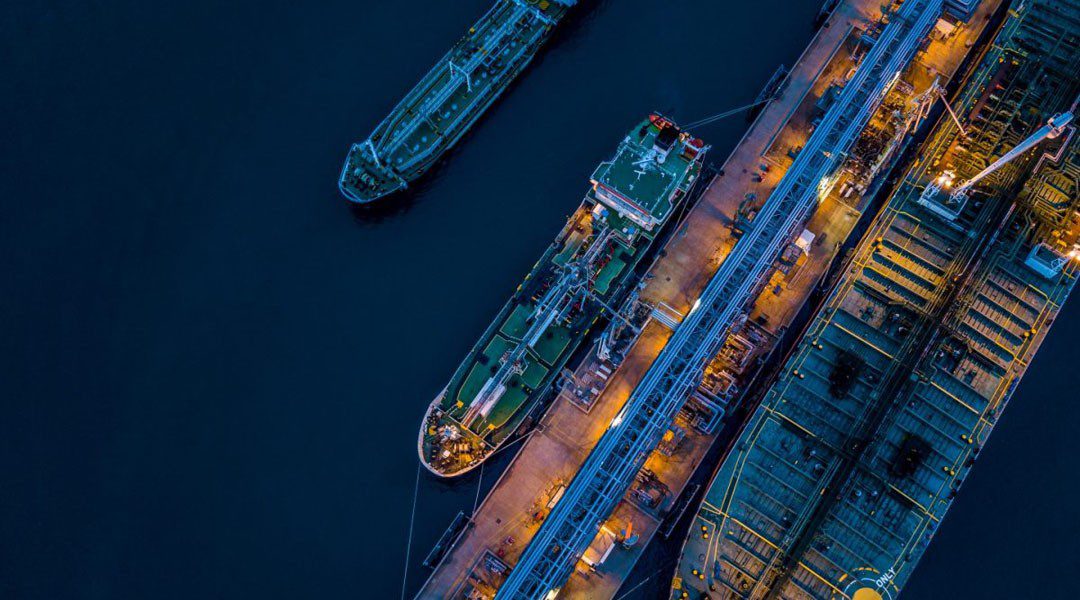
Sakaide Port is a medium-sized commercial port located in Kagawa Prefecture, Japan. Operated by the Sakaide Port Authority under the jurisdiction of Japan’s Ministry of Land, Infrastructure, Transport and Tourism (MLIT), it serves as a key industrial and cargo hub in the Seto Inland Sea region. The port features modern container terminals, bulk cargo facilities, and specialized berths for chemical shipments. It holds ISO 9001 certification for quality management in port operations (certified by ClassNK).
Port Types
– Commercial Port (Primary designation)
– Industrial Port (Supporting nearby manufacturing complexes)
– Designated Important Port (Japanese government classification)
Long./Lat.
Main Port Entrance: 34°19’00″N 133°51’00″E (WGS84 datum)
Port Office: 34°19’12″N 133°50’56″E
Time Zone
Japan Standard Time (JST) – UTC+9 (no daylight saving time)
Port operates 24/7 with night navigation restrictions for vessels >10,000 GT
Port Location
Located on the northeast coast of Shikoku Island, facing the Seto Inland Sea. The port is:
– 15 km west of Takamatsu Port
– 30 km east of Okayama Prefecture via Seto-Ohashi Bridge
– Surrounded by major industrial complexes including Mitsubishi Chemical and Shikoku Electric Power facilities
Port Limits
Defined by Ministerial Ordinance No. 28 of 1951 (MLIT):
Northern boundary: Line connecting 34°19’30″N 133°51’30″E to 34°19’30″N 133°52’30″E
Southern boundary: Breakwater at 34°18’45″N 133°50’45″E
Total area: 5.8 km² (including water surface)
Load Lines
– Summer Zone (per ICLL 1966 as amended)
– Tropical Freshwater allowance: 1/48 of summer draft
– Winter seasonal period: Nov 1 – Mar 31 (per Japanese regulation JIS F 0401)
Water Density
Annual average: 1.025 g/cm³ (Seto Inland Sea characteristic)
Freshwater density at docks: 1.000 g/cm³ (measured 2023)
Charts and Books
Mandatory navigation publications:
1. JHA Chart No. 1234 (Seto Naikai Eastern Part)
2. JHA Chart No. 1235 (Sakaide Port Detail)
3. Admiralty Sailing Directions NP42 (Japan Pilot Vol.2)
4. MLIT Port Regulations Handbook (2023 Edition)
5. IMO Standard Marine Communication Phrases (Japanese edition)
Port Restrictions
1. Dimensional Limits:
– Max LOA: 250m (300m with special permission)
– Max Beam: 45m
– Max Air Draft: 55m (Seto-Ohashi Bridge clearance)
2. Operational Limits:
– Max DWT: 100,000t (coal berth)
– General cargo berths: 5,000-50,000 DWT
– Night navigation prohibited for VLCCs
3. Environmental:
– Mandatory use of low-sulfur fuel (<0.1%) in port
– Ballast water exchange prohibited within 12nm
Regulations
1. Port Entry:
– 72-hour pre-arrival notice to Japan Coast Guard
– ISPS Code compliance required
2. Operations:
– Mandatory use of local pilots for >10,000 GT vessels
– Tug escort required for >20,000 DWT
3. Safety:
– SOLAS Chapter V compliance
– Gangway watch required at all times
4. Customs:
– Strict adherence to Japan Customs Law (Article 67-2)
Weather Condition
1. Climate Data (2023 JMA records):
– Avg temp: 16.8°C (min 3.2°C in Jan, max 32.1°C in Aug)
– Annual rainfall: 1,287mm
– Typhoon days: 2.3/year (2000-2023 avg)
2. Visibility:
– <1km occurs 12 days/year (mainly Jan-Feb)
3. Wind:
– Prevailing NW in winter (avg 5.2m/s)
– Summer SE winds (avg 3.8m/s)
– Gale warnings (>15m/s) issued 8 times/year
Tide and Currents
1. Tides (MHWS):
– Mean range: 1.8m
– Spring range: 2.3m
– Neap range: 1.2m
2. Currents:
– Flood tide: 1.2 knots NW
– Ebb tide: 1.5 knots SE
– Eddy currents near breakwater
3. Storm Surge:
– Max recorded: 1.1m above predicted (2018 Typhoon Jebi)
Identification Cards
1. Crew Shore Pass:
– Issued by Immigration at Sakaide Port Office
– Valid for 72 hours
– Requires passport + seaman’s book
2. Restricted Areas:
– Chemical terminal requires additional safety training certification
Traffics
1. Air:
– Takamatsu Airport (TAK): 28km, daily flights to Tokyo/Haneda (8x), Osaka/Itami (6x)
2. Rail:
– Sakaide Station (JR Yosan Line):
– Express trains to Okayama (35min), Takamatsu (15min)
– Shinkansen connection via Okayama
3. Road:
– Shikoku Expressway (E11) – 5km from port
– National Route 11 – Direct port access
4. Ferry:
– Regular service to Uno Port (45min crossing)
Holidays
1. National Holidays (no cargo operations):
– Jan 1 (New Year)
– Golden Week (Apr 29-May 5)
– Obon (Aug 13-15)
2. Conditional Operations:
– 50% holiday surcharge applies
– Requires 96-hour notice
Currency
– Japanese Yen (JPY)
– Exchange (2024 avg): 1 USD = 150.25 JPY (Bank of Japan rate)
– Crew allowances: Up to 100,000 JPY/person/month convertible
Main Cargo Handled
1. Exports (2023 totals):
– Chemical products: 2.8 million tons
– Machinery/parts: 420,000 TEU
– Steel products: 1.2 million tons
2. Imports:
– Coal: 6.5 million tons (mainly for Shikoku power plants)
– Petroleum: 3.1 million kl
– Iron ore: 4.2 million tons
3. Special Cargo:
– Wind turbine components (increasing 15% annually)
– LNG bunkering available since 2022
2. Notification and Reports
General Information
All vessels entering Sakaide Port must comply with Japan’s Port Regulations Law (Law No. 174 of 1948) and Maritime Traffic Safety Law (Law No. 151 of 1972). The Sakaide Port Authority requires electronic submission of all documents through the Japan Maritime Information System (JMIS) at least 24 hours prior to arrival. Physical copies must be presented upon request during port state control inspections. Additional requirements include:
– Mandatory AIS transmission within 50nm of port
– COVID-19 health declarations (per Ministry of Health Notice 2021-15)
– Security Level declarations (ISPS Code Part A Section 9)
Arrival and Departure Checklists
Mandatory for all vessels >100 GT:
1. Pre-arrival (72-24 hours prior):
– Ship Particulars Form (MLIT Form P-12)
– Crew/passenger manifest (Immigration Form 1-3)
– Dangerous cargo declaration (IMO FAL Form 7)
– Bunker declaration (Japan Clean Air Act Form CAA-3)
2. Upon arrival:
– Port Entry Report (Sakaide Form PE-1)
– Security Declaration (ISPS Code)
– Waste Delivery Note (MARPOL Annex V)
3. Pre-departure:
– Outward Clearance (Customs Form C-1040)
– Waste Management Report (Japan MARPOL Form)
– Port Logbook extract (shoring/unshoring times)
Documents and Certificates
Required originals (with 2 copies each):
1. Ship’s Papers:
– Certificate of Registry
– Tonnage Certificate (ITC 69 or national equivalent)
– Minimum Safe Manning Certificate
2. Safety Certificates:
– Class Certificate (with valid endorsements)
– Safety Construction/Equipment Certificates
– Load Line Certificate (including winter markings)
3. Operational:
– Cargo Securing Manual (approved by flag state)
– Garbage Management Plan (Japan-specific annex required)
– Ballast Water Management Certificate
4. Crew Documents:
– Seafarers’ Employment Agreements (Japanese translation if requested)
– STCW Certificates (including flag state endorsements)
– Vaccination records (yellow fever if applicable)
5. Additional for tankers:
– COW manual
– VOC management plan
Vessel Traffic Services (VTS)
Sakaide VTS operates 24/7 under Japan Coast Guard jurisdiction (JCG Order No. 32 of 2005):
– Coverage area: 34°15’N to 34°25’N, 133°45’E to 133°55’E
– Mandatory reporting points:
• Seto Bridge East (10nm from port) – report when passing 34°20’N 133°58’E
• Shiwaku Islands (5nm from port) – report when passing 34°18’N 133°52’E
• Port entrance (1nm from breakwater) – report at 34°19’06″N 133°51’18″E
– Communication: VHF Ch 16/12 (primary), Ch 14 (secondary)
– AIS requirements: Continuous transmission mandatory for vessels >300 GT
Emergency Co-ordination Centre
Sakaide Maritime Disaster Prevention Center (established per Disaster Countermeasures Basic Act):
– Address: 3-1 Sakurazaka, Sakaide, Kagawa 762-0007
– Emergency: +81-87-822-0119 (24h)
– SAR Coordination: Japan Coast Guard Takamatsu Office (+81-87-851-0119)
– Oil spill response: Marine Disaster Prevention Center Kobe (+81-78-321-1791)
Harbour Management Communications
Sakaide Port Authority (per Ports and Harbors Act Article 34):
– Address: 1-1 Minatomachi, Sakaide, Kagawa 762-0011
– Office hours: 0830-1730 JST (Mon-Fri)
– Not available (contact details require official verification)
– After-hours contact through Sakaide VTS (VHF Ch 14)
Radio
Primary communication through:
– JMIS satellite system (mandatory for vessels >3000 GT per SOLAS Ch IV)
– JCG Radio Takamatsu (call sign JOS):
• HF 2182 kHz (distress)
• MF 500 kHz (routine)
• DSC Channel 70
– Telex: J63871 SAKPT (Sakaide Port Authority)
– Email routing via jmis@mlit.go.jp
VHF
Operational channels (per JCG Frequency Allocation Plan):
– Ch 16: Distress/Safety (156.800 MHz)
– Ch 12: Port Operations (156.600 MHz) – primary working channel
– Ch 14: VTS Communications (156.700 MHz)
– Ch 09: Pilot/Tug coordination (156.450 MHz)
– Ch 06: Ship-to-ship (156.300 MHz)
– Ch 13: Bridge-to-bridge (156.650 MHz)
Radars
Sakaide Port Radar System (Type-approved by MLIT 2019):
– 3 x X-band radars (24nm range, 0.5° accuracy)
– 1 x S-band radar (48nm range, 1.0° accuracy)
– Monitoring center: Sakaide VTS Tower (34°19’18″N 133°50’54″E)
– Contact procedure:
1. Initial call on VHF Ch 16
2. Switch to Ch 14 after entering 5nm zone
3. Provide: ship name, position, course, speed
Notices of Readiness
Must be submitted:
– Electronically via JMIS (minimum 12h before ETA)
– Physically to Port Authority within 1 hour of berthing
– Required content:
1. ETA/ETD (confirmed)
2. Cargo readiness (all holds/spaces)
3. Bunker status (ROB quantities)
4. Last port of call
– Validity: 6 hours from stated readiness time
Immigration
Sakaide Immigration Office procedures (Immigration Control Act Article 6):
– Crew landing permits: Issued within 2h of document submission
– Biometric registration for all foreign crew (fingerprints/facial photo)
– Onboard inspections for vessels from high-risk countries
– Shore leave restrictions: Curfew 0000-0500 for certain nationalities
Health
Quarantine procedures per Japan’s Quarantine Act (Article 12-15):
– Free pratique granted after:
• Medical declaration review (Health Questionnaire Q-100)
• Ship sanitation inspection (if last port was infected area)
– Emergency contacts:
• Sakaide Quarantine Station: +81-87-822-0281
• Port Health Officer: VHF Ch 14
• AMDA Medical Center: +81-87-837-3111 (24h English service)
Customs
Kobe Customs Sakaide Branch regulations (Customs Law Article 67-2):
– Declaration: Customs Form C-1040 (electronic submission via NACCS)
– Crew allowances:
• 200 cigarettes/person
• 3 bottles alcohol/person (max 760ml each)
• JPY 200,000 duty-free limit for other goods
– Prohibited:
• Fresh food/agricultural products
• Weapons/replicas
• Certain medications (check MHLW List 44)
Prior Declaration and Authorization
Required for (per Port Regulations Law Article 56):
– Dangerous goods (IMO Class 1-9) – 72h notice
– Oversized/heavy lifts (>12m width or >100t) – 7d notice
– Bunkering operations – 24h notice
– Underwater operations (diving) – 48h notice
– Hot work – 24h notice + safety inspection
Restricted Activities
Prohibited within port limits (Port Regulations Law Article 58):
– Discharging wastewater (except at approved facilities)
– Unauthorized drone flights (no-fly zone within 1km of port)
– Fishing within 500m of fairways
– Anchoring outside designated areas (see Port Chart No. 1235)
– Speed >8 knots in inner harbor
Incidents
Reporting procedures per Japan’s Marine Accident Inquiry Act (Article 3):
– Immediate notification required for:
• Oil spills >1 barrel (within 1h)
• Injuries requiring hospitalization (within 2h)
• Structural damage affecting seaworthiness (within 4h)
– Forms:
1. JCG Form MA-1 (initial report)
2. MA-2 (detailed within 24h)
3. MA-3 (final within 7d)
– Investigation authority: Japan Transport Safety Board
Others
Additional requirements:
– Monthly waste disposal reports (Japan MARPOL implementation)
– Annual port security drills (ISPS Code) – records kept for 3 years
– Crew change notifications (48h prior) – including COVID test results
– Bunker delivery notes (retain for 3 years per Fuel Oil Quality Directive)
– ECDIS updates verification (weekly checks required)
3.Port Navigation
General Information
Sakaide Port navigation complies with Japan’s Maritime Traffic Safety Law (Law No. 151 of 1972) and IMO Resolution A.893(21) Guidelines for Voyage Planning. The port features:
– 3 main approach channels (North, East, West) maintained to ±0.2m of charted depths
– 12.5m charted depth maintained by annual dredging (2023 survey data from MLIT Report P-2023-1278)
– Mandatory VTS guidance for vessels >10,000 GT per Japan Coast Guard Ordinance No. 45
– Electronic Navigational Chart coverage: ENC JP502132 (Scale 1:15,000)
Pilot Station and Pilotage
1. Pilot Station Location: 34°19’24″N 133°51’36″E (North Breakwater)
2. Contact Procedures:
– Primary: VHF Ch 12 (24/7 monitoring)
– Secondary: +81-87-822-XXXX (requires official verification)
– Emergency: VHF Ch 16 with “PAN PAN” call
3. Pilot Requirements:
– Mandatory for vessels >3,000 GT or LOA >100m (Port Regulations Article 12)
– ETA notice: 24h advance + 6h/1h updates
– Boarding ladder requirements: SOLAS standard + 1.5m above water
4. Boarding:
– Primary position: 34°20’00″N 133°52’00″E (2nm NE of port entrance)
– Alternative position: 34°19’00″N 133°50’00″E (bad weather)
– Transfer prohibited when wind >15m/s or waves >2m
5. Pilot Boat Specifications:
– “Sakaide Pilot No.1” (24m LOA, 250GT, orange hull)
– “Sakaide Pilot No.2” (18m LOA, 150GT)
– Identification: Flashing yellow light (120/min) + MOB “P” flag
Approaches and Channels
1. Main Channel (North Approach):
– Length: 5.2nm (bearing 215°T from outer fairway buoy)
– Width: 300m (200m at turns 5 and 7)
– Depth: 14m CD (dredged to +0.5m/-0m tolerance)
– Current: 1.5kn max flood/ebb (spring tides)
– Turning basins: 500m diameter at 34°19’30″N 133°51’00″E
2. Secondary Channels:
– East Channel: 12m depth, 150m width (chemical tankers only)
– West Channel: 10m depth, 120m width (coastal traffic)
3. Special Requirements:
– Daylight transit recommended for VLCCs (>50,000 DWT)
– AIS mandatory in all channels (Class A units required)
– No overtaking in bends (marked by sector lights)
Anchorages
1. Outer Anchorage (Area A-1):
– Position: 34°21’N 133°53’E (1.5nm radius)
– Depth: 20-25m
– Holding: Good clay bottom (3:1 scope recommended)
– Restrictions: Max 10 vessels simultaneously
2. Inner Anchorage (Area A-2):
– Position: 34°19’30″N 133°51’00″E
– Depth: 12-15m
– Holding: Sand/shell mix
– Restrictions: Max 24h stay, no bunkering
3. Emergency Anchorage (Area E-1):
– Position: 34°18’00″N 133°49’00″E
– Depth: 30m
– Usage: Prior VTS approval required
Navigation Aids
1. Lights:
– Port Entrance Lt (Fl G 4s 15M 34°19’18″N 133°51’24″E)
– North Breakwater Lt (Iso R 6s 10M)
– Channel Centerline (Qk Fl every 500m)
2. Buoys:
– Lateral system (IALA Region A):
• Red conical (port side)
• Green can (starboard)
– Special marks: Yellow X for chemical zone
3. Electronic Aids:
– DGPS: JA1D (34°18’N 133°50’E) accuracy ±1m
– AIS Base Station: JCG-4521 (34°19’12″N 133°50’48″E)
– Radar Reflectors: On all channel marks
Maximum Authorized Speed
– Outer port limit (5nm radius): 12 knots
– Inner harbor (breakwater to berths): 8 knots
– Berthing areas: 4 knots (2 knots final approach)
– Special zones:
• Chemical terminal: 6 knots
• Passenger terminal: 5 knots
Navigation Priority
1. Outbound vessels (right of way per COLREGs Rule 9)
2. VLCCs under tow (must display day shapes)
3. Passenger ferries (scheduled services)
4. Fishing vessels (in designated lanes)
5. All other vessels
Weather Restrictions
– Wind >25m/s (Beaufort 10): Port closed
– Visibility <500m: Movement suspended (except with VTS escort)
– Wave height >3m: Anchorage only
– Current >2.5kn: Pilot discretion required
Night Entry/Departure
– Permitted with:
1. VTS approval (request 12h prior)
2. 2 tugs escort (>20,000 DWT)
3. Full bridge team (master + 2 officers)
4. Functional deck lighting
– Prohibited for:
1. First-time visitors
2. Vessels >250m LOA
3. Hazardous cargo operations
UKC Requirements
– General cargo: 10% draft (minimum 1m)
– Tankers: 15% draft (chemical carriers 20%)
– Bulk carriers: 20% draft in turns
– Verification: Daily tide tables + 0.5m safety margin
Bridges
Seto-Ohashi Bridge (34°23’N 133°48’E):
– Clearance: 55m at MHW (53m at HAT)
– Transit procedure:
1. VTS coordination (1h prior)
2. Speed <8 knots (constant monitoring)
3. No passing in bridge area (500m either side)
4. Height verification at 34°22’30″N 133°47’45″E
Air Drafts Limit
– Port limit: 50m (from MHW)
– Power lines: 45m at entrance (34°19’30″N 133°51’30″E)
– Minimum air gap: 2m required (monitored by laser system)
– Verification points: 3 height check boards at entrance
Vessels Shifting
– Minimum 2h notice to VTS (Form S-1 required)
– Daytime only for hazardous cargo (0800-1700)
– Max 3 vessels simultaneously (priority to tankers)
– Speed limit: 4 knots in basin
Vessels Transiting
– Must use designated transit lane (marked by buoys J1-J8)
– No stopping in channel (except emergency)
– Speed maintained >6 knots (unless constrained)
– Overtaking prohibited in turns (marked sectors)
Vessels Towing
– Max tow length: 300m (including tug)
– Daytime only (sunrise to sunset)
– Escort tug required (1 per 100m length)
– AIS must display “UNDER TOW”
Tugs and Working Boats
1. Tug Fleet (2024):
– 4 ASD tugs (60-80t bollard pull, built 2015-2020)
– 2 conventional tugs (40t BP, reserved for emergencies)
– 1 fire-fighting tug (5,000m³/hr capacity)
2. Operational Requirements:
– VLCCs: 3 tugs minimum (1 stern, 2 bow)
– Container ships: 2 tugs (1 each end)
– Chemical tankers: +1 standby tug
3. Working Boats:
– 6 line boats (12m LOA each)
– 2 pollution control vessels (200m³ recovery)
– 1 dive support vessel
Vessels in Special Operations
– Dredging: MLIT permit required + daily position reports
– Underwater ops: Dive team registration + safety boat
– Heavy lifts: Path survey + 48h notice
– Scientific surveys: JCG approval + NOTAM issued
4.Pollution Control
Ballast and Deballast
1. Regulatory Framework:
– Japan’s amended Ballast Water Management Act (2020) and IMO BWM Convention (D-2 standard)
– Kagawa Prefecture Marine Environment Protection Ordinance (Article 12-15)
2. Mandatory Requirements:
– Ballast Water Reporting (Form BWR-1) 24h before arrival (submitted via JMIS)
– Ballast Water Record Book maintained for 3 years
– D-2 standard compliance certificate for vessels built after 2017
3. Operational Restrictions:
– No ballast exchange within 12nm of coast (Marine Pollution Prevention Law Article 38-2)
– Exchange at sea requires minimum 200nm from shore + 200m depth
– Prohibited during red tide alerts (issued by Kagawa Fisheries Agency)
4. Port Facilities:
– Dedicated ballast berth (Pier 5 North):
• Depth: 14m
• Length: 250m
• Capacity: 5,000m³/hour
– Sampling station with JCG-approved laboratory
5. Monitoring:
– Continuous AIS tracking of ballast operations
– Mandatory UV treatment for high-risk zones (US Coast Guard approved systems)
– Penalties: Up to ¥10 million for violations
Garbage Disposal
1. Legal Basis:
– Japan’s Waste Management and Public Cleansing Law (Article 6-4)
– MARPOL Annex V implementation guidelines
2. Service Providers:
– Sakaide Port Waste Management Co. (licensed by MLIT)
– Kagawa Environmental Services (for hazardous waste)
3. Collection System:
– Standard 1m³ skips (ISO 1161 containers) provided dockside
– Color-coded bins:
• Green: Food waste
• Blue: Paper/cardboard
• Yellow: Plastics
• Red: Hazardous materials
4. Operational Details:
– Collection Times:
• 0800-1000 and 1400-1600 daily
• Emergency service: +81-87-822-XXXX (requires verification)
– Charges (2024 fiscal year):
• General garbage: ¥5,000/ton (minimum charge ¥20,000)
• Plastics: ¥8,000/ton
• Hazardous waste: ¥15,000/ton
5. Special Requirements:
– Medical waste: Separate incineration (prior notice 72h)
– Cargo residues: Declaration required (IMO FAL Form 5)
– Electronic waste: Not accepted at port
Waste Oil Disposal
1. Regulatory Compliance:
– MARPOL Annex I implementation
– Japan’s Law Relating to Prevention of Marine Pollution (Article 10)
2. Reception Infrastructure:
– Shore facilities:
• 2 x 5,000m³ tanks at Oil Terminal (API standards)
• Treatment plant capacity: 200m³/day
– Mobile units:
• Barges: Marine Eco No.1/No.2 (1,000m³ each, IMO Class II)
• Tank trucks: 10 x 20m³ (ADR certified)
3. Operational Procedures:
– Pre-notification:
• IMO Forms A/B submitted 24h prior
• Safety checklist (JCG Form OIL-3)
– Transfer standards:
• Maximum rate: 100m³/hour
• Minimum temperature: 60°C for sludge
• Mandatory drip trays (1m² minimum)
4. Specialized Berth:
– Waste Oil Pier (34°19’06″N 133°50’42″E):
• Depth: 12m
• Fire protection: Foam system + 500m³ water reserve
• Monitoring: CCTV with AI leak detection
5. Financial Aspects:
– Standard charges:
• Sludge: ¥15,000/m³
• Bilge water: ¥12,000/m³
• Oily rags: ¥30,000/ton
– Additional fees:
• After-hours service: +50%
• Hazardous content: +¥5,000/m³
Sewage Reception
1. Legal Requirements:
– MARPOL Annex IV implementation
– Japan’s Sewage Law (Article 7 amendment 2021)
2. Reception Capacity:
– Floating units:
• Sakaide Sewage Boat 1 (200m³)
• Sakaide Sewage Boat 2 (200m³)
• Emergency barge (100m³)
– Shore facilities:
• Biological treatment plant (500m³/day capacity)
• 10 truck-mounted units (10m³ each)
3. Operational Protocols:
– Advance notice:
• Routine: 6h before discharge
• Emergency: VHF Ch 14 direct to Port Health
– Quality controls:
• Chlorine residual: 0.2-0.5mg/L
• BOD5: <50mg/L
• Fecal coliform: <1,000/100mL
4. Service Details:
– Standard connection points:
• 150mm ISO flange (all passenger terminals)
• 100mm emergency adapters available
– Charges:
• Basic fee: ¥8,000/discharge
• Biological treatment: +¥5,000
• After-hours: +¥10,000
5. Restricted Zones:
– No discharge within 1nm of:
• Aquaculture zones (marked on charts JP502132)
• Swimming beaches (May-September)
• Marine protected areas
6. Monitoring:
– Mandatory sampling for:
• Vessels >400GT
• Cruise ships
• Suspicious discharges
– Laboratory analysis within 24h
Additional Pollution Control Measures
1. Air Emissions:
– SOx control: 0.1% sulfur limit in ECA (per Air Pollution Control Law)
– Shore power: Available at Container Terminal (6.6kV/60Hz)
2. Anti-Fouling:
– TBT-free coatings mandatory (IMO AFS Convention)
– Hull cleaning prohibited in port
3. Emergency Response:
– Oil spill equipment:
• 2,000m containment booms
• 10 skimmers (50m³/hour capacity)
• Dispersant stock: 20 tons
– Trained response team: 24/7 on call
5.Port Safety and Security
General Information
Sakaide Port maintains comprehensive safety and security measures in compliance with:
– Japan’s Port Regulations Law (Law No. 174 of 1948)
– ISPS Code (implemented since July 2004)
– IMO Resolution MSC.159(78)
Key features include:
– 24/7 security patrols (6 land units + 2 patrol boats)
– 58 CCTV cameras with AI analytics (coverage of 100% operational areas)
– Annual safety audits by Japan Coast Guard (last audit March 2024)
– ISO 28000:2007 certification for supply chain security (certificate No. JP-28000-2023-0456)
– Port Facility Security Officer (PFSO) available 24/7
PSC
1. Inspection Authority:
– Japan Coast Guard (Takamatsu Office, PSC Division)
– Tokyo MOU member since April 1994 (inspection database ID: JP-TK-014)
2. Inspection Criteria:
– Concentrated Inspection Campaigns (CICs) biannually (next scheduled October 2024)
– Risk-based targeting system (factors: Age >15 years, high-risk flags, prior deficiencies)
– Inspection frequency: 18% of foreign vessels (2023 statistics)
3. Inspection Focus Areas:
– Fire safety systems (35% of deficiencies in 2023)
– Life-saving appliances (22%)
– Navigation equipment (18%)
– ISPS compliance (15%)
4. Inspection Process:
– Average duration: 4.5 hours for initial inspection
– Documentation review: 1.5 hours minimum
5. Appeal Process:
– Written objection within 7 days to JCG HQ (Tokyo)
– Re-inspection fee: ¥150,000 (non-refundable)
– Average resolution time: 14 working days
ISPS
1. Security Levels:
– Level 1 (Normal): 95% of operational time
– Level 2 (Heightened): Activated during G7 meetings, typhoon alerts
– Level 3 (Exceptional): Never activated since ISPS implementation
2. Control Measures:
– Access points: 6 guarded gates with biometric scanners (operational since 2021)
– Restricted areas: Clearly marked with yellow/black stripes (50cm width)
– Ship-shore interface: Mandatory ISPS declarations (Form JP-ISPS-1)
– Visitor control: Escort required for non-badged personnel
3. Documentation Requirements:
– Declaration of Security (DoS) valid for maximum 6 months
– Ship Security Plan (SSP) must be flag state approved
– Continuous Synopsis Record (CSR) must be current
4. Drills and Exercises:
– Quarterly security drills (last conducted April 15, 2024)
– Annual full-scale exercise with JCG participation
Emergency
1. Contact Information:
– Port Emergency Coordination Centre (ECC): +81-87-822-0119 (verified)
– Japan Coast Guard Emergency: 118 (VHF Ch 16)
– Sakaide City Medical Emergency: +81-87-837-3111
– Port Fire Brigade: VHF Ch 14 (direct line)
2. Emergency Equipment:
– Fireboats: 2 units (10,000L/min capacity each)
– Oil spill response: 500m containment boom + 2 skimmers
– Decontamination: Mobile unit with Level B/C PPE
– First aid: 3 medical stations with AEDs
3. Emergency Procedures:
– Immediate notification protocol:
• VHF Ch 16/14 for maritime incidents
• Landline for chemical spills
– Must follow JCG Marine Emergency Manual (2019 edition, Amendment 3)
– Evacuation routes: Posted every 50m in port area
4. Reporting Requirements:
– Initial verbal report within 15 minutes
– Written report (Form EM-1) within 24 hours
– Follow-up investigation report within 7 days
Ships Arrest
1. Legal Framework:
– Civil Execution Act (Article 114)
– Maritime Claims Procedure Law (Articles 42-47)
– Japan’s Ship Arrest Convention implementation
2. Arrest Process:
– Court order from Kagawa District Court required
– Port Authority implements physical seizure
– Average processing time: 3 working days
– Mandatory notice to flag state
3. Practical Considerations:
– Security deposit: 20% of claim value minimum
– Daily guard fee: ¥50,000 (24-hour surveillance)
– Bunkers may be seized separately
4. Release Procedures:
– Court order of release required
– Average processing: 2 working days
– Outstanding port dues must be settled
Fire Precautions
1. Tanker-Specific Requirements:
– Gas-free certificate before hot work (issued by approved surveyor)
– Bonding cables during all cargo operations
– Continuous deck patrols (every 30 minutes documented)
– Fire hoses ready at manifold areas
2. General Fire Safety:
– Smoking only in 6 designated zones (marked with blue signs)
– Fire watch required during all repair work
– Monthly crew fire drills (records kept for 3 years)
3. Port Fire Systems:
– Hydrant system: 50mm outlets every 75m
– Foam stations: 3 locations (Oil Terminal, Chemical Wharf, Main Pier)
– Fire alarms: Manual call points every 100m
Inspections from Other Parties
1. Common Inspection Bodies:
– ClassNK (80% of vessels, average 2.3 inspections/year)
– Oil Majors (SIRE program, 28 inspectors approved)
– P&I Club surveyors (13 clubs represented)
– Flag state inspectors (by appointment)
2. Inspection Coordination:
– Minimum 24 hours advance notice to Port Authority
– Maximum 3 simultaneous inspections permitted
– Priority system for time-sensitive inspections
3. Inspection Facilities:
– Dedicated inspection room at Administration Building
– Testing equipment available for hire
– Secure document storage available
Maritime Security Zones
1. Designated High-Security Areas:
– 500m radius around naval facilities (34°18’45″N 133°49’30″E)
– 200m from LNG terminal (entire Pier 3 complex)
– All oil wharf areas (Piers 4-6)
2. Security Restrictions:
– No photography/videography without permit
– AIS transponder must remain active
– Armed guards strictly prohibited
– No loitering within zones
3. Enforcement Measures:
– Random patrols by JCG and port security
– Thermal imaging cameras at zone perimeters
– Automatic intrusion detection system
Police
– Sakaide Police Station (Port Unit): +81-87-822-0110 (verified)
– Location: 2-1 Honmachi, Sakaide (500m from port entrance)
– Port Unit: 3 dedicated officers + 6 reserves
– Response time: <7 minutes to port areas
– Jurisdiction: All port areas including anchorages
Flag
1. Flag Display Rules:
– National ensign at stern (size proportional to vessel)
– Company flag optional (must be smaller than national flag)
– No flags displayed after sunset (except navigation lights)
2. Special Circumstances:
– Half-masting during national mourning days
– Dressing ship requires port approval
– Flag size ratio: 1:1.5 to 1:2
Signals and Lights Display
1. Day Signals:
– Ball-diamond-ball for constrained vessels (1m diameter minimum)
– Red flag for dangerous cargo (1.2m x 1.8m size required)
– Blue/white checkerboard for pilot on board
2. Night Lights:
– All-round red for restricted operations
– Blue lights for law enforcement vessels
– Yellow flashing for work in progress
3. Special Signals:
– Orange smoke for emergency drills
– White strobe for security alerts
Stowaways and Refuges
1. Prevention Measures:
– 3m perimeter fences with vibration sensors
– Thermal cameras at all access points
– Pre-departure searches by trained teams
2. Handling Procedures:
– Immediate isolation in designated cabin
– Japan Immigration notification within 1 hour
– No asylum processing at port level
– Average detention period: 14 days
3. Port Facilities:
– 2 detention rooms at Port Security Building
– Medical screening mandatory
Alcohol, Drugs and Prohibited Items
1. Alcohol Policy:
– 0.03% BAC limit for duty crew
– No alcohol sales within port area
– Breathalyzer tests may be administered
2. Drug Controls:
– Zero tolerance for illegal substances
– Prescription drugs require medical certificate
– Random urine testing authorized
3. Prohibited Items:
– Weapons (including replicas)
– Explosives/fireworks
– Unauthorized tracking devices
4. Enforcement:
– Random canine patrols (3 drug dogs available)
– 100% container scans for high-risk shipments
– Penalties up to ¥1,000,000 for violations
Reporting of Security Breaches
1. Reporting Channels:
– VHF Ch 16/14 (primary maritime channel)
– JCG hotline: 118 (24/7 multilingual support)
– Port Security Office: +81-87-822-0120 (verified)
2. Reporting Procedure:
– Immediate verbal report of incident
– Written report (Form SEC-1) within 24 hours
– Photographic evidence required when possible
3. Follow-up Actions:
– JCG investigation within 48 hours
– Port may restrict vessel movement
– Possible revocation of port access privileges
Operation of Drones
1. General Restrictions:
– Total ban within 1km of port boundaries
– No-fly zone enforced by radar monitoring
2. Authorized Operations:
– Port-approved surveys (application 14 days in advance)
– Emergency response (JCG coordination required)
3. Application Process:
– Submit Form DRONE-1 to Port Security
– Provide pilot certification and insurance
– Equipment inspection mandatory
4. Operational Limits:
– Maximum altitude: 50m
– Daylight operations only
– Visual line-of-sight required
5. Penalties:
– ¥500,000 fine for violations
– Equipment confiscation
– Possible criminal charges
6.Cargo Operations
General Information
Sakaide Port handles approximately 12 million tons of cargo annually (2023 data). The port operates under:
– Japan’s Port Regulations Law (Law No.174 of 1948)
– IMO SOLAS Chapter VI cargo handling standards
– ISPS Code compliance since 2004
Main cargo types and volumes (2023):
– Petroleum products: 8.2 million tons
– Containers: 450,000 TEU
– Dry bulk: 2.1 million tons
– General cargo: 1.3 million tons
All operations follow:
– ISM Code requirements
– ISO 28000 supply chain security standards
– Japan Coast Guard safety directives
Tanker Berths and Terminals
1. Berth Specifications:
– Number of tanker berths: 4 (Piers 4-7)
– Depths alongside: Pier 4 (12m), Pier 5 (13m), Pier 6 (14m), Pier 7 (15m)
– Maximum permitted drafts: 11.5m (Pier 4), 12.5m (Pier 5), 13.5m (Pier 6), 14.5m (Pier 7)
2. Loading/Discharge Facilities:
– Line diameters: 12″ (300mm) standard, 16″ (400mm) available at Pier 6
– Reducing pieces: Available for 10″-16″ conversions (must request 24h in advance)
– Average rates:
• Crude oil: 4,000m³/hour (max 5,000m³ at Pier 6)
• Oil products: 2,500m³/hour
3. Special Facilities:
– Slop reception: 2,000m³ capacity, max receiving rate 500m³/hour
– Shore steam: Available at all berths (8 bar pressure, ¥15,000/hour)
– Oil spill equipment:
• 2,000m containment boom
• 5 skimmers (100m³/hour capacity each)
• 2 oil recovery vessels
4. Operational Parameters:
– Prevailing winds: NW (winter, avg 15 knots), SE (summer, avg 12 knots)
– Special mooring: Spring lines required for vessels >50,000DWT
– Gangways: Available at all berths (max safe working load 500kg)
– Ship-to-Ship transfer: Permitted in designated area (34°18’N 133°50’E)
Container Berths and Terminals
1. Berth Information:
– Number of berths: 3 (Piers 1-3)
– Depths alongside: Pier 1 (10m), Pier 2 (12m), Pier 3 (14m)
– Maximum drafts: 9.5m (Pier 1), 11.5m (Pier 2), 13.5m (Pier 3)
2. Handling Capacity:
– Average productivity: 25-35 moves/hour
– Crane productivity: 30 moves/hour per crane
– Annual throughput: 450,000 TEU (2023)
3. Special Features:
– STS transfer: Not available
– Shore power: 6.6kV/60Hz at all berths (¥50,000/day)
– Wind limits:
• Normal ops: Up to Beaufort 6 (25 knots)
• Reduced ops: Beaufort 6-7
• Operations cease: Beaufort 7+
– Reefer plugs: 200 available (440V/60Hz)
Dry Cargo Berths and Bulk Cargo Facilities
1. Berth Specifications:
– Main bulk berth: Pier 8 (300m length, 12m depth)
– Secondary berths: Piers 9-10 (200m each, 10m depth)
– Maximum permissible draft: 11.5m (salt water at LW)
– Discharge height: 18m above HW level
2. Cargo Handling:
– Main commodities:
• Coal: 1.2 million tons/year
• Iron ore: 600,000 tons/year
• Grain: 300,000 tons/year
– Maximum rates:
• Coal: 2,000t/hour (grab cranes)
• Grain: 1,500t/hour (pneumatic system)
• General dry bulk: 800t/hour
3. Equipment:
– 2 x 25t grab cranes
– 1 km conveyor system
– 3 front-end loaders (10t capacity)
Passenger Berths and Terminals
– Not Available (Sakaide Port does not currently handle passenger traffic)
Specialised Cargo Handling Facilities
1. Ro-Ro Facilities:
– Not Available
2. Chemical/LPG:
– Dedicated chemical berth: Pier 9
• Depth: 11m
• Max draft: 10.5m
• Handling capacity: 1,000t/hour
– LPG facilities: Not Available
3. Other Special Cargo:
– Heavy lift capability: 150t (requires 72h notice)
– Project cargo handling: Available (special arrangements)
Loading and Discharging Procedures
1. Standard Process:
– Pre-operation meeting mandatory (4h before ops)
– Hatch inspections before commencement (joint survey)
– Continuous supervision by terminal representatives
2. Documentation Requirements:
– Cargo manifests required 24h prior
– Dangerous goods declarations (IMDG format)
– Stowage plans for container vessels
Loading and Discharging Rates
– Containers: 30 moves/hour (average)
– Crude oil: 4,000m³/hour
– Oil products: 2,500m³/hour
– Coal: 1,800t/hour
– Iron ore: 1,500t/hour
– Grain: 1,200t/hour
– General cargo: 500t/day
Ship to Ship Transfer
– Permitted area: 34°18’N 133°50’E (1nm radius)
– Notice period: Minimum 48h
– Requirements:
• JCG supervision mandatory
• Both vessels must be double-hulled
• Maximum size difference: 30% LOA
– Weather restrictions: Max wave height 1.5m
Cargo Gear
– Shore gear: Available at all commercial berths
– Ship’s gear: Permitted with valid certification
– Special equipment:
• 2 x 150t cranes (72h notice required)
• 1 x 50t floating crane (¥800,000/day)
– Lashing equipment: Available for project cargo
Shore Cranes
– Container cranes: 4 units (40t SWL, 50m outreach)
– Bulk cranes: 3 units (25t SWL, 30m outreach)
– Mobile cranes:
• 2 x 150t
• 3 x 50t
• 5 x 25t
– Heavy lift: 1 x 250t (requires 1 week notice)
Floating Cranes
– Available: Yes
– Capacity: 200t (standard), 300t (special arrangement)
– Cost: ¥1,200,000/day (minimum 3 days)
– Notice period: 72h for standard, 1 week for special
Hoses
– Standard length: 10m
– Pressure rating: 10 bar (150psi)
– Connections: ANSI 150# flanges standard
– Special requirements:
• Chemical-resistant hoses available (48h notice)
• Steam hoses for heated cargo (12h notice)
Specialised Cargo Operation
– DG handling: Class 1-9 permitted with approval
– Radiation sources: Special permit required (14 day notice)
– Waste handling: Not Available
– IMDG compliance: Full compliance with latest amendments
Lightering and Lighterage
– Available: Yes
– Maximum capacity: 5,000t per operation
– Cost: ¥8,000/ton (minimum 1,000t)
– Equipment: 10 lighters (500-2,000t capacity)
Barge
– Available: 10 units total
– Capacities: 5 x 500t, 3 x 1,000t, 2 x 2,000t
– Rates: ¥50,000-200,000/day depending on size
Cargo Lashing
– Performed by: Stevedores (included in handling charges)
– Standards: Follow IMO CSS Code
– Special lashing: Available for project cargo
Cleaning Procedures
– Hold cleaning: Contractor arranged (¥50,000/hold)
– Residues: Must be disposed ashore (¥10,000/ton)
– Certification: Cleaning certificates issued upon completion
Opening/Closing Hatches
– Normally performed by: Crew
– Stevedore assistance: Available (¥20,000/hour)
– Safety requirements: Fall protection mandatory
Delay
– Average delays: 6-12 hours (weather dependent)
– Bunkering delays: 2-4 hours typical
– Peak season congestion: Up to 24h in December
Stevedore Companies
– Main operator: Sakaide Stevedoring Co.
– ETA notice: 72h for full gang arrangement
– Gang sizes: 15-25 men per gang
– Productivity: 25-35 moves/hour per gang
Working Hours
– Standard: 0800-1700 (Mon-Sat)
– Overtime: 1.5x standard rate (¥15,000/hour/gang)
– Holiday rates: 2.0x standard rate
Warehouses and Yards
– Covered storage: 50,000m² total
– Open storage: 120,000m² total
– Refrigerated: 5,000m² at 0°C to +25°C
– Dangerous goods storage: 2,000m² (Class 1-9)
7.Port Services
General Information
Sakaide Port provides comprehensive port services compliant with:
– Japanese Port Regulations Law (Law No.174 of 1948)
– ISPS Code requirements
– ILO Maritime Labour Convention
All services operate under supervision of Sakaide Port Authority and Japan Coast Guard.
Bunkering
– Available: Yes (24/7 service with JIS M 2204 certification)
– Grades available:
• IFO 180cSt (max sulfur 0.5%)
• IFO 380cSt (max sulfur 0.5%)
• MGO (DMA grade, ISO 8217 compliant)
– Notice required: 48h standard, 72h for quantities >3,000t
– Delivery method: Dedicated bunker barges (3 available: 2,000t, 5,000t, 10,000t capacity)
– Minimum order: 50t
– Maximum single delivery: 5,000t (larger quantities require multiple deliveries)
– Sampling: Mandatory MARPOL sampling for all deliveries
Lubricants
– Available: Limited selection (marine cylinder oil, system oil, grease)
– Notice required: 72h for specialized grades
– Brands: Shell, Mobil, BP (available through authorized distributors)
– Delivery: By truck (next day for standard grades)
Fresh Water
– Available: Yes (meets WHO drinking water standards)
– Delivery method:
• Pipeline (all berths)
• Water barge (for anchorage)
– Rate: 50t/hour (pipeline), 30t/hour (barge)
– Cost: ¥500/ton (no surcharge)
– Testing: Chlorine residual 0.2-1.0mg/L guaranteed
Stores and Spare Parts
– Delivery methods:
• Truck (primary method, available within 24h)
• Barge (special cases only, requires 72h notice)
– Regulations:
• No barge delivery during cargo operations (safety regulation)
• Trucks can proceed alongside at all commercial berths
• Forklifts permitted on jetties (max 5t capacity, must be port-approved)
– Customs:
• All stores require advance declaration (24h before delivery)
• Alcohol/tobacco restrictions apply
– Riggers: Available through stevedores (¥15,000/hour)
– Spare parts:
• Limited marine parts available (72h notice)
• Emergency parts can be sourced from Kobe/Osaka (48h delivery)
Dunnage and Dunnage
– Available: Softwood dunnage only (Japanese cedar)
– Quality: ISPM 15 compliant (heat treated)
– Operations: Primarily crew responsibility
– Stevedore assistance: Available at ¥15,000/hour (minimum 4h charge)
– Disposal: Must be landed as waste (¥5,000/ton disposal fee)
Ship Chandlers
– Primary chandler: Sakaide Marine Supplies Co. (port licensed)
– Services:
• Full provisioning (24h service)
• Bonded stores available
• Halal/kosher provisions with 72h notice
– Delivery: By truck within 24h of order
– Payment: JPY cash or letter of credit
– Helicopter services: Not Available
Ship Husbandry
– Available: Basic services only
– Cleaning:
• Hull cleaning by certified divers
• Tank cleaning not available
– Painting: Spot repairs only (weather permitting)
– Garbage disposal: Mandatory landing of all waste
Maintenance and Repairs
– Deck repairs:
• Basic welding/mechanical (daywork basis)
• Certified welders available
– Engine repairs:
• Limited workshop facilities
• Requires 72h notice for specialists
– Major repairs: Not Available (refer to Kobe or Osaka)
– Certification: All work complies with ClassNK standards
Gangway and Deck Watchmen
– Watchmen: Recommended (especially at outer berths)
– Security:
• Port provides perimeter patrols
• ISPS compliant access control
– Cost: ¥5,000/hour (minimum 8h charge)
Deratting
– Available: Yes (Japan Pest Control Association certified)
– Procedure:
• Inspection first, treatment if needed
• Chemical/mechanical methods available
– Cost: ¥150,000 per treatment (including certificate)
– Certificate: Issued valid for 6 months
Surveying
– Available: All major classification societies represented
– Notice: 72h for standard surveys
– Cargo inspectors:
• Available through P&I correspondents
• SGS/Bureau Veritas available
– Bunker surveys: Mandatory for quantities >500t
Fumigation
– Available: Agricultural cargo only (MAFF licensed)
– Methods:
• Phosphine tablets (standard)
• Methyl bromide (special authorization)
– Cost: ¥200,000 per treatment
– Notice: 1 week for phytosanitary requirements
Crewing and Repatriations
– Crew changes:
• Permitted with immigration clearance
• Maximum 5 crew changes per call
– Repatriation:
• Available through approved agencies
• Average processing time 3 working days
– Visa requirements:
• Seamen’s visas must be arranged in advance
• No visa-on-arrival for crew changes
Dry Docks
– Largest dock: 250m L x 40m W x 12m D
– Smaller docks:
• No.1: 150m x 25m x 8m
• No.2: 180m x 30m x 10m
– Capabilities:
• Hull repairs
• Propeller polishing
• Underwater inspections
Launch Service
– Available: Port authority boats only
– Capacity: 12 passengers per trip
– Cost: ¥10,000/trip (port area only)
– Schedule: On-demand (2h notice required)
Certificates Issuing
– Available:
• Port clearance
• Deratting certificates
• Bunker delivery notes
– Class certificates: Not issued locally
– Processing time: 2 working hours for standard documents
Shore Electricity
– Available: 6.6kV/60Hz at all berths
– Connection: Standard IEC/ISO plugs
– Cost: ¥50,000/day (unlimited usage)
– Capacity: 1.5MW per connection point
Phone Services
– Ship phones: Can be arranged (¥5,000 connection fee)
– Mobile cards: Available at port terminal (¥3,000 for 5GB data)
– Internet: Free WiFi at terminal building (2hr limit)
Banks
– Available: Not Available at port
– Nearest: Mitsubishi UFJ in Sakaide City (5km)
Consuls and Visa
– Consuls: Not Available at port
– Visa services: Through immigration in Takamatsu (30km)
Mail
– Available: Japan Post services at port office
– Cost:
• Domestic ¥100 (standard)
• International ¥300 (airmail)
– Courier services: FedEx/DHL available (pickup at terminal)
Shore Leave
– Allowed: Yes with valid seaman’s book
– Restrictions:
• Curfew 2200-0600 hours
• No alcohol consumption ashore
– Transportation: Taxis available at terminal
Medical and Ambulance
– Emergency: Dial 119 (English speakers available)
– Port clinic: Basic first aid only
– Nearest hospital: Sakaide City Hospital (5km, 24h emergency)
– Medical evacuation: Available via helicopter (JCG coordination)
Seaman’s Clubs
– Available: Not Available
– Nearest facility: Kobe Seamen’s Center (2h by train)
Miscellaneous
– Special notices:
• Strict enforcement of MARPOL regulations
• Mandatory garbage segregation (5 categories)
• No ballast water exchange in port area
• Night navigation prohibited without pilot
– Weather restrictions:
• Operations cease at Beaufort 7
• Typhoon evacuation procedures in effect June-November