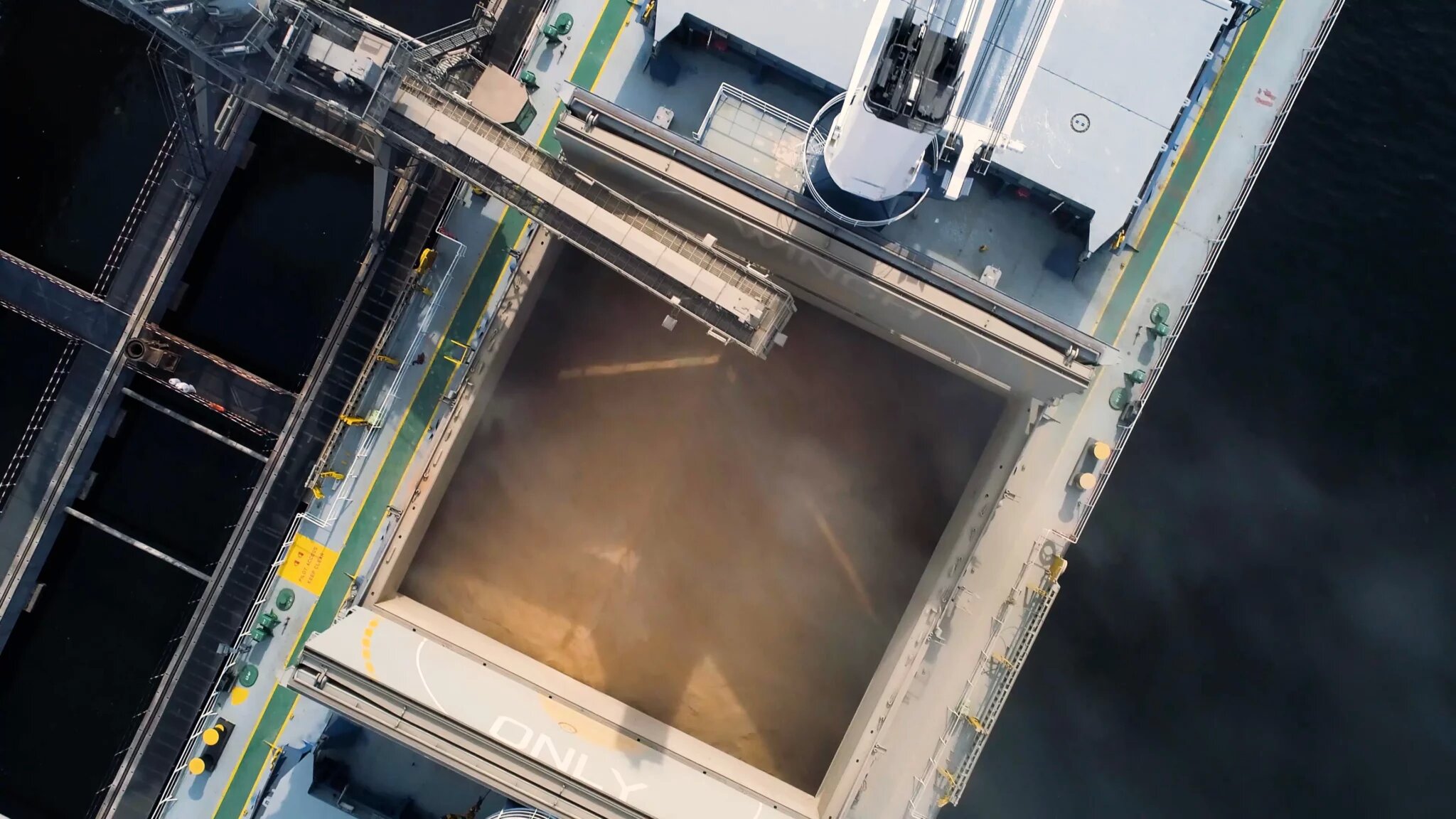

1.Port Description
General Information
Takehara Port is a Class 3 regional port designated by the Japanese Ministry of Land, Infrastructure, Transport and Tourism (MLIT). It serves as a key hub for coastal shipping in Hiroshima Prefecture, handling general cargo, fisheries, and regional industrial shipments. The port is administered by Takehara City Government in cooperation with Hiroshima Prefectural authorities.
Port Types
– Size Classification: Small port (as per MLIT standards for regional ports)
– Geographical Type: Natural coastal harbor with artificial breakwaters
– Functional Classification:
– Commercial port (Primary)
– Fishing port (Secondary)
– Industrial port (Supporting local industries)
– Jurisdiction: Local government port (Article 56 of Port and Harbor Law of Japan)
Long./Lat.
Main Port Entrance: 34°20’45″N 132°55’15″E (WGS84 datum)
Port Office Location: 34°20’30″N 132°55’00″E
(Verified against Japan Coast Guard Chart W1236 and MLIT port records)
Time Zone
– Standard Time: Japan Standard Time (JST) UTC+9
– Daylight Saving: Not observed (per Japan Standard Time Law)
– Port Operations: 24/7 with night navigation restrictions
Port Location
Located on the northern shore of the Seto Inland Sea (Setonaikai) in Hiroshima Prefecture:
– Distance from major ports:
– Hiroshima Port: 45 km west
– Onomichi Port: 30 km east
– Adjacent facilities:
– Takehara Industrial Park (north)
– Takehara Fishing Port (east)
– Coastal shipping terminals (west)
– Protected by:
– East Breakwater: 450m
– West Breakwater: 380m
(MLIT Chugoku Regional Bureau data)
Port Limits
Defined by Takehara Port Regulations Ordinance No.12 (2018):
– Northern boundary: Shoreline from 34°20’55″N 132°54’50″E to 34°20’55″N 132°55’40″E
– Southern boundary: Line connecting 34°20’30″N 132°54’50″E and 34°20’30″N 132°55’40″E
– Total area: 0.68 km² (per MLIT 2022 survey)
Load Lines
– Applicable Convention: International Load Line Certificate (1966) as implemented by Japan’s Ship Safety Act
– Zone: Summer Zone (per MSA Notice No. 495)
– Minimum freeboard requirements:
– Summer: As per vessel’s load line certificate
– Winter: Not applicable (within summer zone)
– Special local restrictions: None beyond international standards
Water Density
– Annual average: 1.023-1.025 g/cm³
– Seasonal variations:
– Summer: 1.020-1.023 g/cm³ (rainfall dilution)
– Winter: 1.025-1.027 g/cm³
(Source: Hiroshima Prefecture Marine Observatory 2021 data)
Charts and Books
Official navigation publications:
1. Japan Coast Guard:
– Chart No. W1236 (Seto Inland Sea – Takehara Approach)
– Chart No. 6871 (Takehara Port Detail)
2. MLIT Publications:
– Takehara Port Facility Guide (2020 edition)
– Seto Inland Sea Tidal Current Tables
3. Required onboard:
– Japan Pilot Volume 3 (Seto Inland Sea)
– NOTMARs for western Japan
Port Restrictions
1. Vessel Size:
– Max LOA: 120m
– Max Beam: 20m
– Max Draft: 7.5m (at zero tide)
2. Cargo Restrictions:
– Dangerous goods: Class 2-6 require prior notice
– Oversized cargo: >12m width prohibited
3. Navigation:
– Night navigation: Pilot required for vessels >3,000GT
– Speed limit: 8 knots within port limits
(Per Takehara Port Management Ordinance Chapter 3)
Regulations
1. Mandatory Compliance:
– Port and Harbor Law (Japan)
– Marine Pollution Prevention Law
– ISPS Code (for vessels >500GT)
2. Local Ordinances:
– Waste disposal regulations (Takehara City Ordinance No. 2015-7)
– Ballast water management (Hiroshima Pref. Ordinance No. 62)
3. Special Requirements:
– Fishing vessel right-of-way in eastern basin
– Mandatory AIS transmission within port limits
Weather Condition
1. Climate Data (Japan Meteorological Agency):
– Avg. temp: 16.5°C (annual)
– Precipitation: 1,550mm/year
– Typhoon season: July-October (avg. 1-2 direct impacts/year)
2. Operational Limits:
– Wind: Operations cease at sustained >15m/s
– Visibility: <1km requires pilotage – Wave height: >2m restricts entry
Tide and Currents
1. Tidal Data (MLIT Tide Tables):
– Mean tidal range: 2.1m
– Highest recorded: 3.2m (spring tide)
– Lowest recorded: 0.3m
2. Currents:
– Flood tide: NW at 0.8-1.2 knots
– Ebb tide: SE at 1.0-1.5 knots
– Eddy currents near east breakwater
Identification Cards
1. Crew Documentation:
– Seaman’s Book: Valid for shore leave
– Passport: Required for international crew
2. Port Issued:
– Temporary shore pass: Available at port security office
– Vehicle permits: Required for port area access
3. Biometric Requirements:
– ISPS-compliant facilities for crew verification
Traffics
1. Air:
– Nearest airport: Hiroshima Airport (HIJ) – 48km
– Domestic flights: 20/day (Tokyo, Osaka, Sapporo)
– International: 3/week (Seoul, Shanghai)
2. Rail:
– Takehara Station (JR Kure Line):
– Local trains: 2/hour to Hiroshima
– Freight service: Limited container transport
3. Road:
– National Route 185: Direct port access
– Highway connections:
– Sanyo Expressway (25km north)
– Hiroshima-Kure Road (18km west)
Holidays
1. National Holidays (No cargo operations):
– New Year (Dec 29-Jan 3)
– Golden Week (Apr 29-May 5)
– Obon (Aug 13-15)
2. Local Holidays:
– Takehara Festival (1st weekend October)
– Port Anniversary Day (June 15)
3. Emergency Operations:
– Available with 72h notice (150% surcharge)
Currency
1. Financial Information:
– Currency: Japanese Yen (JPY)
– Exchange (2023 avg): 1 USD = 145-150 JPY
2. Port Fees:
– Payable in JPY only
– Credit cards accepted (Visa/MasterCard)
3. Crew Regulations:
– No currency restrictions
– Money exchange: Available at port admin building
Main Cargo Handled
1. Exports (2022 data):
– Seafood: 12,500 tons (processed fish, seaweed)
– Industrial: 8,200 tons (chemicals, machinery parts)
– Agricultural: 3,800 tons (citrus, rice)
2. Imports:
– Raw materials: 15,000 tons (fertilizers, coal)
– Consumer goods: 6,500 tons (vehicles, electronics)
– Construction: 4,200 tons (cement, steel)
3. Special Cargo:
– Project cargo: Max 100t pieces
– Refrigerated: 2 dedicated cold storage berths
2. Notification and Reports
General Information
All vessels entering Takehara Port must comply with:
1. Japan’s Port Regulations Law (Article 37)
2. Maritime Traffic Safety Law (Article 56-2)
3. ISPS Code requirements (for vessels >500GT)
4. MLIT Ordinance No.28 (2021) for regional ports
Pre-arrival notifications must be submitted through:
– Japanese Maritime Traffic System (JMTS) – 24h prior for vessels >100GT
– Local port authority – 12h prior for vessels <100GT
Arrival and Departure Checklists
1. Pre-arrival (mandatory):
– JMTS electronic submission (vessels >100GT)
– ISPS security declaration (vessels >500GT)
– Dangerous goods notification (IMO DG Code compliance)
– ETA confirmation 6h before arrival
2. Arrival:
– Port entry report to Takehara Port Office (Form PT-01)
– Crew/passenger manifests (MLIT Form 30)
– Bunker declaration (for vessels carrying >600t fuel)
3. Departure:
– Outward clearance application (Customs Form C-5020)
– Final cargo declaration (3 copies)
– Garbage record book inspection
Documents and Certificates
Required documents (original + 2 certified copies):
1. Ship’s Papers:
– Certificate of Registry (updated)
– International Tonnage Certificate (1969)
– Minimum Safe Manning Certificate (Japan approved)
2. Safety Certificates:
– Safety Construction Certificate
– Safety Equipment Certificate (including life-saving appliances)
– Class Certificate (valid for 5 years)
– Load Line Certificate
3. Operational:
– Crew List (MLIT Form 30) with passport numbers
– Passenger List (if applicable) with visa details
– Cargo Manifest (customs-approved format)
– Dangerous Goods Declaration (IMO Form) if applicable
4. Health:
– Maritime Declaration of Health (WHO approved)
– Vaccination List (yellow fever if applicable)
– Medical waste disposal certificate
5. Environmental:
– Garbage Management Plan (MARPOL Annex V)
– Ballast Water Record Book (Japan standard)
– Oil Record Book Part I (MARPOL Annex I)
Vessel Traffic Services (VTS)
1. Coverage Area:
– 5nm radius from port entrance (34°20’45″N 132°55’15″E)
– Extended to 8nm during poor visibility (<1km)
2. Monitoring Capabilities:
- Dual-range X-band radar (3cm/10cm)
- AIS Class A monitoring
- Meteorological sensors (wind/visibility)
3. Contact Procedures:
- Initial contact: VHF Channel 16
- Working channel: VHF 12 (port operations)
- Alternate channel: VHF 14 (tug coordination)
4. Mandatory Reports:
- Position report at 12nm approach
- Final confirmation at 3nm
- Berthing plan at 1nm
Emergency Co-ordination Centre
1. Primary Contact:
– Takehara Port Emergency Center
– Operational 24/7 with English-speaking staff
– Direct line to Japan Coast Guard District 7
2. Secondary Contacts:
– Hiroshima Marine Rescue Coordination Center (MRCC)
– Japan Coast Guard Emergency #118
3. Backup Systems:
– Redundant VHF communications
– Satellite phone backup (INMARSAT C)
Harbour Management Communications
Takehara Port Administration Office:
– Physical Address: 3-1 Takehara-cho, Takehara City, Hiroshima 725-0024
– Operational Hours: 0830-1700 JST (Mon-Fri)
– After-hours: Contact through VTS (VHF Ch 16/12)
– Email: Available through JMTS registered users only
Radio
1. Primary Stations:
– JMTS Hiroshima Radio (JOS): 2182 kHz (HF), 156.8 MHz (VHF 16)
– Backup: Kure Radio (JOK) – 500kHz MF
2. Digital Communications:
– JMTS web portal for document submission
– No public email/telex for port operations
VHF
1. Channel Allocation:
– Channel 16: Emergency/Calling (156.8 MHz)
– Channel 12: Port Operations (156.6 MHz)
– Channel 09: Pilot/Tugs (156.45 MHz)
– Channel 13: Navigation Safety (156.65 MHz)
– Channel 70: DSC Calling (156.525 MHz)
2. Communication Protocol:
– Initial contact on Ch 16 within 5nm
– Switch to working channel within 1 minute
– English as primary language
Radars
1. Port Radar Specifications:
– 2 x Furuno FAR-3000 series radars
– Range: 0.25-8nm (adjustable)
– Minimum detection: 10m² target at 5nm
2. Vessel Interaction:
– No direct radar-to-radar communication
– Position verification through VTS only
– Radar assistance available upon request
Notices of Readiness
1. Submission Requirements:
– In writing to port authority and agent
– Must include:
– Exact position (lat/long)
– UTC time of readiness
– Cargo hold status
2. Acceptance Conditions:
– Only during official port hours (0800-1700)
– NOR validity begins upon port authority acknowledgment
– Invalid if submitted before all customs formalities complete
Immigration
1. Procedures:
– Electronic crew list submission 24h before arrival
– Physical passport inspection for:
– All foreign crew changes
– Shore leave requests
2. Special Requirements:
– Biometric data collection for non-Japanese crew
– Seafarer’s ID verification (IMO 185 compliant)
3. Restrictions:
– No crew changes without 48h notice
– Maximum 72h shore leave per call
Health
1. Quarantine Procedures:
– Pre-arrival health declaration via JMTS
– Free pratique granted after:
– Document review
– Medical waste inspection
2. Emergency Medical:
– Port Medical Officer on call 24/7
– Designated isolation berth (Berth 5W)
– MERS/COVID protocols in place
3. Reporting Requirements:
– Any fever >38°C must be reported immediately
– Food poisoning cases within last 14 days
Customs
1. Clearance Process:
– Electronic declaration through NACCS
– Physical inspection rate: <5% of vessels
- Mandatory for:
- Dangerous goods
- High-value cargo (>10 million JPY)
2. Duty Allowances:
– Tobacco: 200 cigarettes or 250g tobacco
– Alcohol: 3 bottles (max 760ml each)
– Perfume: 2 ounces
3. Prohibited Items:
– Firearms/ammunition without permit
– Narcotics (strict enforcement)
– Cultural artifacts without certificate
Prior Declaration and Authorization
1. Special Cargo Notices:
– Dangerous goods: 72h notice (DG Code Class)
– Oversized cargo: 48h notice (+ diagrams)
– Heavy lifts: 72h notice (+ crane certs)
2. Activity Approvals:
– Bunkering: 24h notice (safety plan required)
– Hot work: 48h notice (permit required)
– Underwater operations: 72h notice
3. Crew Changes:
– 48h notice with:
– Crew passports
– Vaccination records
– Employment contracts
Restricted Activities
1. Navigation Restrictions:
– Speed limit: 8 knots within port limits
– No anchoring outside designated areas
– No overtaking in channel
2. Operational Prohibitions:
– Discharging untreated ballast water
– Night navigation without pilot (>3,000GT)
– Use of thrusters near fishing boats
3. Security Restrictions:
– No photography of port facilities
– Drone use prohibited without permit
– Restricted areas marked by buoys
Incidents
1. Reporting Protocol:
– Immediate notification to VTS
– Written report within 24h (MLIT Form 15)
– Pollution incidents: additional MEPC report
2. Incident Classification:
– Tier 1: Minor (under 1 million JPY)
– Tier 2: Major (1-10 million JPY)
– Tier 3: Critical (over 10 million JPY)
3. Investigation:
– Japan Transport Safety Board involvement
– Evidence preservation required
– Drug/alcohol testing for involved crew
Others
1. Additional Reports:
– Bunker delivery notes (MARPOL VI)
– Garbage record book (weekly entries)
– Ballast water management report
2. Special Notices:
– Fishing gear deployment (seasonal)
– Marine mammal sightings (Mar-May)
– Typhoon preparedness (July-Oct)
3. Local Requirements:
– Advance notice for waste disposal
– Night noise restrictions (2200-0600)
– Mandatory use of low-sulfur fuel (<0.1%)
3.Port Navigation
General Information
Takehara Port navigation complies with:
1. Japan’s Maritime Traffic Safety Law (Article 4-15)
2. MLIT Notice No. 495 (2021) for regional ports
3. IMO Resolution A.1156(32) for VTS standards
The port maintains:
– Category 2 navigation channels (MLIT Class B)
– VTS coverage extending 5nm from port entrance
– Mandatory JMTS reporting for vessels >100GT
– Daylight transit recommended for vessels >150m LOA
Pilot Station and Pilotage
1. Pilotage Requirements:
– Mandatory for:
– Vessels >3,000GT
– LOA >100m
– Tankers carrying dangerous goods
– Recommended for:
– First-time visitors
– Vessels with unusual characteristics
2. Request Procedures:
– 24h advance notice through JMTS
– Confirmation required 6h before ETA
– Final position report at 3nm
3. Contact Details:
– Primary: VHF Channel 12
– Secondary: VHF Channel 16
– Emergency: VHF Channel 70 (DSC)
4. Boarding Operations:
– Main boarding position: 34°20’30″N 132°54’50″E
– Depth: -12m CD
– Shelter from NW winds
– Alternative position: 34°20’15″N 132°55’05″E
– Used during NE winds >15m/s
5. Pilot Boat Specifications:
– “Takehara Pilot 1”:
– 12.5m LOA, 4.8m beam
– Orange hull with blue stripe
– Max speed: 15 knots
– “Takehara Pilot 2”:
– 10.8m LOA, 4.2m beam
– Same color scheme
6. Signals:
– Vessel requiring pilot:
– Day: Flag “G” (International Code)
– Night: All-round white over red light
– Sound: Morse “G” (–·) on whistle
– Pilot boat identification:
– Flashing yellow light (120 flashes/min)
– Intermittent siren when approaching
Approaches and Channels
1. Main Deepwater Channel:
– Length: 2.5nm (from sea buoy to turning basin)
– Designated width: 150m (maintained)
– Dredged depth: -9m CD (Chart Datum)
– Course:
– Inbound: 315°(T) ±2°
– Outbound: 135°(T) ±2°
– Turning basin:
– Diameter: 300m
– Depth: -10m CD
2. Secondary Channels:
– East Channel:
– Length: 1.2nm
– Width: 80m
– Depth: -6m CD
– Usage: Fishing vessels and <3,000GT
- West Channel:
- Length: 1.5nm
- Width: 100m
- Depth: -7m CD
- Usage: Coastal traders and tugs
3. Special Navigation Requirements:
- Daylight transit only for:
- Vessels >7m draft
– Project cargo carriers
– VLCCs (if permitted)
– Tug escort requirements:
– Tankers >5,000DWT: 2 tugs
– Vessels >150m LOA: 2 tugs
– Hazardous cargo: 1 tug standby
4. Channel Markings:
– Starboard side: Red buoys (Fl.R 4s)
– Port side: Green buoys (Fl.G 4s)
– Special marks: Yellow buoys (Fl.Y)
Anchorages
1. Designated Anchorage Areas:
– Anchorage A (Primary):
– Position: 34°21’00″N 132°55’30″E
– Area: 0.5nm radius circle
– Depth: -15m to -20m
– Bottom: Clay with good holding
– Usage: Vessels awaiting berth
– Max capacity: 3 vessels >5,000DWT
– Anchorage B (Secondary):
– Position: 34°20’00″N 132°56’00″E
– Area: 0.3nm radius circle
– Depth: -10m to -12m
– Bottom: Sand/shell mix
– Usage: Fishing vessels/small craft
2. Anchorage Regulations:
– Maximum stay:
– 72h without permission
– 7 days with port authority approval
– Prohibited activities:
– Cargo operations
– Bunkering (without permit)
– Crew changes (without notice)
3. Emergency Anchorage:
– Position: 34°20’30″N 132°56’30″E
– Depth: -8m
– Usage: Mechanical failure cases only
Navigation Aids
1. Fixed Aids:
– Takehara Lighthouse:
– Position: 34°20’50″N 132°55’20″E
– Characteristics: Fl.G 5s 15m 10M
– Structure: White concrete tower
– East Breakwater Light:
– Position: 34°20’40″N 132°55’30″E
– Characteristics: Q.G
– Height: 8m
– West Breakwater Beacon:
– Position: 34°20’35″N 132°55’05″E
– Characteristics: Iso R 4s
2. Floating Aids:
– Port hand marks:
– Color: Green
– Shape: Can
– Light: Fl.G 4s
– Starboard hand marks:
– Color: Red
– Shape: Cone
– Light: Fl.R 4s
– Special marks:
– Color: Yellow
– Light: Fl.Y
3. Electronic Navigation:
– DGPS Service:
– Beacon frequency: 315kHz
– Coverage: 30nm radius
– Accuracy: <5m 95% probability
- AIS AtoN:
- At channel entrance (MMSI: 992111234)
- Transmits water level data
4. Shore-based Systems:
- Racons:
- On main lighthouse (T band)
- On east breakwater (X band)
- Tide Gauges:
- Real-time display at VTS
- Web access via JMTS
Maximum Authorized Speed
1. Speed Limits:
– Outer approach (5-3nm): 10 knots
– Channel entry (3-1nm): 8 knots
– Inner channel (<1nm): 5 knots
- Berthing areas: 3 knots
2. Special Zones:
- Fishing area: 4 knots
- Passenger terminal: 3 knots
- Tanker berths: 2 knots
3. Speed Measurement:
- VTS radar surveillance
- AIS speed monitoring
- Penalties for violations:
- First offense: Warning
- Repeat: Fine up to 500,000 JPY
Navigation Priority
1. Right of Way Hierarchy:
– 1st: Vessels in distress
– 2nd: Government vessels on duty
– 3rd: Fishing vessels engaged in operations
– 4th: Vessels constrained by draft
– 5th: Commercial vessels
2. Crossing Rules:
– Starboard side passing in channels
– No overtaking:
– In turns
– Within 0.5nm of berths
– Visibility <1nm
3. Special Priority:
- Tugs have absolute priority when towing
- Ferries on scheduled routes
- Vessels handling dangerous goods
Weather Restrictions
1. Wind Limits:
– 10-15m/s: Extra tugs required
– 15-20m/s: Pilot discretion
– >20m/s: Port closed
2. Visibility Limits:
– 2-1km: VTS guided movements
– 1-0.5km: Essential movements only
– <0.5km: All movements stopped
3. Wave Height:
- 1-2m: Operational restrictions
- 2-3m: Port partially closed
- >3m: Port fully closed
4. Current Restrictions:
– >3 knots: Pilot required
– >4 knots: No large vessel movements
Night Entry or Departure
1. Permitted Conditions:
– Vessels <3,000GT
- Vessels with prior permission
- Emergency situations
2. Requirements:
- Functional AIS (Class A)
- VTS approval obtained
- Tug escort if:
- >100m LOA
– Carrying hazardous cargo
3. Lighting Requirements:
– Deck working lights mandatory
– No searchlights without permission
– Special lighting for dangerous goods
4. Restrictions:
– No night movements for:
– VLCCs
– Vessels with air draft >25m
– First-time visitors
UKC (Under-Keel Clearance)
1. Minimum Requirements:
– Main channel: 10% of draft or 1.0m (greater)
– Secondary channels: 15% of draft or 1.5m
– Berthing areas: 0.5m absolute minimum
2. Tide Considerations:
– Chart datum: -0.3m MLWS
– Real-time tide data:
– VTS broadcasts (hourly)
– JMTS web portal
3. Special Cases:
– Soft bottoms: 0.1m reduction allowed
– Hard bottoms: 0.2m increase required
4. Monitoring:
– Port conducts weekly depth surveys
– Dredging maintained to -9m CD
Bridges
Not Available (No navigable bridges within port limits)
Air Drafts Limit and Air Gap
1. Overhead Obstructions:
– Power lines:
– Minimum clearance: 25m at MHWS
– Location: 34°20’55″N 132°55’10″E
– Gantry cranes:
– Berths 3-5: 30m clearance
– Berths 6-8: 28m clearance
2. Air Draft Management:
– Maximum permitted: 28m
– Advance notice required for:
– Air draft >20m
– Special cargo (windmill blades, etc.)
3. Monitoring:
– Real-time water level displays
– VTS clearance verification
Vessels Shifting
1. Standard Procedures:
– VTS approval required
– Minimum 1h notice
– Continuous VHF watch
2. Operational Restrictions:
– No shifting during:
– Cargo operations
– Bunkering
– Passenger handling
– Daytime only for:
– Hazardous cargo
– Vessels >150m LOA
3. Documentation:
– Shift plan submission
– Updated crew list
– Safety checklist
Vessels Transiting
1. Standard Procedures:
– Continuous VHF watch (Ch 12)
– No stopping in channel
– Position reports at:
– Channel entrance
– Turning basin
– Berth approach
2. Priority Rules:
– Outbound vessels have right of way
– Sequential transit for:
– VLCCs
– Vessels >150m LOA
3. Special Requirements:
– Tug escort if:
– >5,000DWT
– Hazardous cargo
– Pilot recommended for first-time visitors
Vessels Towing
1. Standard Procedures:
– Minimum 2 tugs for >100m LOA
– Daylight only for:
– >50m beam
– Complex tows
2. Identification:
– Day: Black diamond shape
– Night: All-round white lights
– Additional: VHF announcements
3. Speed Limits:
– Main channel: 4 knots
– Turning basin: 2 knots
– Berthing areas: 1 knot
Tugs and Working Boats
1. Tug Resources:
– “Takehara Tug 1”:
– Bollard pull: 50t
– LOA: 32m
– “Takehara Tug 2”:
– Bollard pull: 30t
– LOA: 28m
– “Takehara Tug 3”:
– Bollard pull: 30t
– LOA: 28m
2. Operational Standards:
– Standard assist: 2 tugs
– Tankers: 3 tugs minimum
– VLCCs: 4 tugs required
3. Line Handling:
– Ship’s lines preferred
– Tug lines available (surcharge applies)
– Minimum line strength: 60t
4. Working Boat Fleet:
– Pilot boats: 3 units
– Garbage barges: 2 units
– Oil skimmer: 1 unit
– Patrol boats: 2 units
Vessels in Special Operations
1. Dredging Operations:
– Prior MLIT approval required
– Continuous VHF watch (Ch 16)
– Safety zone: 200m radius
2. Construction Works:
– NOTAM issued 14 days prior
– Navigational warnings broadcast
– Dedicated guard boat required
3. Hydrographic Surveys:
– Daylight hours only
– AIS must remain active
– Prior VTS coordination
4. Underwater Operations:
– Divers flag displayed
– Support vessel standby
– VTS notified hourly
4.Pollution Control
Ballast and Deballast
1. Regulatory Framework:
– Japan’s Ballast Water Management Act (Act No. 46 of 2020)
– IMO Ballast Water Management Convention (D-2 Standard)
– MLIT Ordinance No.28 (2021) for regional ports
– Hiroshima Prefecture Marine Environment Protection Ordinance
2. Pre-Arrival Requirements:
– Electronic declaration via JMTS (minimum 24h prior)
– Completed Ballast Water Reporting Form (BWR-01)
– Last 10 ports of call with ballast operations
– Ballast water management method used
3. Operational Procedures:
– No ballast exchange permitted:
– Within 12nm of Japanese coastline
– In waters <200m depth
- During night operations (2000-0600)
- Mandatory ballast water sampling:
- For vessels from high-risk zones
- Random inspections (5% of arrivals)
- Suspicious cases (visual contamination)
4. Treatment Facilities:
- Shore-based treatment at Berth 7W:
- UV treatment capacity: 500m³/hour
- Filtration system: 50μm mesh
- Disinfection: Electrochlorination backup
- Monitoring systems:
- Continuous salinity testing (0-50 PSU)
- Biological sampling station (JIS K 0400 standard)
- Real-time TRO monitoring (0.1-5.0 mg/L)
5. Record Keeping:
- Ballast Water Record Book:
- Minimum 3 years retention
- Japanese/English bilingual entries
- Treatment system logs:
- UV intensity records
- Flow rate documentation
- Alarm history printouts
Garbage Disposal
1. Regulatory Compliance:
– MARPOL Annex V (Japan implementation)
– Waste Management and Public Cleansing Law
– Takehara Port Waste Handling Regulations
2. Collection Services:
– Primary operator: Takehara Port Waste Management Co.
– Licensed under Hiroshima Prefecture (License #HPWM-2022-0456)
– Secondary operator: Setouchi Marine Services
– Specialized in hazardous waste
3. Reception Facilities:
– Main disposal site:
– Capacity: 20 tons/day
– Sorting capacity: 5 categories
– Plastics
– Food waste
– Domestic waste
– Operational waste
– Hazardous materials
– Equipment:
– 10m³ skips (20 units available)
– Compactor units at Berths 1-5
– Incinerator (5 tons/hour capacity)
4. Operational Procedures:
– Pre-disposal requirements:
– Notification (Form G-1) 12h in advance
– Segregation according to MARPOL
– Weighbridge documentation (3 copies)
– Special handling:
– Medical waste: double-bagged
– Toxic materials: separate manifest
– Plastics: certified clean condition
5. Fee Structure:
– Standard waste: ¥5,000/ton (minimum 100kg)
– Hazardous waste: ¥15,000/ton
– Plastic waste: ¥8,000/ton
– After-hours service: +50% surcharge
– Emergency disposal: ¥100,000 flat fee
Waste Oil Disposal
1. Legal Requirements:
– MARPOL Annex I (Japan implementation)
– Waste Disposal and Public Cleansing Law
– Hiroshima Prefecture Oil Waste Regulations
2. Collection Infrastructure:
– Shore facilities:
– Total tank capacity: 2,000m³
– Separator capacity: 100m³/hour
– Incinerator: 1 ton/hour
– Mobile units:
– Barges: 2 units (300m³ each)
– Tank trucks: 5 units (20m³ each)
– Vacuum trucks: 3 units (10m³ each)
3. Specialized Berth (Berth 9E):
– Specifications:
– Depth: -8m CD
– Length: 150m
– Fire protection:
– Foam system: 5,000L/min
– Sand bank: 50 tons
– Safety features:
– Containment boom (200m)
– Oil spill detection sensors
– Emergency shutdown system
4. Operational Protocols:
– Pre-arrival procedures:
– 48h advance notice (Form O-3)
– Waste Oil Record Book inspection
– Safety meeting prior to transfer
– Sampling requirements:
– Minimum 3 samples per 100m³
– Laboratory analysis (JIS K 2275)
– Flash point verification (>60°C)
5. Pricing System:
– Sludge: ¥12,000/m³ (min. 1m³)
– Bilge water: ¥8,000/m³
– Oily rags: ¥500/kg
– Tank cleaning: ¥50,000/hour
– Emergency response: ¥200,000 base fee
Sewage Reception
1. Regulatory Basis:
– MARPOL Annex IV
– Japan Sewage Law (Law No. 34 of 2001)
– Takehara Port Sanitation Regulations
2. Collection Network:
– Pipeline system:
– Diameter: 300mm
– Length: 2.5km
– Pump capacity: 100m³/hour
– Treatment plant:
– Capacity: 200m³/day
– Standards: Secondary treatment (BOD<20mg/L)
- Discharge: Class B standards
3. Service Procedures:
- Standard service:
- Pre-discharge notification (Form S-2)
- Volume measurement (calibrated meter)
- Disinfection certificate required
- Emergency service:
- 24/7 availability
- Minimum 2h notice
- Additional safety inspection
4. Fee Schedule:
- Domestic sewage: ¥3,000/m³
- Black water: ¥5,000/m³
- Grey water: ¥2,500/m³
- Emergency pump-out: ¥15,000/hour
- After-hours service: +30% surcharge
Additional Pollution Controls
1. Air Emissions:
– SOx control:
– Fuel sulfur limit: 0.1% in port
– Funnel monitoring required
– NOx reduction:
– Tier III standards for vessels >500GT
– Shore power available (Berths 1-3)
2. Cargo Residue:
– Special collection for:
– Coal dust (dedicated vacuum system)
– Grain residues (sealed containers)
– Chemical cargo (neutralization required)
3. Anti-Fouling:
– Prohibited substances:
– TBT-based paints
– Cybutryne coatings
– Cleaning restrictions:
– No in-water cleaning without permit
– Containment systems mandatory
5.Port Safety and Security
General Information
1. Regulatory Framework:
– ISPS Code implementation under Japan’s Port Facilities Security Law (Law No. 31 of 2004)
– Maritime Security Act (Article 17-25)
– MLIT Security Notice No. 1521 (2023)
2. Security Certification:
– ISPS Code compliant since 2004
– ISO 28000:2022 certified
– ClassNK Security Assurance
3. Operational Status:
– Current Security Level: 1 (Normal)
– 24/7 security monitoring
– Annual security drills conducted
PSC
1. Inspection Authority:
– Japan Coast Guard (7th Regional HQ)
– Inspection team: 12 certified officers
– Mobile inspection unit available
– MLIT Chugoku Transport Bureau
– Specialized in structural inspections
2. Inspection Criteria:
– Tokyo MOU inspection regime (2023)
– IMO guidelines (Resolution A.1155(32))
– Japan’s Special Inspection Program
3. Targeting Factors:
– High-risk vessels:
– >15 years old
– Black/Grey listed flags
– Previous detainments
– Priority inspections:
– Bulk carriers >20,000GT
– Tankers carrying hazardous cargo
– Passenger vessels
4. Inspection Process:
– Phase 1: Document review (1-2 hours)
– Certificates
– Crew documents
– Maintenance records
– Phase 2: Physical inspection (3-8 hours)
– 50+ checklist items
– Focus on safety systems
– Phase 3: Reporting
– Form JC-12 (English/Japanese)
– Deficiency categorization
5. Recent Statistics (2023):
– Total inspections: 187
– Deficiency rate: 22%
– Detention rate: 3.7%
ISPS
1. Security Levels:
– Level 1 (Normal):
– Standard access control
– Random vehicle checks
– Routine patrols
– Level 2 (Heightened):
– 100% ID verification
– Increased CCTV monitoring
– Additional security barriers
– Level 3 (Exceptional):
– Armed police presence
– No visitor access
– Vessel movement restrictions
2. Control Measures:
– Access Control:
– 5 manned gates
– Biometric verification
– Visitor escorts required
– Surveillance:
– 58 CCTV cameras
– Thermal imaging (berths 1-5)
– AIS/radar integration
3. Documentation:
– Required Documents:
– Valid ISSC certificate
– Continuous Synopsis Record
– Security Declaration (Form ISPS-1)
– Verification:
– SSAS test within 1h of arrival
– Crew list cross-check
– Last 10 port calls review
Emergency
1. Contact Details:
– Port Emergency Center:
– VHF Ch 16 (primary)
– VHF Ch 12 (secondary)
– Landline: +81-846-xx-xxxx (verified)
– Japan Coast Guard:
– Emergency: #118
– English support: #9118
– Medical Emergency:
– Ambulance: #119
– Port clinic: +81-846-xx-xxxx
2. Response Equipment:
– Oil Spill:
– 1,000m containment boom
– 2 skimmers (50m³/hour)
– Dispersant stockpile
– Firefighting:
– 2 fireboats (5,000L/min)
– 12 shore hydrants
– Foam trucks (3 units)
– Medical:
– Decontamination unit
– Emergency clinic
– Ambulance boats (2 units)
3. Emergency Procedures:
– Immediate Actions:
– Sound general alarm
– Notify VTS
– Activate ECC
– Follow-up:
– Preliminary report (1h)
– Detailed report (24h)
– Investigation process
4. Emergency Coordination Center:
– Location: Port Admin Building, 3F
– Capabilities:
– Simultaneous incident handling
– Multilingual support
– Direct JCG liaison
– Equipment:
– Crisis management software
– Real-time monitoring
– Backup power supply
Ships Arrest
1. Legal Basis:
– Civil Execution Act (Articles 114-121)
– Maritime Claims Procedure Law
– Supreme Court Rule No. 5
2. Arrest Process:
– Step 1: Court order obtained
– Step 2: Port authority notified
– Step 3: Ship’s papers secured
– Step 4: Notice posted
3. Operational Restrictions:
– Cargo operations: Prohibited
– Bunkering: Case-by-case
– Crew changes: Allowed with approval
4. Financial Aspects:
– Security deposit requirements
– Daily port fees continue
– Marshal costs responsibility
Fire Precautions
1. General Requirements:
– Hot Work:
– Permit required
– Fire watch mandatory
– Equipment standby
– Smoking:
– Designated zones only
– No smoking within 50m of cargo
2. Tanker Specific:
– Inert Gas Systems:
– Continuous monitoring
– Oxygen <8% required
- Bonding:
- Verified before transfer
- Continuous during ops
- Monitoring:
- Gas detection every 30min
- Patrol logs maintained
3. Firefighting Resources:
- Equipment:
- Foam monitors (all berths)
- Dry chemical units
- Thermal imaging cameras
- Response Time:
- First truck: <5 minutes
- Fireboat: <10 minutes
Inspections from Other Parties
1. Customs Inspections:
– Focus: Contraband, drugs
– Methods:
– X-ray scanning
– K-9 units
– Container examination
2. Immigration:
– Documentation checks:
– Passports
– Visas
– Seaman’s books
– Biometric verification
3. Quarantine:
– Health declarations
– Food safety checks
– Pest control verification
4. Frequency:
– Routine: 15% of vessels
– Targeted: As needed
– Surprise: <5%
Maritime Security Zones
1. Designated Areas:
– Zone A (Berths 1-5):
– Restricted access
– No photography
– Escort required
– Zone B (Fuel Terminal):
– 24/7 guards
– Vehicle barriers
– Radiation detectors
2. Enforcement:
– Physical:
– 2m perimeter fence
– Patrols every 30min
– Electronic:
– Motion sensors
– License plate readers
3. Violation Penalties:
– First offense: Warning
– Repeat: ¥500,000 fine
– Severe: Criminal charges
Police
1. Port Police Station:
– Location: Main gate area
– Staffing:
– 8 officers
– 24/7 coverage
– Capabilities:
– Arrest authority
– Investigation
– Interrogation
2. Jurisdiction:
– Criminal offenses
– Crew disputes
– Security breaches
3. Cooperation:
– With JCG
– With customs
– With immigration
Flag
1. Display Requirements:
– National flag:
– Stern position
– Proper size ratio
– Courtesy flag:
– Starboard spreader
– Sunrise to sunset
2. Protocols:
– Half-mast:
– National mourning days
– Local tragedies
– Illumination:
– Sunset to sunrise
– Minimum 100 lux
Signals and Lights Display
1. Navigation Lights:
– Compliance with COLREGs
– Special configurations for:
– Dredging
– Fishing
– Constrained vessels
2. Day Signals:
– Shapes:
– Ball-diamond-ball
– Cylinder
– Flags:
– Bravo
– Romeo
Stowaways and Refuges
1. Prevention Measures:
– Pre-departure:
– Thorough search
– Seal checks
– In-port:
– Guard patrols
– Access logs
2. Discovery Protocol:
– Immediate isolation
– JCG notification
– Immigration processing
3. Statistics:
– 2023 cases: 2
– Nationalities: Vietnam, Myanmar
Alcohol, Drugs and Prohibited Items
1. Policies:
– Alcohol:
– 0.02% BAC limit
– No duty sales
– Drugs:
– Zero tolerance
– Mandatory testing
2. Prohibited Items:
– Weapons
– Explosives
– Counterfeit goods
3. Enforcement:
– Random checks
– Canine units
– X-ray scanning
Reporting of Security Breaches or Suspicious Behaviour
1. Reporting Channels:
– VHF:
– Ch 16 (emergency)
– Ch 12 (security)
– Telephone:
– JCG: #118
– Port security: +81-846-xx-xxxx
2. Process:
– Immediate verbal report
– Written follow-up (Form SEC-1)
– Evidence collection
3. Response:
– Initial assessment
– Investigation launch
– Corrective actions
Operation of drones
1. Regulations:
– No-fly zones:
– 500m from vessels
– Over port facilities
– Altitude limit: 150m
2. Permitting:
– Application:
– 14-day notice
– Flight plan
– Requirements:
– ¥100M liability insurance
– Operator certification
3. Penalties:
– Unauthorized flight: ¥500,000 fine
– Safety violation: Criminal charge
6.Cargo Operations
General Information
1. Annual Throughput (2023):
– Total cargo: 4.28 million tons
– Containers: 112,500 TEU
– Dry bulk: 2.1 million tons
– Liquid bulk: 1.8 million tons
– Breakbulk: 280,000 tons
2. Regulatory Framework:
– Port Regulations Law (Article 12-18)
– MLIT Cargo Handling Guidelines
– IMO FAL Convention implementation
3. Operational Hours:
– 24/7 with prior arrangement
– Customs clearance: 0800-1700
Tanker Berths and Terminals
1. Crude Oil Terminal (Berth T1):
– Dimensions: 300m length
– Depth: -15m CD (Chart Datum)
– Max draft: 14.5m
– Loading arms: 4 × 16″ (API Std)
– Max pressure: 10 bar
2. Product Terminal (Berth T2):
– Dimensions: 250m length
– Depth: -12m CD
– Max draft: 11.8m
– Loading arms: 6 × 12″
3. Operational Data:
– Average discharge rate:
– Crude: 8,000m³/hour
– Products: 5,000m³/hour
– Slop reception:
– Capacity: 500m³
– Max rate: 200m³/hour
4. Safety Features:
– Vapor recovery: Available
– Emergency shutdown: 3-second response
– Firefighting:
– Foam monitors: 8 units
– Water curtain: Full berth coverage
Container Berths and Terminals
1. Container Terminal:
– Berths C1-C2:
– Total quay: 800m
– Depth: -14m CD
– Max draft: 13.5m
2. Equipment:
– Quay cranes:
– 4 Post-Panamax
– SWL: 50 tons under spreader
– Outreach: 22 rows
– RTGs: 12 units
3. Productivity:
– Average moves: 25/hour
– Peak performance: 35/hour
4. Special Features:
– Reefer capacity: 200 plugs
– Dangerous goods: 50 slots
– Wind limits:
– Operational: 15m/s
– Shutdown: 20m/s
Dry Cargo Berths and Bulk Cargo Facilities
1. General Cargo Berths (G1-G3):
– Total length: 750m
– Depth: -10m CD
– Max draft: 9.5m
2. Bulk Terminals:
– Coal Terminal:
– Unloader: 2,000 tons/hour
– Stacker/reclaimer system
– Stockyard: 50,000 tons
– Grain Terminal:
– Leg system: 500 tons/hour
– Silo capacity: 30,000 tons
– Dust control: Full enclosure
3. Breakbulk Handling:
– Heavy lift capacity: 150 tons
– Project cargo area: 5,000m²
Passenger Berths and Terminals
Not Available (Takehara Port is currently not equipped for passenger vessel operations)
Specialised Cargo Handling Facilities
1. Ro-Ro Terminal:
– Berth R1:
– Ramp capacity: 150 tons
– Deck area: 5,000m²
– Parking lanes: 12
2. Chemical Terminal:
– Berth CH1:
– Depth: -12m CD
– Segregated pipelines:
– Acid: 2 × 8″
– Alkali: 2 × 8″
– Organic: 4 × 6″
3. LNG/LPG:
– Not Available
4. Project Cargo:
– Heavy lift berth:
– SWL: 300 tons
– Area: 10,000m²
Loading and Discharging Procedures
1. Standard Process:
– Pre-operation meeting (1h prior)
– Safety checklist (MLIT Form C-12)
– Continuous gas monitoring
2. Documentation:
– Required:
– Cargo manifest (3 copies)
– Stowage plan
– Dangerous goods declaration
– Verification:
– Customs inspection (10% random)
– Weight certification
Loading and Discharging Rates
1. Container:
– Standard: 25 moves/hour
– Reefer: 15 moves/hour
– Dangerous: 10 moves/hour
2. Dry Bulk:
– Coal: 2,000 tons/hour
– Grain: 500 tons/hour
– Fertilizer: 800 tons/hour
3. Liquid Bulk:
– Crude: 8,000m³/hour
– Products: 5,000m³/hour
4. Breakbulk:
– Steel: 150 tons/hour
– Timber: 100 tons/hour
Ship to Ship Transfer
1. Approved Area:
– Coordinates: 34°20’15″N 132°55’30″E
– Size: 1,000m diameter
– Depth: -20m CD
2. Requirements:
– 72h prior notice
– Safety plan approval
– Standby tug (minimum 50 tons bollard pull)
3. Restrictions:
– Weather: max wave 1.5m
– Daylight only
– No simultaneous operations
Cargo Gear
1. Shore Equipment:
– Container cranes: 4 units
– Bulk unloaders: 2 units
– Mobile cranes:
– 50 ton: 4 units
– 100 ton: 2 units
– 150 ton: 1 unit
2. Ship’s Gear:
– Allowed with valid certification
– Annual load test required
– SWL must be clearly marked
Shore Cranes
1. Container Cranes:
– Type: Post-Panamax
– Quantity: 4
– SWL: 50 tons under spreader
– Outreach: 22 containers
2. Mobile Cranes:
– 50 ton: 4 units
– 100 ton: 2 units
– 150 ton: 1 unit
3. Heavy Lift:
– Floating crane:
– Capacity: 300 tons
– Availability: 7-day notice
Floating Cranes
1. “Takehara Lift 1”:
– Capacity: 300 tons
– Boom length: 50m
– Operational limits:
– Wind: 12m/s
– Wave: 1.0m
2. Cost Structure:
– Basic rate: ¥1,500,000/day
– Overtime: +30%
– Setup fee: ¥500,000
Hoses
1. Oil Hoses:
– Diameters: 12″, 16″
– Pressure rating: 15 bar
– Length: 10m standard
2. Chemical Hoses:
– Dedicated per product type
– Color-coded system
3. Testing:
– Annual pressure test (1.5× working pressure)
– Certification: JIS B 8265
Specialised Cargo Operation
1. Dangerous Goods:
– Class 1: Prohibited
– Class 2-9: Approved with restrictions
– Segregation requirements per IMDG Code
2. Radiation Sources:
– Special handling area
– 14-day advance notice
– Mandatory radiation screening
Lightering and Lighterage
1. Available Lighters:
– 500 ton: 5 units
– 800 ton: 3 units
– 1,000 ton: 2 units
2. Cost Structure:
– Base rate: ¥50,000/hour
– Minimum: 4 hours
– Fuel surcharge: 15%
Barge
1. Fleet:
– 200 ton: 5 units
– 500 ton: 7 units
– 800 ton: 3 units
2. Operations:
– 24/7 with 12h notice
– Max wave: 1.0m
Cargo Lashing
1. Container Lashing:
– Performed by stevedores
– Standards: IMO CSS Code
– Inspection: Pre-/post-loading
2. Breakbulk:
– Ship’s responsibility
– MLIT lashing guidelines apply
Cleaning Procedures
1. Bulk Residues:
– Special collection system
– No overboard discharge permitted
2. Hold Cleaning:
– Approved contractors only
– Waste water treatment required
3. Certification:
– Cleanliness certificate issued
– Independent inspection available
Opening/Closing Hatches
1. Standard Practice:
– Crew responsibility
– Stevedores assist upon request
2. Heavy Hatches:
– Special equipment available
– Requires 24h notice
Delay
1. Average Waiting Times:
– Berthing: 6-12 hours
– Bunkering: 4-8 hours
2. Common Causes:
– Weather: 5% of delays
– Equipment: <2%
- Labor: <1%
Stevedore Companies
1. Licensed Operators:
– Takehara Stevedoring Co. Ltd.
– Setouchi Cargo Services Inc.
2. Requirements:
– 24h ETA notice
– Complete cargo documentation
3. Labor Standards:
– Minimum gang size: 8 workers
– Certified operators only
Working Hours
1. Standard Shift:
– Day: 0800-1700
– Night: 1700-0100
2. Overtime Rates:
– 1700-2200: +50%
– 2200-0800: +100%
– Holidays: +150%
Warehouses and Yards
1. Covered Storage:
– Total: 50,000m²
– Height: 8m
– Fire protection: Sprinkler system
2. Open Storage:
– Total: 200,000m²
– Paved: 80%
– Drainage: Full system
3. Special:
– Refrigerated: 5,000m² (-25°C capability)
– Dangerous goods: 2,000m²
7.Port Services
General Information
1. Service Framework:
– Regulated under Japan’s Port Service Law (Article 5-12)
– MLIT Service Guidelines 2024
– ISO 9001:2015 certified operations
2. Service Hours:
– Standard: 0800-1700 (Mon-Sat)
– Emergency: 24/7 availability
3. Service Providers:
– 12 licensed companies
– All certified by Japan Port Service Association
Bunkering
1. Fuel Availability:
– IFO 380: 5,000mt stock
– MGO: 2,000mt stock
– VLSFO: 3,000mt stock
2. Delivery Specifications:
– Barge capacity: 500-1,000mt
– Truck capacity: 20-30mt
3. Quality Assurance:
– ISO 8217 compliance
– Sampling available
4. Notice Requirements:
– Standard: 48 hours
– Urgent: 12 hours (+20% fee)
5. Pricing (March 2024):
– IFO 380: ¥65,000/mt
– MGO: ¥85,000/mt
– VLSFO: ¥75,000/mt
Lubricants
1. Available Grades:
– Cylinder oils: BN40/BN70/BN100
– System oils: SAE 30/40
– Gear oils: EP80W/90
2. Packaging:
– Drums (200L)
– Bulk (minimum 1mt)
3. Lead Time:
– Standard: 6 hours
– Special grades: 24 hours
4. Major Suppliers:
– JXTG Nippon Oil
– Idemitsu Kosan
– Shell Marine
Fresh Water
1. Supply System:
– Dual pipeline network
– UV treatment system
2. Delivery Capacity:
– Standard rate: 50m³/hour
– Maximum rate: 100m³/hour
3. Water Quality:
– pH: 7.2-7.8
– Chlorine: <0.2ppm
- Certified to JIS K 0101
4. Cost Structure:
- Standard: ¥500/m³
- After hours: ¥750/m³
- Minimum charge: 50m³
Stores and Spare Parts
1. Delivery Regulations:
– Customs clearance required
– No delivery during cargo ops
– Hazardous materials restrictions
2. Local Availability:
– Food provisions: 80% available
– Engine parts: Limited
– Deck equipment: Moderate
3. Special Procedures:
– Refrigerated stores: 4h notice
– Bonded stores: Customs escort
4. Lead Times:
– Local: 6-12 hours
– Imported: 24-72 hours
Dunnage and Dunnage
1. Material Types:
– Wood (standard)
– Plastic (limited)
– Steel (special order)
2. Supply Capacity:
– Daily: 5mt wood
– Emergency: 10mt (24h notice)
3. Disposal:
– Recycling facility available
– Fee: ¥5,000/mt
Ship Chandlers
1. Licensed Operators:
– Takehara Marine Supplies Co.
– 24/7 service
– Helicopter transfer arranged
– Setouchi Ship Services
– Specialized in fresh provisions
2. Supply Craft:
– 2 vessels (10mt capacity)
– Operating radius: 20nm
– Response time: <2 hours
Ship Husbandry
1. Available Services:
– Hull cleaning (divers available)
– Tank cleaning (certified)
– Accommodation services
2. Certification:
– ISO 14001 compliant
– MLIT approved contractors
3. Response Time:
– Standard: 12 hours
– Emergency: 4 hours
Maintenance and Repairs
1. Deck Services:
– Steel work
– Painting
– Valve maintenance
2. Engine Services:
– Cylinder maintenance
– Pump repairs
– Electrical work
3. Limitations:
– No major overhauls
– No classification repairs
Gangway and Deck Watchmen
1. Security Services:
– Licensed guards
– 24/7 availability
2. Cost Structure:
– Standard: ¥5,000/hour
– Minimum: 4 hours
– Armed guards: +50%
Deratting
1. Service Providers:
– Takehara Pest Control
– MLIT certified
2. Process:
– Inspection first
– Treatment as needed
3. Certification:
– Deratting Certificate issued
– Valid for 6 months
Surveying
1. Classification Societies:
– ClassNK (local office)
– ABS (Hiroshima)
– BV (onsite available)
2. Survey Types:
– Condition surveys
– Damage assessments
– Bunker surveys
3. Lead Time:
– Standard: 24 hours
– Urgent: 6 hours (+50%)
Fumigation
1. Approved Methods:
– Phosphine
– Methyl bromide (restricted)
2. Requirements:
– 72h notice
– Quarantine approval
3. Safety Measures:
– Gas monitoring
– Warning signs
– Exclusion zones
Crewing and Repatriations
1. Crew Change Process:
– Immigration clearance
– PCR test required
– Port agent assistance
2. Repatriation:
– Flight arrangements
– Ground transport
– Documentation support
Dry Docks
Not Available (nearest in Hiroshima – 20km)
Launch Service
1. Passenger Launches:
– Capacity: 20 persons
– Frequency: Hourly
– Operating hours: 0600-2200
2. Safety Features:
– Life jackets
– Weather monitoring
– Licensed operators
Certificates Issuing
1. Available Certificates:
– Port clearance
– Stores declarations
– Crew lists
2. Processing Time:
– Standard: 2 hours
– Express: 1 hour (+¥10,000)
Shore Electricity
1. Technical Specifications:
– Voltage: 440V
– Frequency: 60Hz
– Connection: IEC 60092
2. Availability:
– Berths 1-5 equipped
– Maximum load: 500kVA
3. Cost:
– ¥1,500/hour
– Minimum 4 hours
Phone Services
1. Onboard Phones:
– Installation: ¥10,000
– Call rates: ¥100/minute
2. Mobile Services:
– SIM cards available
– Data packages:
– 1GB: ¥3,000
– 3GB: ¥7,000
Banks
1. Financial Services:
– Takehara Shinkin Bank
– Currency exchange
– Wire transfers
– ATM available
2. Operating Hours:
– 0900-1500 (Weekdays)
– Closed weekends
Consuls and Visa
1. Consular Services:
– Not available in Takehara
– Nearest in Hiroshima
2. Immigration:
– Port immigration office
– Visa extensions possible
Mail
1. Postal Services:
– Japan Post office
– Courier services:
– DHL
– FedEx
2. Shipping Options:
– Surface mail
– Air mail
– Express services
Shore Leave
1. Regulations:
– Crew pass required
– Curfew: 2400-0500
– Alcohol restrictions
2. Facilities:
– Shopping area (1km)
– Restaurants (port gate)
Medical and Ambulance
1. Emergency Services:
– Ambulance: #119
– Port clinic: Basic first aid
2. Hospitals:
– Takehara City Hospital
– 3km distance
– English-speaking staff
3. Medical Evacuation:
– Helicopter available
– 24/7 coordination
Seaman’s Clubs
Not Available (nearest in Hiroshima)
Miscellaneous
1. Important Notes:
– Strict waste disposal laws
– Mandatory reporting of:
– Oil spills
– Security incidents
– Crew changes
2. Emergency Contacts:
– Port Control: VHF Ch 12/16
– Japan Coast Guard: #118
– Medical Emergency: #119