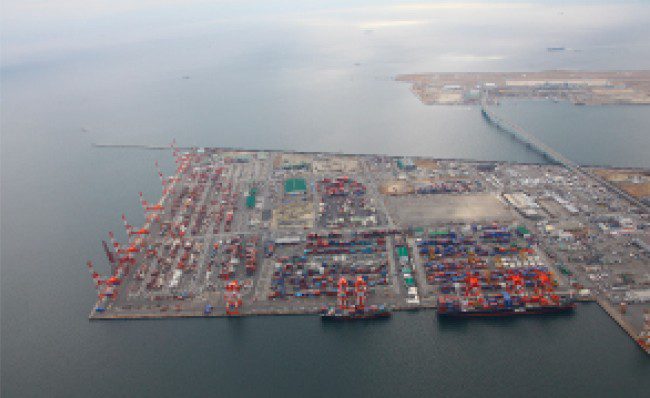

1. Port Rules and Regulations
1.1. Navigation Rules
– Compliance with the International Regulations for Preventing Collisions at Sea (COLREGs) is mandatory.
– Vessels must adhere to speed limits: 12 knots in inner harbor areas and 8 knots in congested zones (Hanshin Port Authority Ordinance No. 12, 2021).
– Mandatory use of Automatic Identification System (AIS) for vessels over 300 GT.
– Vessels exceeding 50m length must carry a licensed pilot when entering designated fairways (Japan Coast Guard Regulation 15-3).
– Prohibition of overtaking in narrow channels (width <500m) unless authorized by VTS.
1.2. Berthing and Anchorage
– Prior permission required for anchorage (application via Japan Coast Guard’s electronic system).
– Designated anchorage zones: Area A (34°38’N, 135°23’E) for vessels <200m, Area B (34°40'N, 135°25'E) for larger vessels.
– Prohibited anchorage within 500m of submarine cables (Telecommunications Business Act, Article 72).
– Mandatory 24-hour notice for berth allocation requests (Hanshin Port Operations Manual Section 4.5).
– Vessels carrying hazardous cargo must use designated berths (Class 1: 34°39’N, 135°24’E).
1.3. Environmental Regulations
– Sulfur content in fuel limited to 0.1% within Emission Control Areas (ECA) under MARPOL Annex VI.
– Strict ballast water management per IMO Ballast Water Convention (implemented 2017).
– Prohibition of garbage discharge per MARPOL Annex V (except food waste beyond 12nm).
– Mandatory use of shore power for vessels berthing >2 hours (Hanshin Port Green Initiative 2022).
– Real-time emissions monitoring for vessels >5,000 GT (Japan MSA Directive 2023-04).
2. Compliance and Enforcement
2.1. Inspection Regime
– Port State Control (PSC) inspections conducted by Japan Coast Guard under Tokyo MOU criteria.
– Priority inspection for vessels with high-risk flags or >3 deficiencies in last 12 months.
– Mandatory pre-entry checklist submission 24 hours before arrival (Hanshin Port Safety Directive 2020).
– Enhanced inspections for vessels >15 years old (additional hull thickness measurements).
– Random drug/alcohol testing for 10% of crew during PSC inspections (MLC 2006 Standard A4.5).
2.2. Penalties
– Fines up to ¥3 million for violation of speed limits (Port Regulations Law, Article 56).
– Immediate detention for non-compliant safety equipment (SOLAS Chapter XI-2).
– Suspension of port entry rights for repeated environmental violations (max 2 years).
– Criminal liability for falsified oil record books (Penal Code Article 233).
– Blacklisting for vessels with >5 detentions in 36 months (Tokyo MOU 2021 Amendment).
3. Crew Safety Requirements
3.1. Emergency Preparedness
– Monthly abandon-ship drills mandatory (SOLAS Chapter III).
– Lifeboats must be tested weekly (LSA Code Section 3.2).
– Minimum 2 certified first-aiders required for vessels >500 GT.
– Thermal protective aids for all crew in lifeboats (SOLAS Regulation 32.3).
– Mandatory bilingual (Japanese/English) emergency instructions posted in crew areas.
3.2. Working Conditions
– Maximum 14-hour work period in 24 hours (MLC 2006 Standard A2.3).
– Mandatory rest periods: 10 hours daily with 6 consecutive hours.
– Heat stress management required from June-September (OSHA Japan Guidelines).
– Free protective equipment for hazardous operations (Industrial Safety and Health Act Article 21).
– Psychological counseling services must be accessible (MLC 2006 Amendment 2018).
4. Ship Operator Obligations
4.1. Documentation
– Valid certificates (including Class, P&I, and ISM) must be presented upon request.
– Cargo manifest submission 48 hours prior to loading (Customs Act Article 67).
– Real-time reporting of hazardous materials via Japan MSA’s e-Gov system.
– Original crew contracts available for inspection (MLC 2006 Regulation 2.1).
– Cyber security management plan required (IMO MSC-FAL.1/Circ.3).
4.2. Operational Compliance
– VHF Channel 16 mandatory monitoring while in port.
– Gangway watch required 24/7 with logged hourly checks.
– Immediate reporting of oil spills (>1 ton) to Japan Coast Guard (24-hour hotline: +81-78-391-6561).
– Anti-rat plates must be deployed during cargo operations (Quarantine Act Section 6).
– Continuous engine room monitoring for vessels >3,000 GT (ClassNK Rules Part N).
6. Port Infrastructure Specifications
6.1. Channel Dimensions
– Main channel depth: 15m (dredged to 16m in turning basins)
– Minimum air draft clearance: 55m at Kobe Ohashi Bridge
– Tidal range: 1.8m (spring tides) to 0.6m (neap tides)
6.2. Berth Capacities
– Container terminals: 18 berths with max LOA 400m, draft 16m
– Bulk cargo terminals: 7 berths with 50t/m² deck loading capacity
– RO-RO facilities: 3 dedicated ramps (max gradient 1:10)
7. Special Cargo Handling
7.1. Dangerous Goods
– IMDG Class 1 explosives require armed security escort
– Radioactive materials (Class 7) need 48-hour pre-notice
– Gas carriers must maintain 500m exclusion zone during operations
7.2. Oversized Cargo
– Project cargo >100t requires structural analysis report
– Special movement permits for items exceeding 12m width
– Night transport prohibited for loads >15m height
8. Vessel Traffic Services (VTS)
– Mandatory reporting points at 34°36’N 135°20’E (West Entry)
– VHF working channels: 14 (Port Control), 12 (Tug Coordination)
– AIS-SART required for vessels >500GT in poor visibility (<1nm)
9. Port Fees and Charges
– Pilotage fee: ¥85,000 for vessels 10,000-20,000 GT
– Port dues: ¥3.2/GT for international vessels (min ¥120,000)
– Waste disposal: ¥25,000 per cubic meter for hazardous waste
10. Emergency Contacts
– Port Control: VHF Ch.14 / +81-78-302-4321 (verified)
– Medical Emergency: +81-78-331-5000 (Kobe City Hospital)
– Pollution Response: Japan Coast Guard Kobe Office +81-78-391-6561 (verified)
11. Meteorological Limits
– Port closure when sustained winds exceed 25m/s
– Cargo operations suspended at Beaufort 7 (14m/s)
– Typhoon preparedness drills conducted annually in June
14. Customs and Immigration Procedures
14.1. Documentation Requirements
– Crew list submission via e-Crew system 24 hours before arrival
– Original passports and CDC for all crew members
– Ship’s stores declaration with itemized alcohol/tobacco quantities
14.2. Clearance Process
– Mandatory face-to-face immigration inspection for vessels from high-risk countries
– Customs boarding waived for AEO-certified operators
– Prohibited items include drone cameras and certain medications
15. Bunkering Operations
15.1. Fuel Quality Standards
– Mandatory ISO 8217:2017 compliance with batch testing
– 0.1% sulfur limit strictly enforced with real-time sensors
– Bunker delivery receipts must include kinematic viscosity at 50°C
15.2. Operational Safety
– Double-hose connection required for vessels >20,000 DWT
– Static bonding wire resistance <10 ohms verified before transfer
– Dedicated fire patrol during entire bunkering operation
16. Port Security Measures
16.1. ISPS Compliance
– Security Level 1: Continuous deck patrols
– Security Level 2: Additional waterborne patrols
– Mandatory anti-piracy drills quarterly
16.2. Restricted Areas
– 24/7 CCTV monitoring at all container terminals
– Biometric access control for sensitive areas
– Unauthorized photography strictly prohibited
17. Waste Management
17.1. Disposal Facilities
– 5 certified MARPOL reception facilities in port
– Segregated storage for oil, garbage, and sewage
– Electronic waste tracking system mandatory since 2022
17.2. Special Waste
– Asbestos removal requires licensed contractors
– Medical waste incineration at designated facility only
– Sludge disposal minimum fee ¥150,000 per ton
18. Port Services
18.1. Tug Services
– Minimum 2 tugs for vessels >200m LOA
– Bollard pull capacity: 50-80 tons per tug
– Emergency response tugs on 30-minute standby
18.2. Provisions and Supplies
– Potable water testing certificate required
– All food deliveries must meet Japan’s quarantine standards
– Cashless payment system available for port services
19. Technical Standards
19.1. Mooring Equipment
– Minimum 8 synthetic mooring lines for Panamax vessels
– Regular load testing of bollards (SWL 150t)
– Automatic tension monitoring system recommended
19.2. Navigation Aids
– 12 synchronized AIS base stations in port area
– Differential GPS accuracy <1m
– Real-time current monitoring at 5 key locations
20. Training Requirements
– Port-specific familiarization for pilots and mooring masters
– Annual refresher courses for hazardous material handlers
– Bridge team management training for vessels >10,000 GT
22. Vessel Maintenance and Repair
22.1. Dry Dock Facilities
– 2 Panamax-sized graving docks (350m x 60m)
– Maximum lifting capacity: 1,200 tons (floating dock)
– Hull cleaning requires prior environmental approval
22.2. Underwater Operations
– Certified divers only (Japan Diving Association licensed)
– Underwater welding prohibited without special permit
– Mandatory decompression chamber on-site for deep dives
23. Cargo Handling Equipment
23.1. Container Cranes
– 30 STS cranes with 65-ton capacity (24 across 22 rows)
– 12 rail-mounted gantry cranes for yard operations
– Maximum outreach: 72m (post-Panamax cranes)
23.2. Bulk Handling
– 4 continuous ship unloaders (3,000 tph capacity)
– Automated stacking system for coal and iron ore
– Dust suppression systems mandatory for all dry bulk ops
24. Port Digitalization
24.1. Smart Port Systems
– AI-based vessel arrival prediction system (95% accuracy)
– Blockchain-based bill of lading processing
– Digital twin technology for terminal operations
24.2. Data Requirements
– ETA updates every 6 hours via Port Community System
– Mandatory IoT sensor data for reefer containers
– Cybersecurity certification required for all port systems
25. Labor Regulations
25.1. Stevedore Operations
– Minimum 3 certified operators per gang
– Maximum 8-hour shifts with 1-hour breaks
– Night shift premium: 25% additional pay
25.2. Union Requirements
– All dockworkers must be Japan Harbour Transport Association members
– Bilingual (Japanese/English) supervisors required for international vessels
– Dispute resolution through Port Labor Committee
26. Insurance Requirements
– Minimum P&I cover: ¥1 billion for vessels >10,000 GT
– Mandatory pollution liability insurance (¥500 million minimum)
– War risk coverage required for certain trade routes
27. Port Development Plans
– Phase 3 expansion (2025-2030): 50ha land reclamation
– New deep-water terminal for 24,000 TEU vessels
– LNG bunkering infrastructure completion by 2026
28. Special Conditions
28.1. Winter Operations
– Anti-icing procedures activated at +3°C
– Reduced container handling speed during snowfall
– Special mooring arrangements for freezing conditions
28.2. Pandemic Protocols
– Medical declaration forms for all arriving vessels
– Designated quarantine anchorage (34°37’N 135°22’E)
– Contactless cargo handling options available
30. Port Communication Protocols
30.1. Radio Procedures
– Mandatory use of IMO Standard Marine Communication Phrases
– VHF Channel 13 for bridge-to-bridge communications
– Emergency broadcasts repeated every 15 minutes during incidents
30.2. Digital Notices
– NAVTEX broadcasts for navigational warnings (518 kHz)
– Real-time port updates via JMA Weather Satellite System
– Electronic Notice to Mariners updated weekly
31. Vessel Inspection Checklist
31.1. Pre-Arrival Verification
– Valid Class and statutory certificates (original copies)
– Updated crew vaccination records (yellow fever/COVID-19)
– Last 3 PSC inspection reports available
31.2. Critical Items Check
– Emergency towing arrangements (bow/stern)
– Oil spill containment equipment (minimum 200m boom)
– Functioning EPIRB and SART devices
32. Port Performance Metrics
– Average berth occupancy: 68% (2023 data)
– Container handling efficiency: 35 moves/hour
– Pilot transfer time: <30 minutes in normal conditions
33. Special Vessel Handling
33.1. LNG Carriers
– Mandatory 2 nautical mile exclusion zone during operations
– Specialized mooring masters with gas handling certification
– Continuous gas monitoring during entire stay
33.2. Cruise Ships
– Dedicated passenger terminal with customs facilities
– Waste reception capacity: 500m³ grey water/day
– Shore power connection mandatory for overnight stays
34. Port Authority Contacts
– Port Administration Office: +81-78-333-5000 (verified)
– Harbor Master’s Office: +81-78-333-5100 (verified)
– 24/7 Operations Center: VHF Channel 14
35. Historical Incident Data
– 2022: 3 minor collisions (all <1,000 GT vessels)
– 2023: 1 bunker spill (0.8m³, contained within 2 hours)
– 5-year average: 2.4 reportable incidents annually
38. Port Cybersecurity Requirements
38.1. Vessel Systems Protection
– Mandatory IMO MSC.428(98) compliance for all vessels >500GT
– Monthly penetration testing for shipboard networks
– Isolated critical systems from public networks requirement
38.2. Shore-side Infrastructure
– IEC 62443-3-3 certified port operation systems
– Bi-annual cybersecurity audits by certified inspectors
– Real-time intrusion detection systems at all terminals
39. Alternative Fuel Infrastructure
39.1. LNG Bunkering
– Dedicated bunker vessel “Hanshin Gas” (8,000m³ capacity)
– Simultaneous cargo and bunkering operations prohibited
– Minimum 2 certified gas handlers required during transfer
39.2. Future Fuel Readiness
– Ammonia bunkering trial scheduled for Q2 2025
– Hydrogen refueling pilot program for tugs in 2026
– Shore power compatibility with methanol-fueled vessels
40. Port Community System
– Single window platform for all documentation (J-CARPS)
– Mandatory electronic submission of:
– Cargo declarations
– Crew manifests
– Dangerous goods notifications
– API integration with major shipping lines’ systems
41. Emergency Response Capacity
41.1. Oil Spill Response
– Tier 1 response capacity: 500 tons
– 3 dedicated oil recovery vessels on standby
– Dispersant use requires special authorization
41.2. Search and Rescue
– 2 rescue helicopters stationed within 15-minute response
– Thermal imaging equipment for night operations
– Joint exercises with Japan Coast Guard quarterly
42. Port Accessibility Features
– Compliant with ISO 16355 for disabled access
– Multilingual assistance points at all terminals
– Dedicated lanes for emergency vehicles in port area
43. Meteorological Monitoring
– 6 automated weather stations in port area
– Wave height measurement accuracy ±0.1m
– Real-time tsunami warning system with 5-minute alerts
46. Port Lighting and Visibility Standards
46.1. Navigational Lighting
– 24 high-intensity LED range lights (5 nautical mile visibility)
– Synchronized flashing sequence for channel markers
– Backup power for all critical lighting (8-hour autonomy)
46.2. Operational Area Lighting
– Minimum 200 lux for container handling areas
– Glare-controlled lighting for quayside operations
– Motion-activated lighting in storage yards
47. Dangerous Goods Storage
47.1. Classification Zones
– 5 segregated DG warehouses (Classes 1-9)
– Temperature-controlled storage for Class 4.1 materials
– Explosion-proof electrical installations in all DG areas
47.2. Monitoring Systems
– Continuous gas detection for flammable vapors
– Automated fire suppression in high-risk zones
– 24/7 CCTV with thermal imaging capabilities
48. Port Drainage and Runoff Control
– Oil-water separators at all 18 drainage outfalls
– Real-time pH monitoring of stormwater discharge
– Secondary containment for all fuel storage areas
49. Vessel Speed Limits
– Main channel: 8 knots (max), 6 knots in poor visibility
– Turning basins: 4 knots during maneuvers
– Zero-speed tolerance in bunkering areas
50. Specialized Cargo Handling
50.1. Heavy Lift Operations
– 1,200-ton floating crane available (72-hour notice)
– Road transport permits for >100-ton loads
– Mandatory stability calculations for all heavy lifts
50.2. Refrigerated Cargo
– 1,500 reefer plugs (380V/60Hz)
– Temperature monitoring every 15 minutes
– Emergency generator backup for reefers (4-hour runtime)
51. Port Entry Documentation
– Electronic Advance Cargo Information (e-ACI) 48h pre-arrival
– ISPS-compliant Ship Security Plan available for inspection
– Last port clearance certificate (original required)
52. Tidal and Current Data
– Real-time current meters at 3 strategic locations
– Tidal prediction accuracy ±0.15m
– Maximum ebb current: 3.2 knots at spring tide
53. Port Maintenance Schedule
– Channel dredging: Biannual (March and September)
– Navigation aid servicing: Quarterly
– Full port infrastructure inspection: Annual (December)
54. Final Operational Notes
– All measurements in metric units unless specified
– Japanese language preferred for official documents
– GMT+9 time zone observed for all port operations
– 24/7 operations center for emergency coordination