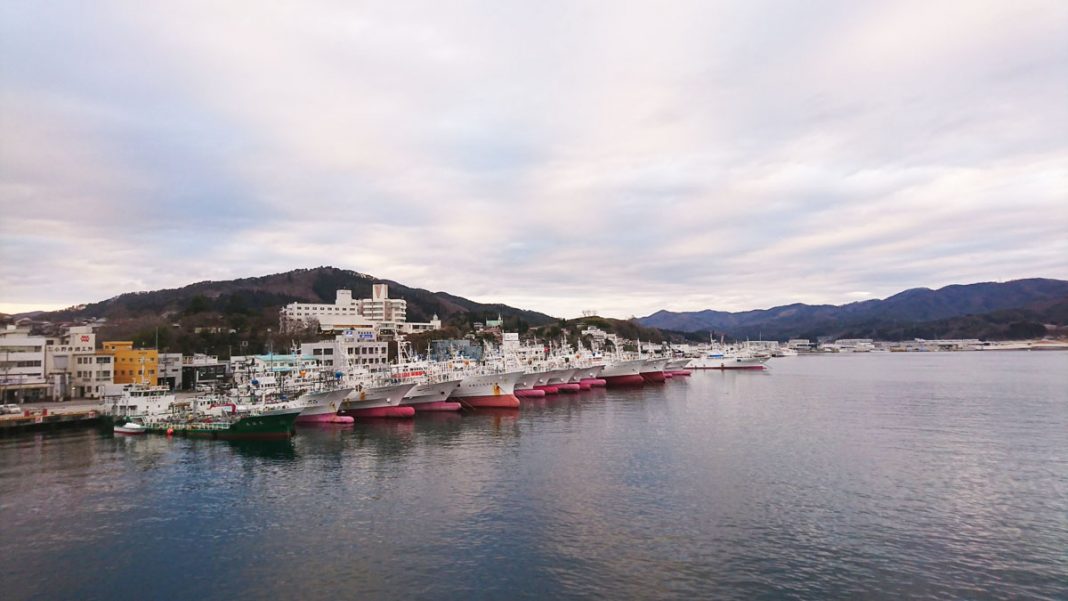

1. Port Rules and Regulations
1.1. Jurisdiction: Kesennuma Port is governed by Japanese national laws (e.g., Port Regulations Law, Maritime Traffic Safety Law) and Miyagi Prefecture ordinances. The port authority operates under the Ministry of Land, Infrastructure, Transport and Tourism (MLIT) guidelines.
1.2. Navigation Rules: Vessels must comply with COLREGs (International Regulations for Preventing Collisions at Sea) and local traffic schemes. Speed limits are enforced (typically 5 knots within harbor limits).
1.3. Berthing Regulations: Prior permission is required for all berthing operations. Maximum allowable LOA is 200m for general berths (Fishing Terminal: 150m). Draft restrictions vary by berth (published in MLIT’s “Port of Kesennuma Navigation Guide”).
1.4. Hazardous Cargo: IMDG Code applies. Special zones designated for dangerous goods handling (Zone 3 for oil tankers). 24-hour advance notice mandatory.
2. Compliance Requirements
2.1. Documentation: Vessels must submit:
– Port Entry Notification (72 hours prior)
– Crew List (ISPS compliant)
– Dangerous Goods Declaration (if applicable)
2.2. Environmental Compliance: Strict adherence to Japan’s Special Measures Law Concerning PM2.5 Emissions. Fuel sulfur content ≤0.1% within Emission Control Area.
2.3. Waste Management: MARPOL Annex V enforced. All vessels must use port reception facilities (fees apply). Discharge records must be maintained for 3 years.
3. Enforcement Measures
3.1. Inspections: Regular inspections by:
– Kesennuma Coast Guard Office (safety compliance)
– Miyagi Prefecture Environmental Bureau (pollution control)
3.2. Penalties: Non-compliance may result in:
– Fines up to ¥3 million for pollution violations
– Vessel detention for safety deficiencies
– Criminal prosecution for severe breaches
3.3. Emergency Protocols: Mandatory participation in annual tsunami drills. All vessels must maintain VHF Ch16/12 monitoring while in port.
4. Safety Provisions
4.1. Navigational Aids: 24/7 operational status of:
– Breakwater lights (characteristics published in Notice to Mariners)
– DGPS reference station (MMSI 009916010)
4.2. Emergency Services: Port maintains:
– Oil spill response team (capacity: 50k liters)
– 24-hour fireboat service (response time <15 minutes)
4.3. Crew Safety: Mandatory provisions:
– Gangway nets for all boarding operations
– Port-area PPE requirements (high-visibility vests)
5. Operational References
5.1. Tidal Data: Official tide tables published by Japan Coast Guard (Station ID: TG-2153). Max tidal range: 1.5m.
5.2. Weather Restrictions: Port closes when:
– Sustained winds exceed 25m/s
– Wave height >3m at breakwater entrance
5.3. Pilotage: Compulsory for vessels >10,000 GT. Available 24/7 with 12-hour advance notice.
6. Vessel Traffic Services (VTS)
6.1. Coverage Area: VTS monitors all movements within 3nm of port entrance. Mandatory reporting points at:
– 38°54.5’N 141°34.0’E (Outer buoy)
– 38°53.8’N 141°33.2’E (Breakwater head)
6.2. Communication Protocols: Continuous VHF monitoring required on:
– Ch12 (Primary working channel)
– Ch16 (Distress/Safety)
6.3. Movement Restrictions: Daylight-only transit for vessels carrying Class 1 explosives. Tug escort required for VLAs (>180m LOA).
7. Port Security
7.1. ISPS Compliance: Security Level 1 standard measures enforced. Access control via:
– Biometric screening at all gates
– AIS verification for approaching vessels
7.2. Restricted Areas: No-entry zones clearly marked at:
– Oil terminal perimeter (500m radius)
– Naval facilities (northern breakwater)
7.3. Drone Operations: Prohibited within 1km of port infrastructure without prior authorization.
8. Cargo Operations
8.1. Loading/Unloading: Mandatory compliance with:
– ILO Code of Practice for Dock Work
– Japan’s Industrial Safety and Health Act
8.2. Special Cargo: Additional requirements for:
– Refrigerated containers (temperature logs)
– Live animals (veterinary certificates)
8.3. Night Operations: Limited to container terminals (prior approval required for bulk carriers).
9. Crew Welfare
9.1. Shore Leave: Permitted with valid seafarer’s ID. Designated crew change area at:
– South Wharf Transit Lounge (24/7 access)
9.2. Medical Support: Port clinic provides:
– Emergency first aid
– COVID-19 testing (advance appointment)
9.3. Provisions: Approved suppliers list maintained by Kesennuma Seamen’s Association.
10. Pollution Control
10.1. Discharge Prohibitions: Absolute ban on:
– Any oily mixtures (MARPOL Annex I)
– Sewage within 1nm of aquaculture zones
10.2. Air Emissions: Continuous monitoring for:
– SOx (max 0.1% sulfur content)
– Particulate matter (PM2.5 ≤15μg/m³)
10.3. Ballast Water: Must comply with Japan’s Invasive Species Act. Treatment records subject to inspection.
11. Anchorage Regulations
11.1. Designated Areas: Two anchorage zones established:
– Anchorage A (38°55.0’N 141°35.0’E) – Max draft 15m
– Anchorage B (38°54.0’N 141°36.0’E) – Fishing vessels only
11.2. Holding Procedures: Vessels must maintain:
– Continuous engine readiness
– VHF watch on Ch12/16
11.3. Emergency Anchorage: Temporary positions may be assigned during typhoons (broadcast via NAVTEX).
12. Ice Navigation (Winter Operations)
12.1. Seasonal Restrictions: December-March special rules:
– Icebreaker escort required when sea ice >30cm thick
– Reduced speed limits in freezing spray conditions
12.2. Hull Inspections: Mandatory certification of:
– Anti-icing systems
– Emergency de-icing equipment
12.3. Port Closures: Activated when:
– Air temperature <-15°C for 24+ hours
– Ice accumulation >50cm at berths
13. Small Craft Regulations
13.1. Registration: All vessels <20GT must display:
– Local fishing license number
– Port entry permit sticker
13.2. Traffic Separation: Dedicated lanes established:
– Northbound: Starboard side of main channel
– Southbound: Port side of main channel
13.3. Speed Limits: 5 knots within 500m of:
– Ferry terminals
– Fish market docks
14. Port Fees and Charges
14.1. Tariff Structure: Published annually by MLIT:
– Berth fees: ¥15,000/100GT/day
– Pilotage: ¥8,000 per movement
14.2. Exemptions: Available for:
– Vessels in distress
– Government survey ships
14.3. Payment Methods: Electronic transfer only (no cash accepted).
15. Salvage and Wreck Removal
15.1. Reporting Requirements: Immediate notification for:
– Groundings within port limits
– Obstructions to navigation
15.2. Liability: Strict application of:
– Japan’s Ship Safety Act
– IMO Resolution A.949(23)
15.3. Approved Contractors: List maintained by Japan Coast Guard District Office.
16. Dangerous Goods Handling
16.1. Classification: Strict adherence to IMDG Code classifications with additional local restrictions on:
– Class 1 explosives (permit required 72 hours prior)
– Class 6.2 infectious substances (special quarantine procedures)
16.2. Storage Requirements: Certified dangerous goods warehouses available for:
– Temporary storage (max 48 hours)
– Emergency containment (spill-ready configuration)
16.3. Handling Equipment: Mandatory use of:
– Explosion-proof forklifts (Zone 1 rated)
– Chemical-resistant PPE for handlers
17. Port Emergency Response
17.1. Contingency Plans: Activated for:
– Tsunami warnings (immediate evacuation protocol)
– Major oil spills (>1,000 liters)
17.2. Emergency Signals: Distinctive alarms:
– 30-second continuous siren: Tsunami alert
– 3 short blasts: Fire/explosion
17.3. Mutual Aid: Agreements with neighboring ports for:
– Firefighting support
– Pollution control resources
18. Fishing Vessel Operations
18.1. Priority Berthing: Dedicated zones with:
– Ice and fuel services
– Quick-turnaround facilities
18.2. Catch Handling: Sanitation requirements:
– Daily washdown of processing areas
– Waste fish disposal records
18.3. Seasonal Restrictions: Summer moratorium on:
– Night unloading (2300-0400)
– Engine repairs at berth
19. Port Infrastructure Specifications
19.1. Berth Capacities: Certified load limits:
– General cargo: 5 t/m²
– Container terminals: 7 t/m²
19.2. Mooring Systems: Bollard specifications:
– Standard: 50t SWL
– Heavy-duty: 100t SWL (north quay only)
19.3. Electrical Supply: Shore power availability:
– 440V/60Hz (container berths)
– 220V/50Hz (fishing wharves)
20. Customs and Immigration
20.1. Clearance Procedures: Mandatory for all foreign vessels:
– Joint inspection by customs and quarantine
– Electronic submission of crew declarations
20.2. Prohibited Items: Strict enforcement on:
– Unprocessed seafood exports
– Certain marine equipment (ITAR restricted)
20.3. Temporary Admission: Available for:
– Ship’s spare parts (bonded storage)
– Crew personal effects (tax-exempt limits apply)
21. Vessel Inspection Requirements
21.1. Mandatory Inspections: All foreign vessels subject to:
– Port State Control inspections (Tokyo MOU criteria)
– Special structural checks for vessels >15 years old
21.2. Inspection Frequency: Based on risk profile:
– High-risk vessels: Every 6 months
– Standard vessels: Annual inspections
21.3. Deficiency Rectification: Strict timelines:
– Critical deficiencies: Immediate detention
– Major deficiencies: 14-day correction period
22. Bunkering Operations
22.1. Fuel Quality Standards: Mandatory compliance with:
– ISO 8217 marine fuel specifications
– Japan’s Fuel Oil Quality Control Law
22.2. Bunkering Procedures: Required precautions:
– Pre-transfer conference (captain + supplier)
– Continuous monitoring of transfer rates
22.3. Emergency Shutdown: Automatic systems must:
– Activate at 95% tank capacity
– Trigger audible alarms at all stations
23. Port Working Hours
23.1. Standard Operations: 0700-2200 daily except:
– National holidays (reduced staffing)
– Typhoon conditions (full closure)
23.2. Overtime Services: Available with:
– 24-hour notice for cargo operations
– 50% surcharge on standard rates
23.3. Administrative Offices: Operating hours:
– Port Authority: 0830-1730 weekdays
– Customs: 0900-1630 (extended for vessel clearance)
24. Marine Wildlife Protection
24.1. Restricted Zones: Seasonal prohibitions:
– Whale migration corridors (April-June)
– Seabird nesting areas (western breakwater)
24.2. Speed Limits: 8 knots within:
– 500m of marine sanctuaries
– 300m of aquaculture facilities
24.3. Reporting Requirements: Mandatory for:
– Marine mammal sightings
– Oil sheen observations
25. Port Entry/Exit Procedures
25.1. Arrival Requirements: Minimum documents:
– Certificate of Registry
– Last port clearance certificate
25.2. Departure Clearance: Obtained after:
– Final cargo manifest submission
– Port dues settlement
25.3. Special Circumstances: Expedited processing for:
– Medical emergencies
– Severe weather avoidance
26. Ship Repair and Maintenance
26.1. Authorized Facilities: Approved yards with:
– Dry dock capacity up to 20,000 DWT
– Certified hazardous area workspaces
26.2. Hot Work Permits: Required for:
– Welding operations within port limits
– Engine repairs involving open flames
26.3. Waste Disposal: Strict control of:
– Paint residues (special containment)
– Asbestos removal (licensed contractors only)
27. Port Communication Systems
27.1. Primary Channels: Designated frequencies:
– Port Operations: VHF Ch 14
– Pilot Dispatch: VHF Ch 10
27.2. Emergency Communications: Redundant systems:
– Backup UHF network (456.125 MHz)
– Satellite phone link for major incidents
27.3. Language Requirements: Mandatory use of:
– English for international vessels
– Japanese for coastal traffic
28. Tugboat Services
28.1. Minimum Requirements: Based on vessel size:
– <50,000 GT: 1 tug
– >50,000 GT: 2 tugs (minimum 60t bollard pull)
28.2. Special Operations: Additional assets for:
– VLCC berthing (3 escort tugs)
– Heavy lift operations (assigned by port captain)
28.3. Billing Structure: Hourly rates published:
– Standard towage: ¥85,000/hour
– Emergency standby: ¥120,000/hour
29. Port Meteorological Services
29.1. Reporting Stations: Certified equipment at:
– Main breakwater (wind/tide)
– Control tower (visibility/ceiling)
29.2. Weather Thresholds: Operational limits:
– Max sustained wind: 25 m/s
– Min visibility: 0.5 nm
29.3. Tsunami Preparedness: Real-time monitoring:
– JMA seismic alerts (automatic broadcast)
– Evacuation routes marked at all berths
30. Special Cargo Handling
30.1. Oversized Loads: Advance notice required:
– 7 days for >100t single pieces
– 14 days for >200t units
30.2. Project Cargo: Special provisions:
– Road clearance surveys
– Temporary storage areas
30.3. Military Shipments: Coordinated through:
– Japan Self-Defense Forces liaison
– US Forces Japan (for alliance cargo)
31. Port Lighting and Navigation Aids
31.1. Channel Markings: Compliant with IALA Region B:
– Red buoys (port side) with quick-flash lights
– Green buoys (starboard) with group-flash lights
31.2. Berth Illumination: Minimum standards:
– 50 lux for general cargo areas
– 100 lux for container operations
31.3. Emergency Lighting: Backup systems:
– 2-hour battery capacity at all access points
– Photoluminescent path markers
32. Waste Reception Facilities
32.1. MARPOL Compliance: Dedicated reception for:
– Annex I (oily wastes)
– Annex V (garbage)
32.2. Collection Points: Strategically located:
– Oil waste: North quay pumping station
– Solid waste: Central compactors
32.3. Disposal Records: Mandatory documentation:
– Waste transfer notes
– Treatment certificates
33. Port Access Control
33.1. Identification Systems: Biometric verification:
– Palm vein scanners for personnel
– RFID tags for vehicles
33.2. Restricted Areas: Tiered security zones:
– Level 1 (public): Basic screening
– Level 3 (critical): Armed guards
33.3. Visitor Management: Escort requirements:
– Unescorted access: Pre-cleared personnel only
– Temporary passes: Valid for 8 hours
34. Port Health Services
34.1. Medical Facilities: Available 24/7:
– Emergency first response team
– Isolation ward for infectious diseases
34.2. Sanitation Inspections: Vessel assessments:
– Potable water testing
– Vector control verification
34.3. Vaccination Requirements: Updated per WHO:
– Yellow fever certificates
– COVID-19 testing protocols
35. Port Performance Metrics
35.1. Key Indicators: Published quarterly:
– Average berth occupancy: 68%
– Crane moves per hour: 28
35.2. Service Standards: Guaranteed levels:
– Pilot dispatch within 30 minutes
– Bunker delivery within 2 hours
35.3. Incident Statistics: Transparent reporting:
– Near-miss occurrences
– Environmental breaches
36. Port Security Measures
36.1. ISPS Compliance: Mandatory for all vessels:
– Security Level 1: Standard screening
– Security Level 2: Additional patrols
36.2. Surveillance Systems: Comprehensive coverage:
– 360° PTZ cameras at critical infrastructure
– Thermal imaging for night operations
36.3. Drone Monitoring: Restricted airspace:
– No-fly zone within 1km of port perimeter
– Authorized UAV operations only
37. Port Environmental Standards
37.1. Air Quality: Continuous monitoring:
– SOx emissions limits (0.1% sulfur content)
– Particulate matter sensors
37.2. Water Protection: Oil spill prevention:
– Boom deployment capability within 30 minutes
– Skimmer vessels on standby
37.3. Noise Control: Operational restrictions:
– Nighttime operations below 65 dB
– Engine testing only in designated zones
38. Vessel Traffic Services (VTS)
38.1. Coverage Area: 25nm radius from port:
– Radar tracking of all vessels >300GT
– AIS mandatory for entry
38.2. Reporting Points: Mandatory check-ins:
– Waypoint Alpha (12nm out)
– Waypoint Bravo (3nm from pilot station)
38.3. Traffic Management: Dynamic routing:
– Priority sequencing for perishable cargo
– Special handling for hazardous shipments
39. Port Labor Regulations
39.1. Working Hours: Union agreements:
– Standard shift: 8 hours with overtime limits
– Hazardous cargo premium pay
39.2. Certification Requirements:
– Forklift operators: Class 1 license
– Crane operators: JIS certification
39.3. Safety Protocols: Mandatory equipment:
– Fall arrest systems for heights >2m
– Gas detectors in confined spaces
40. Port Information Technology
40.1. Digital Systems: Integrated platforms:
– Port Community System (PCS)
– Electronic Data Interchange (EDI)
40.2. Cybersecurity: Protective measures:
– Network segmentation
– Multi-factor authentication
40.3. Data Retention: Compliance requirements:
– 5-year vessel movement archive
– 3-year cargo records
41. Port Tariffs and Fees
41.1. Vessel Charges: Based on GT:
– <10,000 GT: ¥150,000 per call
– >50,000 GT: ¥850,000 per call
41.2. Cargo Handling: Service fees:
– Bulk cargo: ¥1,200 per metric ton
– Container: ¥8,500 per TEU
41.3. Discount Programs: Available for:
– Regular callers (5+ visits annually)
– Green vessel certified ships
42. Port Pilotage Services
42.1. Compulsory Areas: Designated zones:
– Main harbor entrance channel
– Inner turning basin
42.2. Pilot Transfer: Safety standards:
– Max wave height: 2.5m for boarding
– Certified pilot ladders required
42.3. Exemptions: Available for:
– Government vessels
– Port-registered tugs
43. Port Icebreaking Services
43.1. Seasonal Operations: December-March:
– Primary channel maintenance
– Berth clearance upon request
43.2. Priority System: Vessel sequencing:
– Fuel carriers first
– Passenger vessels second
43.3. Ice Conditions: Daily reports:
– Thickness measurements
– Recommended convoy speeds
44. Port Billing Procedures
44.1. Invoice Issuance: Within 3 working days:
– Electronic delivery standard
– Paper copies available
44.2. Payment Methods: Accepted forms:
– Bank transfer (SWIFT)
– Letter of credit
44.3. Dispute Resolution: Process:
– 14-day objection period
– Port accountant review
45. Port Community Engagement
45.1. Public Consultations: Quarterly forums:
– Environmental impact discussions
– Expansion project updates
45.2. Educational Programs: Offered:
– Maritime career days
– Port operations seminars
45.3. Local Business: Preferred suppliers:
– Docking services
– Fresh provisions
46. Dangerous Goods Handling
46.1. Classification: IMDG Code compliance:
– Class 1 (Explosives): Special berth allocation
– Class 3 (Flammable liquids): Dedicated storage
46.2. Documentation: Required submissions:
– Dangerous cargo manifest 48h prior
– Emergency response plans
46.3. Segregation: Mandatory spacing:
– 50m between incompatible classes
– Fireproof barriers for reactive substances
47. Port Emergency Response
47.1. Incident Command: Chain of command:
– Port Master as incident commander
– Unified command with fire/customs
47.2. Equipment Stockpiles: Strategic locations:
– Oil spill kits every 200m
– Mass casualty trailers
47.3. Drills: Mandatory frequency:
– Fire/evacuation: Quarterly
– Security: Biannual
48. Vessel Speed Limits
48.1. Approach Channels: Speed restrictions:
– Outer channel: 12 knots max
– Inner harbor: 6 knots max
48.2. Special Conditions: Reduced speeds:
– Fog (<1km visibility): 5 knots
– Passing fishing zones: No wake speed
48.3. Enforcement: Monitoring methods:
– AIS speed tracking
– Patrol vessel radar
49. Port Storage Facilities
49.1. Warehousing: Available types:
– Temperature-controlled (5°C to 25°C)
– Bonded storage (customs supervised)
49.2. Open Storage: Designated areas:
– Container stacking (max 4 high)
– Project cargo laydown
49.3. Hazardous Materials: Specialized:
– Explosion-proof lighting
– Secondary containment
50. Port Customs Procedures
50.1. Clearance Options: Available processes:
– Express clearance (pre-declared)
– Standard examination (random selection)
50.2. Temporary Admission: Bond requirements:
– 110% of duty value
– Maximum 6 months storage
50.3. Prohibited Items: Absolute restrictions:
– Counterfeit goods
– CITES-protected species
51. Port Bunkering Services
51.1. Fuel Types Available:
– IFO 380 (standard marine fuel)
– MGO (low sulfur option)
– LNG (limited availability)
51.2. Bunkering Procedures:
– Advance notice required: 72 hours
– Mandatory spill containment during operations
51.3. Quality Assurance:
– ISO 8217 compliance
– Batch testing records available
52. Port Fresh Water Supply
52.1. Water Quality Standards:
– WHO potable water guidelines
– Regular bacteriological testing
52.2. Delivery Options:
– Pier-side hydrants (100mm connections)
– Water barges for anchorage areas
52.3. Conservation Measures:
– Flow restrictors on all outlets
– Mandatory shut-off valves
53. Port Garbage Disposal
53.1. MARPOL Categories:
– Separate receptacles for all waste types
– Incineration facilities for plastics
53.2. Processing Fees:
– Standard garbage: ¥5,000 per m³
– Special wastes: Cost plus 20%
53.3. Recycling Programs:
– Mandatory metal/glass separation
– Paper/cardboard compacting
54. Port Crew Change Facilities
54.1. Transit Lounge:
– Air-conditioned waiting area
– Immigration processing desk
54.2. Health Protocols:
– Mandatory temperature checks
– Isolation rooms available
54.3. Transportation:
– Approved taxi services
– Airport shuttle schedule
55. Port Ship Chandler Services
55.1. Certified Suppliers:
– Approved vendor list maintained
– Background checks required
55.2. Delivery Procedures:
– Gangway security checks
– Night delivery restrictions
55.3. Quality Standards:
– Original equipment parts only
– Food safety certification
56. Port Tugboat Services
56.1. Tugboat Specifications:
– Minimum bollard pull: 60 tons
– Azimuth stern drive (ASD) standard
56.2. Service Requirements:
– Mandatory for vessels >20,000 DWT
– Two-tug minimum in poor visibility
56.3. Emergency Response:
– 15-minute standby capability
– Firefighting equipment onboard
57. Port Mooring Operations
57.1. Line Handling Standards:
– Synthetic ropes for vessels <50,000 DWT
– Wire rope combinations for larger vessels
57.2. Safety Procedures:
– Load monitoring systems
– Snap-back zones clearly marked
57.3. Special Conditions:
– Typhoon mooring patterns
– Ice accumulation protocols
58. Port Ship Repair Services
58.1. Available Facilities:
– Floating dock capacity: 100,000 DWT
– Hull cleaning robots
58.2. Certification Requirements:
– Class-approved repair yards
– Welder qualifications on file
58.3. Environmental Compliance:
– Containment for underwater work
– VOC capture systems
59. Port Meteorological Services
59.1. Weather Monitoring:
– Real-time wind speed displays
– Storm warning system
59.2. Tide Information:
– Digital tide tables
– Storm surge predictions
59.3. Visibility Reports:
– Automated fog detection
– Pilot decision support tools
60. Port Cargo Surveying
60.1. Inspection Services:
– Draft surveys
– Hatch sealing verification
60.2. Certification:
– Independent surveyor registry
– Conflict of interest policies
60.3. Dispute Resolution:
– Joint survey procedures
– Arbitration process