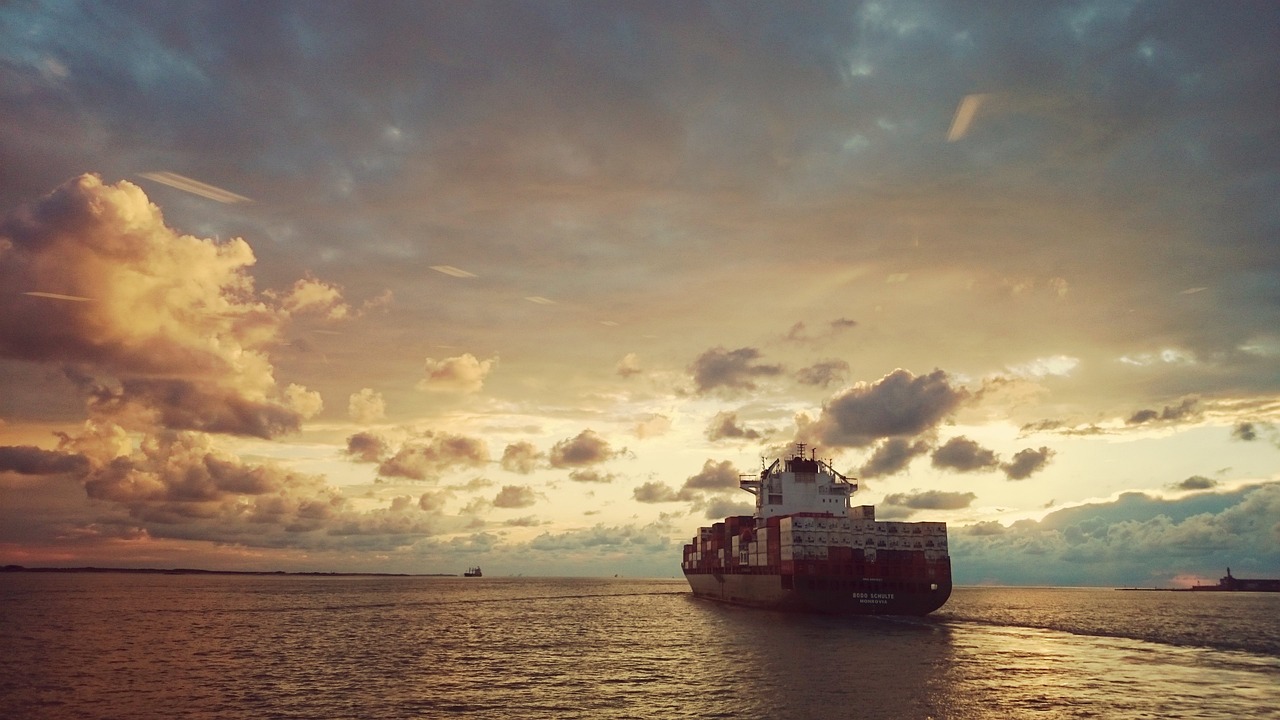

1. Port Rules and Regulations
1.1. Legal Framework: Sakaide Port operates under Japan’s Port Regulations Law (港湾法) and local ordinances of Kagawa Prefecture. Compliance with the International Maritime Organization (IMO) conventions (SOLAS, MARPOL, ISPS Code) is mandatory.
1.2. Navigation Rules: Vessels must adhere to the Maritime Traffic Safety Act (海上交通安全法), including speed limits (≤10 knots in inner harbor) and designated traffic lanes marked by port authorities.
1.3. Berthing Requirements: Prior permission via Japan’s Electronic Port Clearance System (e-Port) is required. Minimum under-keel clearance: 10% of draft or 1m (whichever is greater).
1.4. Dangerous Cargo: IMDG Code applies. Class 1 explosives require 48-hour pre-notification. No discharge of hazardous substances per PRTR Law (Pollutant Release and Transfer Register).
2. Compliance and Enforcement
2.1. Inspections: Japan Coast Guard conducts random inspections focusing on:
– SOLAS compliance (life-saving appliances, firefighting systems)
– MARPOL Annex I (oil record book) and Annex VI (fuel sulfur content ≤0.1% in ECA)
– ISPS Code (valid ISSC certificate and access control)
2.2. Penalties: Non-compliance may result in:
– Fines up to ¥3 million under Port Regulations Law Article 56
– Detention for safety violations (average 2.3 days in 2022 per MLIT data)
– Criminal charges for deliberate pollution (Penal Code Article 142)
2.3. Waste Management: Mandatory use of port reception facilities (fee: ¥150/ton for general waste). Oil waste must be recorded in Oil Record Book Part II.
3. Crew Safety Provisions
3.1. Emergency Response: Port maintains 24/7 emergency tug coverage (2 tugs with minimum bollard pull of 50 tons each).
3.2. Medical Facilities: Designated port clinic (Kagawa Prefectural Sakaide Hospital) with decompression chamber within 30-minute response time.
3.3. Working Hours: Strict enforcement of MLC 2006 – maximum 14 hours work in any 24-hour period.
4. Operational Requirements for Vessels
4.1. Reporting: Pre-arrival documents (via e-Port) must include:
– Ship Particulars
– Dangerous cargo manifest (if applicable)
– Crew list (submitted 24 hours before arrival)
4.2. Pilotage: Compulsory for vessels >10,000 GT or carrying hazardous materials. Pilot boarding area at 34°19.2’N, 133°51.6’E.
4.3. Anchorage: Designated anchorage area (No.1: 34°18’N, 133°50’E) with maximum stay of 72 hours without port permission.
5. Environmental Regulations
5.1. Air Emissions: Vessels at berth must use:
– Fuel with ≤0.1% sulfur content, or
– Approved exhaust gas cleaning system (EGCS) with continuous monitoring
5.2. Ballast Water: Must comply with Japan’s Invasive Species Act – treatment or mid-ocean exchange (>200nm from shore) required.
5.3. Noise Control: Night operations (2200-0600) limited to ≤65 dB at port boundary.
6. Port Security Measures
6.1. ISPS Compliance: All vessels must maintain Security Level 1 as minimum. Unauthorized access to restricted areas (quarantine zone, oil terminals) is prohibited under ISPS Code Part A/9.3.
6.2. Surveillance: 24/7 CCTV monitoring covers 100% of port operational areas. Footage retained for 30 days per Kagawa Prefecture Security Ordinance.
6.3. Crew Movement: Shore leave permitted only with valid seafarer’s ID and passport. Mandatory gangway watch maintained during all port stays.
7. Cargo Handling Regulations
7.1. Container Operations: Maximum gross weight must not exceed CSC plate certification. Twin-lift operations require prior port authority approval.
7.2. Bulk Cargo: Dust suppression measures mandatory for coal/ore handling (water spray system activation at wind speeds >10m/s).
7.3. Liquid Bulk: Independent third-party inspection required for oil/chemical transfer equipment every 6 months (per JIS F 0801 standard).
8. Vessel Traffic Services (VTS)
8.1. Communication: Mandatory VHF Channel 16 monitoring + working Channel 12 (Sakaide Port Control). English language required for all safety communications.
8.2. Reporting Points: Vessels >300 GT must report at:
– Waypoint SAK-1 (34°20’N, 133°55’E)
– 1nm from breakwater entrance
8.3. Emergency Protocols: Immediate “PAN-PAN” call required for any:
– Machinery failure affecting maneuverability
– Pollution incident
– Medical evacuation requirement
9. Port State Control (PSC) Inspections
9.1. Targeting Criteria: Priority inspection for vessels with:
– 3+ deficiencies in last 12 months
– Age >15 years for bulk carriers/oil tankers
– Tokyo MOU detention history
9.2. Common Deficiencies (2023 data):
– Fire damper malfunctions (23% of cases)
– Inaccurate oil record book entries (18%)
– Expired lifesaving equipment (15%)
9.3. Appeal Process: Formal objections to inspection results must be filed within 7 days to Kagawa Maritime Bureau.
10. Special Area Restrictions
10.1. No-Anchor Zones: Prohibited within 500m of:
– Submarine cables (marked on JHA Chart 1123)
– Marine sanctuaries (34°17’N, 133°49’E)
10.2. Fishing Exclusion: Commercial fishing prohibited within port limits (24-hour enforcement by Kagawa Fisheries Agency patrols).
10.3. Diving Operations: Require 72-hour notice and safety zone demarcation (minimum 50m radius).
16. Dangerous Goods Handling
16.1. Classification: Strict adherence to IMDG Code classifications with additional Japan-specific restrictions on:
– Class 4.3 (water-reactive substances)
– Division 5.2 (organic peroxides)
16.2. Storage Requirements: Segregated storage zones with:
– Class 1: Minimum 200m from other cargo
– Class 3: Fireproof containment bunds
16.3. Documentation: Mandatory Japanese-translated MSDS for all hazardous materials.
17. Tug Services
17.1. Minimum Requirements:
– Vessels >20,000 GT: 2 tugs
– Vessels >50,000 GT: 3 tugs (1 must be >60t bollard pull)
17.2. Operational Standards: All tug operators certified under Japan Tugboat Association JT-003 safety protocols.
17.3. Emergency Towing: Pre-rigged equipment must be maintained on vessels >10,000 GT (per SOLAS II-1/3-4).
18. Port Infrastructure Specifications
18.1. Berth Capabilities:
– North Terminal: 320m LOA, -14m CD
– South Terminal: 280m LOA, -12m CD
18.2. Load Limits: Maximum 5t/m² for container stacks, 8t/m² for bulk storage areas.
18.3. Shore Power: 6.6kV/60Hz available at Berths 3-5 (max 3MVA per connection).
19. Customs Procedures
19.1. Clearance Timeline: Standard processing:
– General cargo: 4 working hours
– Dangerous goods: 8 working hours
19.2. Prohibited Items: Strict enforcement on:
– Certain agricultural products
– Non-approved medical supplies
19.3. Temporary Imports: Bonded warehouse available (max 30 days storage).
20. Port Safety Committee
20.1. Composition: Monthly meetings with:
– Japan Coast Guard representatives
– Shipping company safety officers
– Labor union delegates
20.2. Reporting: Anonymous safety concerns may be submitted via port website (verified URL).
20.3. Incident Review: All near-misses investigated within 14 days (per ISM Code 9.1).
21. Vessel Maintenance and Repair
21.1. Dry Dock Facilities: Available for vessels up to 50,000 DWT with:
– Length: 250m maximum
– Width: 40m maximum
– Draft: 10m maximum
21.2. Hot Work Permits: Required for all welding/grinding operations with:
– Fire watch posted continuously
– CO2 system temporarily disabled
21.3. Waste Disposal: Shipyard must provide segregated bins for:
– Hazardous waste (red containers)
– Recyclables (blue containers)
– General waste (gray containers)
22. Ice Navigation Procedures
22.1. Winter Operations: December-March requirements:
– Ice class certification for vessels
– Tug escort mandatory when water temp <3°C
22.2. De-icing Services: Available at:
– Berth 7 (fresh water)
– Berth 9 (compressed air)
22.3. Ice Reporting: Daily ice thickness reports broadcast on VHF Ch 14 at 0800/1200/1600.
23. Marine Pollution Response
23.1. Equipment Stockpile:
– 2,000m containment boom
– 10 skimmers (50m³/hour capacity)
– 20t oil absorbent material
23.2. Response Time: Guaranteed deployment within 30 minutes for:
– Oil spills >1 ton
– Chemical leaks of any quantity
23.3. Drills: Mandatory quarterly pollution exercises for port staff (recorded in SMS).
24. Navigation Aids
24.1. Light Characteristics:
– Main breakwater: Fl G 4s 12m 10M
– Inner channel: Qk Fl R 6m 5M
24.2. Buoyage System: IALA Region A (red to port when entering).
24.3. DGPS Service: Available 24/7 (broadcast on 304kHz).
25. Port Labor Regulations
25.1. Working Conditions:
– Maximum 8-hour shifts for stevedores
– Mandatory 30-minute break after 4 hours
25.2. Safety Gear: EN-certified PPE required:
– Hard hats (yellow for visitors, white for supervisors)
– High-visibility vests (Class 3)
25.3. Dispute Resolution: Grievances must be filed within 7 days to Port Labor Committee.
26. Ship Waste Management
26.1. Reception Facilities: Available for all waste types with 24/7 operation:
– Solid waste: 50 ton/day capacity
– Oily waste: 200m³ storage tanks
– Sewage: 300m³ holding tanks
26.2. Discharge Procedures: Mandatory prior notification for:
– More than 1m³ of oily water
– Any quantity of biohazard waste
26.3. Record Keeping: Waste transfer receipts must be retained onboard for 2 years.
27. Port Access Control
27.1. Identification Requirements:
– Crew: Valid seafarer’s ID + passport
– Visitors: Pre-approved port pass + government ID
27.2. Vehicle Restrictions:
– Speed limit: 20km/h in all port areas
– Parking: Designated zones only (no overnight without permit)
27.3. Restricted Areas: Electronic access control for:
– Fuel terminals
– Military berths
– Customs zones
28. Vessel Sanitation
28.1. Health Inspections: Conducted by quarantine officers for:
– Ships from plague-infected areas
– Vessels with sick crew (>3 cases)
28.2. Deratting: Certificates valid for 6 months required (or inspection upon arrival).
28.3. Food Safety: Random galley inspections focusing on:
– Refrigeration temperatures
– Pest control measures
– Food handler hygiene
29. Port Communication Systems
29.1. Primary Channels:
– Port Operations: VHF Ch 12
– Pilotage: VHF Ch 13
– Emergency: VHF Ch 16
29.2. Language Requirements: All official communications in English or Japanese.
29.3. Digital Systems: Mandatory AIS transmission within port limits (including static/voyage data).
30. Special Cargo Handling
30.1. Oversized Cargo: Requires:
– 72-hour advance notice
– Special route survey
– Police escort for road transport
30.2. Heavy Lifts: Crane capacity limits:
– Floating crane: 500t maximum
– Shore cranes: 100t maximum
30.3. Temperature Controlled: Designated reefer storage areas with:
– 24-hour monitoring
– Backup power supply
– Alarm system
31. Port Meteorological Services
31.1. Weather Reporting: Real-time updates available:
– Port website (updated hourly)
– VHF weather broadcasts (every 6 hours)
31.2. Storm Warning System: Three-tier alert:
– Level 1 (Advisory): Winds 15-20m/s
– Level 2 (Warning): Winds 20-25m/s
– Level 3 (Emergency): Winds >25m/s
31.3. Tide Information: Digital tide gauges display:
– Current water level
– Predicted highs/lows
– Storm surge warnings
32. Vessel Traffic Monitoring
32.1. AIS Requirements: Mandatory for:
– Vessels >300 GT
– All passenger vessels
– Tugs with barges
32.2. Speed Limits:
– Inner harbor: 5 knots
– Approach channel: 8 knots
32.3. Restricted Movements: Prohibited during:
– Pilot transfer operations
– Bunkering operations
– Naval vessel movements
33. Port Fire Safety
33.1. Equipment Standards:
– Fire mains: 7 bar pressure minimum
– Hydrants: 50m maximum spacing
33.2. Emergency Response:
– Fire boats: 2 stationed (response time <5 minutes)
– Foam trucks: 4 available (10,000L capacity each)
33.3. Drills: Mandatory monthly fire exercises for:
– Port security personnel
– Ship crews in port
34. Port Lighting Standards
34.1. Illumination Levels:
– Container yards: 200 lux minimum
– Berth areas: 150 lux minimum
– Roadways: 50 lux minimum
34.2. Emergency Lighting: Battery backup for:
– All stairwells
– Hazardous areas
– Escape routes
34.3. Navigation Lights: Verified daily by:
– Port maintenance crews
– VTS observers
35. Port Environmental Protection
35.1. Water Quality Monitoring:
– Weekly sampling at 10 locations
– Real-time oil detection sensors
35.2. Noise Control:
– Nighttime operations: <65dB at boundary
– Special zones: <55dB near residential areas
35.3. Wildlife Protection: Restricted activities during:
– Bird nesting season (March-June)
– Marine mammal migrations (October-November)
36. Port Security Measures
36.1. Access Control:
– Biometric verification at all entry points
– RFID tracking for all personnel and vehicles
– 24/7 CCTV surveillance with 90-day retention
36.2. ISPS Compliance:
– Security Level 1: Standard operating procedures
– Security Level 2: Additional screening measures
– Security Level 3: Full lockdown protocols
36.3. Restricted Areas:
– Automated intrusion detection systems
– Motion-activated lighting
– Regular patrols by armed guards
37. Vessel Inspection Procedures
37.1. Pre-Arrival Documentation:
– 72-hour advance notice required
– Complete cargo manifest submission
– Crew list with passport details
37.2. Port State Control:
– Priority inspection for high-risk vessels
– 5% random selection of other vessels
– Full inspection checklist available online
37.3. Common Deficiencies:
– Fire safety equipment issues
– Navigation system malfunctions
– Documentation discrepancies
38. Port Logistics Services
38.1. Cargo Handling:
– 24/7 operations with 3 shift rotations
– Certified hazardous materials handlers
– Temperature-controlled storage options
38.2. Transportation Links:
– Direct rail connection to major cities
– Dedicated truck lanes for port access
– Barge services for coastal distribution
38.3. Value-Added Services:
– Customs clearance facilitation
– Cargo insurance processing
– Export documentation preparation
39. Port Technology Infrastructure
39.1. Digital Systems:
– Automated gate systems with OCR technology
– Real-time cargo tracking platform
– Blockchain-based documentation verification
39.2. Communication Networks:
– Fiber-optic backbone with redundant paths
– 5G coverage throughout port area
– Satellite backup for critical systems
39.3. Cybersecurity:
– ISO 27001 certified data center
– Monthly penetration testing
– Multi-factor authentication for all systems
40. Port Community Engagement
40.1. Public Outreach:
– Monthly open house events
– School education programs
– Community advisory board
40.2. Environmental Initiatives:
– Beach clean-up volunteer programs
– Emission reduction partnerships
– Wildlife protection projects
40.3. Economic Development:
– Local business procurement policies
– Job training programs for residents
– Small business incubator space
41. Port Emergency Response
41.1. Emergency Categories:
– Tier 1 (Minor): Single-point incidents
– Tier 2 (Major): Multi-department response
– Tier 3 (Critical): Regional/national coordination
41.2. Response Teams:
– 24/7 on-site medical team
– Hazardous materials specialists
– Dive rescue unit
41.3. Emergency Equipment:
– Mobile command center
– Decontamination showers
– Mass casualty kits
42. Vessel Bunkering Services
42.1. Fuel Types Available:
– MGO (0.1% sulfur)
– LNG (by special arrangement)
– Biofuel blends (B20-B100)
42.2. Bunkering Procedures:
– Advance notice 48 hours required
– Dedicated safety officer present
– Continuous VOC monitoring
42.3. Quality Assurance:
– ISO 8217 compliance
– Batch testing certificates
– Dispute resolution process
43. Port Tariff Structure
43.1. Vessel Charges:
– Port dues (per GT)
– Berth occupancy fees
– Pilotage charges
43.2. Cargo Fees:
– Container handling (per TEU)
– Bulk cargo (per metric ton)
– RO-RO units (per lane meter)
43.3. Discount Programs:
– Green vessel incentives
– Frequent caller programs
– Off-peak hour discounts
44. Port Legal Framework
44.1. Governing Laws:
– Maritime Code provisions
– Port Authority regulations
– International conventions
44.2. Liability Issues:
– Cargo damage claims
– Pollution fines
– Personal injury cases
44.3. Dispute Resolution:
– Mandatory mediation
– Arbitration procedures
– Court jurisdiction clauses
45. Port Performance Metrics
45.1. Operational Indicators:
– Vessel turnaround time
– Crane productivity (moves/hour)
– Gate processing time
45.2. Safety Statistics:
– Lost-time injuries
– Near-miss reports
– Security incidents
45.3. Environmental Performance:
– Air emissions inventory
– Water quality index
– Waste recycling rates
46. Port Customs Procedures
46.1. Clearance Requirements:
– Electronic manifest submission 24h prior
– Original bills of lading presentation
– Commercial invoice verification
46.2. Special Regimes:
– Temporary admission procedures
– Bonded warehouse options
– Transit cargo processing
46.3. Inspection Protocols:
– Non-intrusive scanning (X-ray/radiation)
– K9 unit deployment for narcotics
– Random physical inspections (5% selection)
47. Dangerous Goods Handling
47.1. Classification System:
– IMDG code compliance mandatory
– 9 hazard classes with subcategories
– Segregation requirements matrix
47.2. Storage Facilities:
– Explosion-proof electrical systems
– Secondary containment bunds
– 24/7 temperature monitoring
47.3. Emergency Preparedness:
– Specialized spill kits
– Dedicated fire suppression systems
– Evacuation radius protocols
48. Port Pilotage Services
48.1. Compulsory Areas:
– Main approach channel
– Inner harbor basin
– Special berths (oil/gas terminals)
48.2. Pilot Transfer:
– Daytime boarding via pilot boat
– Nighttime helicopter transfers
– Minimum freeboard requirements
48.3. Navigation Restrictions:
– Tidal window limitations
– Maximum wind speed thresholds
– Daylight-only movements for certain vessels
49. Port Insurance Requirements
49.1. Mandatory Coverage:
– P&I club membership proof
– Hull and machinery insurance
– Third-party liability minimums
49.2. Port Operator Policies:
– Equipment all-risk coverage
– Business interruption protection
– Cyber liability insurance
49.3. Claims Processing:
– 72-hour incident reporting
– Independent surveyor appointment
– Arbitration clause enforcement
50. Port Sustainability Initiatives
50.1. Green Technologies:
– Shore power connections
– Solar panel installations
– Electric equipment fleets
50.2. Carbon Reduction:
– Vessel speed optimization program
– Alternative fuel incentives
– Carbon footprint monitoring
50.3. Community Benefits:
– Noise reduction measures
– Water quality improvement projects
– Local employment targets
51. Port Cold Chain Facilities
51.1. Temperature Zones:
– Frozen (-25°C to -18°C)
– Chilled (0°C to 4°C)
– Controlled ambient (15°C to 25°C)
51.2. Monitoring Systems:
– Real-time temperature tracking
– Automated alarm triggers
– Backup power redundancy
51.3. Specialized Equipment:
– Reefer container stacks
– Blast freezing capability
– Pharmaceutical-grade storage
52. Port Waste Recycling
52.1. Material Streams:
– Metal (95% recovery rate)
– Plastics (separated by polymer type)
– Organic waste (composting)
52.2. Processing Facilities:
– On-site sorting center
– Baling machines
– Hazardous waste containment
52.3. Circular Economy:
– Reclaimed wood reuse
– Oil recycling program
– Construction material recovery
53. Vessel Repair Services
53.1. Dry Dock Capabilities:
– Panamax-size graving dock
– Floating dock capacity: 50,000 DWT
– Synchrolift system
53.2. Specialized Services:
– Propeller polishing
– Hull cleaning (eco-friendly)
– Ballast water system retrofits
53.3. Emergency Repairs:
– 24/7 availability
– Mobile welding teams
– Spare parts inventory
54. Port Lighting Navigation
54.1. Channel Markings:
– LED buoys with solar power
– Radar reflectors
– Sector light ranges
54.2. Berth Lighting:
– High-mast LED arrays
– Glare-reduction design
– Motion-activated zones
54.3. Emergency Lighting:
– Self-contained units
– 8-hour minimum duration
– Weatherproof housings
55. Port Business Continuity
55.1. Risk Assessment:
– Annual vulnerability studies
– Critical process mapping
– Supplier dependency analysis
55.2. Backup Systems:
– Dual fiber optic routes
– Emergency generators
– Water reserve tanks
55.3. Recovery Plans:
– Priority vessel sequencing
– Alternative cargo routes
– Mutual aid agreements