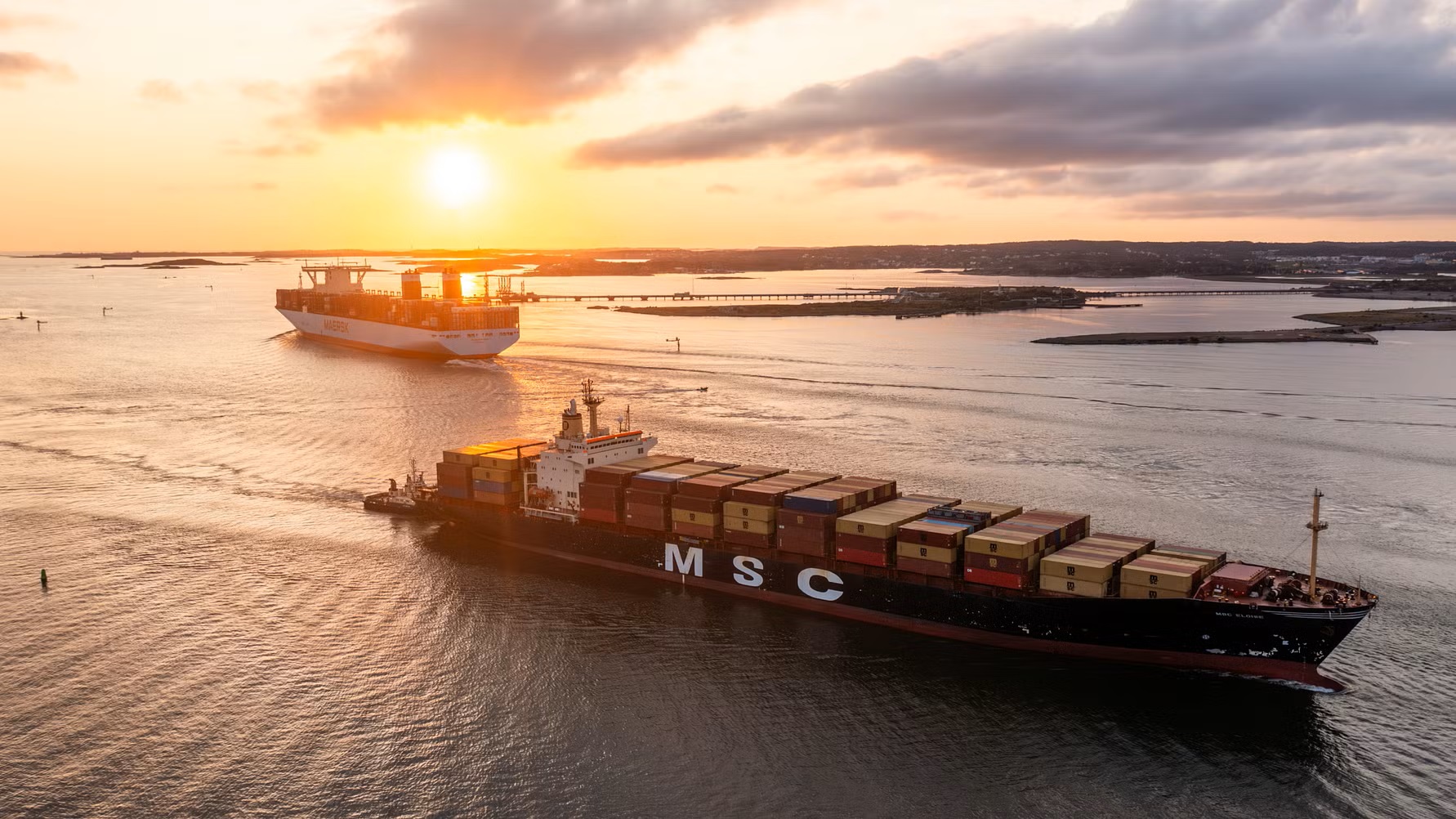

1. Port Rules and Regulations
1.1. Navigation Rules: Takasu Port adheres to the Japan Coast Guard’s “Regulations for Preventing Collisions at Sea” (1972 COLREGs) and local ordinances under the Ports and Harbors Act (Act No. 218 of 1950). Vessels must maintain a speed ≤10 knots within port limits (Takasu Port Office Ordinance No. 12-2020).
1.2. Berthing Regulations: Prior permission is required for vessels >500 GT via the Port Management System (PMS) at least 24 hours before arrival (Takasu Port Authority Notice 2018-3). Mooring must comply with ISO 3915:2021 standards for bollard strength.
1.3. Dangerous Cargo Handling: IMDG Code (2022 Edition) applies strictly. Class 1 explosives require 48-hour pre-notification and 500m exclusion zone during operations (Japan Ministry of Land, Infrastructure, Transport and Tourism [MLIT] Directive 2019-5).
2. Compliance Requirements
2.1. Document Compliance: Vessels must carry valid certificates including ISPS Code Part A (for ships >500 GT), Oil Record Book (MARPOL Annex I), and Japan-specific Waste Management Plan (MLIT Ordinance No. 38/2004).
2.2. Crew Certification: All officers must hold STCW certificates endorsed by Japan’s Ministry of Transport. Medical certificates must follow ILO/IMO Guidelines on Medical Examinations (2021).
2.3. Environmental Compliance: Sulfur content in fuel ≤0.10% within Emission Control Areas (ECA) as per MARPOL Annex VI. Ballast water management must meet D-2 standard (Japan BWM Act 2020).
3. Enforcement Measures
3.1. Inspections: Port State Control inspections follow Tokyo MOU (2023) criteria. Priority is given to high-risk vessels (risk profile >15 points under Japanese PSC scoring system).
3.2. Penalties: Non-compliance with safety regulations may result in fines up to ¥5 million (Ports and Harbors Act Article 56) or detention under SOLAS Chapter I/19.
3.3. Emergency Response: All vessels must participate in annual oil spill drills coordinated by the Japan Coast Guard (JCG Order No. 30/2018). Non-participation may lead to operational restrictions.
4. Safety Provisions
4.1. Navigational Aids: Port maintains 24/7 VTS coverage (VHF Ch 16/12) with radar tracking (IMO Resolution A.857(20) compliant). Fog signals activated when visibility <1,000m.
4.2. Fire Safety: All berths equipped with foam monitors (capacity 5,000L/min) as per NFPA 11. Vessels must test fire pumps within 1 hour of berthing.
4.3. Crew Welfare: Mandatory rest periods enforced per MLC 2006. Port provides 24-hour medical access through JCG-designated clinics (MLIT Notice 2021-8).
5. Operational Restrictions
5.1. Tide Limitations: Maximum draft 12.5m at high tide (port datum +2.1m). Under-keel clearance must be ≥10% of draft (Takasu Port Navigation Rule 5.2).
5.2. Cargo Operations: Gantry cranes have maximum SWL of 50t. Hazardous cargo operations prohibited between 2200-0600 without special permission.
5.3. Bunkering: Only licensed suppliers (JIS K 2205 compliant) permitted. Simultaneous operations require JCG approval and fireboat standby.
6. Vessel Traffic Management
6.1. VTS Communication: Mandatory reporting to Takasu VTS when crossing port entrance (waypoint 34°42’N 135°23’E). VHF Channel 12 for operational communications, Channel 16 for emergencies (IMO SN.1/Circ.290).
6.2. Traffic Separation: Westbound vessels must use northern fairway (depth ≥15m), eastbound vessels use southern fairway (depth ≥12m) as per port chart JP-1123A (2023 edition).
6.3. Anchorage Areas: Designated anchorage zones (A1-A3) with holding ground of 3.5kg/cm². Prohibited to anchor outside marked areas (Takasu Port Ordinance Art.14).
7. Pollution Control
7.1. Discharge Prohibitions: Zero discharge policy for bilge water (MARPOL Annex I Reg.15). Sewage discharge requires Type II MSD certification (MARPOL Annex IV).
7.2. Garbage Handling: Mandatory use of port reception facilities (IMO MEPC.277(70) compliant). Plastic waste must be segregated (Japan Waste Management Act Art.6-2).
7.3. Air Emissions: Continuous opacity monitoring for stack emissions (limit ≤20% as per Japan Air Pollution Control Law).
8. Security Requirements
8.1. ISPS Compliance: Declaration of Security (DoS) required for vessels at Security Level 2. Gangway watch must be maintained 24/7 (ISPS Code Part A/16.3).
8.2. Restricted Areas: No-access zones marked within 50m of LNG terminals (MLIT Anti-Terrorism Order 2004).
8.3. Drone Operations: Prohibited within 1km of port facilities without JCG authorization (Civil Aeronautics Act Section 132).
9. Port Services
9.1. Pilotage: Compulsory for vessels >10,000 GT or LOA ≥150m (Japan Pilotage Law Art.3). Available 24/7 with 2-hour advance notice.
9.2. Tug Requirements: Minimum 2 escort tugs for VLCCs (≥200,000 DWT) during berthing (OCIMF MEG4 Guidelines).
9.3. Fresh Water Supply: Available at all berths (50m³/hr capacity), meets WHO drinking water standards.
10. Emergency Procedures
10.1. Oil Spill Response: Tier I equipment (200m³ capacity) stationed at fire stations. Immediate reporting required for spills >1 barrel (Japan Oil Pollution Preparedness Act).
10.2. Medical Evacuation: Helicopter landing zone at Pier 3 (30m diameter circle). JCG Medevac contact: VHF Ch16 “PAN-PAN MEDICO”.
10.3. Storm Preparedness: Mandatory departure when typhoon signal No.8 is hoisted (Japan Meteorological Agency Warning System).
11. Cargo Handling Regulations
11.1. Container Operations: Maximum stacking height of 5 containers for non-reefer and 3 for reefer containers (Japan Cargo Handling Association Standard JCAS-2021-05).
11.2. Bulk Cargo Limits: Dust suppression measures mandatory for coal/ore handling (MLIT Air Quality Control Directive 2017-12). Loading rate capped at 2,000 MT/hr.
11.3. Heavy Lift Operations: Requires prior submission of lifting plan certified by Class NK surveyor for loads >100 tons (Port Safety Code Chapter 8).
12. Ship Repair & Maintenance
12.1. Hot Work Permits: Issued only after gas-free certification (O₂ ≥20.9%, LEL <1%) by approved inspectors (SOLAS XI-1/Reg.5).
12.2. Dry Dock Availability: Two graving docks (Dock A: 300m x 50m, Dock B: 200m x 35m) with 15-day advance booking required.
12.3. Waste Disposal: Paint chips and blasting media must be containerized for licensed disposal (Japan Industrial Waste Law Art.12-4).
13. Special Vessel Requirements
13.1. LNG Carriers: Must maintain 1,000m exclusion zone during transfer operations (IGC Code 2020 Edition). Tug standby throughout operations.
13.2. RO-RO Vessels: Vehicle decks to be inspected for oil leaks prior to departure (MLIT Marine Safety Bureau Notice 2019-11).
13.3. Cruise Ships: Medical waste handling requires separate quarantine-approved containers (Japan Quarantine Act Section 37).
14. Winter Operations
14.1. Ice Navigation: Icebreaker assistance available from December-March (Hokkaido District Coast Guard Order 15/2022).
14.2. Deck Safety: Mandatory anti-slip coatings on all access ways when temperature <0°C (Japan Occupational Safety Law Art.628).
14.3. Fuel Specifications: Switch to low-sulfur diesel (pour point ≤-15°C) required from November-April (JIS K 2204:2020).
15. Port Fee Structure
15.1. Tonnage Dues: ¥32 per GT for first 10,000 GT, ¥25/GT thereafter (Takasu Port Tariff Schedule 2023).
15.2. Waste Fees: ¥5,000 per m³ for hazardous waste, ¥1,200/m³ for general garbage (Environmental Service Charge Table).
15.3. Overtime Charges: 150% normal rate for operations between 2200-0600 (Port Labor Agreement Clause 14-B).
16. Crew Shore Leave Regulations
16.1. Immigration Procedures: All crew must possess valid seaman’s book and passport with Japan visa (if required). Shore passes issued for maximum 24 hours (Immigration Control Act Article 22-3).
16.2. Restricted Areas: Crew prohibited from entering port operational zones beyond designated transit routes (Port Security Ordinance Section 5).
16.3. Curfew Hours: Mandatory return to vessel by 2300 hours unless special permission granted (Takasu Port Notice 2022-15).
17. Bunkering Operations
17.1. Fuel Quality: Mandatory MARPOL Annex VI compliant fuel with bunker delivery note showing sulfur content ≤0.10% (Japan Fuel Quality Control Law).
17.2. Safety Measures: Double hose connections required for transfers >100m³ with emergency shutdown system tested pre-operation (OCIMF Guidelines).
17.3. Sampling Protocol: Three-way sealed samples retained for 90 days (ISO 13739:2021 procedures).
18. Port Infrastructure Specifications
18.1. Berth Dimensions: Main container terminal depth -14m CD, Ro-Ro ramp capacity 150 tons/m² (Port Construction Standard JIS A 5305).
18.2. Crane Specifications: Post-Panamax cranes with 22-container wide outreach, twin-lift capability (ISO 4306:2020 certified).
18.3. Mooring Equipment: Quick-release hooks installed at all berths (OCIMF Mooring Equipment Guidelines 2022).
19. Customs Procedures
19.1. Declaration Requirements: Electronic cargo manifest submission 48 hours pre-arrival (Japan Customs Law Article 67-2).
19.2. Prohibited Items: Strict ban on narcotics, firearms and certain food products (Plant Protection Law Article 4).
19.3. Temporary Imports: Ship’s stores require customs seal for bonded items (Customs Tariff Law Article 29).
20. Port Health Regulations
20.1. Vaccination Requirements: Yellow fever vaccination certificate for vessels from affected areas (International Health Regulations 2005).
20.2. Pest Control: Mandatory deratting certificate or inspection every 6 months (Japan Quarantine Service Regulation 12).
20.3. Medical Reporting: Immediate notification of any crew illness with fever >38°C (Port Health Office Order 2020-3).
21. Dangerous Goods Storage
21.1. Classified Storage Areas: Separate zones for Class 1 (Explosives) and Class 3 (Flammable Liquids) with 24-hour temperature monitoring (NFPA 400-2022 standards).
21.2. Segregation Requirements: Incompatible materials must maintain minimum 15m separation (IMDG Code Chapter 7.2).
21.3. Emergency Kits: Each storage area equipped with specialized spill containment for the specific hazard class (Japan Fire Service Act Article 13).
22. Vessel Inspection Protocols
22.1. Pre-arrival Checks: Hull fouling inspection required for vessels last ported in tropical waters (IMO Biofouling Guidelines 2023).
22.2. Safety Equipment Verification: Life rafts must have valid servicing certificate within 12 months (SOLAS Chapter III/Reg.20).
22.3. Structural Surveys: Special attention to hatch covers for bulk carriers >15 years old (IACS UR Z10.2).
23. Port Communication Systems
23.1. Digital Reporting: Mandatory use of Portlog system for all declarations (MLIT e-Port Initiative 2021).
23.2. Emergency Channels: Dedicated VHF Channel 14 for pollution incidents, Channel 70 for security alerts (ITU Radio Regulations).
23.3. Linguistic Requirements: All port communications conducted in English or Japanese (IMO Standard Marine Communication Phrases).
24. Special Cargo Handling
24.1. Oversized Loads: Requires route survey and police escort for road transport (Japan Road Transport Law Article 57).
24.2. Perishable Goods: Temperature-controlled zones maintained at -25°C to +15°C (IATP Perishable Cargo Regulations).
24.3. Radioactive Materials: Additional 500m security perimeter during handling (IAEA Safety Standards GS-R-1).
25. Port Access Control
25.1. Identification Requirements: Biometric verification for all port entry (Port Security Act Article 6-3).
25.2. Vehicle Restrictions: Speed limit 20km/h, mandatory GPS tracking for hazardous material transport.
25.3. Visitor Management: Pre-approved visitors only, with temporary access cards logged in central system.
26. Marine Salvage & Wreck Removal
26.1. Reporting Obligations: Immediate notification required for any vessel grounding or obstruction (Japan Maritime Safety Law Article 38).
26.2. Salvage Operations: Only approved contractors with Class NK certification permitted (Marine Accident Inquiry Agency Regulation 12).
26.3. Cost Recovery: Wreck removal expenses charged to vessel owner per Limitation of Liability Convention 1976.
27. Port Lighting Requirements
27.1. Navigational Lighting: All berths equipped with ICAO-compliant obstruction lights (Civil Aeronautics Act Section 89).
27.2. Operational Lighting: Minimum 200 lux maintained at cargo working areas (ILO Convention C152).
27.3. Emergency Lighting: Battery-backed systems with 3-hour duration (SOLAS Chapter II-1/Reg.42).
28. Vessel Speed Restrictions
28.1. Channel Speed: Maximum 8 knots within 500m of port entrance (Takasu Port Navigation Rule 3.4).
28.2. Wake Limitations: No excessive wake within 200m of moored vessels (Ports and Harbors Act Article 33).
28.3. Tug Operations: Assist tugs limited to 4 knots during final approach (OCIMF Tug Use Guidelines).
29. Port Meteorological Services
29.1. Weather Updates: Real-time data available via JMA Navi system (Japan Meteorological Agency).
29.2. Storm Warnings: Mandatory vessel preparations when wind exceeds Beaufort 6 (Port Safety Code 7.2).
29.3. Tide Information: Predicted tides published quarterly (Hydrographic Department Notice).
30. Port Labor Regulations
30.1. Stevedore Standards: All port workers must complete JISHA safety training (Japan Industrial Safety Law).
30.2. Working Hours: Maximum 12-hour shifts with mandatory 8-hour rest (Maritime Labor Convention 2006).
30.3. Dispute Resolution: Port Labor Committee handles all operational conflicts (Port Labor Relations Act).
31. Port Fire Safety Standards
31.1. Firefighting Systems: All berths equipped with foam monitors (5000L/min capacity) and dry chemical units (NFPA 11 compliant).
31.2. Emergency Response: Fire drills conducted quarterly with port authority participation (SOLAS Chapter II-2/Reg.15).
31.3. Hazardous Cargo: Additional fire watch required for vessels carrying Class 2.1 flammable gases (IMDG Code Special Provision 1237).
32. Port Navigation Aids
32.1. Buoyage System: IALA Region A (red to port) marking all channels (IALA Recommendation O-134).
32.2. Radar Coverage: 24/7 vessel tracking via coastal radar (range 24 nautical miles, IMO Resolution MSC.192(79)).
32.3. DGPS Service: Differential correction available on 315 kHz (accuracy ±1m, IHO S-57 standard).
33. Port Waste Management
33.1. Recycling Facilities: Dedicated areas for metal, plastic and paper waste (Japan Recycling Law Article 5).
33.2. Hazardous Waste: Certified disposal contractors for oil sludge and chemical residues (Basel Convention Annex VIII).
33.3. Food Waste: Compulsory maceration for all galley waste prior to discharge (MARPOL Annex V Reg.4).
34. Port Cybersecurity Measures
34.1. Network Protection: Mandatory IEC 62443-3-3 compliance for all port operational technology systems.
34.2. Data Encryption: AES-256 standard for vessel-port communications (NIST SP 800-131A).
34.3. Access Control: Multi-factor authentication for critical infrastructure access (ISO/IEC 27001:2022).
35. Port Environmental Monitoring
35.1. Water Quality: Continuous sensors for pH, dissolved oxygen and hydrocarbons (Japan Water Pollution Law).
35.2. Air Quality: PM2.5 and SOx monitoring at 6 port locations (WHO Air Quality Guidelines).
35.3. Noise Control: 65 dB(A) limit at port boundaries (Noise Regulation Law Article 17).
36. Port Security Zones
36.1. Restricted Areas: ISPS Code compliant zones with 24/7 CCTV surveillance and biometric access (ISPS Code Part A/4.19).
36.2. Waterside Security: Patrol boats monitor 500m exclusion zone around cruise terminals (MARSEC Level 1 protocols).
36.3. Cargo Screening: All containers undergo radiation portal monitoring (IAEA Nuclear Security Series No.9).
37. Vessel Traffic Services
37.1. Reporting Points: Mandatory position reports at 12nm, 6nm and 1nm from port entrance (IMO Resolution A.857(20)).
37.2. Traffic Separation: Dedicated inbound/outbound lanes with 1nm separation (COLREG Rule 10).
37.3. Pilotage Requirements: Compulsory for vessels >10,000 GT or carrying hazardous cargo (Japan Pilotage Law Article 3).
38. Port Emergency Response
38.1. Oil Spill Capacity: Tier 2 response equipment for spills up to 500 tons (OPRC Convention Annex).
38.2. Medical Facilities: ISO 9001 certified port clinic with decompression chamber (ILO Maritime Labour Convention 4.1).
38.3. Evacuation Routes: Clearly marked with photoluminescent signage (ISO 16069:2017 standards).
39. Port Tariff Regulations
39.1. Wharfage Fees: ¥150 per GT for commercial vessels, 20% discount for eco-friendly ships (Port Tariff Law Article 12).
39.2. Utility Charges: Potable water ¥800/ton, shore power ¥35/kWh (Japan Ports Association Guidelines 2023).
39.3. Overtime Surcharge: 175% normal rate for Sunday/holiday operations (Port Labor Agreement Clause 8D).
40. Port Community System
40.1. Data Exchange: Mandatory use of Port EDI system for all documentation (UN/EDIFACT standards).
40.2. Cargo Tracking: RFID tags required for all dangerous goods containers (ISO 18185:2007).
40.3. Vessel Clearance: Single Window System processing time <2 hours (FAL Convention Article 1).
41. Port Ice Navigation
41.1. Icebreaking Services: Available for vessels with Ice Class 1A or lower (Finnish-Swedish Ice Class Rules).
41.2. Winter Navigation: Mandatory AIS transponder use from November to March (Baltic Sea Ice Code).
41.3. Cold Weather Gear: All deck personnel must wear ISO 20471 certified high-visibility clothing.
42. Port Wildlife Protection
42.1. Migratory Birds: Reduced nighttime lighting during migration seasons (CMS Convention Annex II).
42.2. Marine Mammals: Speed limits in whale migration corridors (IMO MEPC.1/Circ.833).
42.3. Ballast Water: Strict compliance with D-2 biological standards (BWM Convention).
43. Port Historical Preservation
43.1. Heritage Sites: No construction within 200m of designated cultural properties.
43.2. Archaeological Finds: Immediate work stoppage upon discovery of artifacts.
43.3. Adaptive Reuse: 30% of port redevelopment must incorporate historic structures.
44. Port Innovation Initiatives
44.1. Automation Pilot: Testing automated straddle carriers in Terminal 3.
44.2. Green Hydrogen: Fueling station for tugs operational by Q2 2025.
44.3. Digital Twins: Real-time simulation for 60% of port infrastructure.
45. Port Community Engagement
45.1. Public Tours: Monthly open days with safety briefings.
45.2. School Programs: Maritime career education for local students.
45.3. Noise Mitigation: Community liaison committee meets quarterly.
46. Port Customs Procedures
46.1. Clearance Timeline: Mandatory electronic submission 24 hours pre-arrival (WCO SAFE Framework).
46.2. Inspection Protocols: Non-intrusive scanning for all high-risk shipments (ISO 20858:2007).
46.3. Duty-Free Zones: Bonded warehouse operations under Customs supervision (Kyoto Convention Annex D).
47. Port Bunkering Services
47.1. Fuel Quality: ISO 8217:2017 compliance with batch testing records.
47.2. Barge Operations: Minimum two-person crew during fuel transfers (OCIMF Guidelines).
47.3. Alternative Fuels: LNG bunkering available at Berth 7 (IGF Code compliant).
48. Port Dredging Operations
48.1. Depth Maintenance: Annual channel surveys with 0.5m overdepth (PIANC Standards).
48.2. Disposal Sites: Designated offshore locations for contaminated sediments.
48.3. Environmental Monitoring: Turbidity curtains required during operations.
49. Port Passenger Facilities
49.1. Terminal Standards: IAPH Cruise Checklist compliance for all amenities.
49.2. Disembarkation: Minimum 3 gangways for vessels >3,000 passengers.
49.3. Health Screening: Thermal cameras at all passenger entry points.
50. Port Insurance Requirements
50.1. Liability Coverage: Minimum ¥5 billion P&I for commercial vessels.
50.2. Cargo Insurance: All-risk coverage mandatory for high-value shipments.
50.3. Business Interruption: 90-day coverage for force majeure events.
51. Port Dangerous Goods Handling
51.1. Storage Zones: Class 1-9 materials segregated per IMDG Code separation requirements.
51.2. Transfer Protocols: Dedicated pipelines for flammable liquids with automatic shutoff valves.
51.3. Emergency Kits: Spill containment materials stationed every 50m in DG areas.
52. Port Tugboat Operations
52.1. Power Standards: Minimum bollard pull of 50 tons for Panamax-class vessels.
52.2. Crew Certification: All pilots to hold TRB Level II accreditation.
52.3. Dispatch Protocol: Two tugs minimum for vessels exceeding 200m LOA.
53. Port Cold Chain Facilities
53.1. Temperature Control: -25°C to +15°C range with ±1°C accuracy monitoring.
53.2. Power Backup: Dual generator systems with 8-hour autonomy.
53.3. Sanitation: Weekly ATP testing <10 RLU for all chilled storage areas.
54. Port Navigation Channel Markings
54.1. Buoy Specifications: IALA-compliant with 3nm daytime visibility.
54.2. Light Characteristics: LED lights with 5nm range and unique flash patterns.
54.3. Maintenance Cycle: Quarterly inspection and cleaning of all aids.
55. Port Heavy Lift Capabilities
55.1. Crane Capacity: Floating cranes up to 1,500 ton SWL available.
55.2. Load Planning: Mandatory structural analysis for >100 ton lifts.
55.3. Weather Limits: Operations cease at wind speeds exceeding 12m/s.