Hapag-Lloyd’s next generation of large container ships places efficiency and emissions reduction at the centre of their design. With construction underway in China, TMC Compressors has been selected to supply the compressed air systems that will support the vessels’ low emission operations. The project highlights how equipment makers are adapting to the sector’s changing fuel and engine choices.
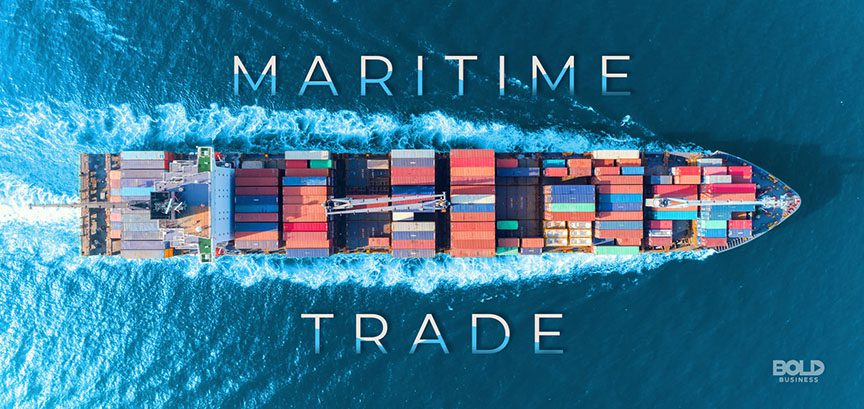
TMC Compressors has been chosen by Jiangsu New Yangzi Shipbuilding in China to supply the marine compressed air systems for 12 new 16,800 TEU container ships that are being built for Hapag-Lloyd. The order covers a complete system for each vessel, including two compressors and one frequency controlled unit linked to the onboard selective catalytic reduction system. SCR technology plays an important role in cutting nitrogen oxide emissions from ship engines by treating exhaust gases before they are released.
The new series of vessels reflects Hapag-Lloyd’s focus on lowering emissions through design and fuel flexibility. Each ship will be equipped with low emission high pressure liquefied gas dual fuel engines. The ships will also be able to operate on biomethane, which can cut CO2 equivalent emissions by up to 95 per cent compared with conventional propulsion. The ships have been prepared for ammonia as well, giving the operator options as alternative fuels evolve. Deliveries are planned between 2027 and 2029.
Hans-Petter Tanum, director of sales and business development at TMC, said: “These 12 container ships are impressive vessels that are designed to significantly reduce CO2 emissions compared to similar vessels with conventional propulsion systems. We look forward to supporting the operation of these vessels with our compressor technologies, including the SCR system. We take great pride in providing energy-efficient compressors, which in this case is an excellent match for the shipowners’ ambitions.”
The compressor systems will support both standard onboard functions and the emissions control technology that is becoming more common as operators adapt to global regulatory pressure. For TMC, which designs its compressed air systems specifically for marine and offshore use, the project aligns with growing demand for equipment that fits with cleaner engine platforms.
The company is headquartered in Oslo and has supplied systems to a wide range of vessels and offshore installations. Its involvement in Hapag-Lloyd’s new programme signals the increasing role of specialised equipment providers in enabling large operators to shift towards cleaner and more flexible propulsion technologies.