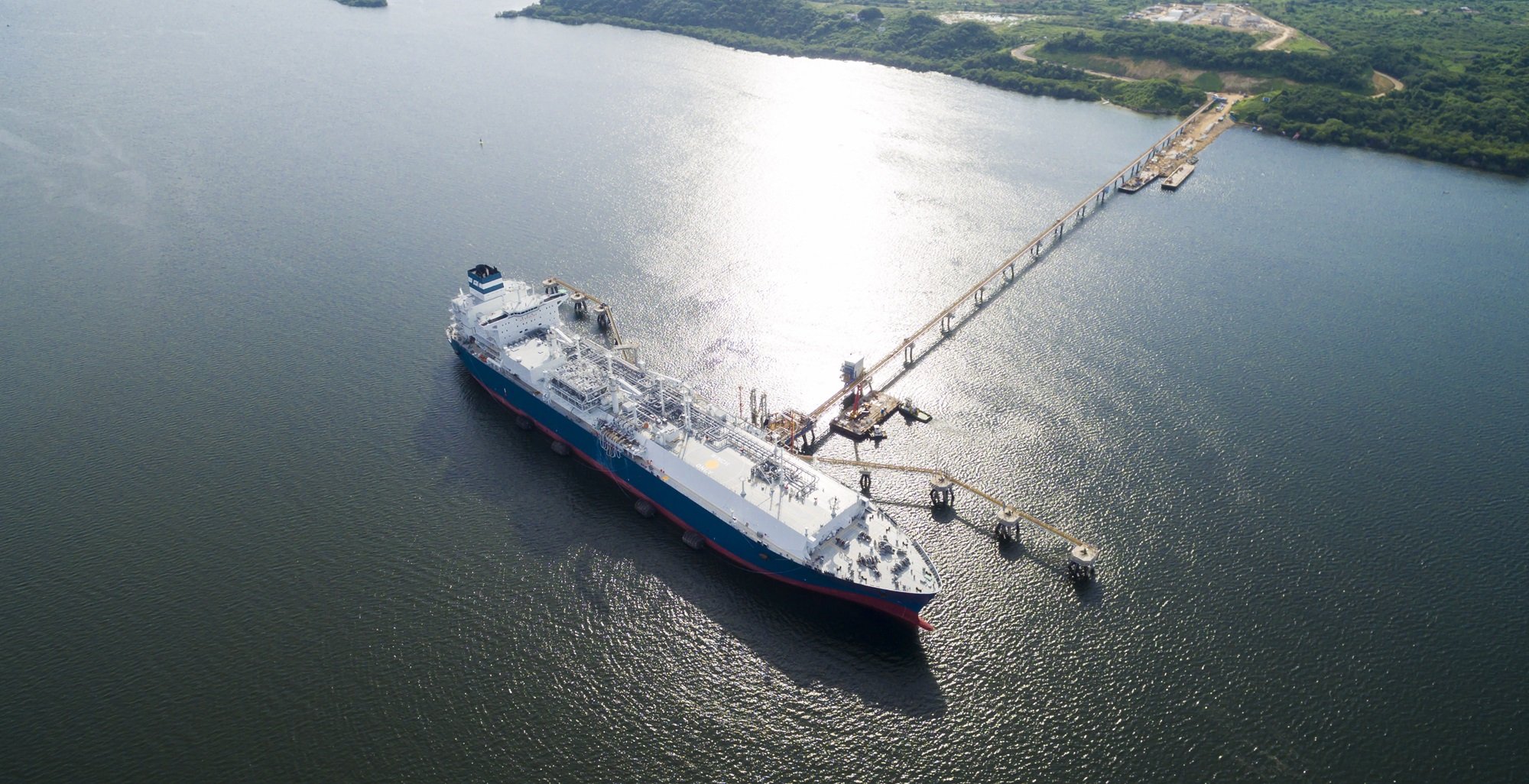

Recently, at the Zhifu Bay Port Area of Yantai Port in Shandong Port, the “Benteng” vessel was conducting a 27,000 cubic meter machinery and equipment lifting operation. Two cargo ships this month will set sail for Tanga Port, Tanzania, Africa, marking the official opening of the “Yantai-Tanzania” Tanga Port breakbulk cargo route. This is the first East Africa breakbulk cargo route launched since the establishment of the Yantai Port East Africa Liaison Office, bringing the total number of Yantai Port’s international breakbulk cargo routes to 29, injecting new momentum into the high-quality co-construction of the “Belt and Road”.
As one of the 15 pivot ports of the “Belt and Road” initiative, Yantai Port has always taken the “construction of major logistics channels” as a breakthrough point, fully unleashing the radiating effectiveness of its role as a breakbulk logistics hub port in Northern China. With the increasing influence of “Made in China” in the global infrastructure market, the demand from domestic construction machinery enterprises for efficient go global channels is becoming increasingly urgent. Yantai Port, targeting the goal of “building a professional universal breakbulk terminal”, proactively reached out to customers to understand their needs, precisely promoted full-chain services such as slot booking, international freight forwarding, and cargo consolidation, ultimately facilitating the smooth launch of this route and opening a direct channel for the export of domestic equipment.
The opening of the new route is timely, precisely addressing the East African logistics bottleneck. The Port of Dar es Salaam in Tanzania handles 95% of the country’s international trade volume and serves several landlocked neighboring countries, long facing port congestion issues. Tanga Port, as the oldest port hub in East Africa, can serve landlocked countries like Uganda and Rwanda, forming a complementary pattern with southern ports. The opening of this route will divert freight pressure through Tanga Port’s regional hub advantage, providing more efficient logistics options for East Africa and surrounding landlocked countries.
With the support of port departments such as Yantai Customs, Maritime Safety, and Border Inspection, Yantai Port offers customers diverse port collection channel options including “land-to-water + water-to-water”, preemptively resolving cargo transportation bottlenecks. Given the diverse characteristics of the equipment carried by the two cargo ships, customized “one ship, one policy” plans were implemented. Relying on the digital systems of “smart tallying + smart stowage”, multi-category lifting techniques with various tools and attachments were precisely matched, achieving “fast berthing, fast loading, fast departure” for the vessels, fully demonstrating professional and efficient breakbulk cargo handling capabilities.
This route expansion is an important step for Yantai Port in building a global supply chain system. Currently, Yantai Port’s 29 breakbulk cargo routes cover multiple regions including Asia, Africa, the Americas, and Europe, encompassing over 200 cargo types such as special equipment, construction machinery, and wind power equipment. Through targeted efforts of “consolidating West Africa + expanding East Africa”, Yantai Port has achieved route coverage to multiple coastal countries in Africa. From January to September, Yantai Port’s breakbulk cargo shipment volume reached 11.94 million tons, a year-on-year increase of 41.8%, completing the total shipment volume of the previous full year three months ahead of schedule. Yantai Port is continuously consolidating the advantages of Shandong Port’s breakbulk cargo base and promoting the resilience upgrade of the global breakbulk supply chain through its distinctive path of “butler-style service, professional efficiency, expert stowage, and digital empowerment”.