The goal of the incentives is to accelerate electric vehicle adoption, green ports, increase renewable energy capacity and support products made in the U.S. There are also tax reforms and provisions for health care.
The climate legislation is supposed to help the U.S. lower greenhouse gas emissions by 40% by 2030 compared to 2005 levels.
1. Incentives for electric trucks
New heavy-duty electric trucks can cost over $300,000, so it’s unclear how much this tax credit would incentivize fleet owners to invest in EVs.
The IRA also includes a credit for building EV charging infrastructure of up to $100,000 per charger.
2. Renewable energy incentives
These estimations were based on expected natural gas prices. One of the benefits of more clean energy is it insulates electricity consumers from volatile natural gas prices.
The nonprofit predicted the GHG emissions from the electricity sector would drop between 70% and 75% by 2030 below 2005 levels. Without the IRA, those emissions were estimated to decrease by about 49% in the same time frame.
3. Supporting domestic supply chains
The IRA is expected to drastically increase the demand for components needed in solar panels, wind turbines and EVs. This could create more jobs in the clean energy and manufacturing sectors.
But there’s a catch. Some of the incentives hinge on a certain amount of raw materials being sourced in the U.S., the final product being constructed in the U.S. or meeting worker training and competitive wage standards.
While these conditions support domestic supply chains and labor rights, some experts think it may slow the adoption rate of EVs and renewable energy. Domestic supply chains for EV and solar panel production are not mature right now.
4. Greening ports
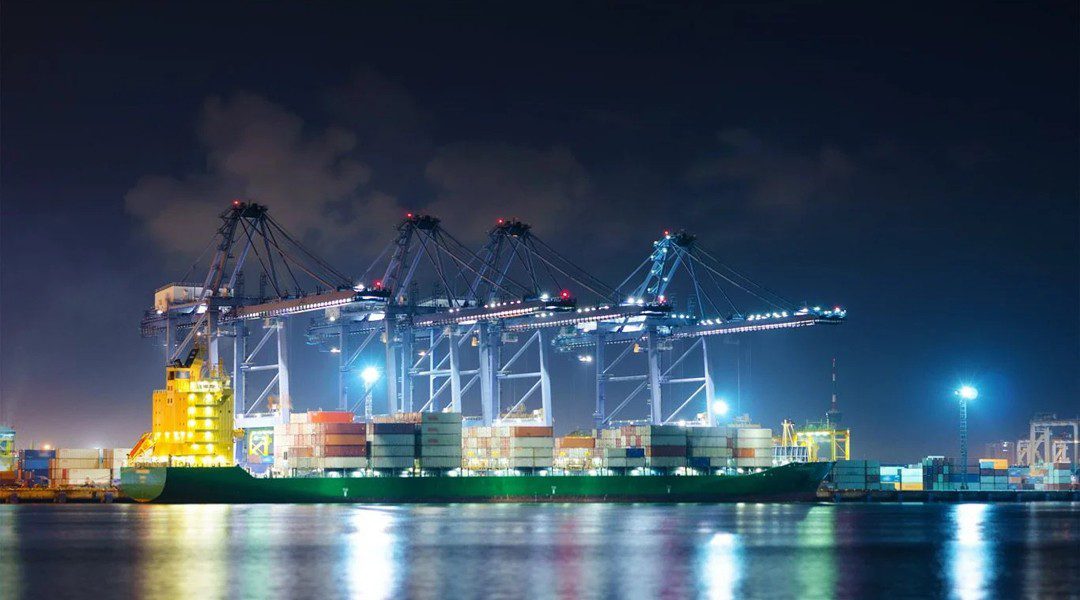
The IRA includes $3 billion in grants and rebates for port authorities and marine terminals to purchase zero-emission cargo-handling equipment until September 2027. The goal is to address air pollution in and around ports.
But it defines zero-emission port equipment and technology as being “human-operated equipment or human-maintained technology” and therefore excludes automated technology from being grant eligible.
Zero-emission cargo handling equipment or technology must emit no air pollutants or GHGs, or it must capture 100% of those emissions produced by vessels at berth to qualify for the grants.
“This would go a long way to help seaports meet their emission reduction goals,” said Elaine Nessle, executive director of the Coalition for America’s Gateway and Trade Corridors. “Freight projects often have economic benefits for the entire country, but they can also negatively impact local communities, so it’s good to have resources at the federal level to offset those negative impacts.”