ClassNK has released the latest ClassNK Technical Journal, which includes details of a study demonstrating the potential of monitoring main bearing lubricating oil outlet temperature for condition based monitoring (CBM).
Researchers from ClassNK, MTI Co. and Japan Engine Corporation undertook the study to contribute to the development of CBM methods, as remote monitoring, assessment and prediction is needed to support greater vessel autonomy. Additionally, CBM allows for the optimisation of maintenance and the rationalisation and standardisation of class surveys.
J-ENG’s research and development teams have included the development of CBM solutions among research priorities since 2019.
Analysis of how failures occur in main engines led the researchers to consider main bearing lubricating oil outlet temperature a good candidate for indicating abnormal wear and fatigue fractures in main bearings. These conditions can be caused by excessive contact pressure or thinning of the oil film. Additionally, bearings gradually wear under cyclic loads, resulting in eventual burnout or breakage.
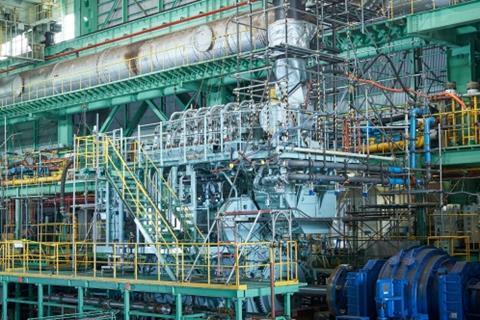
Testing of the CBM concept was conducted by installing a temperature measuring resistor on a ship and also by testing abnormal conditions on a land-based engine. The results demonstrated that the measurements reflected the bearing metal temperature and enabled metal damage to be detected.
The study has been incorporated into ClassNK’s CBM Guidelines Version 2.0.
As well as CBM, ClassNK’s Technical Journal No.5 2022 (I) focuses on zero-emission ships, including efforts of the planning and design of next-generation greener ships, development of onboard CO2 capture system, prospects for widespread adoption of next-generation standard EV vessel, ammonia as a bunker fuel and efforts to reduce GHG emissions from ships.
In addition, the Technical Journal contains technical articles describing future fluidics analysis and an AI surrogate model for manufacturing, overview of changes and comprehensive revision of structural rules (Part C of the Rules for the Survey and Construction of Steel Ships), setting corrosion additions based on latest thickness measurement data, evaluation of the ship operational effect based on actually encountered sea states by ships, CBM life cycle maintenance, and recent topics at IMO.