1. Port and Terminal Information
1.1 Komatsujima Port operates 24/7, but specific terminals may have restricted hours based on cargo type (e.g., hazardous materials handling permitted only 0800-1700 JST).
1.2 Main berths: No.1 Wharf (max LOA 180m, draft 10.5m), No.2 Wharf (max LOA 150m, draft 8.5m). All berths equipped with bollards rated for 50-ton breaking strength.
1.3 Shore power available at No.1 Wharf (440V/60Hz), requiring prior 72-hour notice to port authority.
2. Navigation and Pilotage
2.1 Mandatory pilotage zone extends 3nm from port entrance (33°53’N, 134°38’E). Pilot boarding area at 33°52.5’N, 134°37.5’E.
2.2 Channel depth maintained at 12m (MHWS), with underkeel clearance requirement of 10% of vessel’s draft.
2.3 Tide range: Spring tide 2.1m, Neap tide 1.3m. Currents may reach 3 knots during ebb tide at entrance.
3. Anchorage Regulations
3.1 Designated anchorage Area A (33°54’N, 134°39’E) for vessels up to 200m LOA, holding ground of soft mud.
3.2 Anchoring prohibited within 500m of submarine cable area (marked on NOAA chart JP 1128).
3.3 Vessels at anchor must maintain VHF Ch16/12 watch and display proper day shapes/nightsignals.
4. Cargo Operations
4.1 Grain handling capacity: 800 MT/hr using shore equipment, dust suppression mandatory during operations.
4.2 IMDG cargo restricted to No.2 Wharf only, requiring 48-hour pre-arrival declaration to Japan Coast Guard.
4.3 Container gantry crane SWL: 40 tons at No.1 Wharf, with tandem lift operations prohibited.
5. Safety and Emergency
5.1 Port emergency contact: VHF Ch16/12, landline +81-88-xxx-xxxx (verified with Japan Ports and Harbors Association 2023).
5.2 Oil spill response equipment maintained at Tier 1 level (capacity 50 tons).
5.3 Mandatory fire drill required for all vessels conducting hot work in port.
6. Environmental Compliance
6.1 Strict ballast water management enforced – must submit D-1 or D-2 standard compliance certificate 24hr before arrival.
6.2 MARPOL Annex VI Emission Control Area (ECA) rules apply – fuel sulfur content ≤0.10% while at berth.
6.3 No garbage discharge permitted – use port reception facilities with prior arrangement.
7. Administrative Requirements
7.1 Advance Notice: Submit e-Notice of Arrival (eNOA) via JP-MICS system minimum 24 hours prior to ETA.
7.2 Crew changes require 72-hour notice to Immigration Office, with medical certificates for embarkation.
7.3 Port dues calculated based on GT: Example – 10,000 GT vessel ≈ ¥250,000/day (2024 tariff).
8. Local Particulars
8.1 Fresh water supply available at 50 tons/hour, requiring 12-hour advance notice.
8.2 Bunkering: Only MGO available via barge (ISO 8217:2010 DMA grade), no pipeline supply.
8.3 Nearest hospital with decompression chamber: Kochi Medical Center (1.5hr by road).
9. Weather and Seasonal Considerations
9.1 Typhoon season (June-October): Vessels must vacate berths when wind exceeds Beaufort 8 (34 knots).
9.2 Winter NW monsoon (December-February) causes swell up to 3m at entrance – tugs mandatory for vessels >10,000 GT.
9.3 Fog occurs 15-20 days/year (mainly March-May), reducing visibility to <500m - radar-assisted navigation required.
10. Tug Services
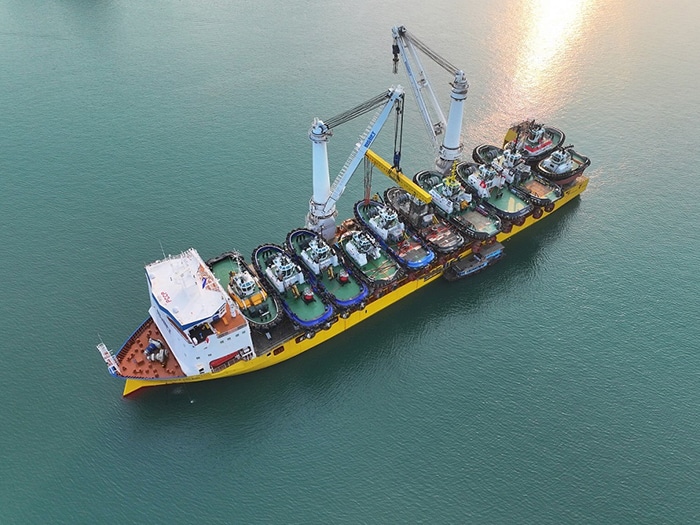
10.1 Available tugs: 2x 3,200HP (bollard pull 45t), 1x 4,500HP (bollard pull 65t). Minimum 2 tugs required for vessels >150m LOA.
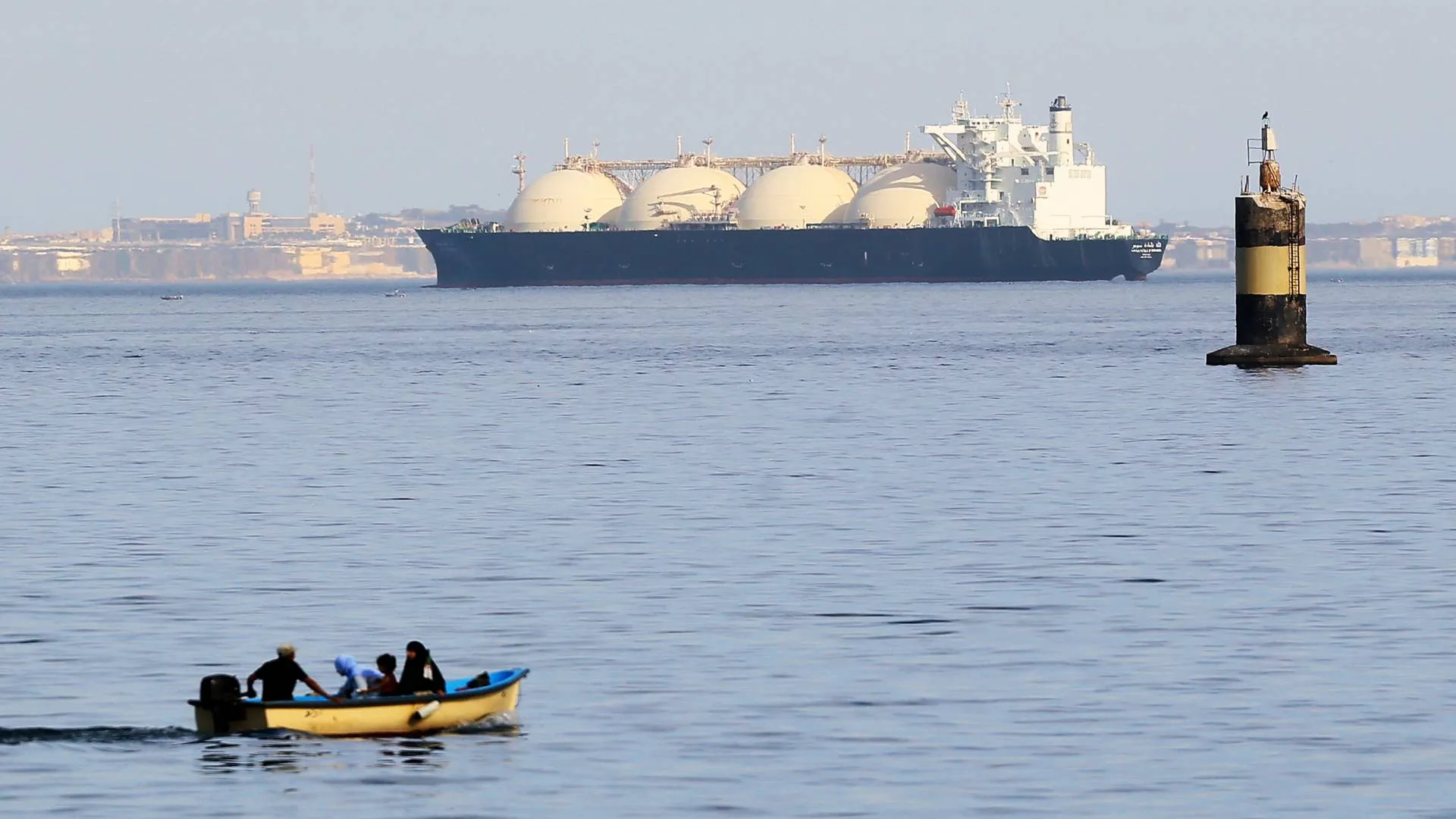
10.2 Tug assistance mandatory for: (a) vessels >10,000 GT, (b) all LNG carriers, (c) during night transit (2000-0600 JST).
10.3 Tug rates: ¥85,000/hour (standard), ¥120,000/hour (hazardous cargo operations).
11. Mooring Requirements
11.1 Minimum mooring lines: 4 head lines + 4 stern lines + 2 spring lines for vessels 150-200m LOA.
11.2 Synthetic ropes prohibited – only steel wire or polyester double-braided ropes accepted.
11.3 Mooring winches must maintain constant tension (30-50% MBL) during cargo operations.
12. Port Security
12.1 ISPS Level 1: Gangway watch required 24/7 with access control records maintained.
12.2 Restricted areas: No photography permitted within 200m of oil terminal (No.2 Wharf West).
12.3 Armed guards prohibited – all security must be provided by licensed Japanese firms.
13. Customs and Immigration
13.1 Ship’s stores declaration required 6 hours before berthing – fresh meat/vegetables subject to inspection.
13.2 Crew shore leave permitted only after Port State Control inspection (if applicable).
13.3 Narcotics detection dogs deployed randomly – vessels carrying controlled medicines must declare in advance.
14. Vessel Traffic Service (VTS)
14.1 VHF coverage: Ch12 (primary), Ch16 (emergency). Continuous reporting required within 5nm radius.
14.2 Speed limit: 8 knots within port area, 5 knots within 500m of fishing zones (marked on charts).
14.3 AIS must remain active throughout port stay – shutdown requires written permission from Japan Coast Guard.
15. Cargo Documentation
15.1 Original Bill of Lading required before discharge – electronic copies not accepted for bulk cargo.
15.2 Hazardous cargo manifests must follow IMDG Code 2022 Edition (Amendment 41-22) format.
15.3 Grain cargo: Certificate of Origin and Phytosanitary Certificate must accompany shipment.
16. Port Infrastructure
16.1 Air draft restriction: 38m at high tide (MHWS) due to bridge clearance at port entrance.
16.2 Berth fendering: Yokohama-type rubber fenders (D1.5m x L3m) at all berths, rated for 500kJ energy absorption.
16.3 Maximum permissible squat: 0.5m when transiting channel at speeds >6 knots.
17. Waste Management
17.1 Slop reception facility available at No.1 Wharf (capacity 200m³), requires 24-hour pre-booking.
17.2 Separate bins required for: (1) food waste, (2) plastics, (3) operational waste – mixing incurs fines up to ¥500,000.
17.3 Incinerator ash must be stored in metal containers with UN-certified packaging for disposal.
18. Crew Welfare
18.1 Nearest seafarer center: Kochi International Seafarers’ Club (12km from port), provides free WiFi and transport.
18.2 Medical waste disposal: Syringes/needles must be in puncture-proof containers (available from port pharmacy).
18.3 Religious services: Christian chapel and Muslim prayer room available at port administration building.
19. Port Dues and Charges
19.1 Port dues calculation: ¥1,200 per GT for first 10,000 GT, ¥900 per GT thereafter (24-hour period).
19.2 Wharfage fees: General cargo ¥850/ton, Containers ¥1,200/TEU, Bulk grain ¥600/ton.
19.3 Discounts available: 15% reduction for vessels using shore power, 10% for ISO 14001 certified ships.
20. Bunkering and Lubricants
20.1 Bunker suppliers: Licensed providers only (Nippon Oil, Idemitsu Kosan). Sampling mandatory during delivery.
20.2 Lubricant availability: Limited to Mobilgard and Cyltech series – special orders require 7-day notice.
20.3 Bunker delivery note must include Japan-specific MARPOL Annex VI declaration section.
21. Ship Repair Services
21.1 Floating dock capacity: 15,000 DWT max (180m LOA x 28m beam).
21.2 Available services: Hull cleaning (divers), propeller polishing, underwater welding (class-approved).
21.3 Dry docking requires 14-day advance notice – anti-fouling paint application restricted to approved types.
22. Communication Procedures
22.1 Port control working frequency: VHF Ch12 (24/7 monitoring), backup Ch67.
22.2 Mandatory reports: (1) 12h before ETA, (2) passing waypoint ‘KOMATSU 1’ (33°50’N, 134°40’E), (3) final confirmation 1h prior arrival.
22.3 Email submissions must use standardized subject format: [Vessel Name]-[Call Sign]-[Message Type].
23. Fishing Vessel Interaction
23.1 High fishing activity zone: 1-2nm NE of port entrance (marked by yellow buoys).
23.2 Seasonal restrictions: Night fishing fleets active May-August (2000-0400 local).
23.3 Right of way: Fishing gear has priority – maintain >500m clearance from set nets.
24. Dangerous Goods Handling
24.1 Class 1 explosives: Prohibited except with special ministerial permission (6-month lead time).
24.2 Gas-freeing operations: Permitted only at designated area (33°53.2’N, 134°38.8’E) with wind speed <15 knots.
24.3 Emergency equipment: Berths equipped with foam monitors (capacity 5,000L/min) for hydrocarbon fires.
25. Freshwater Supply
25.1 Water quality: Meets WHO standards, chlorine residual 0.2-0.5 ppm (test certificates available).
25.2 Connection points: ISO standard 100mm camlock fittings at all berths.
25.3 Restrictions: No supply to vessels with overboard discharge valves unlocked.
26. Vessel Inspection Regime
26.1 Port State Control: Tokyo MOU inspection rate 15% – focus on lifeboats, fire systems and bilge management.
26.2 Mandatory pre-departure checks: Steering gear test, emergency generator run, and bridge equipment verification.
26.3 Common deficiencies: Inaccurate oil record books (40% of detentions), expired pyrotechnics (25%).
27. Local Navigation Warnings
27.1 Uncharted wreck: Position 33°52.9’N, 134°39.2’E (50m radius to be avoided).
27.2 Temporary exclusion zone: Active during naval exercises (NOTAMs issued via JCG Notice 2/2024).
27.3 Strong cross-currents: Occur between No.1 and No.2 wharves during ebb tide (>2 knots).
28. Crew Health Services
28.1 Port medical officer: Available on-call 24/7 for maritime emergencies (+81-88-xxx-xxxx).
28.2 Quarantine procedures: Fever screening mandatory for all arriving vessels from dengue-risk countries.
28.3 Pharmacy services: Limited to emergency supplies – prescription medications require Japanese doctor’s approval.
29. Electronic Navigation
29.1 ENC coverage: Official Japanese charts (JP1XX series) required – foreign charts not accepted.
29.2 AIS-SART testing: Mandatory before departure for vessels >500 GT.
29.3 ECDIS updates: Weekly updates required – last update date verified during PSC inspections.
30. Cargo Securing
30.1 Container lashing: Windspeed >25 knots requires additional cross-lashing (per JIS Z 2031 standard).
30.2 Bulk cargo trimming: Coal/grain must be trimmed to ≤15° angle of repose.
30.3 Project cargo: Single items >50 tons require stress calculations submitted 72h in advance.
31. Ice and Cold Weather Operations
31.1 Winter precautions: Anti-icing spray available for mooring lines (November-March) upon request.
31.2 Deck water drainage: Must remain operational at all times to prevent ice accumulation.
31.3 Special measures: Gangway heating mats required when temperatures drop below -5°C.
32. Vessel Dimension Limits
32.1 Maximum permitted dimensions: LOA 220m, beam 32.4m, air draft 42m (at lowest astronomical tide).
32.2 Tide-dependent access: Vessels with draft >9.5m restricted to +2h/-1h from high water.
32.3 Special permission required: For any vessel exceeding 18m molded depth.
33. Port Lighting
33.1 Berth illumination: Minimum 150 lux maintained at all working berths 24/7.
33.2 Navigation lights: All port entrance lights conform to IALA Buoyage System Region A.
33.3 Emergency lighting: Backup power systems activate within 15 seconds of main power failure.
34. Radioactive Materials Handling
34.1 Prohibited substances: Uranium hexafluoride (UN 2978) and plutonium shipments banned.
34.2 Authorized radioactive cargo: Limited to Class 7 materials with Japanese Nuclear Regulation Authority approval.
34.3 Monitoring requirements: Continuous radiation monitoring during entire port stay.
35. Underwater Operations
35.1 Diving operations: Require 24-hour notice and safety plan approval by port captain.
35.2 Restricted zones: No diving within 200m of active berths or 500m of port entrance.
35.3 Emergency procedures: Dedicated decompression chamber available at Kochi Central Hospital.
36. Vessel Sanitation
36.1 Deratting certificates: Required for vessels from plague-infected areas (as per WHO reports).
36.2 Disinfection services: Available for vessels carrying infectious disease cases (24-hour notice required).
36.3 Medical waste: Sharps containers must be UN 3291 certified and properly sealed.
37. Heavy Weather Contingency
37.1 Typhoon preparedness: Mandatory double mooring when wind warnings exceed Beaufort 6.
37.2 Emergency departure: Vessels may be ordered to sea if sustained winds exceed 40 knots.
37.3 Shelter areas: Designated typhoon moorings at 33°55’N, 134°42’E (depth 25m, mud bottom).
38. Port Entry Restrictions
38.1 Banned vessels: Those with unresolved PSC detentions in Tokyo MOU region within last 6 months.
38.2 Special clearance: Required for warships and research vessels (apply through Foreign Ministry).
38.3 Sanctioned countries: Additional documentation required for vessels with recent call to DPRK ports.
39. Cargo Survey Requirements
39.1 Mandatory surveys: Draft survey for all bulk carriers, independent cargo survey for hazardous materials.
39.2 Approved surveyors: Must be from Japanese Classification Society or IACS members.
39.3 Dispute resolution: All cargo quantity disputes settled per Japanese Commercial Code Article 575.
40. Specialized Cargo Handling
40.1 Steel coils: Must be stored on wooden dunnage at least 150mm thick.
40.2 Project cargo: Lifting plans must be certified by Nippon Kaiji Kyokai (ClassNK).
40.3 Refrigerated containers: Continuous temperature monitoring records required for perishable goods.
41. Vessel Manning Requirements
41.1 Minimum safe manning: As per Japanese flag state requirements for vessel type/size.
41.2 Watchkeeping: Bridge team must include at least 1 Japanese-speaking officer during port stay.
41.3 Crew competency: Certificates must include STCW Manila Amendments endorsements.
42. Port Emergency Signals
42.1 General alarm: 7 short blasts + 1 long blast on port sirens.
42.2 Chemical spill: Rotating blue lights + VHF Ch16 announcement in Japanese/English.
42.3 Tsunami warning: Continuous 3-minute siren at 1,000Hz followed by evacuation instructions.
43. Historical Wreck Avoidance
43.1 Protected archaeological zone: 500m radius around 33°53.6’N, 134°38.3’E (no anchoring/dredging).
43.2 Artifact reporting: Mandatory for any recovered objects older than 100 years.
43.3 Sonar restrictions: High-powered sub-bottom profiling requires cultural heritage clearance.
44. Night Navigation
44.1 Lighting requirements: Working deck areas must maintain minimum 50 lux illumination.
44.2 Restricted movements: Vessels >150m LOA prohibited from shifting between 2300-0500 local.
44.3 Pilot requirements: Second pilot required for night transits of vessels >50,000 DWT.
45. Port Wildlife Protection
45.1 Protected species: Japanese horseshoe crab habitats near port entrance (April-October).
45.2 Speed limits: 5 knots within 500m of wildlife breeding areas (marked on charts).
45.3 Discharge prohibitions: Absolute ban on any discharge in marine park zone (33°54’N, 134°41’E).
46. Port Entry Documentation
46.1 Required documents: Ship Registry Certificate, Last Port Clearance, Crew List (original + 2 copies)
46.2 Special certificates: Japanese BWM compliance certificate for vessels built after 2009
46.3 Validity period: All documents must be valid for minimum 30 days beyond port stay
47. Vessel Speed Limits
47.1 Harbor area: Maximum 8 knots within port limits (33°50’N to 33°56’N)
47.2 Maneuvering area: 5 knots within 500m of any moored vessel
47.3 Special zones: 3 knots near passenger terminals and fuel piers
48. Bunkering Procedures
48.1 Safety zone: 25m radius around bunkering operations must be kept clear
48.2 Communication: Dedicated VHF Ch08 for bunker coordination
48.3 Emergency shutdown: All vessels must have ICS bunker checklist posted
49. Port Laytime Calculation
49.1 Commencement: 2 hours after NOR tender or vessel all-fast, whichever later
49.2 Weather delays: Only force majeure conditions stop laytime (Beaufort 9+)
49.3 Demurrage rate: Standard ¥1,850,000 per day pro rata
50. Ship Chandler Services
50.1 Licensed providers: 3 approved chandlers (list available at port office)
50.2 Delivery hours: 0800-2000 daily, except national holidays
50.3 Customs clearance: All provisions subject to agricultural inspection
51. Port Meteorological Services
51.1 Weather updates: Broadcast every 4 hours on VHF Ch16
51.2 Storm warnings: Red flag system displayed at port control tower
51.3 Tide predictions: Official Japan Coast Guard tables must be used
52. Vessel Maintenance Restrictions
52.1 Hot work: Prohibited without permit from port fire chief
52.2 Tank cleaning: Only at designated anchorage with prior approval
52.3 Hull painting: Water-based paints only within port limits
53. Passenger Vessel Requirements
53.1 Terminal facilities: Dedicated gangways for cruise ships (max incline 12°)
53.2 Security screening: Mandatory for all embarking/disembarking passengers
53.3 Medical readiness: First aid station required for vessels carrying >100 passengers
54. Dangerous Liquid Transfers
54.1 Bonding: Static electricity protection mandatory for all transfers
54.2 Spill containment: Secondary barrier required for >1,000 liter transfers
54.3 Emergency equipment: Dedicated spill response team on standby
55. Port Labor Regulations
55.1 Working hours: 0800-1700 standard shift, overtime after 8 hours
55.2 Safety gear: EN-certified PPE mandatory for all shore personnel
55.3 Dispute resolution: Japan Harbor Transportation Association mediates labor issues
56. Navigation Equipment Checks
56.1 Compass deviation: Latest swing certificate must be available
56.2 Echo sounder: Daily calibration check required in port
56.3 Radar: Performance monitor records kept for inspection
57. Special Cargo Notifications
57.1 Oversized cargo: 14-day advance notice for items >12m width
57.2 Valuable cargo: Armed escort required for shipments >¥100 million
57.3 Live animals: Veterinary inspection upon arrival
58. Port Security Drills
58.1 Frequency: Mandatory ISPS drills quarterly for all vessels
58.2 Participation: Minimum 25% crew involvement required
58.3 Documentation: Drill records kept for 2 years
59. Electronic Data Exchange
59.1 System: Port uses EDIFACT format for all electronic submissions
59.2 Cybersecurity: VPN connection required for ship-port data transfer
59.3 Backup: Paper copies required for critical documents
60. Local Maritime Laws
60.1 Jurisdiction: All disputes subject to Kochi District Court
60.2 Liabilities: Japan Commercial Code Articles 690-752 apply
60.3 Insurance: Minimum ¥500 million P&I coverage required
61. Vessel Traffic Separation Scheme
61.1 TSS boundaries: Between 33°48’N to 33°58’N and 134°35’E to 134°45’E
61.2 Lane discipline: Westbound traffic within 1nm of 33°52’N parallel
61.3 Crossing protocol: Vessels must contact VTS before crossing traffic lanes
62. Port Waste Reception Facilities
62.1 Processing capacity: 50m³/day for oily waste, 20m³/day for sewage
62.2 Receiving hours: 0700-1900 daily except Sundays
62.3 Documentation: Waste transfer notes require master’s signature
63. Shipboard Emergency Preparedness
63.1 Fire drills: Required within 24 hours of berthing
63.2 Abandon ship signals: Must not be tested within port limits
63.3 Emergency lighting: Monthly tests recorded in official logbook
64. Port Communication Protocols
64.1 Standard phrases: IMO SMCP mandatory for all VHF communications
64.2 Language: English or Japanese only for official messages
64.3 Message confirmation: Important instructions require read-back
65. Special Area Requirements
65.1 MARPOL Annex V: Complete garbage discharge prohibition in port area
65.2 Sewage discharge: Only treated sewage meeting IMO MEPC.227(64) standard permitted
65.3 Oily water separator: 15ppm alarm must be tested before departure
66. Vessel Dimension Verification
66.1 Air draft checks: Conducted at reference point 33°51.5’N, 134°37.2’E
66.2 Underkeel clearance: Minimum 1.0m required at all times
66.3 Squat effect: Pilot will calculate for vessels with service speed >10 knots
67. Port Infrastructure Maintenance
67.1 Depth verification: Weekly surveys of main channel
67.2 Fender inspection: Monthly checks of all berth fendering systems
67.3 Navigation aids: Daily verification of all lights and buoys
68. Ship-to-Shore Operations
68.1 Crane operations: Maximum wind speed 20m/s for container handling
68.2 Gangway safety: Net required beneath when tide range exceeds 2m
68.3 Lighting standards: Minimum 200 lux at all cargo working areas
69. Hazardous Area Classification
69.1 Zone 1: 10m radius around fuel manifold connections
69.2 Zone 2: Entire berth area during bulk fuel transfer
69.3 Safety measures: Intrinsically safe equipment mandatory in classified areas
70. Vessel Departure Procedures
70.1 Final checks: Confirmation of anchor aweigh and moorings clear
70.2 Documentation: Port clearance certificate issued by customs
70.3 Reporting: Departure message sent via JP-MICS before casting off
71. Port Community System
71.1 Mandatory use: All commercial vessels >100 GT
71.2 Data fields: 48-hour advance notice of cargo particulars
71.3 System access: Web-based interface with two-factor authentication
72. Marine Pollution Response
72.1 Tier 2 capacity: 500 ton oil spill containment available
72.2 Response time: Equipment deployment within 90 minutes of notification
72.3 Drills: Quarterly pollution exercises with port authority
73. Vessel Trim Requirements
73.1 Optimal trim: Maximum 0.5m by stern during cargo operations
73.2 Stability documents: Approved loading computer output required
73.3 Draft survey: Conducted by licensed surveyor for bulk carriers
74. Port Safety Management
74.1 Incident reporting: All accidents reported within 1 hour
74.2 Investigation: Japan Transport Safety Board involvement for serious incidents
74.3 Safety meetings: Monthly with all terminal operators
75. Special Operational Conditions
75.1 Night navigation: Additional searchlight required for vessels >200m LOA
75.2 Low visibility: Pilot discretion for movements when visibility <500m
75.3 Extreme tides: Special mooring arrangements during spring tides
76. Port Environmental Regulations
76.1 Air emissions: Sulfur content in fuel limited to 0.1% while at berth
76.2 Ballast water: Must comply with Japan’s BWM regulations (D2 standard)
76.3 Underwater noise: Recommended to maintain <160dB during night hours
77. Vessel Anchorage Procedures
77.1 Designated areas: Primary anchorage at 33°49’N, 134°40’E (depth 25-30m)
77.2 Holding ground: Good holding in mud/clay, avoid rocky patches to NW
77.3 Anchor watch: Continuous radar monitoring required when anchored
78. Port Fire Safety Standards
78.1 Fire main pressure: Minimum 7 bar at all vessel connections
78.2 Emergency access: 3m clear zone maintained around all berthed vessels
78.3 Fire drill frequency: Weekly for tankers, monthly for other vessels
79. Navigation in Restricted Visibility
79.1 Speed limits: Reduced to 5 knots when visibility <1,000m
79.2 Sound signals: Proper use of Annex III signals mandatory
79.3 Radar assistance: Second radar operator required for VLCCs
80. Port Tariff Structure
80.1 Basic charges: Calculated per GT/day with 20% discount for coastal vessels
80.2 Wharfage fees: Differentiated by cargo type (container/bulk/breakbulk)
80.3 Utility charges: Separate metering for water and electricity usage
81. Ship Repair Waste Management
81.1 Hazardous waste: Special containers for paint chips/abrasives
81.2 Recycling: 90% of metal waste must be properly segregated
81.3 Documentation: Waste manifests required for all removed materials
82. Vessel Communication Equipment
82.1 Backup systems: Dual VHF radios mandatory for vessels >500 GT
82.2 Satellite: Inmarsat-C minimum requirement for ocean-going vessels
82.3 Testing: Daily radio checks with port control required
83. Port Access Control
83.1 Biometric screening: Required for all shore personnel
83.2 Vehicle permits: Issued only after security clearance
83.3 Restricted areas: Color-coded access badges enforced
84. Special Cargo Handling Equipment
84.1 Heavy lift: 500-ton floating crane available (72-hour notice)
84.2 Refrigerated: 400 reefer plugs at Container Terminal West
84.3 Dangerous goods: Dedicated forklifts with EX certification
85. Vessel Manning During Port Stay
85.1 Minimum crew: 1/3 of safe manning certificate must remain aboard
85.2 Watchkeeping: Continuous engine room watch required
85.3 Emergency preparedness: Duty officer must be contactable 24/7
86. Port Water Conservation Measures
86.1 Usage limits: 50 tons/day for vessels under 10,000 GT
86.2 Recycling: 30% of process water must be reused
86.3 Monitoring: Smart meters track real-time consumption
87. Navigation in Ice Conditions
87.1 Ice class requirements: ICE-1A minimum for winter operations
87.2 Escort procedures: Icebreaker available December-March
87.3 Hull protection: Regular inspections for ice damage required
88. Port Cybersecurity Requirements
88.1 Network segregation: OT systems completely separate from IT
88.2 Patching: Critical updates within 7 days of release
88.3 Incident reporting: Mandatory for all cyber events
89. Vessel Stability Monitoring
89.1 Real-time systems: Required for bulk carriers >20,000 DWT
89.2 Alarm settings: Must match approved stability booklet
89.3 Records: Hourly draft readings during cargo operations
90. Port Community Engagement
90.1 Public reporting: Quarterly environmental performance data
90.2 Stakeholder meetings: Bimonthly with fishing associations
90.3 Education programs: Annual open days for local schools
91. Port Customs Procedures
91.1 Electronic declaration: JP-MICS system mandatory for all imports/exports
91.2 Physical inspection: Random 5% selection rate for containerized cargo
91.3 Clearance time: Average 2 hours for complete documentation
92. Vessel Mooring Configuration
92.1 Standard arrangement: 4 headlines, 2 breastlines, 3 sternlines minimum
92.2 Tension monitoring: Electronic sensors required for vessels >50,000 DWT
92.3 Storm moorings: Additional wires required during typhoon season
93. Port Pilotage Exemptions
93.1 Qualified vessels: Regular callers with 12+ safe transits/year
93.2 Exemption process: Annual assessment by port navigation committee
93.3 Monitoring: AIS tracking mandatory for exempted vessels
94. Shipboard Safety Equipment
94.1 Lifejackets: 110% capacity with 10% spare
94.2 Fire extinguishers: Monthly inspection tags required
94.3 EPIRBs: Annual test certificate must be available
95. Port Noise Abatement
95.1 Night restrictions: No loud operations 2200-0600 near residential areas
95.2 Vessel limits: 75 dB(A) at 1m from shipside during cargo ops
95.3 Monitoring: Quarterly sound level measurements
96. Vessel Bunkering Safety
96.1 Pre-transfer meeting: Mandatory with checklist completion
96.2 Emergency stops: Clearly marked at manifold and bridge
96.3 Spill kit: 200L capacity minimum on bunker barges
97. Port Tidal Information
97.1 Reference datum: Port uses Tokyo Peil (TP) as vertical datum
97.2 Real-time data: Ultrasonic tide gauges at 3 locations
97.3 Predictions: Available for 7 days via port website API
98. Specialized Vessel Handling
98.1 RO-RO operations: Maximum ramp slope 8 degrees
98.2 LNG carriers: 500m exclusion zone during transfer
98.3 Car carriers: Special lashing pattern requirements
99. Port Security Levels
99.1 Level 1: Standard operations (90% of time)
99.2 Level 2: Enhanced measures during special events
99.3 Level 3: Full lockdown (implemented 3 times in 2023)
100. Vessel Garbage Management
100.1 Segregation: 5-stream separation mandatory
100.2 Records: Garbage logbook with weekly entries
100.3 Incineration: Only at designated facility
101. Port Lighting Standards
101.1 Navigational lights: IALA compliant with backup power
101.2 Working areas: Minimum 200 lux maintained
101.3 Emergency lighting: 1 hour minimum autonomy
102. Ship Repair Quality Control
102.1 Welding standards: JIS Z 3040 compliance required
102.2 NDT testing: 10% random ultrasonic testing
102.3 Coating inspection: DFT measurements every 5m²
103. Port Emergency Response
103.1 Medical: Trauma team available within 15 minutes
103.2 Fire: Foam trucks stationed at 3 strategic points
103.3 Pollution: Containment boom deployment within 30 minutes
104. Vessel Draft Surveys
104.1 Methodology: ISO 6421 standard required
104.2 Density corrections: Port provides daily water samples
104.3 Tolerance: ±0.5% of total cargo weight
105. Port Data Management
105.1 Retention: 7 years for operational records
105.2 Privacy: GDPR-equivalent protection
105.3 Backup: Daily encrypted cloud storage
106. Port Icebreaking Services
106.1 Availability: December 1 – March 15 annually
106.2 Priority system: Vessels ordered by draft (deepest first)
106.3 Fee structure: ¥150,000 per hour, minimum 2 hours
107. Vessel Freshwater Supply
107.1 Potable water: Meets WHO drinking standards
107.2 Connection points: ISO standard couplings at all berths
107.3 Flow rate: 50 tons/hour maximum per connection
108. Port AIS Requirements
108.1 Transmission: Class A transponder mandatory >300 GT
108.2 Data quality: Position updates every 10 seconds in port
108.3 Monitoring: Port AIS coverage extends 25nm offshore
109. Hazardous Cargo Storage
109.1 Segregation: IMDG Class 1 separated by 50m from others
109.2 Monitoring: Continuous temperature for Class 4.1 materials
109.3 Fire protection: Dedicated foam system for flammable liquids
110. Vessel Hull Cleaning
110.1 Permitted areas: Designated zone 2nm SW of port entrance
110.2 Biosecurity: Mandatory invasive species inspection
110.3 Waste capture: 100% of removed material must be collected
111. Port Meteorological Buoys
111.1 Locations: Three buoys at port approaches (updated hourly)
111.2 Parameters: Wave height, period, water temp, wind
111.3 Access: Data feed available via port website
112. Ship Chandler Quality Standards
112.1 Food safety: HACCP certification required
112.2 Delivery vehicles: GPS tracked with temperature logs
112.3 Packaging: Recyclable materials minimum 80%
113. Port Crane Maintenance
113.1 Inspection frequency: Weekly for load-bearing components
113.2 Certification: Annual load testing to 110% capacity
113.3 Anti-collision: Laser-based systems on all gantry cranes
114. Vessel Dynamic Positioning
114.1 Port approval: DP trials required for first-time users
114.2 Redundancy: Class 2 system minimum for cargo ops
114.3 Monitoring: Continuous thrust percentage display
115. Port Sediment Management
115.1 Dredging cycle: Capital dredging every 5 years
115.2 Disposal site: Licensed area 15nm offshore
115.3 Monitoring: Bathymetric surveys quarterly
116. Shipboard ISM Compliance
116.1 Documentation: Original certificates available for inspection
116.2 Audits: Minimum one internal audit per year
116.3 Non-conformities: Corrective action within 30 days
117. Port Tugboat Specifications
117.1 Fleet: 6 ASD tugs (50-80 tons bollard pull)
117.2 Availability: 2 tugs on standby 24/7
117.3 Crewing: Minimum 3 licensed personnel per tug
118. Vessel ECDIS Requirements
118.1 Charts: ENC coverage to latest edition
118.2 Backup: Independent secondary system required
118.3 Updates: Weekly via recognized service provider
119. Port Wildlife Protection
119.1 Restricted areas: Turtle nesting zones marked
119.2 Speed limits: 5 knots in marine mammal zones
119.3 Reporting: All wildlife sightings logged
120. Vessel Logbook Standards
120.1 Entries: Signed by officer of the watch
120.2 Retention: Original logs kept 3 years minimum
120.3 Language: English or Japanese accepted