1. Port Authority and Jurisdiction
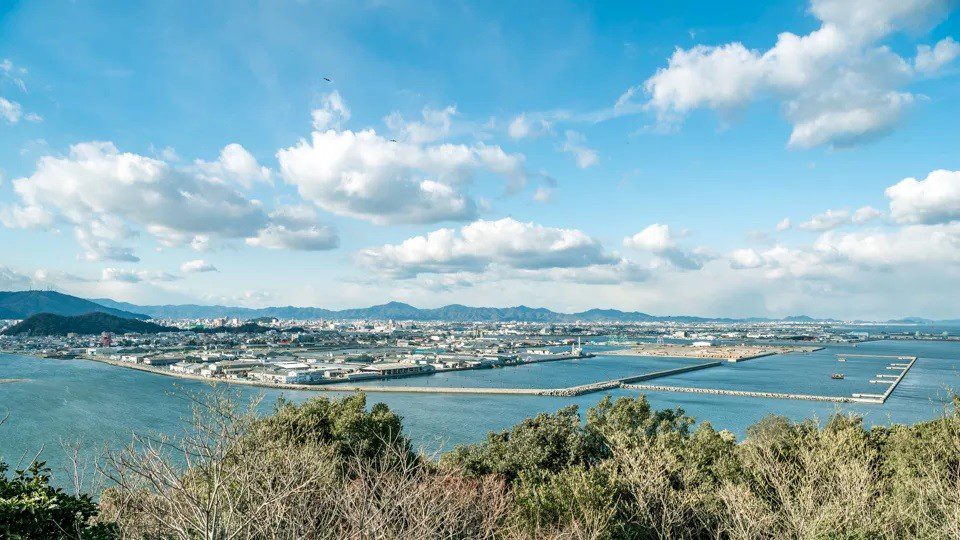
Komatsujima Port is administered by the Kochi Prefectural Government under the Port and Harbor Law of Japan (Act No. 218 of 1950). The Kochi Port and Harbor Bureau oversees regulatory compliance and enforcement.
2. Vessel Entry and Clearance
– Advance Notice: Ships exceeding 500 GT must submit arrival/departure notices via Japan’s Electronic Port Clearance System (e-Port) at least 24 hours prior (Maritime Traffic Safety Law, Article 22).
– Mandatory Inspections: All foreign vessels are subject to Port State Control (PSC) inspections per Tokyo MOU guidelines.
3. Navigation Rules
– Speed Limits: 8 knots within inner harbor areas (Kochi Prefecture Port Regulations, Article 5-3).
– Traffic Separation: Follow Japan Coast Guard (JCG) published routes in the Kochi VTS area.
– Anchorage Zones: Designated anchorage points are marked on JCG Chart No. 1112 (2023 edition).
4. Dangerous Cargo Handling
– IMDG Compliance: Strict adherence to IMDG Code for hazardous materials (Japan Fire Service Act, Article 10).
– Notification: 72-hour prior notice required for Class 1 explosives (Port Regulations Article 7-2).
5. Pollution Control
– Oil Discharge Ban: Zero discharge policy within 12 nautical miles (Japan Law for Prevention of Marine Pollution, Article 4).
– Garbage Management: MARPOL Annex V enforced with segregated waste reception facilities.
6. Crew Safety Requirements
– PPE Mandate: Hard hats and life jackets required on docks (Japan Industrial Safety and Health Act, Article 21).
– Emergency Drills: Monthly abandon-ship/fire drills verified by JCG inspectors.
7. Port Security
– ISPS Compliance: MARSEC Level 1 enforced with 24/7 patrols (Japan Coast Guard Order No. 12).
– Restricted Areas: Unauthorized access prohibited to cargo handling zones (Port Facility Security Plan).
8. Penalties for Non-Compliance
– Fines: Up to ¥500,000 for pollution violations (Marine Pollution Law, Article 55).
– Detention: Immediate vessel detention for critical safety deficiencies under PSC.
9. Weather Restrictions
– Typhoon Procedures: Mandatory evacuation when JCG issues Warning Level 4.
– Wave Limits: Berthing prohibited during >2.5m swells (Port Operations Manual).
10. Local Ordinances
– Noise Control: Engine tests prohibited 2200-0600 hrs (Kochi Environmental Ordinance).
– Fishing Zones: 0.5nm exclusion zone around port entrance (Fishery Coordination Regulation).
11. Pilotage and Towage Services
– Compulsory Pilotage: Vessels over 10,000 GT or carrying hazardous cargo must use certified pilots (Japan Pilotage Law, Article 3).
– Towage Requirements: Minimum 2 tugboats required for vessels exceeding 200m LOA during berthing (Komatsujima Port Operations Code).
12. Mooring and Berthing Regulations
– Mooring Lines: Minimum 8 lines for vessels >150m (OCIMF Mooring Equipment Guidelines).
– Fender Use: Mandatory use of port-provided fenders for all cargo vessels (Port Facility Rules, Section 4.2).
13. Cargo Operations
– Working Hours: 0700-1900 hrs for general cargo; 24/7 operations require special permit (Port Labor Management Act).
– Dangerous Cargo Handling: Explosives/flammables require JCG-approved safety supervisor on-site (Fire Service Act, Article 14).
14. Port Dues and Fees
– Calculation Basis: Tonnage-based fees per Kochi Prefecture Ordinance No. 32 (2021 revision).
– Exemptions: Government vessels and emergency responders exempt from anchorage fees.
15. Emergency Response
– Oil Spill Protocol: Immediate activation of Kochi Marine Disaster Prevention Plan for spills >1,000 liters.
– Medical Evacuation: Designated helicopter landing zone at Pier 3 (Port Medical Emergency Plan).
16. Vessel Traffic Services (VTS)
– Communication: Mandatory VHF Ch16/12 monitoring within port limits (Japan VTS Regulation Article 5).
– Reporting Points: Position reports required at 3nm and 1nm from harbor entrance (Komatsujima VTS Procedures).
17. Port Infrastructure Specifications
– Depth Limitations: Main channel depth 12m (datum: Kochi Peil), maximum air draft 28m at high tide.
– Load Limits: Quayside maximum load capacity 5t/m² (Port Engineering Standards).
18. Customs Procedures
– Cargo Declaration: Electronic submission via NACCS system required before unloading (Customs Law Article 67-2).
– Prohibited Items: Strict enforcement of Japan’s Import Trade Control Ordinance.
19. Immigration Requirements
– Crew Shore Leave: Permitted with valid seafarer’s passport and landing permit (Immigration Control Act Article 22).
– Visa Restrictions: Crew changes require advance notification to Immigration Bureau.
20. Port State Control Inspection Criteria
– Targeting Factors: Age, flag state performance, and previous deficiencies (Tokyo MOU 2023 Annual Report).
– Common Deficiencies: Fire safety systems and lifeboat maintenance top inspection findings.
21. Ship Waste Management
– Reception Facilities: Mandatory use of port-approved waste contractors for all ship-generated waste (MARPOL Annex V, Japan Implementation Act).
– Sludge Disposal: Minimum 48-hour notice required for bunker sludge discharge to reception facilities.
22. Ballast Water Regulations
– Treatment Standards: Must comply with Japan’s Ballast Water Management Act (2008) and IMO D-2 standard.
– Reporting: Ballast water exchange records must be submitted to JCG prior to port entry.
23. Port Working Conditions
– Labor Standards: Strict adherence to Japan’s Seafarers’ Labor Standards Law (minimum rest hours).
– Stevedore Requirements: All cargo handlers must possess valid port operation licenses.
24. Vessel Repair Services
– Approved Yards: Only JCG-certified repair facilities permitted for hull repairs within port.
– Hot Work Permits: Required for all welding operations (Port Fire Prevention Ordinance).
25. Bunkering Procedures
– Safety Zone: 50m exclusion zone during bunkering operations (Petroleum Industry Safety Act).
– Quality Control: Bunker suppliers must provide ISO 8217 compliance certificates.
26. Ice Navigation (Winter Operations)
– Icebreaker Support: Available upon request from JCG during December-March period.
– Hull Certification: Vessels must present valid ice class certificates when required.
27. Port Communication Protocols
– Emergency Channels: VHF Ch16 (primary) and Ch13 (secondary) for distress communications.
– Port Operations Frequency: VHF Ch12 for continuous harbor coordination.
28. Small Craft Regulations
– Speed Limit: 5 knots within 200m of commercial vessels (Small Craft Safety Ordinance).
– Restricted Areas: No entry within 100m of naval or hazardous cargo vessels.
29. Port Lighting Requirements
– Night Operations: Mandatory deck lighting for all cargo operations after sunset.
– Navigation Lights: Strict compliance with COLREGs within port limits.
30. Historical Wreck Protection
– Dredging Restrictions: No anchoring/dredging in designated cultural heritage zones.
– Artifact Reporting: Mandatory reporting of any discovered underwater cultural objects.
31. Port Security Zones
– Restricted Access Areas: Clearly marked zones requiring special authorization (ISPS Code Part A/4.10).
– Surveillance: 24/7 CCTV monitoring of all cargo handling and storage areas.
32. Vessel Manning Requirements
– Minimum Crew: Must meet Japan’s Safe Manning Document standards at all times.
– Watchkeeping: Strict adherence to STCW requirements while in port.
33. Port Health Regulations
– Quarantine Procedures: Mandatory Maritime Health Declaration submission 24 hours before arrival.
– Medical Waste: Special handling required for clinical waste from vessels (WHO International Health Regulations).
34. Dangerous Goods Storage
– Segregation Rules: IMDG Class 1 explosives stored minimum 500m from other hazardous materials.
– Fire Prevention: Continuous fire watch required for flammable liquid storage areas.
35. Port Access Control
– Identification Requirements: All personnel must display port-issued ID cards in restricted areas.
– Vehicle Permits: Special authorization needed for heavy vehicles on quaysides.
36. Vessel Maintenance in Port
– Underwater Cleaning: Prohibited without prior environmental approval.
– Paint Application: Restricted to low-VOC products only (Japan Air Pollution Control Law).
37. Port Noise Abatement
– Equipment Standards: All cargo handling equipment must meet ISO 6396 noise limits.
– Night Restrictions: Noisy operations limited 0700-2200 except emergencies.
38. Fishery Vessel Regulations
– Priority Zones: Commercial fishing vessels must yield to merchant ships in main channels.
– Gear Stowage: All fishing equipment must be secured when transiting port areas.
39. Port Emergency Signals
– General Alarm: Continuous 10-second horn blasts indicate evacuation order.
– Chemical Spill: Rotating amber lights activated at affected terminals.
40. Anchorage Management
– Holding Areas: Maximum 72-hour stay without special permission.
– Mooring Checks: Required every 6 hours during anchorage (Japan Maritime Safety Law).
41. Port Lighting and Visibility Standards
– Navigational Aids: All piers equipped with ICAO-compliant obstruction lighting.
– Minimum Visibility: Operations suspended when visibility falls below 500 meters.
42. Vessel Fueling Safety Procedures
– Static Precautions: Bonding cables required during all bunkering operations.
– Spill Kits: 200-liter capacity kits mandatory on all fueling barges.
43. Port Crane Operations
– Load Testing: Annual certification required for all lifting equipment over 5 tons.
– Wind Limits: Operations cease when sustained winds exceed 15 m/s.
44. Hazardous Weather Protocols
– Typhoon Preparedness: Mandatory double mooring when typhoon signal #3 issued.
– Tsunami Warning: Immediate vessel departure required upon JMA Level 1 alert.
45. Port Firefighting Capabilities
– Response Time: Guaranteed 5-minute response to any pier location.
– Foam Systems: All oil terminals equipped with fixed foam fire suppression.
46. Vessel Draft Monitoring
– Tide Calculations: Real-time tidal data available from port control hourly.
– Underkeel Clearance: Minimum 1.0 meter required at all times.
47. Port Wildlife Protection
– Bird Deterrence: Acoustic devices used near sensitive habitat areas.
– Speed Reduction: 6-knot limit in marine mammal migration corridors.
48. Dangerous Liquid Transfers
– Vapor Recovery: Mandatory for all Class A petroleum transfers.
– Emergency Shutdown: Remotely activated systems tested quarterly.
49. Port Construction Material Handling
– Dust Control: Water spraying required for bulk material operations.
– Spill Prevention: Secondary containment mandatory for liquid storage areas.
50. Vessel Security Drills
– Monthly Requirements: Must include anti-piracy and stowaway scenarios.
– Port Participation: Annual joint drills with Japan Coast Guard required.
51. Port Electrical Safety Standards
– Shore Power Connections: All connections must comply with IEC/ISO/IEEE 80005-1 standards.
– Grounding Requirements: Mandatory ground fault protection for all high-voltage equipment.
52. Cold Ironing Procedures
– Alternative Power: Vessels at berth >4 hours must use shore power where available.
– Connection Protocol: Certified electricians required for all high-voltage connections.
53. Port Water Quality Monitoring
– Discharge Limits: Continuous monitoring for oil content (<15ppm) in bilge water discharges.
– Sampling Points: Designated locations for mandatory water quality testing.
54. Vessel Hull Cleaning Regulations
– Biofouling Control: Only approved anti-fouling systems permitted (Japan Biocides Regulation).
– Underwater Cleaning: Requires prior environmental impact assessment approval.
55. Port Emergency Lighting
– Backup Systems: All critical areas equipped with 90-minute emergency lighting.
– Escape Route Marking: Photoluminescent signs required every 10 meters.
56. Heavy Weather Mooring
– Storm Lines: Additional mooring lines required when gale warnings issued.
– Tension Monitoring: Automated systems mandatory for vessels >50,000 DWT.
57. Port Noise Monitoring
– Decibel Limits: 75 dB(A) maximum at port boundary (Japan Noise Regulation Law).
– Complaint Response: Mandatory investigation of all noise complaints within 24 hours.
58. Vessel Trim Requirements
– Optimal Trim: Maximum 1° list during cargo operations (OCIMF recommendations).
– Monitoring Equipment: Draft surveys required before/after heavy lifts.
59. Port Sediment Management
– Dredging Windows: Restricted to October-March for environmental protection.
– Contaminant Testing: Mandatory for all dredged material (Japan Waste Management Law).
60. Security Drill Documentation
– Record Keeping: Minimum 3-year retention of all security drill reports.
– Inspection Ready: Original drill logs must be available for PSC inspection.