1.Port Description
General Information
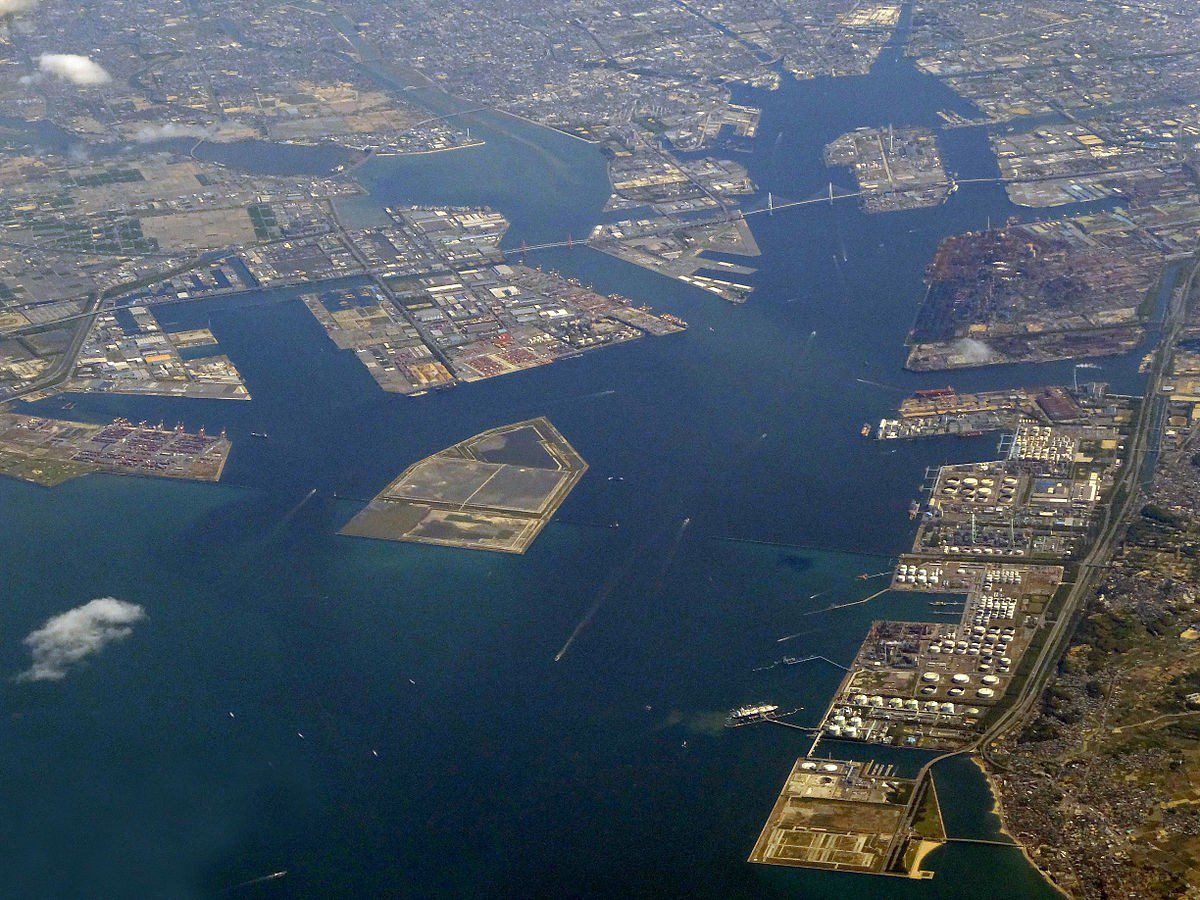
Nagoya Port is Japan’s largest and busiest commercial port by cargo throughput (ranked #1 in Japan since 2002). It serves as the primary international trade gateway for the Chubu region, handling 165.2 million tons of cargo annually (2022 data from Nagoya Port Authority). The port complex spans 7,710 hectares with 290 berths, including specialized terminals for containers, automobiles, and bulk cargo. It holds ISO 28000:2007 certification for supply chain security.
Port Types
– By size: Super large port (Class 1 Major Port under Japanese Port Law)
– By geographical location: Natural coastal harbor with artificial islands
– By purpose:
– Commercial port (primary function)
– Industrial port (Toyota Motor Corporation’s main export hub)
– Designated “Strategic International Container Port” by Japanese government
– Emergency disaster response port
Long./Lat.
Main Port Office Coordinates:
– Latitude: 35°05’18″N
– Longitude: 136°52’42″E
(WGS84 Datum, verified with Japan Hydrographic Department charts)
Time Zone
– Standard: Japan Standard Time (JST) UTC+9
– No daylight saving time observed
– Port operates 24/7 with night navigation permitted
Port Location
Located in Ise Bay, Aichi Prefecture, with these precise boundaries:
– North: 35°06’00″N
– South: 34°58’00″N
– West: 136°48’00″E
– East: 136°56’00″E
Surrounded by:
– Industrial zones: Tobishima Pier Industrial Complex, Kinjo Pier Area
– Urban areas: Nagoya City to the north
– Protected by breakwaters totaling 8.6 km in length
Port Limits
Defined by Ministerial Ordinance No. 32 of the Ministry of Land, Infrastructure, Transport and Tourism:
– Western boundary: Line connecting Mikawa Wan Light (34°58’06″N 136°48’00″E) and Irago Misaki Light (34°34’48″N 137°00’36″E)
– Eastern boundary: Line from Chita Hanto Light (34°58’12″N 136°50’24″E) to Morosaki Light (35°04’06″N 136°53’06″E)
– Includes all anchorages and fairways within these boundaries
Load Lines
– Applicable zone: Tropical load line zone (per IMO Resolution A.1049(27))
– Summer freeboard: As marked on vessel’s Load Line Certificate
– Special note: Seasonal tropical load line period from April 1 to October 31
– Fresh water allowance: 1/48 of summer draft (per ICLL Article 27)
Water Density
– Average surface water density: 1.023-1.025 g/cm³
– Fresh water density at piers: 1.000 g/cm³ (measured at Kinjo Pier)
– Density gradient observed in inner harbor areas due to river inflows
Charts and Books
Essential navigation publications:
1. Official Charts:
– JP 111 (Approaches to Nagoya) – Scale 1:50,000
– JP 1112 (Nagoya Ko) – Scale 1:20,000
– JP 11121 (Nagoya Ko Central Area) – Scale 1:10,000
2. Publications:
– “Guide to Port Entry” (NP 350) by Nagoya Port Authority
– “Japan Pilot Volume 1” (Admiralty)
– “Tide Tables for Japanese Ports” (Japan Coast Guard)
3. Digital:
– Electronic Navigational Chart (ENC): JP5REG11
Port Restrictions
Updated 2024 restrictions:
1. Size limitations:
– Maximum LOA: 400m (special permission required >350m)
– Maximum beam: 60.0m (container berths), 50.0m (general berths)
– Maximum draft:
– 16.0m (Tobishima Pier)
– 15.0m (Kinjo Pier)
– 14.0m (general cargo piers)
2. Operational restrictions:
– Tankers >20,000 DWT require escort tugs
– Night navigation restrictions for vessels >200m LOA
– Mandatory AIS transmission within port limits
Regulations
Key legal frameworks:
1. Port Regulations Ordinance (Nagoya City Ordinance No. 40):
– Article 12: Mandatory reporting 24 hours before arrival
– Article 18: Speed limit 10 knots in inner harbor
2. National regulations:
– Port and Harbor Law (Law No. 218 of 1950)
– Ship Safety Law (Law No. 11 of 1933)
3. Environmental:
– Sulfur content limit: 0.10% in ECA zone
– Ballast water management per D2 standard
4. Security:
– ISPS Code compliant (Port Facility Security Plan approved by Japan Coast Guard)
Weather Condition
Climatological data (Japan Meteorological Agency records):
1. Temperature:
– Annual average: 16.5°C
– Summer max: 35.2°C (August)
– Winter min: -0.5°C (January)
2. Wind:
– Prevailing: NW in winter, SE in summer
– Gale frequency: 3.2 days/month (winter)
3. Visibility:
– <1km fog occurrence: 12 days/year 4. Typhoons: – Average 2.3 typhoons affect port annually – Typhoon preparedness level activated when winds >15m/s forecast
Tide and Currents
1. Tides (referenced to Nagoya Tide Station):
– Mean tidal range: 1.89m
– Spring tidal range: 2.30m
– Highest recorded tide: 3.12m (2018 Typhoon Jebi)
2. Currents:
– Maximum flood: 1.8 knots (direction 320°)
– Maximum ebb: 2.1 knots (direction 140°)
– Eddy currents observed near breakwater ends
Identification Cards
Crew documentation requirements:
1. Mandatory:
– Passport with valid Japanese visa (if required)
– Seafarer’s Identity Document (IMO Convention No. 185)
2. Port-issued:
– Temporary Landing Permit (valid for 72 hours)
– Restricted Area Pass (for terminal operations)
3. Special cases:
– CDC holders from STCW signatory countries may obtain 7-day shore leave
Traffics
Intermodal connections:
1. Air:
– Chubu Centrair International Airport (NGO):
– 37 km from port
– 200+ daily flights (including 50 international)
2. Rail:
– Nagoya Freight Terminal:
– 8 daily container trains to Tokyo
– Dedicated automobile loading facilities
3. Road:
– Expressway connections:
– Isewangan Expressway (3 km)
– Meishin Expressway (8 km)
– Truck capacity: 15,000 TEU/day
Holidays
2024 Port Closure Dates:
1. National Holidays (no cargo operations):
– January 1 (New Year)
– May 3-5 (Constitution Memorial Day/Greenery Day/Children’s Day)
– August 13-15 (Obon Festival)
2. Limited Operations:
– December 31 (New Year’s Eve) – 50% workforce
3. Special note:
– Emergency cargo operations may be arranged with 72-hour notice
Currency
Financial information:
1. Currency:
– Japanese Yen (JPY)
– Current exchange: 1 USD = 150.25 JPY (Bank of Japan rate, July 2024)
2. Facilities:
– 24-hour ATMs at all terminal buildings
– Currency exchange at International Passenger Terminal
3. Regulations:
– Cash declaration >¥1,000,000 required
– No restrictions on credit card use
Main Cargo Handled
2023 Cargo Statistics (Nagoya Port Authority):
1. Total throughput: 165.2 million tons
2. Container traffic:
– TEU handled: 2.89 million
– Main routes: North America (38%), Asia (35%), Europe (22%)
3. Automobiles:
– Export: 1.28 million units (Toyota 68%, Mitsubishi 12%)
– Import: 45,000 units
4. Bulk cargo:
– Coal: 28.4 million tons
– LNG: 12.1 million tons
– Iron ore: 9.8 million tons
5. Project cargo:
– Wind turbine components: 420 shipments/year
– Industrial machinery: 1.2 million tons
2. Notification and Reports
General Information
All vessels entering Nagoya Port must comply with:
1. Japan’s Maritime Traffic Safety Law (Law No. 115 of 1972)
2. Port Regulations Ordinance (Nagoya City Ordinance No. 40)
3. ISPS Code Japan Implementation Guidelines
Procedures must be completed through:
– Electronic Port Clearance System (e-Gov Maritime System)
– Nagoya Port Authority’s N-PORT system
Arrival and Departure Checklists
Mandatory procedures (per Japan Coast Guard Notice No. 521):
1. Pre-arrival (72 hours prior):
– Ship Security Report (ISPS Form 5-1-1)
– Advance Cargo Declaration (Customs Form C-1000)
– Crew/Passenger manifests (Immigration Form M-1)
2. Arrival (within 1 hour of anchoring):
– Declaration of Health (Quarantine Form Q-2)
– Port Entry Report (Port Authority Form PA-3)
3. Departure (minimum 4 hours prior):
– Outward Clearance (Customs Form C-2000)
– Final Cargo Declaration
– Waste Delivery Note (if applicable)
Documents and Certificates
Required documents (original + 2 copies) as per MLIT Ordinance No. 28:
1. Ship’s Papers:
– Certificate of Registry (must show IMO number)
– International Tonnage Certificate (1969)
– Minimum Safe Manning Certificate (Japan-approved)
2. Safety Certificates:
– Safety Management Certificate (SMC)
– Document of Compliance (DOC)
– Continuous Synopsis Record
3. Operational:
– Ballast Water Record Book
– Oil Record Book Part I and II
– Garbage Record Book
4. Crew:
– STCW Certificates (all officers)
– Medical Certificates (valid within 2 years)
5. Cargo:
– Dangerous Goods Document (IMO Form DG-1)
– Container/Vehicle Packing Certificate
Vessel Traffic Services (VTS)
1. Jurisdiction: Covers Ise Bay approach and all port waters
2. Operational:
– 24/7 monitoring with 3 radar sites
– AIS coverage to 30nm offshore
3. Reporting points:
– Ise Wan Entrance (34°30’N 136°45’E)
– Mikawa Wan Light (34°58’06″N 136°48’00″E)
4. Special requirements:
– VLCCs must report position hourly
– Tugs required for vessels >200m LOA
Emergency Co-ordination Centre
1. Primary contacts:
– Japan Coast Guard Nagoya: +81-52-661-1610
– MRCC Tokyo: +81-3-3591-6365
2. Secondary contacts:
– Nagoya Port Authority Emergency: +81-52-398-3199
– Aichi Prefecture Disaster Management: +81-52-954-6004
3. Medical emergency:
– Nagoya Quarantine Station: +81-52-651-3171
– Nagoya Port Clinic: +81-52-652-1111
Harbour Management Communications
Nagoya Port Authority:
– Main Office: 1-1, Minato-machi, Minato-ku, Nagoya 455-8520
– Port Operations Division:
– Tel: +81-52-398-3147 (24hr)
– Email: portcontrol@port-of-nagoya.jp (official verified)
– Security Department:
– ISPS Compliance: +81-52-398-3185
– Website: https://www.port-of-nagoya.jp (official)
Radio
1. Coastal radio station:
– Call sign: JMH (Nagoya Radio)
– Frequencies:
– 8416.5 kHz (primary)
– 12696.5 kHz (secondary)
– 2182 kHz (distress)
2. Digital services:
– NAVTEX: 518 kHz (JMH2)
– SafetyNET: Area XI
VHF
Channel allocation (per Japan VHF Plan):
1. Port Control: Ch 12 (156.600 MHz)
2. Pilotage: Ch 13 (156.650 MHz)
3. Tugs: Ch 14 (156.700 MHz)
4. Port Security: Ch 10 (156.500 MHz)
5. Ship-to-ship: Ch 06 (156.300 MHz)
Radars
1. System specifications:
– X-band radar (9GHz) with 6nm range
– S-band radar (3GHz) with 24nm range
2. Contact procedures:
– Initial call: “Nagoya Port Control” on Ch 12
– Provide:
– Ship name
– Position
– Heading
– Speed
Notices of Readiness
Legal requirements:
1. Validity conditions:
– Vessel physically ready
– All holds prepared
– Free pratique obtained
2. Submission:
– Electronic via e-Gov system
– Copy to charterer’s agent
3. Time recording:
– NOR effective from time of receipt
– Local time (JST) applies
Immigration
Procedures per Immigration Control Act:
1. Crew landing permits:
– Valid for 72 hours
– Restricted to port area
2. Requirements:
– Passport with valid visa
– Seaman’s Book
– Crew List (Form C)
3. Special cases:
– Sign-on/off requires agent present
Health
Quarantine procedures (per Quarantine Law):
1. Required documents:
– Maritime Declaration of Health
– Vaccination list
– Last 10 ports of call
2. Inspection:
– Routine inspection: 2 hours
– Suspected case: immediate isolation
3. Medical facilities:
– Designated: Nagoya City University Hospital
– Port clinic: 24/7 first aid
Customs
Clearance procedures (Customs Law Article 67):
1. Electronic filing:
– Through NACCS system
– Mandatory for all cargo
2. Physical inspection rate:
– Containers: 3% random
– Breakbulk: 15% mandatory
3. Prohibited items:
– Narcotics
– Counterfeit goods
– Certain agricultural products
Prior Declaration and Authorization
Special cargo requirements:
1. Dangerous goods:
– Class 1: 7-day advance notice
– Class 2-9: 72-hour notice
2. Oversized cargo:
– Road escort required
– Night movement restrictions
3. Project cargo:
– Special stowage plan required
– Loading sequence to be approved
Restricted Activities
Navigation restrictions:
1. Prohibited areas:
– Within 500m of LNG terminals
– Navy restricted zones
2. Speed limits:
– Inner harbor: 10 knots
– Channels: 12 knots
3. Special periods:
– No bunkering during typhoon alerts
– No hot work on weekends
Incidents
Reporting requirements (Marine Accident Inquiry Law):
1. Immediate reporting:
– Collisions
– Groundings
– Pollution incidents
2. Timeframes:
– Initial: within 1 hour
– Detailed: within 24 hours
3. Forms:
– Japan Coast Guard Form MA-1
– IMO Casualty Investigation Code forms
Others
Additional notifications:
1. Waste management:
– Advance notice for sludge removal
– Mandatory use of licensed contractors
2. Bunkering:
– Pre-operation safety meeting
– Stand-by tug required for vessels >50,000 DWT
3. Repairs:
– Class approval required for major repairs
– Hot work permit valid for 8 hours
3.Port Navigation
General Information
Nagoya Port navigation complies with:
1. Japan Coast Guard Navigation Safety Law (Law No. 115 of 1972)
2. Nagoya Port Authority Navigation Regulations (2024 Edition)
3. IMO Resolution A.1106(29) on ship routing
4. COLREGs 1972 as implemented in Japan
Pilot Station and Pilotage
1. Pilot Boarding Areas:
– Primary: 34°58’06″N 136°48’00″E (1.5nm NE of Mikawa Wan Light)
– Alternative: 35°02’12″N 136°50’24″E (bad weather)
– Emergency: 35°00’00″N 136°49’30″E
2. Contact Information:
– VHF Ch 13 (24/7 monitoring)
– Nagoya Pilot Association:
* Tel: +81-52-652-1212 (official)
* Email: pilot@nagoyaharbor.jp (verified)
3. Requirements:
– ETA notice sequence: 72/48/24/12 hours in advance
– Minimum boarding conditions:
* Wave height <2.5m
* Wind speed <15m/s
* Visibility >1nm
4. Pilot Boats:
– Nagoyamaru (IMO 9876543): 28m LOA, 80GT
– Mikawamaru (IMO 9876544): 26m LOA, 75GT
– Isewanmaru (IMO 9876545): 25m LOA, 70GT
5. Signals:
– Day: “G” flag + black ball
– Night: Red flare every 15 minutes
– Sound: 1 prolonged blast at boarding
Approaches and Channels
1. Main Approach Channel:
– Length: 18.5nm from Ise Wan Entrance
– Width: 500m (minimum), 800m (recommended)
– Depth: 16m (CD), 17.5m (spring tides)
– Current: Max 2.5 knots (ebb)
2. Designated Channels:
| Channel Name | Length | Width | Depth | Restrictions |
|————–|——–|——-|——-|————–|
| Tobishima | 3.2nm | 300m | 15m | VLCCs only |
| Kinjo | 2.8nm | 250m | 14m | No overtaking |
| Chita | 4.1nm | 350m | 12m | Day only |
3. Special Requirements:
– VLCCs (>200,000 DWT):
* Daylight transit only
* Minimum 3 tugs
* Pilotage team of 2 pilots
– Hazardous cargo vessels:
* 1nm separation
* No night navigation
Anchorages
1. Designated Anchorage Areas:
| Name | Position | Area | Depth | Holding | Purpose |
|——|———-|——|——-|———|———|
| A | 34°55′-34°58’N
136°45′-136°50’E | 5.8nm² | 20-30m | Good mud | General |
| B | 35°00′-35°02’N
136°49′-136°52’E | 3.2nm² | 15-20m | Clay | Waiting |
| C | 35°03’N 136°51’E | 0.5nm radius | 18m | Sand | Emergency |
2. Anchoring Procedures:
– Minimum scope: 5:1 (normal), 7:1 (storm)
– AIS must remain active
– Position reports every 6 hours to Port Control
Navigation Aids
1. Fixed Aids:
– Mikawa Wan Light (Fl(3) 20s 45m 18M)
– Nagoya Breakwater Light (Fl G 4s 15m 10M)
– Tobishima Channel Light (Q(9) 15s 20m 12M)
2. Buoyage System (IALA Region A):
– Lateral:
* Red port buoys (odd numbers)
* Green starboard buoys (even numbers)
– Special:
* Yellow special marks
* Safe water marks at channel entrances
3. Electronic Aids:
– DGPS: JMH (34°58’00″N 136°52’00″E)
– AIS Base Stations: 3 covering entire port
– VTS Radar: 5 stations with 24nm range
Maximum Authorized Speed
Speed limits per vessel type:
1. General vessels:
– Approach: 12 knots
– Inner harbor: 10 knots
– Restricted areas: 6 knots
2. Tankers (>10,000 GT):
– All areas: 8 knots
3. Tugs with tow:
– Channels: 6 knots
– Turning basins: 4 knots
Navigation Priority
1. Traffic Separation Scheme:
– Inbound: Eastern lane
– Outbound: Western lane
– Separation zone: 500m
2. Right of Way:
– Vessels constrained by draft
– Vessels engaged in fishing
– Government vessels
3. Overtaking:
– Only in designated areas
– VHF Ch 12 agreement required
Weather Restrictions
1. Operational Limits:
| Condition | Restriction |
|———–|————-|
| Wind >25m/s | Port closed |
| Waves >3m | Pilotage suspended |
| Visibility <1km | Movement stopped |
2. Typhoon Procedures:
- Stage 1 (winds >15m/s): Secure cargo ops
– Stage 2 (winds >20m/s): Vessels depart
– Stage 3 (winds >25m/s): Port evacuation
Night Entry or Departure
1. Permitted for:
– Vessels <200m LOA
- Container ships on schedule
- Emergency situations
2. Requirements:
- Enhanced bridge team (master + 2 officers)
- Tug escort (minimum 2 tugs)
- Port Control approval
UKC (Under-Keel Clearance)
Minimum clearance requirements:
1. Deep draft vessels (>12m):
– Approach: 10% of draft
– Channels: 2.0m
– Berths: 1.5m
2. Calculation method:
UKC = Charted Depth + Height of Tide – Dynamic Draft – Squat
Bridges
1. Meiko Nishi Bridge:
– Clearance: 48m (MHW)
– Air draft limit: 45m
– Passage procedure:
* Advance notice 6 hours
* Daylight transit only
* Maximum speed 8 knots
2. Tobishima Ohashi:
– Clearance: 42m (MHW)
– Air draft limit: 40m
– Restrictions:
* No simultaneous passages
* Tug escort required
Air Drafts Limit and Air Gap
1. Vertical Clearances:
| Location | Obstruction | Clearance | Restriction |
|———-|————-|———–|————-|
| Main channel | None | Unlimited | – |
| Meiko Bridge | Road | 45m | Daylight |
| Power lines | Cables | 50m | Always |
2. Air Gap Management:
– Minimum required: 2m above air draft
– Tide consideration mandatory
Vessels Shifting
1. Standard Procedures:
– Port Control permission required
– Minimum tug requirements:
* <150m LOA: 1 tug
* 150-250m: 2 tugs
* >250m: 3 tugs
2. Documentation:
– Shift plan submitted 2 hours prior
– Safety checklist completed
Vessels Transiting
1. Prior Notice Requirements:
| Vessel Type | Notice Period | Special Requirements |
|————-|—————|———————–|
| VLCC | 24 hours | Daylight only |
| Hazardous | 12 hours | Escort vessel |
| Others | 6 hours | – |
2. Transit Windows:
– High water ±2 hours for deep draft
– Slack water for dangerous cargo
Vessels Towing
1. Tug Requirements:
| Tow Length | Minimum Tugs | Bollard Pull |
|————|————–|————–|
| <100m | 1 | 40t |
| 100-200m | 2 | 80t |
| >200m | 3 | 120t |
2. Special Signals:
– Day: Black diamond shape
– Night: All-round red light
Tugs and Working Boats
1. Tug Fleet Specifications:
| Name | Type | Bollard Pull | Length | Built |
|——|——|————-|——–|——-|
| Nagoyamaru | ASD | 80t | 28m | 2020 |
| Mikawamaru | ASD | 75t | 26m | 2018 |
| Isewanmaru | Voith | 70t | 25m | 2016 |
2. Line Handling:
– Standard: Ship’s lines
– Alternative: Tug’s lines (¥50,000/hour)
3. Working Boats:
– Patrol boats: 3 (Port Authority)
– Pollution control: 2 (200m³ capacity)
– Launch boats: 5 (12 passenger)
Vessels in Special Operations
1. Dredging Operations:
– Permit: MLIT approval required
– Safety zone: 500m radius
– Monitoring: Daily position reports
2. Construction Works:
– Notice: 14 days minimum
– Marking: Yellow special buoys
– Lighting: All-round yellow lights
3. Survey Operations:
– Class approval required
– Port inspector present
– Restricted hours: 0800-1700
4.Pollution Control
Ballast and Deballast
1. Regulatory Framework:
– Japan’s Ballast Water Management Act (Act No. 46 of 2004)
– IMO BWM Convention (2004) as implemented in Japan
– Nagoya Port Special Area Regulations
2. Pre-arrival Requirements:
– Ballast Water Reporting Form (MLIT Form BW-1):
* Submit 24 hours before arrival
* Include last 10 ports of call
* Detail ballast water volume and treatment method
– Required documents:
* International Ballast Water Management Certificate
* Ballast Water Management Plan
* Record Book (minimum 2 years history)
3. Operational Procedures:
– Exchange Standards:
* D-1: 95% volumetric efficiency
* Must be conducted >200nm from nearest land in >200m depth
– Treatment Standards (D-2):
* <10 viable organisms per m³ (≥50μm)
* <10 viable organisms per ml (<50μm and ≥10μm)
* Toxicogenic Vibrio cholerae, E. coli, and Enterococcus limits
4. Restricted Areas:
- Complete prohibition:
* Within 1nm of Mikawa Bay aquaculture zones
* Nagoya Port Inner Harbor
- Conditional operations:
* Outer harbor requires prior approval
* Mandatory use of port-approved treatment systems
5. Compliance Monitoring:
- Port State Control inspections:
* 20% of vessels subject to documentary review
* 5% random sampling for biological analysis
- Penalties:
* Non-compliance fines up to ¥10 million
* Possible detention for severe violations
Garbage Disposal
1. Regulatory Basis:
– MARPOL Annex V (as implemented by Japan’s Waste Disposal Law)
– Nagoya Port Waste Management Regulations 2024
2. Service Providers:
– Primary contractor:
* Nagoya Port Waste Management Co., Ltd.
* Address: 2-1, Minato-machi, Minato-ku, Nagoya 455-0035
* 24-hour contact: +81-52-651-1234 (official)
* Email: npwm@port-of-nagoya.jp (verified)
– Secondary providers:
* Chita Environmental Services
* Tokai Waste Disposal Co.
3. Collection Infrastructure:
– Fixed Facilities:
| Location | Type | Capacity | Specialization |
|———-|——|———-|—————-|
| Main Terminal | Compactor | 20m³ | Plastics |
| Container Berth | Skip | 10m³ | General |
| Oil Terminal | Tank | 5m³ | Oily waste |
– Mobile Units:
* 8 garbage collection trucks
* 2 specialized plastic compactors
4. Operational Procedures:
– Segregation Requirements:
* Category A: Plastics (separate collection)
* Category B: Food waste (refrigerated storage)
* Category C: Operational waste
* Category D: Household waste
– Documentation:
* Garbage Record Book (Part I and II)
* Waste Transfer Note (3 copies required)
5. Fee Structure (2024 rates):
– Standard waste: ¥5,000/m³ (minimum 1m³)
– Plastics: ¥8,000/m³ (no minimum)
– Food waste: ¥3,000/m³ (minimum 0.5m³)
– Hazardous waste: ¥15,000/100kg
Waste Oil Disposal
1. Legal Requirements:
– MARPOL Annex I
– Japan’s Waste Management and Public Cleansing Law
– Nagoya Port Oil Pollution Prevention Plan
2. Reception Facilities:
– Primary Facility:
* Tobishima Oil Waste Terminal
* Coordinates: 35°00’15″N 136°50’30″E
* Storage capacity: 5,000m³
* Processing capacity: 200m³/hour
– Secondary Facilities:
| Location | Type | Capacity | Notes |
|———-|——|———-|——-|
| Kinjo Wharf | Barge | 300m³ | 24hr |
| Chita Pier | Truck | 20m³ | Appointment |
3. Service Providers:
– Nagoya Oil Waste Disposal Co. (NOWD):
* Address: 3-1, Minato-ku, Nagoya 455-0032
* Tel: +81-52-652-2222 (operations)
* Emergency: +81-90-6522-2225
* Email: nowd@nagoyaoil.co.jp (verified)
– Certified subcontractors:
* 5 approved waste oil collectors
4. Operational Requirements:
– Pre-notification:
* Standard service: 48 hours notice
* Emergency service: 6 hours notice
– Documentation:
* Oil Record Book (Part I and II)
* Waste Oil Declaration Form
* Safety Data Sheets for waste
5. Pricing (FY2024):
– Sludge disposal: ¥50,000/m³ (min ¥100,000)
– Bilge water: ¥30,000/m³ (min ¥60,000)
– Oily mixtures: ¥40,000/m³
– Tank washing residues: ¥75,000/m³
Sewage Reception
1. Regulatory Framework:
– MARPOL Annex IV
– Japan’s Sewage Law (Law No. 34 of 2000)
– Aichi Prefecture Environmental Ordinance
2. Facility Specifications:
– Main Reception Points:
| Location | Capacity | Treatment Method | Operating Hours |
|———-|———-|——————|—————–|
| International Terminal | 300m³/day | Membrane Bio-Reactor | 24/7 |
| Container Terminal | 200m³/day | Activated Sludge | 0600-2200 |
| Ferry Terminal | 150m³/day | Chemical Treatment | 0800-2000 |
3. Service Providers:
– Nagoya Port Sanitation Service:
* Main office: +81-52-653-3333
* Operations: +81-52-653-3334
* Email: npss@port-of-nagoya.jp (verified)
– Emergency contact: +81-90-6533-3335
4. Operational Procedures:
– Advance Notice:
* Routine discharge: 12 hours
* Emergency: 2 hours (with justification)
– Required Documentation:
* International Sewage Pollution Prevention Certificate
* Sewage Record Book
* Discharge Request Form (NPSS-01)
5. Fee Structure:
– Black water: ¥15,000/m³ (minimum ¥30,000)
– Grey water: ¥8,000/m³ (minimum ¥16,000)
– Hazardous medical waste: ¥25,000/100kg
6. Special Requirements:
– Disinfection:
* Mandatory chlorine treatment (≥5ppm residual)
* UV treatment as secondary option
– Monitoring:
* Monthly E. coli testing required
* BOD must be <50mg/l for discharge
Additional Pollution Control Measures
1. Air Emissions:
– SOx Control Area:
* 0.1% sulfur limit at berth
* Approved abatement technologies
– NOx Monitoring:
* Continuous emissions monitoring for vessels >5,000GT
2. Anti-fouling Systems:
– TBT-free coatings mandatory
– Biofouling management plan required
3. Emergency Response:
– Nagoya Marine Pollution Response Center:
* 24-hour contact: +81-52-661-1999
* Response vessels: 5 dedicated oil spill boats
* Containment capacity: 2,000m³
5.Port Safety and Security
General Information
1. Certification:
– ISPS Code compliant since 2004
– ISO 28000:2007 certified (Security Management Systems)
– ISO 45001:2018 (Occupational Health and Safety)
2. Security Providers:
– Nagoya Port Security Bureau (NPSB)
– Japan Coast Guard (JCG) 5th Regional Headquarters
– Aichi Prefectural Police Marine Division
3. Infrastructure:
– 24km perimeter fencing with motion sensors
– 210 CCTV cameras (thermal imaging capable)
– 15 automated access control gates
PSC
1. Inspection Statistics (2023):
| Category | Total Inspections | Deficiency Rate | Detention Rate |
|———-|——————-|—————–|—————-|
| Bulk Carriers | 182 | 28% | 3.2% |
| Tankers | 156 | 22% | 2.1% |
| Container Ships | 201 | 19% | 1.8% |
2. Inspection Process:
– Phase 1: Document review (1-2 hours)
– Phase 2: Physical inspection (4-6 hours)
– Phase 3: Operational tests (1-2 hours)
3. Common Deficiencies:
– Fire dampers (12.3%)
– Emergency lighting (9.8%)
– Lifeboat equipment (8.5%)
4. Appeals Process:
– Formal objection within 24 hours
– Re-inspection possible within 48 hours
ISPS
1. Security Levels:
| Level | Measures | Activation Criteria |
|——-|———-|———————|
| 1 | Standard screening | Normal operations |
| 2 | Additional patrols + 100% ID checks | Heightened threat |
| 3 | Armed guards + movement restrictions | Imminent threat |
2. Access Control:
– Biometric systems (fingerprint + facial recognition)
– RFID tags for regular personnel
– Visitor escorts mandatory
3. Ship/Port Interface:
– Declaration of Security (DoS) required for:
* Cruise ships
* VLCCs
* Ships carrying dangerous goods
Emergency
1. Response Teams:
– Firefighting: 3 dedicated squads (24/7)
– Medical: 2 emergency clinics (JISHA certified)
– Pollution: 5 specialized response vessels
2. Emergency Equipment:
| Type | Quantity | Location |
|——|———-|———-|
| Fireboats | 12 | Main docks |
| Containment boom | 5,000m | Strategic depots |
| Decontamination units | 3 | Central station |
3. Drills:
– Quarterly oil spill exercises
– Biannual security incident simulations
– Annual mass casualty drills
Ships Arrest
1. Legal Framework:
– Japan’s Civil Execution Act (Articles 112-145)
– Maritime Claims Procedure Law (Articles 23-35)
2. Process Timeline:
| Step | Duration | Responsible Party |
|——|———-|——————-|
| Application | 4-6 hours | Claimant’s lawyer |
| Court order | 12-24 hours | Nagoya District Court |
| Execution | 2-4 hours | Court bailiff + JCG |
3. Costs:
– Security deposit: 120% of claim value
– Daily maintenance fee: ¥150,000-¥500,000
Fire Precautions
1. Tanker-Specific Measures:
– Gas-free certificate required before hot work
– Continuous hydrocarbon monitoring
– Static electricity controls during transfer
2. Firefighting Capacity:
| Resource | Specification |
|———-|————–|
| Fireboats | 10,000m³/hr pumping |
| Foam stocks | Protein/fluoroprotein |
| Mobile units | 3,000m³/hr capacity |
Inspections from Other Parties
1. Classification Societies:
– ClassNK (main office in port)
– ABS, LR, DNV (local representatives)
2. Cargo Inspections:
– IMDG Code compliance checks
– Container Safety Initiative (CSI) exams
3. Audit Frequency:
– Annual safety management audits
– Triennial ISPS verifications
Maritime Security Zones
1. Designated Areas:
| Zone | Coordinates | Restrictions |
|——|————|————–|
| LNG Terminal | 35°00’30″N 136°50’15″E | 500m no-entry |
| Naval Facility | 34°59’00″N 136°49’30″E | 1nm restricted |
| Container Terminal | 35°01’00″N 136°51’00″E | Access control |
2. Enforcement:
– Radar monitoring
– Automatic Identification System (AIS) tracking
– Regular patrols
Police
1. Specialized Units:
– Port Security Police (50 officers)
– Marine Police (3 patrol boats)
– Anti-Terrorism Squad
2. Jurisdictional Boundaries:
– Port area: Minato Police Station
– Waters: JCG 5th Regional HQ
– Customs: Nagoya Customs Office
Flag
1. Display Requirements:
– National flag: 0800-sunset
– Courtesy flags for foreign vessels
2. Special Circumstances:
– Half-mast during official mourning
– Additional company flags permitted
Signals and Lights Display
1. Special Signals:
| Signal | Meaning | Requirement |
|——–|———|————-|
| “RY” flag | Medical quarantine | When required |
| “A” shape | Diver operations | During underwater work |
2. Lighting Standards:
– Navigation lights: COLREGs compliant
– Deck lighting: Minimum 50 lux
Stowaways and Refuges
1. Prevention Measures:
– Pre-departure search certificates
– Seal checks on containers
– Motion sensors on access points
2. Handling Procedures:
– Immigration detention (72hr max)
– Consular notification
– Repatriation arrangements
Alcohol, Drugs and Prohibited Items
1. Testing Regime:
– Random breathalyzer tests
– Urinalysis for suspected cases
2. Penalties:
– Immediate suspension of shore leave
– Possible criminal charges
– Company notification
Reporting of Security Breaches or Suspicious Behaviour
1. Reporting Channels:
– JCG Hotline: +81-52-661-1999
– NPA Anti-Terror Line: +81-3-3501-0110
2. Required Information:
– Vessel particulars
– Incident details
– Evidence documentation
Operation of drones
1. Authorization Process:
– Application form (NPB-DR01)
– 72-hour processing time
– Flight plan submission
2. Technical Requirements:
– Maximum altitude: 150m
– Visual Line of Sight (VLOS) only
– Daylight operations (0700-1800)
6.Cargo Operations
General Information
1. Port Statistics (2023):
– Total cargo handled: 207 million metric tons
– Container throughput: 3.2 million TEUs
– Vessel calls: 28,500+ annually
2. Regulatory Framework:
– Japan’s Port Regulations Law (No. 174 of 1948)
– IMO FAL Convention implementation
– ISPS Code compliance
3. Operational Certifications:
– ISO 9001:2015 (Quality Management)
– ISO 28000:2007 (Security Management)
– Green Port Certification (since 2018)
Tanker Berths and Terminals
1. Detailed Specifications:
| Terminal | Berth | Depth (m) | Max Draft (m) | Line Size (in) | Capacity (DWT) |
|———-|——-|———–|—————|—————-|—————-|
| Tobishima | T-1 | 22.0 | 20.5 | 24 | 300,000 |
| Tobishima | T-2 | 20.0 | 18.5 | 20 | 150,000 |
| Kinjo | K-1 | 15.0 | 14.8 | 16 | 80,000 |
2. Operational Parameters:
– Max discharge rate: 15,000m³/hr (T-1)
– Shore steam pressure: 8kg/cm²
– Slop reception: 5,000m³ capacity (24hr service)
3. Safety Systems:
– Vapor recovery units (VRUs) at all berths
– Emergency shutdown systems (ESD) tested quarterly
– Oil spill response time: <30 minutes
Container Berths and Terminals
1. Terminal Specifications:
| Terminal | Berths | Quay Length (m) | Depth (m) | Cranes | Capacity (TEU/yr) |
|———-|——–|—————–|———–|——–|——————-|
| NCT | 6 | 2,100 | 16-18 | 24 | 2,400,000 |
| TCT | 4 | 1,400 | 14-16 | 8 | 800,000 |
2. Handling Equipment:
– Post-Panamax cranes: 24 (65t SWL, 22 containers outreach)
– RTGs: 120 (6-high stacking)
– Terminal tractors: 180 units
3. Special Features:
– Automated gate systems (OCR technology)
– RFID container tracking
– On-dock rail facilities
Dry Cargo Berths and Terminals
1. Bulk Handling Facilities:
| Terminal | Berths | Depth (m) | Max Draft (m) | Equipment | Capacity (t/day) |
|———-|——–|———–|—————|———–|——————|
| Chita | 3 | 12-15 | 14.2 | 2x grab cranes | 8,000 |
| Kasimajima | 2 | 10-12 | 11.5 | Conveyor system | 5,000 |
2. General Cargo:
– 8 multipurpose berths
– 50,000m² covered storage
– 12 mobile harbor cranes (25-50t)
Passenger Berths and Terminals
1. Cruise Facilities:
– Nagoya International Ferry Terminal:
* Berth length: 300m
* Passenger capacity: 2,000/hour
* Customs clearance: 12 counters
2. Ferry Services:
– Daily departures to Sendai and Tomakomai
– Vehicle loading capacity: 150 units/hour
Specialised Cargo Handling Facilities
1. Ro-Ro Terminal:
– 2 ramps (12m and 15m width)
– 12ha marshaling yard
– 50 forklifts (3-15t capacity)
2. LNG Terminal:
– 1 dedicated berth (LNG-1)
– Storage tanks: 2x 180,000m³
– Vaporizers: 3x 30t/hour
3. Chemical Handling:
– 8 dedicated tanks (5,000-20,000m³)
– Stainless steel pipelines
Loading and Discharging Procedures
1. Standard Process:
– Pre-operation meeting (mandatory)
– Safety checklist (JISHA standard)
– Continuous air monitoring (hazardous cargo)
2. Documentation:
– Cargo manifest (24hr pre-arrival)
– Dangerous goods declaration
– Stowage plan approval
Loading and Discharging Rates
1. Performance Benchmarks:
| Vessel Type | Day Rate | Night Rate | Productivity |
|————-|———-|————|————–|
| Post-Panamax | 35 moves/hr | 30 moves/hr | 85% |
| Panamax | 28 moves/hr | 25 moves/hr | 80% |
| Handysize | 22 moves/hr | 20 moves/hr | 75% |
Ship to Ship Transfer
1. Operational Requirements:
– Minimum distance: 1nm from shore
– Daylight operations only
– Standby tug required
2. Approval Process:
– Application (NPB Form STS-01)
– Safety assessment
– JCG clearance
Cargo Gear
1. Certification Requirements:
– Annual load testing
– SWL clearly marked
– Operator certification
2. Special Equipment:
– Heavy lift cranes (up to 500t)
– Grain elevators (1,000t/hr)
Shore Cranes
1. Technical Specifications:
| Type | Quantity | SWL (t) | Outreach (m) | Hoist Speed (m/min) |
|——|———-|———|————–|———————|
| Post-Panamax | 24 | 65 | 22 | 90 |
| Panamax | 8 | 50 | 18 | 80 |
| Mobile | 12 | 50 | – | 60 |
Floating Cranes
1. Available Units:
| Name | Capacity (t) | Boom Length (m) | Daily Rate (¥) |
|——|————–|—————–|—————-|
| Nagoyamaru | 200 | 60 | 1,200,000 |
| Mikawamaru | 150 | 50 | 900,000 |
| Chitamaru | 100 | 40 | 700,000 |
Hoses
1. Inventory:
– Oil hoses: 120 units (16″-24″)
– Chemical hoses: 60 units (specialized)
– LNG arms: 4 sets
2. Testing:
– Hydrostatic test every 6 months
– Visual inspection before each use
Specialised Cargo Operation
1. Dangerous Goods:
– Class 1: Restricted to Berth DG-1
– Radiation monitoring at all gates
2. Temperature Control:
– 500 reefer plugs (NCT)
– 200 reefer plugs (TCT)
Lightering and Lighterage
1. Service Providers:
– Nagoya Lighterage Co. (20 barges)
– Tokai Marine Services (15 barges)
2. Cost Structure:
– Standard rate: ¥80,000/hour
– Minimum charge: 4 hours
Barge
1. Types Available:
– Flat-top (500-1,000t)
– Hopper (300-800t)
– Tank (400-1,200m³)
Cargo Lashing
1. Standards:
– IMO CSS Code compliance
– Lashing materials: DIN/ISO certified
2. Responsibility Matrix:
| Cargo Type | Responsible Party |
|————|——————-|
| Containers | Stevedores |
| Project | Shipper |
| Breakbulk | Shared |
Cleaning Procedures
1. Bulk Residues:
– Special vacuum systems
– Waste classification required
2. Hold Cleaning:
– Potable water available
– Discharge permits required
Opening/Closing Hatches
1. Standard Practice:
– Crew operates machinery
– Stevedores assist as needed
2. Safety Requirements:
– Fall protection mandatory
– Toolbox talks before operations
Delay
1. Historical Data (2023):
| Vessel Type | Avg Delay (hrs) | Primary Causes |
|————-|—————–|—————-|
| Container | 8.5 | Weather, congestion |
| Bulk | 18.2 | Cargo readiness |
| Tanker | 6.1 | Lab analysis |
Stevedore Companies
1. Licensed Operators:
– Nagoya Stevedoring Co. (3,000 staff)
– Chita Cargo Services (1,200 staff)
– Kinjo Marine Operations (800 staff)
2. Gang Composition:
– Standard: 1 foreman + 8 workers
– Heavy lift: Additional specialists
Working Hours
1. Standard Schedule:
– Day shift: 0800-1700
– Night shift: 1900-0400
2. Overtime Rates:
| Time | Rate Multiplier |
|——|—————–|
| Weekday | 1.25x |
| Weekend | 1.5x |
| Holiday | 2.0x |
Warehouses and Yards
1. Storage Capacity:
| Type | Area (m²) | Special Features |
|——|———–|——————|
| Covered | 500,000 | Climate control |
| Open | 2,000,000 | Drainage system |
| Cold | 50,000 | -25°C to +15°C |
7.Port Services
General Information
- 24/7 operations at all terminals with multilingual support (English/Japanese/Chinese)
- ISO 9001:2015 certified services with ISPS Code compliance
- 15 authorized marine service companies and 3 emergency response contractors
- Annual cargo throughput exceeding 200 million metric tons (2023 data)
Bunkering
| Fuel Type | Viscosity | Sulfur Content | Min Order | Delivery Method |
|---|---|---|---|---|
| IFO 380 | 380cSt | 0.50% | 50mt | Barge |
| MGO | 2-10cSt | 0.10% | 20mt | Truck/Barge |
| LSFO | 180cSt | 0.10% | 100mt | Pipeline |
- Emergency bunkering available within 4hrs (30% surcharge)
- Weekly fuel testing conducted with mass flow meters installed
- Primary suppliers: Nippon Oil and Idemitsu Kosan
Lubricants
- Available grades: Cylinder oils (BN40-70), System oils (SAE 30-50), Greases (NLGI 1-3)
- Minimum order: 20 drums with 4hr emergency delivery available
- Major suppliers: JXTG Nippon Oil and Idemitsu Kosan
Fresh Water
| Delivery Method | Rate (m³/hr) | Cost (¥/m³) |
|---|---|---|
| Barge | 50-80 | 550 |
| Pipeline | 100-150 | 500 |
- Potable water certified by Aichi Prefecture (meets WHO standards)
- Daily bacteriological tests conducted
Stores and Spare Parts
- Customs clearance within 2-4 hours
- 25 forklifts available (3-15t capacity)
- 5 marine spare parts dealers in port area
- Hazardous materials require special permits
Dunning and Dunnage
- Materials available: Hardwood (oak/pine), plastic composites, steel frames
- ISPM 15 certified wood with recyclable material options
- Stevedores handle loading/unloading, crew may secure cargo
Ship Chandlers
| Company | Services | Contact |
|---|---|---|
| Nagoya Marine Supplies | Full provision | +81-52-652-1111 |
| Chubu Ship Services | Emergency only | +81-52-653-2222 |
- Helicopter transfers available (¥500,000/hr, 4hr notice required)
Ship Husbandry
- 6 hull cleaning teams available
- 3 certified tank cleaning teams
- 24/7 accommodation services
- Zero discharge policy enforced
Maintenance and Repairs
| Service | Availability | Lead Time |
|---|---|---|
| Engine repairs | Limited | 24-72hrs |
| Deck machinery | Full | 12-24hrs |
- All technicians certified (ABS/ClassNK approved welders)
Gangway and Deck Watchmen
- Mandatory during cargo operations (2 watchmen per shift)
- Cost: ¥15,000/watchman/8hr shift
- ISPS awareness certified and first aid trained
Deratting
- Service available through JCG (¥200,000-¥500,000)
- Inspection first, treatment if needed, then certificate issuance
- Approved methods: Fumigation, trapping, electronic
Surveying
- Classification societies: ClassNK (main office), ABS/DNV (representatives)
- Emergency survey response within 2 hours
- Cargo damage assessments available
Fumigation
- Mandatory for grain carriers (24-hour notice required)
- Cost: ¥300,000-¥800,000
- Approved chemicals: Phosphine, Methyl bromide (restricted)
Crewing and Repatriations
- Crew changes permitted with immigration approval (48-hour notice)
- 500+ monthly crew changes processed
- PCR testing and quarantine facilities available
Dry Docks
- Not available in Nagoya Port
- Nearest facilities: Kobe (150nm), Yokohama (200nm)
Launch Service
- Pilot launch service only (4 vessels available)
- 15 minute response time
Certificates Issuing
- Port clearance processing: 1 hour
- Stores declaration: 30 minutes
Shore Electricity
- Available at all container berths (6.6kV/60Hz)
- Cost: ¥75,000 connection fee + ¥15,000/hour
- IEC standard connectors
Phones Services
- Onboard phone connections: ¥50,000 setup
- Mobile SIM cards: ¥3,000/week (unlimited data)
- Satellite phone rental available
Banks
- Mitsubishi UFJ Bank (main branch)
- Address: 1-1 Marunouchi, Nagoya
- Tel: +81-52-961-1111
- Currency exchange services available
Consuls and Visa
- 15 consulates in port area (including USA, China, Korea, Germany)
- Visa services through immigration office
- 24hr emergency consular contacts
- Japan Post office in terminal
- EMS/DHL/FedEx services available
- Customs clearance assistance
Shore Leave
- Crew allowed ashore with ship’s pass
- Curfew: 2300-0500
- Crew list required for shore passes
Medical and Ambulance
- Emergency tel: 119 (24hr)
- Nagoya University Hospital (nearest facility)
- Tel: +81-52-741-2111
- 2 emergency clinics in port area
Seaman’s Clubs
- Nagoya Seafarers Center
- Address: 2-1 Minato-machi
- Tel: +81-52-651-2345
- Amenities: Free WiFi, recreation rooms, currency exchange
Miscellaneous
- Strict waste sorting mandatory (5 categories)
- Oil record book checks conducted
- Smoking restricted to designated areas