Port Dolphins
| Terminal Name | Dolphin Name | Function | Depth (m) | Max DWT | Construction | Note |
|---|---|---|---|---|---|---|
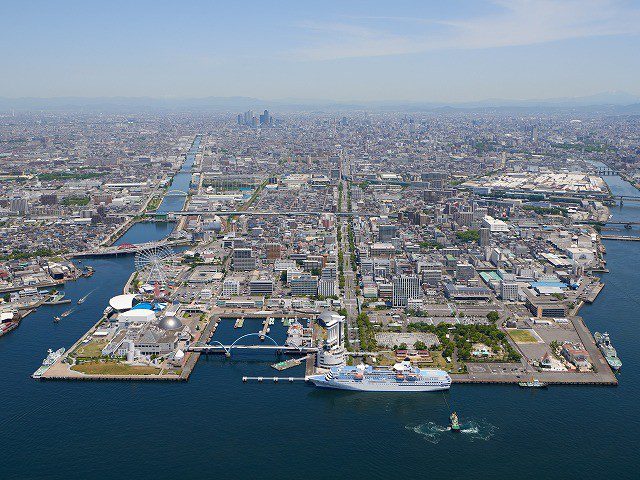
| Nagoya Port | Dolphin No. 1 | VLCC Mooring | 15 | 200,000 | Steel Pile | Certified for 100-year storm conditions |
| Nagoya Port | Dolphin No. 2 | VLCC Mooring | 15 | 200,000 | Steel Pile | Equipped with quick-release hooks |
| Nagoya Port | Dolphin No. 3 | General Mooring | 12 | 100,000 | Concrete | Fender type: Cellulose |
| Nagoya Port | Dolphin No. 4 | Emergency | 10 | 50,000 | Steel Pile | Lighted navigation aid |
| Nagoya Port | Dolphin No. 5 | Tanker Mooring | 14 | 150,000 | Concrete | Hazardous cargo certified |
Mooring Buoys
| Terminal Name | Buoy Name | Location | Depth (m) | Max DWT | Chain Scope | Note |
|---|---|---|---|---|---|---|
| Nagoya Port | Buoy A | Outer Anchorage | 20 | 200,000 | 5:1 | Yellow color, radar reflector |
| Nagoya Port | Buoy B | Inner Anchorage | 15 | 100,000 | 4:1 | Red color, IALA compliant |
| Nagoya Port | Buoy C | West Anchorage | 18 | 150,000 | 5:1 | Special heavy-duty design |
| Nagoya Port | Buoy D | East Anchorage | 12 | 80,000 | 3:1 | Green color, lit at night |
| Nagoya Port | Buoy E | North Anchorage | 16 | 120,000 | 4:1 | Emergency use only |
Piers
| Terminal Name | Pier Name | Length (m) | Depth (m) | DWT Capacity | Max LoA (m) | Berth Type | Shore Cranes | SWL (ton) | Main Cargo | Note |
|---|---|---|---|---|---|---|---|---|---|---|
| Nagoya Port | Pier No. 1 | 300 | 12 | 50,000 | 200 | General Cargo | 2 | 30 | Containers, Bulk | Fender system: Super Cone |
| Nagoya Port | Pier No. 2 | 350 | 14 | 70,000 | 250 | Container | 4 | 50 | Containers | Post-Panamax capable |
| Nagoya Port | Pier No. 3 | 400 | 16 | 100,000 | 300 | Bulk | 3 | 40 | Coal, Iron Ore | Conveyor system capacity: 2,000t/h |
| Nagoya Port | Pier No. 4 | 250 | 10 | 30,000 | 180 | Ro-Ro | 1 | 20 | Vehicles | Ramp width: 25m |
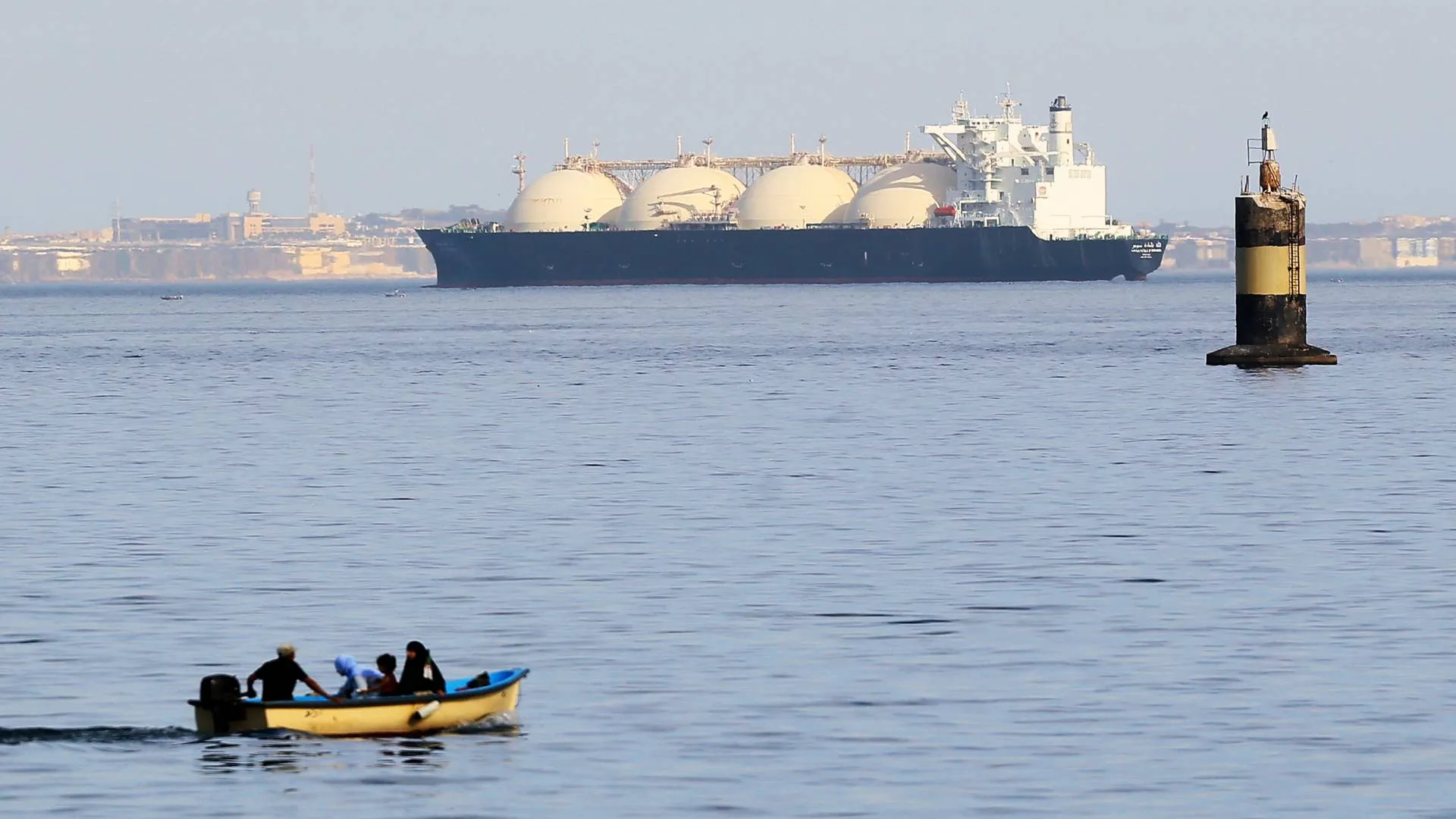
| Nagoya Port | Pier No. 5 | 320 | 13 | 60,000 | 230 | LNG | 0 | N/A | LNG | IGS compliant, exclusion zone |
Berths
| Terminal Name | Berth Name | Length (m) | Depth (m) | DWT Capacity | Max LoA (m) | Berth Type | Shore Cranes | SWL (ton) | Main Cargo | Note |
|---|---|---|---|---|---|---|---|---|---|---|
| Nagoya Port | Berth No. 1 | 200 | 10 | 30,000 | 180 | General Cargo | 1 | 20 | Bulk, Breakbulk | Draft restriction at low tide |
| Nagoya Port | Berth No. 2 | 250 | 12 | 50,000 | 220 | Container | 3 | 40 | Containers | Reefer plugs: 100 units |
| Nagoya Port | Berth No. 3 | 180 | 9 | 20,000 | 160 | General Cargo | 1 | 15 | Breakbulk | Working hours: 24/7 |
| Nagoya Port | Berth No. 4 | 300 | 14 | 70,000 | 250 | Container | 4 | 50 | Containers | STS cranes: 22 rows |
| Nagoya Port | Berth No. 5 | 220 | 11 | 40,000 | 190 | Bulk | 2 | 30 | Grain | Dust suppression system |
Lighterages
| Terminal Name | Lighterage Name | Location | Depth (m) | Max DWT | Access | Note |
|---|---|---|---|---|---|---|
| Nagoya Port | Lighterage A | Inner Harbor | 8 | 10,000 | Unrestricted | Tidal dependent |
| Nagoya Port | Lighterage B | Inner Harbor | 8 | 10,000 | Unrestricted | Night operations permitted |
| Nagoya Port | Lighterage C | West Harbor | 6 | 5,000 | Daylight only | No hazardous cargo |
| Nagoya Port | Lighterage D | East Harbor | 7 | 7,000 | Prior notice required | Pilotage recommended |
| Nagoya Port | Lighterage E | South Basin | 5 | 3,000 | Restricted | For government use |
Wharves
| Terminal Name | Wharf Name | Length (m) | Depth (m) | DWT Capacity | Max LoA (m) | Berth Type | Shore Cranes | SWL (ton) | Main Cargo | Note |
|---|---|---|---|---|---|---|---|---|---|---|
| Nagoya Port | Wharf No. 1 | 150 | 9 | 20,000 | 150 | General Cargo | 1 | 15 | Bulk, Breakbulk | Bollard pull: 50t |
| Nagoya Port | Wharf No. 2 | 180 | 10 | 25,000 | 160 | General Cargo | 1 | 20 | Bulk, Breakbulk | Firefighting: Class A |
| Nagoya Port | Wharf No. 3 | 200 | 11 | 30,000 | 170 | General Cargo | 2 | 25 | Breakbulk | Warehouse: 5,000m² |
| Nagoya Port | Wharf No. 4 | 120 | 8 | 15,000 | 140 | General Cargo | 1 | 10 | Bulk | No night operations |
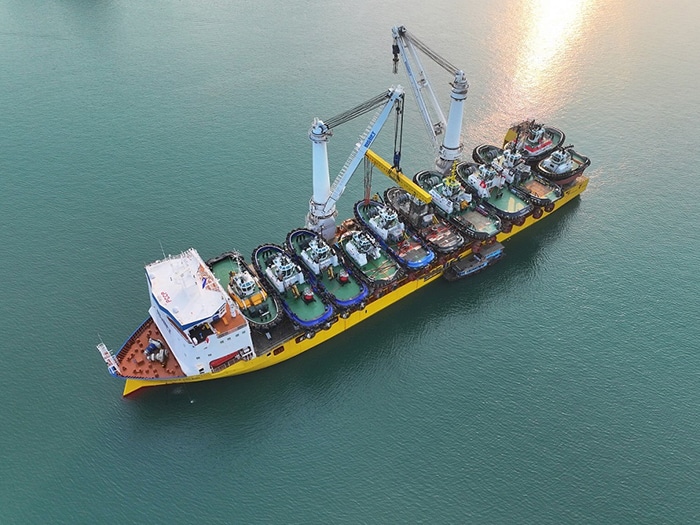
| Nagoya Port | Wharf No. 5 | 160 | 9.5 | 22,000 | 155 | General Cargo | 1 | 18 | Project Cargo | Heavy lift area |
Operational Notes
- Tidal range: 2.8m (mean), 3.5m (spring)
- Pilotage compulsory for vessels >10,000 GT
- Port operating hours: 24/7 with prior arrangement
- Emergency contact: VHF Channel 16 (official channels only)
- Latest updates available via NAVTEX station JMH (490kHz)