1. General Port Rules and Regulations
1.1 Jurisdiction: Uwajima Port is governed by the Japanese Port and Harbor Law (Act No. 218 of 1950) and local ordinances under Ehime Prefecture.
1.2 Port Limits: Defined by the Ministry of Land, Infrastructure, Transport and Tourism (MLIT) Notice No. 452 (2019), coordinates 33°13’30″N 132°33’00″E to 33°14’00″N 132°34’30″E.
1.3 Restricted Areas: No-entry zones marked by buoys (red/yellow) near the breakwater (MLIT Chart W1276).
2. Vessel Entry and Departure
2.1 Advance Notice: Mandatory 24-hour pre-arrival notification via JP-MARINE (Japan’s maritime digital system) for vessels >100 GT.
2.2 Pilotage: Compulsory for ships >3,000 GT (Uwajima Port Ordinance Article 12-3).
2.3 Anchorage: Designated anchorage Area A (33°13’45″N 132°33’15″E) with maximum 5 vessels simultaneously.
3. Navigation Safety
3.1 Speed Limit: 8 knots within port limits (MLIT Notice 2018-112).
3.2 VHF Channels: Ch16 (emergency), Ch12 (port operations), Ch14 (pilot).
3.3 Lighting: Strict compliance with COLREGs for all vessels at berth.
4. Dangerous Cargo Handling
4.1 Prohibited Materials: Class 1 explosives (except 1.4S) banned per Fire Service Act Article 10.
4.2 Notification: IMDG Code shipments require 72-hour prior notice to Uwajima Port Office.
4.3 Storage: Temporary storage only at designated Zone D (33°13’50″N 132°33’40″E).
5. Pollution Control
5.1 Oil Discharge: Zero discharge policy (Japan’s Law Relating to Prevention of Marine Pollution Art.4).
5.2 Garbage: Mandatory use of port reception facilities (fee: ¥5,000/ton).
5.3 Ballast Water: Must comply with Japan’s Invasive Species Act (2004).
6. Crew Safety
6.1 Life Saving Appliances: Minimum 2 lifebuoys with lights/smoke on deck.
6.2 Emergency Contacts: Uwajima Coast Guard Office +81-895-22-0110 (24/7).
6.3 Working Aloft: Safety harness required above 2 meters (Japan Industrial Safety and Health Act).
7. Port State Control
7.1 Inspection Criteria: Tokyo MOU guidelines with focus on:
– Firefighting systems
– Navigation equipment
– Oil record book entries
7.2 Detention Rate: 3.2% in 2022 (Japan Coast Guard Annual Report).
8. Penalties
8.1 Violation Fines: Up to ¥500,000 for illegal anchoring (Port Regulations Art. 45).
8.2 Criminal Charges: Possible for deliberate pollution (Penal Code Article 142).
9. Special Provisions
9.1 Typhoon Procedures: Mandatory evacuation when Signal No.8 issued by JMA.
9.2 Fishing Vessels: Priority berthing at North Pier during April-September.
9.3 Night Navigation: Requires special permission from Port Master.
10. Port Facilities and Services
10.1 Berthing Facilities:
– North Pier: 150m LOA, max draft 7.5m (concrete)
– South Wharf: 200m LOA, max draft 9.0m (steel sheet pile)
10.2 Bunkering: Available 24/7 (MGO & IFO 380) via bonded tanker.
10.3 Fresh Water: Hydrant points at all berths (50 tons/hour capacity).
11. Cargo Operations
11.1 Working Hours: 0800-1700 (Overtime requires 4-hour notice).
11.2 Hazardous Cargo: Daytime operations only (sunrise to sunset).
11.3 Grain Handling: Prohibited during precipitation (Port Hygiene Ordinance §7).
12. Ship Repair
12.1 Dry Dock: Uwajima Shipyard Dock No.3 (200m x 35m).
12.2 Hot Work: Requires Fire Chief’s permit (48-hour processing).
12.3 Waste Disposal: Asbestos removal strictly prohibited in port area.
13. Port Charges
13.1 Tonnage Dues: ¥42/GT for first 24hrs, ¥21/GT thereafter.
13.2 Pilotage Fee: ¥18,500 for vessels 3,000-10,000 GT.
13.3 Waste Fee: ¥3,200 per cubic meter for solid waste.
14. Emergency Procedures
14.1 Oil Spill: Immediate report to Coast Guard (VHF Ch16/Phone 118).
14.2 Fire: Activate nearest EMERGENCY STOP button (red boxes every 50m).
14.3 Medical: Uwajima City Hospital (24/7 trauma center) 3km from port.
15. Local Regulations
15.1 Noise Control: Engine tests prohibited 2200-0600.
15.2 Fishing Zones: 500m exclusion radius around active nets.
15.3 Cultural Restrictions: No vessel washing during O-Bon festival (Aug 13-15).
16. Weather Restrictions
16.1 Wave Height: Berthing prohibited when significant wave height >2.5m.
16.2 Visibility: Pilotage suspended when <500m.
16.3 Typhoon Signals: All cargo ops cease at Signal No.3.
17. Customs Procedures
17.1 Clearance: Electronic declaration via NACCS required before arrival.
17.2 Prohibited Items:
– Certain fishing gear types
– Unprocessed timber exports
17.3 Crew Shore Leave: Permitted with valid passport and landing permit.
18. Security Measures
18.1 ISPS Compliance: MARSEC Level 1 enforced (24/7 port facility security)
18.2 Restricted Areas: Photo ID required for access to oil terminals
18.3 Surveillance: CCTV coverage of all berths (retention period: 30 days)
19. Small Craft Regulations
19.1 Registration: Mandatory for vessels >5m LOA (Ehime Prefecture Ordinance)
19.2 Speed Limit: 5 knots within 200m of swimming areas
19.3 Life Jackets: Required for all passengers on unlicensed pleasure craft
20. Ice Navigation (Winter Operations)
20.1 Ice Reports: Daily updates from JMA December-March
20.2 Hull Strength: Ice class certification required for winter operations
20.3 Tug Assistance: Mandatory when ice thickness exceeds 10cm
21. Port Health Services
21.1 Quarantine: Medical declaration required for vessels from infected areas
21.2 Pest Control: Mandatory fumigation for grain carriers
21.3 Waste Disposal: Medical waste incineration available (prior arrangement)
22. Special Cargo Handling
22.1 Oversized Cargo: Night movement requires police escort
22.2 Livestock: Minimum 12-hour rest period after disembarkation
22.3 Radioactive Materials: Advance approval from Nuclear Regulation Authority
23. Diving Operations
23.1 Notification: 24-hour notice to Port Master required
23.2 Safety Zones: 50m radius around dive operations
23.3 Decompression: Emergency chamber available at Uwajima Medical Center
24. Port Communication Protocols
24.1 Language: Japanese/English mandatory for port operations
24.2 Emergency Drills: Quarterly participation required for regular users
24.3 Incident Reporting: Standard forms available at Port Office
25. Fuel Quality Standards
25.1 Sulfur Content: Max 0.1% in port area (Air Pollution Control Law)
25.2 Sampling: Random fuel checks conducted by MLIT inspectors
25.3 Documentation: Bunker delivery notes must be retained for 3 years
26. Tugboat Services
26.1 Minimum Requirements: 2 tugs for vessels >20,000 DWT
26.2 Availability: 24/7 with 1-hour standby notice
26.3 Special Operations: Additional tug required for VLCC berthing
27. Mooring Requirements
27.1 Minimum Lines: 4 headlines + 4 sternlines for vessels >150m LOA
27.2 Synthetic Ropes: Prohibited for vessels >50,000 DWT
27.3 Storm Moorings: Required when wind forecast exceeds 25 knots
28. Port Lighting Standards
28.1 Illumination: Minimum 50 lux at all working areas
28.2 Navigation Lights: Regular inspection required (monthly log)
28.3 Emergency Lighting: Battery backup for all critical areas
29. Crew Change Procedures
29.1 Documentation: Seaman’s book + negative PCR test (72hrs)
29.2 Transportation: Designated crew change vehicles only
29.3 Quarantine: 48-hour isolation for arrivals from high-risk countries
30. Dangerous Weather Protocols
30.1 Tsunami Warning: Immediate evacuation to designated shelters
30.2 Heavy Rain: Cargo ops suspended when >50mm/hour
30.3 Lightning: All outdoor operations cease within 5km radius
31. Port Entry Restrictions
31.1 Draft Limits: Max 10.5m at high tide (port datum +2.1m)
31.2 Air Draft: 35m clearance at main channel bridges
31.3 LOA Limits: 250m for main berths (special permission required beyond)
32. Waste Management
32.1 Segregation: 5-category system (plastics, food, etc.)
32.2 Record Keeping: Waste transfer notes for 2 years
32.3 Special Waste: Asbestos requires licensed contractor
33. Port Safety Zones
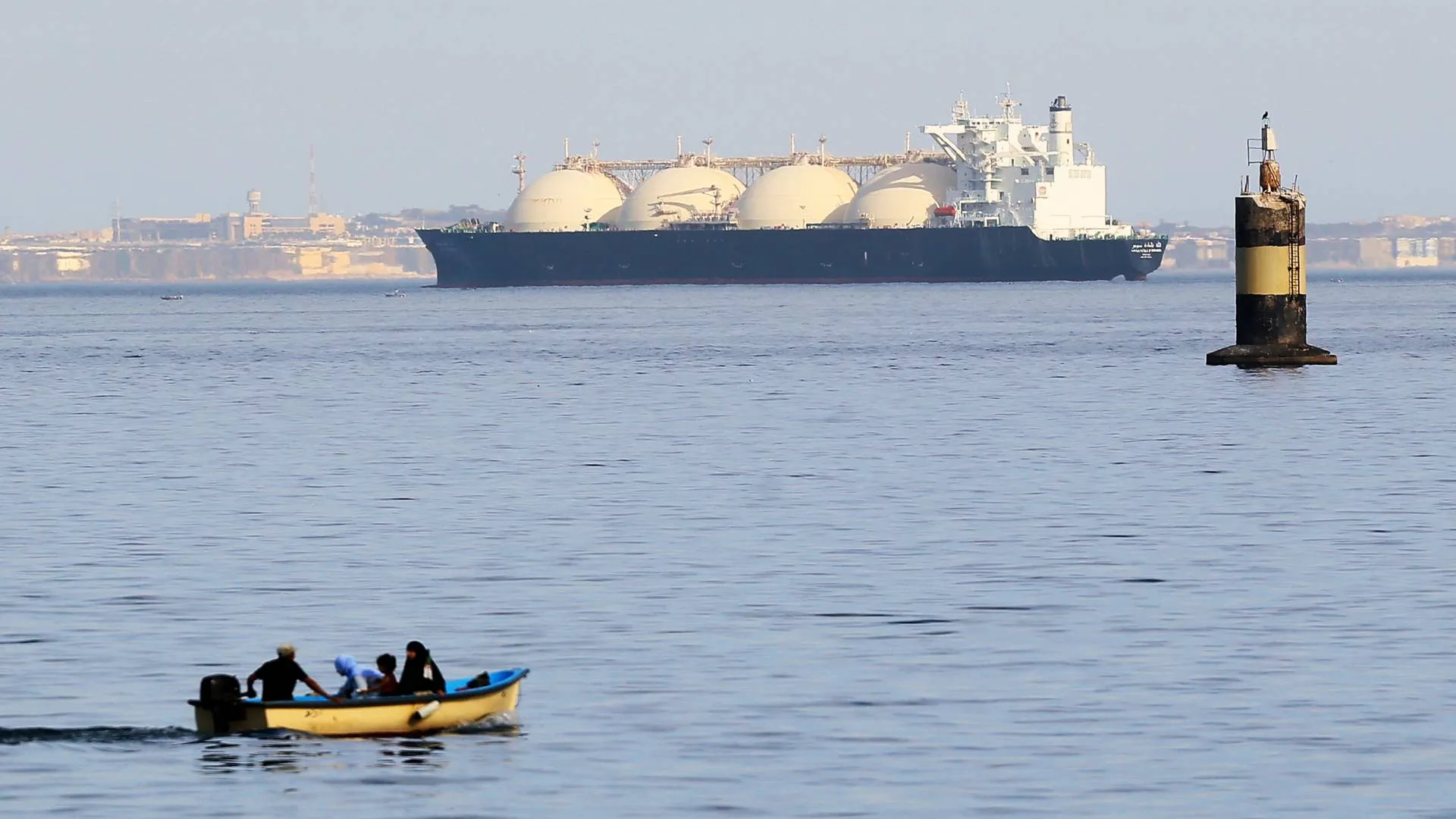
33.1 Exclusion Areas: 100m around LNG carriers
33.2 Security Perimeter: 50m around naval vessels
33.3 Work Boundaries: 10m safety margin for crane operations
34. Vessel Traffic Management
34.1 VTS Coverage: Mandatory participation for vessels >300 GT
34.2 Reporting Points: Waypoints A1 (33°12’N 132°32’E) and B2 (33°15’N 132°35’E)
34.3 Traffic Separation: Eastbound and westbound lanes in main channel
35. Bunkering Operations
35.1 Safety Checklist: Mandatory pre-bunkering inspection
35.2 Spill Equipment: Boom deployment required during all operations
35.3 Emergency Stop: Clearly marked shutdown buttons at all bunker stations
36. Port Laytime Regulations
36.1 Demurrage Calculation: Weather working days, Sundays/holidays excluded
36.2 Notice of Readiness: Valid only when vessel is securely moored
36.3 Daywork Rates: Apply after 1800 hours and on holidays
37. Ship Chandler Services
37.1 Licensed Providers: 3 approved vendors (list at Port Office)
37.2 Delivery Hours: 0800-2000 (emergency services available)
37.3 Waste Handling: Packaging materials must be removed by provider
38. Port Measurement Standards
38.1 Draft Survey: Certified marine surveyors required
38.2 Cargo Measurement: JIS standard calibration for all weighing equipment
38.3 Temperature Checks: Mandatory for liquid bulk cargoes
39. Marine Insurance Requirements
39.1 Minimum Coverage: ¥500 million P&I for vessels >10,000 GT
39.2 Local Agents: Must have Japan-licensed representative
39.3 Claims Procedure: Immediate notification to Port Authority required
40. Port Entry Documentation
40.1 Required Papers: Ship registry, last port clearance, crew list
40.2 Validity Period: Health declaration valid for 48 hours
40.3 Electronic Submission: Through Japan Single Window system
41. Night Navigation Procedures
41.1 Lighting Requirements: Additional spotlights on working decks
41.2 Lookout Posts: Doubled during darkness hours
41.3 Restricted Movements: No bunkering or dangerous cargo ops 0000-0400
42. Port Emergency Response
42.1 Emergency Assembly Points: Clearly marked at 200m intervals along quays
42.2 Firefighting Capacity: 10,000 liters/minute foam system at oil terminal
42.3 Mutual Aid Agreement: Coordination with Uwajima City Fire Department
43. Special Vessel Handling
43.1 RO-RO Operations: Maximum ramp angle of 8 degrees enforced
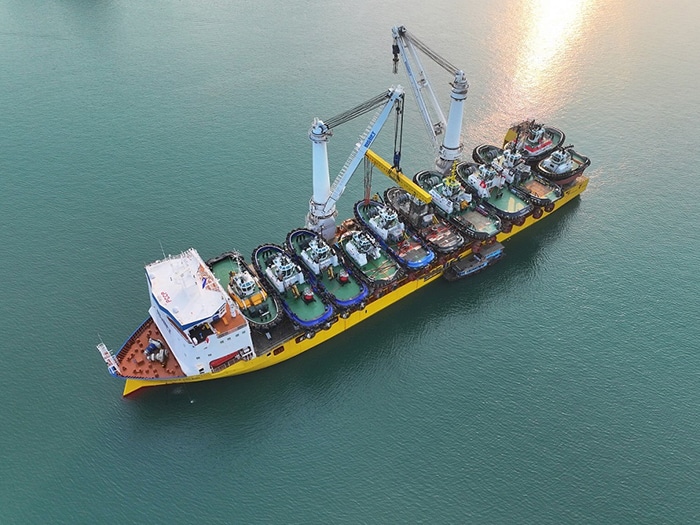
43.2 Heavy Lift Vessels: Advance stability calculations required
43.3 Car Carriers: Deck washing prohibited during cargo operations
44. Port Infrastructure Access
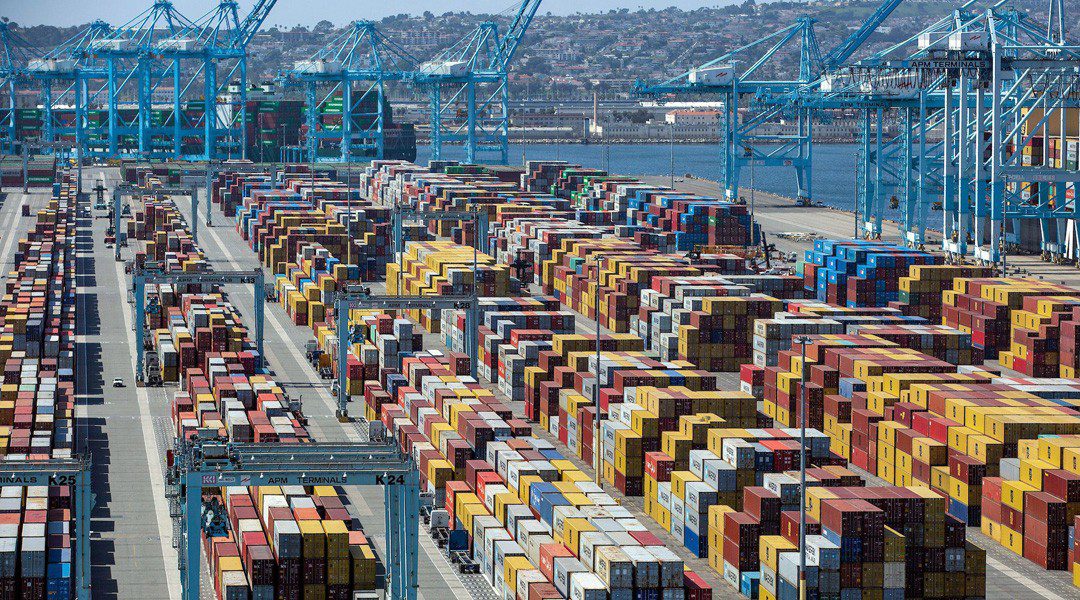
44.1 Crane Capacity: 150-ton SWL at main container terminal
44.2 Fender Systems: Continuous inspection every 6 months
44.3 Gangway Requirements: Minimum width 1.2m for vessels >10,000 GT
45. Marine Wildlife Protection
45.1 Speed Reduction: 6 knots within 500m of known turtle habitats
45.2 Discharge Prohibitions: No ballast exchange in port limits
45.3 Noise Mitigation: Underwater quiet periods 1200-1400 daily
46. Port Labor Regulations
46.1 Working Hours: Maximum 12 hours/day for stevedores
46.2 Safety Training: Mandatory monthly drills for port workers
46.3 Equipment Certification: All lifting gear tested quarterly
47. Vessel Maintenance in Port
47.1 Hull Cleaning: Permitted only at designated cleaning berth
47.2 Stack Emissions: No visible smoke exceeding 20% opacity
47.3 Underwater Work: Dive team registration required 72 hours prior
48. Port Meteorological Services
48.1 Weather Updates: Hourly broadcasts on VHF Channel 68
48.2 Tide Information: Real-time display at port entrance
48.3 Storm Warnings: Automatic SMS alerts to registered vessels
49. Customs Clearance Procedures
49.1 Express Lane: Available for vessels with pre-cleared e-manifests
49.2 Restricted Items: Declaration required for satellite phones
49.3 Temporary Imports: Bonded storage available (max 30 days)
50. Port Security Zones
50.1 Access Control: Biometric verification for restricted areas
50.2 Surveillance: Thermal imaging cameras at perimeter fencing
50.3 Patrol Schedule: Random 24/7 security sweeps documented
51. Hazardous Material Storage
51.1 Segregation: Class 1 explosives stored 500m from other DG
51.2 Containment: Secondary bund walls for liquid chemicals
51.3 Inspection: Weekly checks of storage area integrity
52. Vessel Speed Limits
52.1 Approach Channel: Maximum 8 knots within port limits
52.2 Turning Basin: 5 knots during vessel maneuvers
52.3 Near Berths: Dead slow ahead within 200m of quay
53. Port Communication Systems
53.1 Primary: Digital VHF with DSC capability (Ch 12/16)
53.2 Backup: HF radio and satellite phone network
53.3 Emergency: Red phone boxes at 100m intervals
54. Ballast Water Management
54.1 Exchange: Minimum 200nm from coast required
54.2 Treatment: IMO-approved systems mandatory
54.3 Reporting: Electronic submission 24h before arrival
55. Port Tariff Structure
55.1 Wharfage: ¥150/ton for general cargo
55.2 Storage: ¥3,500/TEU/day after 72h free period
55.3 Utilities: Potable water ¥80/ton metered
56. Navigation Aid Maintenance
56.1 Buoys: Monthly position verification checks
56.2 Lights: Automatic failure reporting system
56.3 Markers: Retro-reflective panels replaced annually
57. Port Community System
57.1 Integration: Single window for all agency submissions
57.2 Data Fields: 87 mandatory elements for vessel clearance
57.3 Availability: 99.9% uptime guaranteed