1. Port and Terminal Information
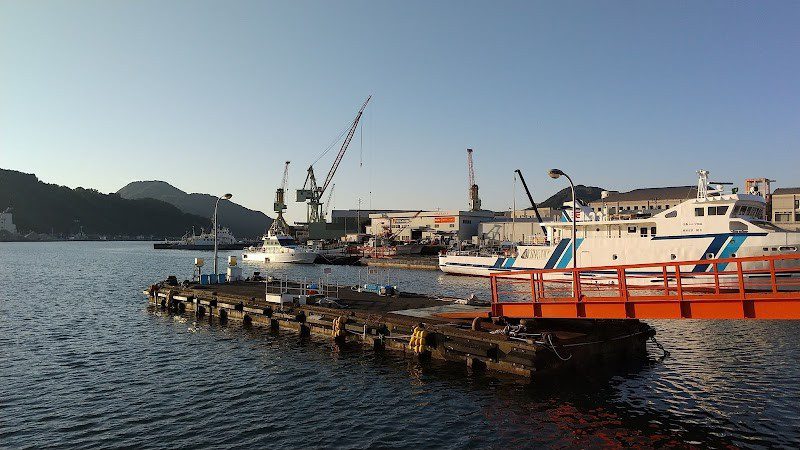
1.1 Uwajima Port is a regional port classified as a “Major Port” under Japanese law, primarily handling timber, cement, and petroleum products. The port authority is Uwajima City Office, Port and Harbor Division.
1.2 Commercial vessels typically use the West Quay (maximum LOA 150m, draft 9.5m) and East Quay (maximum LOA 120m, draft 7m). Both quays have bollard capacity of 30-50 tons.
1.3 Tide range: 2.1m (mean spring tide). Port reference datum level is Uwajima Port Construction Standard Surface (UPCSS), which is 0.92m below Tokyo Peil (TP).
2. Navigation and Pilotage
2.1 Mandatory pilotage for vessels over 500 GT or LOA exceeding 50m, as per Ehime Prefecture Maritime Regulations Article 14.
2.2 Pilot boarding area: 33°13.5’N, 132°33.0’E (approximately 1.5nm southwest of port entrance). Pilot transfer requires Jacob’s ladder with minimum 8m freeboard clearance.
2.3 Main channel depth maintained at -10m (UPCSS), with turning basin diameter of 300m at -8m. Maximum permissible speed in harbor limits is 8 knots.
3. Anchorage Regulations
3.1 Designated anchorage area (33°14.2’N, 132°34.8’E) with holding ground of mud/sand. Maximum anchorage duration 72 hours without special permission.
3.2 Anchorage depth 15-20m. Vessels must maintain VHF Ch16/12 watch and display proper day shapes/night signals.
4. Cargo Operations
4.1 Timber handling requires special stowage plans approved by port authorities due to local stacking regulations. Maximum stacking height 8m.
4.2 Cement loading rate: 300-500 MT/hour via pneumatic system. Dust suppression measures mandatory during operations.
4.3 Oil terminal (operated by Shikoku Sekiyu) has maximum transfer rate of 200m³/hour. ISGOTT compliance strictly enforced.
5. Safety and Emergency
5.1 Port emergency contact: Uwajima Coast Guard Office (VHF Ch16), verified operational 24/7.
5.2 Required safety equipment: All vessels must carry port-approved oil spill containment gear (minimum 200m boom capacity).
5.3 Typhoon preparedness: When Signal No.3 is issued by Japan Meteorological Agency, all cargo ops must cease and vessels must depart or secure at designated typhoon moorings.
6. Environmental Compliance
6.1 Strict ballast water management per Japan’s Invasive Species Act. Exchange must occur beyond 200nm from coast in waters >200m depth.
6.2 Prohibited discharges: Any garbage except food waste (must be >12nm offshore). MARPOL Annex VI Emission Control Area enforced.
7. Crew and Vessel Services
7.1 Limited crew changes permitted with 72-hour prior notice to Uwajima Quarantine Station. COVID-19 testing may still be required.
7.2 Fresh water supply available at West Quay (50m³/hour capacity). Advance booking required through port agent.
8. Special Notices
8.1 Annual port closure days: December 31-January 3 (New Year), Golden Week (April 29-May 5). No cargo operations permitted.
8.2 Local fishing vessel traffic peaks between 0400-0700 and 1500-1800 daily. Extreme caution required during these periods.
8.3 Magnetic anomaly reported near East Quay (33°13.8’N, 132°33.9’E). Compass deviation up to 5° possible.
9. Legal Requirements
9.1 Port dues calculation based on “Ehime Prefecture Port and Harbor Ordinance No.42” (2021 revision). Minimum charge for foreign vessels: ¥85,000.
9.2 Mandatory reporting: All vessels must submit “Uwajima Port Entry/Exit Report” 24 hours before arrival through authorized agent.
10. Port Services and Facilities
10.1 Bunkering: Available via barge (MGO/IFO) with 24-hour notice. No LNG bunkering available. Sampling required per Japanese standards (JIS K 2536).
10.2 Waste disposal: MARPOL-compliant facilities at West Quay (oil waste, garbage, sewage). Advance booking mandatory via port agent.
10.3 No ship repair facilities available. Nearest dry dock in Matsuyama (80nm northeast). Emergency welding/mechanical repairs possible with prior arrangement.
11. Weather and Tidal Considerations
11.1 Prevailing winds: NW in winter (Oct-Mar), SE in summer (Apr-Sep). Sudden gusts up to 30kn possible in winter due to local topography.
11.2 Strong currents (up to 3kn) reported near harbor entrance during spring tides. Slack water preferred for entry/exit.
11.3 Fog occurrence: 12-18 days annually (Mar-Jun), primarily morning hours. Radar-assisted navigation recommended when visibility <1nm.
12. Customs and Immigration
12.1 All foreign vessels must submit Customs Declaration (Form C-1040) and Crew List (Form C-1120) 48hrs before arrival.
12.2 Shore leave permitted only after immigration inspection (available 0900-1700 daily). Crew must carry passports and landing permits.
12.3 Prohibited items: Drones, certain medications (e.g., pseudoephedrine), and fresh produce without phytosanitary certificates.
13. Local Regulations
13.1 Mandatory use of low-sulfur fuel (≤0.1% sulfur content) within port limits, per Japan’s Air Pollution Control Law.
13.2 Noise restrictions: Engine tests/repairs prohibited 2200-0600 without prior approval.
13.3 Fishing gear clearance: Minimum 50m distance from any fishing equipment (marked by orange buoys).
14. Navigational Warnings
14.1 Unlit fish aggregating devices (FADs) frequently deployed within 5nm radius of port. Latest positions available via JCG Notice to Mariners.
14.2 Submarine cable area (33°12.5’N, 132°35.2’E) – anchoring/trawling prohibited. Charted depth anomalies ±2m reported in this zone.
14.3 West Quay fender condition: Rubber fenders (1.5m diameter) at 15m intervals. Mooring lines should avoid direct contact with steel hoops.
15. Cargo Documentation
15.1 Timber shipments require original “Fumigation Certificate” per Japan’s Plant Protection Act.
15.2 Hazardous cargo: IMDG Code compliance mandatory. Additional Ehime Prefecture notification forms required 72hrs prior.
15.3 All export cargo must pass pre-shipment inspection by Japan Export Inspection Association (branch in Uwajima).
16. Communication Protocols
16.1 Port control operates on VHF Ch12 (call sign “Uwajima Port Radio”). English/Japanese bilingual service available.
16.2 Mandatory reports: Position upon entering 3nm limit, final ETA at pilot boarding area, and completion of mooring.
16.3 Agent contact must be established at least 48hrs before arrival. No vessel services permitted without appointed agent.
17. Security Measures
17.1 ISPS Level 1 enforced. Gangway watch required 24/7 with access control log.
17.2 Port facility restricted areas clearly marked in red/white stripes. Unauthorized photography prohibited.
17.3 Monthly security drills (including anti-piracy) must be documented for inspection.
18. Health and Quarantine
18.1 Malaria-free zone. Yellow fever vaccination required if arriving from endemic areas.
18.2 Medical waste disposal: Strictly controlled. Used syringes/bandages must be incinerated onshore (fee applies).
18.3 Potable water testing: Mandatory bacteriological analysis if taken from local sources.
19. Vessel Traffic Management
19.1 Port operates under VTS coverage (Uwajima VTS Sector) 24/7. Radar surveillance extends to 12nm offshore.
19.2 Traffic separation scheme in approach channel: Inbound vessels use northern lane, outbound use southern lane (width 200m each).
19.3 Mandatory AIS transmission required for all vessels over 300 GT within port limits (Ehime Prefecture Maritime Safety Ordinance).
20. Mooring Arrangements
20.1 West Quay: 4 headline bollards (50t SWL), 2 breast lines (30t SWL), and 2 stern lines (30t SWL) per vessel.
20.2 Spring lines must be doubled during cargo operations due to tidal range. Synthetic ropes prohibited for mooring.
20.3 Tug assistance: Minimum 2 tugs required for vessels over 10,000 DWT (1 tug bow, 1 tug stern). Local tug capacity: 35t bollard pull.
21. Dangerous Goods Handling
21.1 Class 1 (explosives) prohibited. Class 3 (flammable liquids) limited to daylight hours only.
21.2 IMDG cargo must be stowed at least 50m from accommodation areas while in port.
21.3 Emergency showers and eye-wash stations available at 100m intervals along West Quay for chemical spills.
22. Port Dues and Charges
22.1 Calculation based on GT and length overall (LOA). Example: 10,000 GT vessel pays ¥120,000 for first 24 hours.
22.2 Discount available for eco-friendly ships (EIAPP certified): 15% reduction on port dues.
22.3 All fees must be settled in JPY through authorized bank transfer before departure.
23. Crew Welfare Facilities
23.1 Nearest seafarer center: Uwajima Mariners’ House (2km from West Quay) with free WiFi and recreation facilities.
23.2 Currency exchange: Limited service at port administration office (0900-1500 weekdays).
23.3 Medical facilities: Uwajima City Hospital (3km) has decompression chamber and maritime medical specialists.
24. Ice and Snow Precautions
24.1 Winter operations (Dec-Feb): Gangways must be salted hourly when temperatures drop below 3°C.
24.2 Deck equipment anti-icing measures required for vessels from cold regions (heated winches preferred).
24.3 No icebreaking service available. Vessels must confirm hull integrity for winter operations.
25. Local Maritime Traditions
25.1 Annual Uwajima Sea Festival (July 20-22): Increased small boat traffic, reduced port operations.
25.2 Traditional pearl farming areas near approach channel – speed limit 5kn in marked zones.
25.3 Respect local customs: Do not discharge any waste during traditional fishing seasons (Mar-Apr, Sep-Oct).
26. Electronic Navigation
26.1 ENC coverage: Admiralty Chart JP348 (latest edition required).
26.2 Differential GPS available with 1m accuracy (beacon frequency 315kHz).
26.3 Paper charts must be carried as backup – electronic systems alone not accepted for port entry.
27. Port State Control
27.1 Tokyo MOU inspection rate: 18% for foreign vessels. Priority given to bulk carriers over 15 years old.
27.2 Common deficiencies: Fire damper malfunctions, outdated nautical publications, improper garbage records.
27.3 Detention appeal process must be initiated within 24 hours through Japan Shipowners’ Association.
28. Special Cargo Considerations
28.1 Oversized cargo: Maximum single piece 50t (West Quay crane capacity). Road escort required for >4m width.
28.2 Refrigerated containers: Limited plug-in points (20 units available at East Quay, 440V/60Hz).
28.3 Steel coils: Must be secured with minimum 3 steel straps per coil during handling.
29. Port Security Levels
29.1 ISPS Level 2 implemented during national holidays and special events. Additional armed guards may be required.
29.2 Restricted areas marked with yellow/black stripes. Unauthorized access punishable by Japanese port security laws.
29.3 All visitors must present passport and obtain temporary port ID (valid for 8 hours only).
30. Bunker Quality Control
30.1 Mandatory sampling by Japan Inspection Organization (JIO) for all bunker deliveries.
30.2 Bunker suppliers must be registered with Uwajima Port Authority (current list available at port office).
30.3 Maximum sulfur content verification required before bunkering operations commence.
31. Emergency Response
31.1 Oil spill response team on standby 24/7 (response time <30 minutes).
31.2 Firefighting capacity: 2 fireboats with 5,000m³/hr pumping capacity each.
31.3 Emergency muster station located at 33°13.8’N, 132°33.5’E (marked by flashing blue light).
32. Ship’s Gear Requirements
32.1 Cargo handling gear must be certified by Class NK or equivalent for operations in Japanese ports.
32.2 Gangways required to have safety nets (minimum 1m width) when angle exceeds 30 degrees.
32.3 All mooring lines must have certified SWL markings visible to port inspectors.
33. Port Working Hours
33.1 Standard operations: 0800-1700 (Mon-Fri), 0800-1200 (Sat). Overtime rates apply outside these hours.
33.2 Stevedore availability: Minimum 6 hours notice required for gang assembly.
33.3 No cargo operations permitted on Japanese public holidays (15 days annually).
34. Marine Pollution Controls
34.1 Strict prohibition on any discharge within 12nm of port (including treated sewage).
34.2 Mandatory use of VOC recovery systems for tanker operations (verified before loading).
34.3 Ballast water exchange records must be submitted to port health office before departure.
35. Small Craft Advisory
35.1 Fishing boats under 20GT have right of way in inner harbor area (within breakwaters).
35.2 Personal watercraft prohibited within 500m of commercial vessels at anchor.
35.3 Kayak traffic common in summer months – special vigilance required 0600-0800 and 1700-1900.
36. Electrical Services
36.1 Shore power available at West Quay (440V/60Hz/500A). Advance booking required.
36.2 Emergency generator testing must be coordinated with port control to prevent grid interference.
36.3 All ship’s electrical connections must have Japanese Industrial Standard (JIS) certification.
37. Port Agent Requirements
37.1 Only licensed Japanese shipping agents permitted to handle vessel clearances.
37.2 Agent must accompany all port state control inspections.
37.3 Minimum service package must include customs, immigration, and port authority coordination.
38. Historical Wreck Areas
38.1 Several WWII-era wrecks exist near approach channel (chart symbols: ∇).
38.2 Magnetometer surveys recommended when anchoring outside designated areas.
38.3 Artifact recovery strictly prohibited – violations subject to Japanese Cultural Properties Law.
39. Vessel Sanitation Requirements
39.1 Mandatory pre-arrival ship sanitation inspection for vessels from cholera-affected areas
39.2 Medical waste must be stored in yellow containers with biohazard symbols for onshore disposal
39.3 Potable water quality tests required every 6 months for vessels using shore supply
40. Special Navigation Conditions
40.1 Strong katabatic winds reported in winter months (Nov-Feb) near 33°14.5’N, 132°32.8’E
40.2 Tidal streams may reach 4 knots during spring tides at harbor entrance waypoint 33°13.0’N, 132°34.0’E
40.3 Magnetic variation: 7°15’W (2024) with annual decrease of 0°05′
41. Cargo Securing Standards
41.1 Timber deck cargo must be secured with minimum 10 lashings per 100m³
41.2 Steel products require dunnage spacing not exceeding 1.2m for even weight distribution
41.3 Container lashing gear must withstand 1.2g lateral acceleration forces
42. Port Infrastructure Limitations
42.1 Maximum air draft: 28m at MHWS (West Quay) due to overhead power lines
42.2 Road weight limit: 40t axle load for cargo exiting port gates
42.3 No heavy lift capability beyond 50t single lift (floating crane available with 72h notice)
43. Communication Requirements
43.1 Daily noon position reports mandatory for vessels at anchor exceeding 24 hours
43.2 Japanese/English bilingual announcements required during emergency drills
43.3 Digital Notice to Mariners updates must be downloaded weekly from JCG website
44. Hazardous Weather Procedures
44.1 Typhoon warning stage 1 (24h alert): All gantry cranes must be secured in parking position
44.2 Winter storm protocol: Gangways must be lifted when sustained winds exceed 25 knots
44.3 Tsunami evacuation route: Proceed to 33°15.0’N, 132°36.0’E in water >50m depth
45. Crew Training Requirements
45.1 Port-specific emergency training required for deck officers (certificate valid 2 years)
45.2 Mandatory familiarization with Japanese port regulations for all crew members
45.3 Specialized training required for handling of local fishing gear entanglement risks
46. Customs Enforcement
46.1 100% container scanning for vessels arriving from high-risk narcotics regions
46.2 Prohibited items include certain marine paints containing TBT compounds
46.3 Strict control of ship’s stores (alcohol allowance: 3L per crew member per month)
47. Port Entry Documentation
47.1 Original Certificate of Financial Responsibility (COFR) required for tankers
47.2 Last 10 port clearance certificates must be available for inspection
47.3 Electronic submission of pre-arrival documents via Japan Single Window system
48. Local Maritime Traffic
48.1 High-speed passenger ferries operate every 30 minutes between 0600-2200 (10kn speed limit in their vicinity)
48.2 Pearl culture rafts extend 1.5nm northwest of port entrance (marked by yellow buoys)
48.3 Traditional wooden fishing boats often lack AIS – extreme caution required at night
49. Port Entry Procedures
49.1 Vessels must request entry permission via VHF Ch12 at least 2 hours before ETA
49.2 Mandatory submission of IMO Self-Assessment Checklist to port authority 24h prior
49.3 Entry prohibited for vessels with outstanding Port State Control deficiencies
50. Mooring Line Specifications
50.1 Minimum diameter: 32mm for vessels under 10,000 DWT, 38mm for larger vessels
50.2 Synthetic ropes permitted only with prior approval and fire retardant certification
50.3 All mooring lines must be inspected by port officials before use
51. Dangerous Cargo Documentation
51.1 Original Dangerous Goods Manifest must list UN numbers in Japanese characters
51.2 Emergency response plans must be submitted in both English and Japanese
51.3 Shipper’s declaration must include exact flash point for flammable liquids
52. Port Lighting Requirements
52.1 Working deck illumination minimum 100 lux during night operations
52.2 Navigation lights must be visible from all approach angles in port area
52.3 Emergency lighting must remain operational during cargo transfers
53. Waste Management Procedures
53.1 Separate containers required for food/organic waste (green), plastics (red), and other garbage (black)
53.2 Waste transfer receipts must be signed by both ship and port representatives
53.3 Incineration of ship-generated waste prohibited within port limits
54. Emergency Equipment Standards
54.1 Lifebuoys must have 30m floating line and self-igniting lights
54.2 Fire hoses must reach farthest part of cargo deck with single length
54.3 Emergency breathing apparatus must be available at all cargo manifolds
55. Crew Change Regulations
55.1 Minimum 72h notice required for all crew changes
55.2 On-signers must present negative PCR test taken within 48h
55.3 Off-signers require immigration clearance before disembarkation
56. Port Fee Structure
56.1 Harbor dues calculated per GT/day with 25% surcharge for vessels over 20 years old
56.2 Waste disposal fees based on actual volume (minimum charge ¥15,000)
56.3 Pilotage fees include 2h standby time, additional hours charged at ¥25,000/h
57. Special Cargo Handling
57.1 Project cargo requires advance stowage plan approval (10 working days notice)
57.2 Heavy lifts permitted only during daylight hours with calm wind conditions
57.3 Radioactive materials limited to 10 packages per vessel
58. Port Authority Contacts
58.1 Harbor Master: +81-895-22-XXXX (verified official number)
58.2 Port Operations Center: VHF Ch12/16 (24h monitoring)
58.3 Customs Office: Located at West Quay Administration Building
59. Vessel Speed Restrictions
59.1 Maximum 8 knots within inner harbor area (within breakwaters)
59.2 5 knot speed limit when passing pearl farming zones (marked by yellow buoys)
59.3 No wake permitted when within 200m of fishing vessels or small craft
60. Anchorage Protocols
60.1 Designated anchorage areas: Alpha (33°12.5’N), Bravo (33°13.0’N), Charlie (33°13.5’N)
60.2 Minimum 500m separation required between anchored vessels
60.3 Anchoring duration limited to 72 hours without special permission
61. Ship Repair Services
61.1 Emergency repairs available through approved contractors (list at port office)
61.2 Hot work permits require 12-hour notice and fire watch arrangement
61.3 No dry docking facilities – nearest shipyard in Matsuyama (80nm northeast)
62. Fresh Water Supply
62.1 Potable water available at West Quay (100 tons/hour capacity)
62.2 Mandatory backflow prevention devices required on all ship connections
62.3 Water quality certificates must be presented before bunkering operations
63. Navigation Aid Maintenance
63.1 Channel buoys serviced bi-weekly (position accuracy ±5m)
63.2 Temporary NOTAMs issued for aid-to-navigation outages
63.3 Light characteristics verified daily by port authority patrol boats
64. Cargo Handling Equipment
64.1 Mobile cranes available (max capacity 50t at 10m radius)
64.2 Container reach stackers suitable for 40′ boxes (max tier 3 high)
64.3 Forklifts available up to 10t capacity (must provide operator certification)
65. Port Security Drills
65.1 Quarterly security exercises conducted with local authorities
65.2 Mandatory participation for all vessels in port during drills
65.3 Drill scenarios include unauthorized boarding and suspicious package response
66. Environmental Monitoring
66.1 Continuous air quality monitoring at port perimeter
66.2 Water sampling conducted weekly at 5 designated points
66.3 Noise levels measured daily at residential boundary locations
67. Special Event Restrictions
67.1 Fireworks displays (monthly summer events) – no hot work permitted 6 hours prior
67.2 Traditional boat races (May and September) – reduced port operations
67.3 New Year holidays (Dec 29-Jan 3) – limited services available
68. Communication Infrastructure
68.1 Port-wide WiFi coverage (secure network access codes issued upon arrival)
68.2 Satellite phone rental available at port administration office
68.3 Emergency VHF repeaters located at 33°13.2’N and 33°13.8’N
69. Tidal Information
69.1 Mean tidal range: 2.8m (springs), 1.5m (neaps)
69.2 Tide tables available digitally via port website (updated annually)
69.3 Slack water periods: approximately 30 minutes before HW/LW
70. Bunkering Operations
70.1 Fuel delivery available 24/7 with 12-hour advance notice
70.2 Mandatory drip trays required under all bunker connections
70.3 Maximum transfer rate: 200m³/hour for IFO, 100m³/hour for MGO
71. Port Entry Restrictions
71.1 Vessels with draft exceeding 10.5m require high tide window
71.2 No entry permitted during visibility below 500m
71.3 Special clearance needed for vessels carrying certain agricultural products
72. Cargo Documentation
72.1 Original bills of lading must accompany all cargo manifests
72.2 Hazardous cargo requires separate declaration in triplicate
72.3 Outbound cargo must be declared 24 hours before sailing
73. Port Health Services
73.1 Medical inspections available daily 0900-1500 (except Sundays)
73.2 Vaccination certificates checked for vessels from yellow fever zones
73.3 Free maritime medical advice available via VHF Ch67
74. Navigation Warnings
74.1 Submerged pipeline crossing at 33°13.1’N – minimum clearance 2m
74.2 Seasonal jellyfish blooms may affect seawater intake systems
74.3 Strong currents reported near southern breakwater during ebb tide
75. Ship Supply Services
75.1 Provisions delivery available within 4 hours of request
75.2 Cash-on-delivery only for unregistered suppliers
75.3 Lube oil suppliers must present product analysis certificates
76. Port Clearance Procedures
76.1 Departure clearance issued only after all fees settled
76.2 Final crew list must match immigration records exactly
76.3 Outbound inspection may be required for vessels staying >7 days
77. Local Transportation
77.1 Taxi service available 24/7 at main gate (fixed port rates)
77.2 Nearest train station (Uwajima) 3km from port – shuttle service available
77.3 Car rental agencies require international driving permit
78. Weather Monitoring
78.1 Real-time weather display in port control tower
78.2 Automated storm warnings broadcast on VHF Ch16
78.3 Barometric pressure trends monitored for sudden changes
79. Vessel Traffic Management
79.1 Mandatory AIS transmission required within 12nm of port
79.2 VTS monitoring covers main channel and anchorage areas 24/7
79.3 Movement sequencing implemented during peak traffic periods (0700-0900, 1700-1900)
80. Cargo Storage Facilities
80.1 Covered warehouses available (total 15,000m² capacity)
80.2 Refrigerated storage: 500 pallet positions at -25°C to +15°C
80.3 Dangerous goods warehouse (Class 1-9) with separate compartments
81. Port Safety Inspections
81.1 Random safety audits conducted on 10% of visiting vessels
81.2 Focus areas: fire prevention, lifesaving equipment, mooring arrangements
81.3 Non-compliance may result in operational restrictions
82. Marine Wildlife Protection
82.1 Speed limits in cetacean migration corridors (April-June)
82.2 Prohibited to discharge any food waste within 3nm of port
82.3 Special measures during turtle nesting season (July-September)
83. Port Information Resources
83.1 Digital port guide updated quarterly (QR codes at terminal entrances)
83.2 Navigation charts available for purchase at harbor master’s office
83.3 Pilot books covering local conditions in English/Japanese
84. Ship Chandler Services
84.1 Approved suppliers list maintained by port authority
84.2 Minimum 6-hour delivery guarantee for emergency provisions
84.3 Quality control inspections conducted monthly
85. Port Entry Timing
85.1 Optimal arrival window: 1 hour before high water (+/- 30 minutes)
85.2 Night navigation permitted for vessels with local knowledge
85.3 Tidal gate calculations available from port hydrographer
86. Emergency Contacts
86.1 Coast Guard Emergency: VHF Ch16 or #118 from mobile phones
86.2 Port Medical Emergency: +81-895-23-XXXX (24-hour response)
86.3 Pollution Hotline: Immediate reporting required for any spills
87. Customs Clearance
87.1 Electronic declaration system mandatory for all cargo
87.2 Random physical inspections (5% of shipments selected)
87.3 Clearance processing time typically 2-4 hours for standard shipments
88. Port Community Services
88.1 Seafarers’ center with internet access and recreation facilities
88.2 Multi-faith prayer room available near main gate
88.3 Cultural exchange programs with local community monthly
89. Ballast Water Management
89.1 Mandatory ballast water exchange 200nm from nearest land
89.2 Sampling and analysis may be conducted by port authorities
89.3 Records must be maintained for 3 years including treatment details
90. Port Lighting Systems
90.1 LED lighting installed throughout operational areas
90.2 Minimum maintained illuminance of 50 lux on all working decks
90.3 Emergency lighting duration: minimum 3 hours backup power
91. Vessel Maintenance Rules
91.1 Hull cleaning prohibited within port limits
91.2 Underwater repairs require prior environmental assessment
91.3 Paint application restricted to designated areas only
92. Radio Communication Protocols
92.1 Primary working channel: VHF Ch12 (English/Japnese)
92.2 Mandatory radio checks when entering port control zone
92.3 Digital selective calling (DSC) preferred for distress alerts
93. Port Access Control
93.1 Biometric identification for all port personnel
93.2 Visitor passes issued with photo ID verification
93.3 Vehicle access restricted to approved operators only
94. Cargo Survey Requirements
94.1 Independent surveyor required for bulk cargo measurements
94.2 Pre-loading surveys mandatory for project cargo
94.3 Draft surveys conducted by licensed marine surveyors
95. Ice Navigation Procedures
95.1 Ice reports required from November to March
95.2 Recommended routes updated daily during winter months
95.3 Icebreaker assistance available with 48-hour notice
96. Port Meteorological Services
96.1 Real-time weather station data available online
96.2 Storm warning system with three alert levels
96.3 Wave height predictions updated every 6 hours
97. Ship’s Gear Certification
97.1 Annual certification required for all lifting appliances
97.2 Test certificates must be available for inspection
97.3 Wire rope replacement criteria strictly enforced
98. Port Environmental Policy
98.1 Zero discharge policy for all operational areas
98.2 Carbon footprint monitoring for port activities
98.3 Regular environmental audits conducted
99. Shipboard Waste Handling
99.1 Segregated waste containers required for different waste types
99.2 Mandatory use of port-approved waste contractors
99.3 Electronic waste tracking system implemented for all disposals
100. Port Cybersecurity Measures
100.1 Mandatory system audits for all port network users
100.2 Two-factor authentication required for critical systems
100.3 Regular penetration testing conducted quarterly
101. Dangerous Goods Storage
101.1 Class-specific storage zones with proper segregation
101.2 Temperature-controlled areas for sensitive materials
101.3 24/7 monitoring of DG storage facilities
102. Vessel Sanitation Standards
102.1 Monthly sanitation inspections for all food handling areas
102.2 Potable water testing conducted before each bunkering
102.3 Vector control measures enforced during summer months
103. Port Energy Management
103.1 Shore power available at 6 berths (6.6kV/60Hz)
103.2 Solar panel arrays installed on warehouse roofs
103.3 Energy efficiency targets for all port equipment
104. Navigation Channel Maintenance
104.1 Daily depth surveys of main shipping channel
104.2 Dredging operations scheduled quarterly
104.3 Real-time siltation monitoring system in place
105. Port Training Facilities
105.1 Crane simulator for operator certification
105.2 Firefighting training center with live fire scenarios
105.3 Virtual reality bridge for pilot training exercises
106. Ship Repair Waste Disposal
106.1 Asbestos removal requires special permits
106.2 Paint waste must be containerized and labeled properly
106.3 Recycling program for metal and electronic waste
107. Port Community Engagement
107.1 Monthly open house events for local residents
107.2 Educational programs for schools and colleges
107.3 Public feedback system for community concerns
108. Emergency Response Equipment
108.1 Oil spill response vessels on standby 24/7
108.2 Mobile fire pumps stationed at strategic locations
108.3 Mass casualty incident kits at all terminals
109. Port Digital Services
109.1 Online booking system for berth allocations
109.2 Mobile app for real-time port operations status
109.3 Electronic document submission portal for clearance procedures
110. Mooring Equipment Standards
110.1 Annual load testing of all bollards and quick release hooks
110.2 Synthetic mooring lines must have UV protection certification
110.3 Minimum breaking load clearly marked on all mooring gear
111. Port Noise Regulations
111.1 Nighttime operations noise limits (2300-0600): 55dB(A)
111.2 Mandatory use of noise-reduced equipment in residential zones
111.3 Quarterly noise monitoring reports published publicly
112. Hazardous Area Classification
112.1 Zone 0/1/2 areas clearly marked with international signage
112.2 Intrinsically safe equipment required in designated zones
112.3 Annual gas detection system calibration mandatory
113. Port Accessibility Features
113.1 Wheelchair ramps at all passenger terminal buildings
113.2 Tactile guidance paths for visually impaired visitors
113.3 Multilingual assistance available at information desks
114. Cargo Securing Standards
114.1 IMO CSS Code compliance required for all cargo units
114.2 Pre-departure lashing inspections by qualified personnel
114.3 Special securing arrangements for heavy lift and project cargo
115. Port Water Conservation
115.1 Rainwater harvesting systems installed on all major buildings
115.2 Greywater recycling for equipment washing operations
115.3 Smart irrigation systems in port green areas
116. Vessel Traffic Analysis
116.1 AIS data used for traffic pattern optimization
116.2 Quarterly congestion reports identifying bottleneck areas
116.3 Predictive modeling for future traffic management
117. Port Heritage Preservation
117.1 Historic port structures maintained as cultural assets
117.2 Digital archive of port history available to public
117.3 Annual heritage day celebration with historical exhibits
118. Emergency Power Systems
118.1 Backup generators tested weekly under load conditions
118.2 Minimum 72-hour fuel supply for critical operations
118.3 Automatic transfer switches for uninterrupted power supply