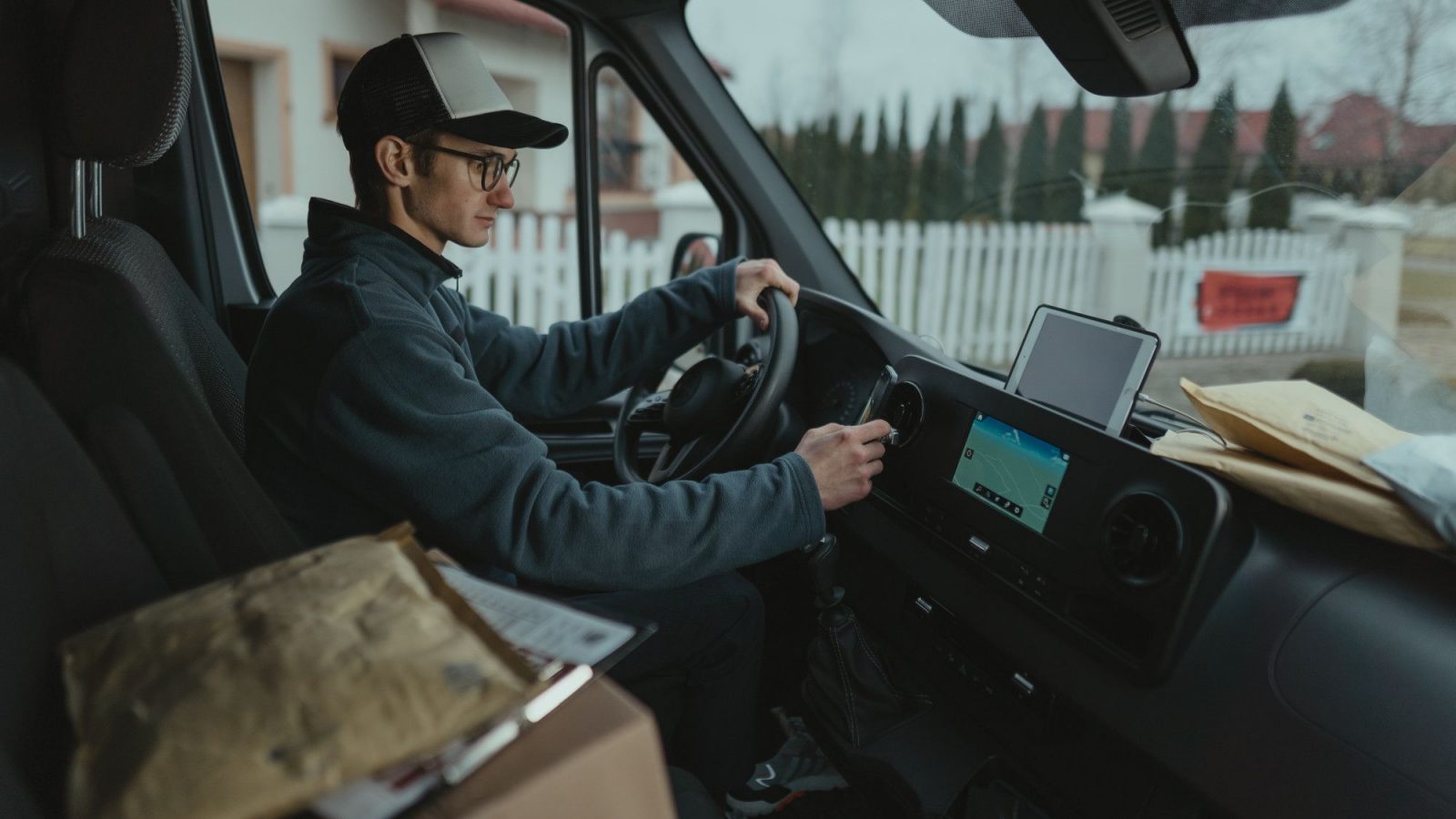
Can smart loading zones reduce parking-related traffic congestion by 20% while speeding up last-mile deliveries? The city of Pittsburgh is about to find out.
The costs to drivers are significant. Nearly 60% of respondents said they often have to pay for parking through a meter, adding up to two minutes to each delivery, and the cost associated with the meter’s fee.
“Like circling for parking, dealing with a meter can add a major chunk of time to a driver’s total delivery. Also, when drivers use a meter, they often end up paying a 30-plus-minute parking fee for just three to five minutes spent at the curb,” Merchant said.
Getting into the gig economy
Pittsburgh will study whether the pilot will reduce traffic congestion, double parking and generate additional revenue by increasing parking turnover. The city will also look at safety for both drivers and pedestrians and delivery efficiency.
“Additionally, this technology allows a city to get full visibility into ongoing activity at the curb and develop dynamic, equitable policies that are reflective of real-time multimodal demand,” he added.