The UK Emissions Trading Scheme (UKETS)Authority has unveiled it is consulting on proposals to expand the scheme and include emissions from the maritime sector and recognize non-pipeline transport methods, such as shipping, road, or rail, for moving captured carbon into geological storage.
Launched in 2021, the UK ETS supports the UK’s decarbonization efforts across aviation, power, and industry by setting a cap on emissions, with tradeable allowances that create a carbon price, incentivizing businesses to reduce their emissions.
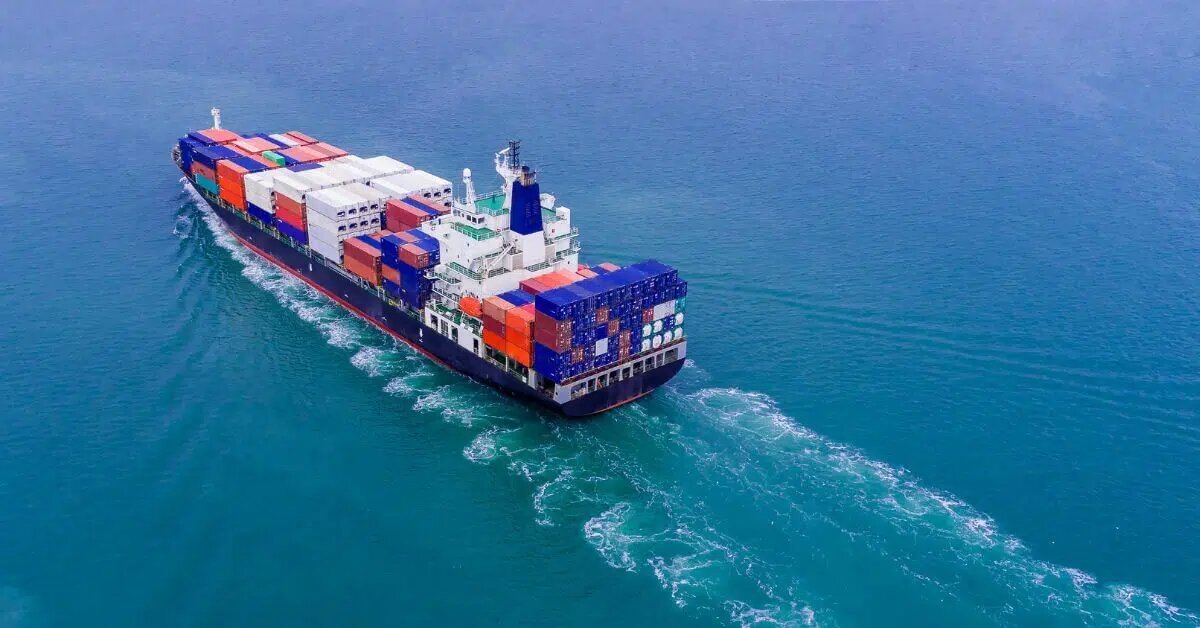
The scheme is set to expand to include the maritime sector, requiring businesses with ships operating on domestic voyages to obtain allowances for every tonne of carbon emitted. This will ensure that the cost of fuels used in the sector more accurately reflects their environmental impact, according to the authority.
The UKETSAuthority has also confirmed that it will make changes to free allocation rules to ensure participants who permanently cease their operations cannot benefit from surplus free allowances in their final year. This will ensure their free allocation in their final year is proportionate to their activity levels.
The changes include an exemption for sites ceasing activity to decarbonize. This will help support the UK ETS’s objective of incentivizing a move to more carbon-efficient production across the industrial sectors.
Furthermore, the UK ETS Authority noted that carbon capture and storage will be crucial for achieving net-zero targets, especially for energy-intensive sectors such as steel, cement, and chemicals.
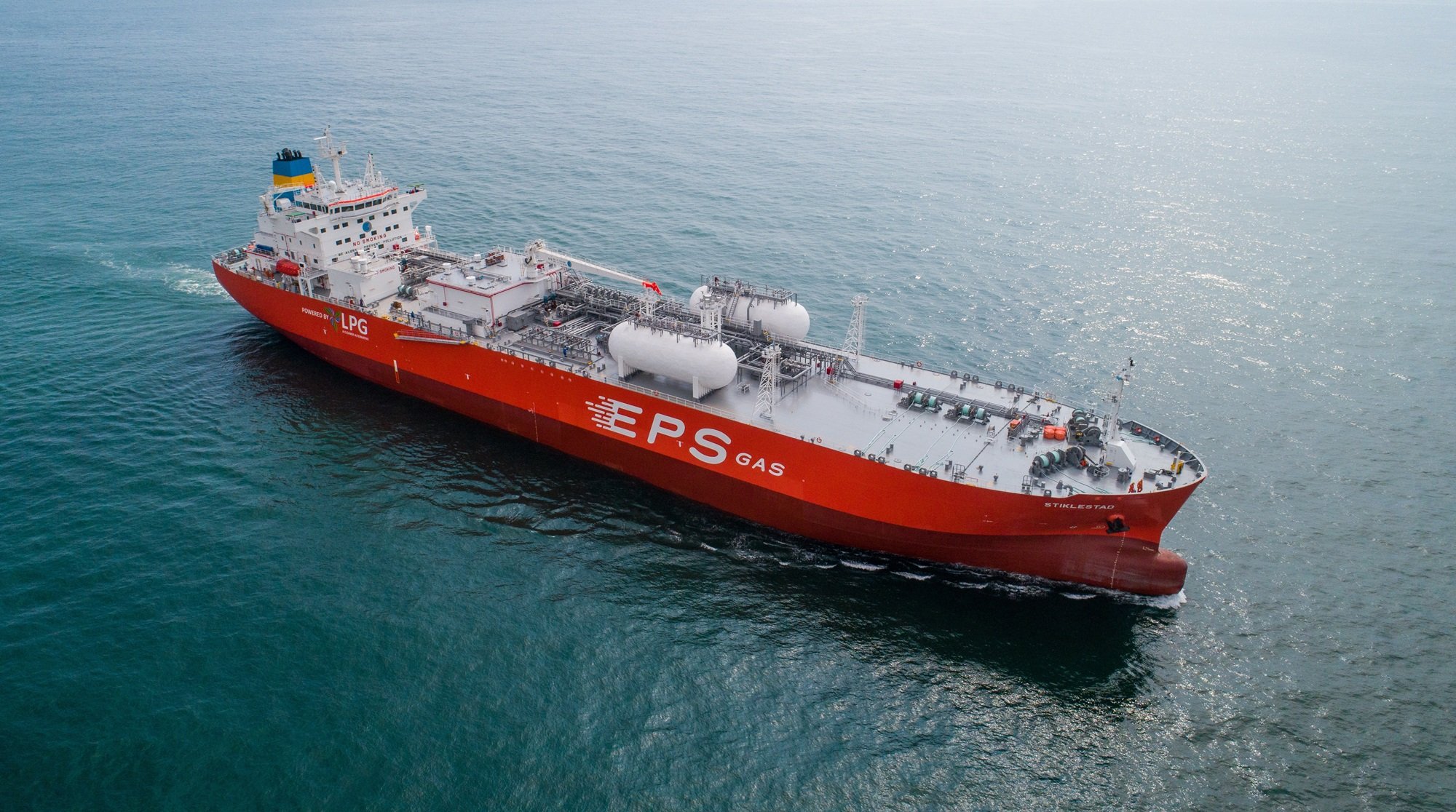
Sites without direct pipeline connections will require alternative transport options, such as road, rail, or ship, to access carbon capture and storage technology.
Recognizing this within the UKETSwill ensure that operators transportingCO2for storage can deduct the amount they send to storage from their reportable emissions, providing economic support for industrial sites without access to pipelines, it was highlighted.
“Expanding the UKETSto include maritime and recognising non-pipeline transport for carbon capture and storage will encourage investment into clean technologies, a vital growth industry in the UK,” in a joint statement, UK Emissions Trading Scheme Authority ministers, Sarah Jones, Huw Irranca-Davies, Gillian Martin, Andrew Muir, James Murray, and Mike Kane, said.
The publications build on previous commitments to consult on the expansion of the scheme. The two consultations cover:
Proposed changes would come into effect from 2026.
In 2023, the UK ETS Authority announced a package of reforms to tighten limits on industrial, power and aviation emissions, including shipping. The authority is made up of the UK Government, the Scottish Government, the Welsh Government and the Department of Agriculture, Environment and Rural Affairs for Northern Ireland.
The EU ETS is the cornerstone of the European Union’s efforts to combat climate change and reduce greenhouse gas (GHG) emissions. Launched in 2005, it is the world’s largest carbon market and operates on a “cap-and-trade” principle.
In July 2021, as part of the Fit for 55 package — a set of proposals to reduce the EU’s GHG emissions by 55% by 2030 (compared to 1990 levels) — the European Commission proposed to include shipping in the EU ETS. This proposal aims to reduce emissions from the maritime sector, which is responsible for about 3-4% of global CO2 emissions.
While maritime shipping is an essential part of international trade, it remains one of the most carbon-intensive sectors.