1. Port Overview
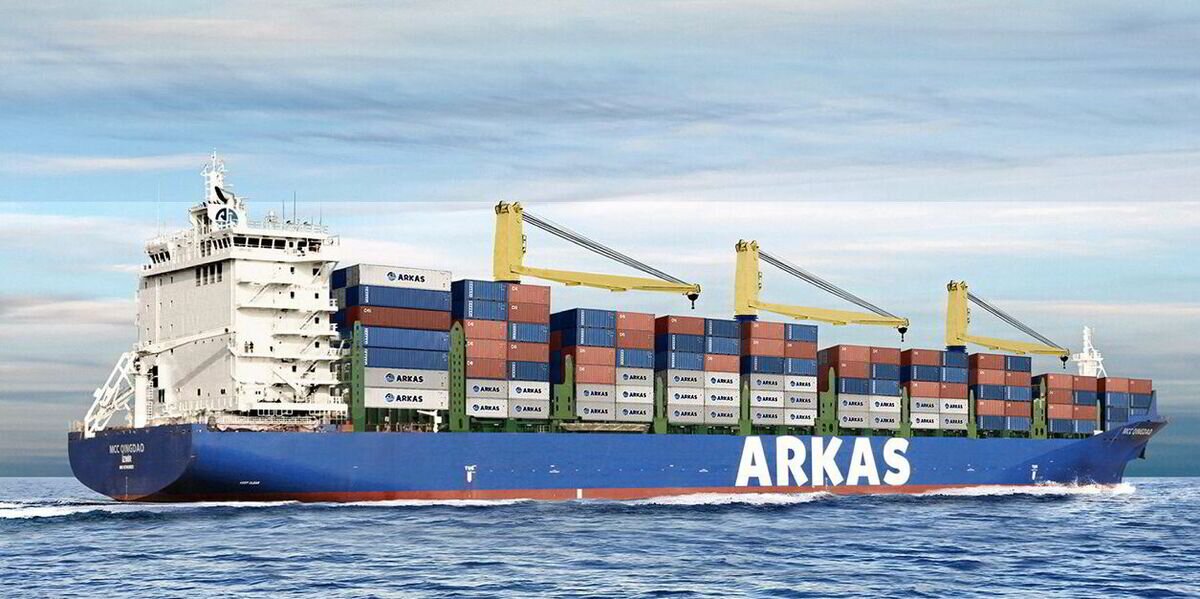
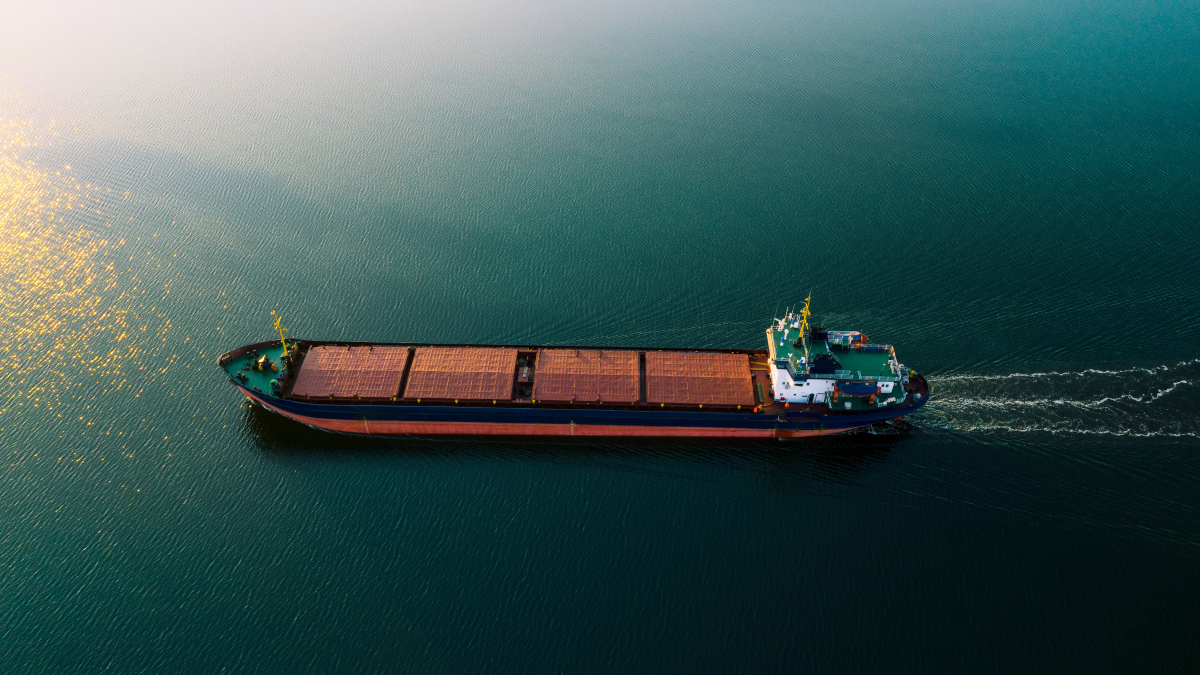
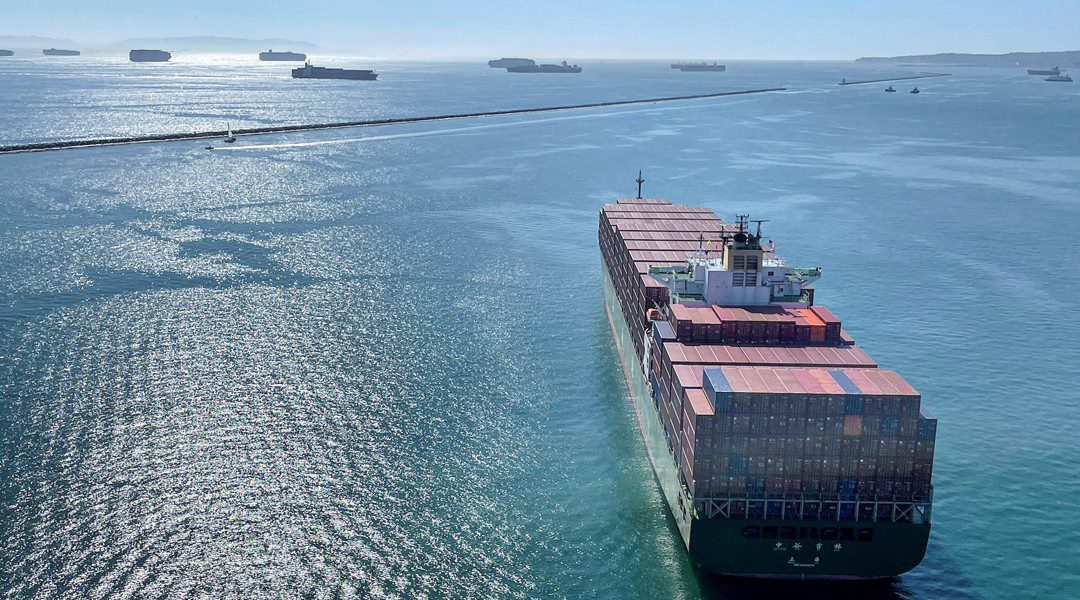
Haeju Port is a strategically important maritime facility in the Democratic People’s Republic of Korea (DPRK), located at approximately 38°01’N, 125°43’E in the Yellow Sea. The port serves as a critical hub for domestic trade and limited international commerce, handling general cargo, bulk carriers, fishing vessels, and occasional passenger transport. Managed by the DPRK’s Maritime Administration Bureau under the Ministry of Land and Maritime Transport (MLMT), the port features:
– Natural harbor depth: 8-12 meters (main channel dredged to 10.5 meters)
– Maximum vessel size: 20,000 DWT
– Total berths: 12 (including 3 deep-water berths for international vessels)
– Main terminals: General Cargo Terminal, Bulk Terminal, Fishing Terminal
– Annual throughput capacity: Approximately 3.5 million tons
2. Port Rules and Regulations
2.1 Vessel Entry and Clearance
– Mandatory pre-arrival notification 72 hours prior to entry for all foreign vessels (MLMT Regulation 2018-04)
– Required documents: IMO number, crew list (with passport numbers), cargo manifest, last port of call, ship’s certificates (valid for at least 3 months)
– Health inspections conducted by DPRK Quarantine Authority (per DPRK Quarantine Law Article 15 and International Health Regulations 2005)
– Radio silence enforced within 5 nautical miles (VHF channels restricted to port operations only)
– Special permits required for military, research, or nuclear-powered vessels (DPRK Maritime Security Decree 12)
2.2 Navigation and Berthing
– Compulsory pilotage for vessels >500 GT (Haeju Port Authority Ordinance No. 5-2019)
– Speed limits: 5 knots (general area), 3 knots (congested zones), 2 knots (during bunkering)
– Designated anchorage areas: North Anchorage (38°03’N, 125°45’E) and South Anchorage (37°59’N, 125°42’E)
– Tug requirements: Mandatory for vessels >150m LOA or carrying hazardous materials (2 tugs minimum)
– Night navigation prohibited 2000-0500 local time without special permission
– Berth allocation priority: 1) State vessels, 2) Humanitarian aid, 3) Commercial vessels
2.3 Cargo Operations
– Hazardous materials classification follows IMO Dangerous Goods Code (adopted by MLMT 2017)
– Customs inspection requirements: 100% examination for certain goods (electronics, machinery, chemicals)
– Labor safety standards: DPRK Labor Safety Act Chapter 4 (mandatory safety harnesses for heights >2m)
– Dust control: Water spraying required for bulk operations exceeding 4 hours
– Container weight verification: SOLAS VI/2 compliance with certified weighbridge at terminal 3
– Prohibited cargo: Weapons, narcotics, religious materials, unapproved publications
2.4 Crew and Personnel Regulations
– Shore leave strictly prohibited without Port Security Bureau escort (24-hour notice required)
– Crew changes permitted only at designated facility (West Quarantine Dock) with MLMT approval
– Medical requirements: Yellow Fever vaccination (if from endemic regions), valid medical certificates
– Crew documentation: Seafarer’s identity documents must be surrendered to port authorities during stay
– Emergency contact: VHF Channel 16 monitored 24/7 by Port Security
3. Compliance and Enforcement
3.1 Inspection Regime
– PSC inspections conducted by MLMT with focus on:
• SOLAS (life-saving appliances, fire safety)
• MARPOL (oil record book, sewage treatment)
• ILO MLC (crew accommodations, working hours)
– Inspection frequency: High-risk vessels (every visit), others (minimum annual)
– Common deficiencies: Fire safety (32%), navigation equipment (28%), documentation (22%)
3.2 Penalties and Sanctions
– Unauthorized entry: $10,000 fine + possible vessel detention (MLMT Decree 12-2018)
– Environmental violations:
• Oil discharge: $50,000 minimum + cleanup costs
• Sewage violation: $5,000 per incident
– False declarations: 5x cargo value or vessel detention
– Illegal fishing: Vessel confiscation + criminal charges (Fisheries Law Article 12)
– Bribery attempts: Automatic vessel seizure + crew detention
4. Safety and Emergency Procedures
4.1 Vessel Safety Requirements
– Life-saving appliances: SOLAS Chapter III compliant, monthly drills logged
– Firefighting: Minimum 2 systems per vessel (fixed + portable), crew certification required
– Navigation equipment: Functional AIS, radar, and updated charts mandatory
– Mooring: Double lines required during storms (wind > Beaufort 6)
4.2 Port Safety Infrastructure
– Fire stations: 3 locations (main terminal, oil terminal, administration building)
– Emergency response: 24/7 teams with 5-minute response time guarantee
– Navigation aids: 12 lighted buoys (IALA Region A), 2 lighthouses (Haeju Light: Fl.10s 25m 15M)
– Security: Armed patrols, CCTV coverage of all operational areas
5. Technical and Environmental Standards
– Ballast water: IMO D-2 standard required for international vessels
– Air emissions: 0.5% sulfur cap (0.1% in port waters)
– Waste management: No overboard discharge (all waste to port reception facilities)
– Noise control: Engine mufflers required during night hours (2200-0600)
6. Operational Information
– Port working hours: 0800-1800 (extended with overtime payment)
– Bunkering: Available at Berth 7 (IFO 180/380, MGO)
– Fresh water: Available at all berths (prior notice required)
– Repair services: Limited to minor repairs (no dry dock available)