On July 1, the Yangtze River Maritime Safety Administration, in collaboration with the Hubei Provincial Port and Shipping Development Center, Jianghan District People’s Government, Wuhan Rules and Research Institute of China Classification Society, China Changjiang National Shipping Group Corporation (referred to as “Changjiang Shipping Group”), and other government, enterprise, and academic institutions, held a “Special Seminar on the Construction of a Joint Training Base for New Energy Ship Crews” in Wuhan. During the event, the first joint training base for new energy ship crews on the Yangtze River was officially inaugurated. Attendees included Li Shigang, Deputy Director of the Yangtze River Maritime Safety Administration; Li Zegang, Deputy Director of the Hubei Provincial Port and Shipping Development Center; Yu Jianqing, Deputy District Mayor of Jianghan District; Gan Shaowei, Director of Wuhan Rules and Research Institute of China Classification Society; Xu Baomin, Deputy Party Secretary of Changjiang Shipping Group; and Li Zengzhong, Deputy General Manager of Changjiang Shipping Group.
The seminar focused on the theme of “Collaborative Innovation Among Government, Enterprises, Schools, and Research Institutions to Build a New Ecosystem for New Energy Ship Crew Training.” Representatives from government agencies, shipping companies, research institutions, vocational schools, and shipbuilding enterprises shared insights based on their experiences in technological R&D, talent cultivation, and industrial practices to enhance the effectiveness of new energy ship crew training.
During the event, the Yangtze River Maritime Safety Administration, Hubei Provincial Port and Shipping Development Center, Jianghan District People’s Government, Wuhan Rules and Research Institute of China Classification Society, and Changjiang Shipping Group jointly inaugurated the “New Energy Ship Crew Joint Training Base” and signed a cooperation agreement. Crew training sites were also established on new energy vessels such as the “Changhang Jiahai,” owned by Changjiang Shipping Group.
Currently, the rapid development of new energy fleets—powered by LNG, methanol, hydrogen fuel, and pure electricity—has created new demands and challenges for building a high-quality, professional crew proficient in the safe operation and emergency management of new energy vessels. As China’s largest inland shipping enterprise, Changjiang Shipping Group has integrated resources from river-sea intermodal transport, cruise tourism, crew services, and crew education and training. By collaborating with relevant parties, the group aims to develop a new energy ship crew training model that aligns with the evolving shipping industry and safety requirements, supporting the construction of the “New Energy Ship Crew Joint Training Base.”
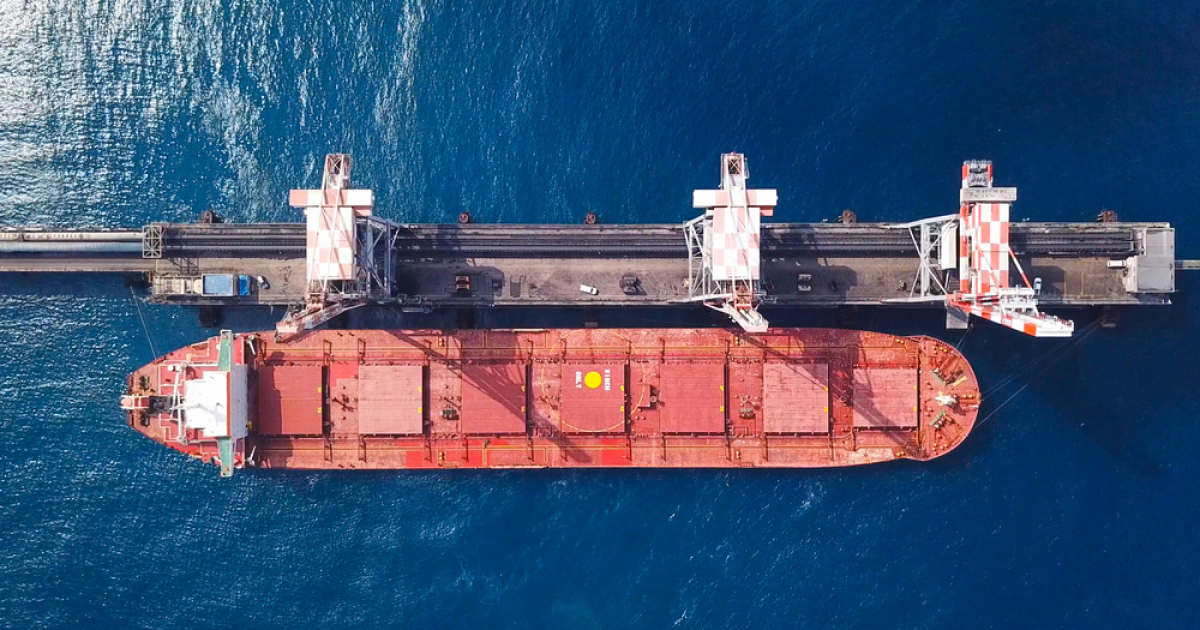
Changjiang Shipping Group’s self-developed “Changhang Jiahai,” China’s first 14,000-ton LNG swap-container clean-energy river-sea direct dry bulk carrier.
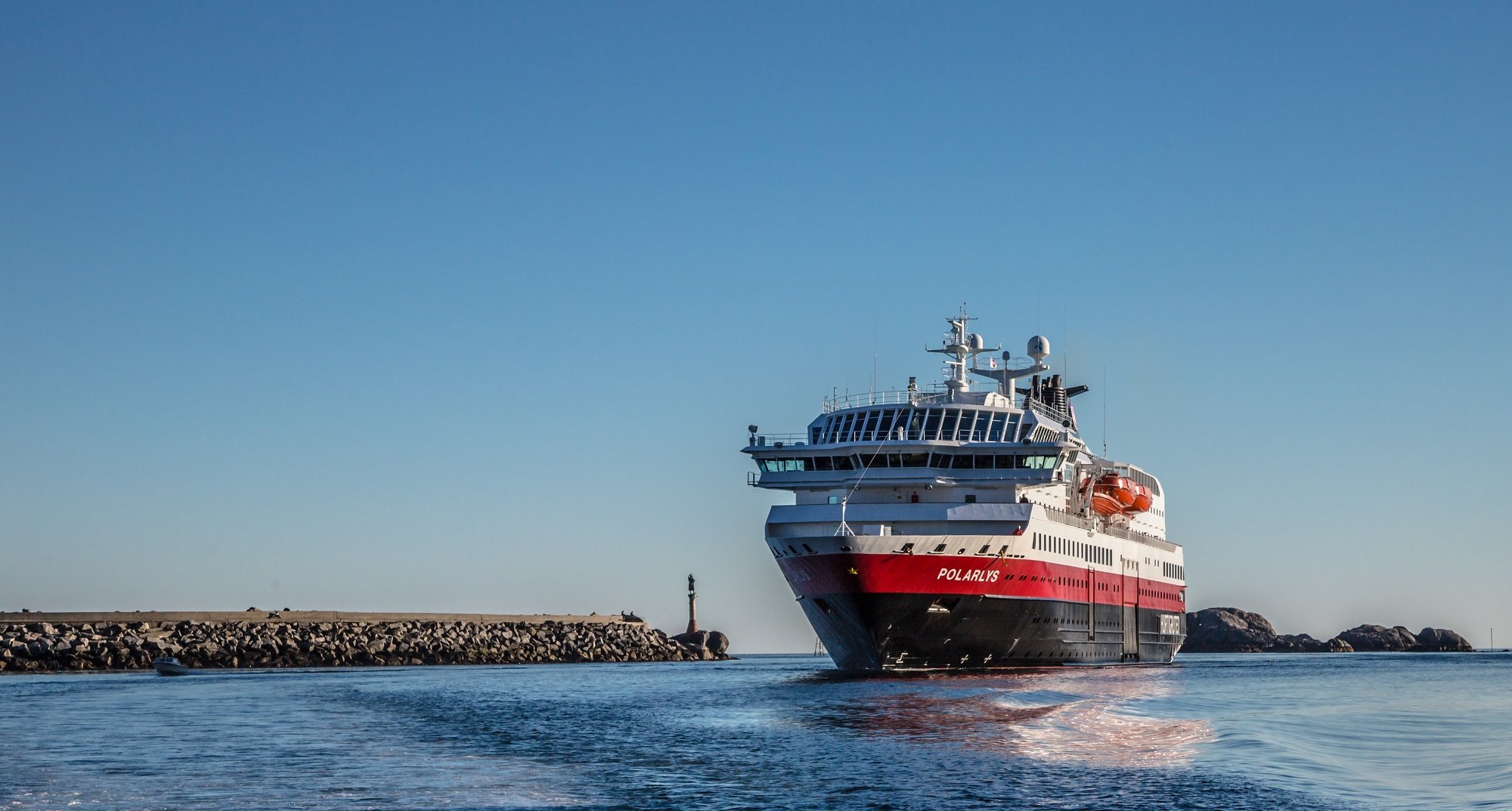
The self-developed “Changhang Freight 005,” a new-generation 130-meter pure LNG-powered bulk carrier for the Yangtze River.
The base aims to become a “national hub for new energy crew training,” a “cradle for green shipping talent on the Yangtze River,” and a “demonstration window for inland crew transformation.” Leveraging an integrated training ecosystem encompassing “theoretical instruction, simulation training, hands-on vessel operation, and employment services,” the base is projected to train 2,000 new energy crew members annually by 2027. Located in Huijiang Tower, a “specialized shipping industry building” in Jianghan District owned by Changjiang Shipping Group, the base will serve as Hubei’s first comprehensive shipping industry platform combining “Seafarers’ Home, industrial collaboration hub, and seafarer cultural landmark.” This initiative will consolidate industrial resources to position Wuhan as a leader in regional development.
Yu Jianqing noted that Jianghan District, leveraging its strategic location along the Yangtze River’s golden waterway, is home to numerous shipping and logistics enterprises, making it a key node in building the middle Yangtze shipping hub. The district will strongly support the base’s development to contribute to the green, high-quality growth of the Yangtze Economic Belt.
Li Zegang emphasized that Hubei Province is advancing initiatives like “Electrifying the Yangtze,” “Gasifying the Yangtze,” and “Hydrogenizing the Yangtze,” accelerating breakthroughs in green propulsion technologies and enhancing the green and smart shipbuilding industry. The establishment of the joint training base is a vital step in implementing ecological protection measures for the Yangtze Economic Belt.
Li Shigang called on all parties to elevate their political stance and recognize the strategic importance of new energy crew training. He outlined three key goals: building a “comprehensive” training system, overcoming “bottleneck” technologies, and innovating “market-driven” operational mechanisms to create a national-level demonstration base. He also stressed deepening collaboration among government, enterprises, schools, and research institutions to pool resources for high-quality development. Five measures were highlighted: party-building leadership, standards development, safety compliance, digital empowerment, and open cooperation to ensure the base’s success. He expressed hope that, through collective efforts, the Wuhan New Energy Ship Crew Joint Training Base would become a national hub for new energy ship talent, a “cradle” for green shipping in the Yangtze Economic Belt, and a “demonstration window” for inland crew transformation nationwide.