According to WAM News, leveraging its strategic geographical advantages, forward-looking legislation, and strategic investments, the UAE has emerged as a leading global maritime hub, setting an example in maritime sustainability, advanced infrastructure, and sound governance.
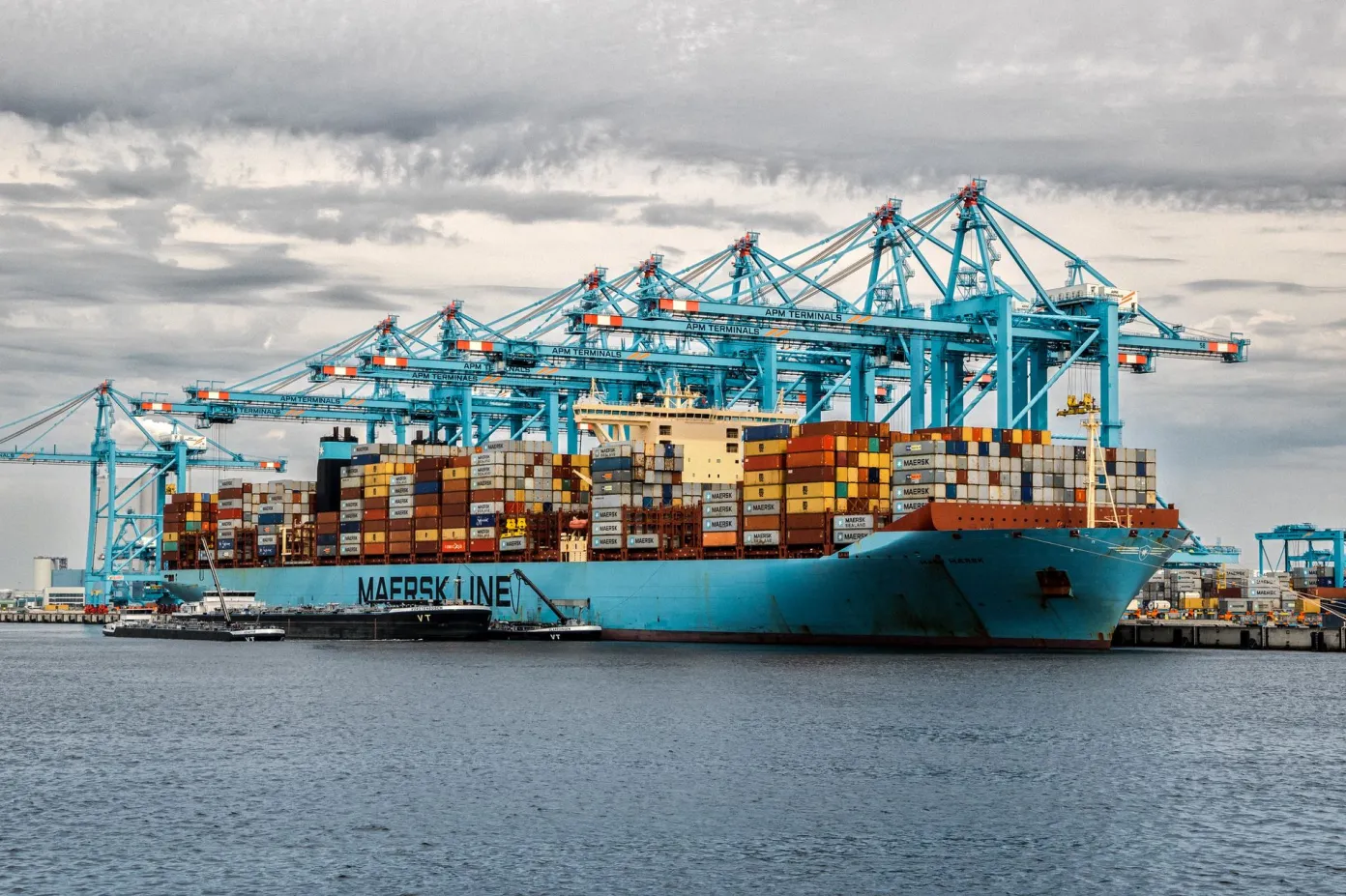
In 2023, UAE ports handled a container throughput of 21 million TEUs, with the maritime sector contributing approximately AED 135 billion to GDP. The UAE actively participates in shaping international maritime policies, driving updates to legal frameworks and regulations for autonomous vessels, thereby enhancing regional governance standards.
**UAE: The Crossroads of Land and Maritime Silk Roads, Bridging China and the Middle East**
In talent development, the UAE has established multiple maritime academies and training programs, producing around 500 professional seafarers and engineers while supporting women’s participation in the maritime industry. On environmental protection, the UAE has implemented the “2050 Net Zero Strategy,” promoting green energy supply for ports and decarbonizing shipping.
The UAE is also a pioneer in maritime digitalization and smart systems, launching numerous innovative projects to enhance logistics efficiency and reduce carbon emissions. Its maritime investments span 78 countries, with operations in 106 ports worldwide, strengthening global trade connectivity.
As an active member of the International Maritime Organization (IMO), the UAE is committed to advancing shipping decarbonization and refining international regulations, actively participating in multiple global conferences to demonstrate its leadership in the maritime sector.