The current global economic and geopolitical landscape is shaped by several fundamental uncertainties. Tensions between Israel and Iran, particularly over the Strait of Hormuz, pose risks to regional stability and energy supply routes. Similarly, Houthi activities in the Red Sea threaten shipping through the Suez Canal. While oil sanctions continue to disrupt global energy markets, the U.S.’s evolving import tariffs further complicate international trade dynamics. Additionally, uncertainties surrounding China’s GDP growth raise doubts about the strength of the global economic recovery.
Based on Veson Nautical’s forecast data, the Q3 2025 Maritime Market Outlook Report provides a quarterly summary of how this uncertainty may impact the tanker, bulk carrier, container, and gas sectors.
### **Tankers**
Geopolitical risks, sanctions, and shifting trade flows—particularly due to tensions in the Red Sea and the EU’s ban on Russian oil—continue to drive volatility in tanker prices and increased ton-mile demand.
Tanker utilization is supported by long-haul crude oil trade rerouted from the Atlantic to Asia. However, it faces challenges from new vessel deliveries, improved fuel efficiency, and declining global oil demand.
While regulatory pressures such as the EU ETS and IMO decarbonization targets may balance this trend, low scrapping levels, a growing orderbook, and rising deliveries are expected to result in fleet growth outpacing demand after 2025.
### **Bulk Carriers**
Although low ordering activity in recent years has reduced the bulk carrier orderbook, supporting relatively modest supply growth and a healthier market balance, demand uncertainty persists due to tariffs and trade disruptions.
China’s economic challenges—particularly its struggling real estate sector and export dependency—are expected to soften dry bulk import demand in 2025, negatively impacting market balance.
Longer-term, ton-mile demand is projected to grow due to new trade routes, such as increased iron ore shipments from Guinea to China following the opening of the Simandou mine in 2026.
Ongoing geopolitical tensions, especially the potential resumption of Houthi attacks in the Red Sea, may continue rerouting vessels, adding approximately 1% more ton-miles and supporting freight rates.
### **Containers**
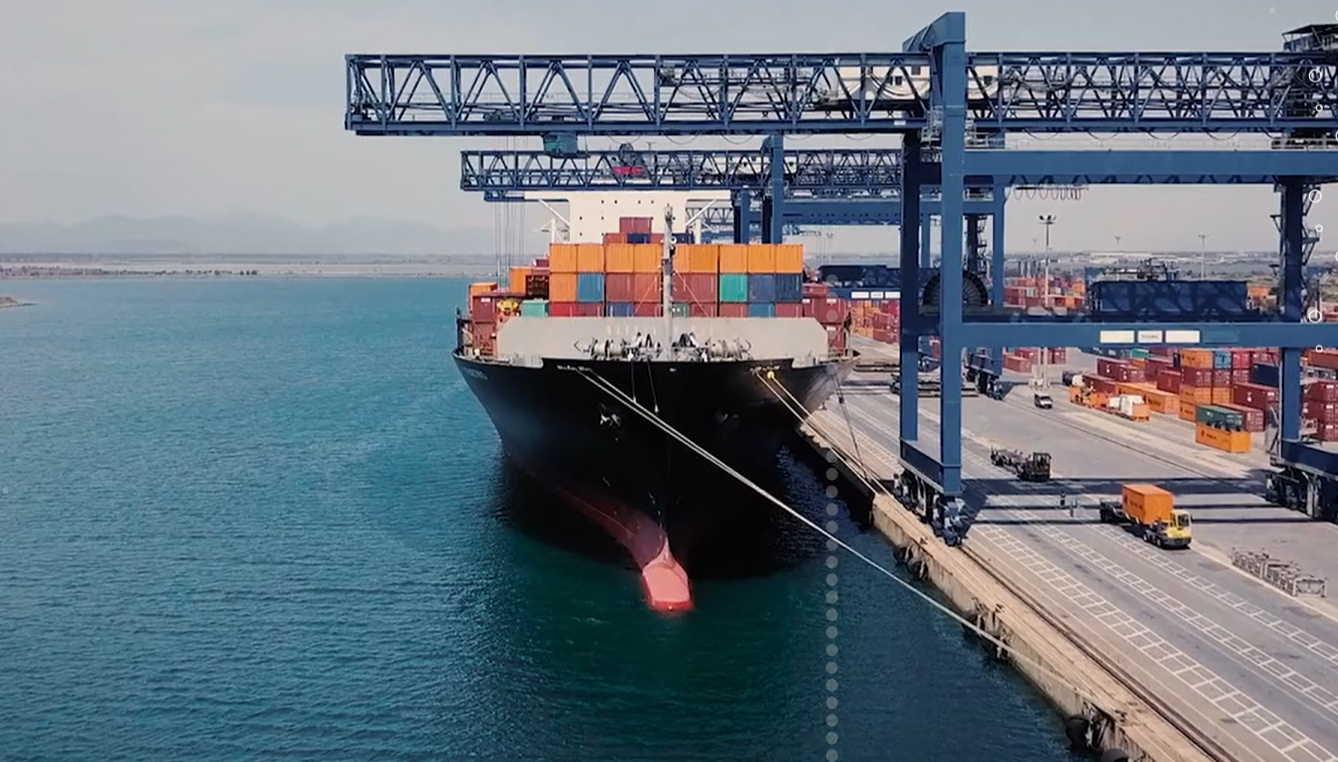
Despite stable freight rates in 2024 and early 2025, rates are expected to decline steadily from mid-2025 as vessel supply outpaces demand and idle capacity rises.
Net fleet growth remained strong at 5.5% in 2023 and 9.7% in 2024, with an average annual growth of 8.2% projected from 2025 to 2028 due to recent high ordering activity.
Record ordering in 2024—reaching approximately 4.3 million TEU—pushed the orderbook-to-fleet ratio to 31.1%, with preferences shifting from New-Panamax to ULCVs due to route changes.
Scrapping activity remains low, but a moderate increase is expected, particularly for smaller vessels under 3,000 TEU, as older ships become less economical to operate amid declining freight rates.
Container ordering surged during the pandemic and again in 2024 due to Red Sea disruptions but slowed sharply in 2025. High orderbook levels and elevated newbuild prices are expected to constrain future orders and ease shipyard capacity pressures.
### **Gas**
U.S. LPG production increased by 5.9% in 2024 and is projected to grow by 4.2% in 2025. Export growth is expected to slow in 2025 due to terminal capacity constraints but accelerate from 2026 onward.
The VLGC fleet expanded by 10.9% in 2024, with an average annual growth of 7.3% projected through 2028. While recent strong orders may pressure earnings despite healthy demand, scrapping rates remain low due to a young fleet.
Medium-sized LPG vessels show robust fleet growth (~10.8% annually), while smaller vessels face limited orders and aging fleets, leading to higher scrapping rates in this segment.
VLGC earnings averaged around $43,300/day in 2024 but are expected to decline in 2025 due to slowing export growth, recover briefly in 2026 with terminal expansions, and then fall again through 2027-28 due to fleet growth. Panama Canal transit conditions remain stable but are sensitive to seasonal water levels.
Petrochemical gas trade faces oversupply and weak demand due to commercial uncertainties (especially U.S.-China tensions), though intra-Asian regional trade and macroeconomic recovery could support volume rebounds in the medium term.
### **7DENIZ**