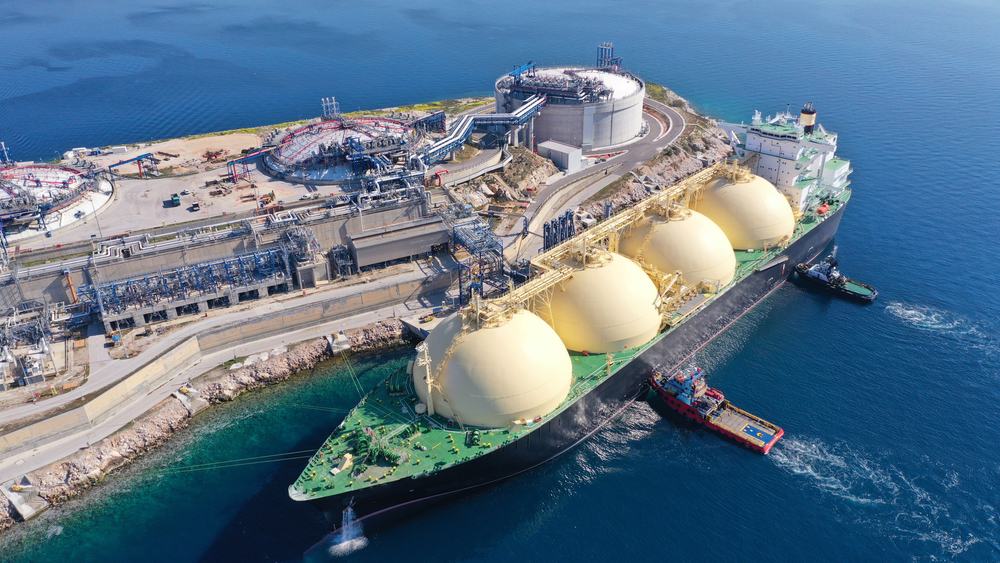
Since the beginning of the year, sanctions against Russia for its invasion of Ukraine have intensified significantly, with a particular focus on dark fleet tankers that facilitate both Russian and Iranian oil exports. For the global shipping and logistics industry, these sanctions impose a heavy burden on commercial operations. Companies must understand the rules and assess their implications for daily trade. Additionally, sanctions violations pose unique challenges to maintaining fair market competition.
In January, Lloyd’s List estimated that the three primary sanctioning bodies—the United States, the United Kingdom, and the European Union—had blacklisted 35% of an estimated 669 dark fleet tankers transporting Russian and Iranian oil. This figure includes 143 tankers sanctioned by the U.S. Treasury’s Office of Foreign Assets Control (OFAC) on January 10. On May 9, the UK added another 99 tankers to its sanctions list, with Prime Minister Starmer later claiming the UK had targeted more dark fleet tankers than any other nation. The EU’s recently announced 18th sanctions package against Russia included 105 additional tankers in its dark fleet listings. Canada has also joined the sanctions effort. Last week, the UK’s National Crime Agency estimated that 400 dark fleet tankers have now been sanctioned and issued a specific warning to insurance and financial firms providing coverage for dark fleet shipments.
Evaluating the effectiveness of sanctions regimes is challenging. Legitimate companies eager to comply will self-enforce, while those considering deliberate violations must weigh the risks of detection and the penalties if caught. Thus, the number of penalties imposed by any jurisdiction indicates enforcement effectiveness but does not tell the full story.
In the U.S., OFAC issued 12 civil penalties in 2024, totaling $48.8 million in fines. So far in 2025, OFAC has imposed seven fines amounting to $235.88 million, signaling a significant escalation in enforcement.
In the UK, sanctions enforcement falls under the Office of Financial Sanctions Implementation (OFSI), a Treasury body with 140 full-time staff divided into Engage, Enhance, and Enforcement teams. OFSI investigated 396 cases in 2023-24 and issued 18 warning letters. However, only one company was fined—yielding a mere $20,000 for the cash-strapped government. Dr. Helen Taylor of the Spotlight on Corruption advocacy group described the UK’s sanctions regime as “all bark and no bite.”
In Europe, the European Commission oversees an EU-wide sanctions system and maintains a unified database across all 27 member states. It also encourages partner nations to align with its framework. However, within the Commission’s relevant directorates, there is recognition that while the rules are ambitious, enforcement often falters because it remains the responsibility of individual states—some of which do not support Brussels’ targeting, and nearly half of which have not criminalized sanctions evasion. In 2024, the Netherlands, Latvia, Hungary, and Germany were known to have prosecuted sanctions violators, but the overall effectiveness of EU enforcement remains difficult to assess.
Enforcement remains a clear issue when dark fleet tankers continue to dock, unload, and receive shipping services even in nations closely allied with sanctioning powers. Strengthening enforcement will inevitably involve penalizing violations and taking a firmer stance with some friendly nations. This presents diplomatic challenges, as officials typically prefer engagement over confrontation. Aggressive action could also threaten free trade and tariff negotiations—and in some cases, even jeopardize basing rights that the U.S. and UK hold in non-compliant countries.