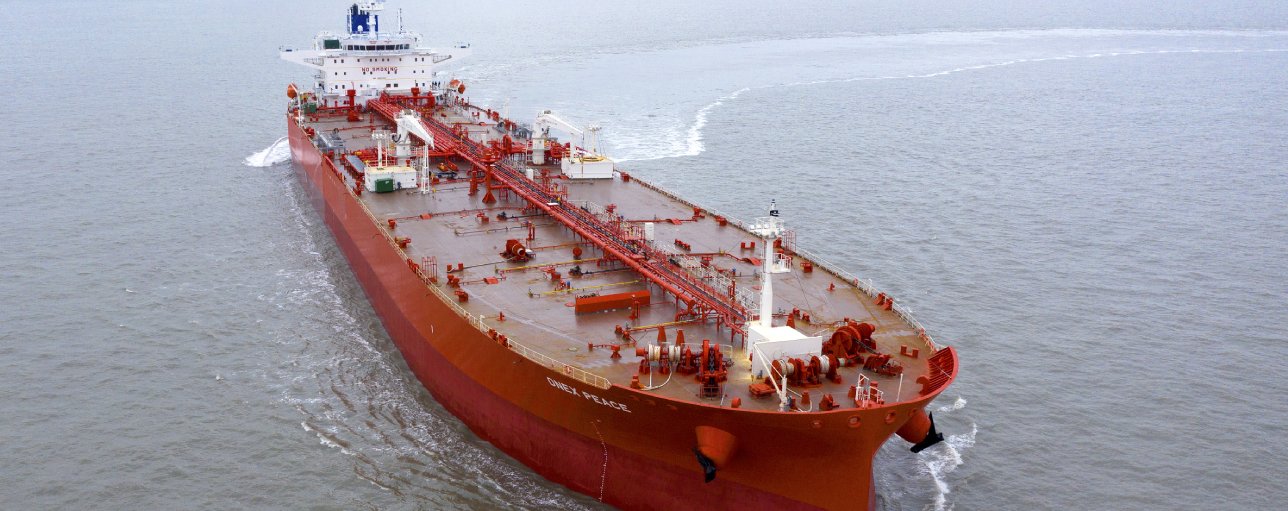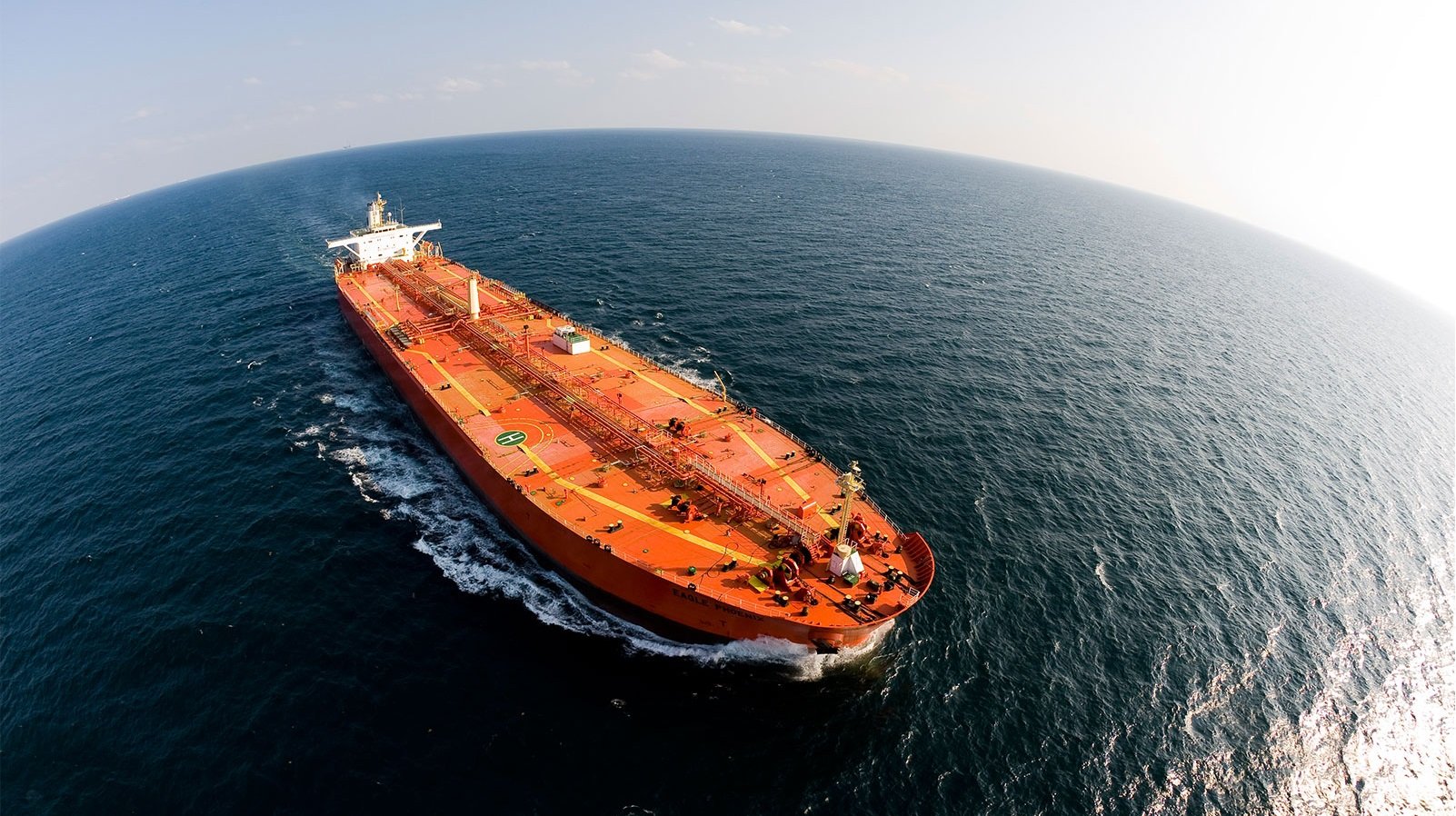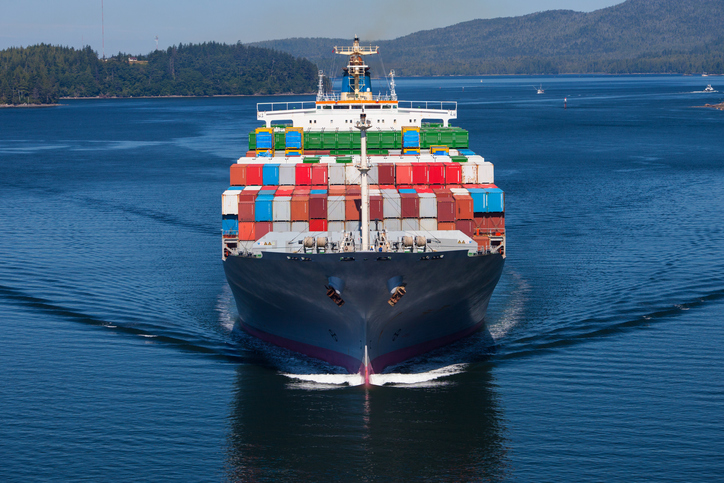
On July 23, the vessel “Ruining 9,” loaded with 53,030 tons of foreign trade industrial raw materials, successfully berthed at Berth 1 of the Langan Operation Area in the Tieshangang East Port Area of Beibu Gulf Port, Beihai. This marks the first time an international vessel has called at the berth since its commissioning, signifying the official commencement of foreign trade vessel operations at Berths 1-2 and South Berths 1-3 in the Langan Operation Area of Beihai Port’s Tieshangang East Port Area.
The “Ruining 9” measures 190 meters in length and 32.26 meters in width, with a deadweight tonnage of 53,457.4 tons. On this voyage from the Philippines to Tieshangang Port, Beihai, Guangxi, China, its berthing officially inaugurated foreign trade operations at all five berths in the Langan Operation Area of Tieshangang East Port Area.
The operation area commenced operations on December 28, 2023, featuring five berths—two 100,000-ton-class and three 5,000-ton-class—with an annual designed throughput capacity of 7.45 million tons. It directly serves enterprises in the Beihai Tieshangang East Port Industrial Zone, Yulin Longtan Port-proximate Industrial Park, and surrounding hinterland areas in western Guangdong. By effectively bridging the “last mile” of cross-border logistics and extending the “port gateway” to the “doorstep” of enterprises, it has established an efficient and convenient logistics channel, injecting new momentum into regional open development.
In the future, the Tieshangang East Port Area will form a synergistic pattern with the West Port Area and Shibuling Port Area, jointly building a smoother open corridor and gateway by radiating inland hinterlands and expanding open frontiers. This layout not only reduces the comprehensive logistics costs of foreign trade goods and enhances regional economic and trade cooperation but also continuously optimizes the stability of supply and industrial chains, helping local enterprises seize opportunities and expand advantages in global trade.
Since the beginning of this year, Beihai Port Area of Beibu Gulf Port has continued to expand its foreign trade business, including new imports of Cambodian cassava chips and the first shipment of sodium sulfate to Thailand. Port-proximate Nine Dragons Paper also welcomed its first shipment of Thai wood chips, while foreign trade cargoes such as potash fertilizer, iron ore, and soybeans have shown steady growth, with year-on-year increases of 372%, 139%, and 16%, respectively. From January to June, the Langan Operation Area of Tieshangang East Port Area handled over 959,000 tons of cargo, a year-on-year increase of over 98.1%, with main cargoes including wood chips, ferroalloys, coiled steel, and equipment. The combined effects of open advantages, channel advantages, and port advantages are accelerating the agglomeration and development of modern maritime industries in Beibu Gulf Port.
Leveraging the open platform and developmental strengths of Beibu Gulf Port, Beihai Port Area has prioritized high-level co-construction of the New Western Land-Sea Corridor, continuously improving port infrastructure (“hard connectivity”) and port construction (“soft connectivity”). Since 2017, it has promoted the construction of 13 berths, including Berths 7 and 8 in the Beimu Operation Area of Tieshangang West Port Area, adding over 30 million tons of cargo throughput capacity. Regular berthing operations for 100,000-ton-class bulk carriers have been achieved, while container vessel handling capacity has risen to the 60,000-ton-class. The port’s cargo throughput capacity, loading efficiency, and service levels have all significantly improved, propelling it into the ranks of ports with annual container throughput exceeding one million TEUs.
Simultaneously, Beihai Port Area has advanced the construction of the Beibu Gulf International Gateway Port, adding 11 newly opened berths, bringing the total to 15. This has helped Tieshangang Port Area secure approval as Guangxi’s first National Import Trade Promotion and Innovation Demonstration Zone. Under the guidance of maritime economy party-building collaboration, the port has enhanced customs clearance efficiency by sharing information and coordinating with customs, maritime, and border inspection authorities, innovatively applying contactless ship health quarantine systems and surface-layer intelligent inspection measures to create a convenient maritime channel. From January to June this year, Beihai Port Area handled 8.544 million tons of foreign trade cargo, exceeding 8.5 million tons for three consecutive years during the same period, solidifying its role as a key node in Beibu Gulf Port’s openness and connectivity.
Currently, Beibu Gulf Port (local) has 85 foreign trade berths and 52 foreign trade container routes, forming a global shipping network connecting North America, South America, Africa, and India, with significantly enhanced international shipping capabilities. The port’s core competitiveness, aggregation support, and radiating influence continue to grow, further consolidating its position as a critical node of the New Western Land-Sea Corridor. Its locational advantages are transforming into developmental strengths, effectively linking the “Belt and Road” initiative and serving domestic and international dual circulation, providing broader space for Guangxi’s integration into global economic and supply chain cooperation.
Moving forward, Beibu Gulf Port Group will leverage its advantages in radiating ASEAN and connecting globally, deeply implement the open-driven strategy, collaborate with port authorities to improve service quality and efficiency, and provide customers with more “door-to-door” one-stop logistics solutions. By optimizing logistics and resource allocation, the group will continuously elevate Beibu Gulf Port’s open capacity and international cooperation level, helping industrial park enterprises better “go global” and “bring in” through the port, and striving to build Guangxi’s new engine of open frontiers and a new highland for maritime economic development.