First bulletin of the Freight Insights Observatory produced by the National Center for Sustainable Mobility
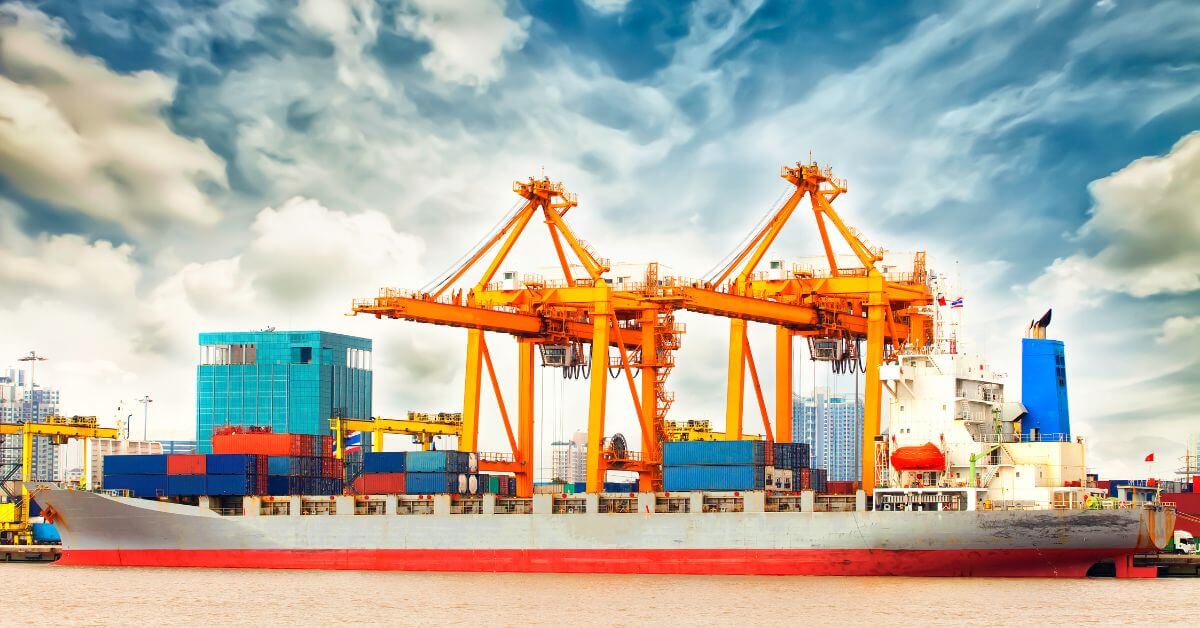
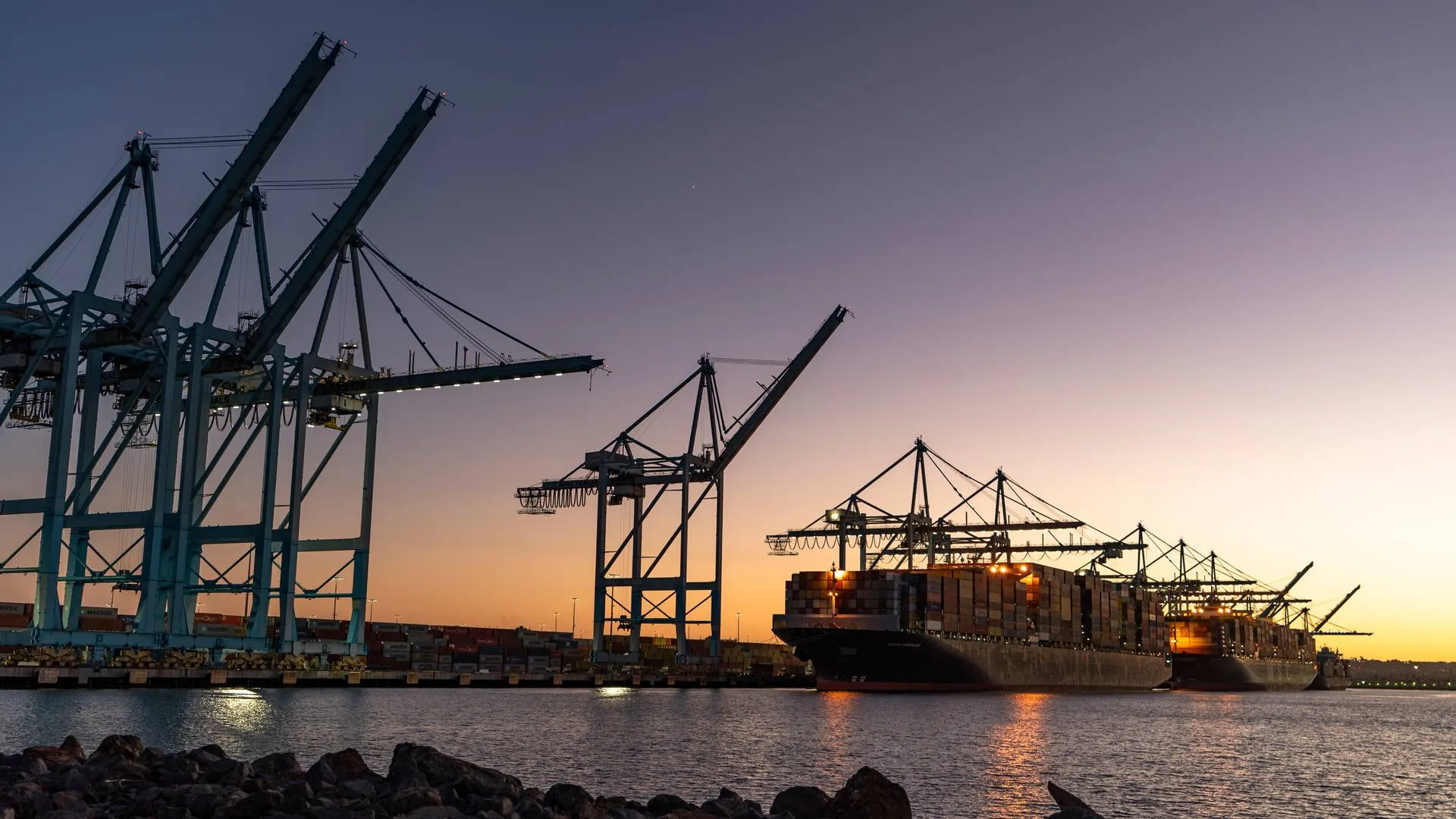
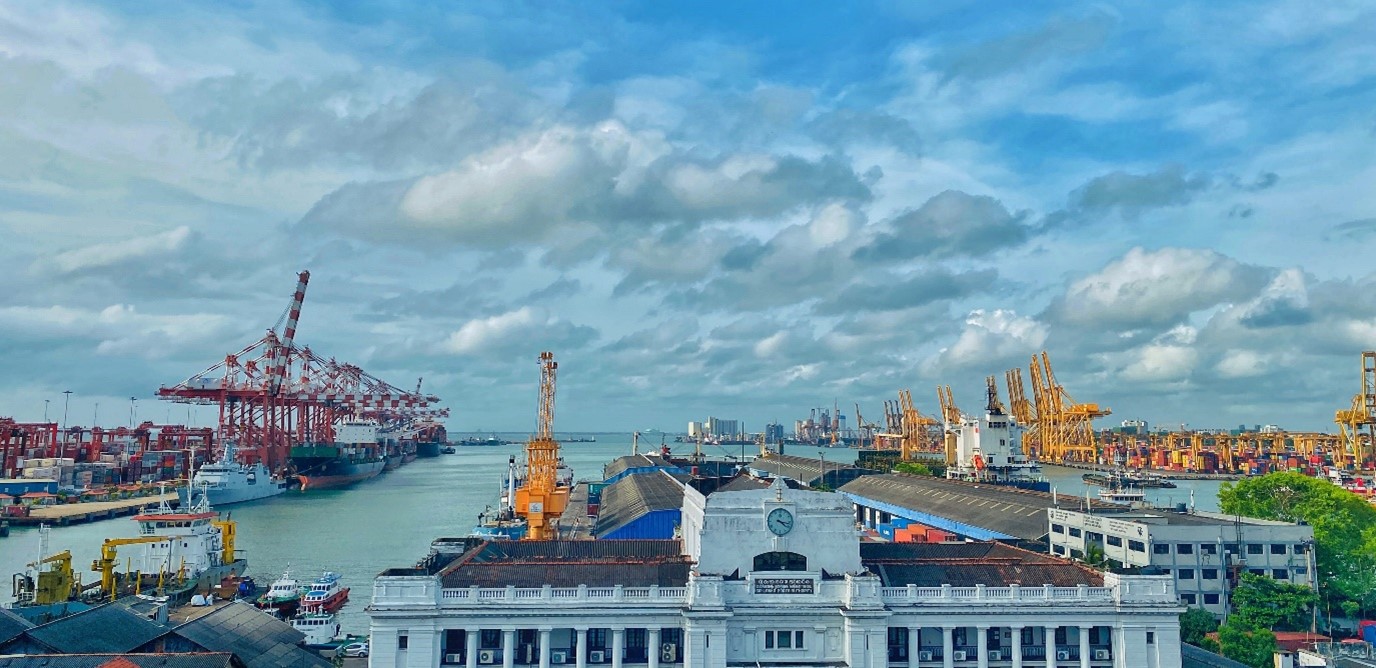
In 2024, Italy confirmed its third-place position in Europe for maritime traffic volumes, with 12.9% of total transported goods passing through an Italian port. This is highlighted in the first bulletin of the Freight Insights Observatory, produced by the National Center for Sustainable Mobility (MOST) in collaboration with the Foundation for the Study of the Economics of Logistics and Infrastructure, which was presented yesterday in Rome at the Senate of the Republic.
The document emphasizes that the logistics and transport sector in Italy is resilient, with an exceptional ability to self-regulate and has demonstrated the capacity to respond to global transformations in recent years. In particular, the research shows how road freight transport tends to be underestimated by official European Union statistics: according to Freight Insights, it ranges between 30.4 and 37.4 billion vehicle-kilometers, roughly double the EU data. Italian highways, the study specifies, continue to represent the backbone of traffic: the capillarity of the network allows companies to quickly reach ports and rail terminals, though significant differences remain between the north and south regarding congestion and multimodal accessibility. In Sicily and Calabria, for instance, the average time to reach rail terminals exceeds 120 minutes.
The Observatory’s survey of a sample of road transport companies further confirms the sector’s vitality, with revenue growth among medium and large enterprises, and identifies significant room for improvement in terms of vehicle load optimization and return trip efficiency: the truck load factor stands at 80% for outbound trips and only 60% for returns. In this context, it emerges that transport sustainability depends not only on the introduction of electric vehicles but also on increased efficiency.
Beyond the relevance of Italy’s maritime transport sector in the European context, the report also notes growth in intermodal traffic at the expense of traditional transport: container traffic (+9.7% in 2024 compared to 2019) and ro-ro traffic (+7.8%) show strong increases. In contrast, solid bulk cargo (-25.2% compared to 2018) has declined sharply, while liquid bulk cargo (-7.7%) shows a smaller drop, reflecting a trend favoring finished products over raw materials. Overall, Italy’s total maritime transport still shows a -3% decline compared to 2018.
Air transport also demonstrates strong vitality, with cargo traffic (1,249,000 tons) increasing by 14.9% in 2024 compared to the previous year. For rail transport, however, the assessment remains pending due to knowledge gaps and the need to rethink measurement units to provide an accurate overview of the sector.
«The report – commented Pasquale Russo,
vice president of Confcommercio-Imprese per l’Italia and president of
Conftrasporto-Confcommercio – confirms the foresight of the choice
to strengthen the research tools of the sector through the
Foundation and the partnership with Most, which fills a gap in
knowledge and analysis of dynamics. Goods are increasingly choosing
the road, and in 2023 traffic increased by
2.2% year-on-year, despite network congestion leading to
longer travel times to logistics hubs, with
an average increase of 30 minutes for 10% of operators, resulting
in a negative impact on the development of intermodality. It once again highlights how shortsighted it was to exclude
road transport from PNRR funds. It is, therefore, necessary
for the government to intervene with a major policy to
strengthen road infrastructure».
«Good – continued Russo – the data from Motorways of the
Sea and containers, which support the steady volumes handled
in our ports, with respective growth between 2024 and 2018 of
+7.8% +9.7%. Our system remains central, considering that
13% of the tons handled by sea in Europe pass through one of
our ports. While it is true that the performance of Italian ports
is overall positive, within the system there is a clear
criticality due to the substantial underutilization
of some container ports (Taranto, Cagliari) and others nearing
saturation levels (Gioia Tauro, Naples, Genoa, Trieste)».
«In rail transport – noted the
vice president of Confcommercio and president of Conftrasporto –
we see two different dynamics: poor in the domestic sector (in ten
years, 34% of volumes have been lost, moving us away in an
almost irreversible manner from European targets), while, under more
attractive market conditions and with more developed
infrastructure, as in international routes, volumes have
grown by about 60%. Aware that ongoing construction will
deliver a much more effective network – pointed out Russo –
it is necessary to consider measures to support
traffic to initiate the modal shift process in
anticipation of the completion of works. Finally, the alarm remains high
regarding the lack of workers in the transport and
logistics sector, an emergency issue for 70% of European companies,
and the investments of over two billion dollars in
artificial intelligence processes applied to
transport deserve reflection».