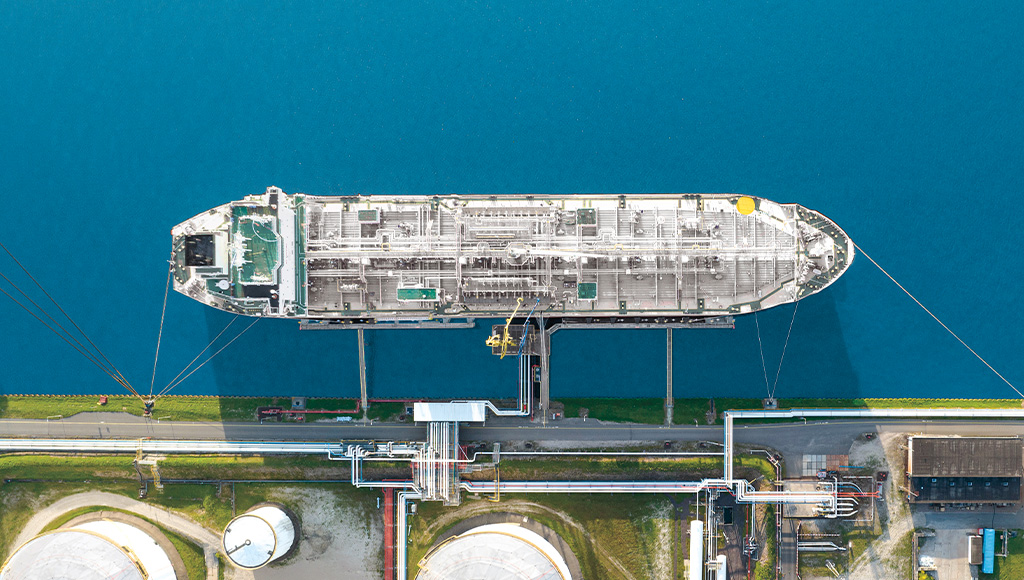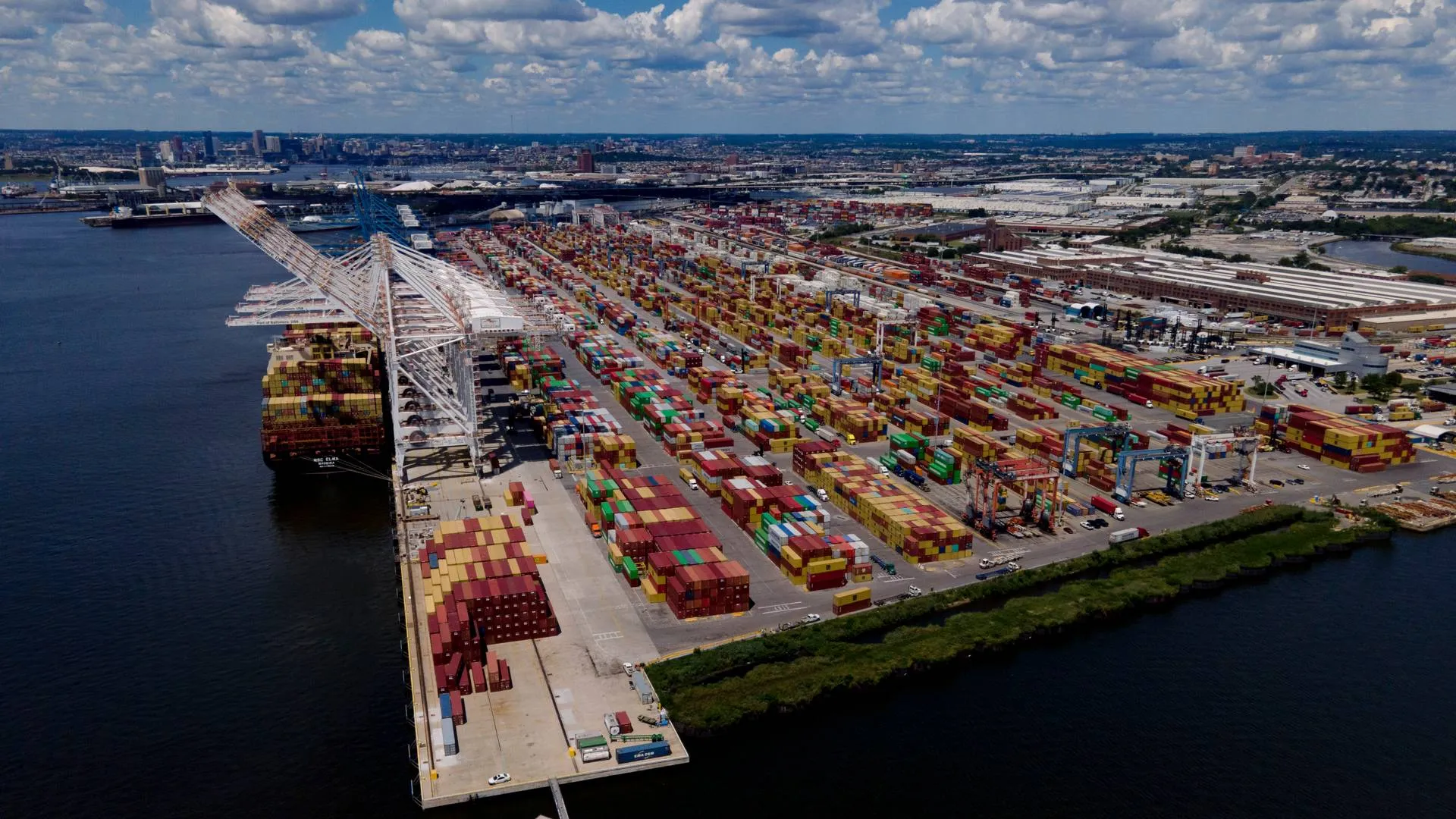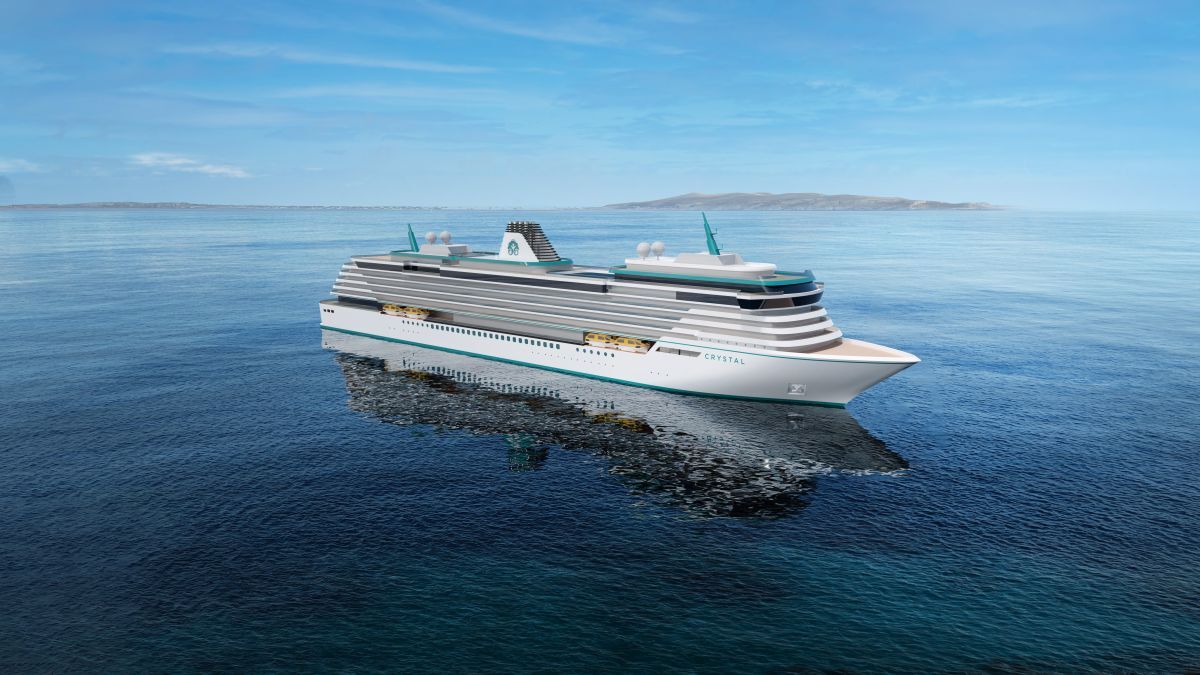
On September 18th, at the Waigaoqiao Port of Shanghai Port, the methanol bunkering vessel “Haigang Zhiyuan” slowly approached the already berthed 9300 CEU car carrier “Gang Rong”. As the two vessels steadily connected, a simultaneous operation of marine methanol fuel bunkering commenced—on the vehicle deck of the “Gang Rong”, vehicle loading and unloading proceeded in an orderly manner; meanwhile, on the other side, the bunkering line between the “Haigang Zhiyuan” and the “Gang Rong” was successfully connected, and methanol fuel was being transferred smoothly. This marked the first-time achievement of simultaneous “ship-to-ship” methanol fuel bunkering on the main trunk line of the Yangtze River, signifying that the Shanghai Waigaoqiao Port Area now officially possesses the capability for simultaneous marine methanol fuel bunkering, adding a significant milestone to the green shipping development of Shanghai Port.
Behind the high efficiency and convenience of this one-stop “/unloading + bunkering” service lay multiple hidden challenges. First, methanol itself has physicochemical properties such as low flash point, high volatility, and toxicity. Any leakage could not only threaten personnel safety but also pose fire and environmental risks, placing extremely high demands on leak prevention measures and personal protective equipment. Second, the operation area is located in a core segment of the Yangtze River’s golden waterway, adjacent to the Yuanyuansha警戒区 (caution area), with dense and frequent traffic of upstream and downstream vessels and complex navigational conditions. Any operational carelessness could lead to ship collision accidents, thereby triggering secondary risks. Third, during the process of simultaneous cargo handling and methanol fuel bunkering, the unstable water environment can easily cause hull displacement, potentially leading to mooring system failure; simultaneously, the bunkering lines, affected by the hull’s movement, face risks of connection loosening or fracture. Should a line break occur, methanol leakage could easily cause public safety incidents such as fire, explosion, or personnel poisoning.
Faced with these high risks and difficulties, the Pudong Maritime Safety Administration intervened early and made meticulous deployments. It held multiple consultations with the bunkering provider, the recipient, and the terminal operator, scrutinizing potential risk points such as collisions and leaks one by one, and tailored a safety supervision and service support plan. From the bunkering vessel’s departure from port, through dynamic tracking of its passage, to on-site supervision of the entire operation, and until the safe departure of the bunkering vessel post-operation, the Pudong Maritime Safety Administration established a full-process supervision chain. During this period, it monitored the status of both vessels through real-time dynamic tracking, arranged personnel for on-site inspections of equipment connections and the implementation of protective measures, while also strengthening surrounding traffic organization and navigational order maintenance. Through these multi-pronged approaches, it achieved comprehensive dimensional control over the bunkering operation, ensuring the entire process was safe and orderly, and also accumulating valuable experience for subsequent similar complex scenarios of simultaneous bunkering.
The success of this first simultaneous ship-to-ship methanol fuel bunkering operation on the Yangtze River’s main trunk line is a key practice for Shanghai in building a green fuel bunkering service center. It not only continues the successful experience of Waigaoqiao Port’s implementation of the Yangtze’s first LNG bunkering operation but also promotes the maturation of the one-stop “/unloading + bunkering” service model. It further expands the scenarios for simultaneous green fuel bunkering and enhances the high-end shipping service capability of Shanghai Port. For the Yangtze River Basin, this “Shanghai model” is replicable and promotable, offering reference for other ports. For Shanghai Port itself, the simultaneous bunkering model can significantly save shipping schedules for companies, improve operational efficiency, attract more green fuel vessels to call, and strengthen its hub status and international competitiveness in the global shipping network. In the future, under the guidance of the Shanghai Maritime Safety Administration, the Pudong Maritime Safety Administration will continue to improve its service support capabilities for new energy bunkering, injecting more momentum into the green and high-quality development of Shanghai’s shipping industry.
Full Media Reporter Sun Muzi, Correspondents Ye Shun, Zhu Xiaofeng, Liu Zhengjun