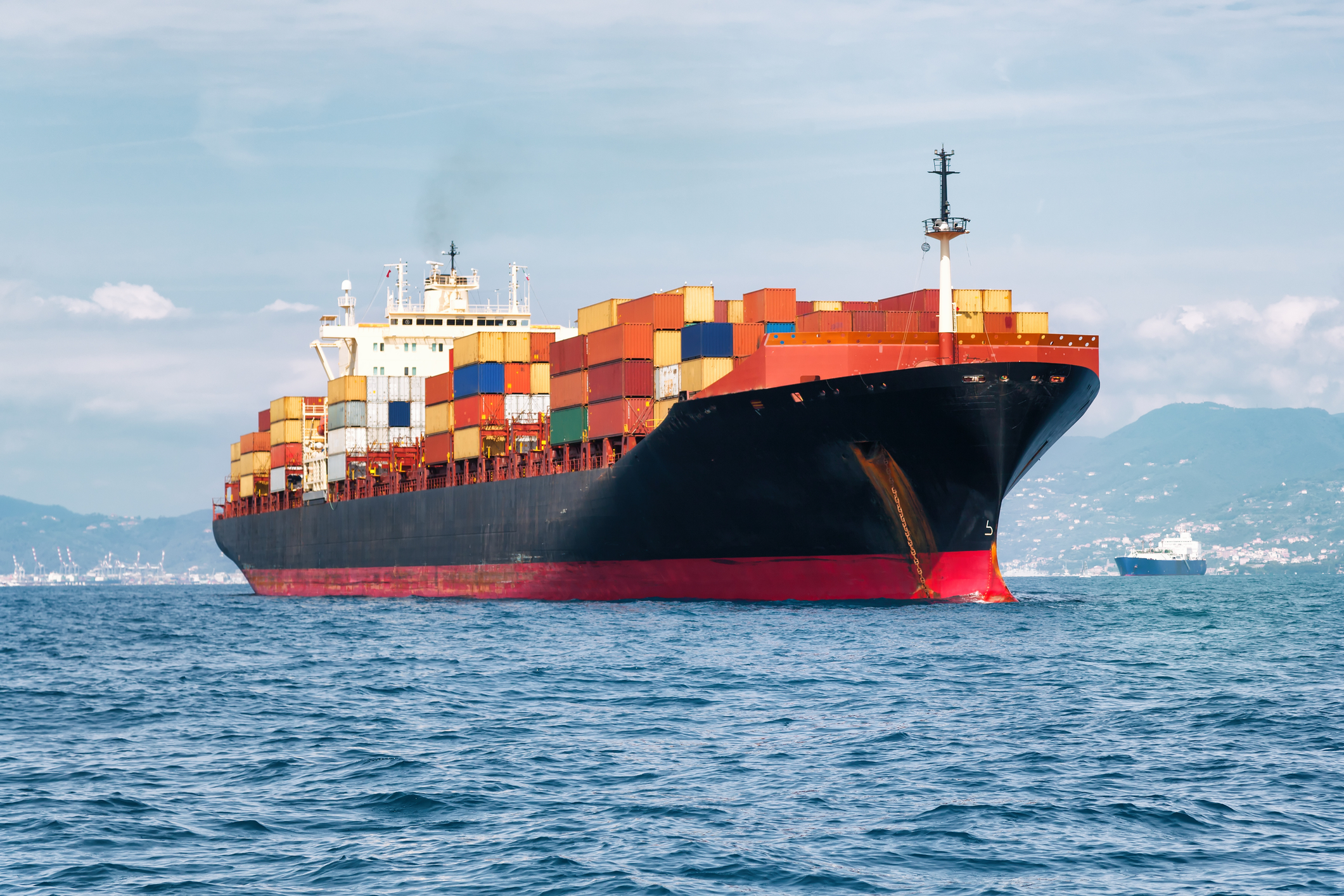
The Marine Environment Protection Committee (MEPC) of the International Maritime Organization (IMO) will hold its 82nd session starting on September 30, 2024, at the IMO headquarters in London. The meeting will focus on environmental protection measures, including strategies for preventing and mitigating pollution in the Arctic.
Prior to the session, the Clean Arctic Alliance, a consortium of 23 environmental organizations, organized a webinar to raise awareness about the impacts of the shipping industry on the Arctic. Key topics discussed included black carbon emissions, emission control areas, and the use of exhaust gas cleaning systems (scrubbers).
A major concern at MEPC 82 will be black carbon emissions, especially in the Arctic. Bill Hemmings, an advisor to the Clean Arctic Alliance, noted that despite 13 years of discussions on reducing black carbon, concrete measures have yet to be agreed upon. Hemmings highlighted that shipping traffic in the Arctic is growing, with ships burning cheap residual fuel, which contributes to high levels of black carbon, a short-lived but highly potent climate pollutant. He advocated for a switch to cleaner distilled marine fuels, which are already used globally, to reduce black carbon emissions.
In 2021, the IMO adopted a resolution urging the use of distilled fuels to reduce emissions in the Arctic, although it remains a voluntary measure. Hemmings highlighted the immediate climate benefits of reducing black carbon, especially in a region as vulnerable as the Arctic.
Kaare Press-Kristensen, from Green Global Future, emphasized another key agenda item: the designation of new Emission Control Areas (ECAs) to limit emissions of sulfur oxides (SOx), nitrogen oxides (NOx), and particulate matter. MEPC 82 is expected to formally approve the designation of the Canadian Arctic and the Norwegian Sea as ECAs, which will enter into force in March 2026. Additionally, the creation of an ECA in the North Atlantic will be discussed, which could become the largest geographical control area, connecting existing ECAs in Canada, Norway, Europe, and the Mediterranean.
Sam Davin, from the World Wildlife Fund (WWF), expressed concerns about scrubbers, which are used to comply with sulfur emission standards without switching to cleaner fuels. While scrubbers reduce sulfur emissions, they generate wastewater that contributes to marine pollution. This wastewater is now the second largest source of maritime waste, toxic to marine ecosystems. Davin called for stricter regulation, stating that scrubbers pose risks, especially when they fail, and urged MEPC to reconsider their use in favor of cleaner fuel alternatives.
John Maggs, from Ocean Conservancy, spoke about the Carbon Intensity Indicator (CII), which measures the energy efficiency of ships. Maggs emphasized the importance of the CII for meeting the IMO’s climate goals, which aim for a 30% reduction in emissions by 2030 and an 80% reduction by 2040. However, he expressed concern that the current CII lacks enforcement mechanisms and called for its revision to strengthen its impact on emission reduction.
MEPC 82 will be crucial for defining future maritime regulations to protect the Arctic and address broader environmental challenges in the shipping industry.