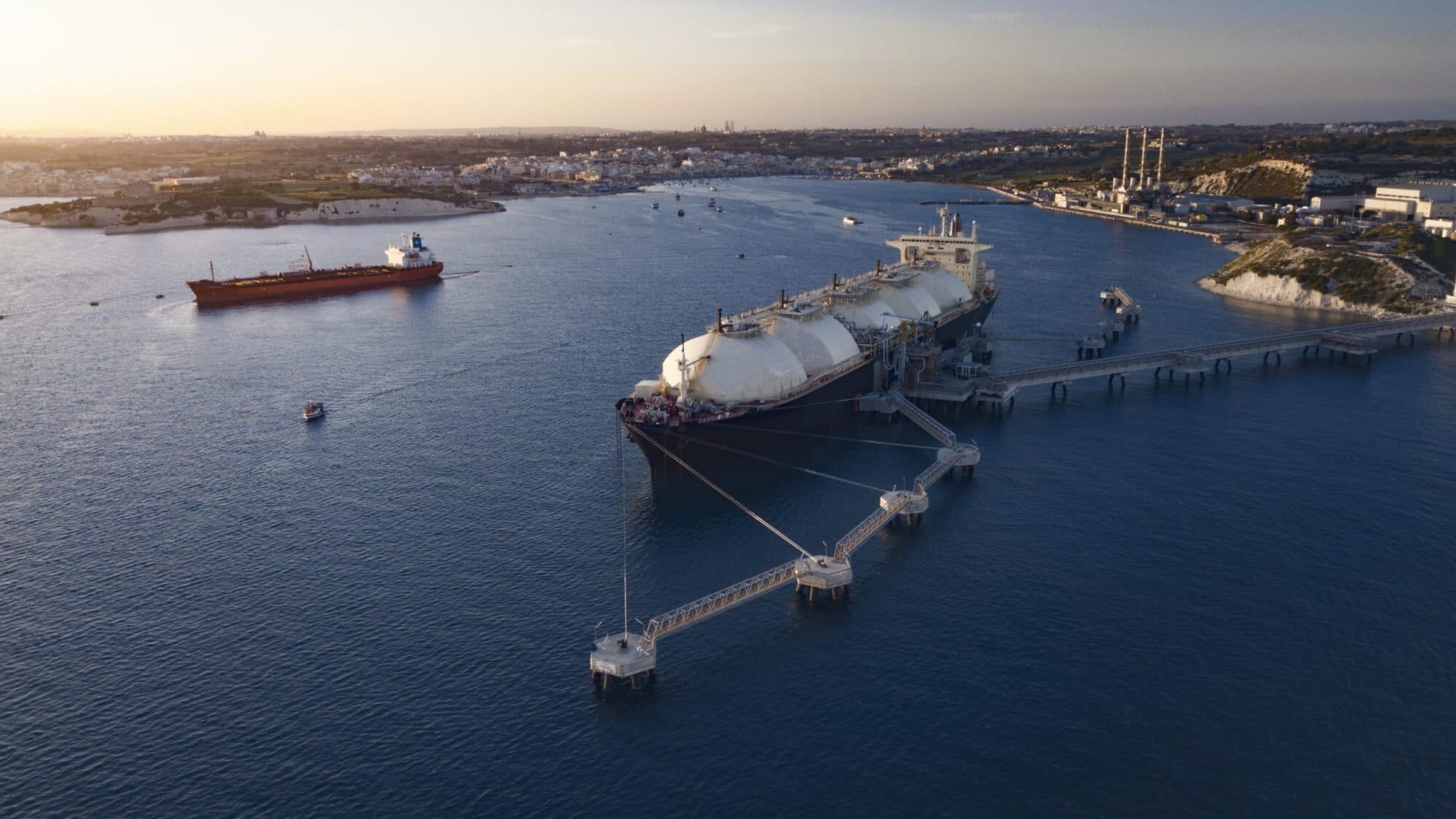
According to a report from Reuters, shipping expenses for liquefied natural gas (LNG) have surged to their highest levels in nearly eight months. This increase is largely attributed to a decrease in vessel availability, driven by more ships being redirected towards Asia amid escalating tensions in the Middle East. As of Monday, the Atlantic freight rate for standard two-stroke engine vessels capable of transporting 174,000 cubic meters of LNG reached $51,750 per day—marking its peak as early October. Similarly, the Pacific freight rate for these vessels also jumped to $36,750 per day.
Qasim Afghan from Spark Commodities noted that this uptick in global LNG shipping rates stems primarily from limited vessel availability due to changing pricing dynamics for U.S. cargoes. The situation has been further complicated by rising concerns regarding conflicts in the Middle East. Additionally, Egypt’s recent tender seeking up to 160 LNG cargoes through 2026 has intensified demand for shipping services.
Earlier this year saw LNG shipping rates plummet to five-year lows as an expanding global fleet and favorable prices in Europe kept U.S.shipments within the Atlantic rather than heading towards Asia. However, recent shifts have made it equally lucrative to deliver LNG across both regions; thus spot cargoes are now increasingly opting for routes through the cape of Good Hope—lengthening voyage times and limiting available tankers.
Tensions between Israel and iran have added another layer of complexity; with both nations exchanging missile strikes and fears mounting that Tehran might close off critical maritime routes like the Strait of Hormuz as retaliation measures escalate. Consequently, shipowners are hesitant about chartering vessels due to these risks—a factor contributing significantly to reduced tanker availability and soaring prices.
Insurance premiums for tankers navigating through this vital strait have also spiked dramatically—reportedly increasing up to fivefold since hostilities began between Israel and Iran—as highlighted by multiple trade sources who preferred anonymity due to media restrictions. Notably, around 20% of global oil and gas traffic passes through this narrow waterway located between Iran and Oman; Qatar relies heavily on it as one of its primary export channels.
while current market conditions present challenges with rising costs linked directly back to geopolitical tensions and shifting trade patterns within Asia-Pacific regions—and beyond—the landscape remains dynamic with potential opportunities emerging amidst these complexities.