/Reuters Agency
Venezuela, in search of income amid U.S. sanctions, recently restarted coal production with a Turkish company and plans to export more than 10 million tons of this fuel in 2025, according to company sources.
However, the mining is being carried out without environmental protection measures, contaminating the local air and water, according to a source with knowledge of the operations, indigenous leaders, and local community members.
The Venezuelan Government has promoted what it claims is 8.7% economic growth in the third quarter, although several international companies have long since left the country, where inflation is expected to reach around 200% this year and foreign oil companies must obtain licenses from the United States to operate.
Coal, however, is exempt from sanctions, which has allowed the reactivation of the joint venture Carboturven, a partnership between the Venezuelan state-owned company Carbozulia and the Turkish company Glenmore Dis Ticaret Ve Madencilik.
The increase in coal mining reflects other attempts by the government of Nicolás Maduro to diversify the economy of the OPEC member country beyond oil. It is the most recent example of how coal mining persists in Latin America, even as countries like Chile move towards renewable energy.
“It is time to join forces in building a prosperous country,” Maduro said earlier this year, adding that the push for coal will accelerate growth.
Carbozulia formed the joint venture Carboturven with Glenmore in 2018. According to five sources within the company, production at two mines, Paso Diablo and Mina Norte, located in the country’s northwest, resumed at the end of December 2024 after having been suspended for several years.
Maduro has also approved plans to develop another coal project in Falcón state. Venezuela’s coal production stood at around 3 million tons in the first quarter of 2025, according to Carbozulia data, putting the country on track to exceed its annual production of 8 million tons recorded in the early 2000s.
Venezuelan coal, high-energy and with cleaner combustion, is almost entirely destined for export. Venezuela supplies raw coal to Turkey, which markets it in other parts of Europe, said a Paso Diablo employee who asked to remain anonymous, adding that the goal is to export 10 million metric tons per year.
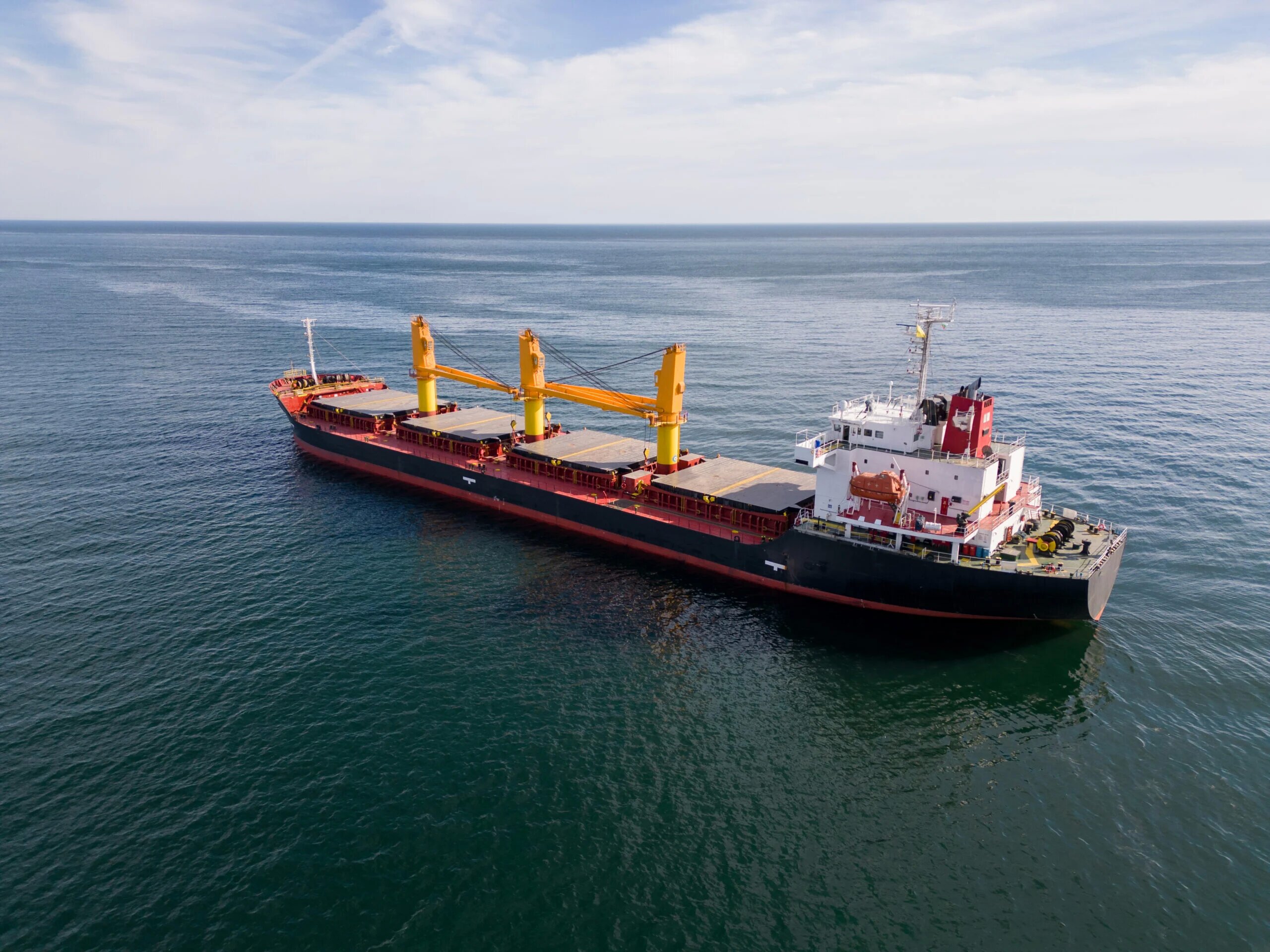
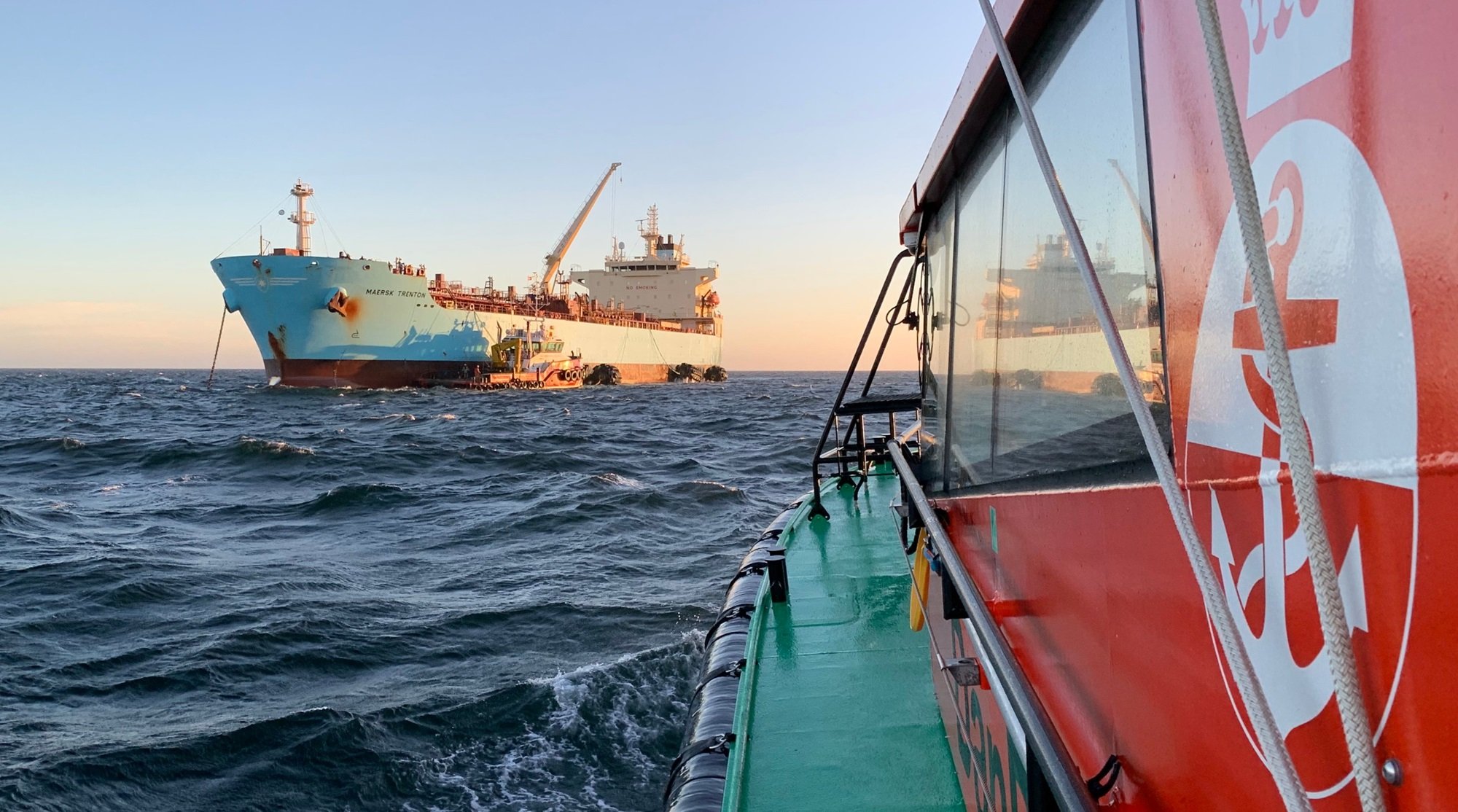
However, recent attacks on vessels by the U.S. military in the Caribbean have halted exports, according to the employee, and forced a suspension of production for the past week, when the company ran out of storage space.
Neither the Venezuelan government nor Carbozulia responded to repeated requests for comment.
Reuters was unable to immediately contact Carboturven, which has no website, or its Turkish partner.
The trade tracker Import Genius shows that Glenmore is registered as an exporter of bituminous coal from Palmarejo, in Zulia state.
Environmental Concerns
Environmental groups, including the local non-profit organization Sociedad Homo et Natura, claim that the mines release sulfate, lead, cadmium, cyanide, and mercury into the Guasare River.
At least 12 indigenous and rural communities have been displaced by mining in recent years, according to Sociedad Homo et Natura and other groups, who fear that more communities could be affected by the expansion of coal.
“They are trying to take over everything they can,” said Lusbi Portillo, coordinator of Sociedad Homo et Natura and an indigenous leader.
An environmental document from Carbozulia dated this year and reviewed by Reuters lists possible mitigation measures for coal mining, such as runoff treatment, emission control, dust suppression systems, and sprinklers on storage piles and conveyor belts, although it was unclear which, if any, are implemented at the mines.
The Paso Diablo worker pointed out that there is a lack of environmental control. Previously, monitors had been installed in each community to measure environmental pollution, but they are no longer operational, the employee said.
Residents living near the mines claim that coal dust is damaging crops and homes. “You can no longer live here,” stated an elderly woman from a community near Paso Diablo in a telephone interview.
“We have coal on the plants, in our houses, on our clothes, in the water, and we receive no benefit from it,” she added, requesting anonymity for fear of retaliation.
Residents shared images with Reuters showing feet stained with coal dust and blackened drinking water containers and houses.
“We are poor communities that live from livestock, and the animals are dying from the dust,” said an indigenous person from La Guajira, referring to the goats, which are key to the community’s economic subsistence.
“We live in extreme poverty surrounded by coal wealth,” they concluded.