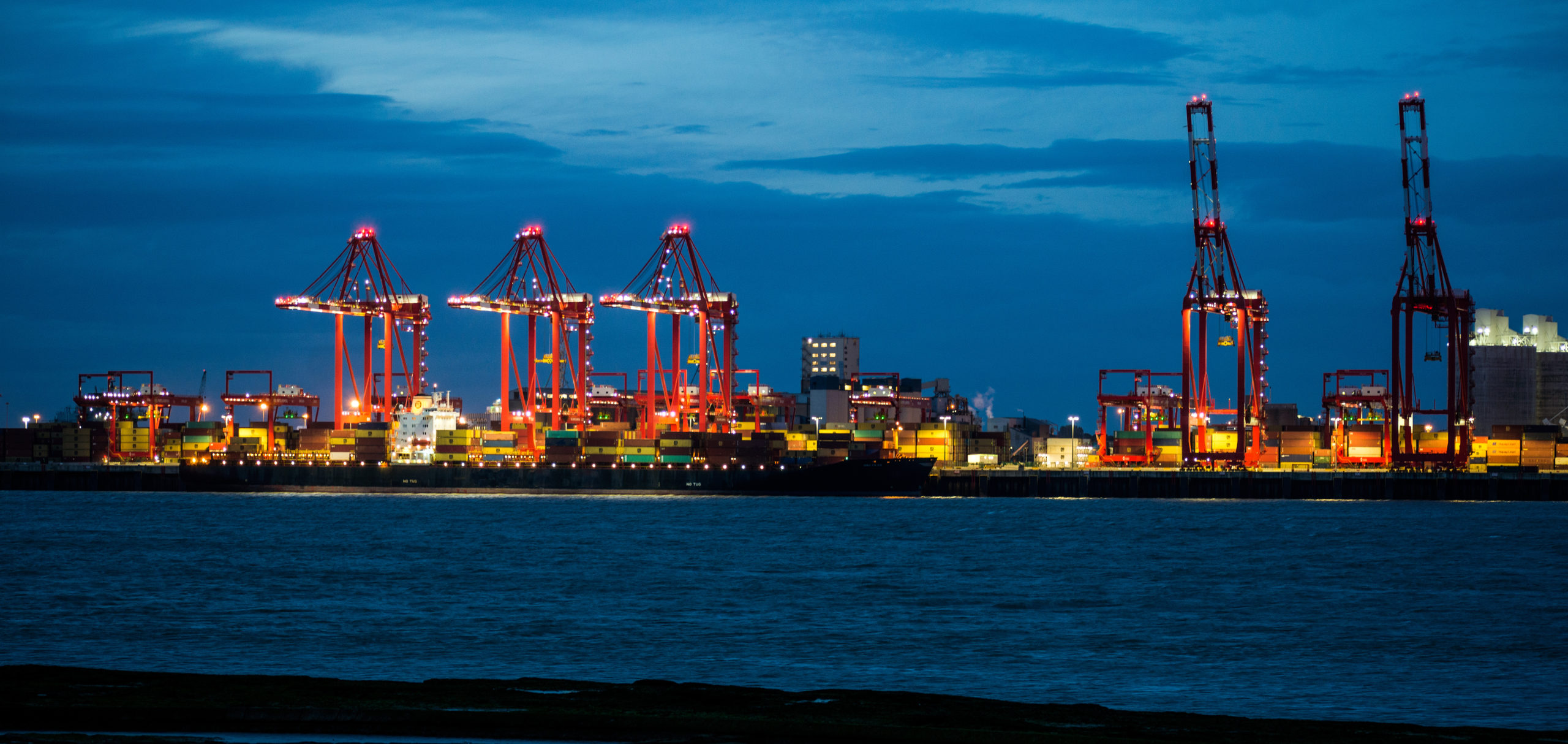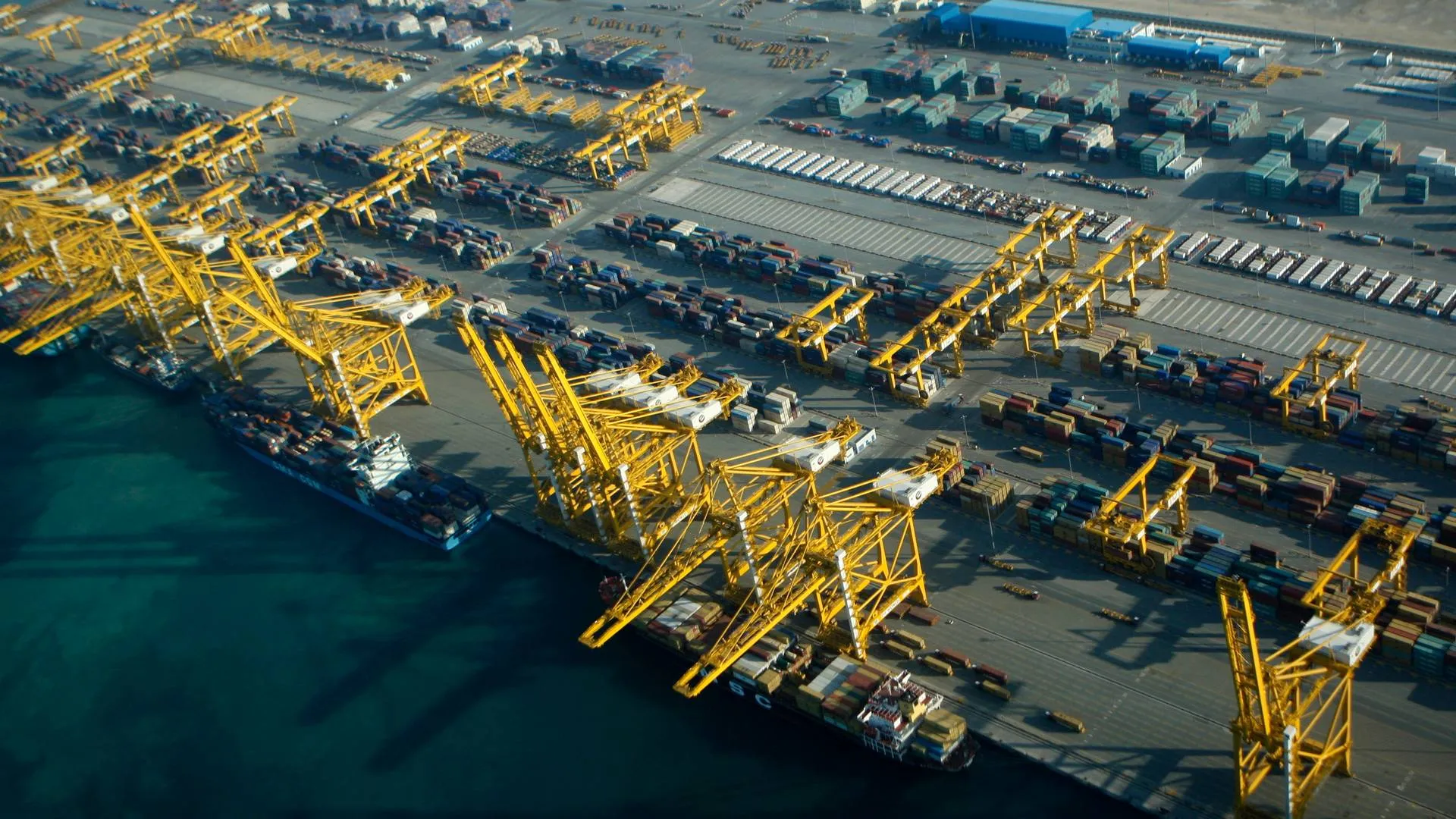
During the first nine months of this year, cargo movement at the Port of Klaipeda increased by 11% compared to the same period last year, reaching 28.7 million tons. The majority of the cargo flow consists of container and Ro-Ro cargo, along with a significant rise in LNG and construction materials.
“Beyond the cargo statistics of the Port of Klaipeda, we see more than just numbers: they reflect the country’s economic activity, agricultural output, progress towards energy independence, and the scope of major projects. We also perceive the impact of global markets. The cargo volume at the Port of Klaipeda has grown steadily this year, with September being the strongest month to date. These results demonstrate that, even in difficult times, we continue to invest and develop ambitious projects. As a result, the Port of Klaipeda remains the leading port among the Baltic countries, with a market share of 41%,” stated Algis Latakas, CEO of the Klaipeda State Seaport Authority.
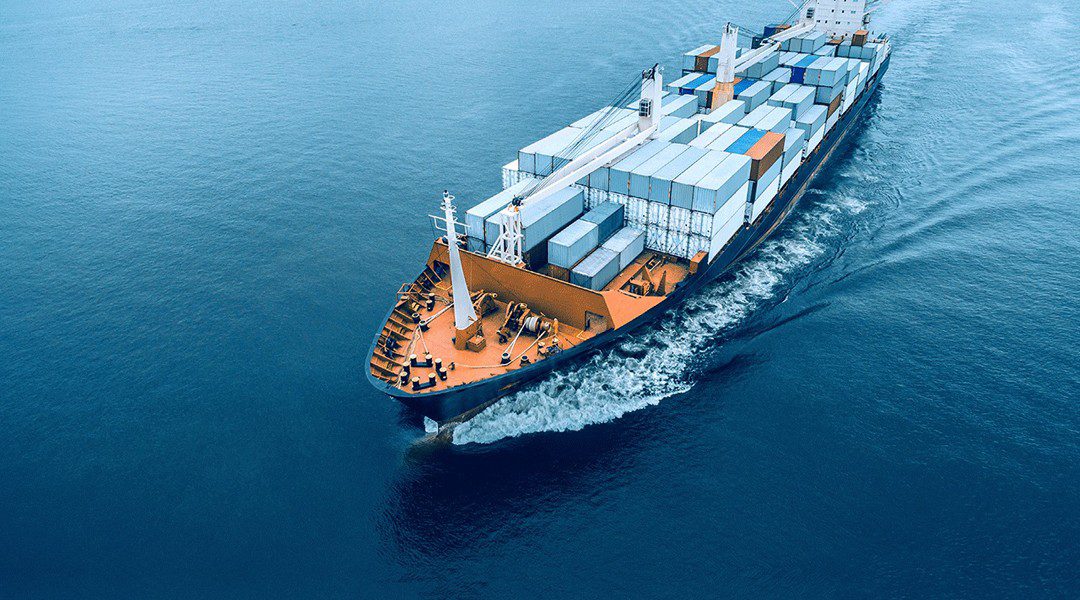
Container cargo showed the highest growth this year, surging by 31% to nearly 9.6 million tons.
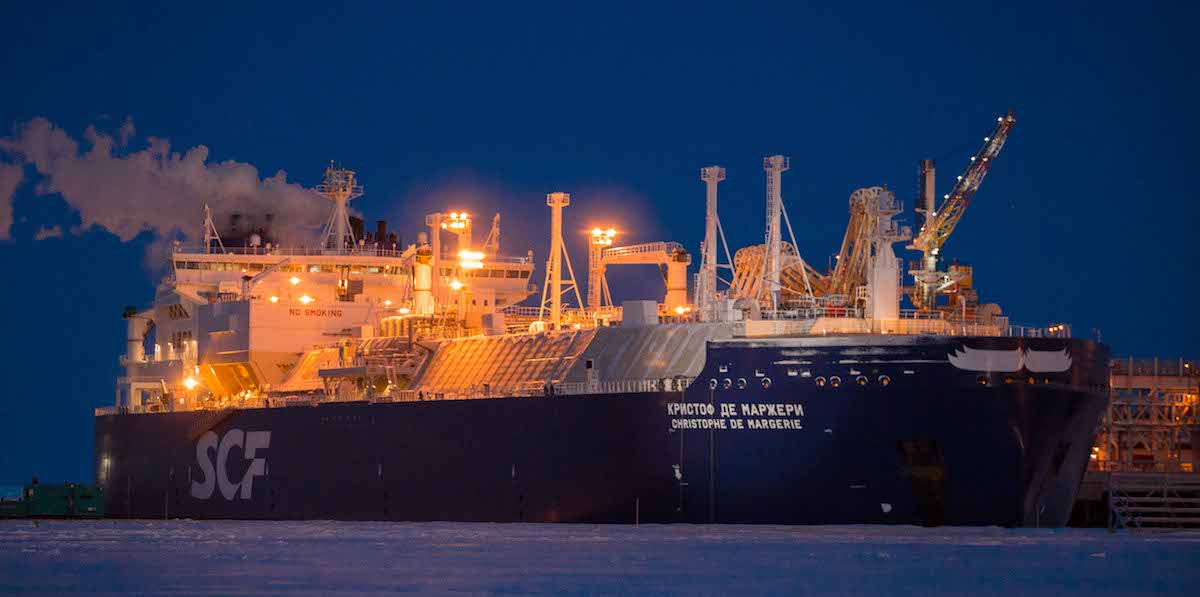
The handling of liquefied natural gas (LNG) and construction materials each grew by 23% during the nine months, reaching approximately 1.7 million tons. The floating storage and regasification unit (FSRU) Independence continues to play an increasingly important role in the Port of Klaipeda, driven by the geopolitical situation and Lithuania’s decision to suspend gas imports from Russia.
The increase in the consumption of construction materials is linked to ongoing road and railway projects in Lithuania. In the Ro-Ro segment, cargo volume rose by 6%, reaching almost 5 million tons, while the handling of oil products saw a 2% increase, with 3 million tons.